Sustainable Manufacturing and Oil-Free Systems: Where Reliability Improves Most




In sustainable manufacturing, reliability has moved from the maintenance department to the center of operating strategy. Oil-free systems are no longer selected only for purity. They now influence uptime, energy efficiency, product consistency, and carbon performance.
Across industrial cooling, compressed air, vacuum, and heat exchange applications, the biggest reliability gains appear where contamination, thermal instability, and unplanned stoppages create hidden cost. That is why sustainable manufacturing increasingly favors oil-free architectures.
For a platform like GTC-Matrix, this shift is important because equipment reliability shapes production economics, regulatory readiness, and energy conversion efficiency at the same time. The question is not whether oil-free systems matter, but where they improve reliability most.
Why reliability matters differently across sustainable manufacturing scenarios
Not every facility gains the same value from oil-free technology. In some settings, the main risk is product contamination. In others, the bigger issue is heat load variation, moisture control, or unstable vacuum performance.
Sustainable manufacturing depends on matching reliability priorities to process conditions. A food line, a semiconductor cleanroom, and a general assembly plant all use compressed air. Yet their acceptable failure modes are completely different.
This is where scenario judgment becomes practical. Reliability improves most when oil-free systems remove the dominant source of process interruption, quality loss, or maintenance uncertainty. That improvement must be measured in context, not in isolation.
Where product purity defines reliability most clearly
Food, beverage, and pharmaceutical processing
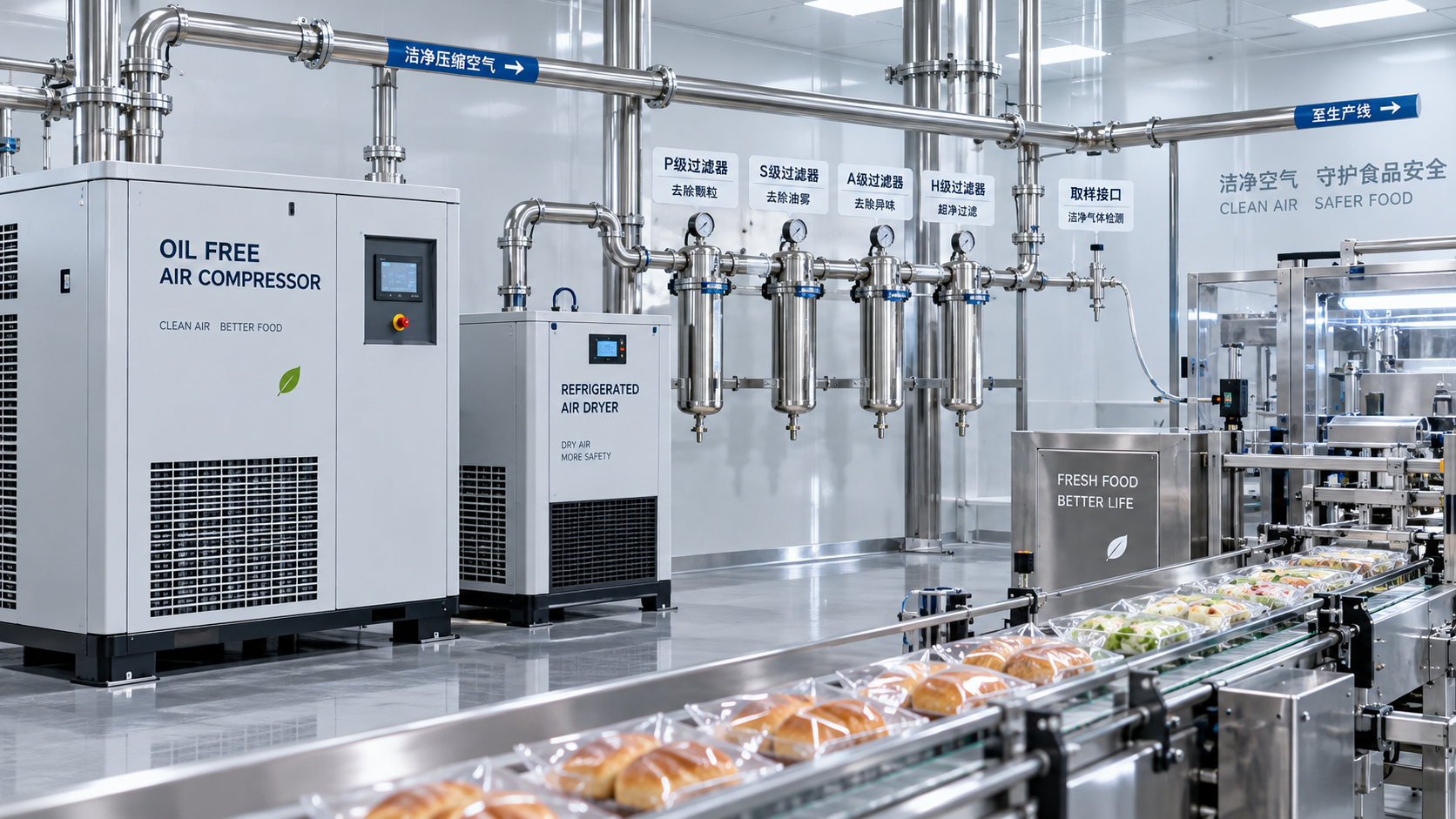
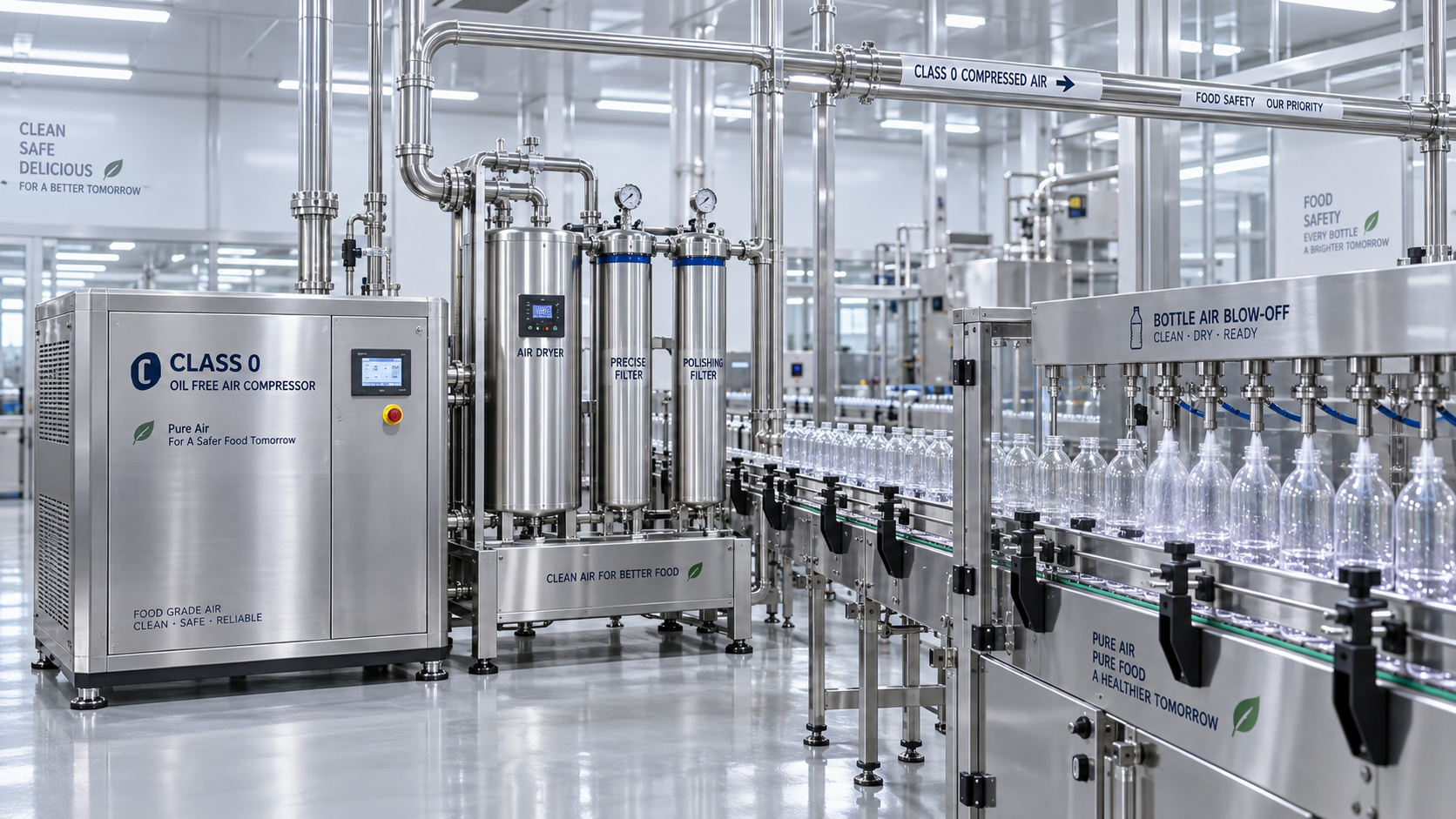
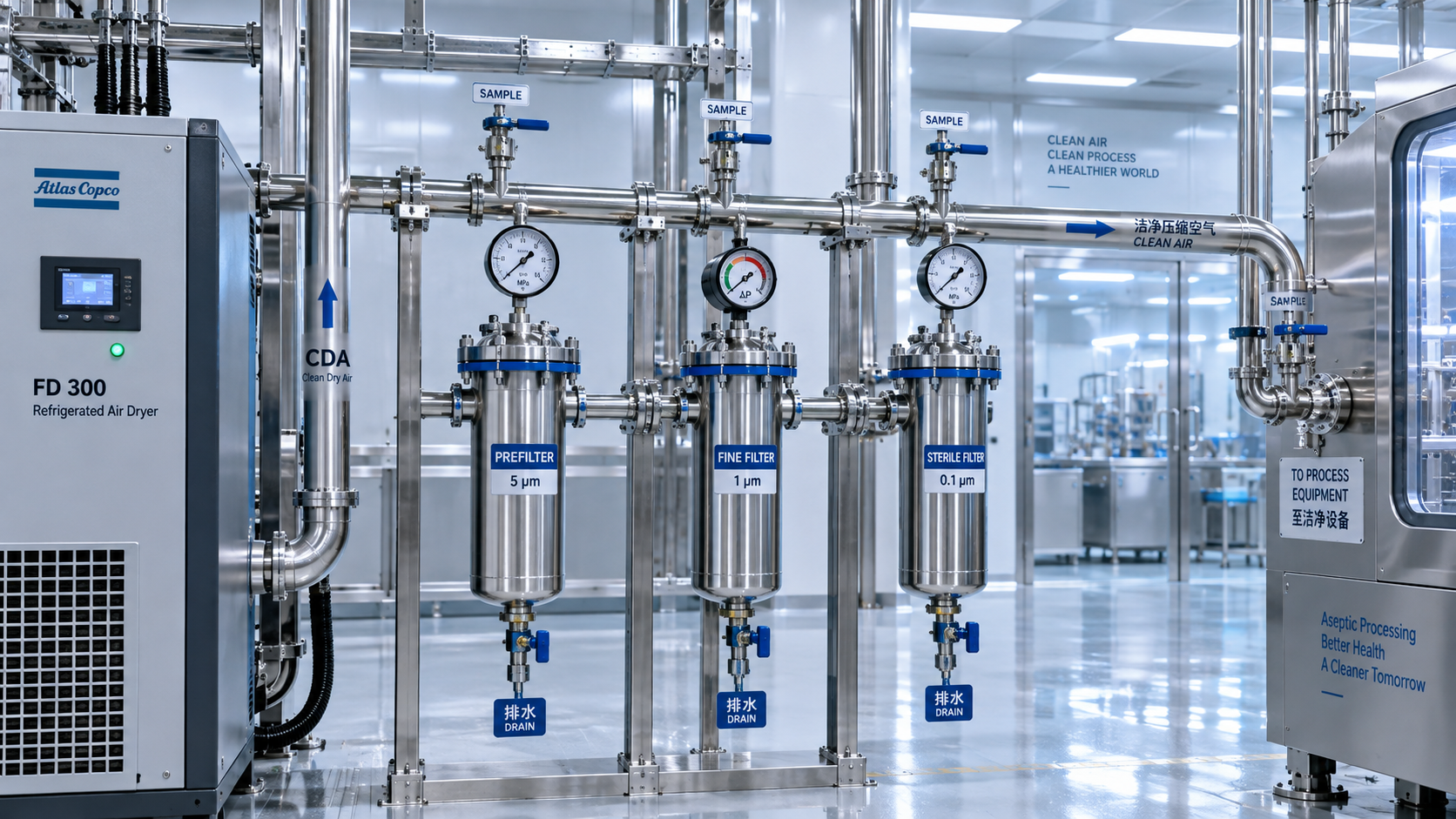
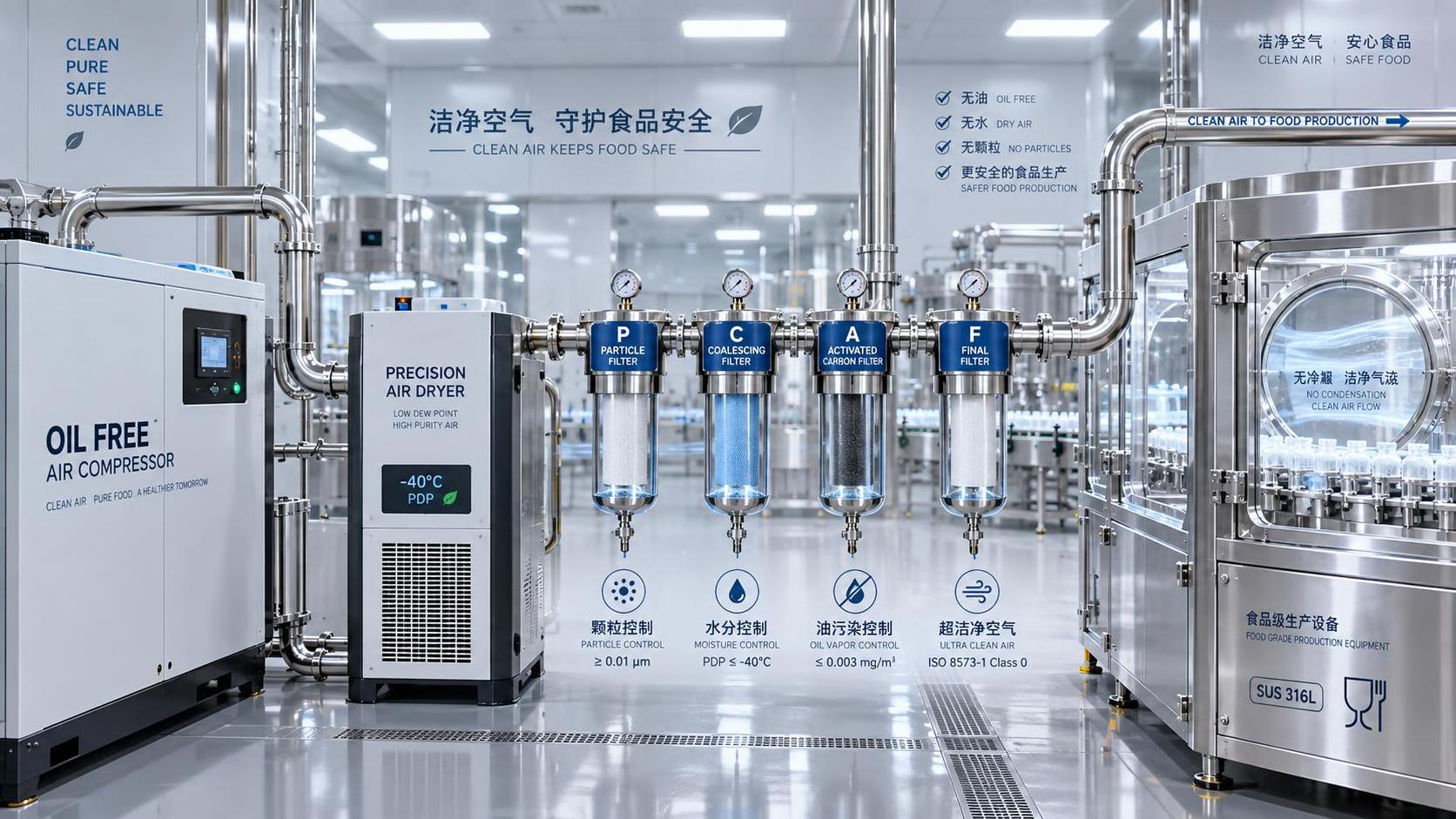
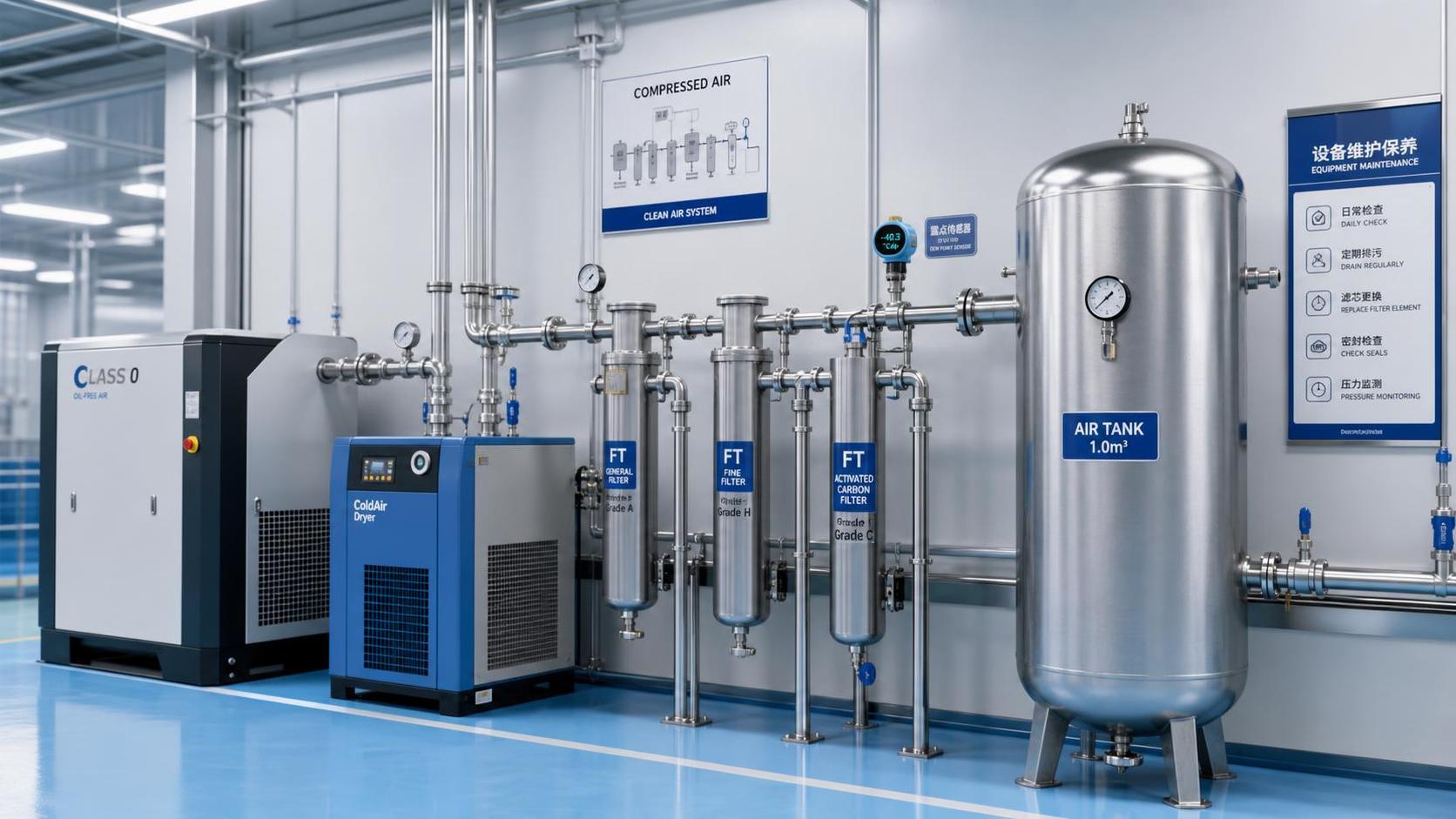
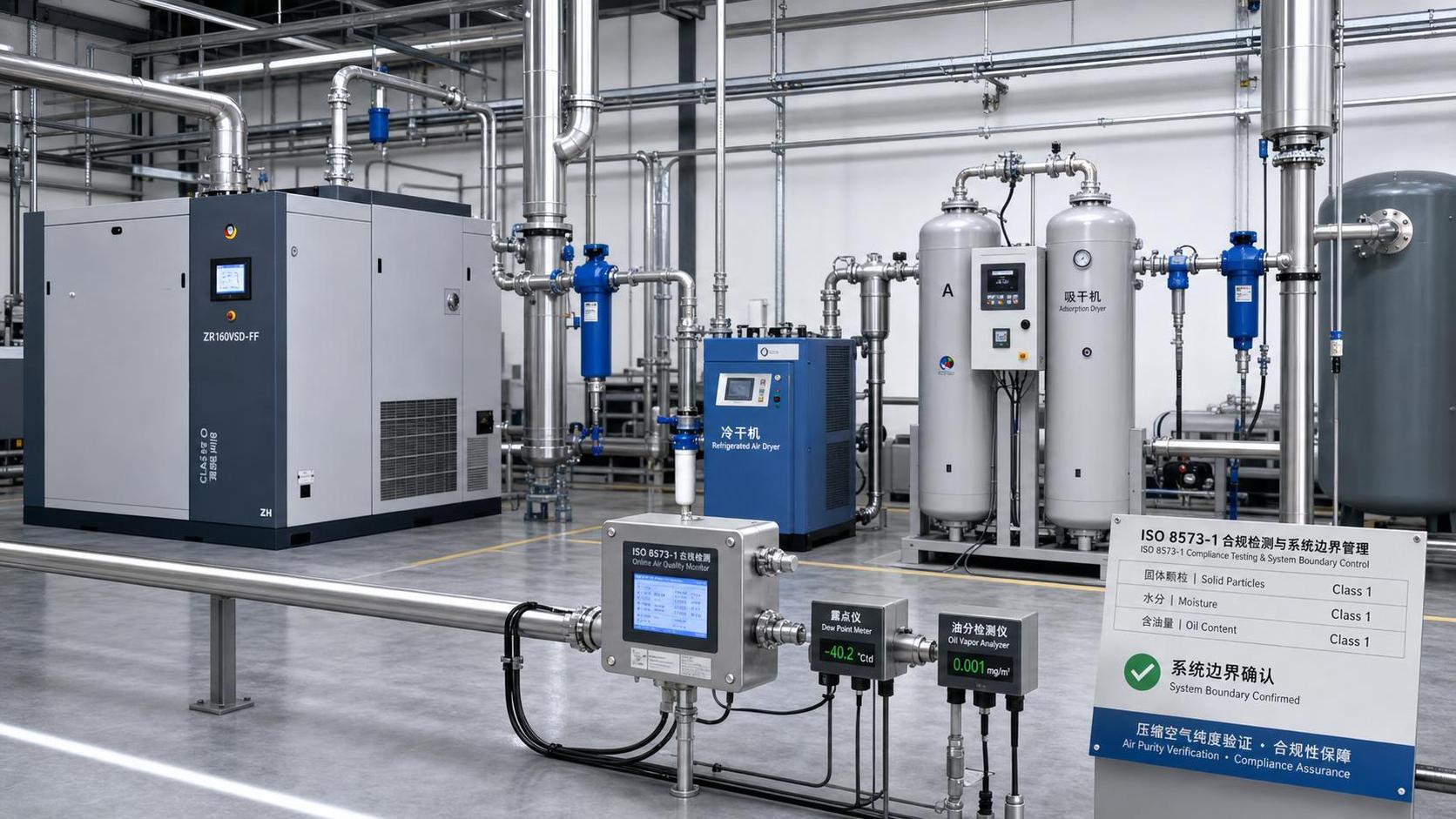
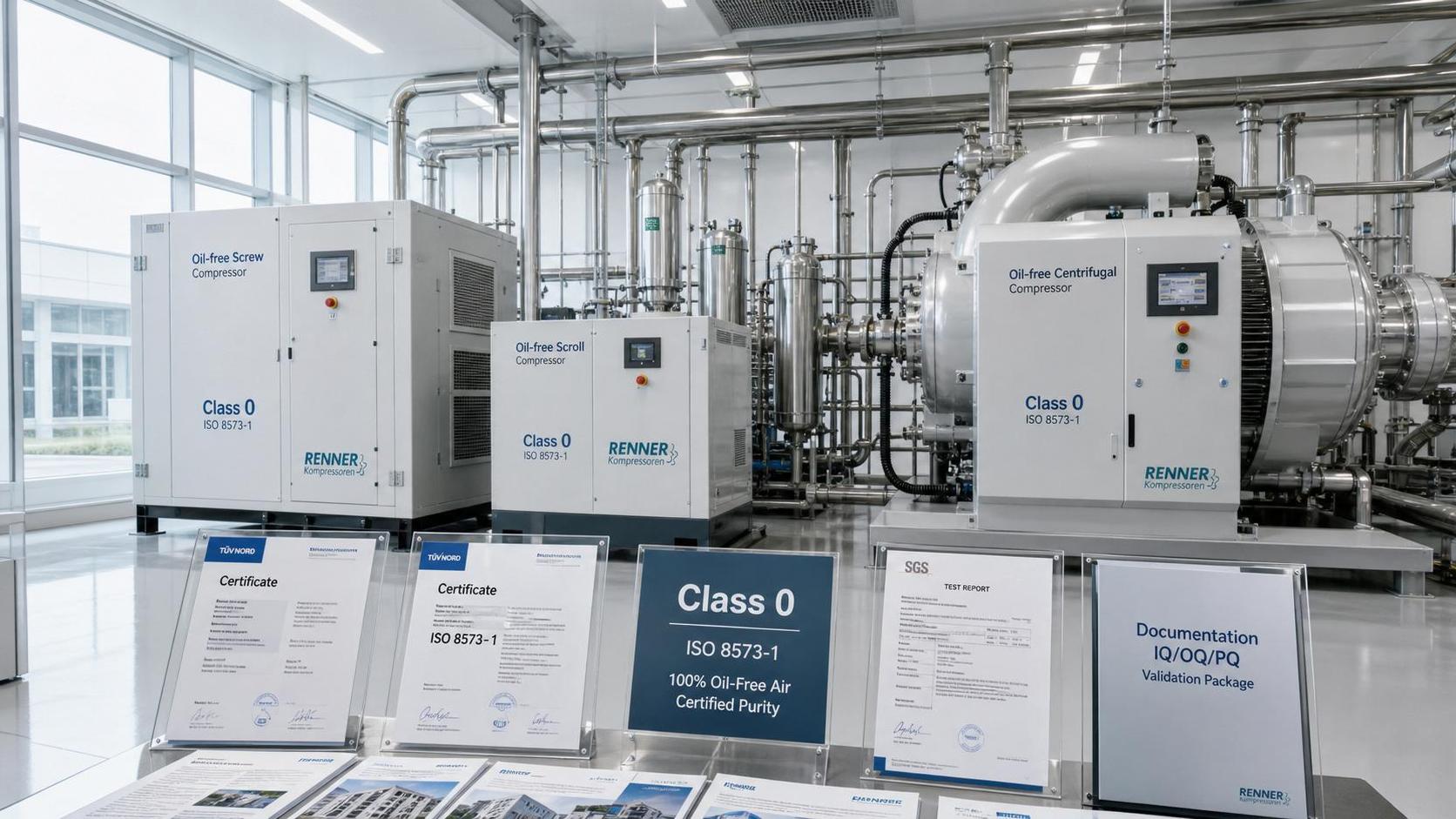
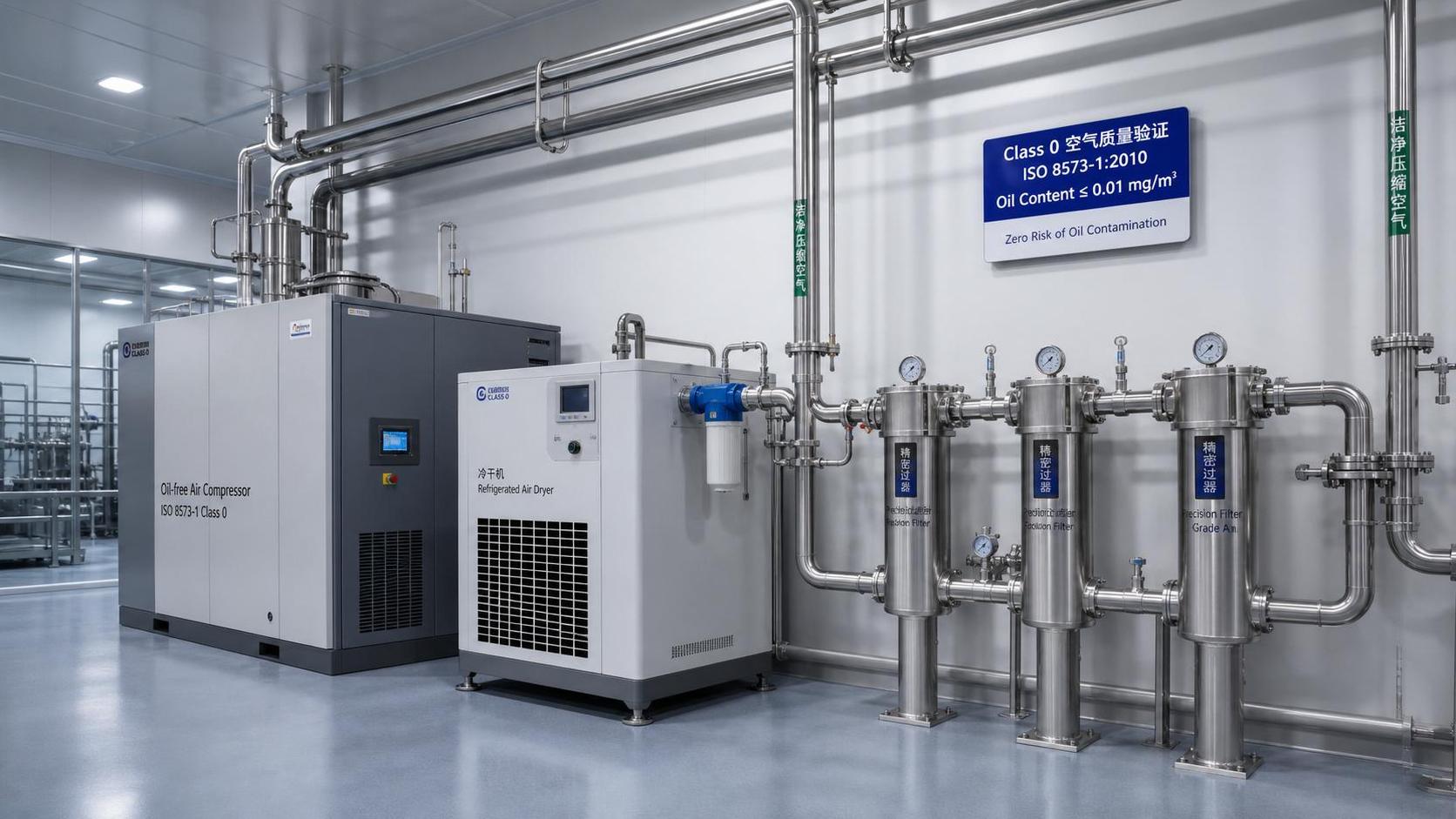
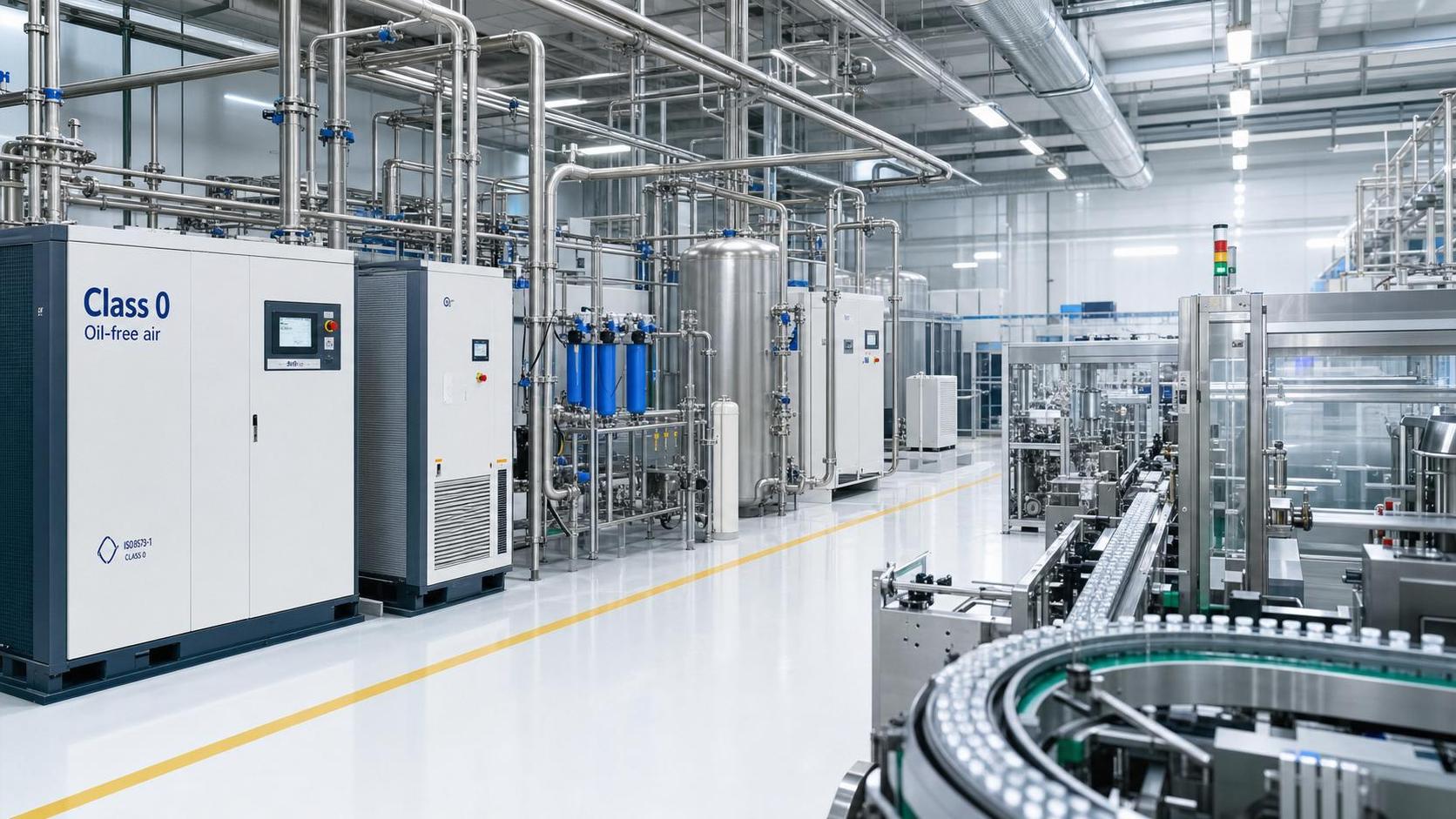
In hygiene-sensitive production, reliability means more than machine availability. It also means stable compliance, low contamination probability, and fewer quality deviations. Oil-free compressed air and vacuum systems directly reduce those exposure points.
When air contacts ingredients, packaging surfaces, or sterile zones, oil carryover becomes a product risk. Sustainable manufacturing gains here because cleaner utilities reduce waste, rework, sanitation burden, and batch rejection.
Electronics and semiconductor environments
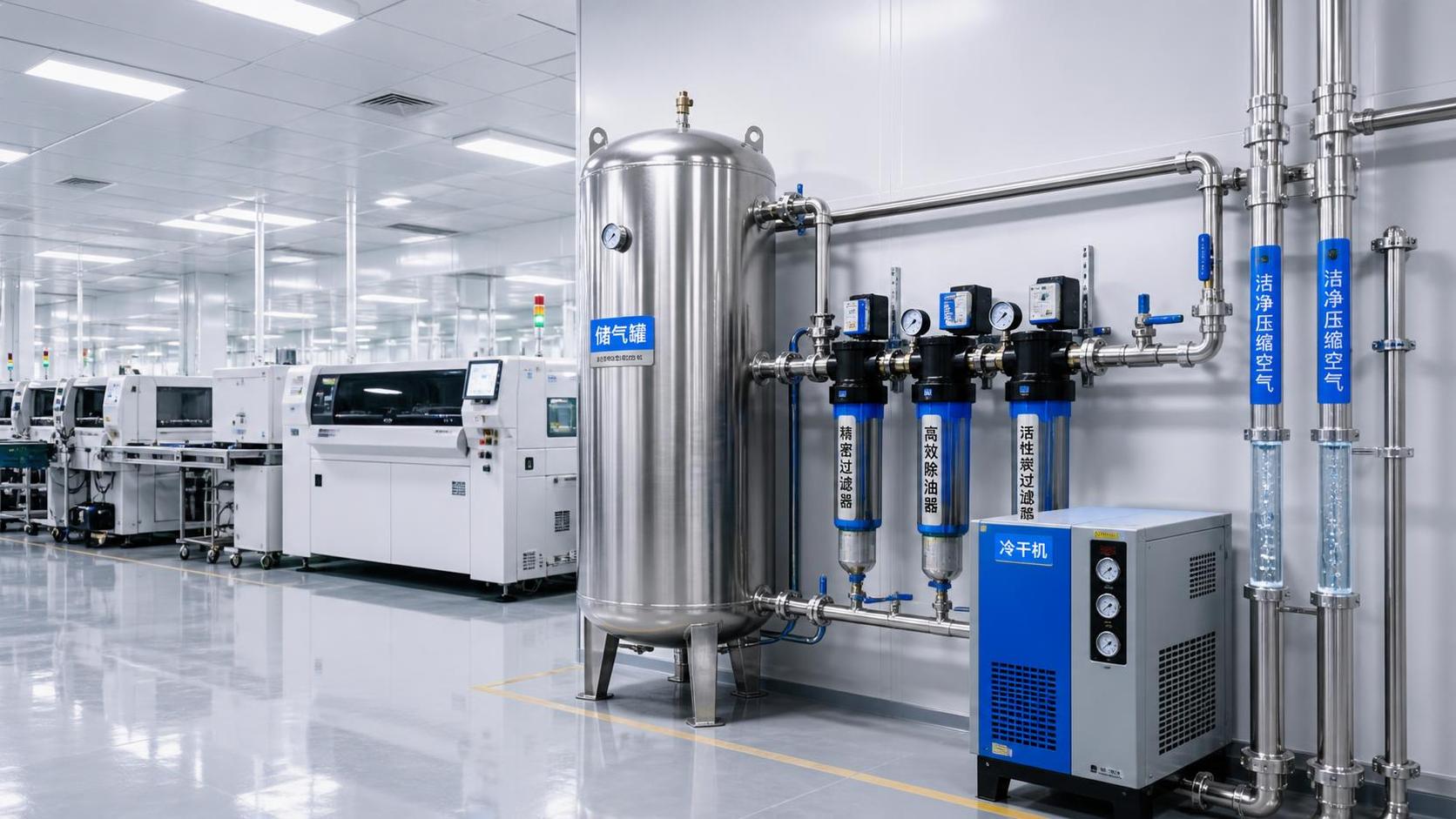
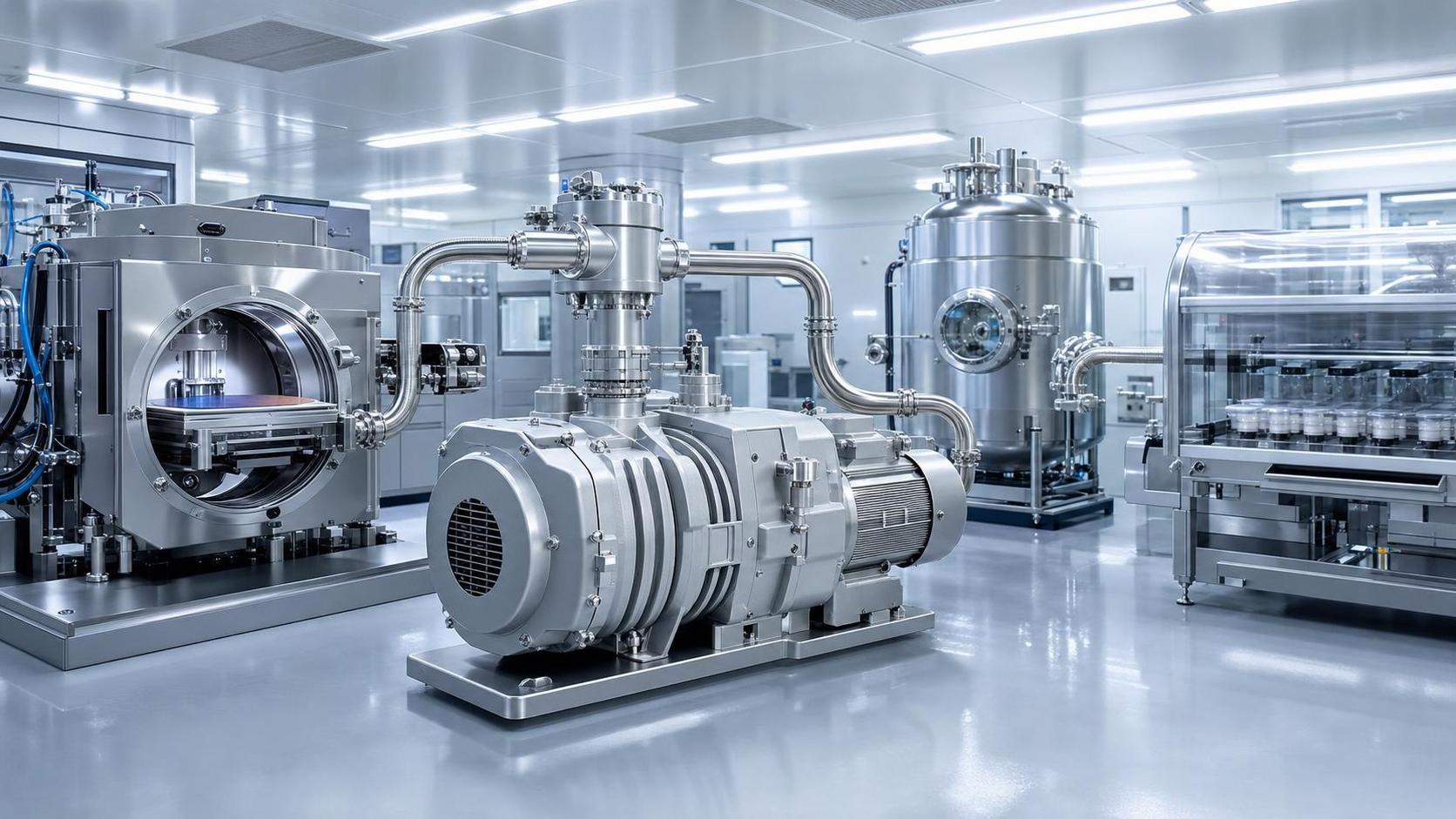
In precision manufacturing, microscopic contamination can disrupt yield long before equipment fails mechanically. Reliability improves most where oil-free air supports clean tools, stable pneumatic control, and predictable thermal management.
These sites often combine compressed air, process cooling, and vacuum networks. Sustainable manufacturing benefits when purity and thermal stability are designed together, limiting particle generation, drift, and maintenance-related process disturbance.
Where uptime improves most under continuous-duty operating conditions
Textiles, packaging, and automated assembly
High-cycle operations value reliability through repeatability. A short pressure drop, moisture event, or compressor shutdown can affect hundreds or thousands of units within minutes. Oil-free systems reduce maintenance complexity in these fast-moving environments.
Sustainable manufacturing in these sectors improves when utility systems become simpler to monitor and recover. Fewer oil management tasks can mean shorter service windows, lower leak sensitivity, and more stable line performance.
Central utility plants serving mixed processes
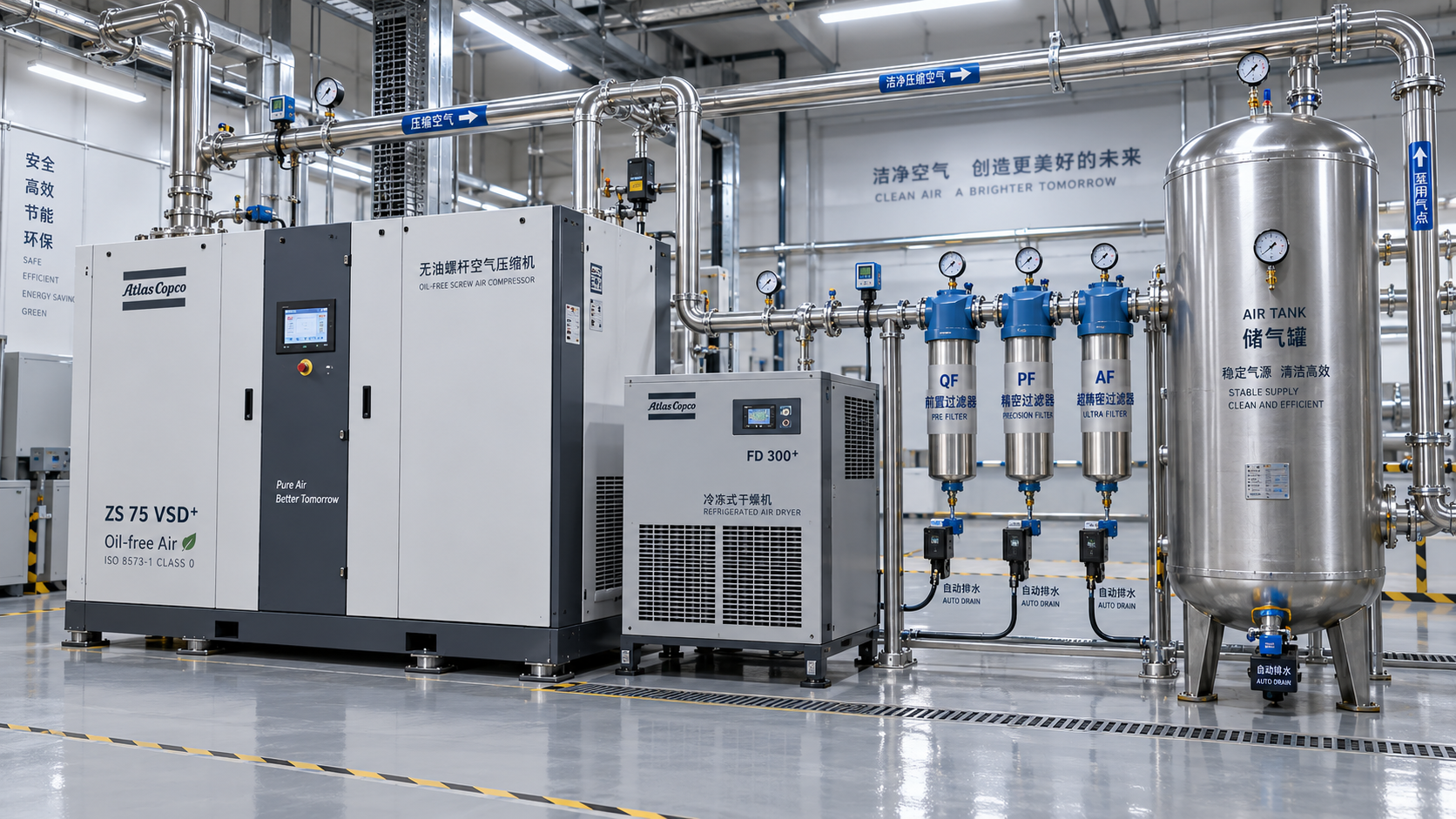
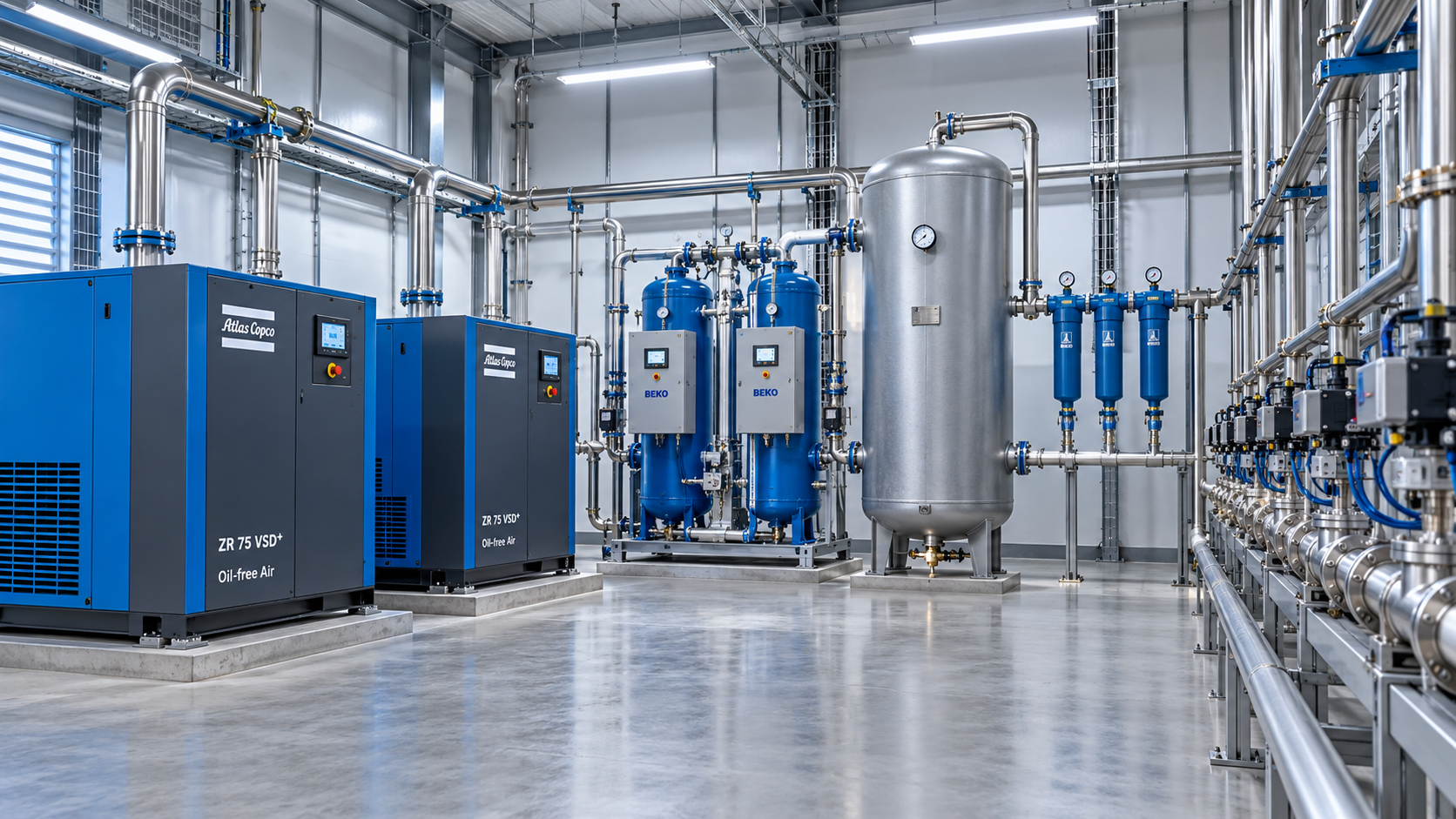
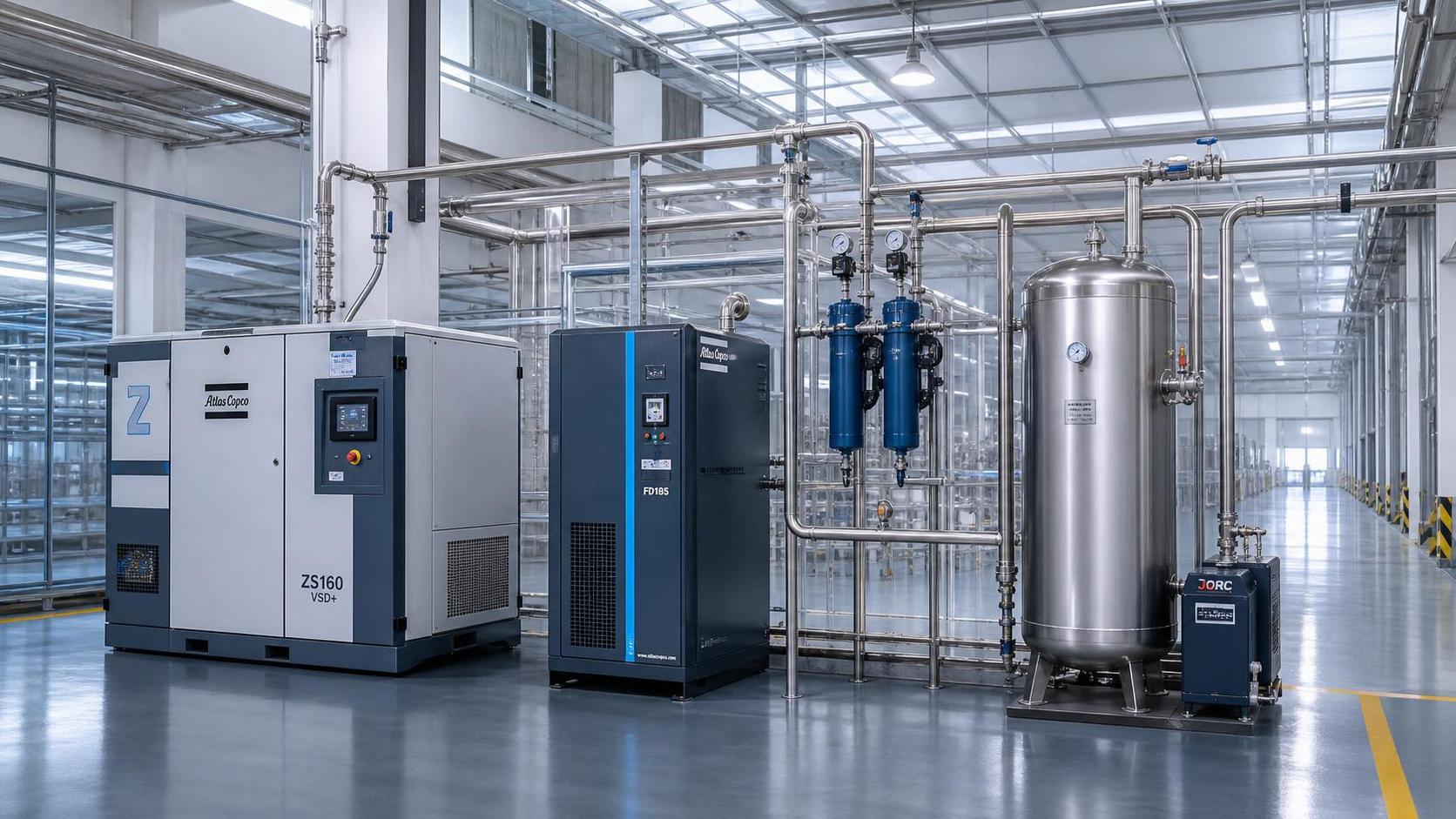
Large facilities often operate a shared backbone for cooling, compressed air, and vacuum. Reliability improves most when one utility disruption does not spread across multiple production zones. Oil-free systems support this by lowering contamination transfer risk.
In sustainable manufacturing, central plants are judged by resilience as much as efficiency. Cleaner systems can reduce filter loading, downstream cleaning events, and maintenance interactions that trigger unexpected system imbalance.
Where thermal process control makes oil-free reliability more valuable
Industrial cooling and heat exchange loops
Thermal systems often fail gradually, not dramatically. Fouling, unstable temperatures, and poor heat transfer create hidden reliability losses. Sustainable manufacturing gains when oil-free support systems help preserve clean heat exchange surfaces and consistent control conditions.
This matters in laser cooling, molding, chemical temperature control, and high-precision HVAC support. Reliability improves most where thermal drift affects cycle time, energy draw, or product geometry before alarms appear.
Vacuum-assisted drying and material handling
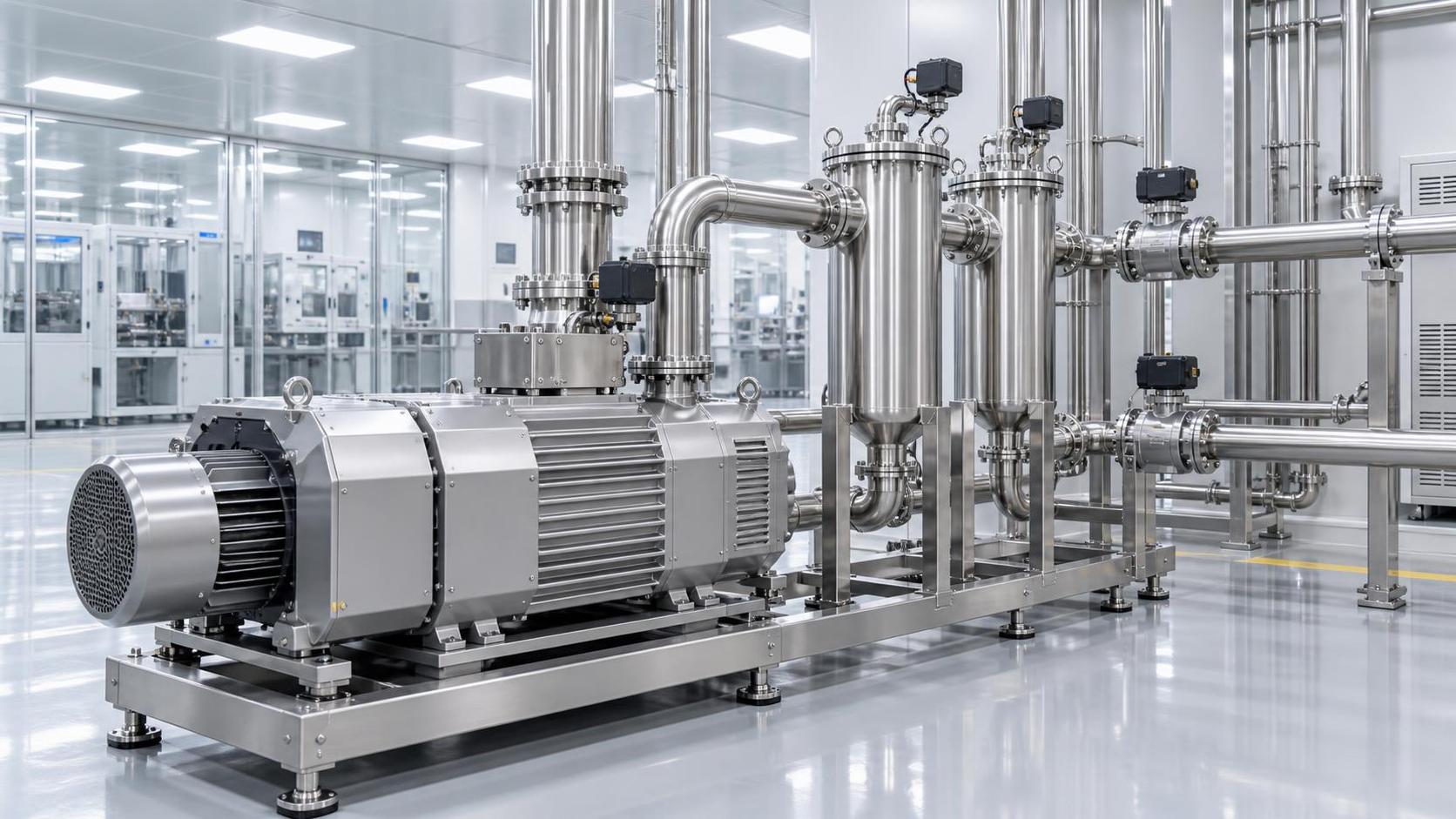
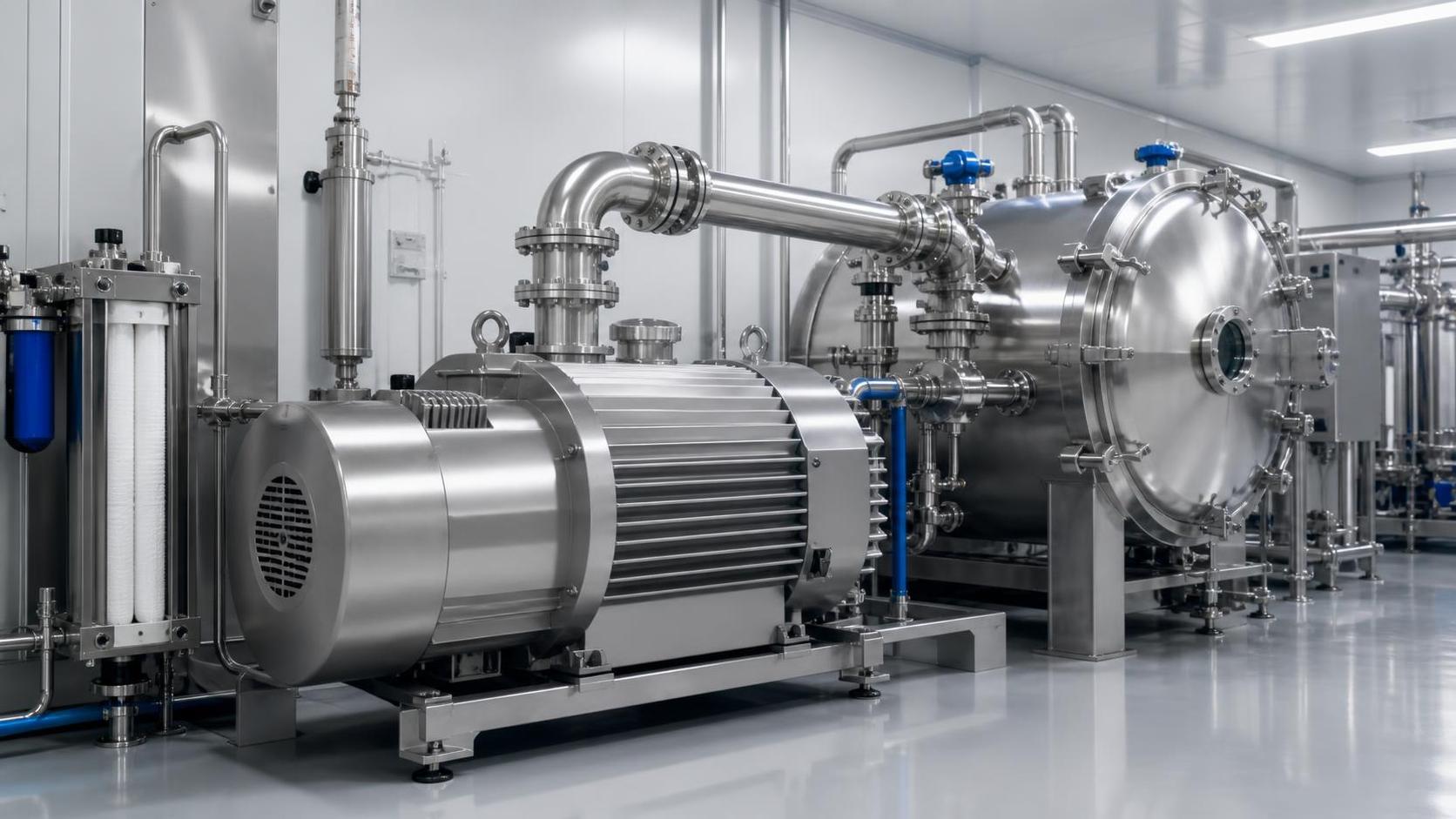
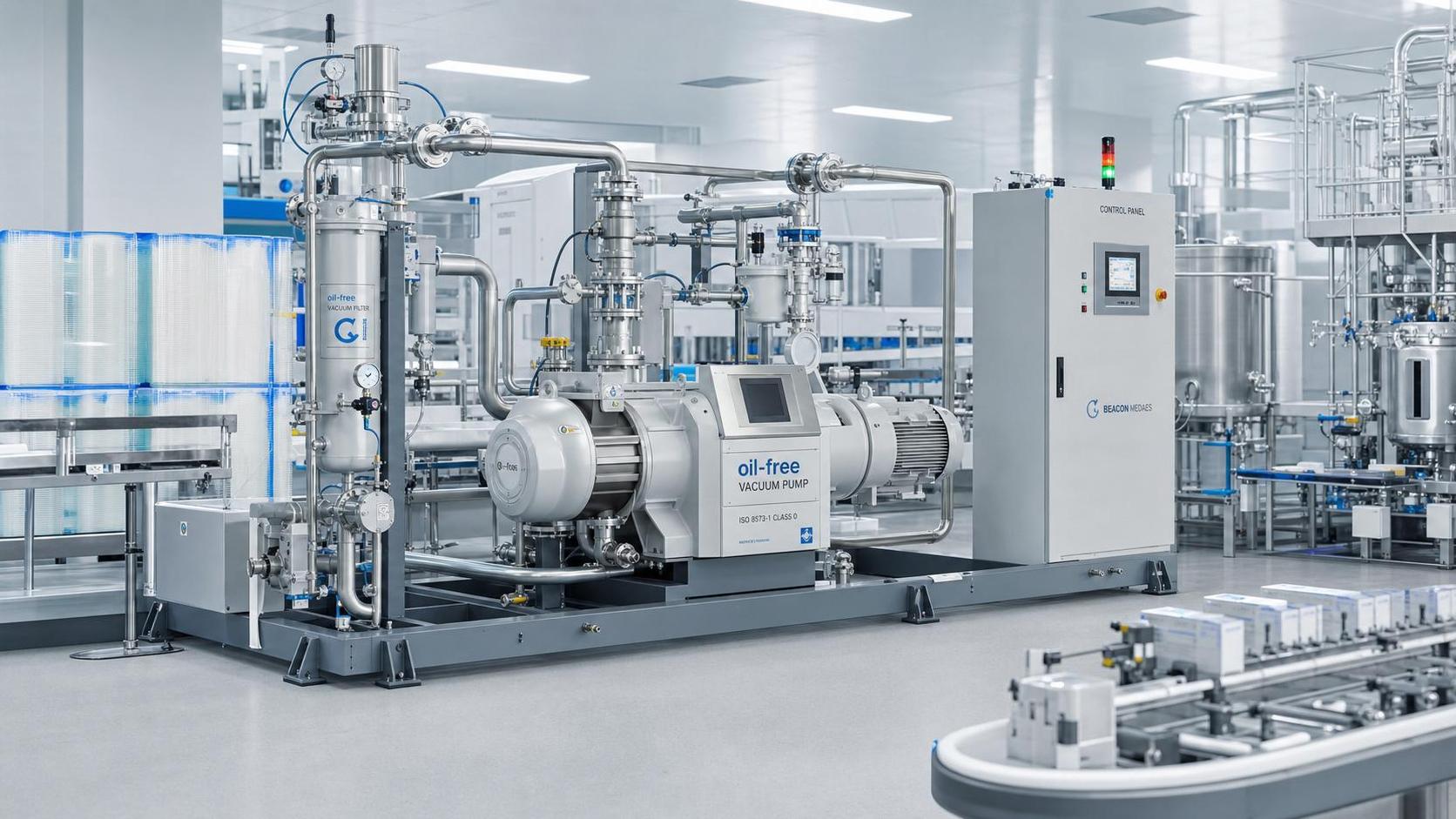
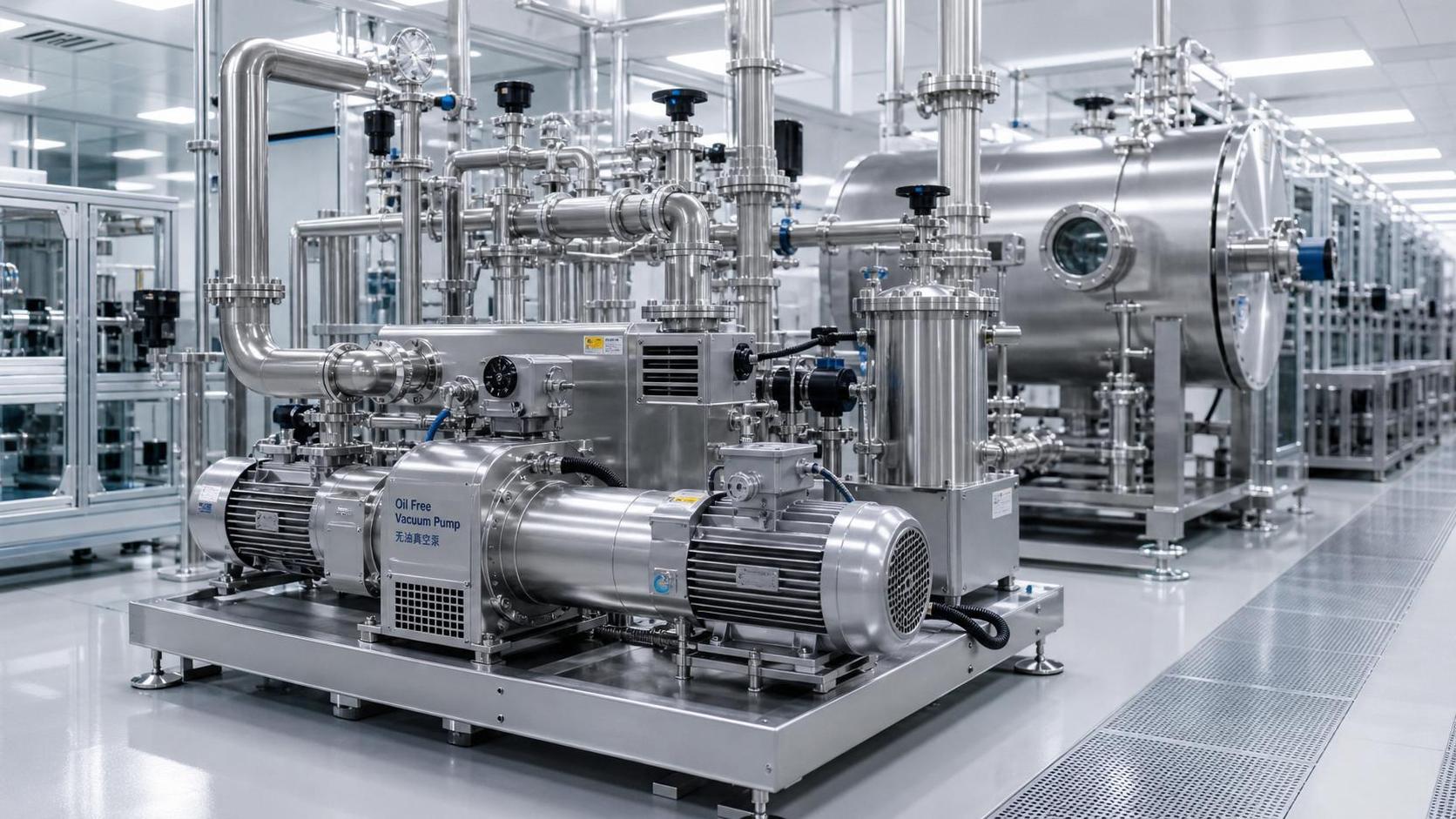
Vacuum systems influence product moisture, transfer speed, and process cleanliness. In sustainable manufacturing, oil-free vacuum technology is especially valuable where residue control and stable pressure profiles affect final quality.
The reliability benefit appears in fewer process interruptions, simpler maintenance planning, and reduced cleaning overhead. It is strongest where vacuum quality directly changes throughput or acceptance rate.
How scenario needs differ in sustainable manufacturing
Different applications define reliability through different operational outcomes. The table below highlights where oil-free systems create the most practical value in sustainable manufacturing.
How to judge the right scenario fit for oil-free systems
The best decisions in sustainable manufacturing start with operational evidence, not general claims. Reliability improves most when the utility system is tied to measurable production vulnerability.
- Map where compressed air, vacuum, or cooling directly touches product, tools, or critical control loops.
- Identify whether downtime cost comes from contamination, thermal drift, pressure loss, or maintenance exposure.
- Review service records for filter loading, drain problems, oil handling, and unstable utility quality.
- Compare energy intensity before and after process deviations, not only during normal operation.
- Assess whether regulatory, audit, or customer quality demands are tightening across the facility.
This approach aligns with the intelligence logic behind GTC-Matrix. Reliability in sustainable manufacturing should be read as a thermodynamic and economic signal, not merely a mechanical outcome.
Common misjudgments that weaken reliability gains
One frequent mistake is assuming all oil-free systems deliver equal value in every setting. Some operations gain more from leak reduction, dryer optimization, or heat exchanger cleaning than from immediate equipment replacement.
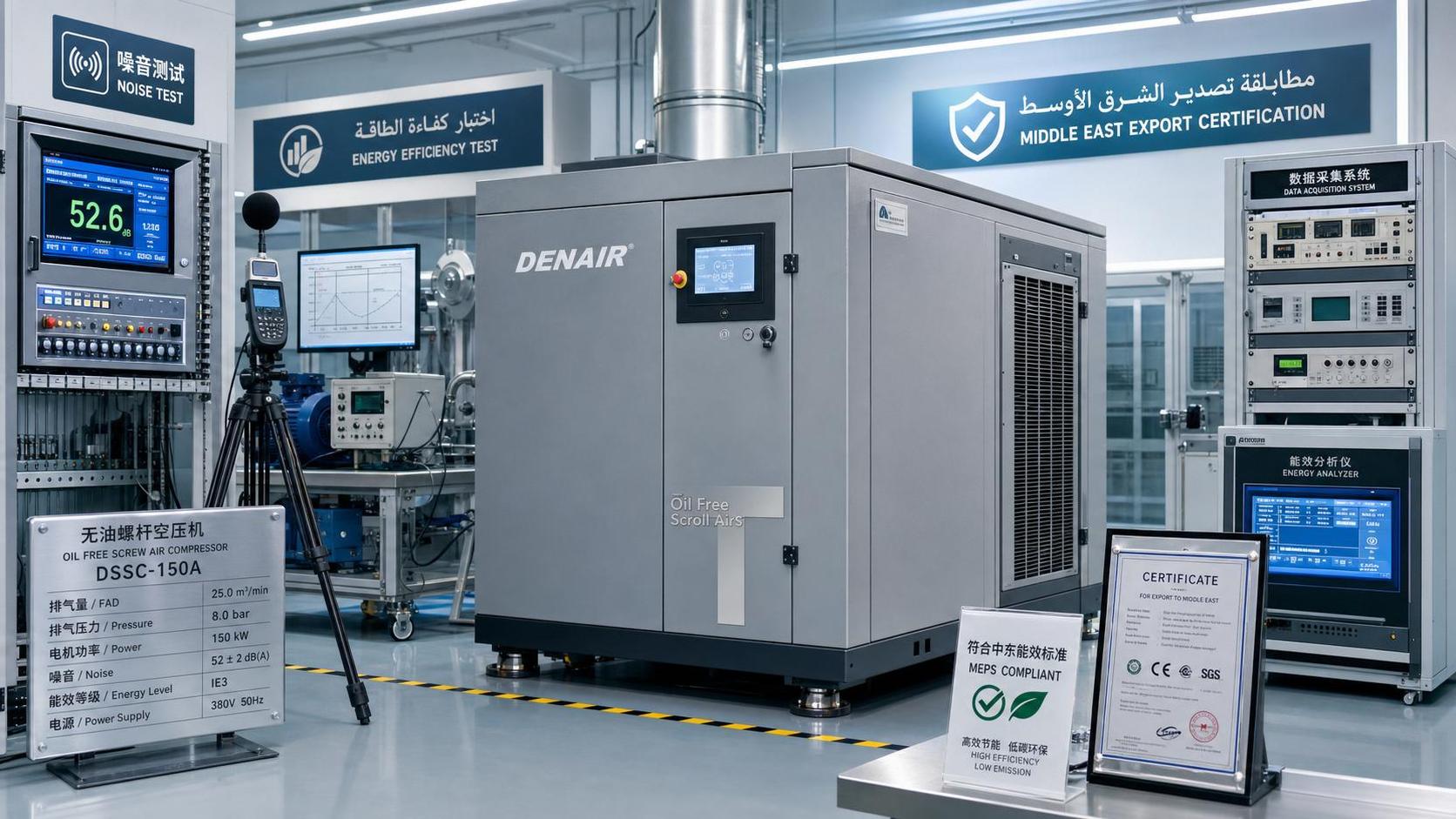
Another mistake is evaluating sustainable manufacturing only by nameplate efficiency. Reliability often depends more on part-load stability, control response, and contamination resilience than on a single rated number.
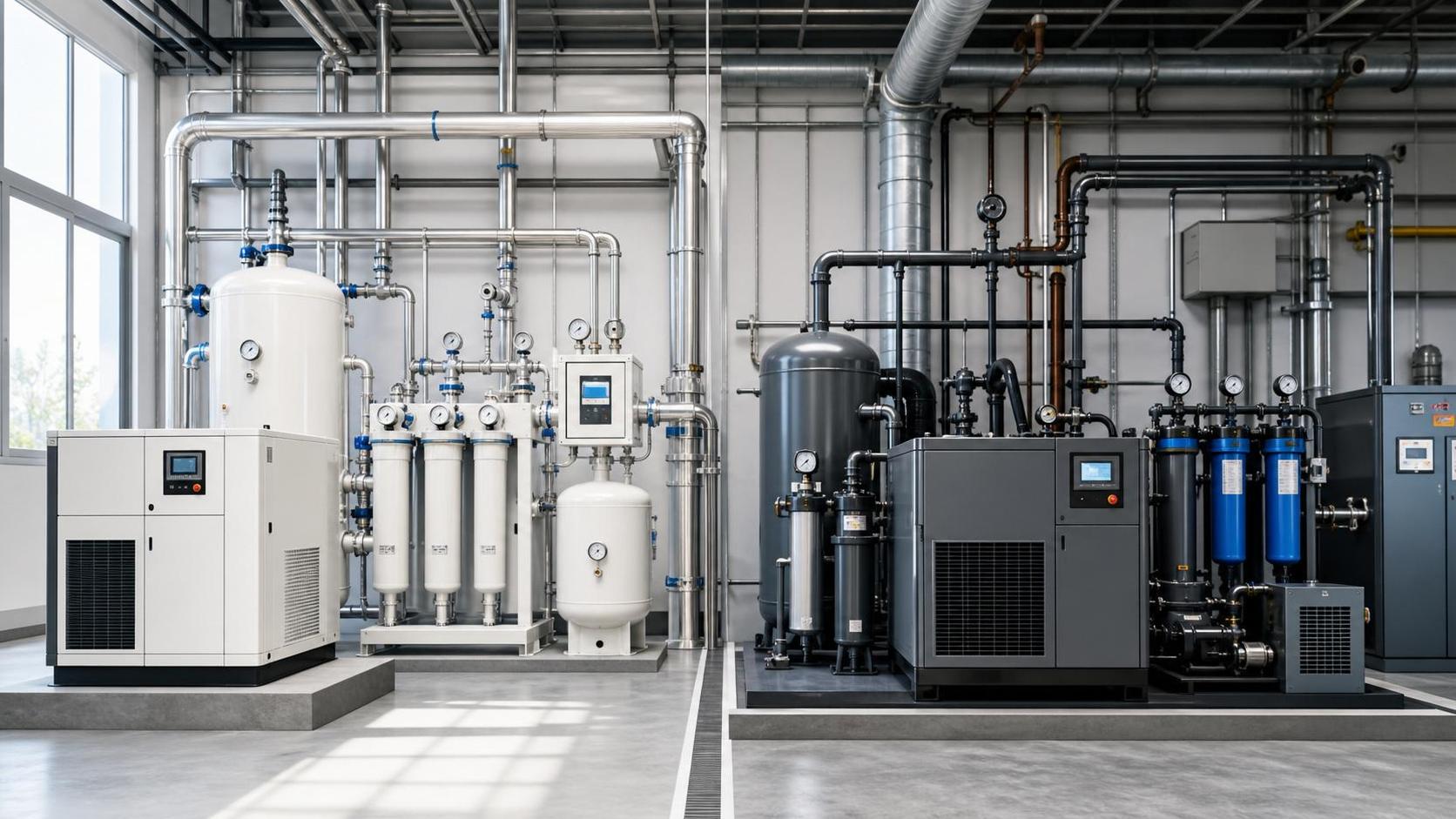
A third oversight is ignoring system interaction. Oil-free compressed air may underperform if condensate control, piping design, cooling conditions, or downstream filtration remain unstable. Reliability is created by the whole chain.
Finally, many facilities underestimate how strongly thermal processes shape utility reliability. In sustainable manufacturing, cooling and heat exchange conditions often decide whether a clean system stays efficient over time.
Next steps for building reliable sustainable manufacturing operations
Start with a scenario-based audit. Review contamination-sensitive points, continuous-duty assets, and thermal control bottlenecks together. This creates a realistic map of where reliability improves most.
Then compare options using practical indicators: rejected output, maintenance hours, energy per stable unit, unplanned stoppages, and utility quality variation. These metrics show the true value of sustainable manufacturing upgrades.
For deeper industry intelligence, GTC-Matrix supports evidence-based decisions across compressed air, vacuum, cooling, and heat exchange systems. In sustainable manufacturing, reliability becomes stronger when system choices follow process reality.
The most competitive operations will be those that connect purity, uptime, and energy logic into one strategy. That is where sustainable manufacturing turns reliability into long-term industrial advantage.
Ready when you are. Send us a message to get started.
Related News
- How to verify food-grade purity in compressed air systemsAuthor :Pneumatic Power Engineer

- What determines the price of pure air compression systems?Author :Pneumatic Power Engineer

- How to size oil-free compressors for instrumentation air demandAuthor :Pneumatic Power Engineer

- How Class 0 oil-free compressors protect product quality in food productionAuthor :Pneumatic Power Engineer

- How to verify compressed air cleanroom standards before installationAuthor :Pneumatic Power Engineer

- When oil free vacuum pumps make sense for European cleanroom projectsAuthor :Pneumatic Power Engineer

- When do pure air compression systems need ISO 8573-1 Class 0?Author :Pneumatic Power Engineer

- How do compressed air systems for electronics prevent contamination?Author :Pneumatic Power Engineer

- When does an oil-free process vacuum pump justify its higher cost?Author :Pneumatic Power Engineer

- Does ISO 9001 certification apply to compressed air quality?Author :Pneumatic Power Engineer

- How to Specify Clean Compressed Air Systems in Southeast Asia for Food and Pharma PlantsAuthor :Pneumatic Power Engineer

- How to Compare Oil Free Vacuum Pumps for Clean Process RequirementsAuthor :Pneumatic Power Engineer

- How to Evaluate a Clean Compressed Air Systems Supplier for ISO 8573-1 ComplianceAuthor :Pneumatic Power Engineer

- How to Choose the Right Oil-Free Vacuum PumpAuthor :Pneumatic Power Engineer

- VDI 2083 Update Makes Class 0 Proof MandatoryAuthor :Pneumatic Power Engineer

- When to Use Oil Free Vacuum Pumps for High Purity LinesAuthor :Pneumatic Power Engineer

- Compressed Air Solutions: When Oil-Free Systems Lower Total Operating CostAuthor :Pneumatic Power Engineer

- ATMOsphere Europe 2026 Adds Oil-free Systems ZoneAuthor :Pneumatic Power Engineer

- Oil-Free Compressors: Key Selection Criteria for Clean Air SystemsAuthor :Pneumatic Power Engineer

- How to Compare Oil Free Centrifugal Compressors for Stable Plant Air SupplyAuthor :Pneumatic Power Engineer

- Compressed Air Class 0 vs Oil-Free: What Really MattersAuthor :Pneumatic Power Engineer

- Oil-Free Compression Class 0: What the Standard Really Means in ProductionAuthor :Pneumatic Power Engineer

- Air Compression Cost Comparison: Oil-Free vs Screw Systems in Daily OperationAuthor :Pneumatic Power Engineer

- Saudi SASO Tightens IEC 63349-2 for Oil-Free CompressorsAuthor :Pneumatic Power Engineer

- Saudi SASO Tightens Oil-Free Compressor Efficiency RulesAuthor :Pneumatic Power Engineer

- Pure Air Compression Systems for Clean Production LinesAuthor :Pneumatic Power Engineer

- IEC 63349-2:2026 makes energy certification mandatoryAuthor :Pneumatic Power Engineer

- IEC 63349-2:2026 Sets New Entry Rules for Oil-Free Screw CompressorsAuthor :Pneumatic Power Engineer

- IEC 63349-2:2026 Takes Effect for Oil-Free Screw CompressorsAuthor :Pneumatic Power Engineer

- IEC 63349-2:2026 Sets New Efficiency Gate for Oil-Free Screw CompressorsAuthor :Pneumatic Power Engineer

- IEC 63349-2:2026 Takes Effect for Oil-Free Screw CompressorsAuthor :Pneumatic Power Engineer

- SABIC Methanol Force Majeure Extended, Tightening R134a/R407C FeedstocksAuthor :Pneumatic Power Engineer

- How to Evaluate Pneumatic Power Systems for Stable OutputAuthor :Pneumatic Power Engineer

- Oil-Free Compression vs Lubricated Systems: Key Trade-OffsAuthor :Pneumatic Power Engineer
![]()
- Oil-Free Compression: 2026 Cost and Compliance Trade-OffsAuthor :Pneumatic Power Engineer

- Oil-Free Compression: Cost and Contamination RisksAuthor :Pneumatic Power Engineer
![]()