China Customs Implements 22-Digit HS Codes for Air Compressor Exports




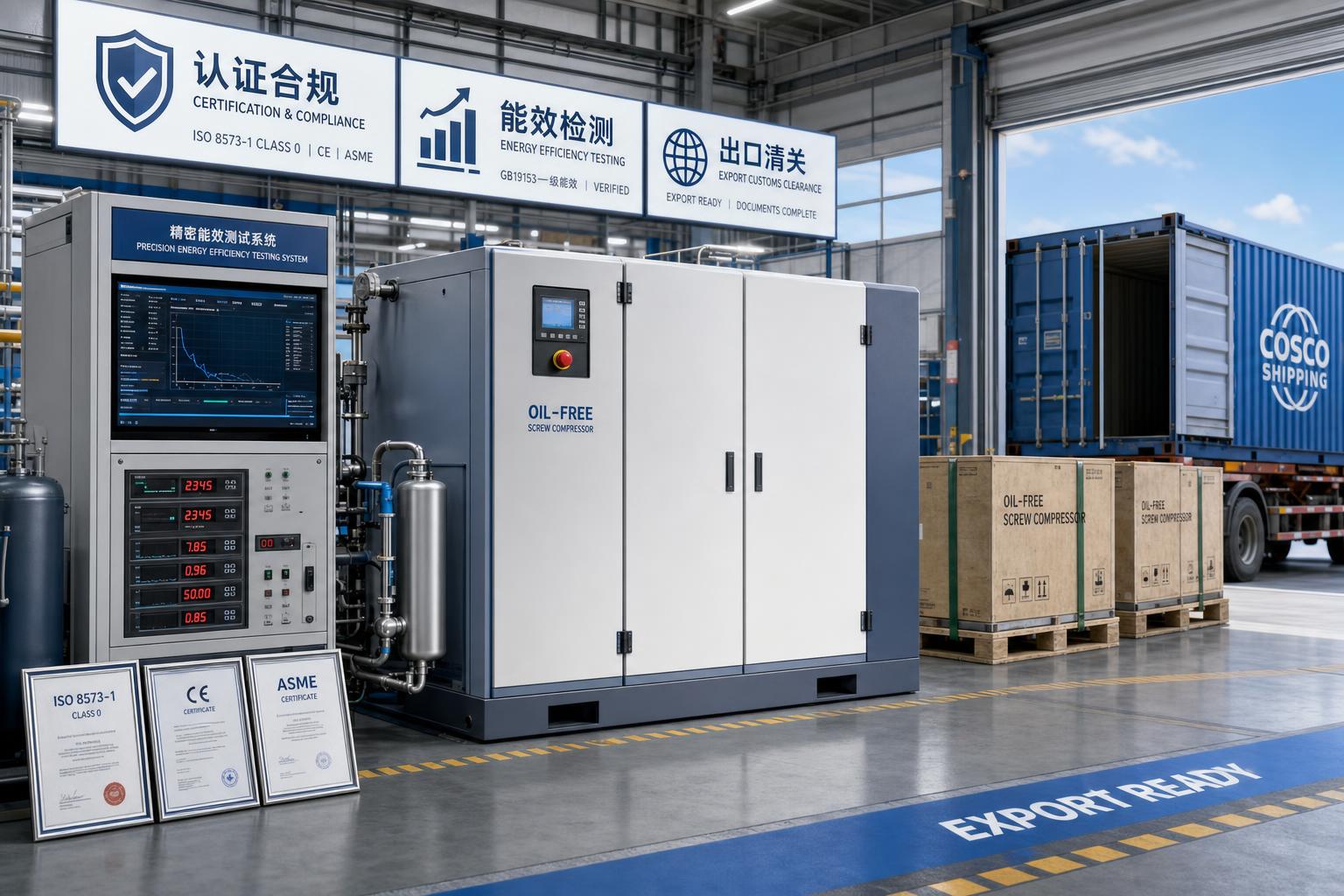
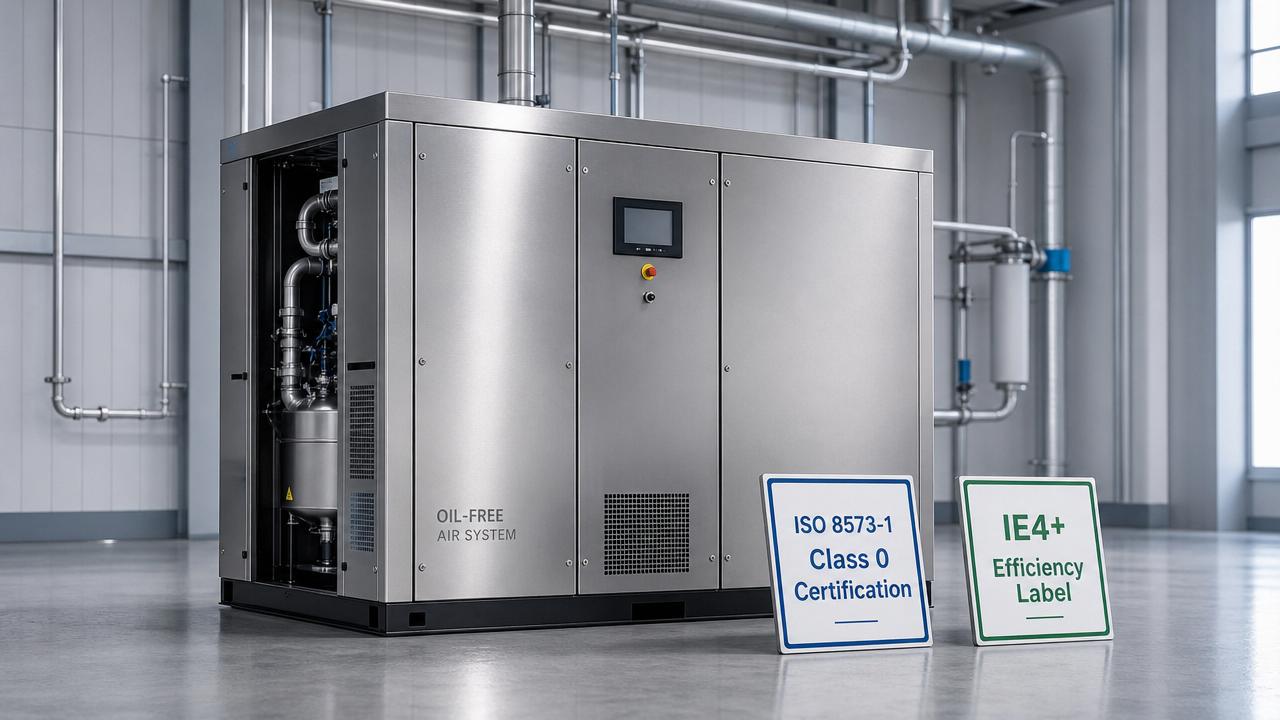
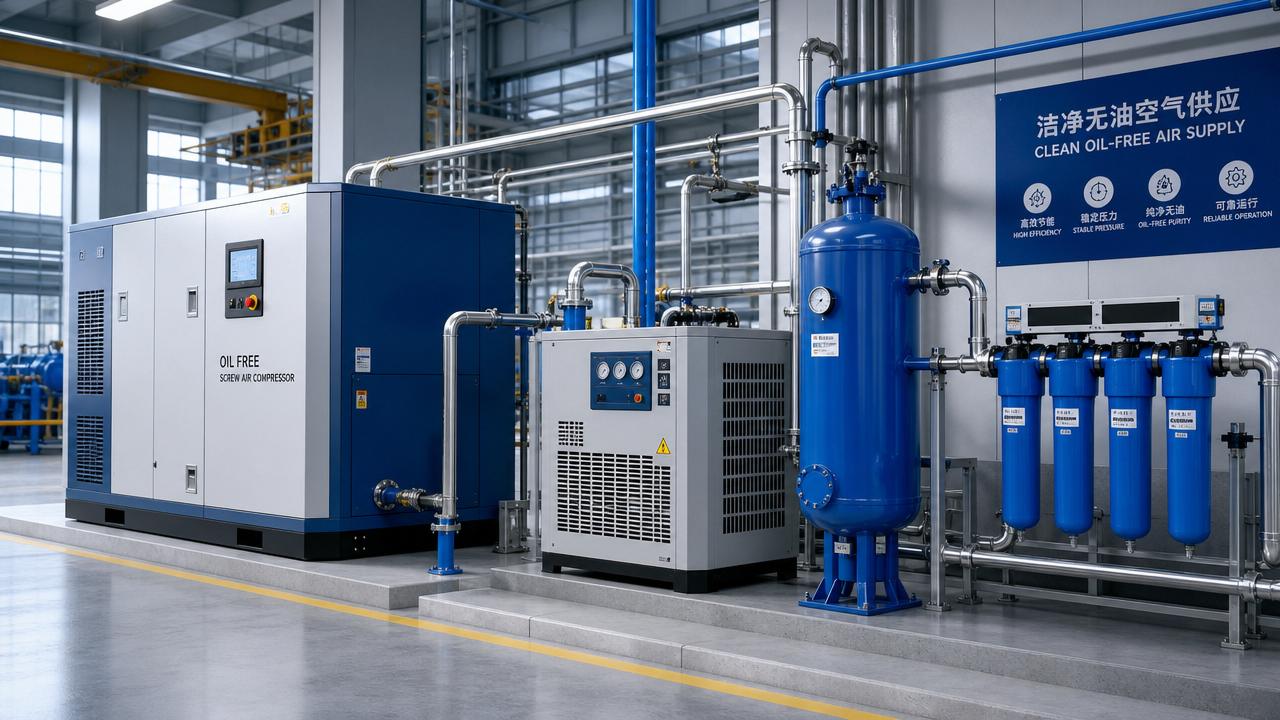
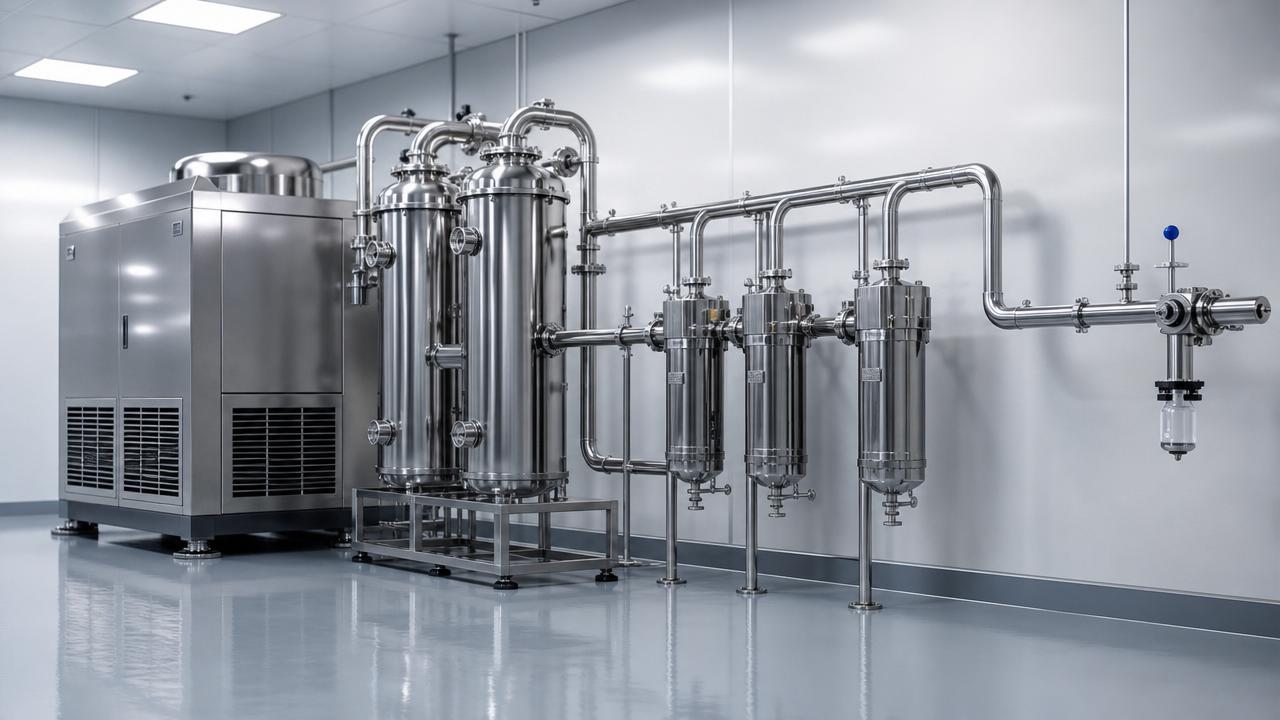
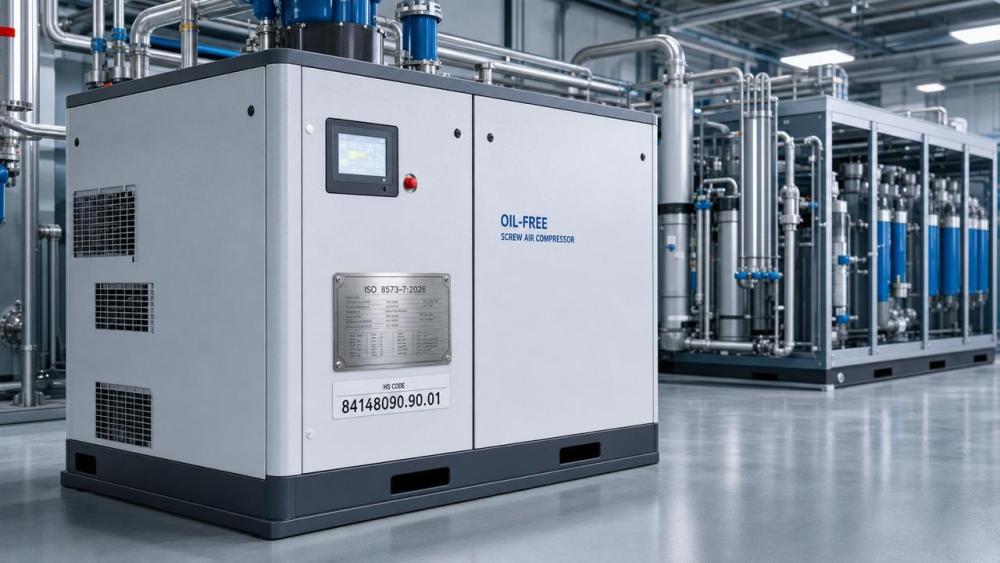
Starting 10 May 2026, China Customs has fully implemented a 22-digit extension of the Harmonized System (HS) code structure, with specific subheadings newly introduced for compressed air systems—including oil-free screw compressor systems (84148090.90.01) and micro-oiled two-stage compression units (84148090.90.02). Exporters in the air compressor manufacturing, system integration, and international trade sectors must update their declaration practices immediately; non-compliant submissions will trigger automatic rejection and intensified customs inspections. This change directly supports alignment with ISO 8573-7:2026’s new nanoparticle concentration limits and establishes traceable data infrastructure for overseas buyers seeking compliance documentation.
Event Overview
On 10 May 2026, China Customs officially launched the 22-digit HS coding system across all export declarations. Under this revision, previously grouped items under HS 84148090 are now subdivided into distinct 22-digit codes—for example, ‘oil-free screw compressor systems’ (84148090.90.01) and ‘micro-oiled two-stage compression units’ (84148090.90.02). The measure is confirmed to be in effect nationwide as of that date, and applies to all export consignments cleared through Chinese customs. No transitional grace period or phased rollout has been announced.
Industries Affected by This Change
Direct Exporting Enterprises
Companies exporting complete compressed air systems or integrated packages from China are directly subject to the new HS classification requirement. Their declarations must now specify the exact 22-digit code corresponding to technical configuration (e.g., lubrication type, staging, filtration level). Failure to do so results in automatic return of electronic declarations and elevated risk of physical examination—delaying shipment clearance and increasing documentation overhead.
Manufacturing & System Integration Firms
Firms assembling or configuring compressors for export (e.g., pairing a base unit with dryers, filters, or control panels) must verify whether their final packaged system falls under one of the newly defined 22-digit subheadings. Product labeling, technical specifications, and internal BOMs may require revision to reflect the precise classification criteria—especially where oil content or particle removal capability determines the applicable code.
Supply Chain & Compliance Service Providers
Freight forwarders, customs brokers, and third-party compliance consultants supporting exporters must update their classification databases, training materials, and client-facing guidance. Since the 22-digit codes are tied to ISO 8573-7:2026 conformance requirements, service providers may need to coordinate with testing labs or certification bodies to validate technical claims underlying code selection—adding a layer of cross-functional verification to standard filing workflows.
Key Points for Enterprises and Practitioners to Monitor and Act On
Verify official HS code assignment against product technical specifications
Exporters should cross-check each exported system’s design features—including lubrication method (oil-free vs. micro-oiled), compression stage count, and certified particulate removal performance—against the published 22-digit code definitions. Relying solely on historical 10-digit or 13-digit classifications is no longer sufficient.
Update internal documentation and ERP/SAP item master records
Manufacturers and exporters must revise product master data, commercial invoices, packing lists, and e-declaration templates to include the full 22-digit code. Internal training for sales, logistics, and compliance staff should emphasize the link between engineering attributes and tariff classification—not just administrative updates.
Confirm alignment with ISO 8573-7:2026 test reports and declarations
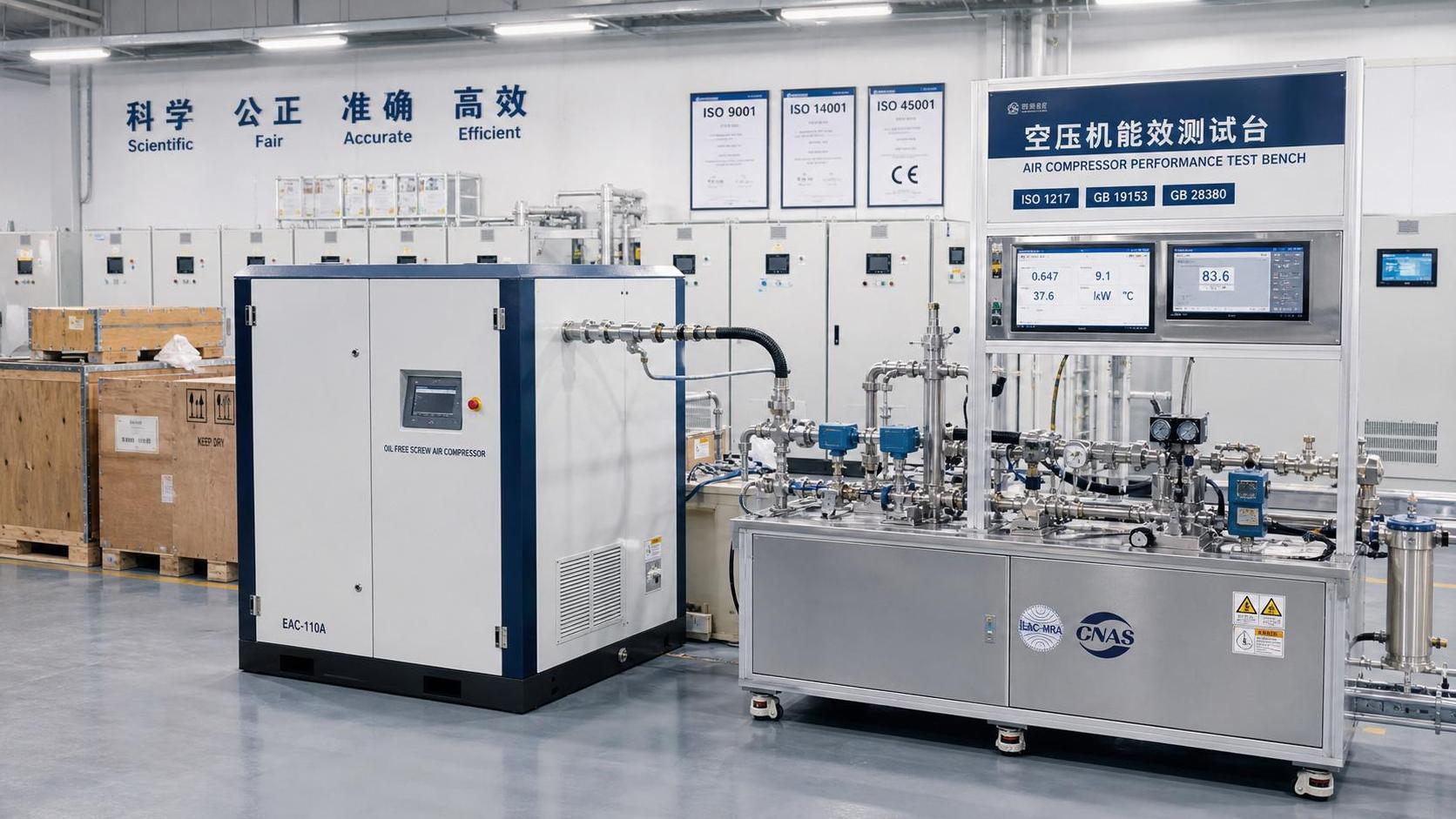
Since the new subheadings serve as data anchors for ISO 8573-7:2026 compliance, exporters should ensure existing test reports (e.g., from CNAS-accredited labs) explicitly reference the same technical parameters used to justify the selected 22-digit code. Discrepancies may raise questions during post-clearance audits.
Monitor follow-up notices from China Customs or GACC
While the 22-digit structure is active as of 10 May 2026, detailed implementation guidelines—such as acceptable evidence formats for code assignment or procedures for code correction—are not yet publicly available. Enterprises should subscribe to official GACC announcements and retain records of classification rationale for potential review.
Editorial Perspective / Industry Observation
Observably, this shift is less about tariff rate adjustment and more about regulatory traceability: the 22-digit expansion transforms HS codes from trade identifiers into structured metadata fields linked to environmental and safety standards. Analysis shows the move reflects a broader trend—seen also in EU CBAM and U.S. UFLPA—where customs authorities embed sustainability and technical compliance signals directly into tariff nomenclature. It is currently best understood not as an isolated procedural update, but as an early operational signal of how future export controls may integrate real-time technical validation. The industry should treat it as both a near-term compliance requirement and a preview of increasingly granular, standards-anchored trade regulation.
Conclusion
This HS code expansion marks a structural recalibration in how compressed air system exports from China are classified, verified, and regulated—not merely a formatting change. Its significance lies in establishing a mandatory, standardized data layer linking physical product attributes to internationally recognized air quality standards. For stakeholders, the most rational interpretation is that this is a foundational step toward auditable, specification-driven trade reporting—requiring precision in technical documentation, not just tariff classification expertise.
Source Disclosure
Main source: General Administration of Customs of the People’s Republic of China (GACC), official notice effective 10 May 2026.
Note: Implementation details—including correction mechanisms, audit protocols, and supporting documentation requirements—remain pending formal publication and are subject to ongoing observation.
Related News
- How to verify compressed air cleanroom standards before installationAuthor :Pneumatic Power Engineer

- When oil free vacuum pumps make sense for European cleanroom projectsAuthor :Pneumatic Power Engineer

- When do pure air compression systems need ISO 8573-1 Class 0?Author :Pneumatic Power Engineer

- How do compressed air systems for electronics prevent contamination?Author :Pneumatic Power Engineer

- When does an oil-free process vacuum pump justify its higher cost?Author :Pneumatic Power Engineer

- Does ISO 9001 certification apply to compressed air quality?Author :Pneumatic Power Engineer

- How to Specify Clean Compressed Air Systems in Southeast Asia for Food and Pharma PlantsAuthor :Pneumatic Power Engineer

- How to Compare Oil Free Vacuum Pumps for Clean Process RequirementsAuthor :Pneumatic Power Engineer

- How to Evaluate a Clean Compressed Air Systems Supplier for ISO 8573-1 ComplianceAuthor :Pneumatic Power Engineer

- How to Choose the Right Oil-Free Vacuum PumpAuthor :Pneumatic Power Engineer

- VDI 2083 Update Makes Class 0 Proof MandatoryAuthor :Pneumatic Power Engineer

- When to Use Oil Free Vacuum Pumps for High Purity LinesAuthor :Pneumatic Power Engineer

- Compressed Air Solutions: When Oil-Free Systems Lower Total Operating CostAuthor :Pneumatic Power Engineer

- ATMOsphere Europe 2026 Adds Oil-free Systems ZoneAuthor :Pneumatic Power Engineer

- Oil-Free Compressors: Key Selection Criteria for Clean Air SystemsAuthor :Pneumatic Power Engineer

- How to Compare Oil Free Centrifugal Compressors for Stable Plant Air SupplyAuthor :Pneumatic Power Engineer

- Compressed Air Class 0 vs Oil-Free: What Really MattersAuthor :Pneumatic Power Engineer

- Oil-Free Compression Class 0: What the Standard Really Means in ProductionAuthor :Pneumatic Power Engineer

- Air Compression Cost Comparison: Oil-Free vs Screw Systems in Daily OperationAuthor :Pneumatic Power Engineer

- Saudi SASO Tightens IEC 63349-2 for Oil-Free CompressorsAuthor :Pneumatic Power Engineer

- Saudi SASO Tightens Oil-Free Compressor Efficiency RulesAuthor :Pneumatic Power Engineer

- Pure Air Compression Systems for Clean Production LinesAuthor :Pneumatic Power Engineer

- IEC 63349-2:2026 makes energy certification mandatoryAuthor :Pneumatic Power Engineer

- IEC 63349-2:2026 Sets New Entry Rules for Oil-Free Screw CompressorsAuthor :Pneumatic Power Engineer

- IEC 63349-2:2026 Takes Effect for Oil-Free Screw CompressorsAuthor :Pneumatic Power Engineer

- IEC 63349-2:2026 Sets New Efficiency Gate for Oil-Free Screw CompressorsAuthor :Pneumatic Power Engineer

- IEC 63349-2:2026 Takes Effect for Oil-Free Screw CompressorsAuthor :Pneumatic Power Engineer

- SABIC Methanol Force Majeure Extended, Tightening R134a/R407C FeedstocksAuthor :Pneumatic Power Engineer

- How to Evaluate Pneumatic Power Systems for Stable OutputAuthor :Pneumatic Power Engineer

- Oil-Free Compression vs Lubricated Systems: Key Trade-OffsAuthor :Pneumatic Power Engineer
![]()
- Oil-Free Compression: 2026 Cost and Compliance Trade-OffsAuthor :Pneumatic Power Engineer

- Oil-Free Compression: Cost and Contamination RisksAuthor :Pneumatic Power Engineer
![]()
- Euro PMI Drop Delays Oil-Free Systems OrdersAuthor :Pneumatic Power Engineer

- Germany/France May PMI Decline; Oil-free Systems EU Projects DelayedAuthor :Pneumatic Power Engineer
![]()
- Compression Technology Options for Cleaner Oil-Free Air SupplyAuthor :Pneumatic Power Engineer

- TUV Rheinland Enforces Full-Chain Class 0 Certification for Oil-Free SystemsAuthor :Pneumatic Power Engineer