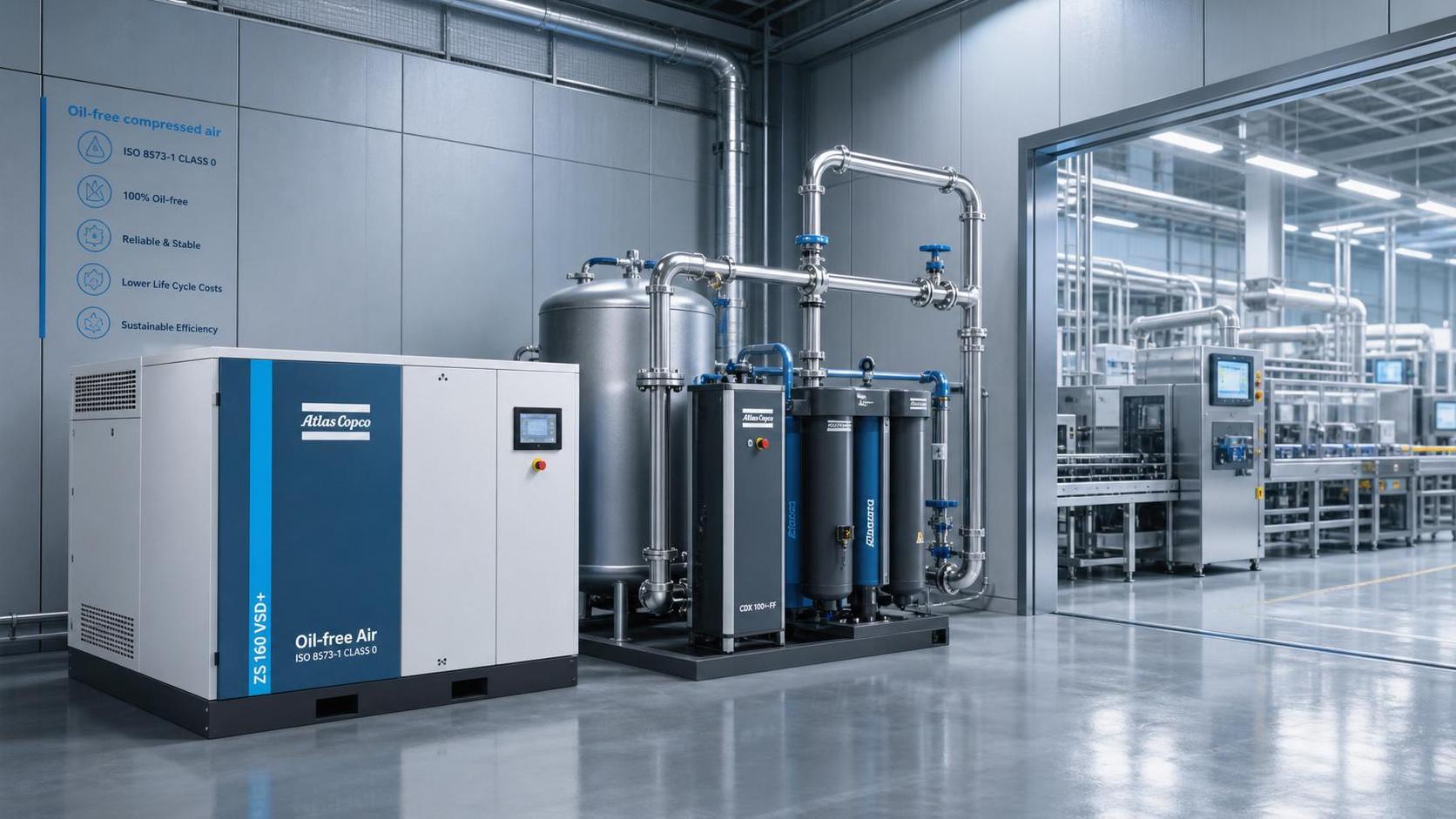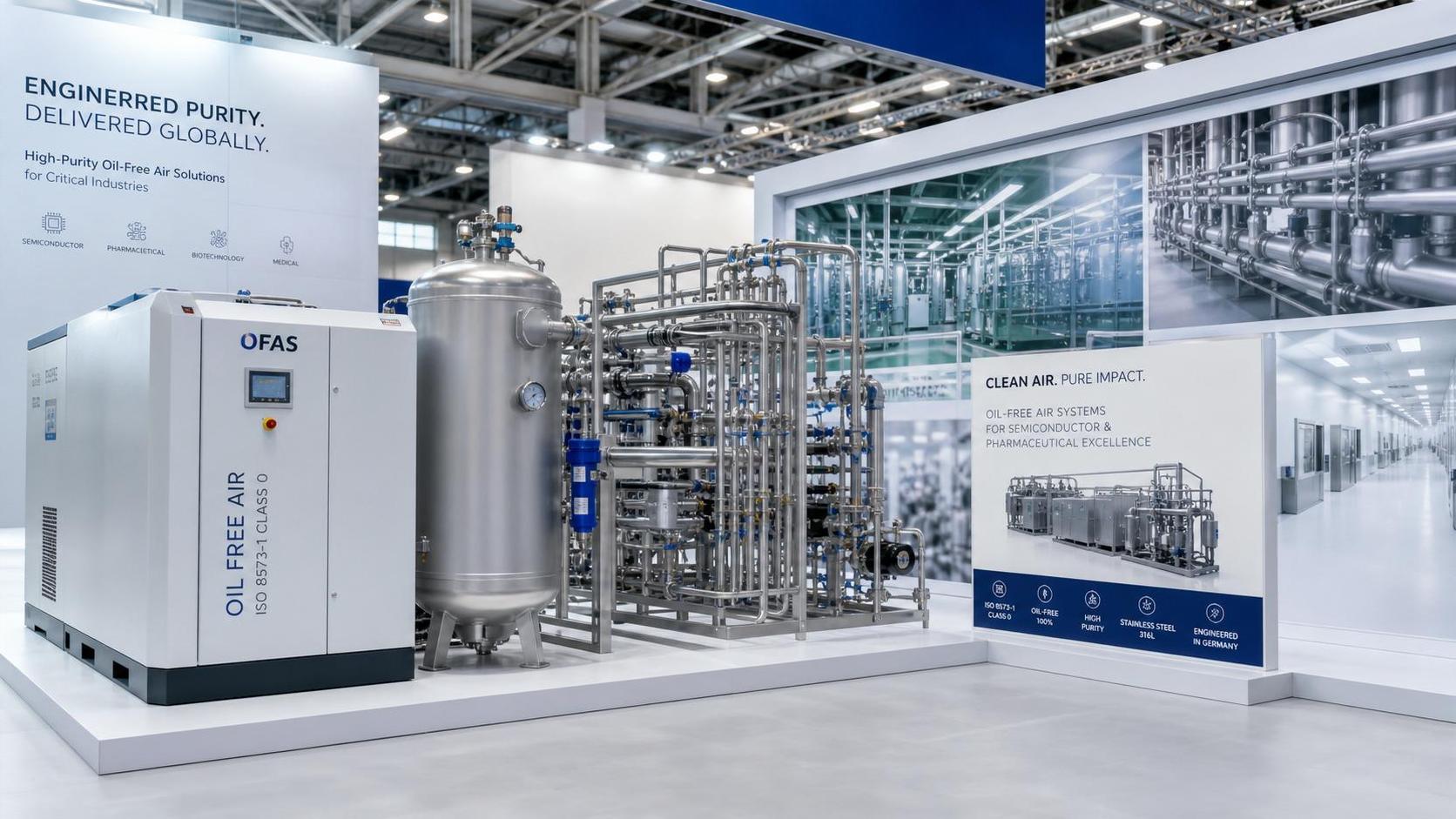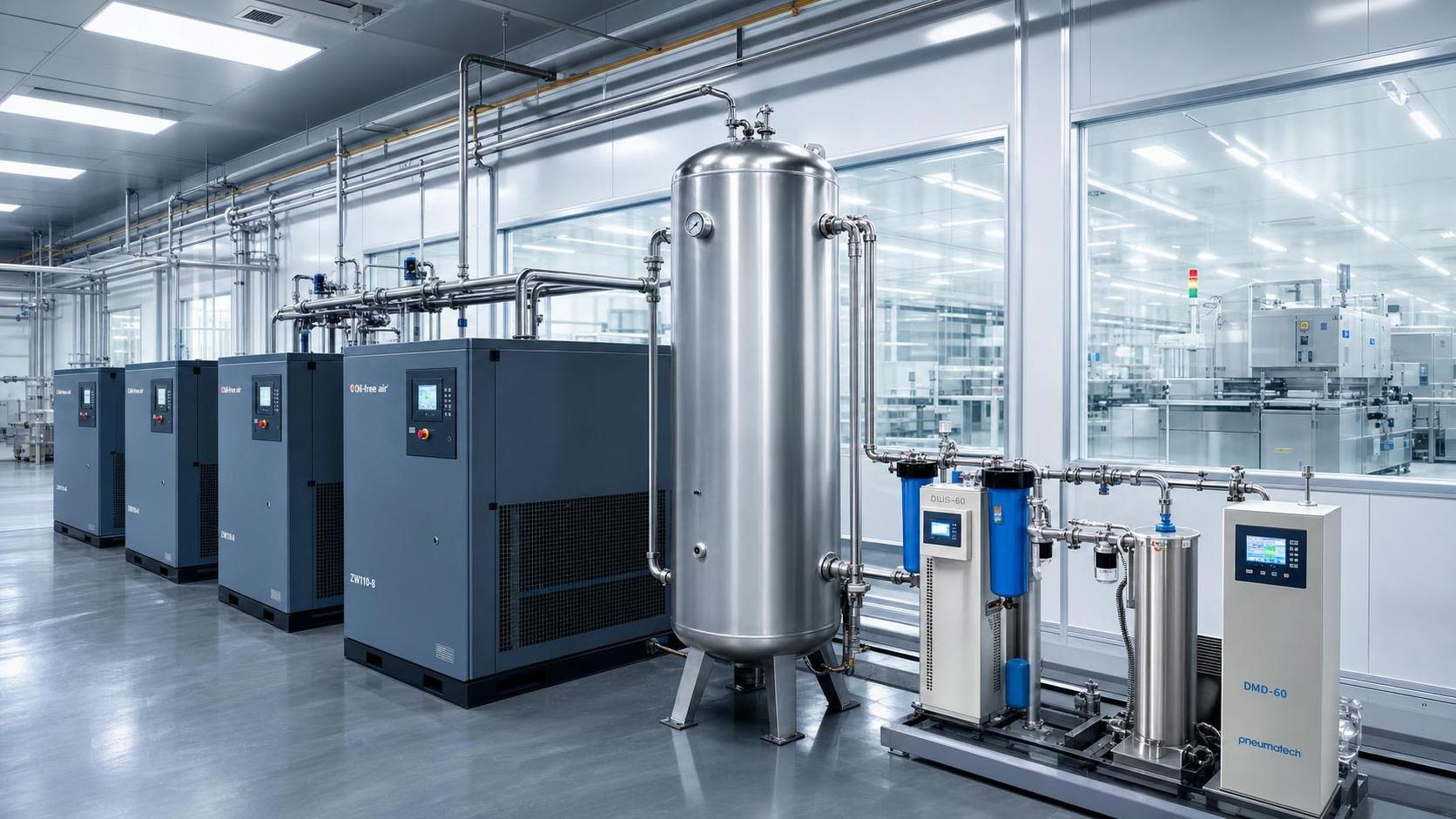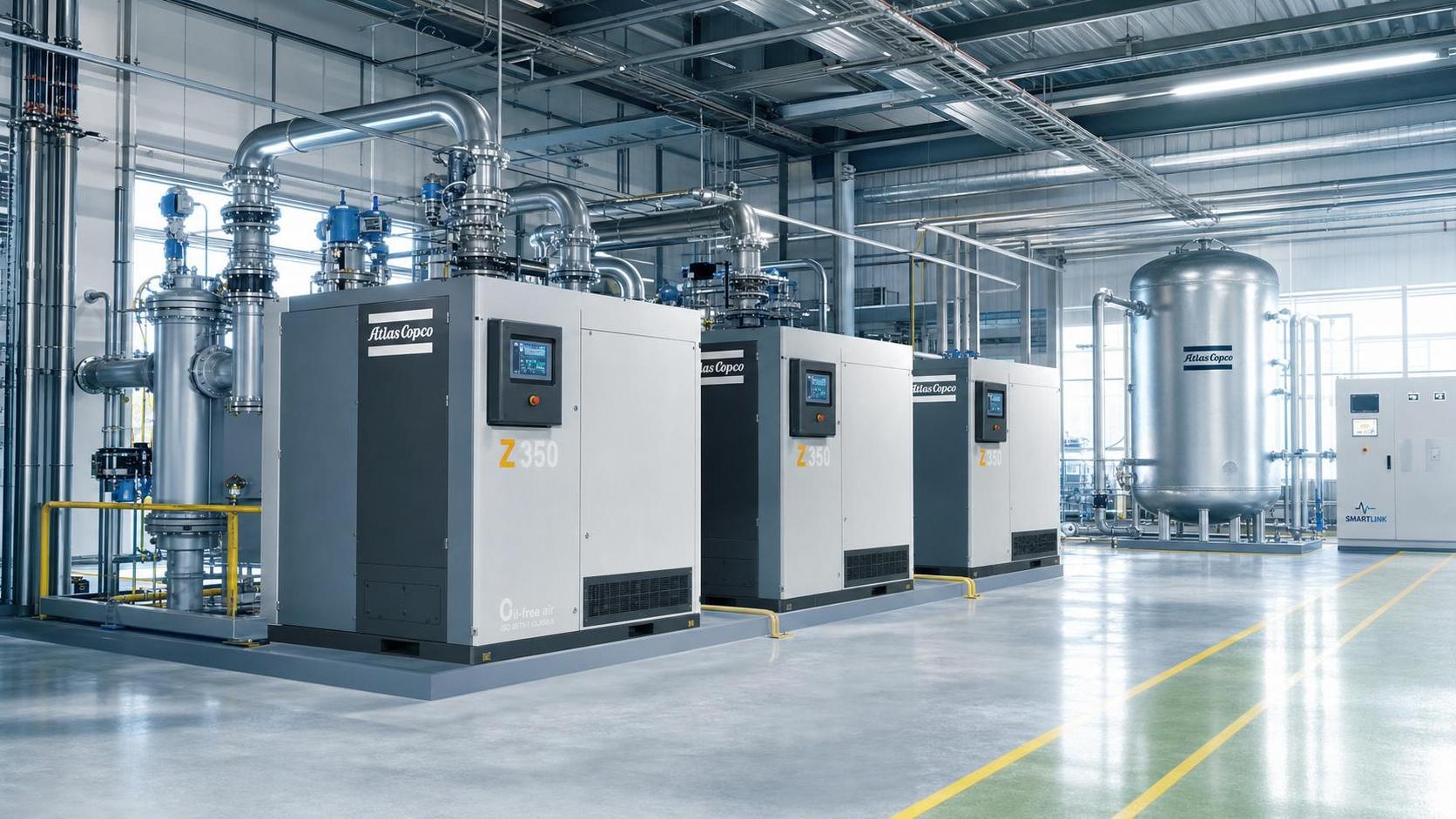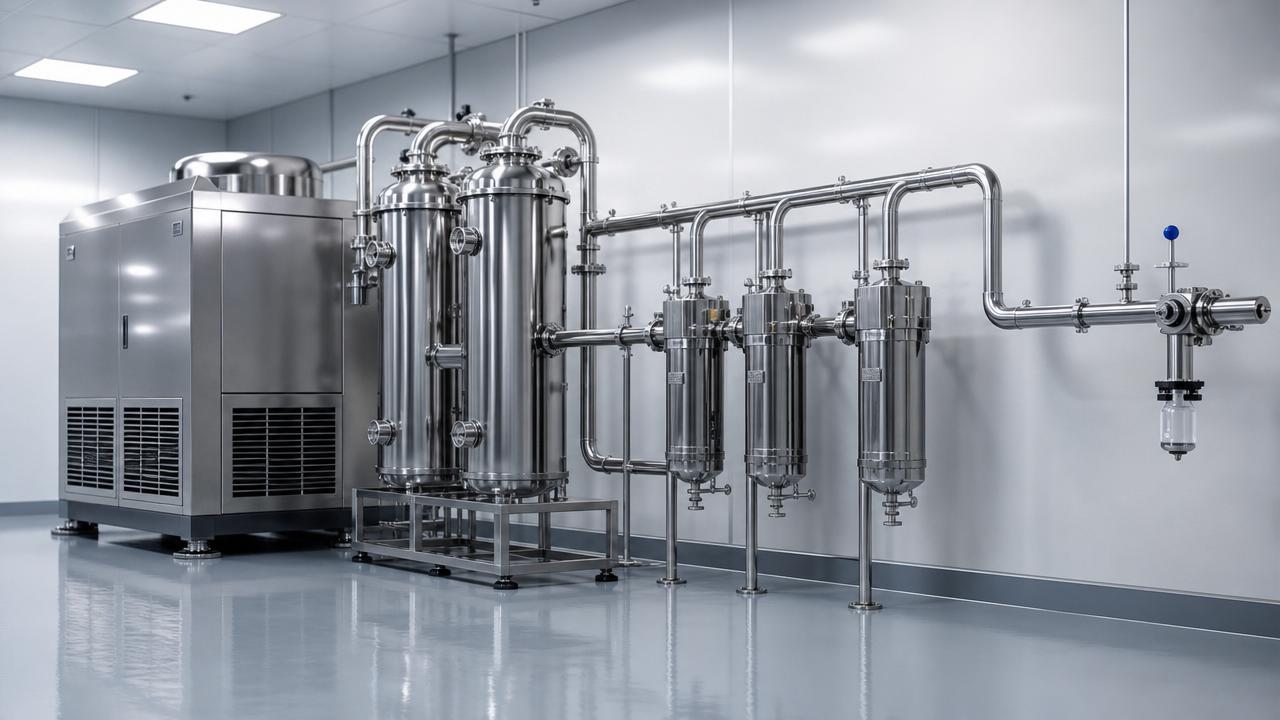




Compression Technology Trends in Oil-Free Systems for Clean Production




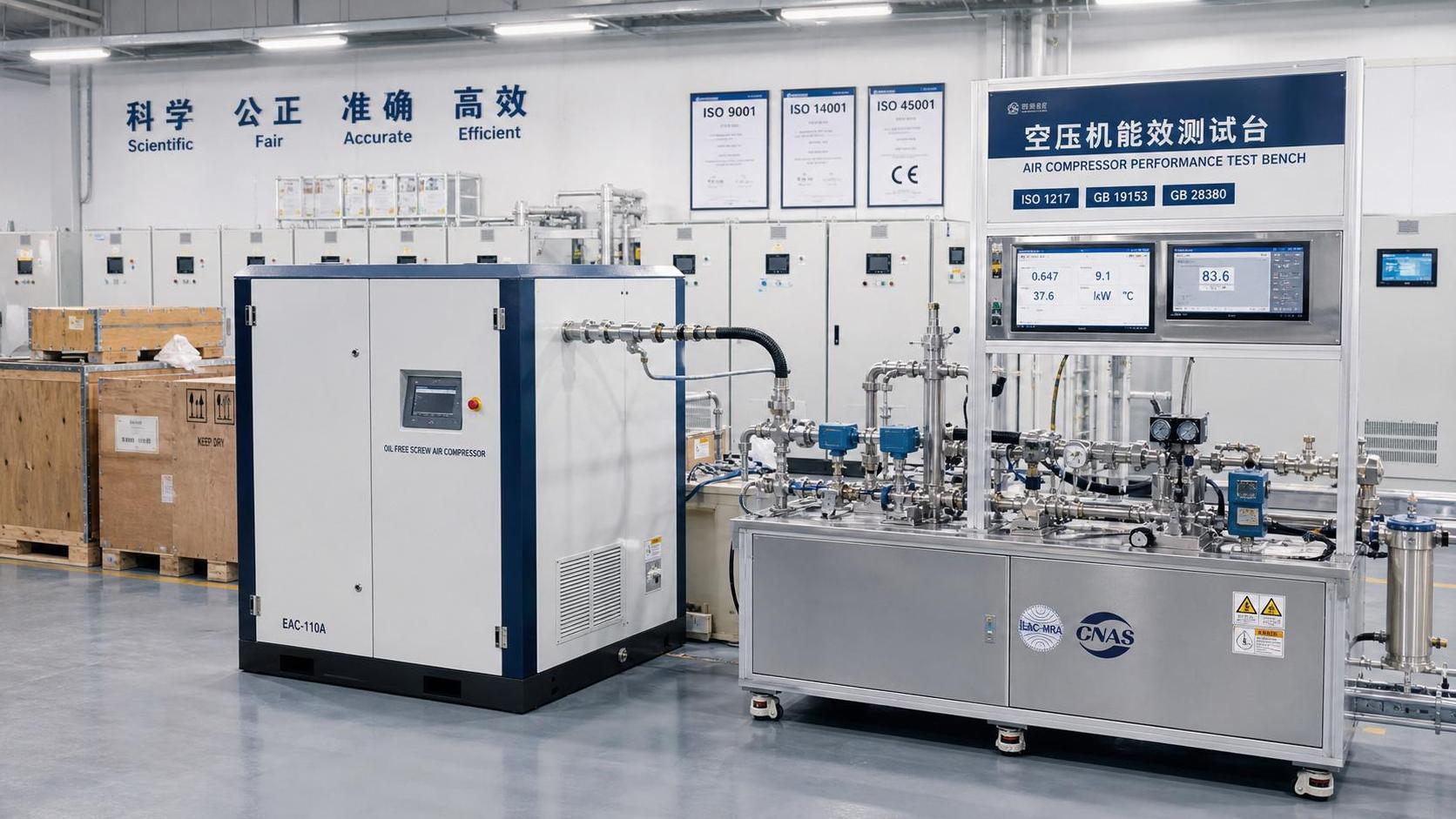
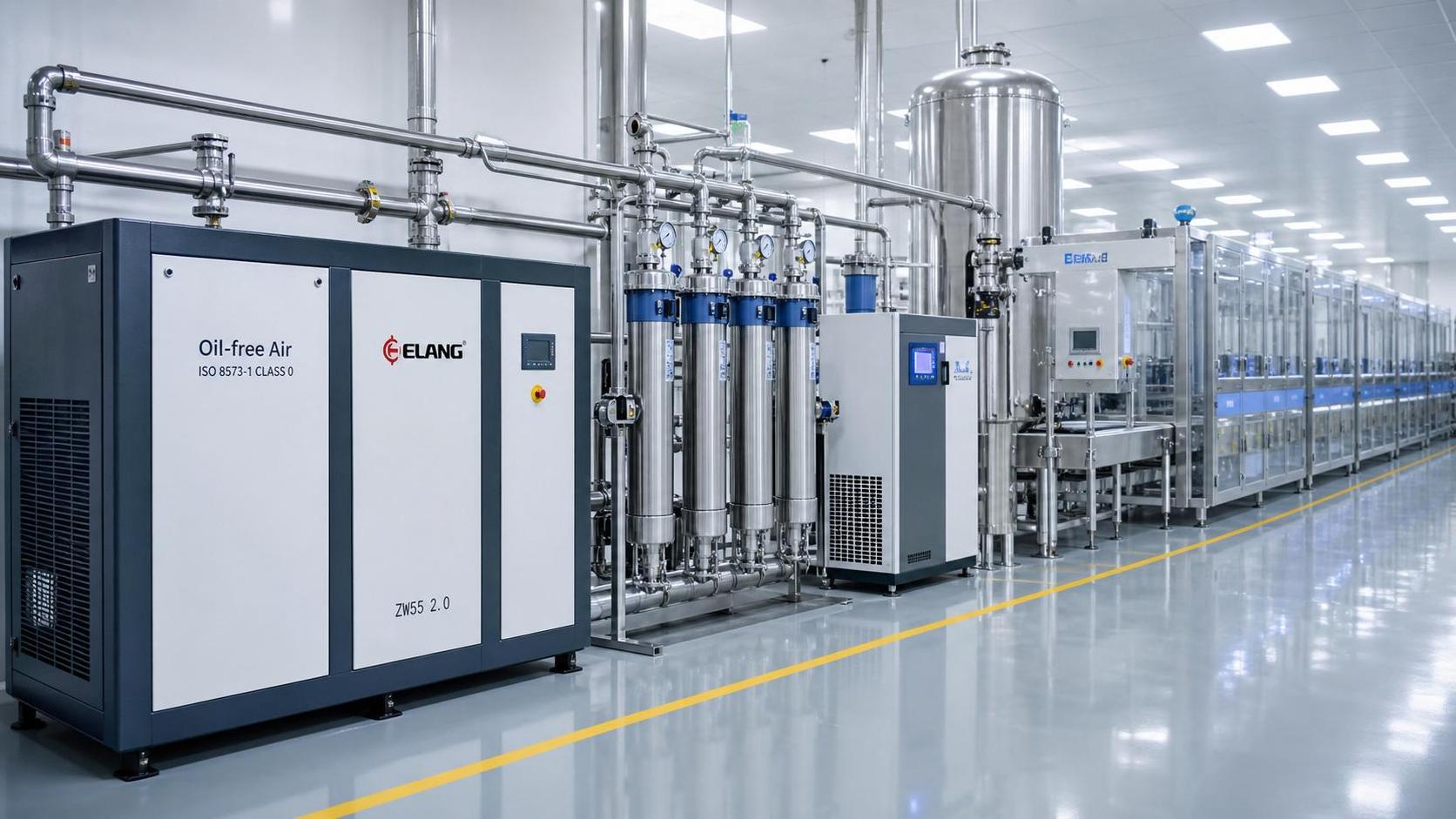
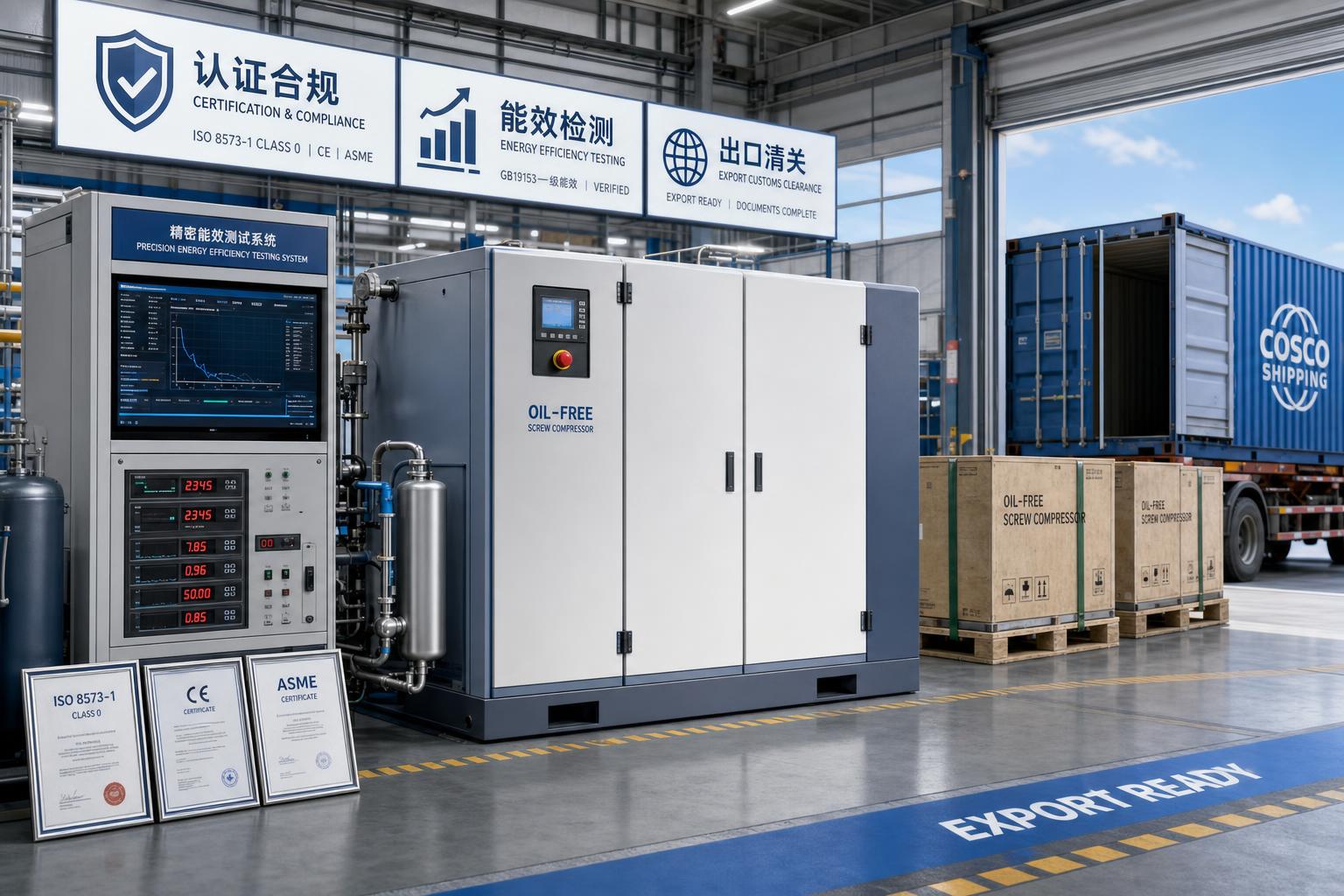
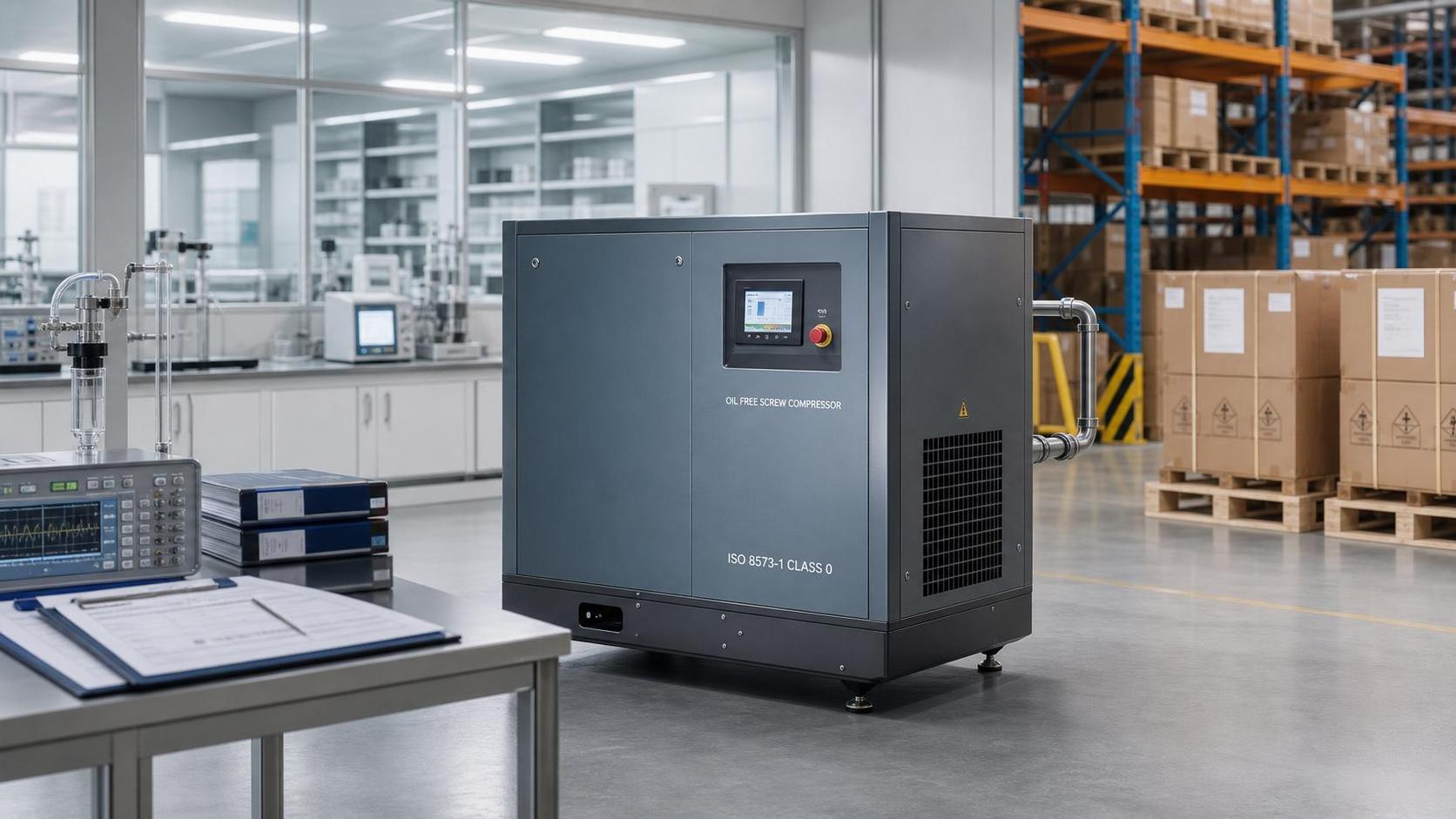
As clean manufacturing raises the bar for purity, efficiency, and compliance, compression technology in oil-free systems is becoming a critical focus for technical evaluators. From pharmaceuticals to semiconductors and food processing, the latest advances are reshaping system reliability, energy performance, and contamination control. This article explores the key trends driving oil-free compression solutions and what they mean for future-ready production strategies.
For technical assessment teams, the challenge is no longer limited to choosing an oil-free compressor that meets baseline purity requirements. The real task is to compare compression technology across lifecycle efficiency, pressure stability, maintenance intervals, digital visibility, and fit with plant-wide thermal systems. In many facilities, a 24/7 process can tolerate less than 1 hour of unplanned air disruption per month, which makes evaluation criteria far more rigorous than nameplate performance alone.
This matters especially in sectors where compressed air or process gas directly contacts products, instruments, membranes, or critical packaging environments. In these applications, oil carryover is not merely a maintenance issue; it can trigger batch rejection, filter overload, audit findings, and higher total operating cost over a 3- to 7-year ownership period. That is why oil-free system design has become a strategic topic in the wider industrial conversation around decarbonization, production resilience, and utility optimization.
Why Oil-Free Compression Technology Is Moving to the Center of Clean Production
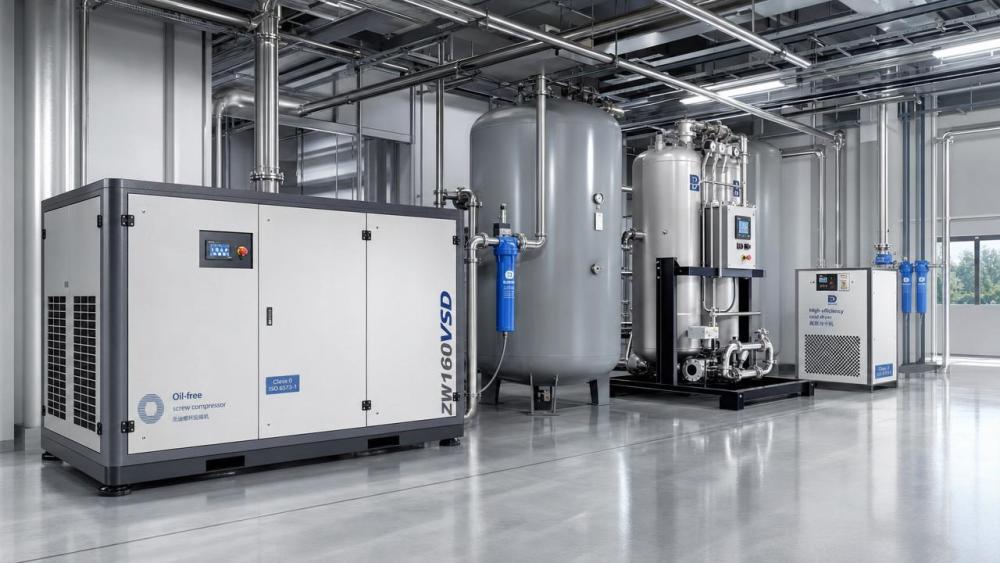
Oil-free compression technology has evolved from a niche requirement into a mainstream engineering decision. In regulated manufacturing, technical evaluators now assess not only contamination prevention, but also how oil-free systems influence energy demand, thermal load, control integration, and downstream treatment sizing. A system operating at 7 bar versus 8 bar can shift annual energy use by a noticeable margin, especially when demand exceeds 500 to 2,000 operating hours each quarter.
The most visible driver is product purity. Pharmaceutical filling lines, semiconductor process tools, and dry food conveying all require compressed air or gas streams with predictable quality. However, a second driver is compliance simplification. Removing oil from the compression chamber reduces the burden on separators, condensate handling, and post-treatment stages, which can shorten validation work during commissioning and reduce the number of contamination checkpoints operators must monitor daily.
Three practical pressures shaping evaluation criteria
- Higher purity expectations in direct-contact and high-precision production zones
- Energy cost volatility, often reviewed monthly or quarterly by plant management
- Stricter uptime targets, commonly above 98% to 99.5% for critical utilities
These pressures are pushing buyers to compare compression technology on a broader matrix. Instead of asking whether a unit is oil-free, they now ask how the system performs across load variability, dew point control, vibration levels, heat recovery potential, and remote diagnostics. This broader view aligns with the intelligence-led approach promoted by GTC-Matrix, where compressed air, thermal management, and energy conversion are assessed as an interconnected industrial system rather than isolated equipment packages.
Where technical evaluators see the largest operational risks
In practice, the highest risk is often hidden in system mismatch. A plant may install an oil-free machine with excellent rated efficiency, yet lose performance because of poor sizing, unstable demand, oversized dryers, or excessive pressure drop across filters and piping. Even a 0.5 to 1.0 bar avoidable pressure loss can influence power consumption enough to undermine the original business case.
Another frequent issue is underestimating thermal interaction. Oil-free compression technology can change discharge temperatures, cooling needs, and heat recovery opportunities. When the compressor room, chiller loop, and ventilation scheme are not reviewed together, the result may be acceptable purity but disappointing lifecycle economics.
Key checkpoints during early-stage screening
- Verify actual demand profile across peak, base, and idle load periods
- Review pressure band, typically within a 0.2 to 0.5 bar control tolerance
- Map air quality needs by production zone, not by plant average alone
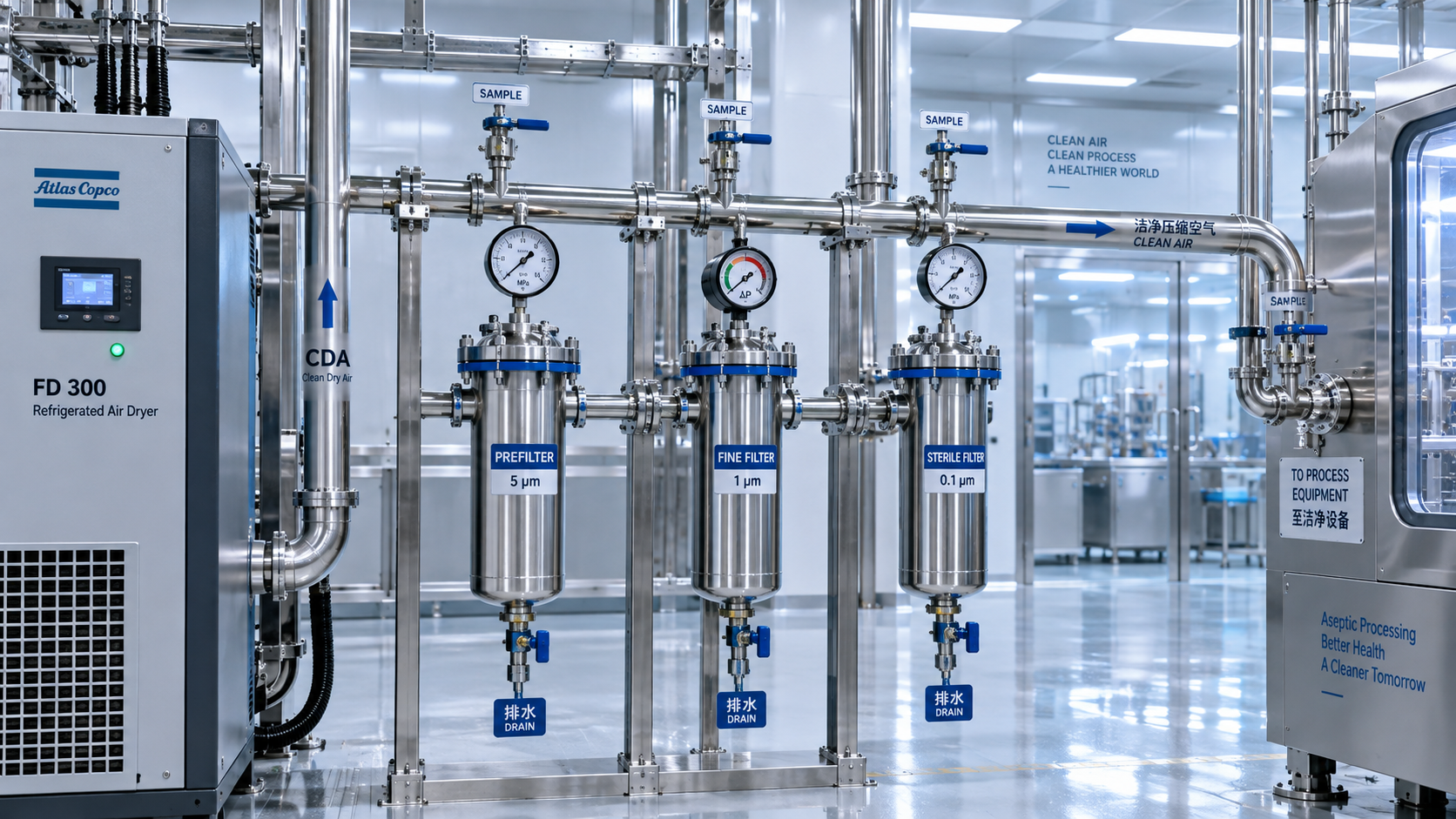
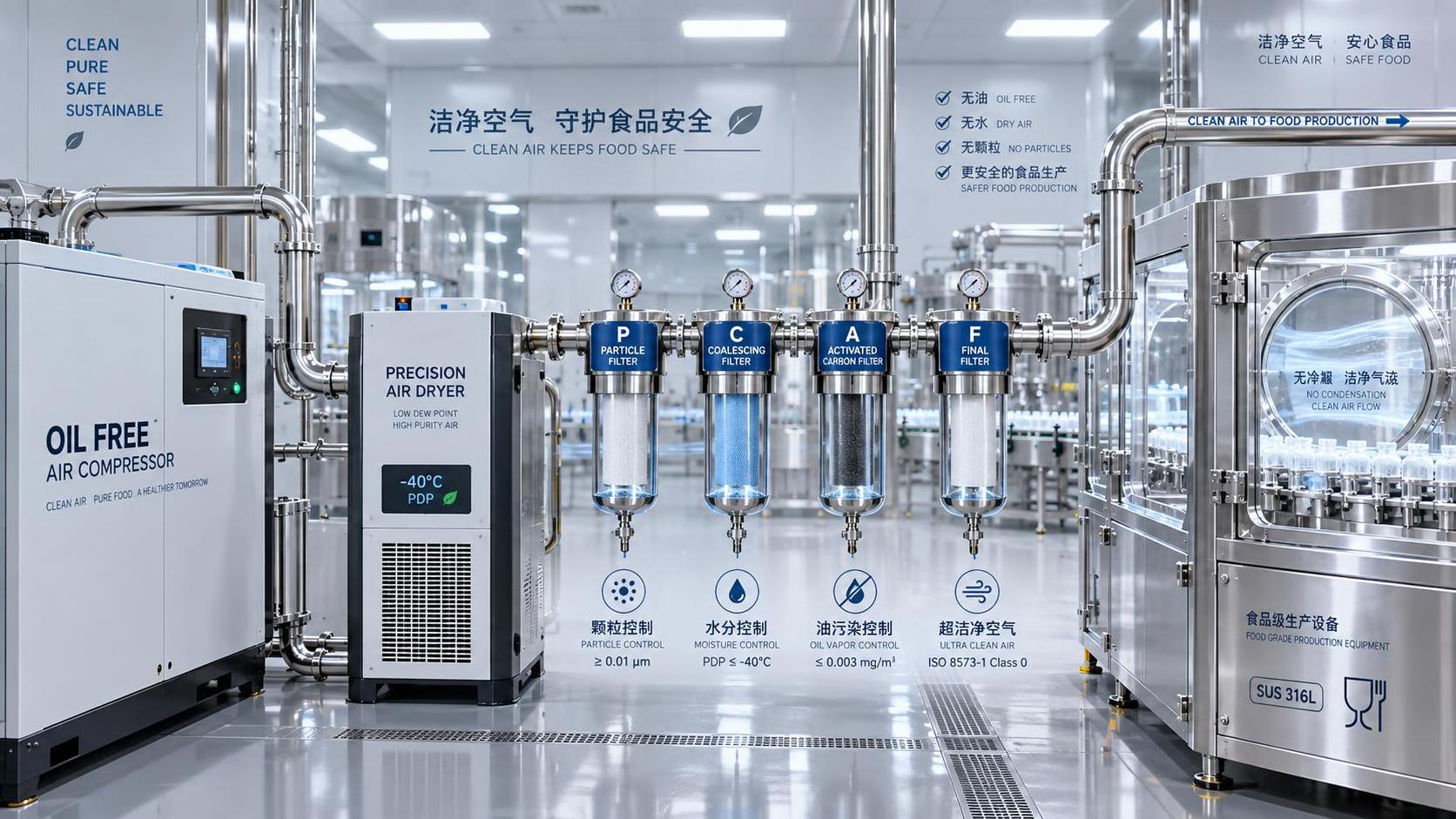
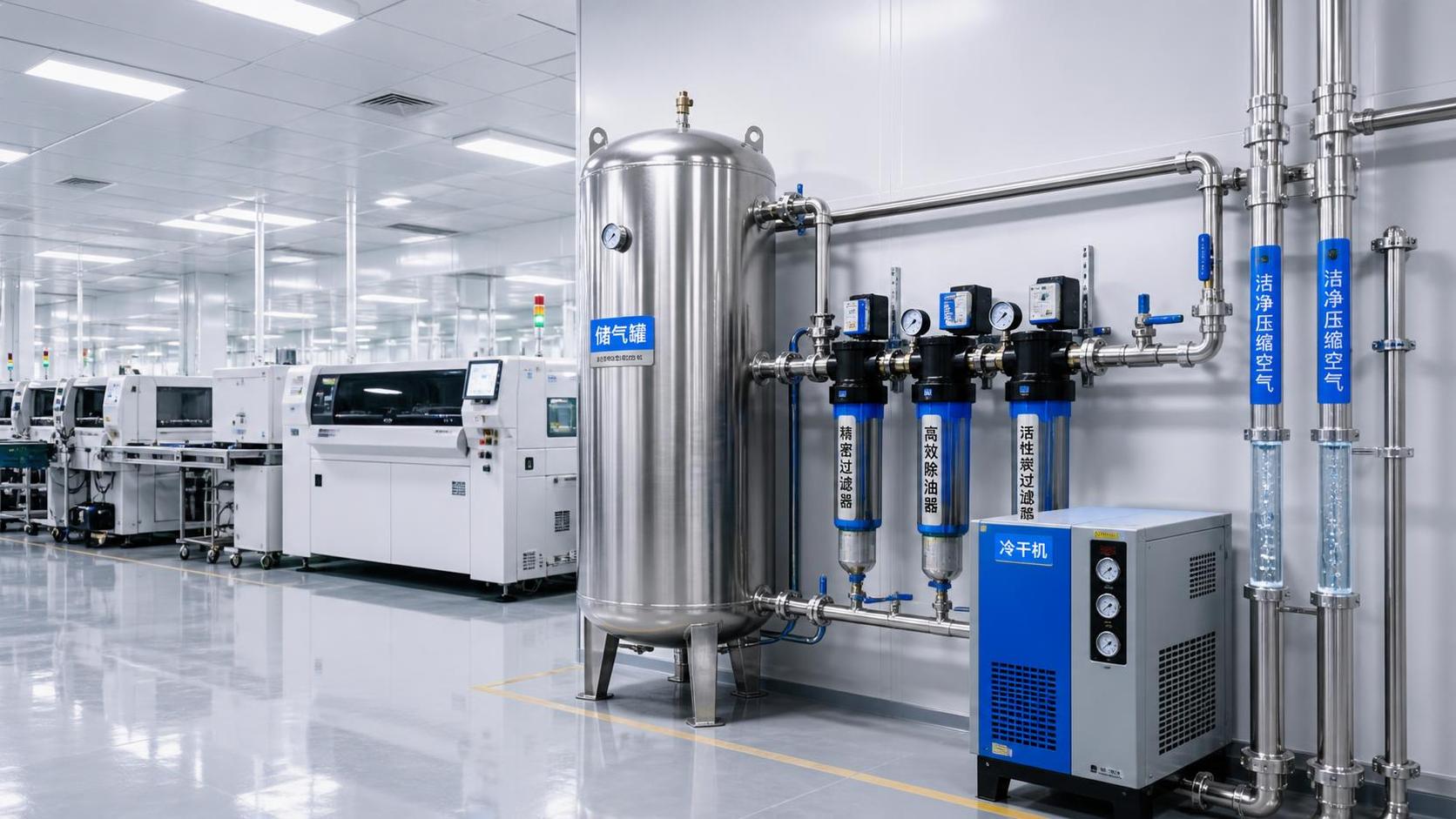
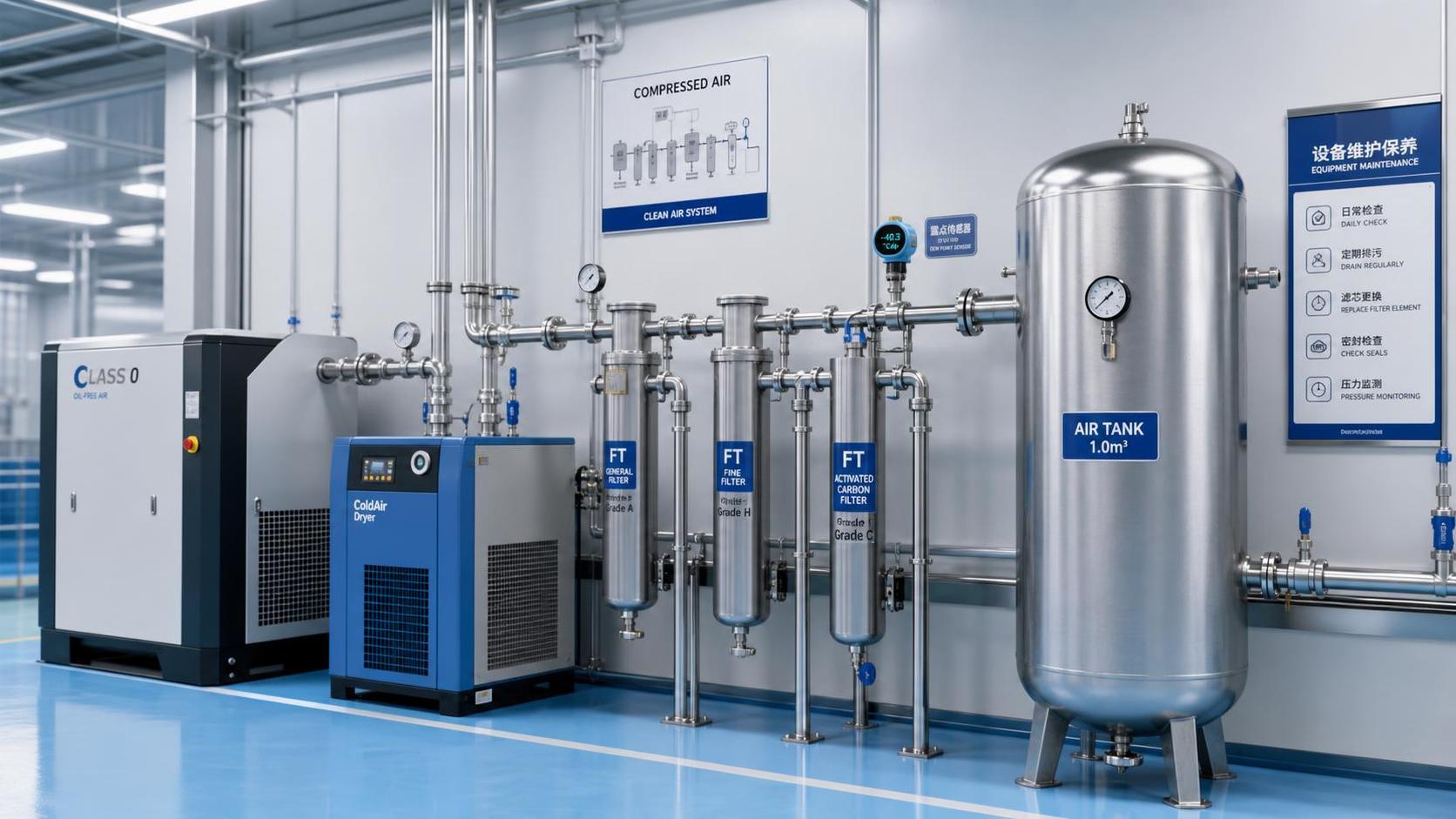
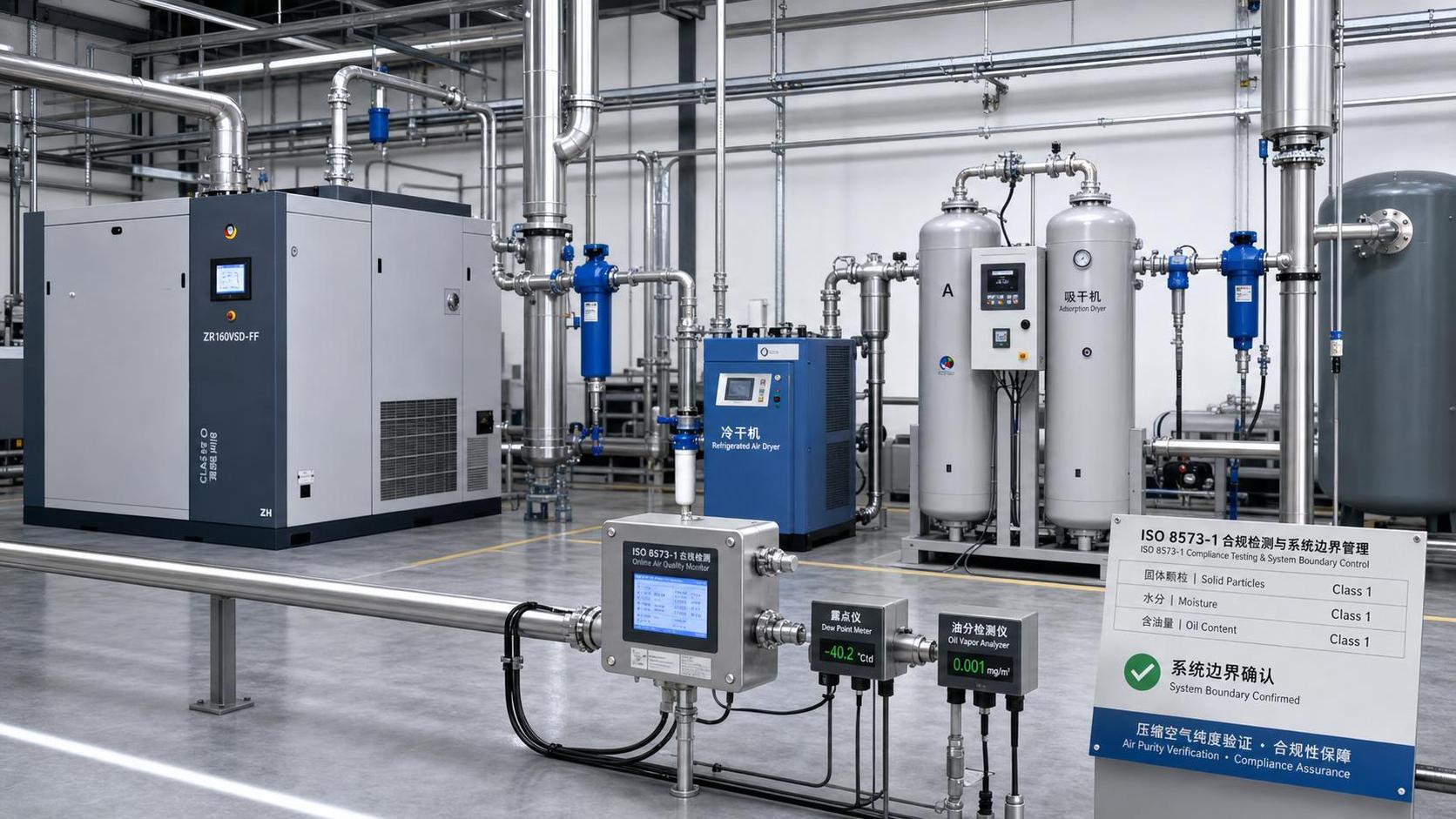
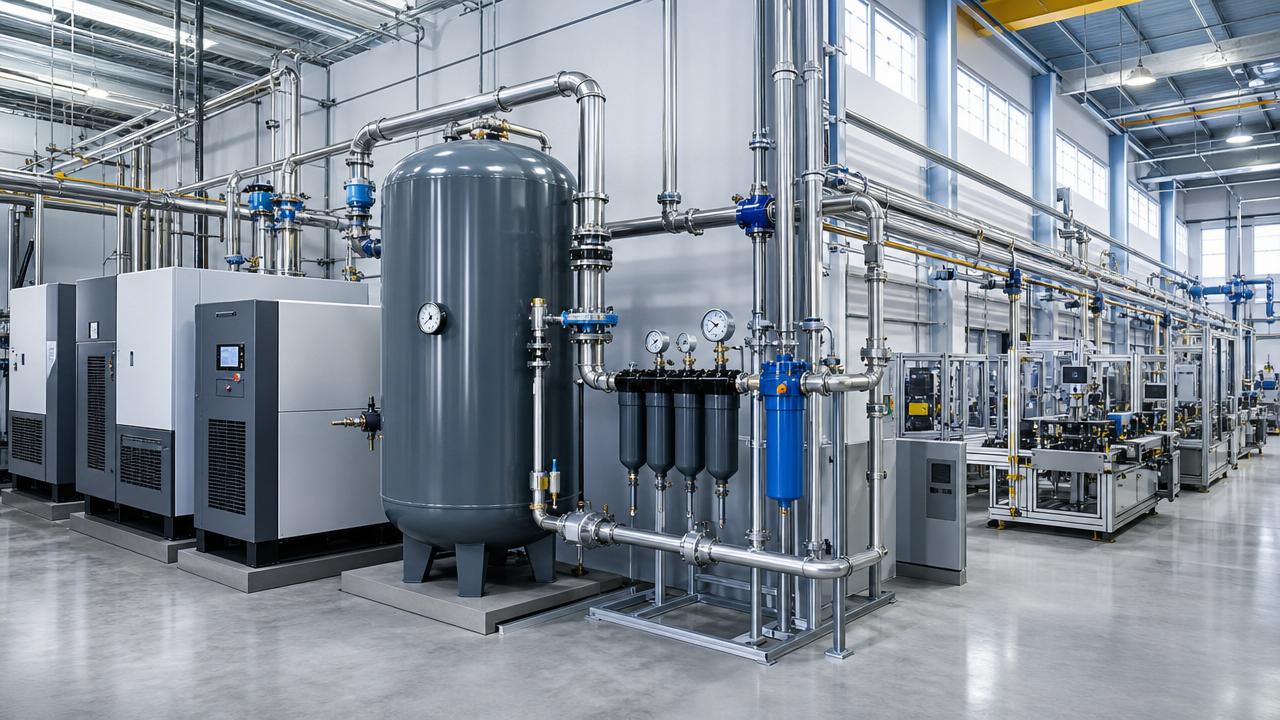
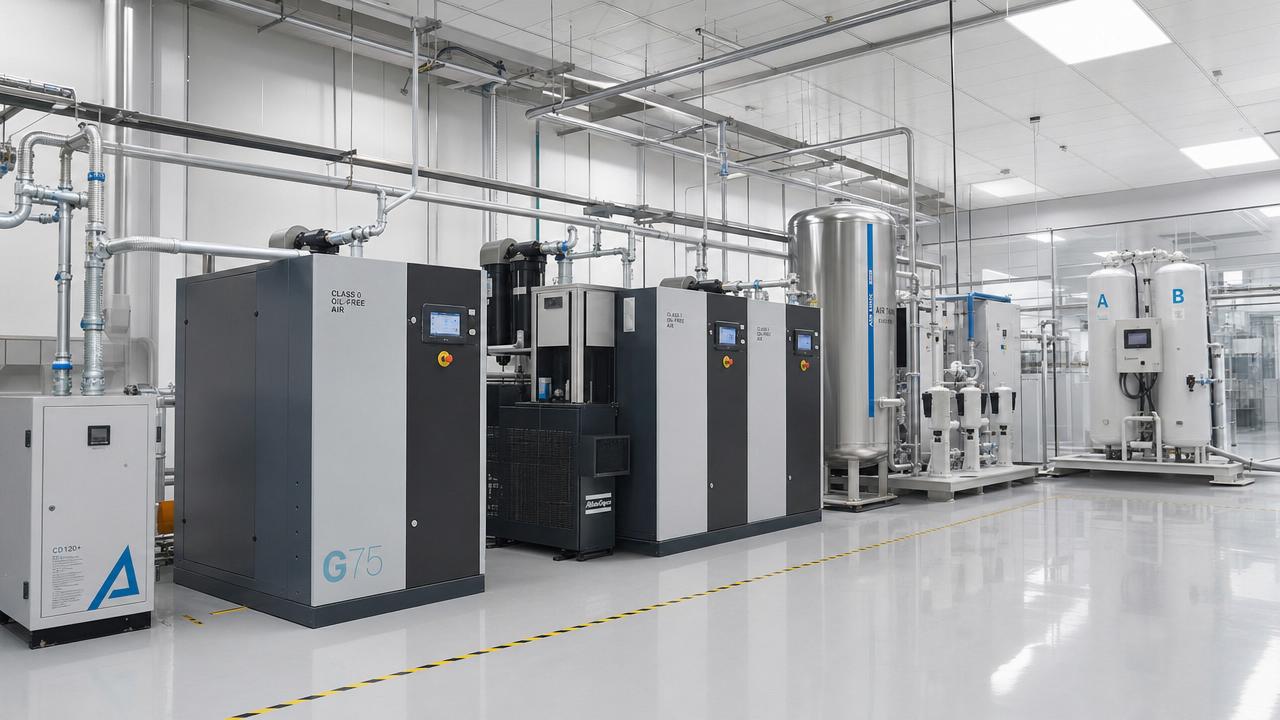
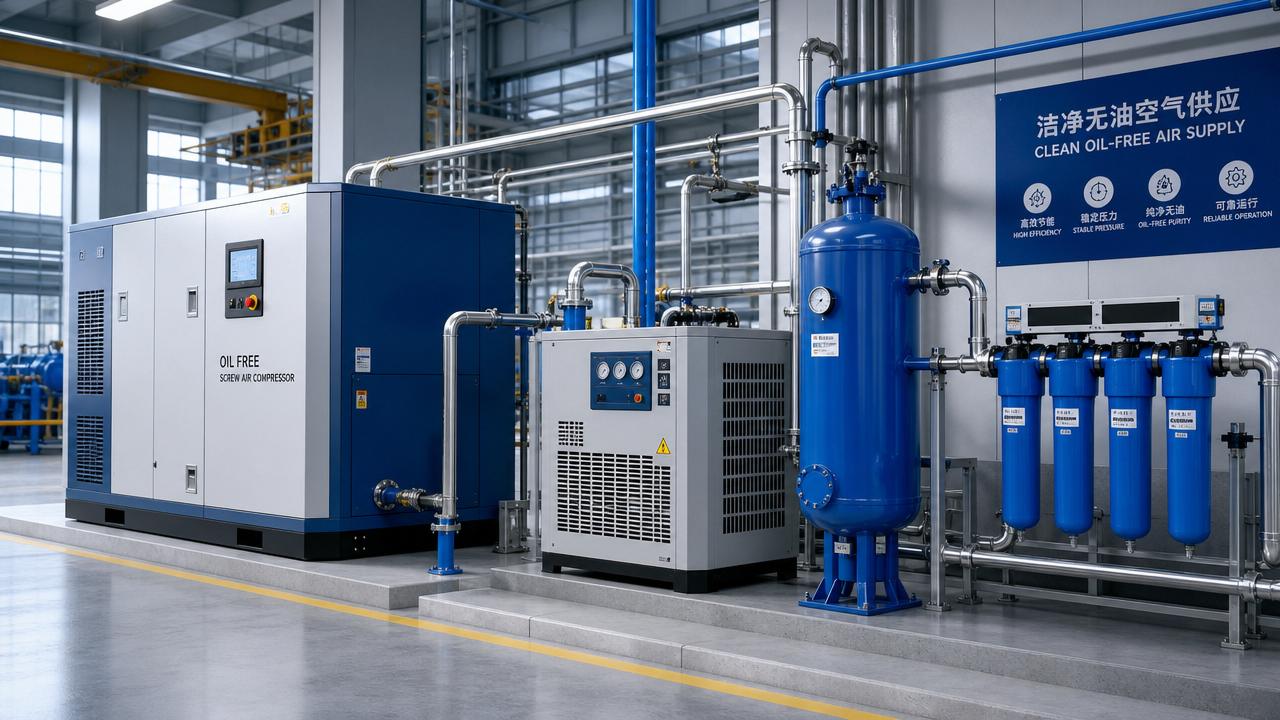
- Check integration with dryers, filters, receivers, and cooling systems
- Estimate service intervals, spare part access, and restart recovery time
Core Compression Technology Trends Reshaping Oil-Free Systems
Several technology shifts are redefining how oil-free systems are selected and deployed. For technical evaluators, the most important trend is not a single breakthrough machine type, but a combination of higher control precision, more application-specific compression stages, and deeper integration with digital monitoring and thermal recovery systems. Together, these changes are improving efficiency, reducing contamination risk, and making system performance more transparent over a 12- to 36-month review horizon.
Variable speed control and part-load optimization
Many clean production sites do not operate at constant demand. Shift changes, batch cycles, purge events, and seasonal cooling variation create load profiles that swing by 20% to 60% during a normal week. Modern compression technology therefore places stronger emphasis on variable speed drives, wider turndown capability, and smarter sequencing between base-load and trim machines.
For evaluators, the key question is whether the system remains efficient at 40%, 70%, and 100% load rather than only at rated conditions. A compressor that performs well in a catalog but wastes energy during low-demand windows can create a long-term penalty larger than the upfront savings from a cheaper purchase.
Advanced airend and stage design for purity and stability
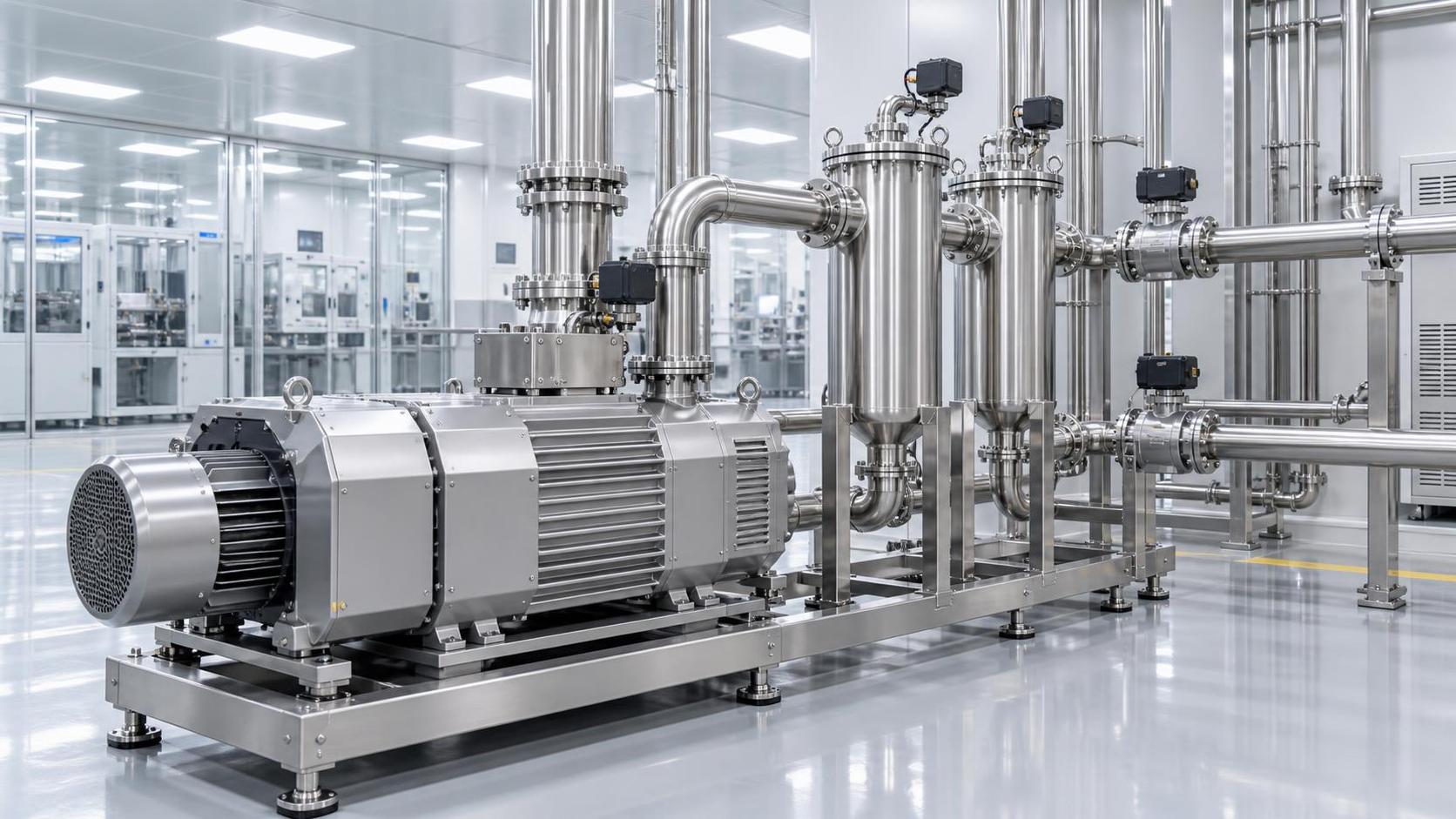
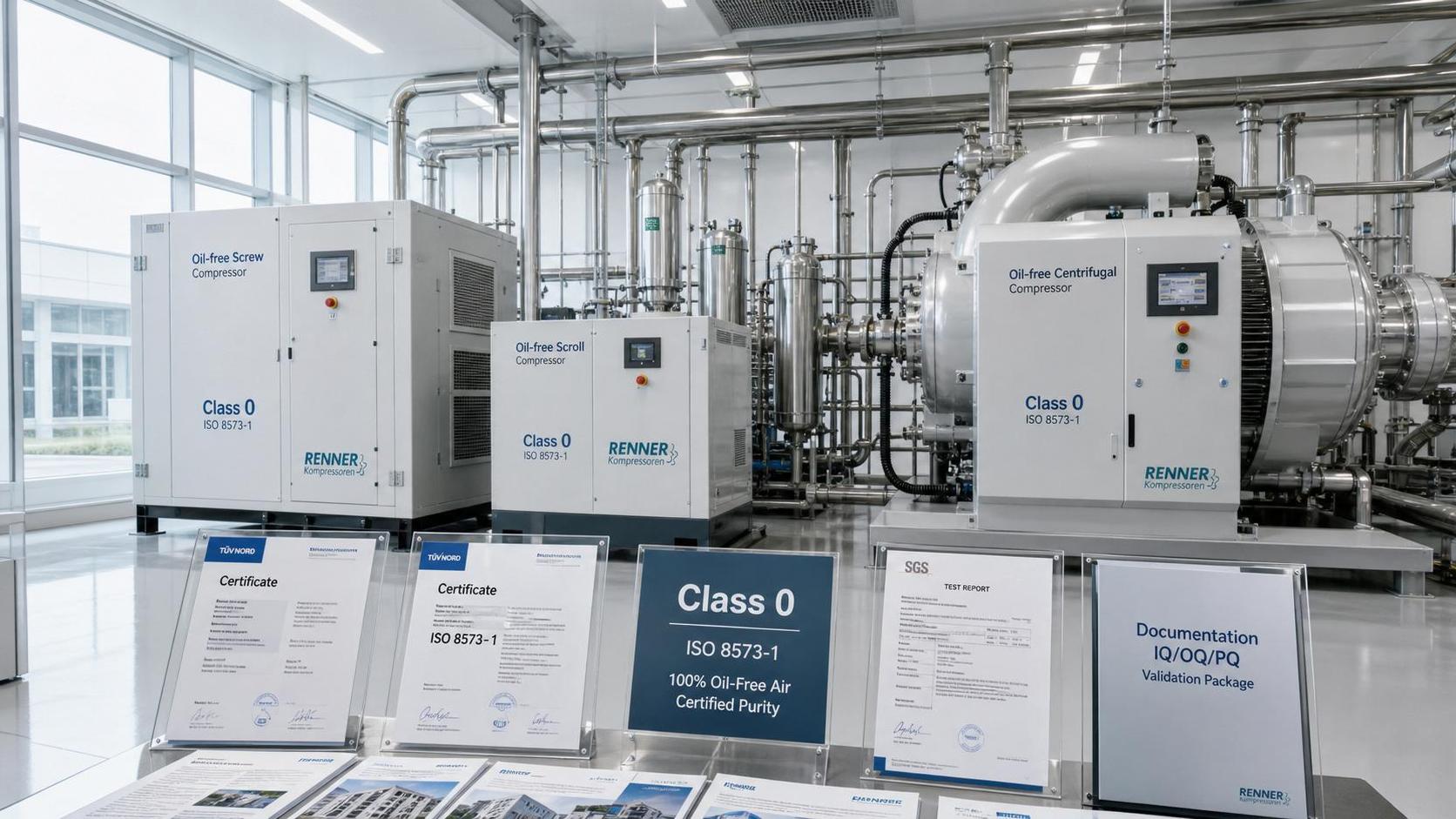
Another trend is refinement in compression stage architecture. Oil-free screw, scroll, centrifugal, and multi-stage configurations are increasingly matched to process characteristics rather than sold as universal answers. Lower flow applications may favor compact scroll arrangements for reduced vibration and simplified maintenance access, while higher continuous-flow utilities may benefit from multi-stage screw or centrifugal layouts with tighter control under stable baseload conditions.
This specialization matters because stable discharge temperature, lower internal leakage, and reduced pulsation can improve both process reliability and downstream filter life. In sensitive environments, incremental improvements in stability can protect product consistency more effectively than headline efficiency alone.
The table below compares common oil-free compression technology options from a technical evaluation perspective. It is intended as a practical screening tool rather than a substitute for detailed engineering review.
The main takeaway is that compression technology should be matched to duty profile, not selected by trend alone. A medium-flow clean room support system and a large semiconductor utility plant may both need oil-free air, but the best compression path can differ significantly in control logic, thermal impact, and maintenance model.
Digital diagnostics and predictive maintenance
Digitalization is no longer optional in advanced oil-free systems. Technical evaluators increasingly expect controllers to log pressure, temperature, power draw, fault events, and runtime by operating state. At a minimum, useful systems should support trend review over 30, 90, and 365 days so teams can distinguish isolated alarms from structural performance drift.
Predictive maintenance adds value when it is specific. Generic alerts offer limited insight, but condition-based recommendations tied to bearing temperature, cooler fouling, pressure deviation, or abnormal cycling can reduce unnecessary service visits. In multi-compressor rooms, remote sequencing and energy dashboards can also reveal whether one unit is carrying an inefficient share of demand.
Heat recovery and system-level energy integration
One of the most underused trends in compression technology is purposeful heat recovery. Oil-free systems in continuous operation can generate recoverable thermal energy for space heating, hot water preheating, or process support, depending on discharge conditions and local utility design. In facilities already managing chillers, heat exchangers, and controlled ventilation, this can improve site-level efficiency without changing the production process itself.
For plants pursuing decarbonization, this matters because compressor power should not be evaluated only as electrical consumption. It should also be analyzed as a thermal input opportunity. That integrated perspective is increasingly relevant to decision-makers navigating energy cost pressure and carbon reduction targets in parallel.
How Technical Evaluators Should Compare Oil-Free System Options
A sound evaluation framework balances purity, performance, operability, and future flexibility. In B2B procurement, compression technology decisions often involve engineering, maintenance, quality, and finance teams, each with different success metrics. A technical evaluator therefore needs a decision model that translates equipment specifications into plant impact over a realistic lifecycle, commonly 5 to 10 years.
Four decision dimensions that matter most
- Purity assurance: match air quality to process criticality and audit expectations
- Energy profile: compare rated and part-load efficiency across operating bands
- Service practicality: assess maintenance frequency, spare lead time, and technician access
- Expandability: verify whether demand can grow by 15% to 30% without full redesign
This approach prevents a common procurement mistake: buying a technically acceptable machine that becomes operationally expensive once the plant adds a second line, changes batch scheduling, or tightens environmental controls. In clean production, utility architecture must be robust enough to support changing throughput and validation requirements.
A practical evaluation matrix for supplier comparison
The following table can be used during supplier review meetings, technical clarification rounds, or internal scoring discussions. It helps convert broad claims into checkable engineering items.
Used correctly, this matrix keeps discussions focused on measurable plant outcomes. It also helps technical evaluators challenge proposals that look attractive on capital cost but create hidden burdens in controls, utilities, or maintenance planning.
Questions to ask before final approval
Performance and integration
Ask how the proposed compression technology performs at three operating states: minimum stable load, normal daily load, and peak process load. Request clarification on cooling method, ambient design limits, and expected pressure drop across the full treatment train. These details often determine whether the delivered system matches modeled efficiency.
Operational resilience
Verify restart behavior after a trip, controller alarm hierarchy, and fallback options during maintenance. In many critical plants, the difference between a 2-hour intervention and an 8-hour intervention can justify a different architecture, including duplex arrangements or additional receiver capacity.
Service and lifecycle economics
Check consumable frequency, recommended inspection intervals, and local support capability. Some oil-free systems offer lower contamination risk but require more specialized service skills. Evaluators should therefore compare not just component life, but service access, training needs, and spare availability within a realistic lead time such as 48 hours, 7 days, or 2 weeks.
Implementation Risks, Common Mistakes, and Future-Proofing Strategies
Even well-selected compression technology can underperform if implementation is rushed. Technical evaluators should pay close attention to layout, controls, air treatment sequencing, and commissioning validation. In clean manufacturing, small oversights can cascade into recurring instability, elevated energy use, or extra compliance checks that consume engineering time month after month.
Common mistakes during project execution
- Oversizing the compressor for a single theoretical peak rather than actual duty pattern
- Ignoring pipework pressure loss until after installation and startup
- Separating compressor selection from dryer, receiver, and cooling review
- Assuming oil-free means maintenance-free, which it does not
Another mistake is relying on general-purpose specifications when the process requires zone-specific quality management. A packaging hall, sterile transfer area, and pneumatic control network may have different dew point, flow, and redundancy expectations. Compression technology should support this segmentation instead of forcing a single utility standard across every air user.
A 5-step rollout path for more reliable outcomes
- Measure actual demand for at least 7 to 14 days across shifts and batch cycles
- Define quality requirements by application, including critical and noncritical users
- Model pressure drop, cooling interaction, and room ventilation before purchase
- Commission with alarm testing, trend logging, and treatment-stage verification
- Review performance after 30, 90, and 180 days to tune controls and maintenance plans
This rollout method improves decision quality because it treats the compressor as part of a utility ecosystem. It also aligns with how advanced industrial intelligence platforms analyze equipment value: through operating context, not isolated hardware claims.
What future-ready oil-free systems will look like
Looking ahead, compression technology in oil-free systems will likely become more modular, more connected, and more tightly linked to plant energy strategy. Buyers can expect better controller interoperability, stronger remote analytics, and more deliberate integration with heat exchange and cooling infrastructure. In facilities pursuing carbon reduction, utility assets will be judged not only by reliability, but by how well they contribute to resource circularity and thermal efficiency.
For technical evaluators, that means future-proofing should include digital readiness, thermal recovery potential, and expansion logic from the start. A system that is 5% to 10% more expensive initially may still be the better choice if it avoids redesign during capacity growth, reduces validation complexity, and supports cleaner energy management over the next 5 years.
Oil-free compression technology is no longer a narrow purity decision. It is a strategic engineering choice that affects reliability, compliance, operating cost, and long-term production flexibility. Technical evaluators who compare system architecture, part-load behavior, digital visibility, and thermal integration will make stronger decisions than teams focused only on initial purchase price.
For organizations tracking industrial cooling, compressed air, vacuum processes, and heat exchange trends, a data-led perspective is essential. GTC-Matrix helps connect thermodynamic logic with practical equipment decisions, giving technical teams a clearer basis for cleaner, more efficient production planning. To explore tailored oil-free compression insights, evaluate emerging solutions, or discuss application-specific strategies, contact us today and get a customized solution path for your clean production goals.
Related News
- How to verify compressed air cleanroom standards before installationAuthor :Pneumatic Power Engineer

- When oil free vacuum pumps make sense for European cleanroom projectsAuthor :Pneumatic Power Engineer

- When do pure air compression systems need ISO 8573-1 Class 0?Author :Pneumatic Power Engineer

- How do compressed air systems for electronics prevent contamination?Author :Pneumatic Power Engineer

- When does an oil-free process vacuum pump justify its higher cost?Author :Pneumatic Power Engineer

- Does ISO 9001 certification apply to compressed air quality?Author :Pneumatic Power Engineer

- How to Specify Clean Compressed Air Systems in Southeast Asia for Food and Pharma PlantsAuthor :Pneumatic Power Engineer

- How to Compare Oil Free Vacuum Pumps for Clean Process RequirementsAuthor :Pneumatic Power Engineer

- How to Evaluate a Clean Compressed Air Systems Supplier for ISO 8573-1 ComplianceAuthor :Pneumatic Power Engineer

- How to Choose the Right Oil-Free Vacuum PumpAuthor :Pneumatic Power Engineer

- VDI 2083 Update Makes Class 0 Proof MandatoryAuthor :Pneumatic Power Engineer

- When to Use Oil Free Vacuum Pumps for High Purity LinesAuthor :Pneumatic Power Engineer

- Compressed Air Solutions: When Oil-Free Systems Lower Total Operating CostAuthor :Pneumatic Power Engineer

- ATMOsphere Europe 2026 Adds Oil-free Systems ZoneAuthor :Pneumatic Power Engineer

- Oil-Free Compressors: Key Selection Criteria for Clean Air SystemsAuthor :Pneumatic Power Engineer

- How to Compare Oil Free Centrifugal Compressors for Stable Plant Air SupplyAuthor :Pneumatic Power Engineer

- Compressed Air Class 0 vs Oil-Free: What Really MattersAuthor :Pneumatic Power Engineer

- Oil-Free Compression Class 0: What the Standard Really Means in ProductionAuthor :Pneumatic Power Engineer

- Air Compression Cost Comparison: Oil-Free vs Screw Systems in Daily OperationAuthor :Pneumatic Power Engineer

- Saudi SASO Tightens IEC 63349-2 for Oil-Free CompressorsAuthor :Pneumatic Power Engineer

- Saudi SASO Tightens Oil-Free Compressor Efficiency RulesAuthor :Pneumatic Power Engineer

- Pure Air Compression Systems for Clean Production LinesAuthor :Pneumatic Power Engineer

- IEC 63349-2:2026 makes energy certification mandatoryAuthor :Pneumatic Power Engineer

- IEC 63349-2:2026 Sets New Entry Rules for Oil-Free Screw CompressorsAuthor :Pneumatic Power Engineer

- IEC 63349-2:2026 Takes Effect for Oil-Free Screw CompressorsAuthor :Pneumatic Power Engineer

- IEC 63349-2:2026 Sets New Efficiency Gate for Oil-Free Screw CompressorsAuthor :Pneumatic Power Engineer

- IEC 63349-2:2026 Takes Effect for Oil-Free Screw CompressorsAuthor :Pneumatic Power Engineer

- SABIC Methanol Force Majeure Extended, Tightening R134a/R407C FeedstocksAuthor :Pneumatic Power Engineer

- How to Evaluate Pneumatic Power Systems for Stable OutputAuthor :Pneumatic Power Engineer

- Oil-Free Compression vs Lubricated Systems: Key Trade-OffsAuthor :Pneumatic Power Engineer
![]()
- Oil-Free Compression: 2026 Cost and Compliance Trade-OffsAuthor :Pneumatic Power Engineer

- Oil-Free Compression: Cost and Contamination RisksAuthor :Pneumatic Power Engineer
![]()
- Euro PMI Drop Delays Oil-Free Systems OrdersAuthor :Pneumatic Power Engineer

- Germany/France May PMI Decline; Oil-free Systems EU Projects DelayedAuthor :Pneumatic Power Engineer
![]()
- Compression Technology Options for Cleaner Oil-Free Air SupplyAuthor :Pneumatic Power Engineer

- TUV Rheinland Enforces Full-Chain Class 0 Certification for Oil-Free SystemsAuthor :Pneumatic Power Engineer