Compression Technology Choices for Oil-Free System Reliability




For procurement teams, choosing the right compression technology is essential to ensuring oil-free system reliability, energy efficiency, and long-term operational value. From lifecycle cost and maintenance risk to purity standards and supply continuity, every decision affects performance in critical industries. This article explores how to evaluate compression technology choices with a practical, strategic lens for more confident purchasing decisions.
Compression technology fundamentals in oil-free systems
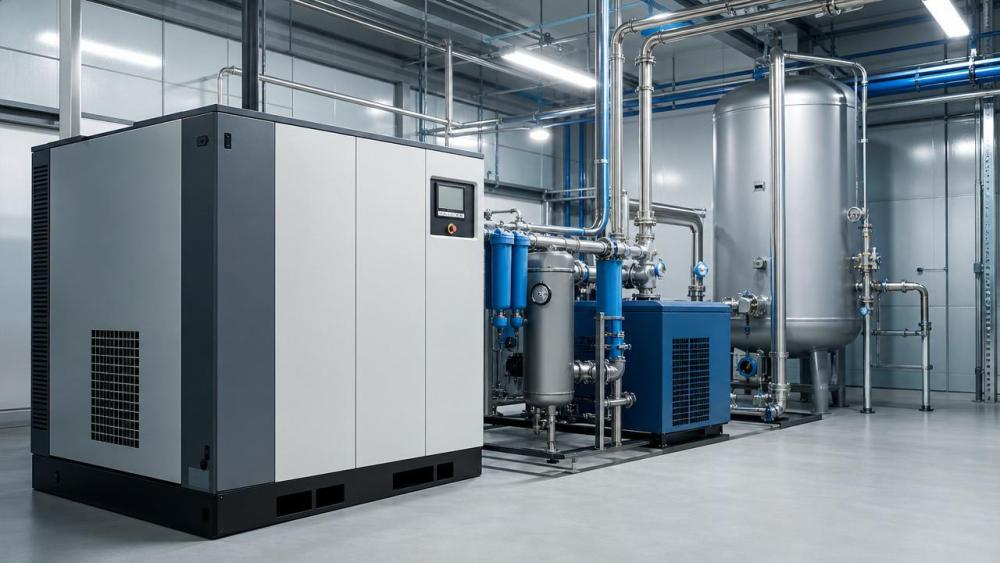
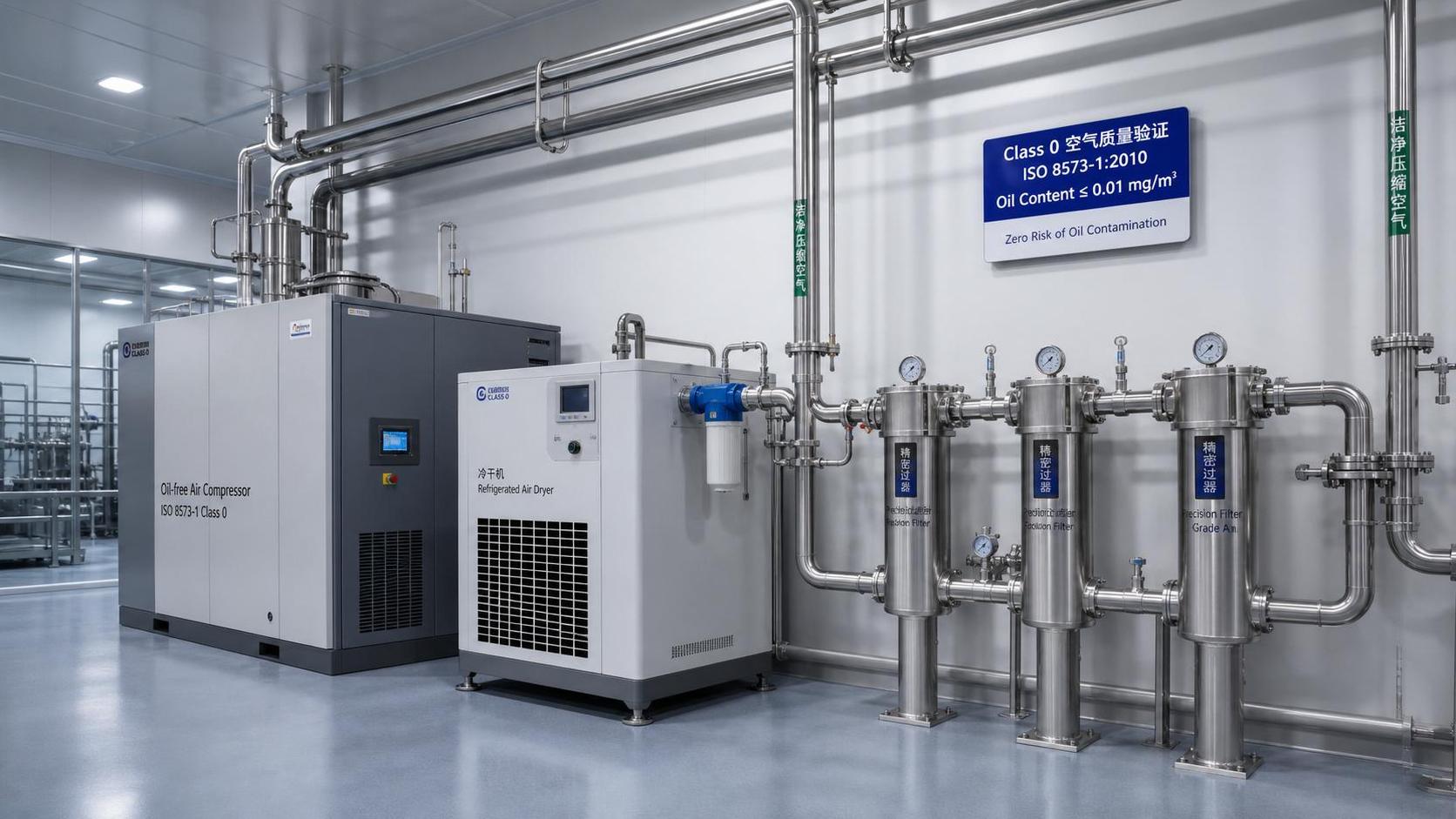
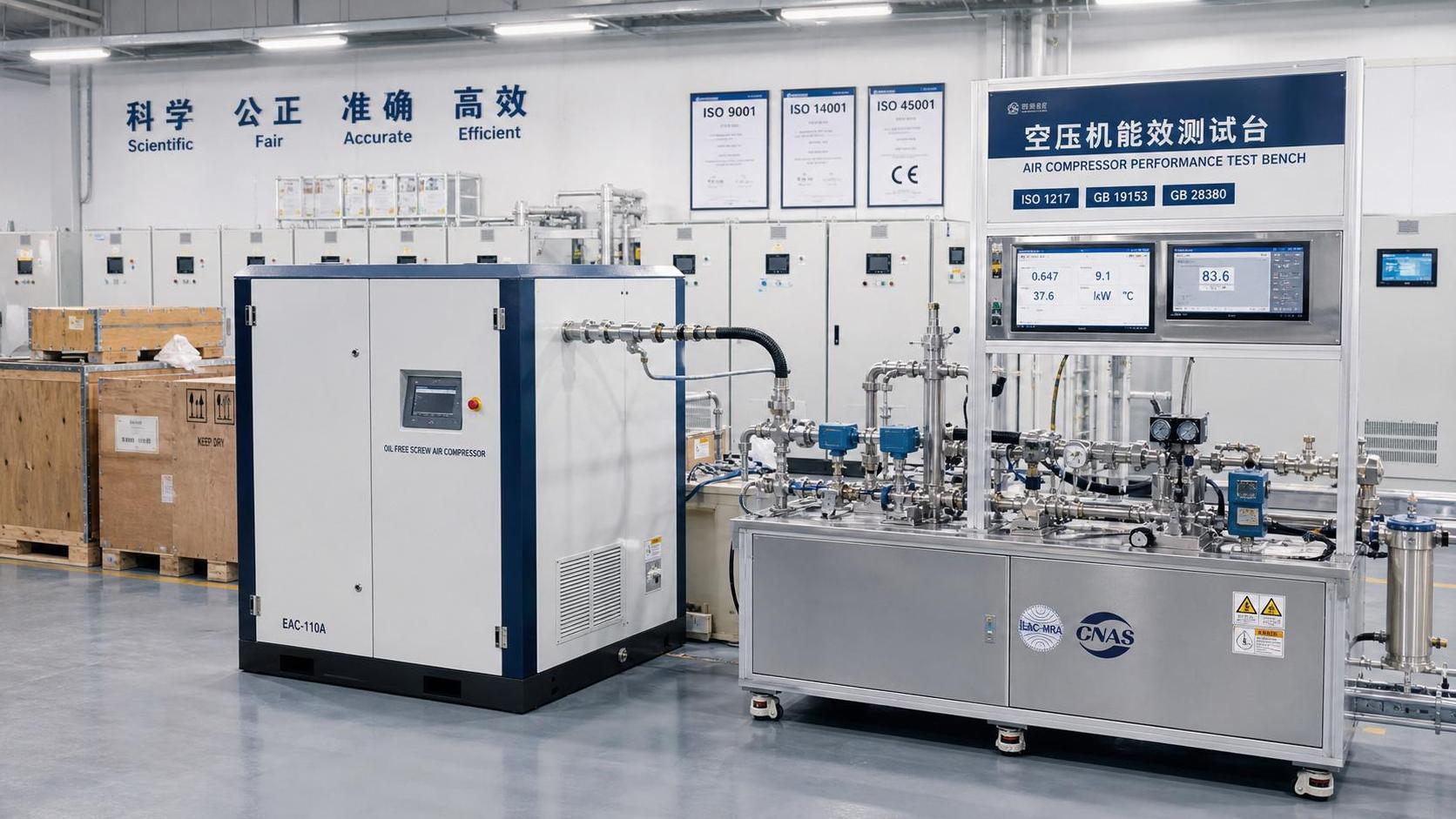
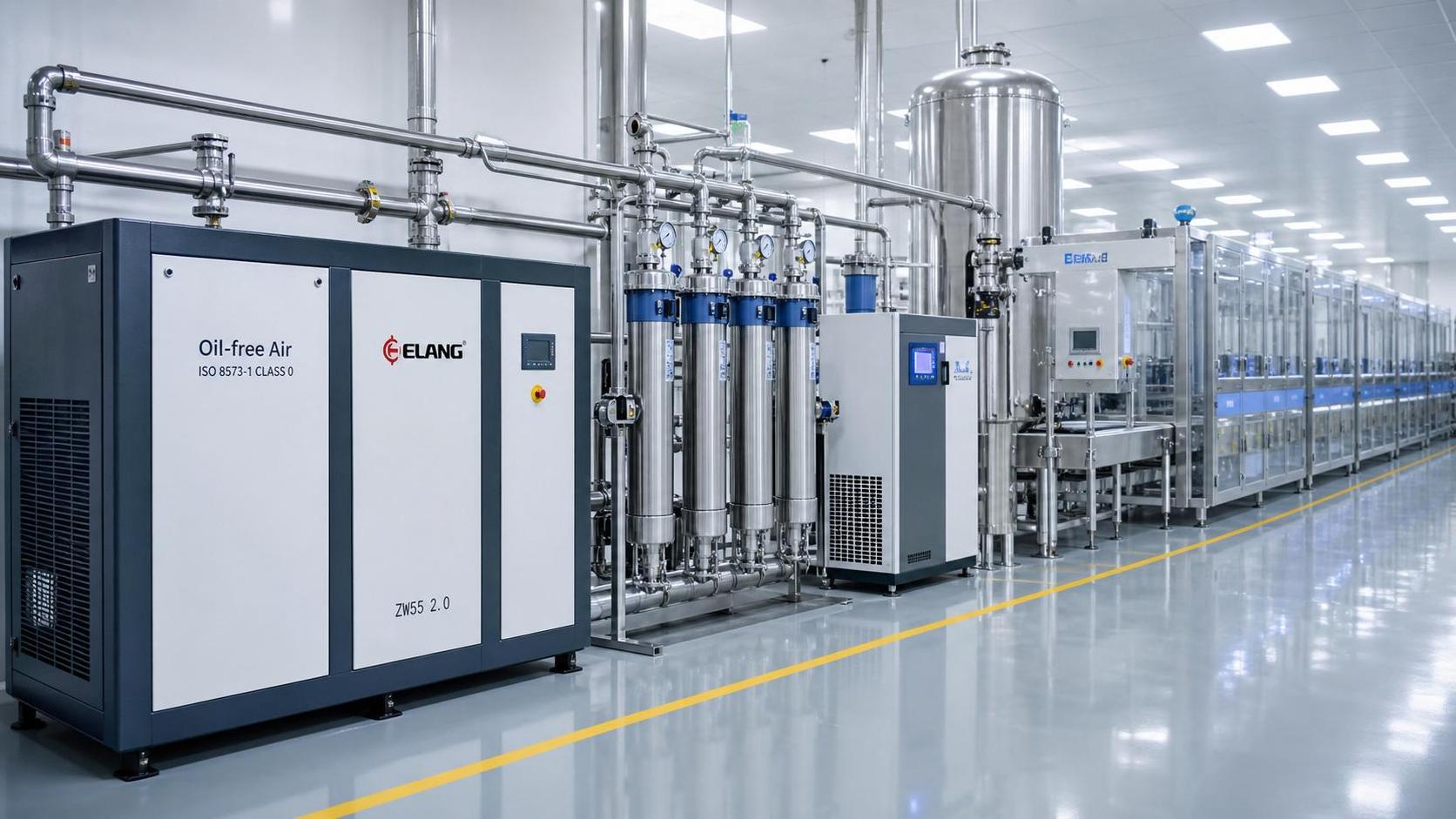
Compression technology defines how air or gas is pressurized without oil entering the compression chamber. In oil-free systems, that design choice directly shapes purity, uptime, and total operating stability.
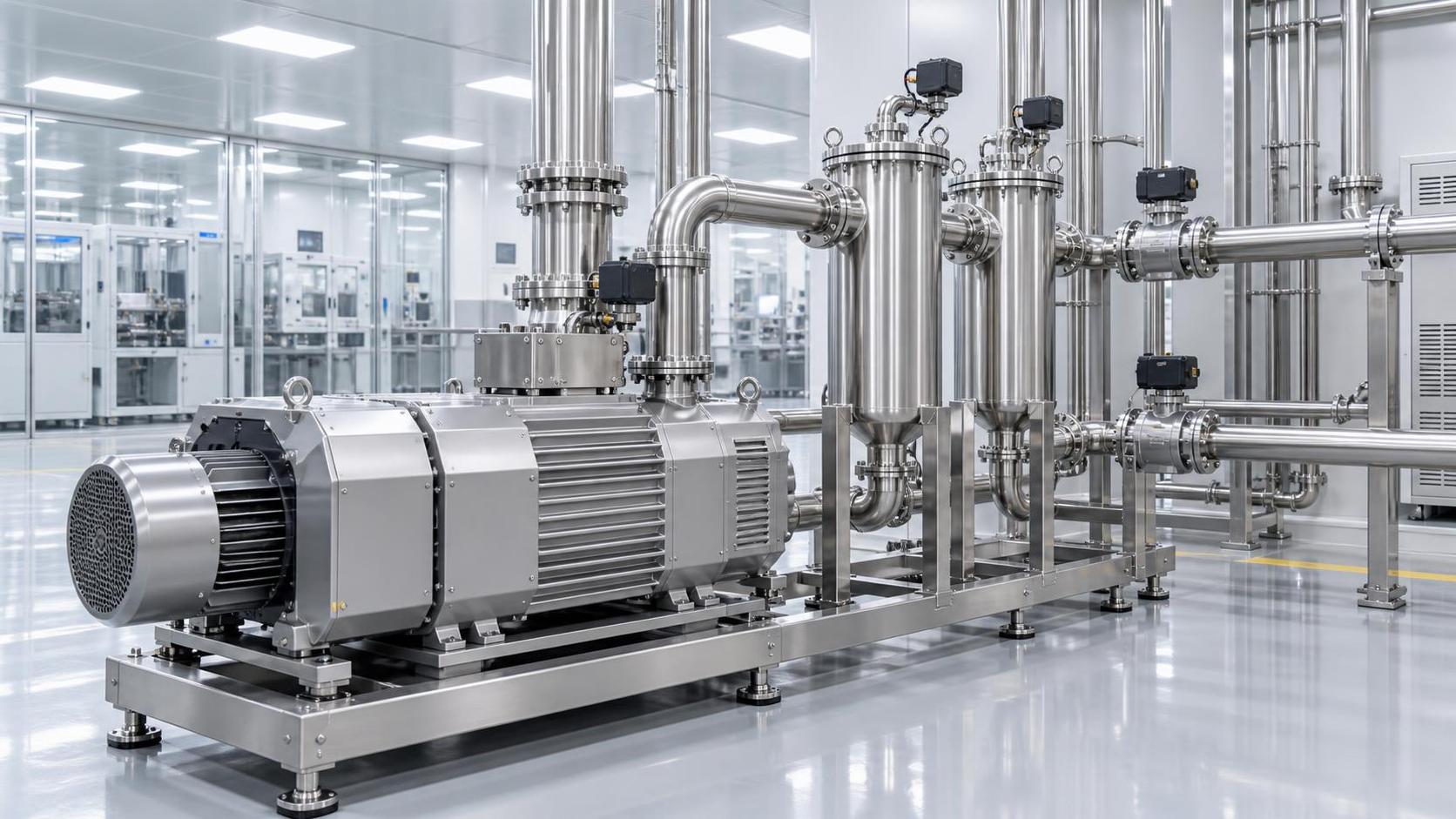
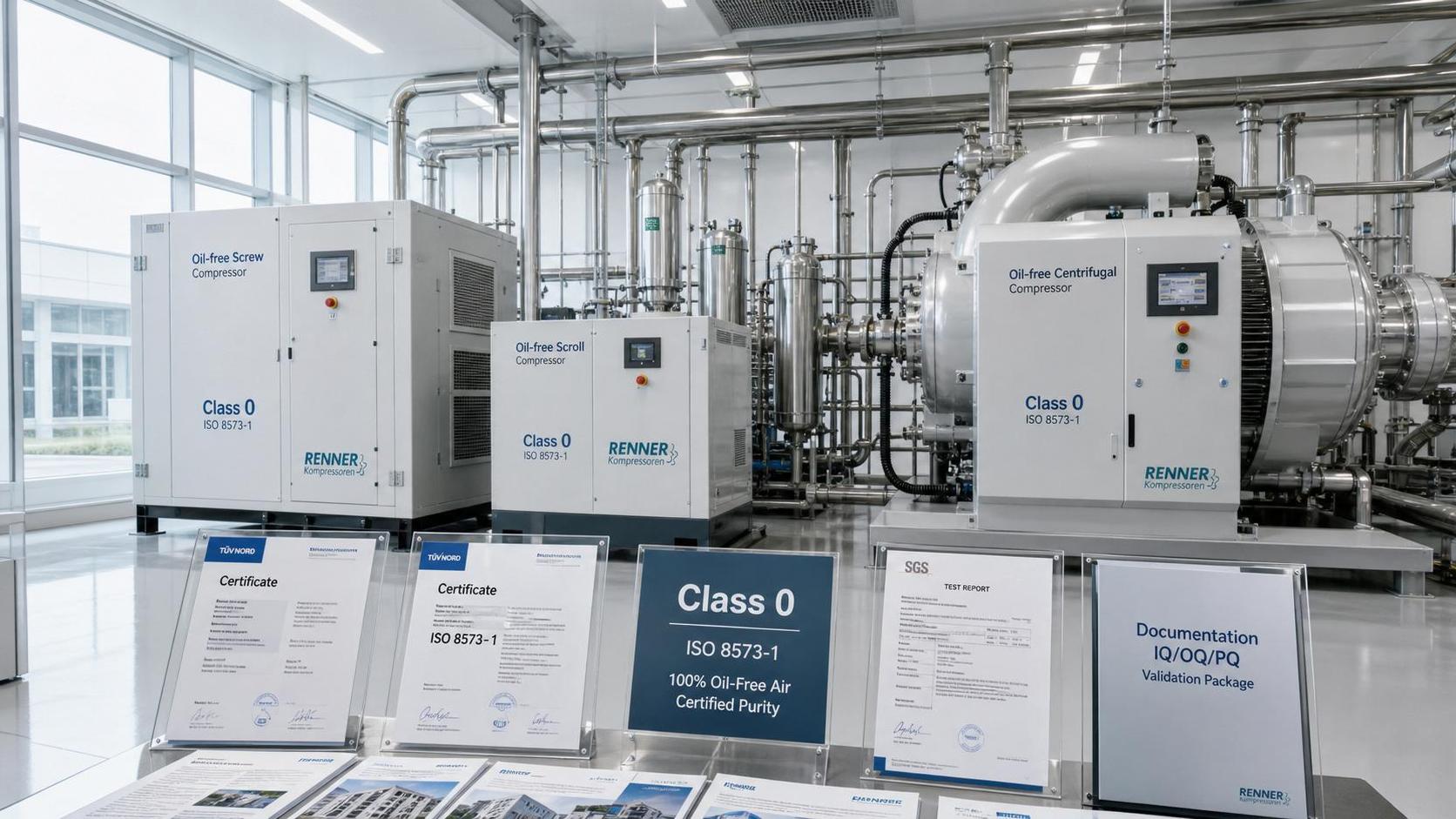
The most common compression technology options include oil-free screw, scroll, centrifugal, piston, and claw configurations. Each serves different flow ranges, pressure targets, and environmental requirements across diverse industries.
In practical evaluation, compression technology is not only about machine type. It also includes control logic, cooling method, material compatibility, filtration strategy, and service accessibility.
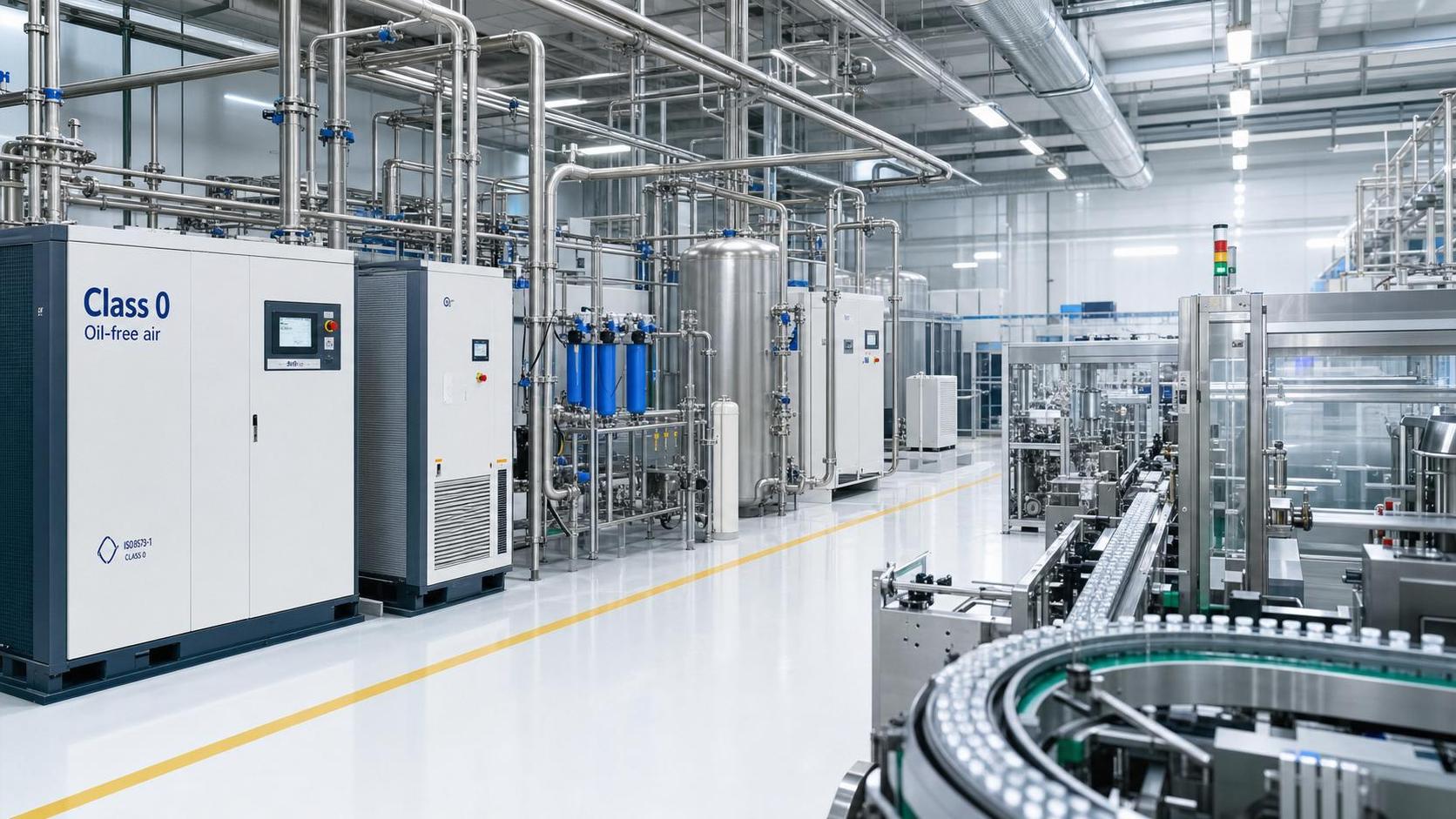
Oil-free reliability matters most where compressed media contacts products, process tools, or sensitive environments. That is especially true in food, pharmaceutical, electronics, laboratories, and high-precision manufacturing.
A strong compression technology decision reduces contamination risk, avoids unstable output, and supports compliance with air quality standards. It also improves resilience when energy prices, duty cycles, and production loads change.
Industry context and current decision signals
Across the broader industrial market, compression technology choices are being shaped by decarbonization targets, rising electricity costs, stricter process purity needs, and growing pressure for predictable maintenance planning.
The role of compressed air and gas has expanded beyond utility supply. In many facilities, oil-free performance now supports product safety, thermal balance, automation quality, and international certification readiness.
These signals show why compression technology should be assessed as a system decision, not a single equipment purchase. Reliability depends on matching machine behavior to the plant’s real operating profile.
Business value of selecting the right compression technology
The right compression technology lowers the total cost of ownership by reducing wasted power, avoiding air quality incidents, and extending service intervals under actual working conditions.
It also supports operational continuity. In oil-free systems, a poor technology fit can create overheating, unstable pressure, moisture carryover, or reduced output during peak demand periods.
From a strategic view, compression technology influences more than utility cost. It affects production throughput, reject rates, environmental reporting, and expansion readiness for future process lines.
- Lower energy consumption across base-load and variable-load conditions
- Reduced contamination risk in sensitive process environments
- Better reliability under continuous or multi-shift operation
- Improved maintenance planning and spare parts predictability
- Stronger alignment with sustainability and efficiency targets
For industrial intelligence platforms such as GTC-Matrix, this is where market data becomes useful. Energy trends, technology evolution, and application benchmarks help frame a more resilient investment path.
Typical compression technology paths by application profile
No single compression technology fits every duty. The strongest choice depends on required purity, flow pattern, pressure stability, ambient conditions, and criticality of uninterrupted output.
This comparison helps narrow the field, but final selection should still be validated against site-specific load data. Measured demand patterns often reveal different needs than nameplate assumptions.
Important evaluation factors beyond machine type
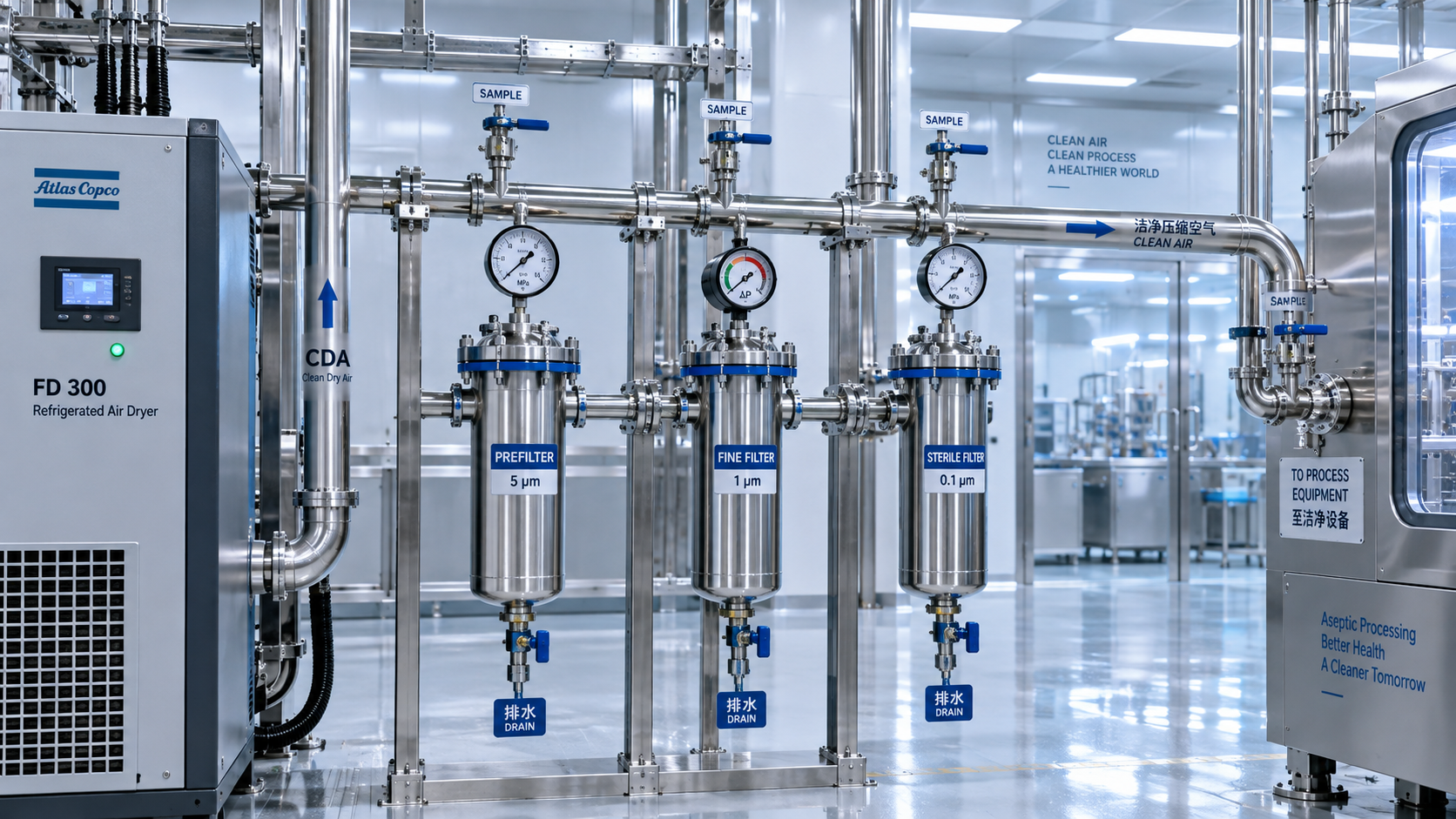
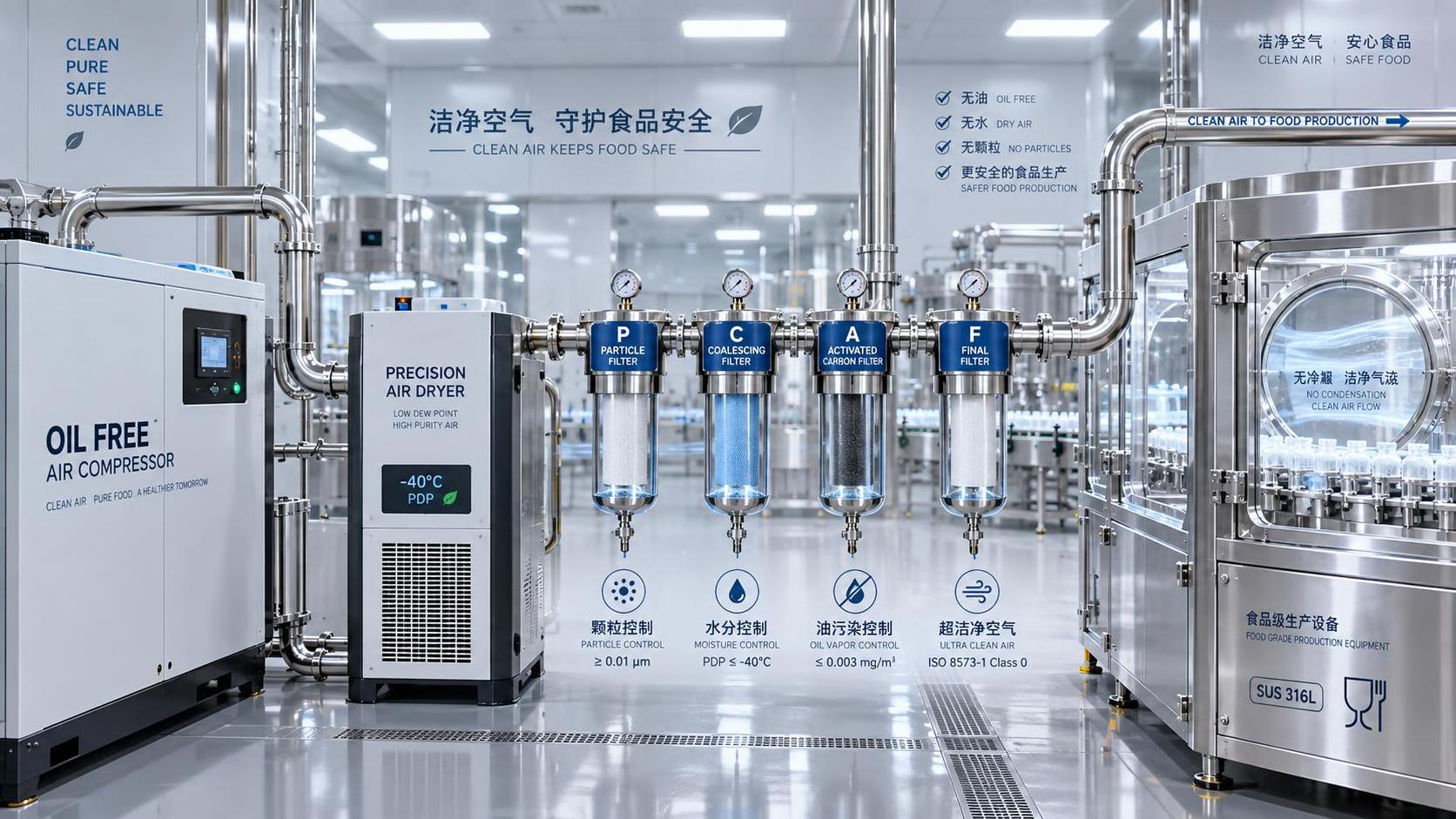
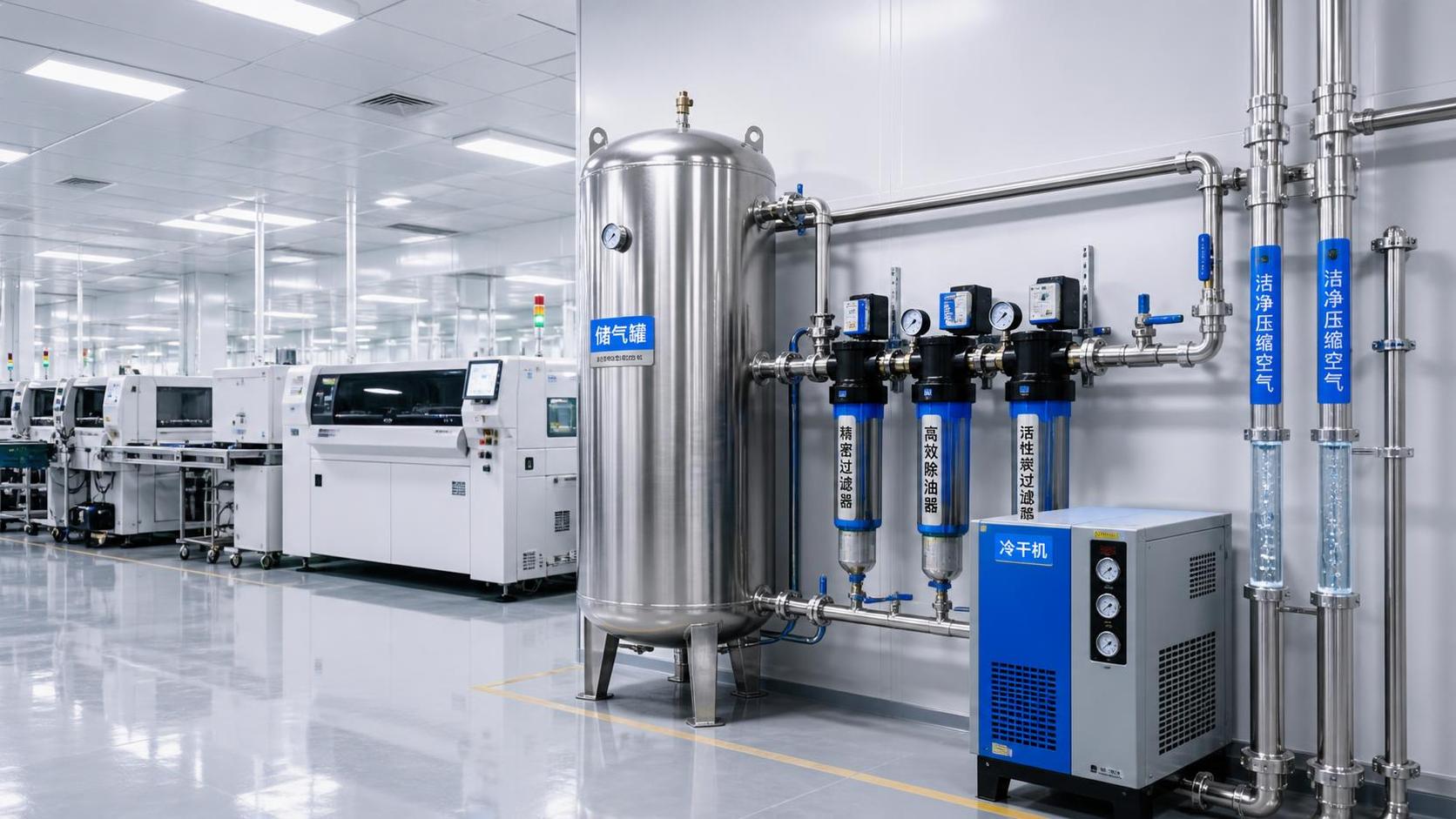
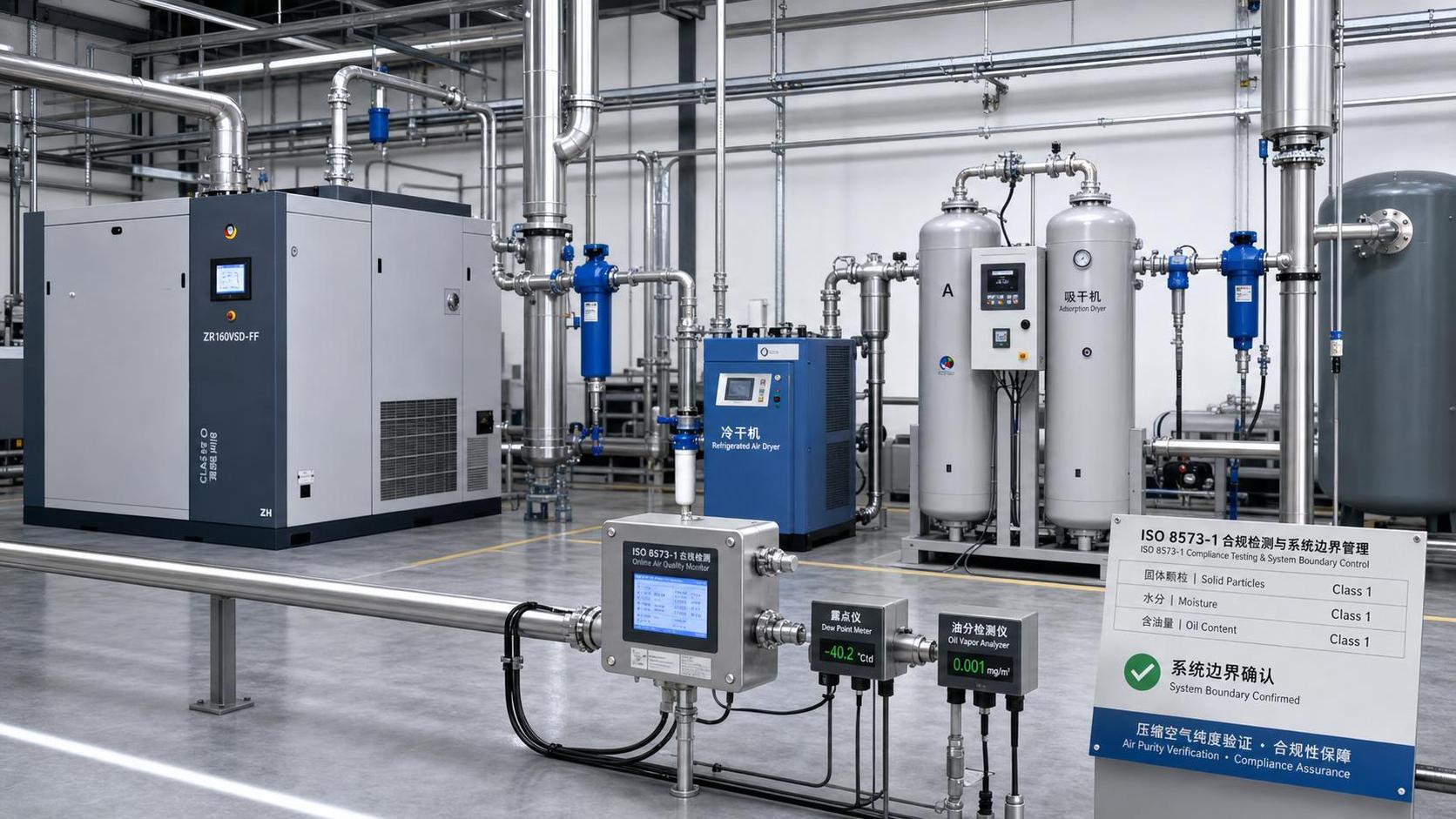
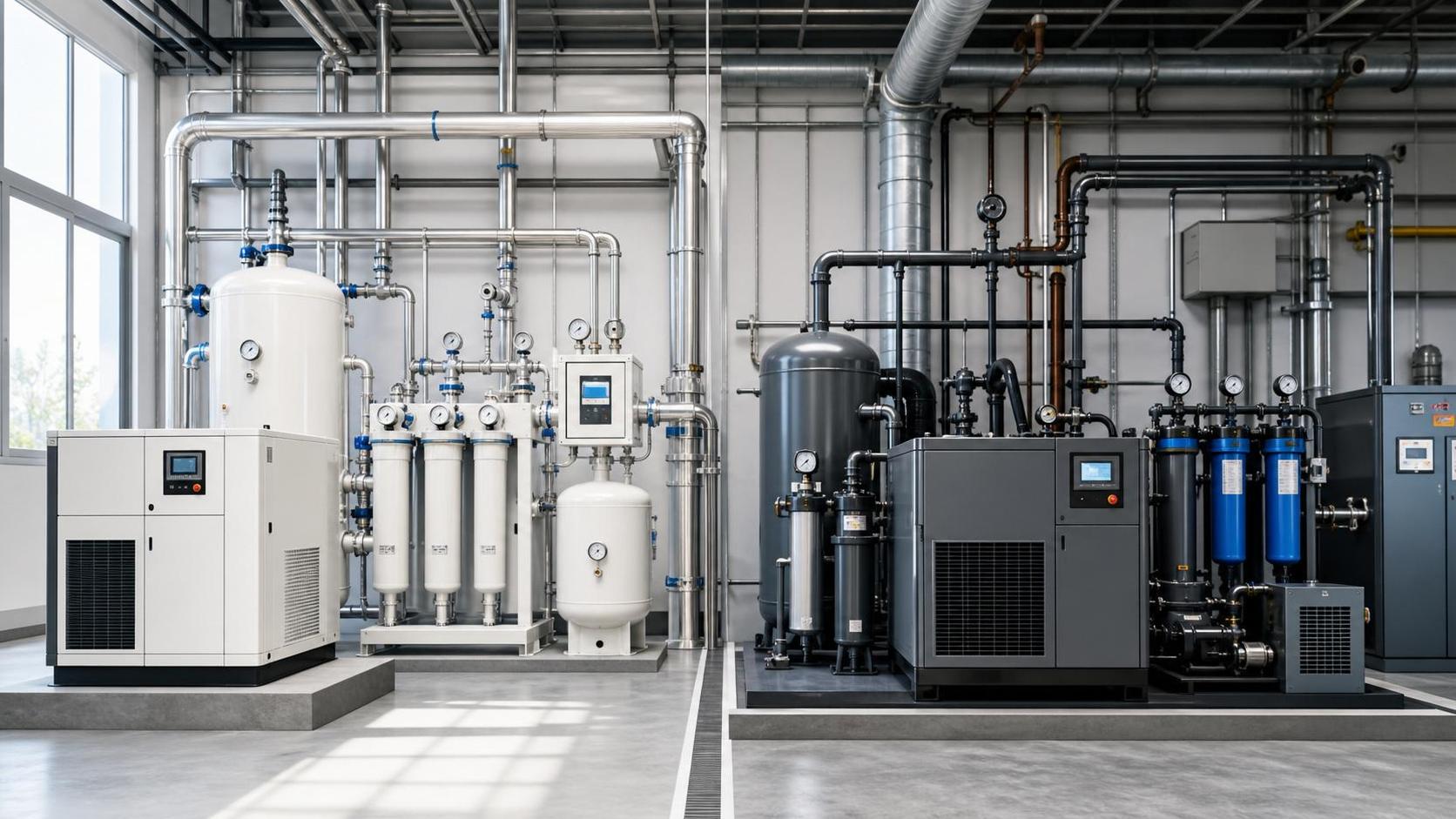
Compression technology performance changes significantly when auxiliary components are ignored. Dryers, filters, aftercoolers, heat exchangers, controls, and piping layout all affect real reliability.
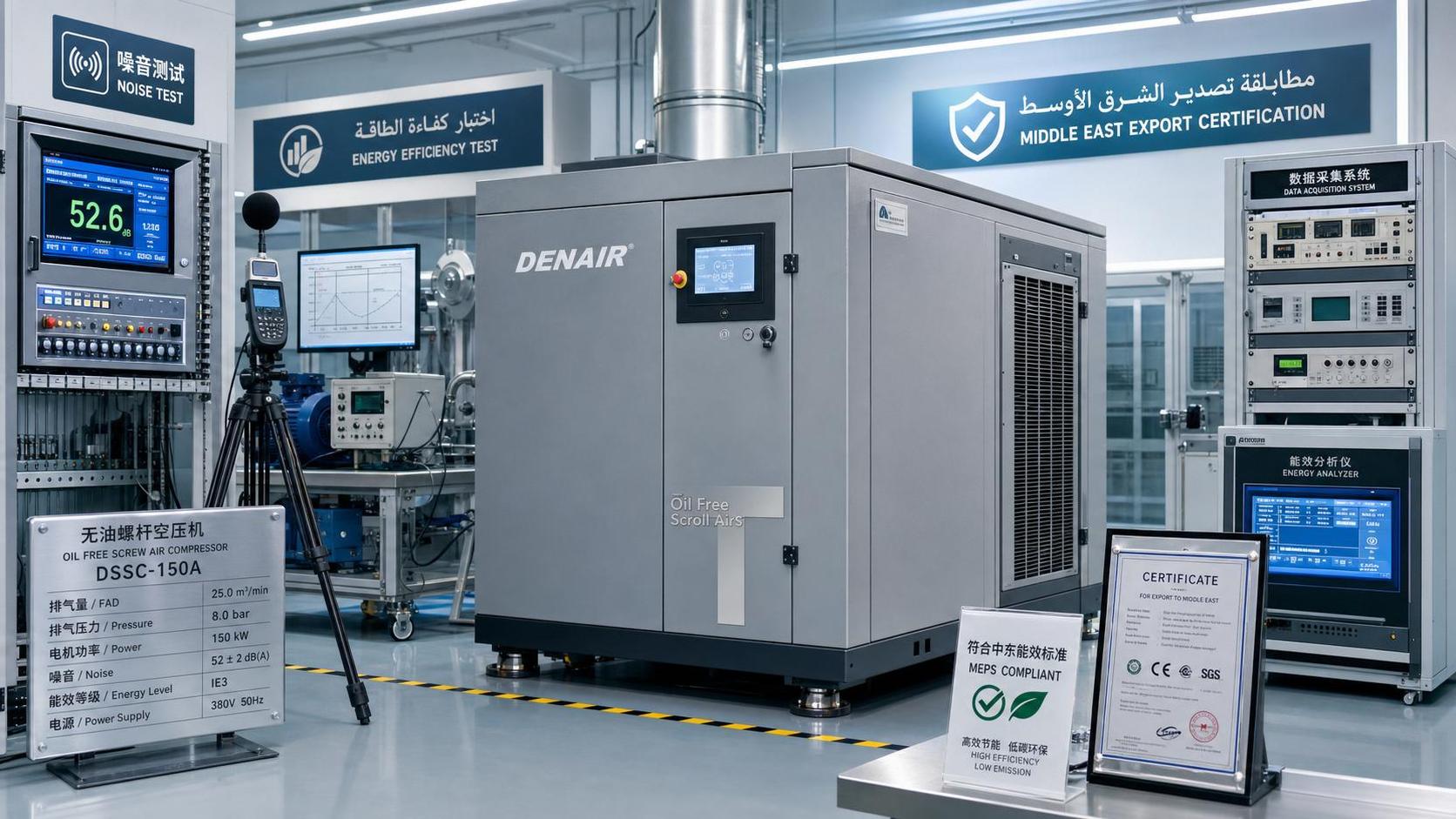
- Air quality class requirements and third-party certification scope
- Ambient temperature, ventilation, and cooling water conditions
- Startup frequency, duty cycle, and part-load operation profile
- Noise limits, installation footprint, and redundancy strategy
- Local service response time and spare parts availability
Practical selection guidance for oil-free system reliability
A practical compression technology review starts with load transparency. Use real flow and pressure data over time, including seasonal changes, maintenance events, and short peak demand spikes.
Next, compare options using lifecycle cost rather than purchase price alone. Energy, service labor, consumables, downtime exposure, and utility interaction often outweigh initial capital spending.
- Define required purity, pressure, and availability targets.
- Map actual demand profile across normal and abnormal operating periods.
- Shortlist compression technology options by flow and duty pattern.
- Evaluate full system efficiency, not compressor efficiency alone.
- Review redundancy, controls integration, and maintenance support.
- Validate with references from similar industrial environments.
It is also wise to examine failure modes. Some compression technology designs are sensitive to overheating, poor intake air quality, unstable cooling, or frequent stop-start operation.
Where uptime is critical, system architecture matters as much as the compressor itself. Dual units, staged control, storage optimization, and remote monitoring can greatly improve oil-free system reliability.
Common selection mistakes to avoid
- Choosing compression technology by maximum flow only
- Ignoring part-load efficiency and control stability
- Assuming all oil-free claims provide the same purity assurance
- Underestimating downstream treatment and condensate management
- Overlooking service coverage and component lead times
Operational next steps for stronger long-term decisions
Effective compression technology selection becomes easier when technical intelligence and operating data are combined. That is especially important in industries balancing energy performance with purity-sensitive production.
A useful next step is to build a comparison framework covering energy intensity, maintenance intervals, critical spare parts, certification needs, and expected reliability under actual site conditions.
GTC-Matrix supports this process by connecting compression technology trends with industrial cooling, vacuum, and heat exchange intelligence. That broader view helps align equipment decisions with future efficiency and decarbonization goals.
When compression technology is selected through measured demand, system integration, and lifecycle analysis, oil-free system reliability becomes more predictable. The result is cleaner output, lower risk, and stronger long-term operational value.
Related News
- How to verify compressed air cleanroom standards before installationAuthor :Pneumatic Power Engineer

- When oil free vacuum pumps make sense for European cleanroom projectsAuthor :Pneumatic Power Engineer

- When do pure air compression systems need ISO 8573-1 Class 0?Author :Pneumatic Power Engineer

- How do compressed air systems for electronics prevent contamination?Author :Pneumatic Power Engineer

- When does an oil-free process vacuum pump justify its higher cost?Author :Pneumatic Power Engineer

- Does ISO 9001 certification apply to compressed air quality?Author :Pneumatic Power Engineer

- How to Specify Clean Compressed Air Systems in Southeast Asia for Food and Pharma PlantsAuthor :Pneumatic Power Engineer

- How to Compare Oil Free Vacuum Pumps for Clean Process RequirementsAuthor :Pneumatic Power Engineer

- How to Evaluate a Clean Compressed Air Systems Supplier for ISO 8573-1 ComplianceAuthor :Pneumatic Power Engineer

- How to Choose the Right Oil-Free Vacuum PumpAuthor :Pneumatic Power Engineer

- VDI 2083 Update Makes Class 0 Proof MandatoryAuthor :Pneumatic Power Engineer

- When to Use Oil Free Vacuum Pumps for High Purity LinesAuthor :Pneumatic Power Engineer

- Compressed Air Solutions: When Oil-Free Systems Lower Total Operating CostAuthor :Pneumatic Power Engineer

- ATMOsphere Europe 2026 Adds Oil-free Systems ZoneAuthor :Pneumatic Power Engineer

- Oil-Free Compressors: Key Selection Criteria for Clean Air SystemsAuthor :Pneumatic Power Engineer

- How to Compare Oil Free Centrifugal Compressors for Stable Plant Air SupplyAuthor :Pneumatic Power Engineer

- Compressed Air Class 0 vs Oil-Free: What Really MattersAuthor :Pneumatic Power Engineer

- Oil-Free Compression Class 0: What the Standard Really Means in ProductionAuthor :Pneumatic Power Engineer

- Air Compression Cost Comparison: Oil-Free vs Screw Systems in Daily OperationAuthor :Pneumatic Power Engineer

- Saudi SASO Tightens IEC 63349-2 for Oil-Free CompressorsAuthor :Pneumatic Power Engineer

- Saudi SASO Tightens Oil-Free Compressor Efficiency RulesAuthor :Pneumatic Power Engineer

- Pure Air Compression Systems for Clean Production LinesAuthor :Pneumatic Power Engineer

- IEC 63349-2:2026 makes energy certification mandatoryAuthor :Pneumatic Power Engineer

- IEC 63349-2:2026 Sets New Entry Rules for Oil-Free Screw CompressorsAuthor :Pneumatic Power Engineer

- IEC 63349-2:2026 Takes Effect for Oil-Free Screw CompressorsAuthor :Pneumatic Power Engineer

- IEC 63349-2:2026 Sets New Efficiency Gate for Oil-Free Screw CompressorsAuthor :Pneumatic Power Engineer

- IEC 63349-2:2026 Takes Effect for Oil-Free Screw CompressorsAuthor :Pneumatic Power Engineer

- SABIC Methanol Force Majeure Extended, Tightening R134a/R407C FeedstocksAuthor :Pneumatic Power Engineer

- How to Evaluate Pneumatic Power Systems for Stable OutputAuthor :Pneumatic Power Engineer

- Oil-Free Compression vs Lubricated Systems: Key Trade-OffsAuthor :Pneumatic Power Engineer
![]()
- Oil-Free Compression: 2026 Cost and Compliance Trade-OffsAuthor :Pneumatic Power Engineer

- Oil-Free Compression: Cost and Contamination RisksAuthor :Pneumatic Power Engineer
![]()
- Euro PMI Drop Delays Oil-Free Systems OrdersAuthor :Pneumatic Power Engineer

- Germany/France May PMI Decline; Oil-free Systems EU Projects DelayedAuthor :Pneumatic Power Engineer
![]()
- Compression Technology Options for Cleaner Oil-Free Air SupplyAuthor :Pneumatic Power Engineer

- TUV Rheinland Enforces Full-Chain Class 0 Certification for Oil-Free SystemsAuthor :Pneumatic Power Engineer