



How to verify food-grade purity in compressed air systems




Compressed air is often treated as a utility until it becomes a source of contamination. In food production, that moment can be expensive: an unexplained off-flavor, a failed environmental audit, a rejected export shipment, or a recall investigation that traces back to a line no one considered “product contact.” For quality and safety managers, verifying food-grade purity is therefore not simply a maintenance task. It is a documented food-safety control.
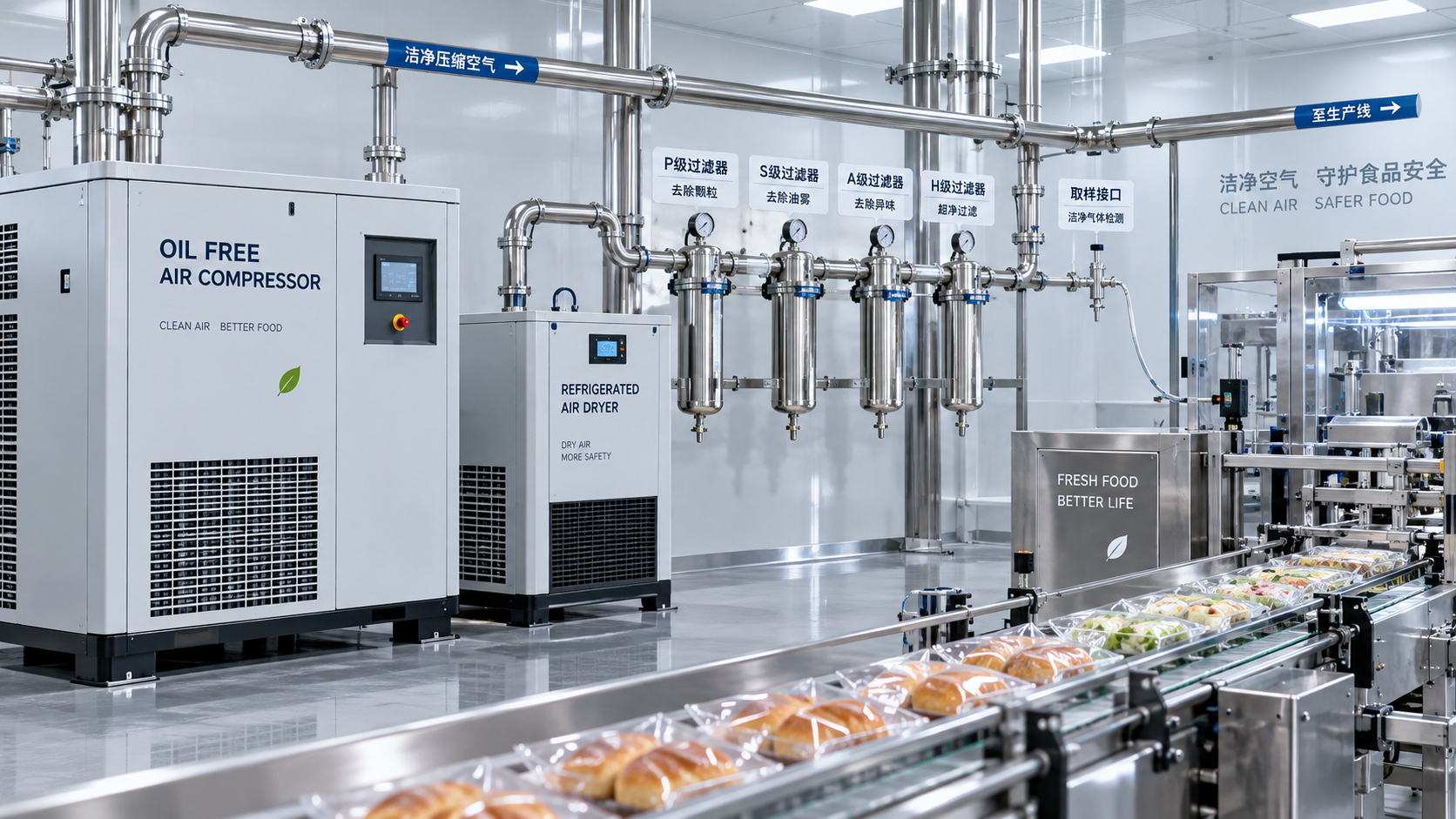
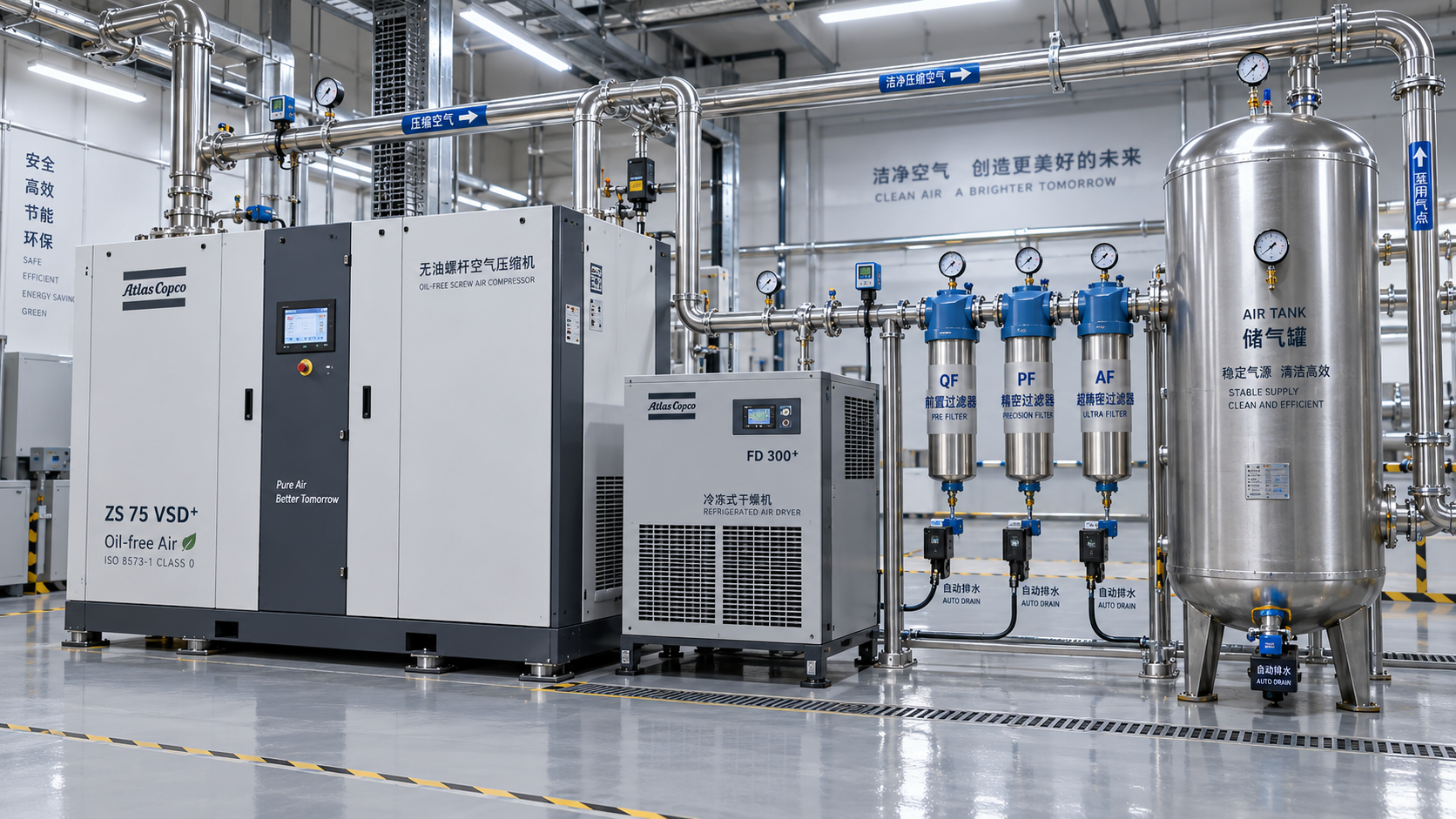
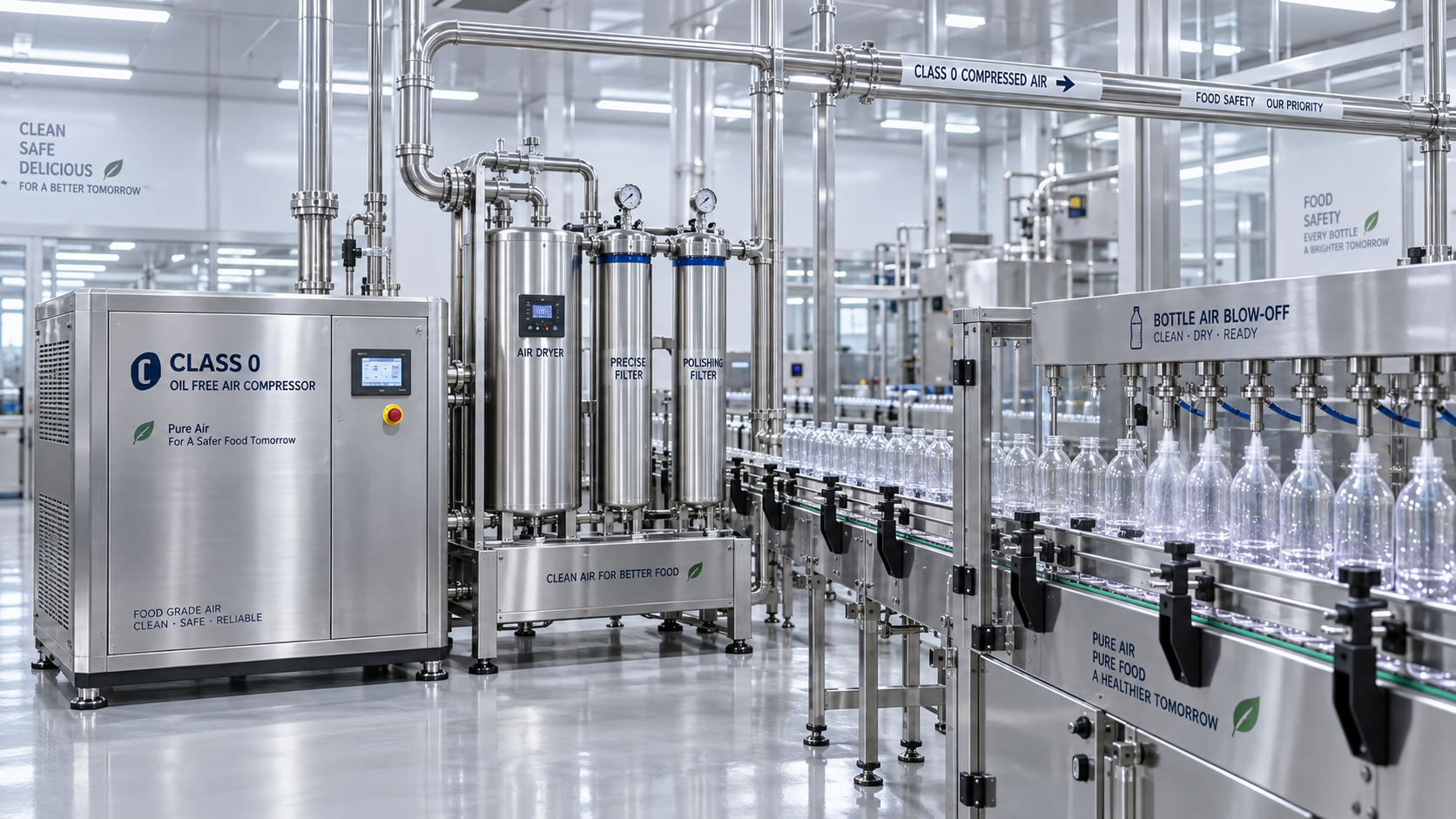
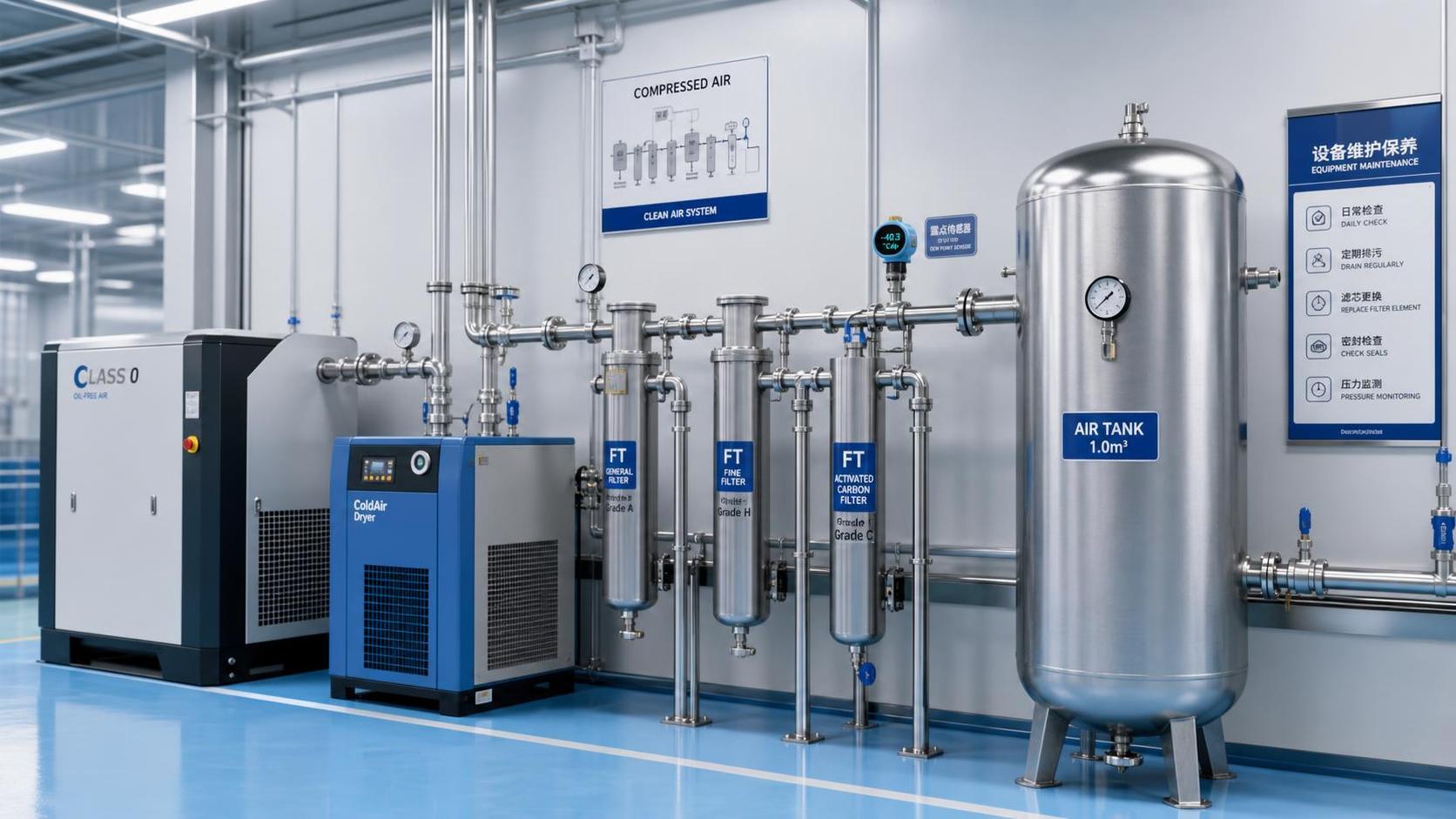
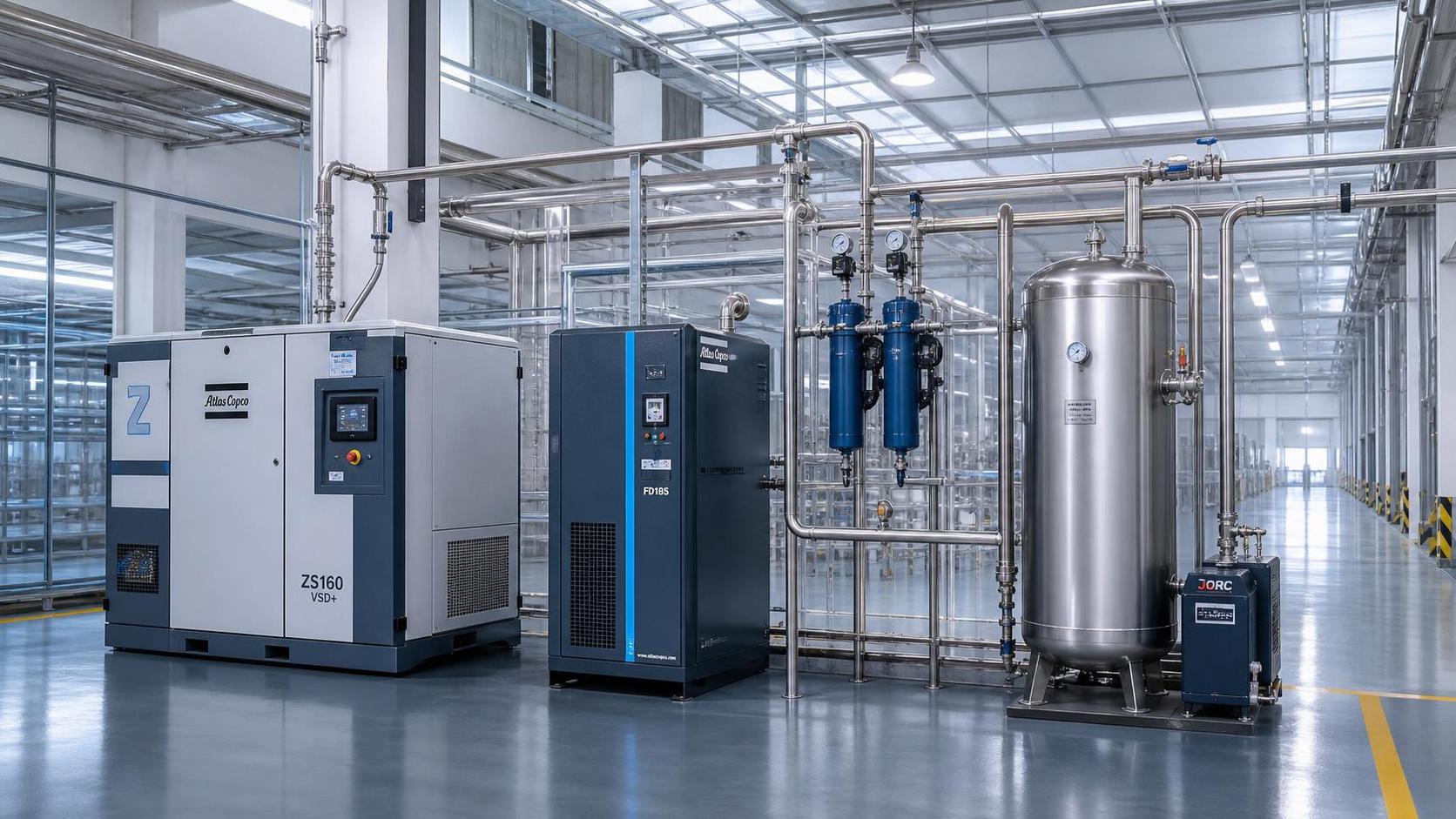
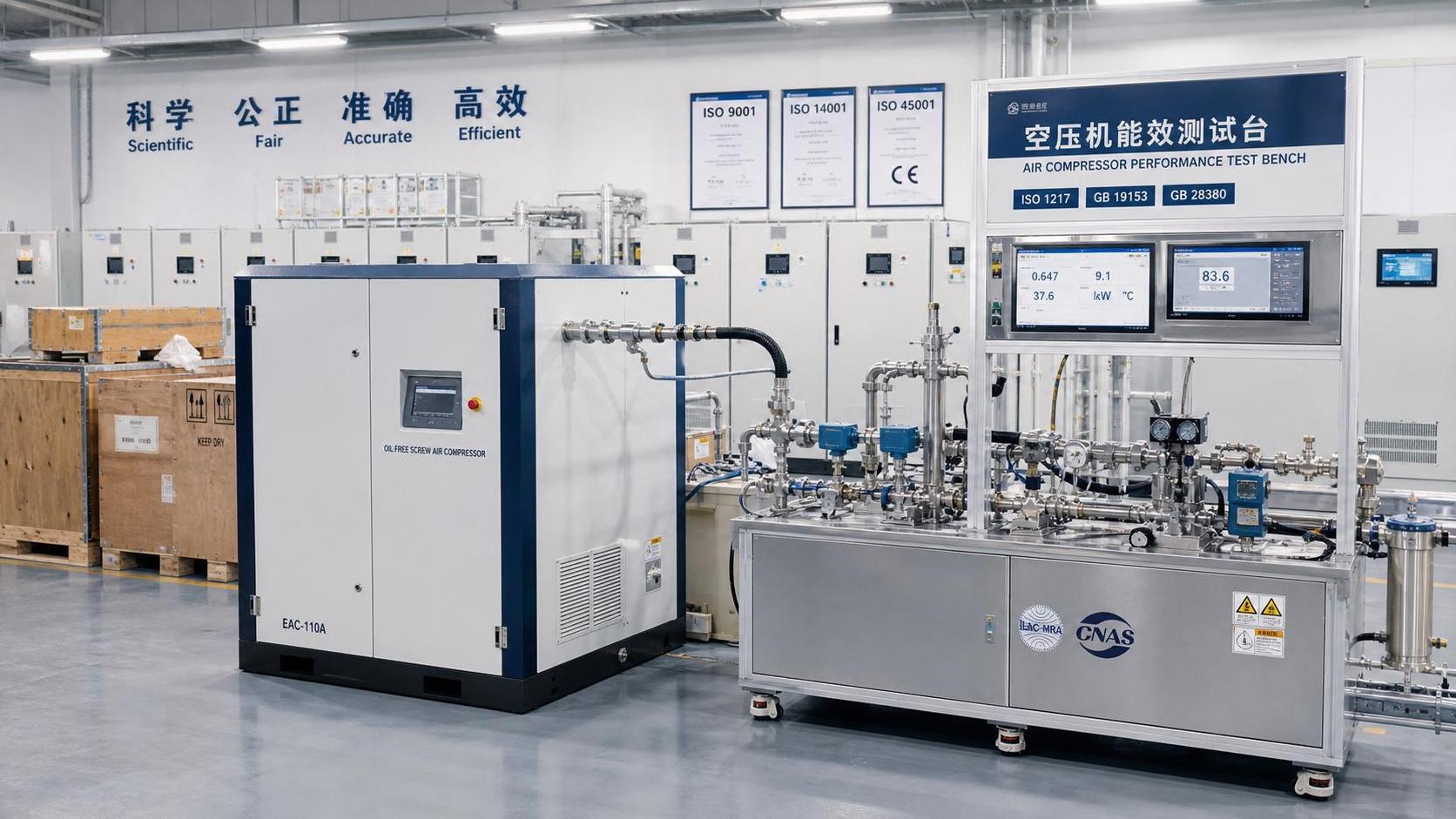
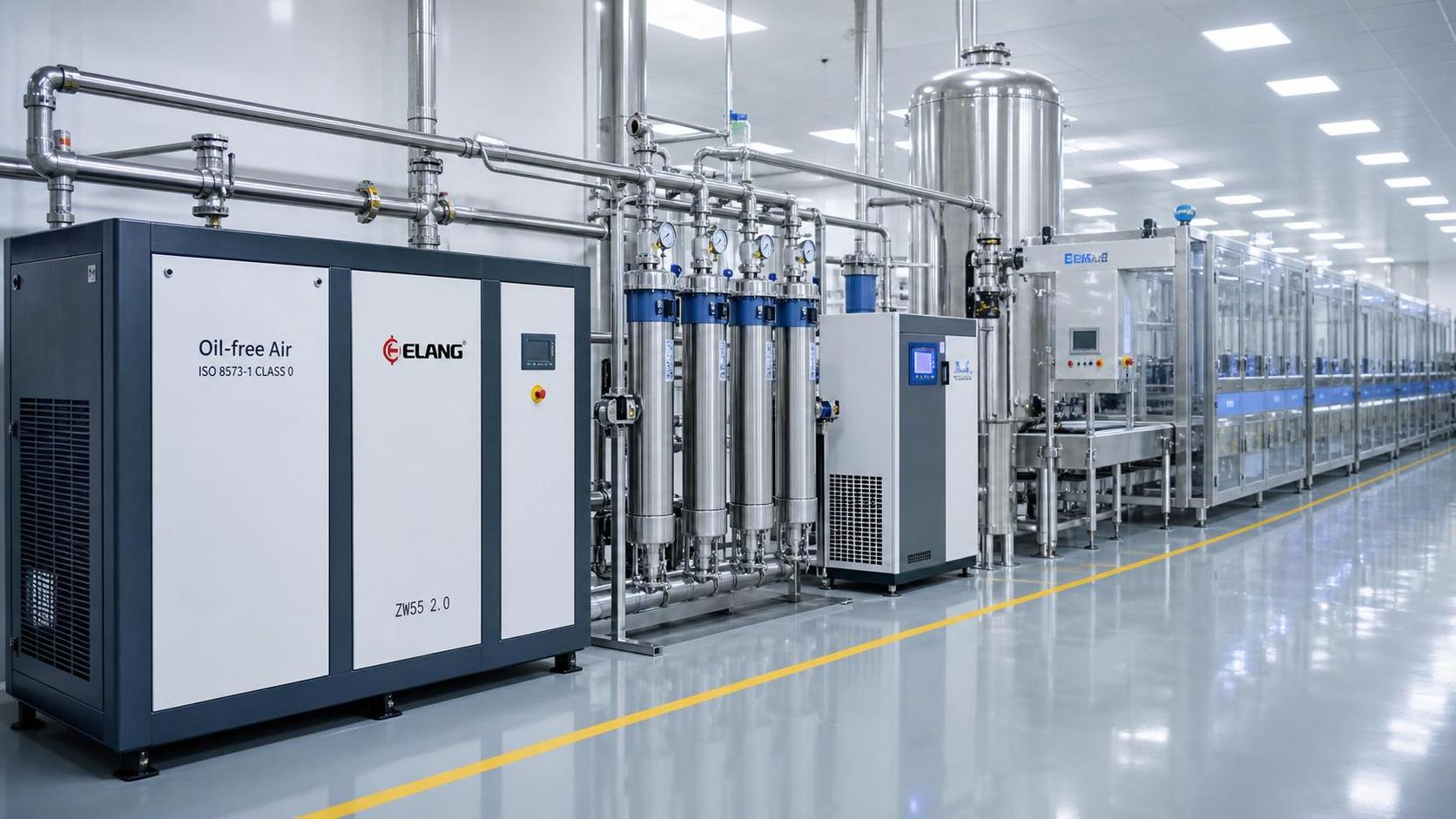
Reliable pure air compression systems food grade performance depends on the full chain: where air is generated, how it is dried and filtered, what happens inside pipework, where it contacts product or packaging, and how purity is demonstrated over time. An oil-free compressor may reduce one hazard, but it does not by itself prove that air at the point of use is suitable for a food application.
This guide explains how to build a defensible verification process for compressed air used in food manufacturing, with practical attention to standards, testing, risk assessment, and records that can withstand an audit.
Begin with the real question: where does compressed air touch the food?
Not every compressed-air point carries the same risk. A pneumatic actuator located away from open product does not need to be managed in the same way as an air knife drying washed vegetables, a nozzle conveying flour, or air used to inflate modified-atmosphere packaging. The verification plan should begin with a map of actual use—not a generic statement that the factory uses “food-grade air.”
Walk the production line with engineering, quality, sanitation, and operations personnel. Mark each point where compressed air is used and classify its relationship to the product:
- Direct product contact: air is intentionally blown onto, mixed with, transported with, cooled, dried, or otherwise allowed to contact food or food ingredients.
- Indirect product contact: air contacts the food-contact surface of packaging, utensils, containers, or processing equipment before use.
- High-risk proximity: air is released near exposed product and could carry contaminants into the product zone.
- Non-contact utility use: pneumatic cylinders, valves, or instruments are physically separated from product and packaging exposure.
This classification determines both the required purity target and the intensity of monitoring. A risk assessment should also consider the food category, whether the product receives a later kill step, its moisture and fat content, allergen sensitivity, shelf-life expectation, and the consequences of contamination. Dry snack production, infant nutrition, ready-to-eat foods, dairy processing, and aseptic packaging may call for very different controls.
“Food grade” is not a single compressed-air standard
One common audit weakness is using the phrase food-grade compressed air without defining what it means. In most jurisdictions, there is no single universal certification that automatically applies to every food-air application. Food safety schemes generally expect a site to assess the hazard, define acceptable limits, and verify control. They do not remove the manufacturer’s responsibility to justify the chosen criteria.
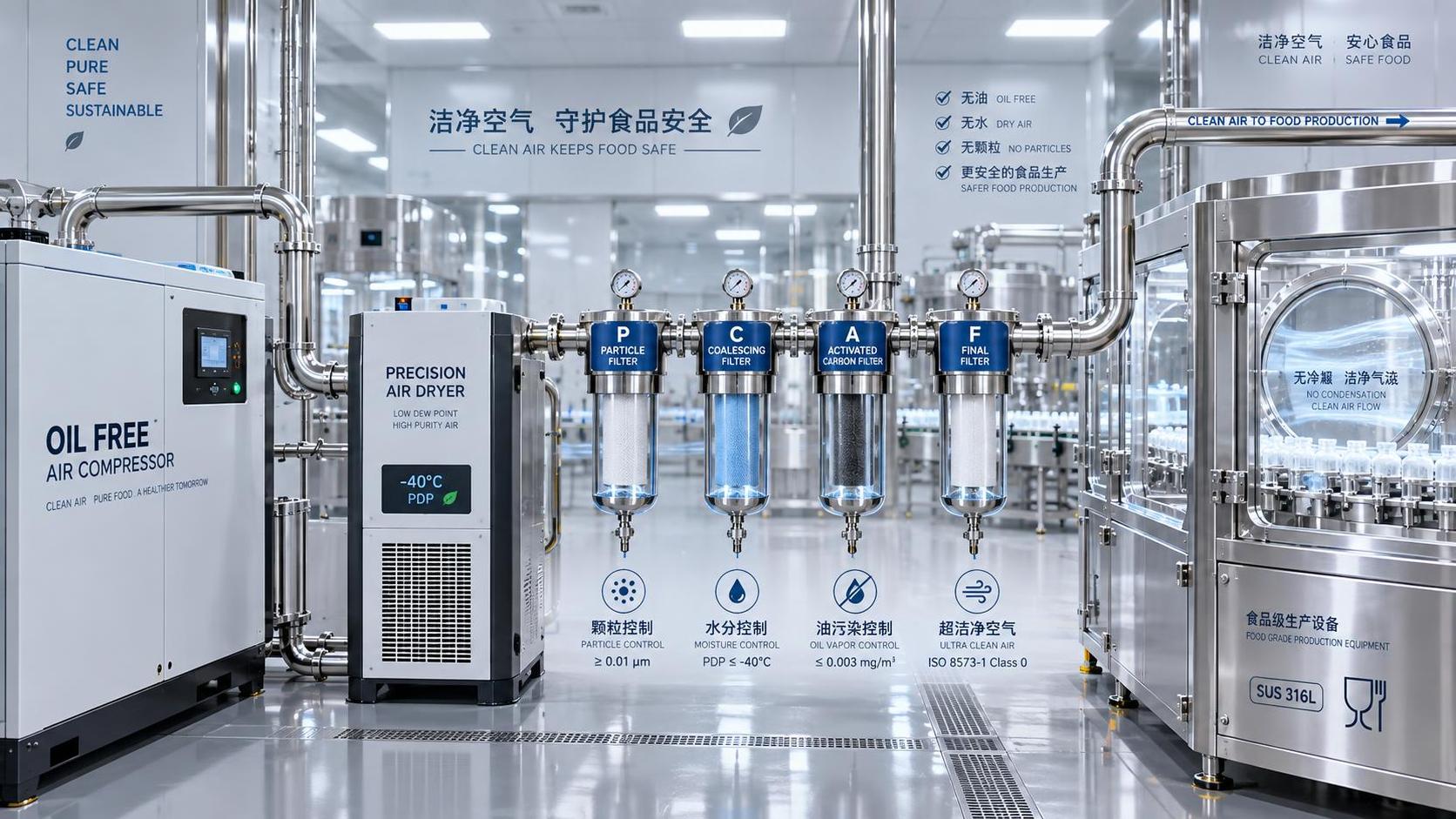
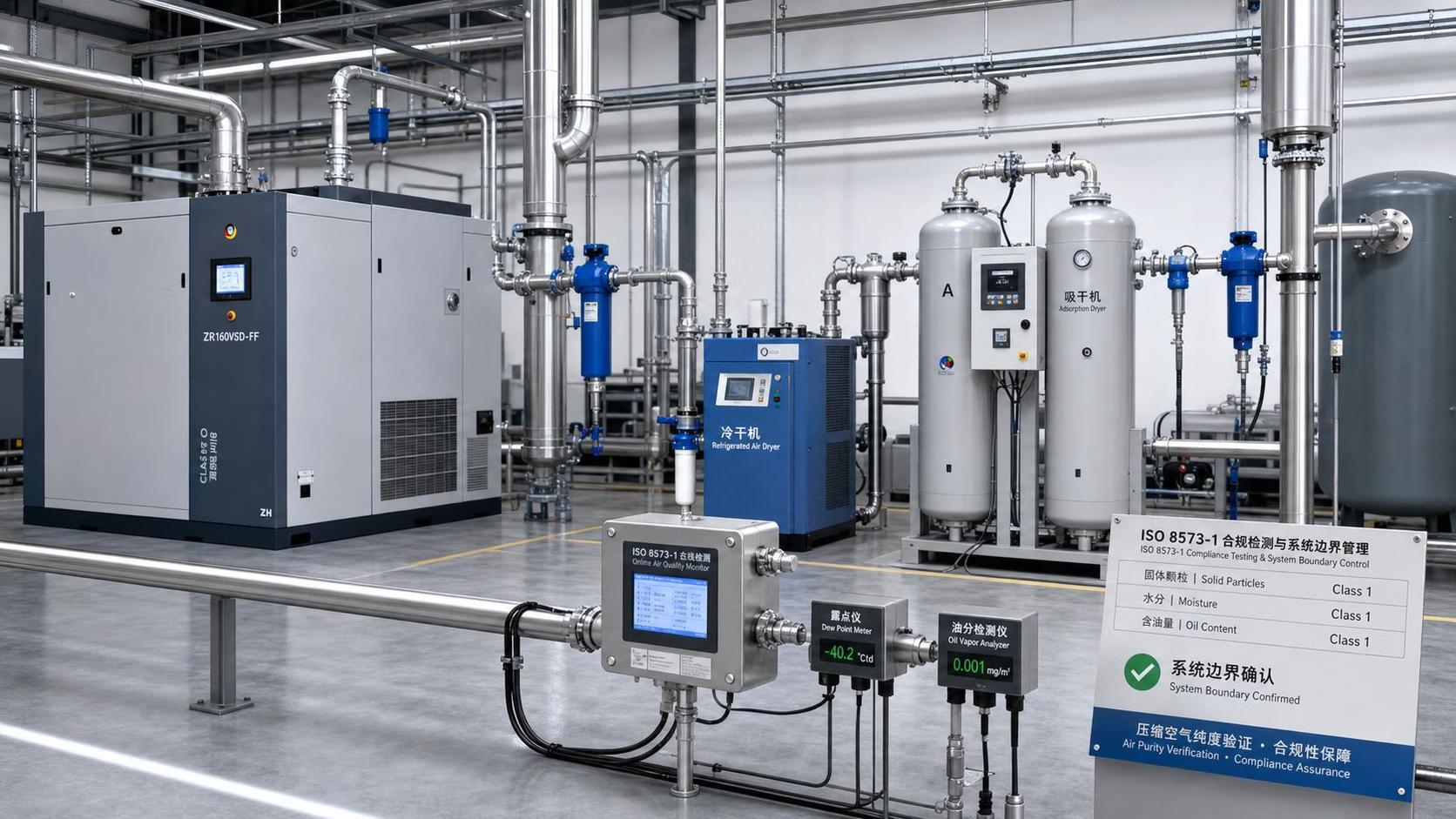
The most widely used technical framework is ISO 8573, a family of standards for compressed-air contaminants and test methods. ISO 8573-1 classifies air quality for three principal contaminant groups:
- Particles — solid contaminants such as dust, rust, pipe scale, and filter debris.
- Water — expressed through pressure dew point or liquid-water limits.
- Total oil — aerosols, liquid oil, and oil vapor combined.
An ISO designation such as “ISO 8573-1:2010 [x:y:z]” is only meaningful when the classes are stated and linked to a specific point of use. A compressor room may meet one condition while an end-of-line outlet does not. Pressure drop, undersized filters, condensate carryover, degraded desiccant, pipe corrosion, and unfiltered branch lines can all change the result downstream.
For food applications, the correct class should be selected through a documented hazard analysis. Many facilities set more stringent targets for direct-contact applications than for general plant air, particularly for oil and moisture. However, no article should imply that one numerical class is appropriate for every product or every regulatory setting. The quality team should define limits in consultation with its HACCP plan, customer requirements, equipment suppliers, and applicable local regulations.
Where microbiological contamination is relevant, ISO particle/oil/water classes are not enough. Microorganisms are a separate food-safety consideration and should be addressed with appropriate air treatment, hygienic design, sampling, and microbiological testing.
Set a point-of-use specification before ordering a test
Testing without an approved specification produces data but not a decision. Before engaging a laboratory or using portable instruments, create a compressed-air specification for each risk category. It should state:
- the intended use of the air and whether direct contact occurs;
- the required ISO 8573 particle, water, and oil classes, where applicable;
- microbiological expectations and sampling method for exposed-product areas;
- the exact sampling location, ideally the worst credible point of use;
- operating pressure, normal flow conditions, and acceptable pressure dew point;
- test frequency, acceptance criteria, and actions for nonconforming results;
- responsible departments for maintenance, review, release, and corrective action.
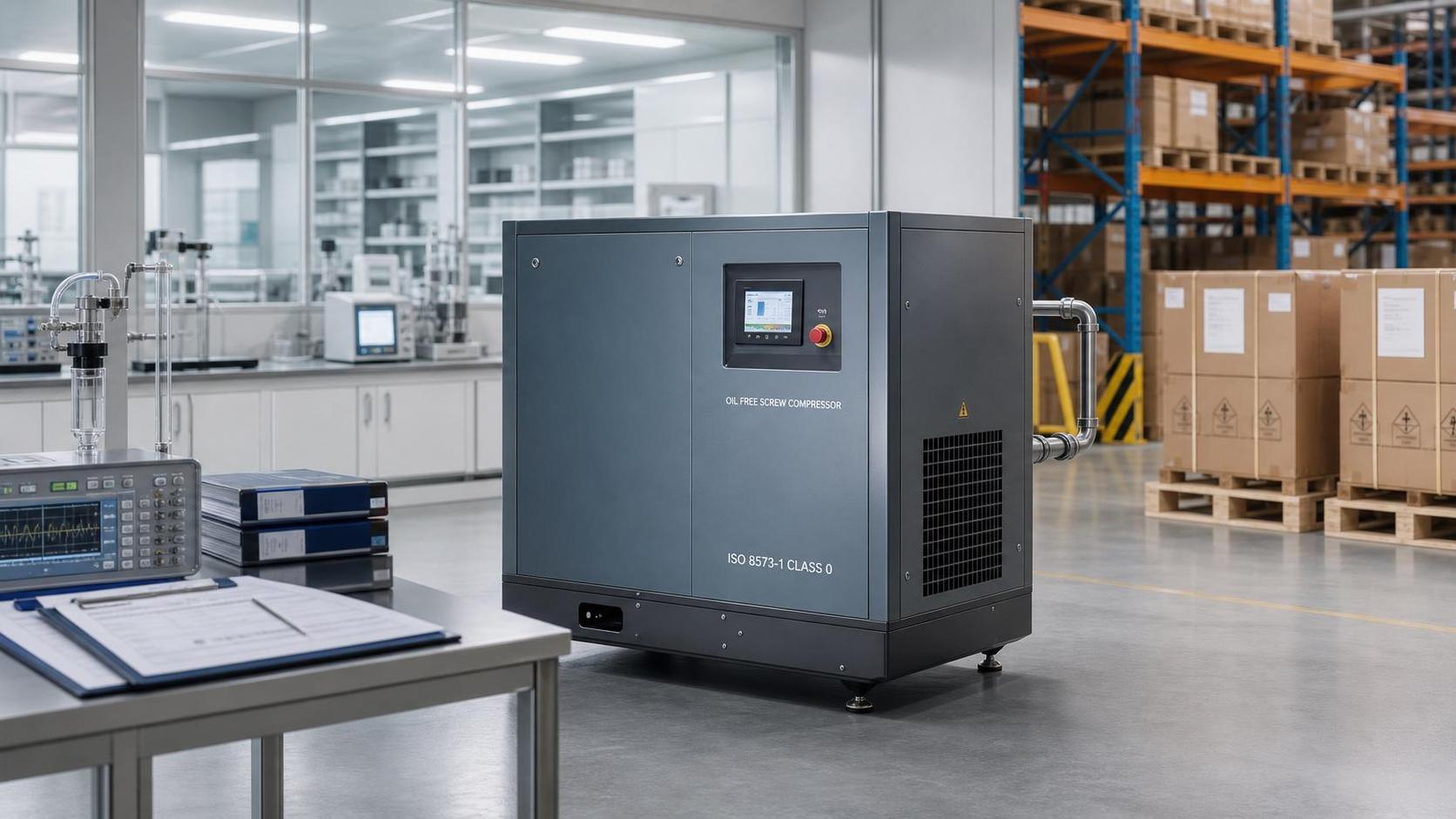
A practical specification should distinguish between design capability and verified delivered quality. A filter supplier may provide a retention rating under stated laboratory conditions; that does not substitute for testing the air reaching a food-contact nozzle during normal production. Likewise, a certificate for an oil-free compressor describes the machine design or test condition, not the cleanliness of every meter of the installed distribution network.
What should be tested—and how?
The verification method needs to match the hazard. A sound program normally addresses particles, moisture, oil, and microbiological quality separately, because each contaminant behaves differently and requires different collection techniques.
Particles: look beyond visible dirt
Particles may enter through compressor intake air, corroded receivers, aging galvanized pipe, desiccant dust, or damaged filter elements. In direct-contact systems, testing is typically performed using a suitable particle-counting method or a validated collection approach consistent with the required size range. Sampling equipment must be clean and compatible with the pressure and flow conditions.
Do not assume that a sterile-grade final filter solves every particle concern. If it is installed upstream of a long, poorly maintained branch line, downstream corrosion or maintenance debris may still reach the outlet. Sampling at or near the point of use is what reveals this gap.
Water: measure pressure dew point, not just humidity
Water in compressed air supports corrosion, encourages microbial growth in low points and receivers, degrades filter performance, and can affect powders, packaging, and sensitive ingredients. The key measurement is generally pressure dew point, measured at the operating pressure of the system. Relative humidity alone is often misleading in compressed-air applications.
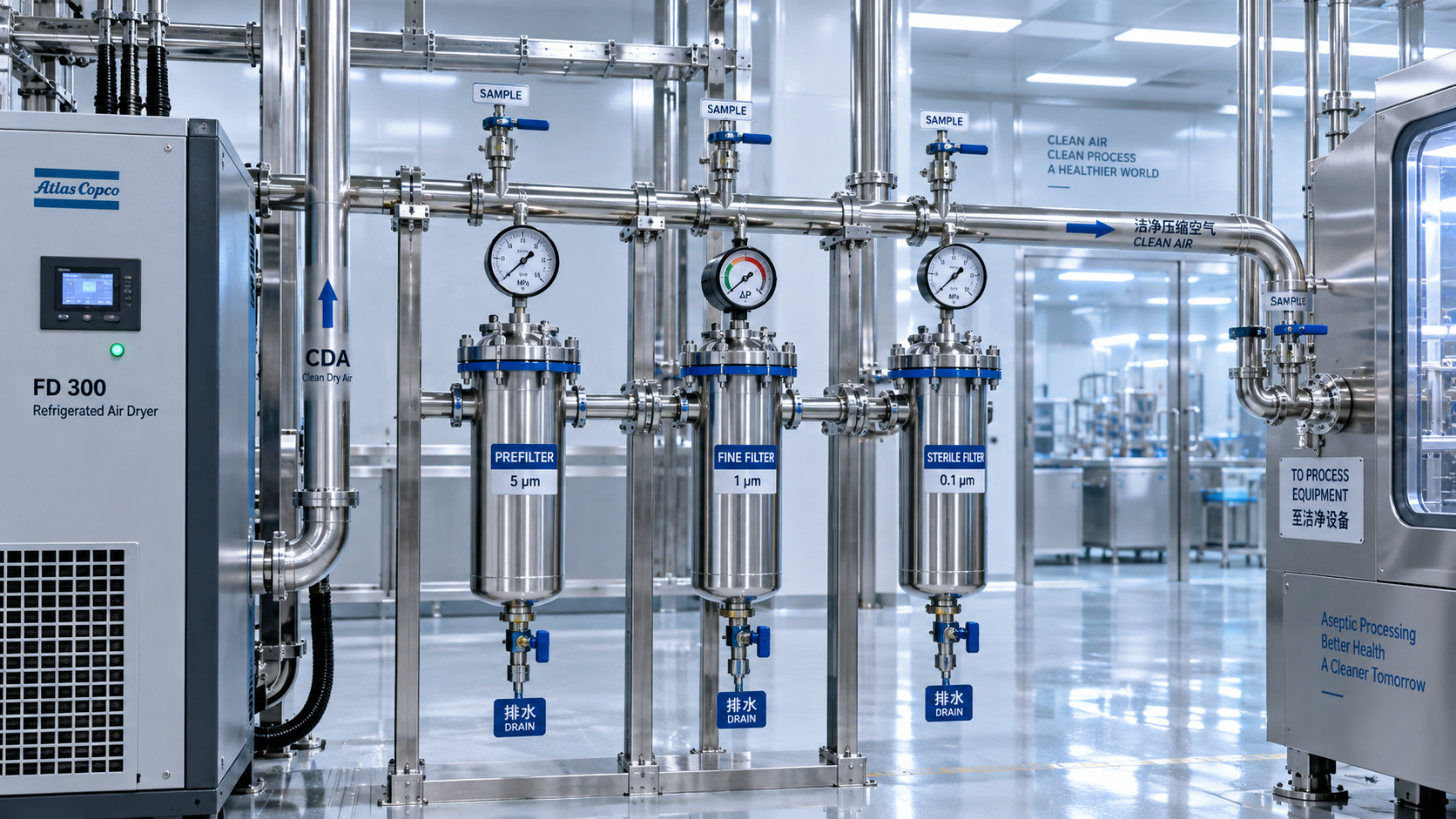
Confirm that the dryer technology suits the required dew point under the plant’s real seasonal load. Refrigerated dryers and desiccant dryers serve different operating needs. A dryer that performs acceptably in a lightly loaded winter shift may not control moisture during humid weather, peak production, or a period of elevated inlet temperature.
Drain management deserves equal attention. Automatic drains, separators, receivers, and low points must be inspected because a functioning dryer cannot compensate for condensate being carried through a neglected system.
Oil: test total oil, including vapor
Oil contamination is one of the most misunderstood risks in pure air compression systems for food-grade service. Even systems built around oil-free compression can be exposed to hydrocarbons from ambient intake air, lubricated auxiliary equipment, compressor-room contamination, maintenance practices, or cross-connections. Oil-lubricated compressors can also be used in some food facilities when the risk assessment, treatment train, and verification controls are appropriate—but the burden of control is clear.
The crucial point is that oil aerosol and oil vapor are not the same. A coalescing filter is designed to capture aerosols and liquid droplets; it may not adequately remove vapor. Activated-carbon filtration can address vapor under defined conditions, but performance depends on contact time, inlet condition, maintenance, and avoiding saturation. A total-oil test should account for the fractions relevant to the ISO method and stated acceptance limit.
Microbiological verification: use a method that reflects the process
When compressed air contacts ready-to-eat product, exposed food-contact packaging, or hygienically sensitive equipment, microbiological assessment may be necessary. Typical approaches involve drawing a known volume of air through a sterile collection medium, followed by laboratory incubation and identification as appropriate. The sampling plan should define volume, flow rate, media, incubation conditions, organisms of concern, and the meaning of an alert or action result.
Microbiological results should never be interpreted in isolation. A positive result may point to wet pipework, compromised final filtration, contaminated sampling equipment, poor sanitary practices during maintenance, or an intake located near biological contamination sources. Trend data, inspection findings, and process conditions provide the context needed for a useful investigation.
Sampling errors can create false confidence
Air sampling is technically simple only when the result does not matter. For food-safety verification, poor technique can produce a clean-looking report that does not represent actual risk. Use an independent, competent laboratory or trained internal personnel working to a defined procedure. Maintain calibration records for instruments and document chain of custody for samples.
The sampling point should be downstream of all treatment components and as close as practical to the actual food-contact use. Avoid testing only at the compressor discharge, receiver, or main header. Record line pressure, flow demand, compressor operating state, dryer status, temperature, production activity, and recent maintenance. If a line is normally used in short bursts, a sample taken under steady, low-flow conditions may fail to capture carryover that occurs during demand spikes.
Before sampling, use a controlled purge procedure to remove stagnant air without bypassing the conditions you intend to evaluate. Never use a lubricated hose, unclean fitting, or improvised adapter that can introduce contamination. The report should identify the exact outlet or machine, not merely state “Plant Compressed Air.”
Build verification into HACCP and preventive maintenance
A test certificate is a snapshot. Food safety depends on whether the system remains controlled between tests. The strongest programs connect air quality to the site’s HACCP or preventive-control system and to a living maintenance schedule.
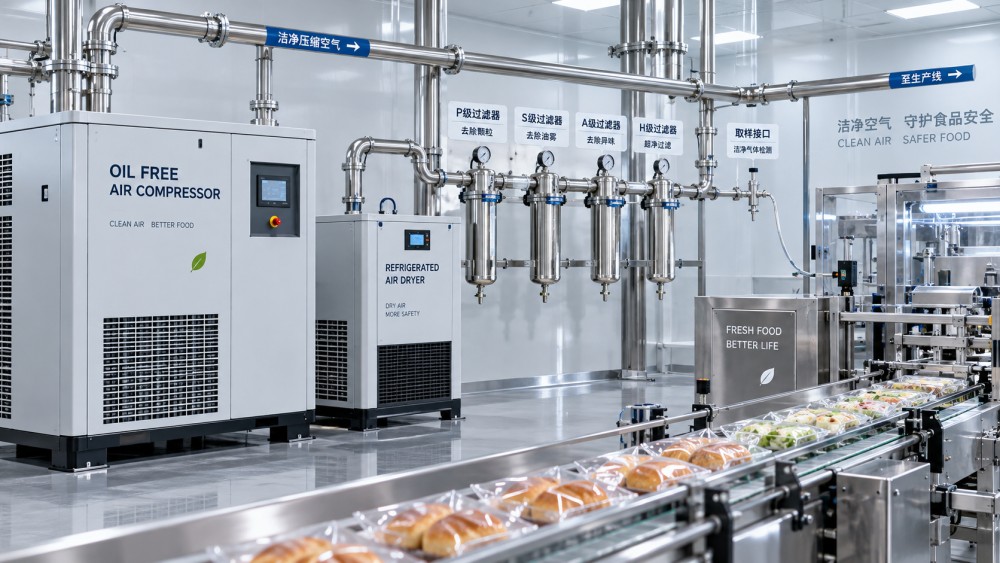
Key preventive controls usually include routine inspection of filters and differential-pressure indicators; timely element replacement based on condition and manufacturer guidance; dryer performance checks; receiver and separator draining; leak management; pipework inspection; and controlled maintenance practices. Whenever pipework is opened, a filter is replaced, a compressor is serviced, or a new branch is added, assess whether requalification is needed before the line returns to direct-contact use.
Filter change intervals should not be treated as a calendar exercise alone. Premature loading may signal dirty intake air, excessive oil carryover, water ingress, or a filtration stage that is wrongly located. Conversely, extending intervals without evidence can leave a facility exposed to breakthrough risk. Differential pressure, operating history, process criticality, and periodic air-quality testing should guide the decision.
Common assumptions that deserve a second look
“We have an oil-free compressor, so testing is unnecessary.” Oil-free compression is an important design choice, but it does not control contamination introduced after compression or hydrocarbons drawn in from the surrounding environment.
“The filters are food grade.” Filter materials or lubricants may be suitable for incidental food contact, yet the complete installed system still needs performance verification at the point of use.
“The air does not touch the product.” Air used to blow dust from an open conveyor, dry packaging interiors, or operate equipment near exposed food may create indirect pathways that belong in the hazard analysis.
“One annual test covers the whole plant.” A representative test plan may group genuinely similar outlets, but distant lines, different process areas, altered pipework, and high-risk applications often require separate consideration.
Records that make an audit conversation easier
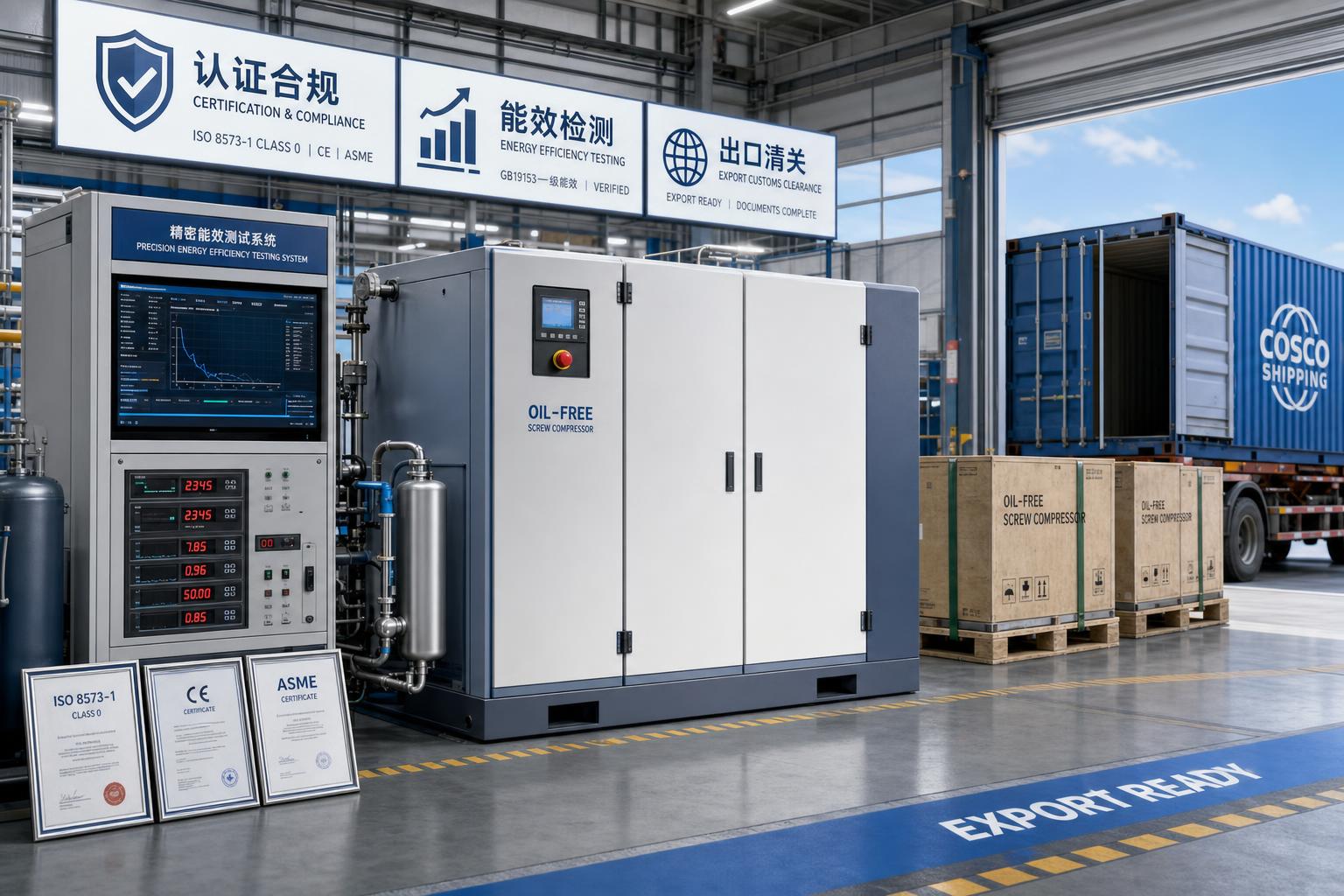
For quality control and safety managers, the objective is not a folder full of certificates. It is a clear evidence trail showing that the plant understands its compressed-air risks and responds when control is lost. Keep the air-use map, risk assessments, point-of-use specifications, ISO class rationale, laboratory reports, instrument calibration records, filter and dryer maintenance logs, corrective-action reports, and trend reviews together.
When results exceed an internal limit, the response should be proportionate and documented: isolate affected use points where needed, evaluate product impact, inspect the treatment train and distribution network, correct the root cause, and retest before release. A result that is simply filed away misses the value of verification.
At GTC-Matrix, the wider lesson from compressed-air and thermal-system intelligence is consistent: efficiency and purity are connected operational disciplines. Air quality improves when equipment selection, energy management, maintenance, and food-safety governance are viewed as one system rather than separate projects. For food manufacturers, that systems view turns “food-grade air” from a claim into something measurable, traceable, and credible at the moment it matters most—at the point of use.
Ready when you are. Send us a message to get started.
Related News
- How to verify food-grade purity in compressed air systemsAuthor :Pneumatic Power Engineer

- What determines the price of pure air compression systems?Author :Pneumatic Power Engineer

- How to size oil-free compressors for instrumentation air demandAuthor :Pneumatic Power Engineer

- How Class 0 oil-free compressors protect product quality in food productionAuthor :Pneumatic Power Engineer

- How to verify compressed air cleanroom standards before installationAuthor :Pneumatic Power Engineer

- When oil free vacuum pumps make sense for European cleanroom projectsAuthor :Pneumatic Power Engineer

- When do pure air compression systems need ISO 8573-1 Class 0?Author :Pneumatic Power Engineer

- How do compressed air systems for electronics prevent contamination?Author :Pneumatic Power Engineer

- When does an oil-free process vacuum pump justify its higher cost?Author :Pneumatic Power Engineer

- Does ISO 9001 certification apply to compressed air quality?Author :Pneumatic Power Engineer

- How to Specify Clean Compressed Air Systems in Southeast Asia for Food and Pharma PlantsAuthor :Pneumatic Power Engineer

- How to Compare Oil Free Vacuum Pumps for Clean Process RequirementsAuthor :Pneumatic Power Engineer

- How to Evaluate a Clean Compressed Air Systems Supplier for ISO 8573-1 ComplianceAuthor :Pneumatic Power Engineer

- How to Choose the Right Oil-Free Vacuum PumpAuthor :Pneumatic Power Engineer

- VDI 2083 Update Makes Class 0 Proof MandatoryAuthor :Pneumatic Power Engineer

- When to Use Oil Free Vacuum Pumps for High Purity LinesAuthor :Pneumatic Power Engineer

- Compressed Air Solutions: When Oil-Free Systems Lower Total Operating CostAuthor :Pneumatic Power Engineer

- ATMOsphere Europe 2026 Adds Oil-free Systems ZoneAuthor :Pneumatic Power Engineer

- Oil-Free Compressors: Key Selection Criteria for Clean Air SystemsAuthor :Pneumatic Power Engineer

- How to Compare Oil Free Centrifugal Compressors for Stable Plant Air SupplyAuthor :Pneumatic Power Engineer

- Compressed Air Class 0 vs Oil-Free: What Really MattersAuthor :Pneumatic Power Engineer

- Oil-Free Compression Class 0: What the Standard Really Means in ProductionAuthor :Pneumatic Power Engineer

- Air Compression Cost Comparison: Oil-Free vs Screw Systems in Daily OperationAuthor :Pneumatic Power Engineer

- Saudi SASO Tightens IEC 63349-2 for Oil-Free CompressorsAuthor :Pneumatic Power Engineer

- Saudi SASO Tightens Oil-Free Compressor Efficiency RulesAuthor :Pneumatic Power Engineer

- Pure Air Compression Systems for Clean Production LinesAuthor :Pneumatic Power Engineer

- IEC 63349-2:2026 makes energy certification mandatoryAuthor :Pneumatic Power Engineer

- IEC 63349-2:2026 Sets New Entry Rules for Oil-Free Screw CompressorsAuthor :Pneumatic Power Engineer

- IEC 63349-2:2026 Takes Effect for Oil-Free Screw CompressorsAuthor :Pneumatic Power Engineer

- IEC 63349-2:2026 Sets New Efficiency Gate for Oil-Free Screw CompressorsAuthor :Pneumatic Power Engineer

- IEC 63349-2:2026 Takes Effect for Oil-Free Screw CompressorsAuthor :Pneumatic Power Engineer

- SABIC Methanol Force Majeure Extended, Tightening R134a/R407C FeedstocksAuthor :Pneumatic Power Engineer

- How to Evaluate Pneumatic Power Systems for Stable OutputAuthor :Pneumatic Power Engineer

- Oil-Free Compression vs Lubricated Systems: Key Trade-OffsAuthor :Pneumatic Power Engineer
![]()
- Oil-Free Compression: 2026 Cost and Compliance Trade-OffsAuthor :Pneumatic Power Engineer

- Oil-Free Compression: Cost and Contamination RisksAuthor :Pneumatic Power Engineer
![]()