AIRERA Showcases TUV Class 0-Certified Oil-Free Screw Compressor at COMVAC




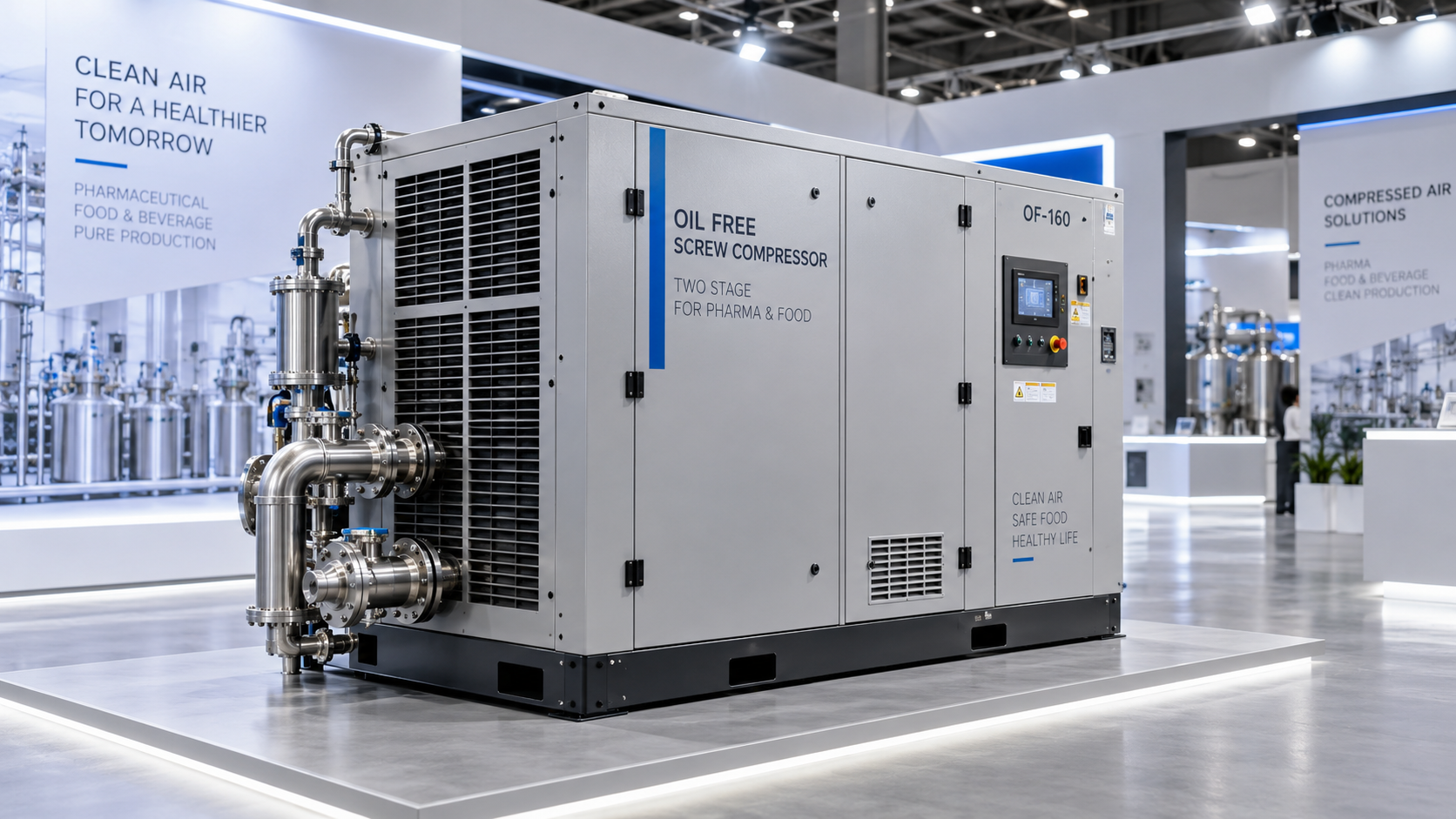
On October 25, 2026, Chinese oil-free air compressor manufacturer AIRERA demonstrated a TUV Class 0-certified, two-stage screw compressor at COMVAC. Designed for pharmaceutical and food-grade applications requiring high-purity compressed air, the equipment brings certification into focus for buyers and system integrators assessing purity and efficiency. From an industry perspective, the event offers a reason to examine certification evidence in procurement; the supplied information does not establish a new regulatory requirement or a change to an existing standard.
A Certified Two-Stage Compressor Takes the Exhibition Floor
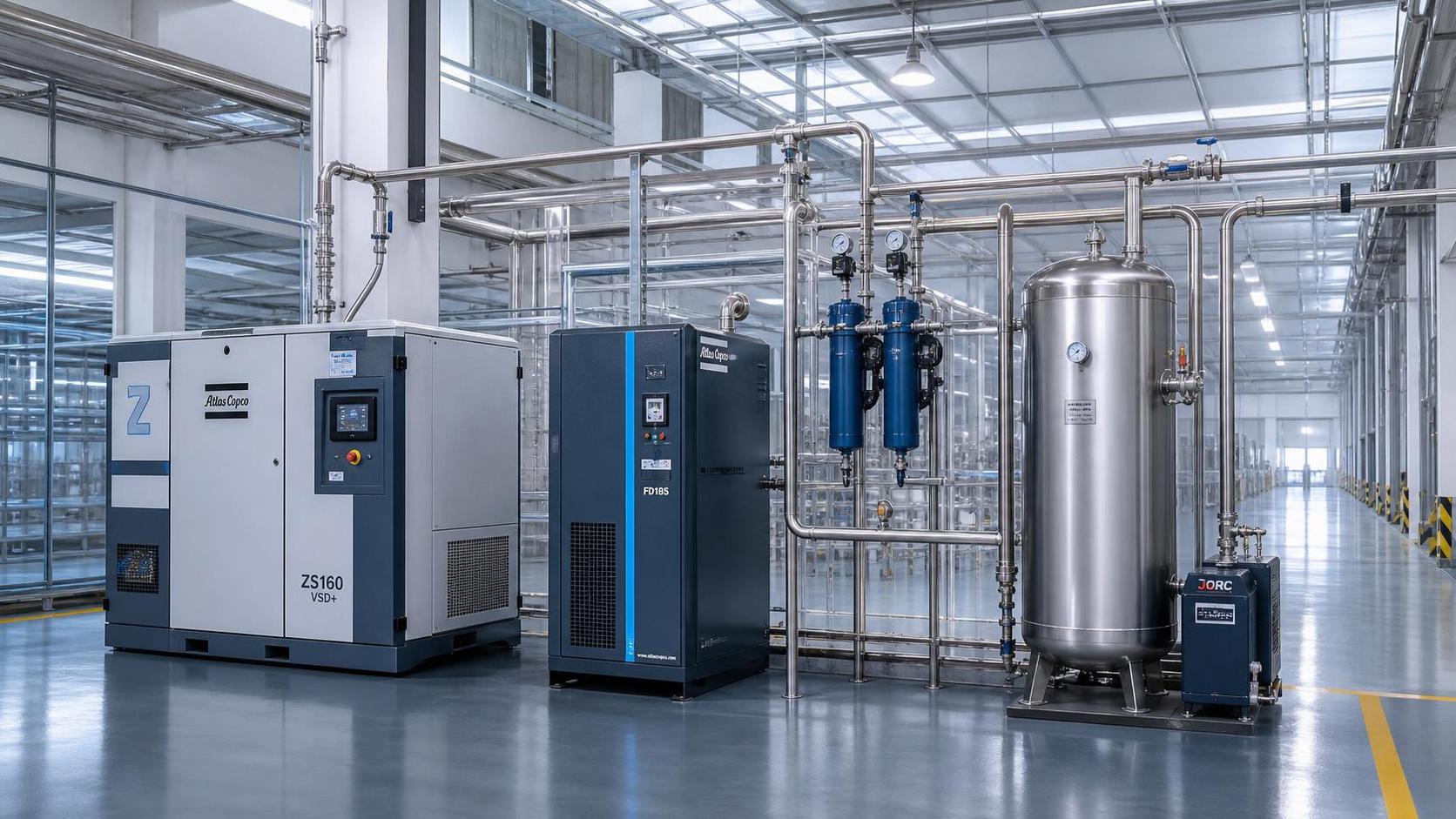
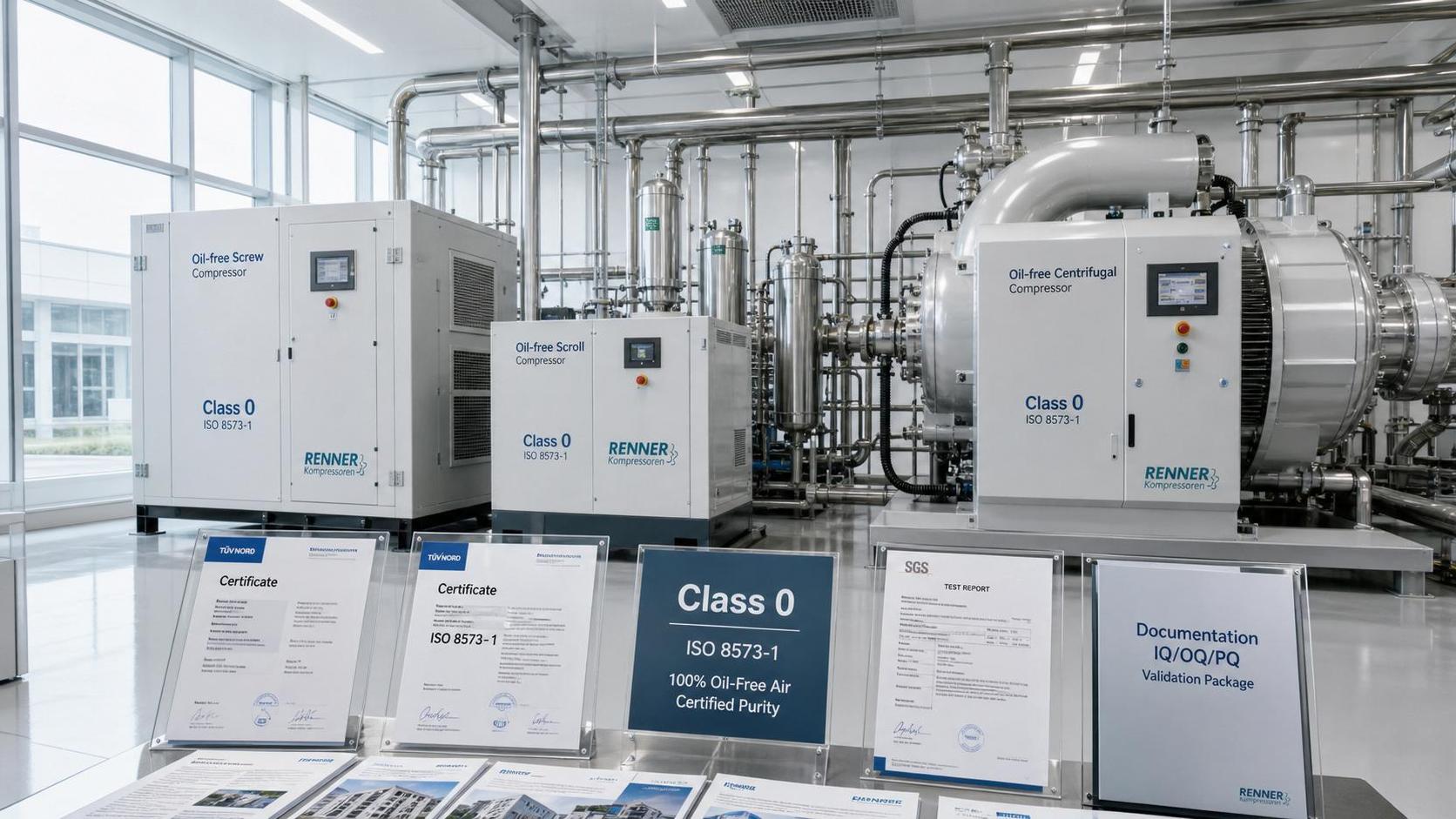
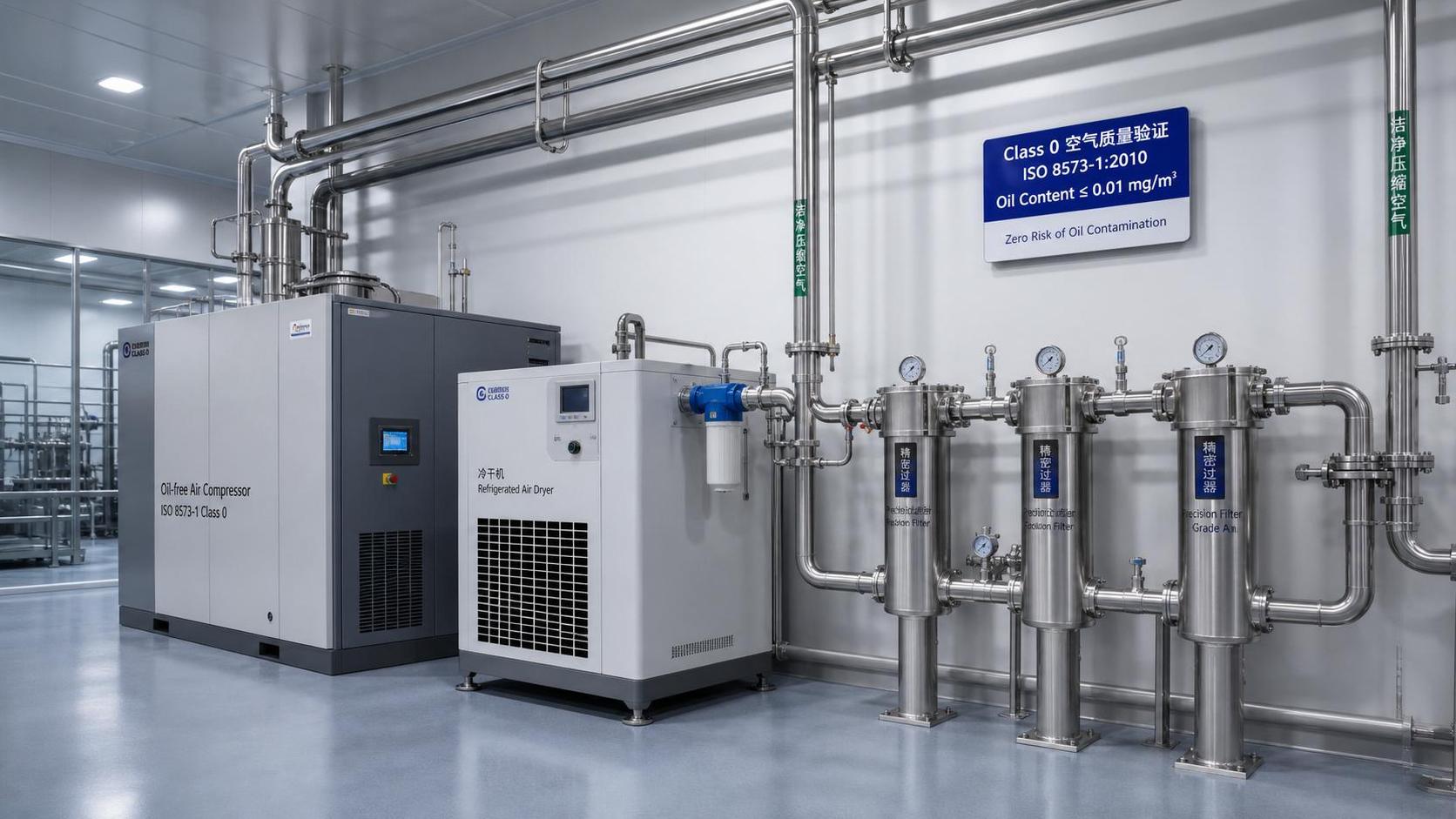
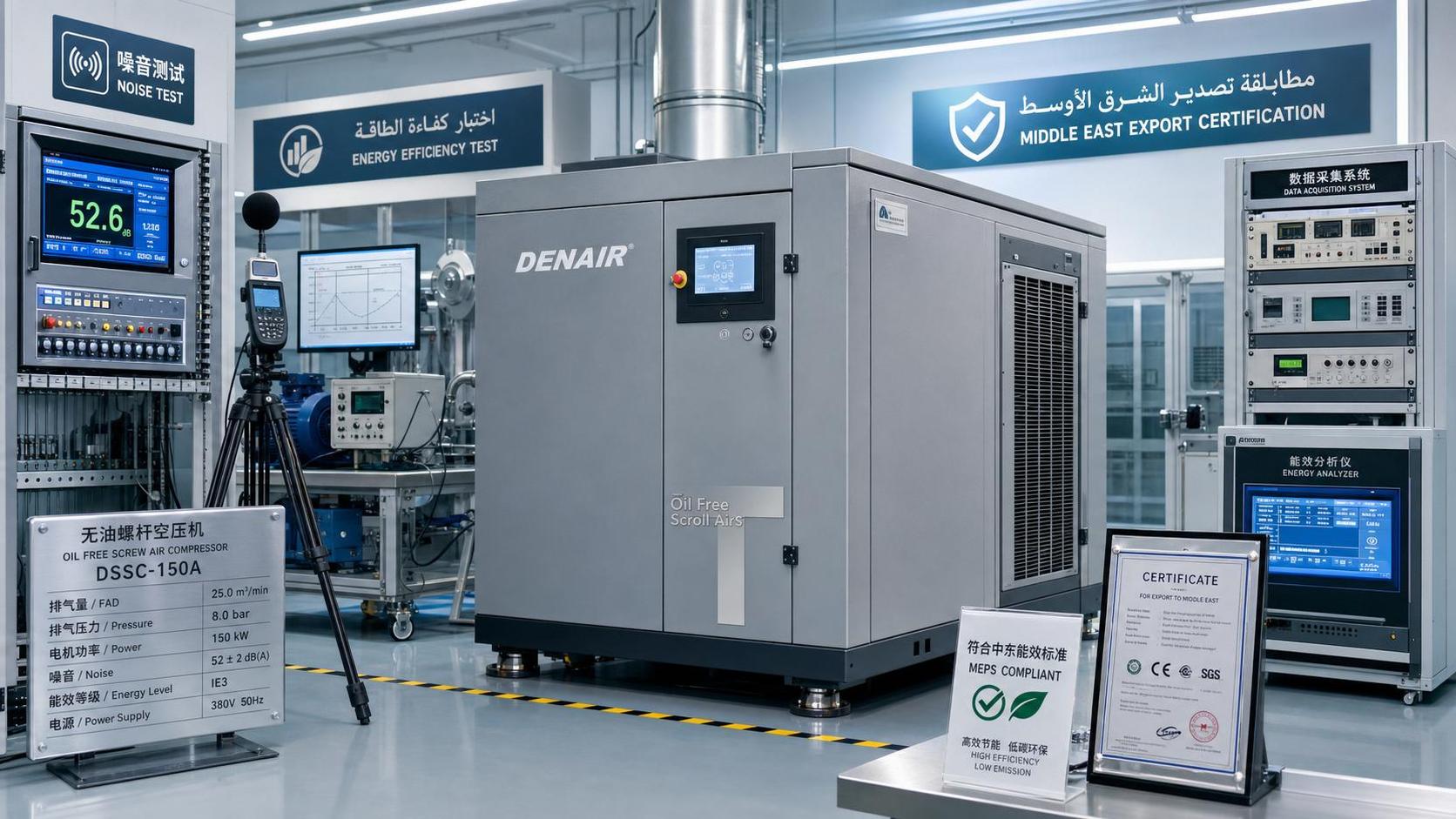
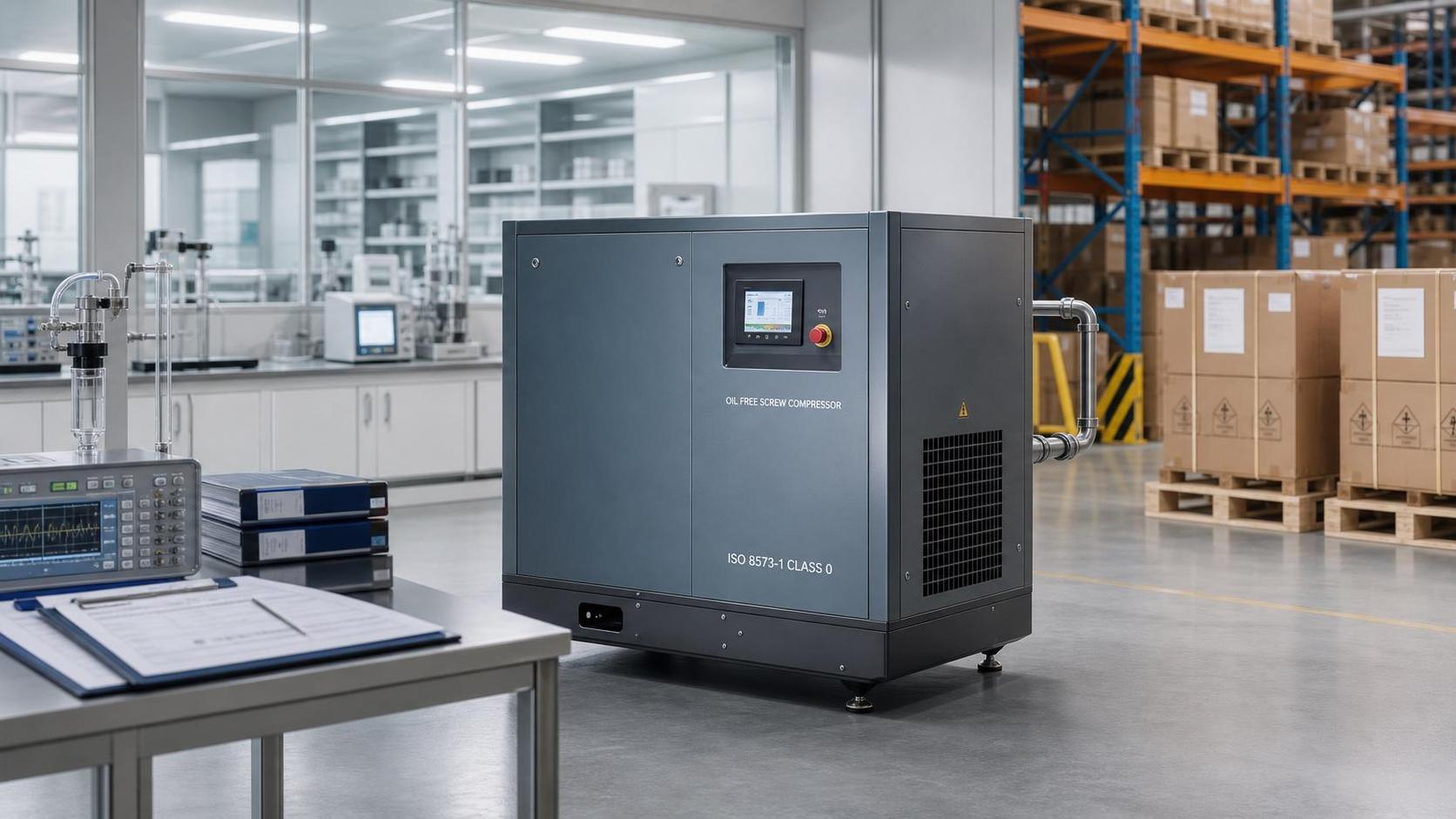
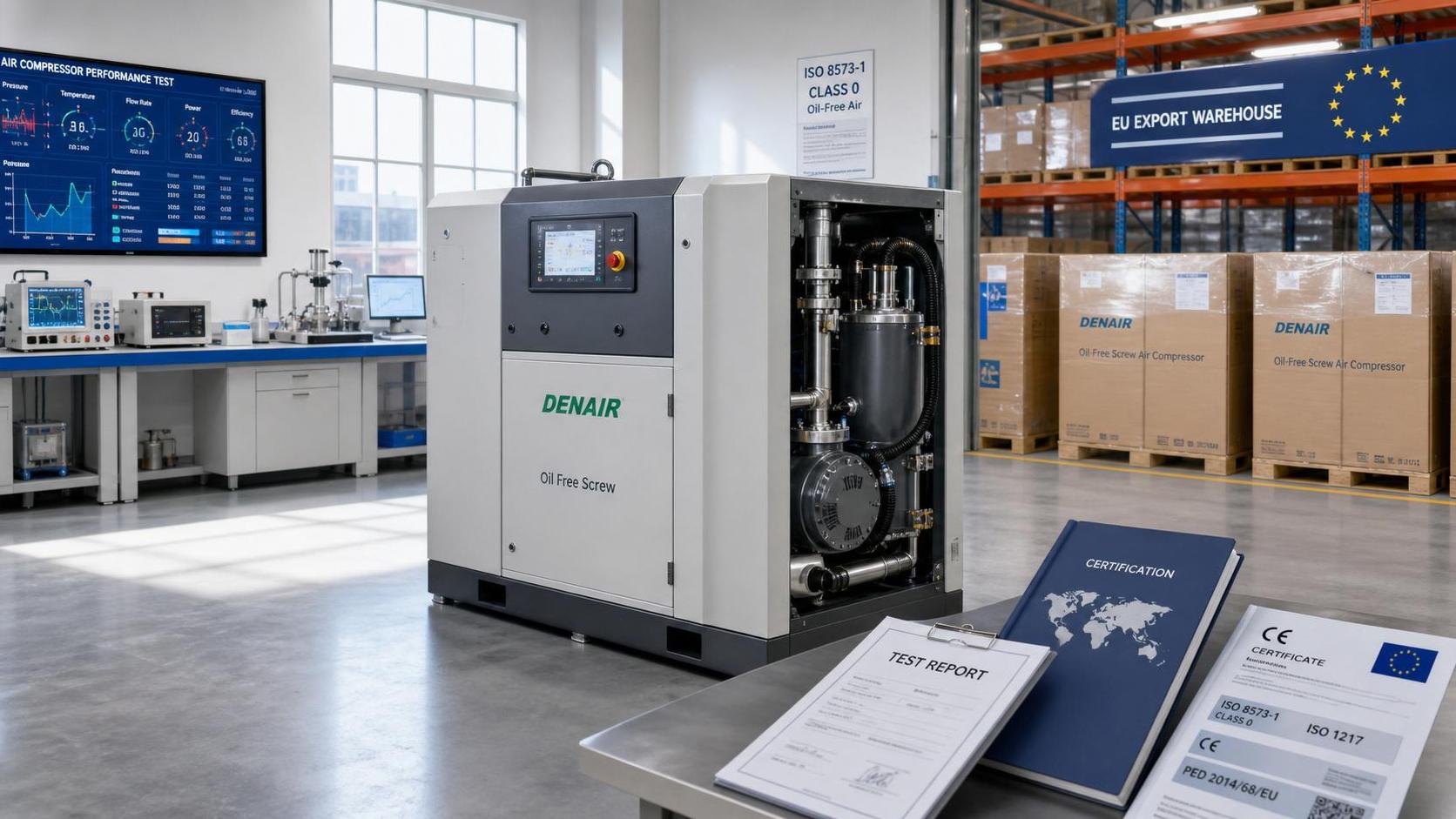
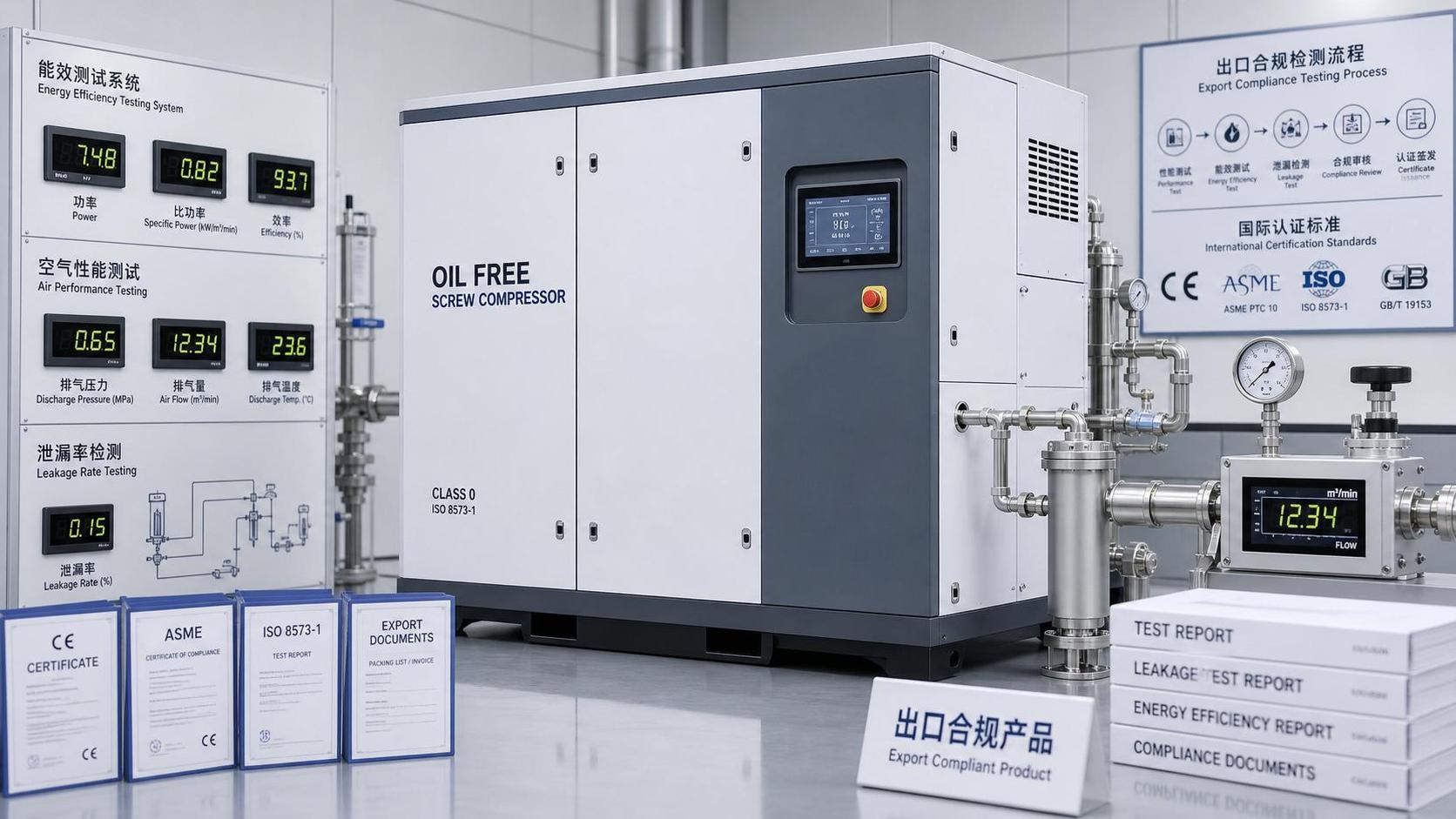
AIRERA conducted a live demonstration at COMVAC, presenting a two-stage screw compressor developed using a German GHH oil-free airend. According to the supplied event information, the product has obtained TUV Class 0 certification and was designed specifically for high-purity air applications in pharmaceutical and food-related production.
The demonstration presented the manufacturer's latest technical progress in the efficiency and purity of industrial oil-free compressed air systems. The supplied information does not include the certificate, test report, measured performance data or detailed operating conditions.
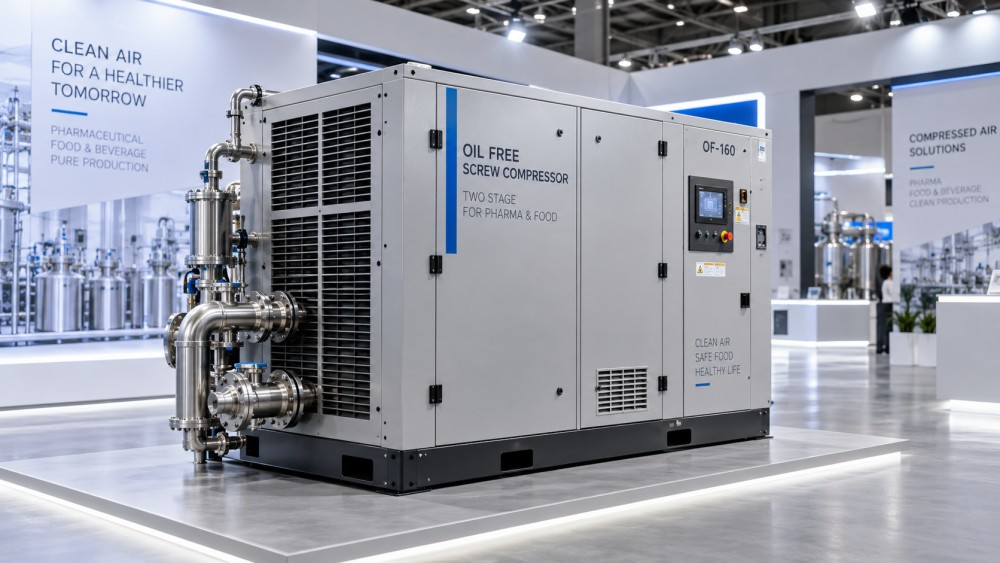
Certification Evidence Could Shape Equipment Selection
Pharmaceutical and Food Buyers May Seek Closer Specification Alignment
Analysis suggests that buyers considering this compressor may place greater emphasis on how its certification relates to their intended application. The practical procurement question is whether the documented certification scope, equipment configuration and supporting technical information match the proposed purchase. The event alone does not establish suitability for every pharmaceutical or food production process.
For procurement and quality teams, a reasonable response would be to examine the evidence behind the certification claim alongside their own purchasing specifications. Any additional documentation requests would represent a buyer's assessment process; the supplied information does not establish a new mandatory purchasing procedure.
System Integrators May Need to Clarify the Delivery Boundary
From an integration perspective, the announcement could prompt closer discussion of which equipment configuration is covered by the certification and how that configuration relates to a proposed compressed air installation. Integrators and equipment suppliers may therefore need to align quotations, technical submissions and acceptance criteria before delivery.
Analysis also suggests that manufacturers supplying comparable equipment could face more detailed requests for certification evidence when competing for the same applications. Whether this becomes a broader purchasing trend remains uncertain because the input provides no tender changes, customer responses or market adoption evidence.
Documents and Application Fit Deserve Attention Before Purchase
Check the Certificate Against the Offered Equipment
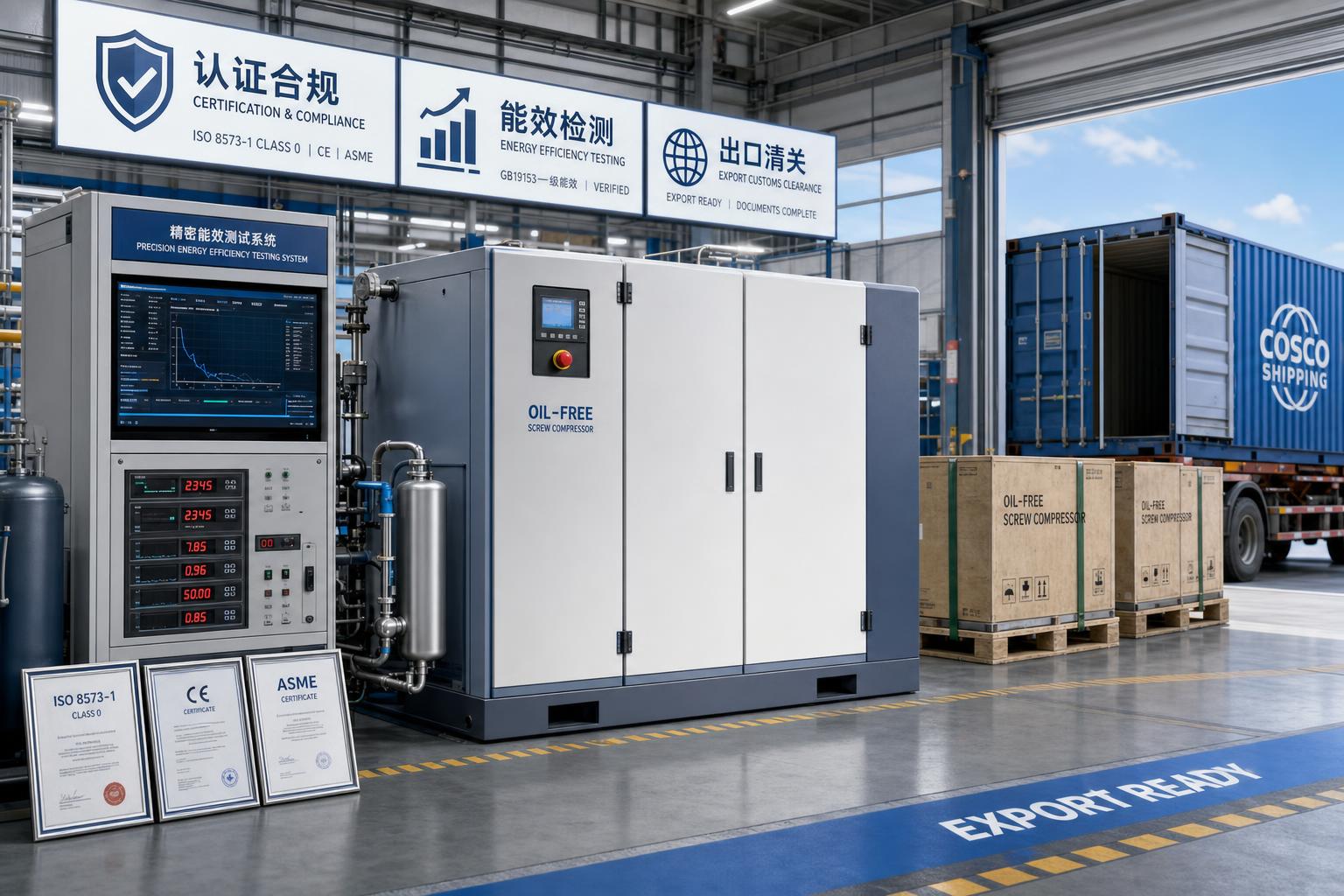
As a procurement recommendation, prospective buyers should request the certificate and check its stated scope against the model and configuration being offered. Because the input does not provide those documents, certificate coverage and any stated limitations remain matters for verification. The exhibition announcement should not be treated as a substitute for that review.
Request Evidence for Purity and Efficiency Claims
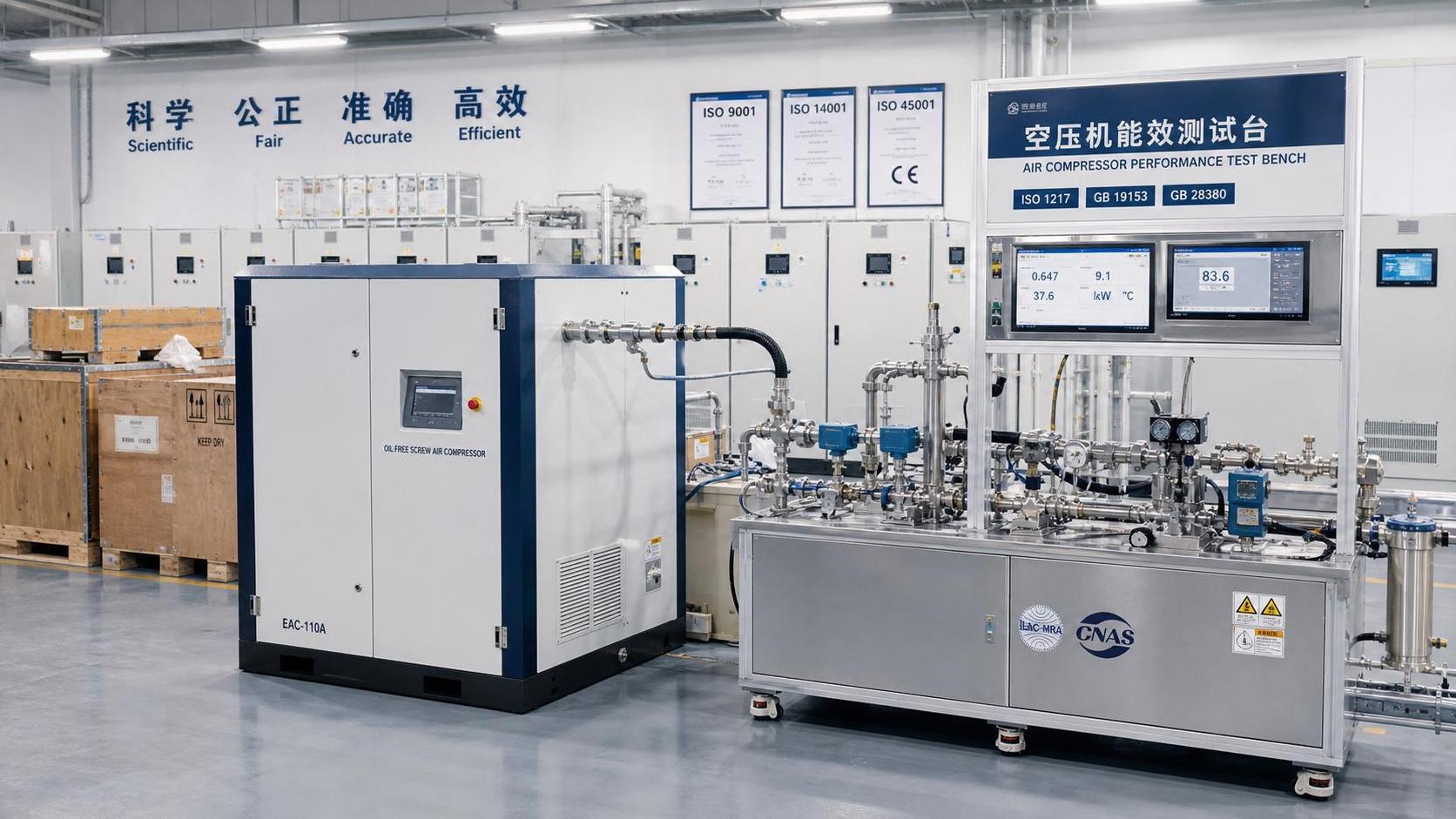
For technical evaluation, buyers could request supporting test information and the operating conditions associated with the reported performance. The supplied summary describes progress in efficiency and purity but gives no numerical results or comparison basis. Analysis therefore supports assessing those two aspects separately, using the available evidence for each, before drawing conclusions about operating benefits.
Align Procurement and Acceptance Documents
As a practical preparation step, buyers and integrators could identify which certification records, technical documents and acceptance evidence they expect with delivery. They could also clarify how any proposed configuration changes would be reviewed. These are suggested commercial checks, rather than confirmed new compliance obligations arising from the COMVAC demonstration.
A Certification Signal, With No Confirmed Rule Change
At this stage, it is more appropriate to understand the event as a supplier demonstration of certified equipment for demanding applications. The supplied material identifies no newly issued policy, revised standard, regulatory deadline or trade restriction. It therefore cannot support a conclusion that legal market access requirements have changed.
As an editorial observation, the certification claim may become more commercially relevant if buyers begin incorporating corresponding evidence requirements into technical specifications or tender documents. Establishing that development would require subsequent procurement documents, customer feedback or other verifiable evidence. No such change is confirmed in the input.
Evaluate the Certified Offering Against the Intended Use
Analysis suggests that AIRERA's demonstration gives pharmaceutical and food-sector equipment buyers a specific product and certification claim to evaluate. Its practical significance will depend on the certificate's documented coverage, supporting performance evidence and compatibility with the proposed application. The proportionate response is to review those materials during supplier assessment while keeping broader conclusions about regulatory change or market adoption open.
Basis of Reporting and Points for Follow-Up
This article was prepared from the user-provided news title, event date and event summary. Specific official source links were not supplied, and the reported certification and demonstration details require continued verification against supporting records.
Relevant follow-up materials could include the manufacturer's official announcement, the certificate and associated test documentation, and any subsequently available procurement specifications. Further observation should focus on how the certification scope is documented, whether tender requirements change, and what buyers and integrators report during equipment evaluation and delivery. Any later policy or standards development would need separate verification before being described as an applicable rule change.
Ready when you are. Send us a message to get started.
Related News
- Can oil-free vacuum pumps handle semiconductor etching gases?Author :Pneumatic Power Engineer

- AIRERA Showcases TUV Class 0-Certified Oil-Free Screw Compressor at COMVACAuthor :Pneumatic Power Engineer

- How to verify food-grade purity in compressed air systemsAuthor :Pneumatic Power Engineer

- What determines the price of pure air compression systems?Author :Pneumatic Power Engineer

- How to size oil-free compressors for instrumentation air demandAuthor :Pneumatic Power Engineer

- How Class 0 oil-free compressors protect product quality in food productionAuthor :Pneumatic Power Engineer

- How to verify compressed air cleanroom standards before installationAuthor :Pneumatic Power Engineer

- When oil free vacuum pumps make sense for European cleanroom projectsAuthor :Pneumatic Power Engineer

- When do pure air compression systems need ISO 8573-1 Class 0?Author :Pneumatic Power Engineer

- How do compressed air systems for electronics prevent contamination?Author :Pneumatic Power Engineer

- When does an oil-free process vacuum pump justify its higher cost?Author :Pneumatic Power Engineer

- Does ISO 9001 certification apply to compressed air quality?Author :Pneumatic Power Engineer

- How to Specify Clean Compressed Air Systems in Southeast Asia for Food and Pharma PlantsAuthor :Pneumatic Power Engineer

- How to Compare Oil Free Vacuum Pumps for Clean Process RequirementsAuthor :Pneumatic Power Engineer

- How to Evaluate a Clean Compressed Air Systems Supplier for ISO 8573-1 ComplianceAuthor :Pneumatic Power Engineer

- How to Choose the Right Oil-Free Vacuum PumpAuthor :Pneumatic Power Engineer

- VDI 2083 Update Makes Class 0 Proof MandatoryAuthor :Pneumatic Power Engineer

- When to Use Oil Free Vacuum Pumps for High Purity LinesAuthor :Pneumatic Power Engineer

- Compressed Air Solutions: When Oil-Free Systems Lower Total Operating CostAuthor :Pneumatic Power Engineer

- ATMOsphere Europe 2026 Adds Oil-free Systems ZoneAuthor :Pneumatic Power Engineer

- Oil-Free Compressors: Key Selection Criteria for Clean Air SystemsAuthor :Pneumatic Power Engineer

- How to Compare Oil Free Centrifugal Compressors for Stable Plant Air SupplyAuthor :Pneumatic Power Engineer

- Compressed Air Class 0 vs Oil-Free: What Really MattersAuthor :Pneumatic Power Engineer

- Oil-Free Compression Class 0: What the Standard Really Means in ProductionAuthor :Pneumatic Power Engineer

- Air Compression Cost Comparison: Oil-Free vs Screw Systems in Daily OperationAuthor :Pneumatic Power Engineer

- Saudi SASO Tightens IEC 63349-2 for Oil-Free CompressorsAuthor :Pneumatic Power Engineer

- Saudi SASO Tightens Oil-Free Compressor Efficiency RulesAuthor :Pneumatic Power Engineer

- Pure Air Compression Systems for Clean Production LinesAuthor :Pneumatic Power Engineer

- IEC 63349-2:2026 makes energy certification mandatoryAuthor :Pneumatic Power Engineer

- IEC 63349-2:2026 Sets New Entry Rules for Oil-Free Screw CompressorsAuthor :Pneumatic Power Engineer

- IEC 63349-2:2026 Takes Effect for Oil-Free Screw CompressorsAuthor :Pneumatic Power Engineer

- IEC 63349-2:2026 Sets New Efficiency Gate for Oil-Free Screw CompressorsAuthor :Pneumatic Power Engineer

- IEC 63349-2:2026 Takes Effect for Oil-Free Screw CompressorsAuthor :Pneumatic Power Engineer

- SABIC Methanol Force Majeure Extended, Tightening R134a/R407C FeedstocksAuthor :Pneumatic Power Engineer

- How to Evaluate Pneumatic Power Systems for Stable OutputAuthor :Pneumatic Power Engineer

- Oil-Free Compression vs Lubricated Systems: Key Trade-OffsAuthor :Pneumatic Power Engineer
![]()