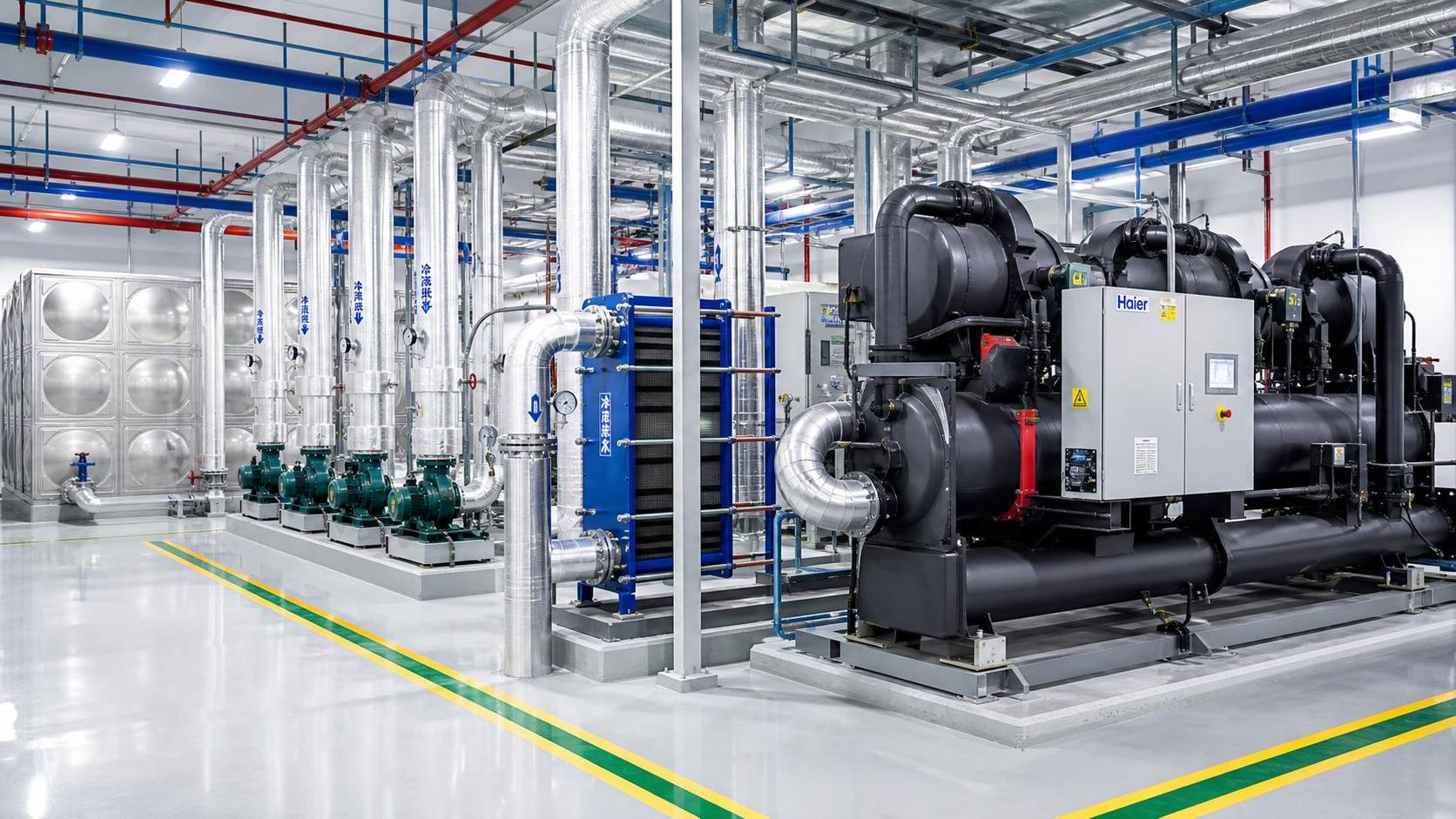
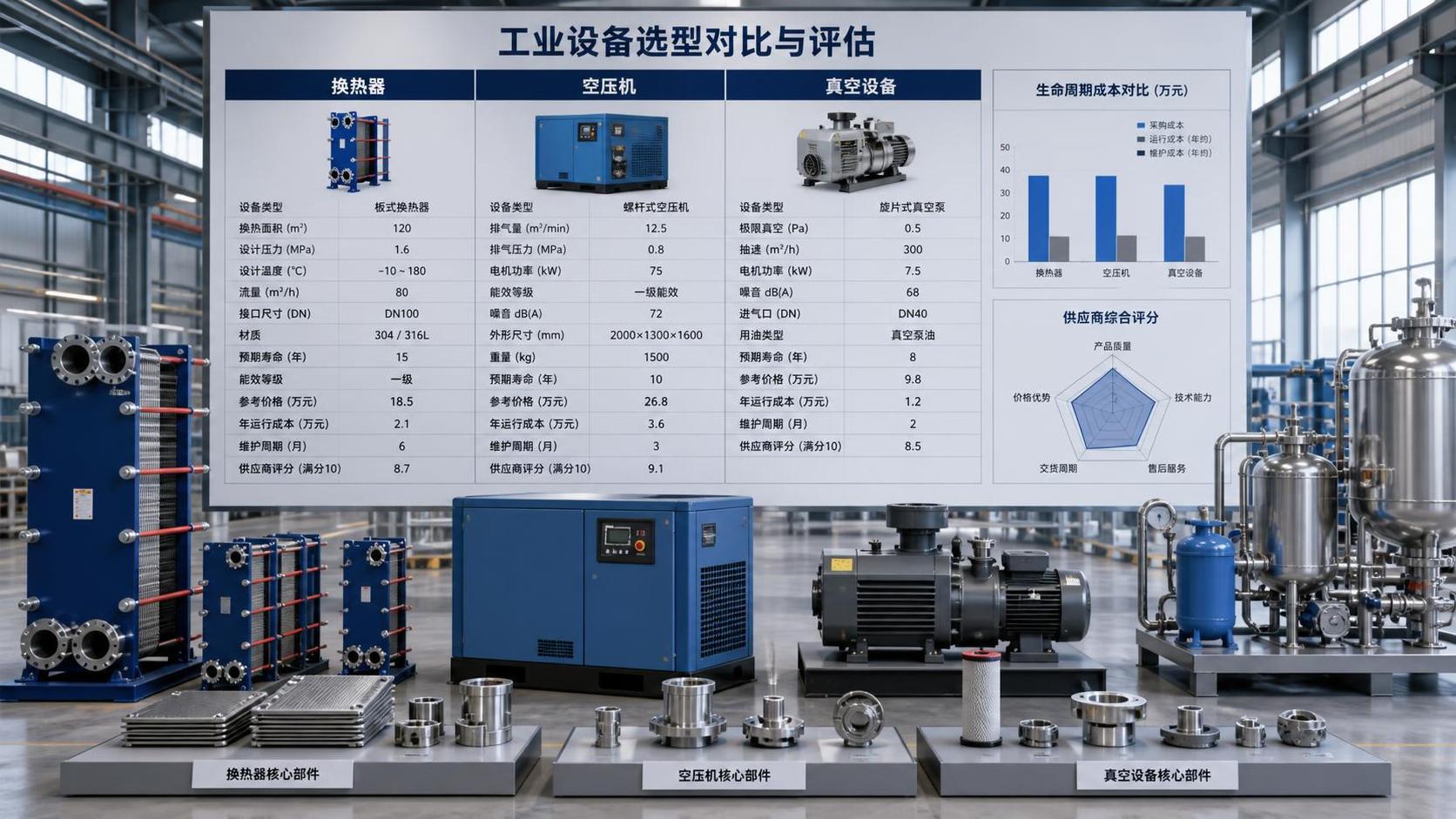
What drives the price of industrial decarbonization solutions?




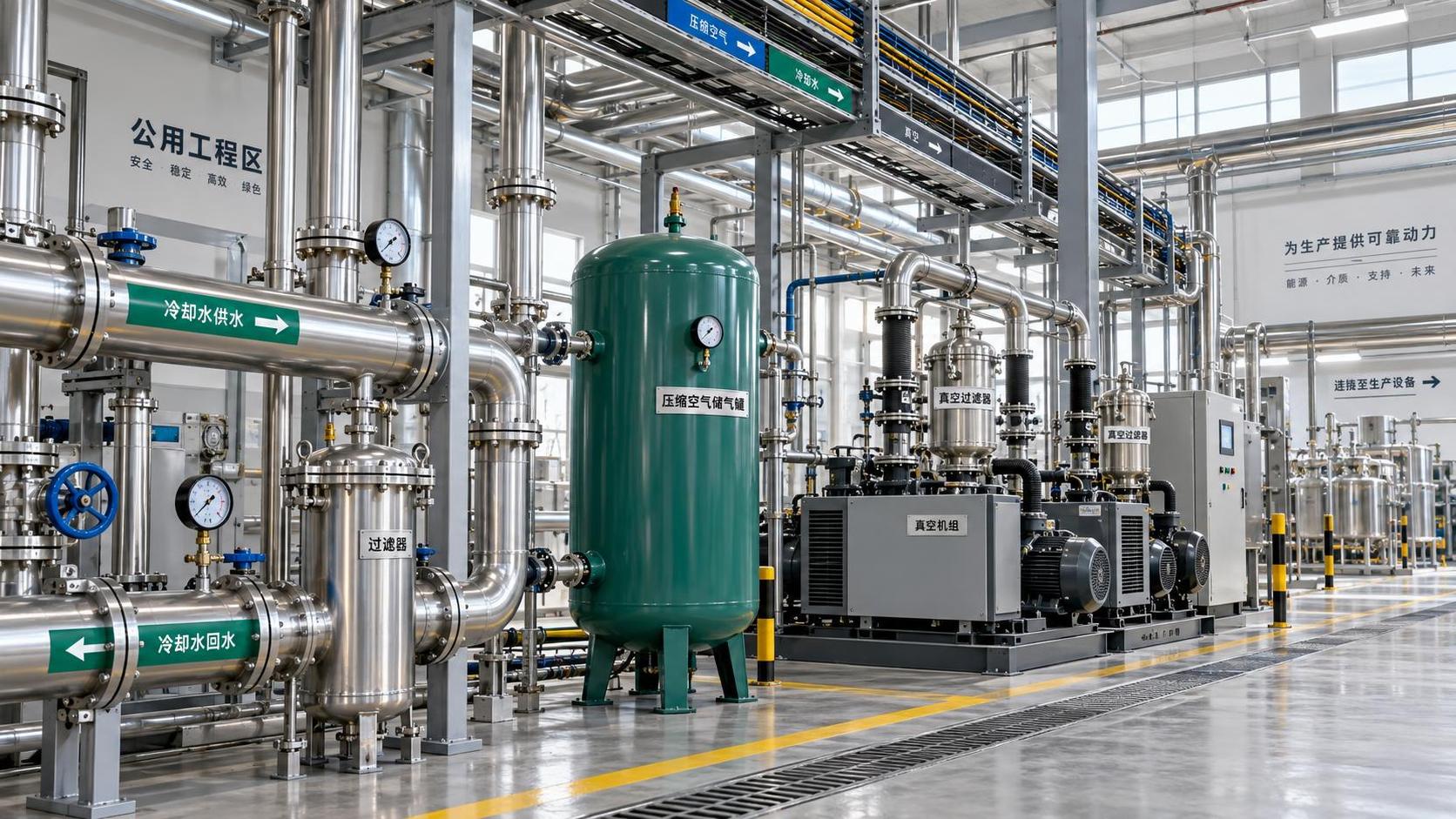
The industrial decarbonization solutions price is driven by more than equipment capacity: operating conditions, efficiency requirements, site integration, compliance obligations, and the division of installation risk all shape the final investment. A lower equipment quote can lead to a higher lifetime cost if it excludes electrical upgrades, downtime, maintenance, or the energy needed to operate the system.
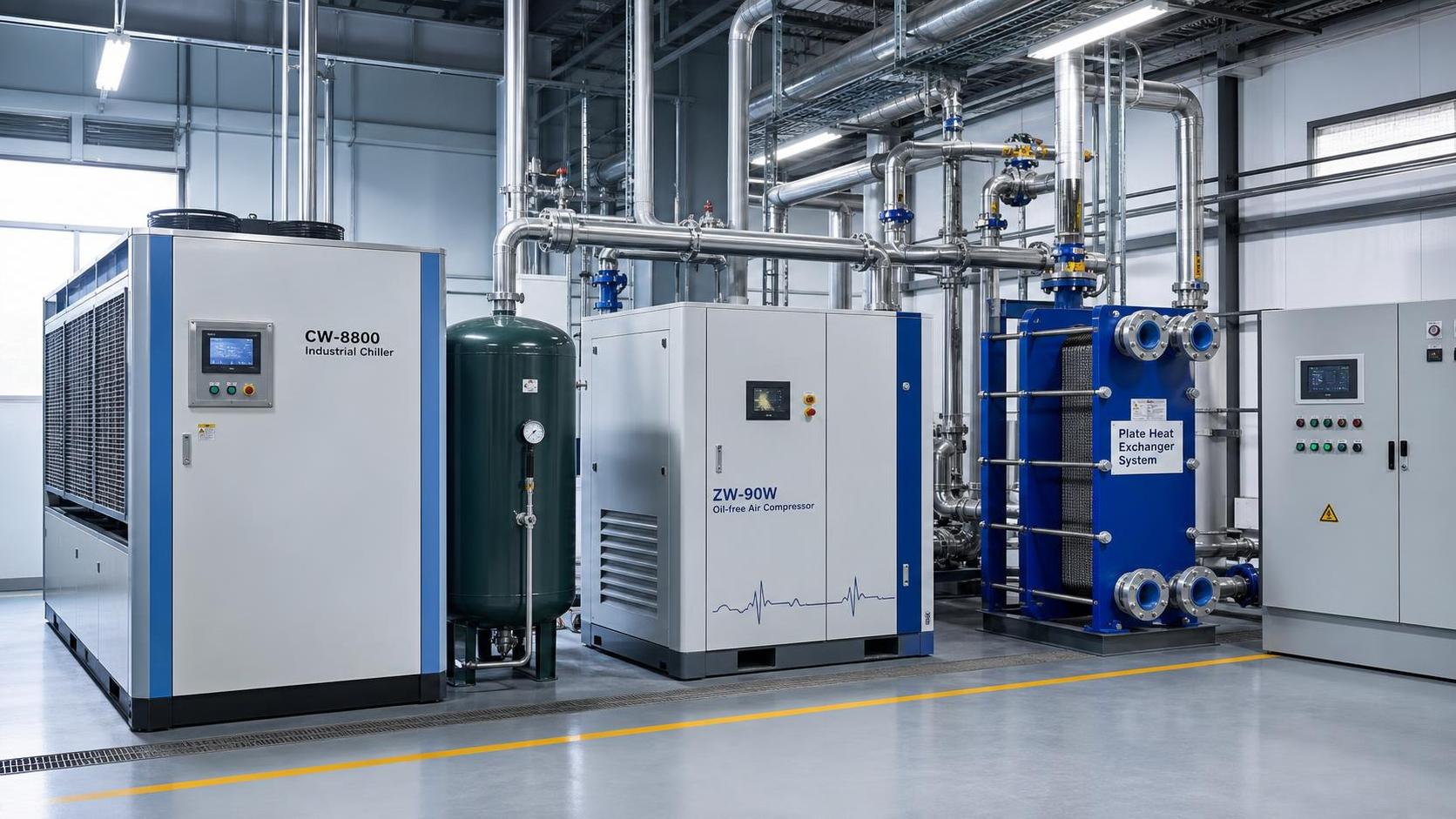
The most useful comparison is therefore not a single purchase price, but the total cost of delivering a defined output and emissions reduction over an agreed operating period. Heat recovery, efficient compression, and low-carbon cooling each have different cost structures, so their value depends on how well the proposed design fits the site.
What makes up the industrial decarbonization solutions price?
A quoted package price covers only the scope identified by the supplier. The amount required to put that package into service can also include engineering, site preparation, integration, commissioning, and verification.
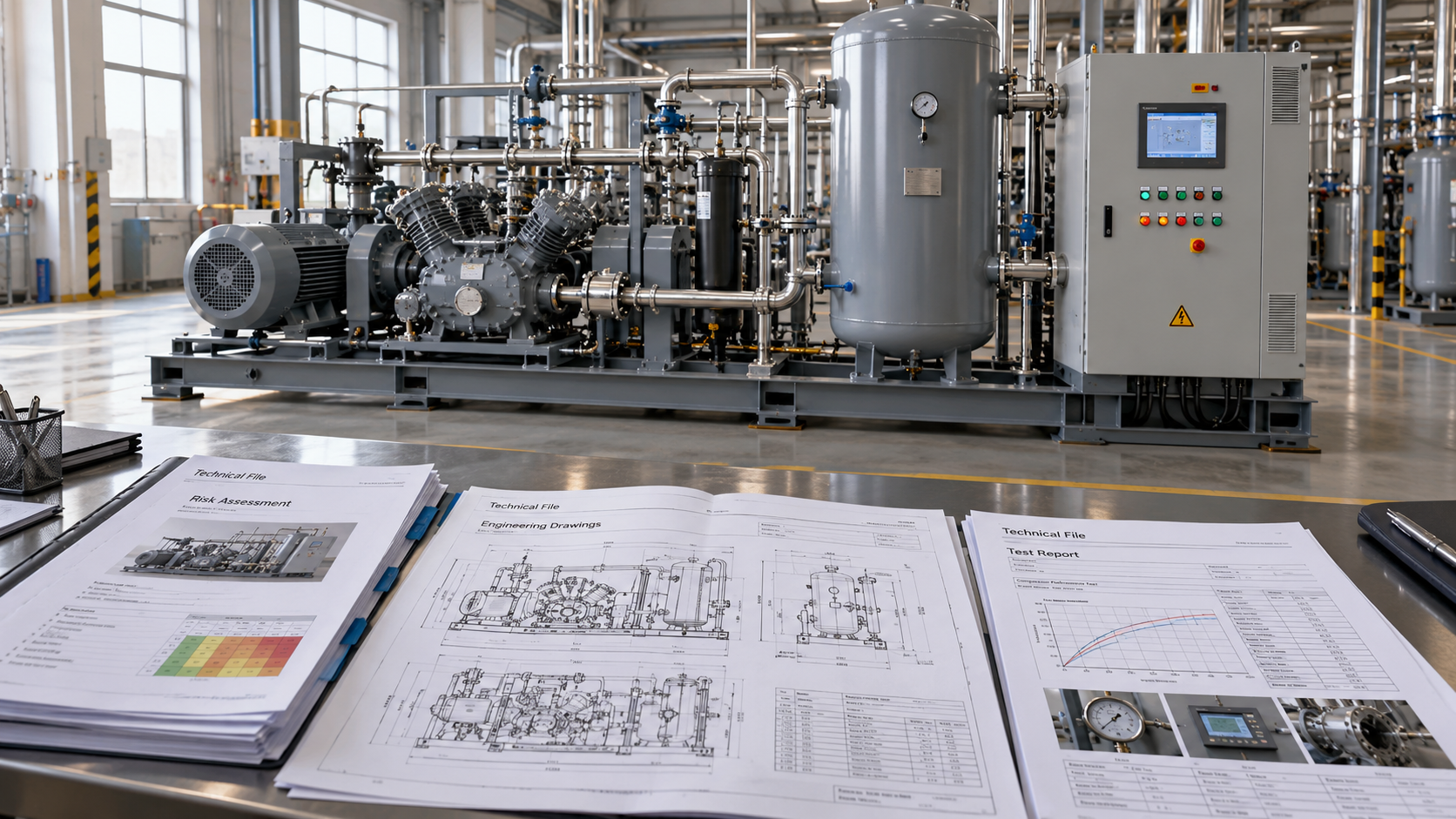
Scope alignment is essential. A bid that excludes electrical distribution work or temporary cooling is not directly comparable with one that includes those items. Ask for exclusions and allowances to be listed separately, including any assumptions about work to be provided by the site.
Operating conditions determine the specification
Capacity is an important price driver, but a single nameplate figure does not describe how an industrial system will perform. Suppliers need a consistent picture of demand, operating hours, ambient conditions, required output temperatures or pressures, and the variation between peak and part-load operation.
Oversizing can raise the initial price and leave equipment operating inefficiently at common loads. Undersizing can require backup equipment or constrain production. Where future expansion is uncertain, compare the cost of installing additional capacity now with the cost and disruption of adding a module later.
Heat recovery: usable heat matters more than available heat
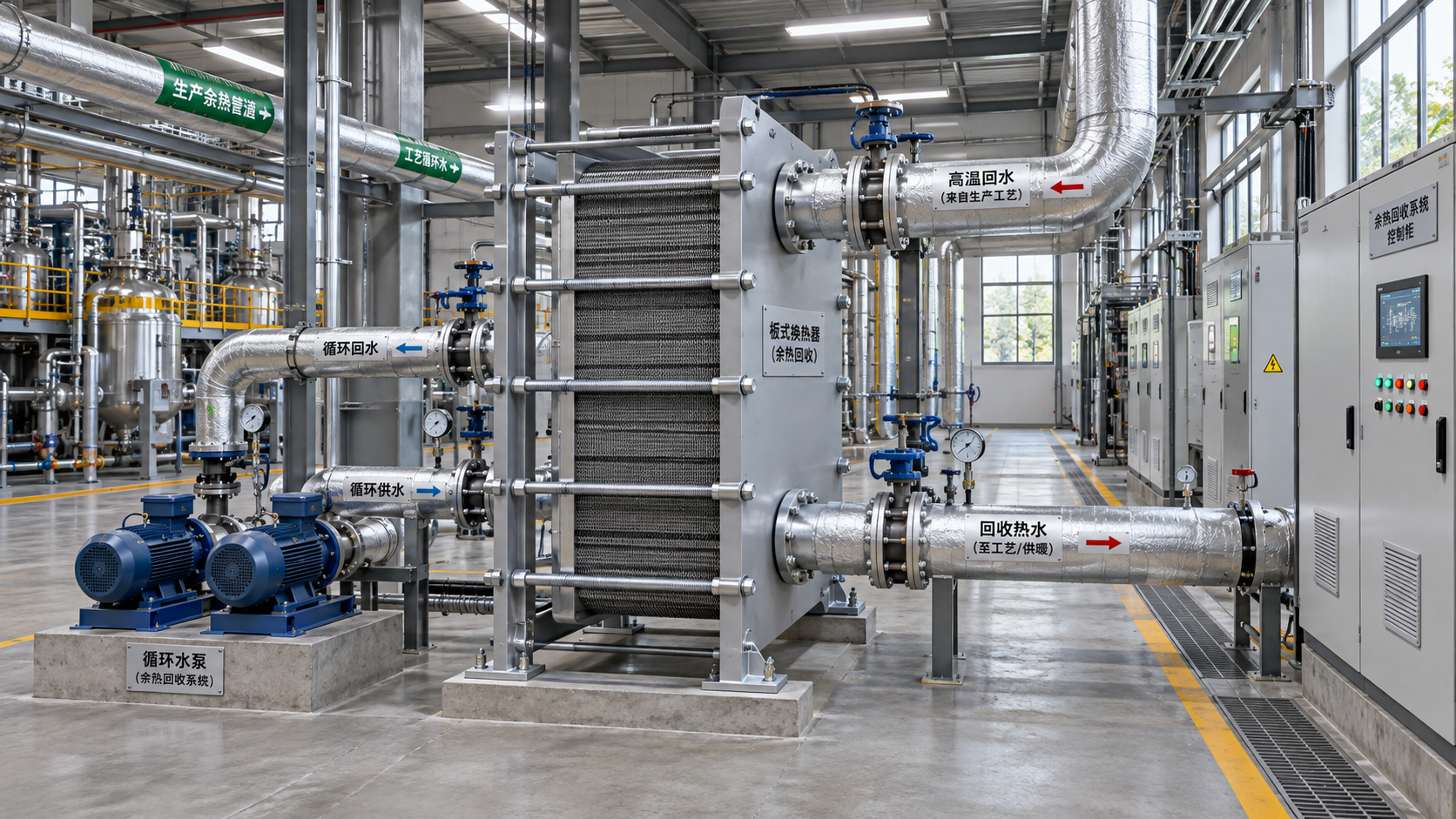
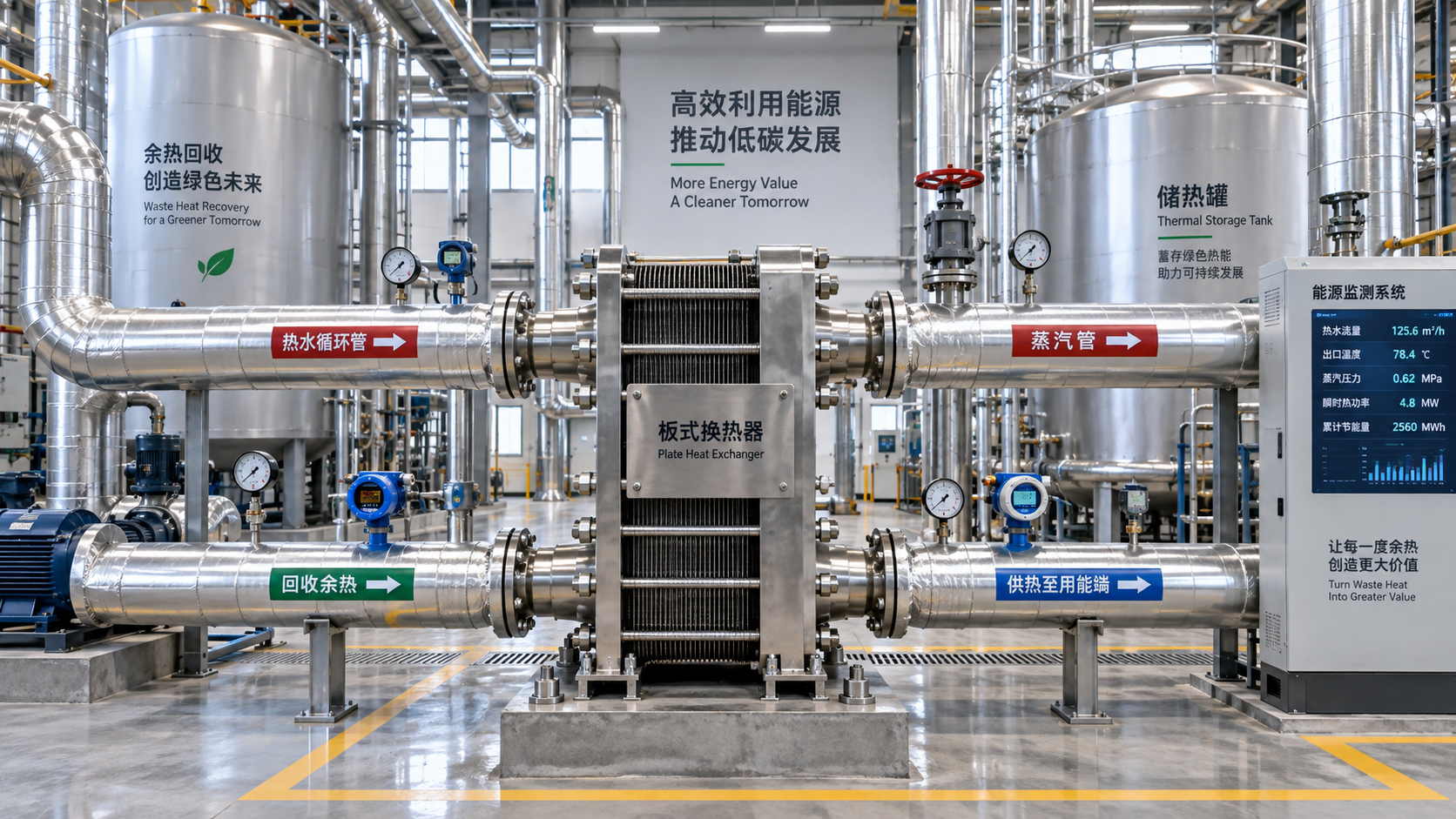
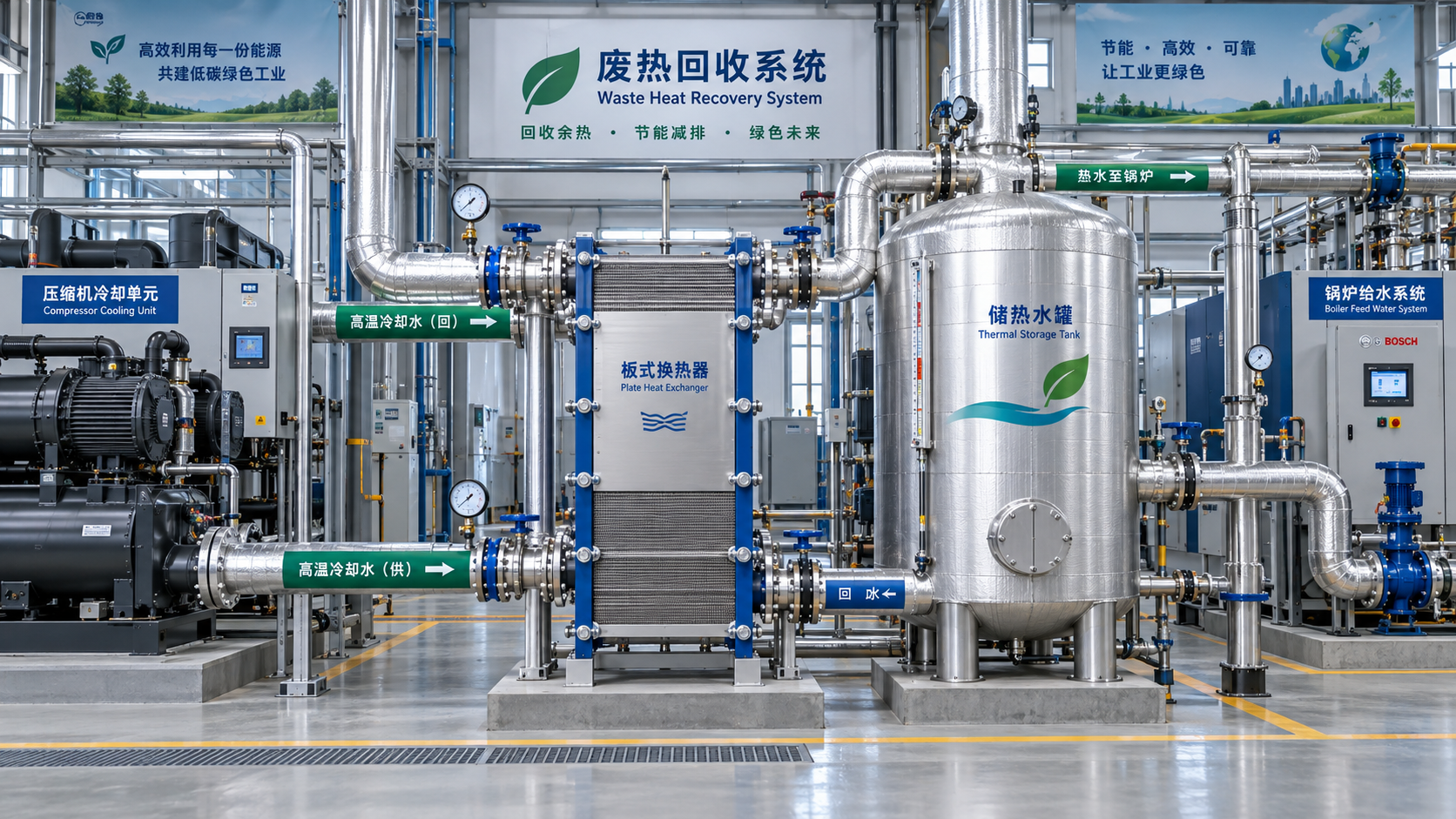
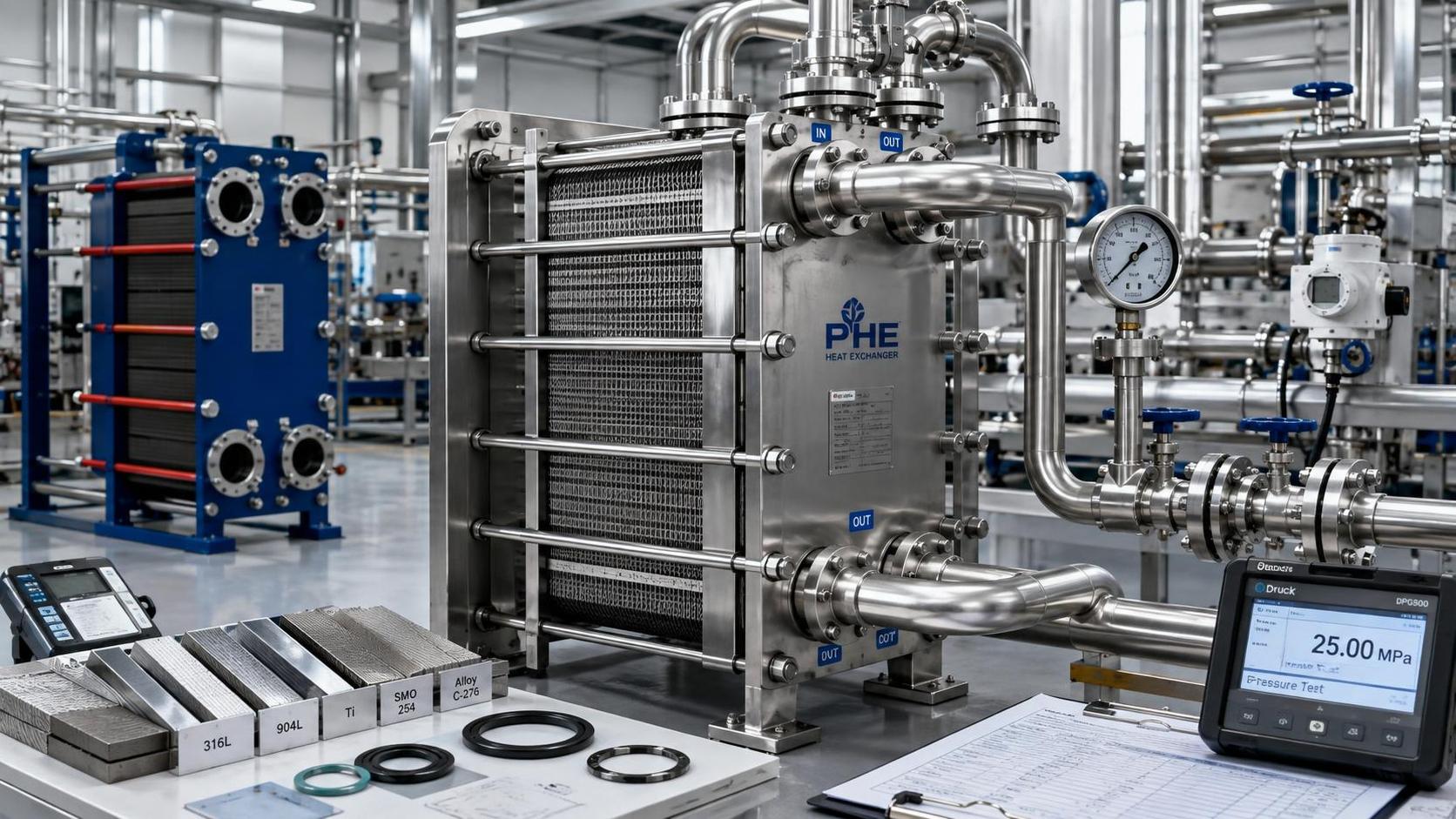
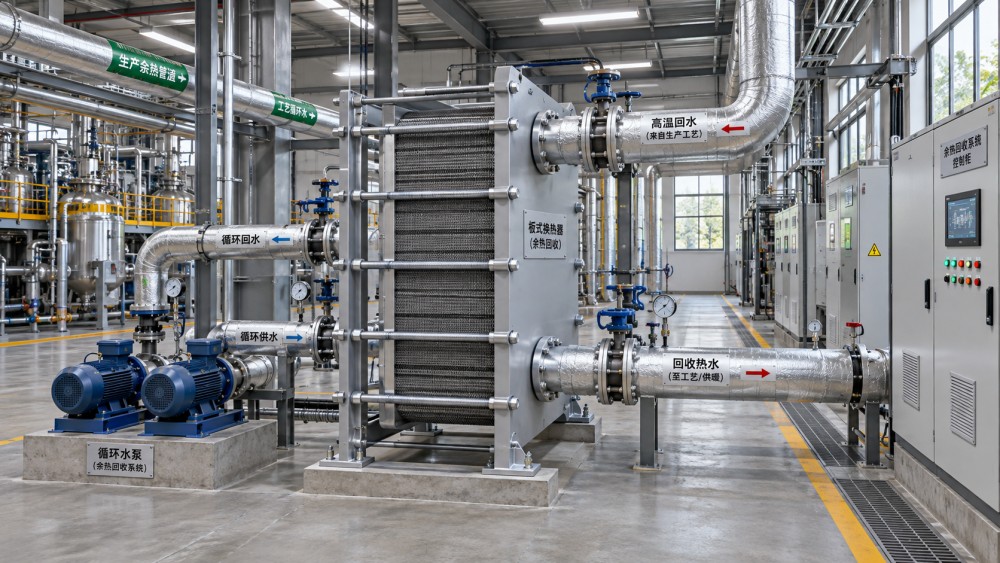
A heat recovery system needs both a heat source and a demand that can use the recovered energy at the right temperature and time. The cost depends on exchanger area and materials, the distance between source and user, pumping, controls, and any treatment needed to manage fouling or corrosion.
For a hypothetical site with a steady warm-water source but intermittent heat demand, a larger exchanger alone will not guarantee high utilization. Storage, a backup heat source, or a different use for the recovered heat may improve the match, but each changes the installed price and operating profile. Compare offers using the same hourly or seasonal source-and-demand assumptions, rather than headline recovery capacity alone.
Compressed air: efficiency depends on the whole system
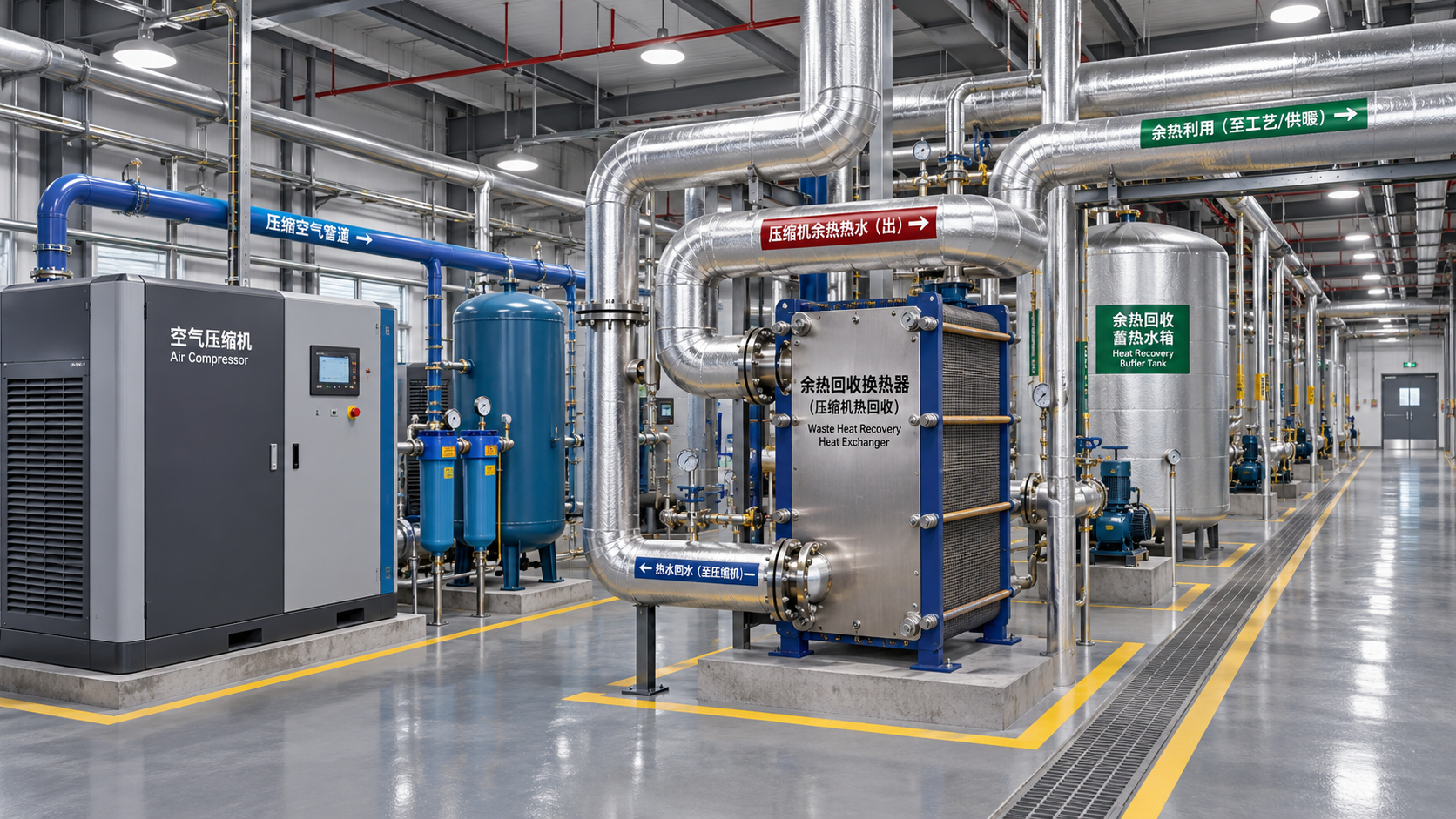
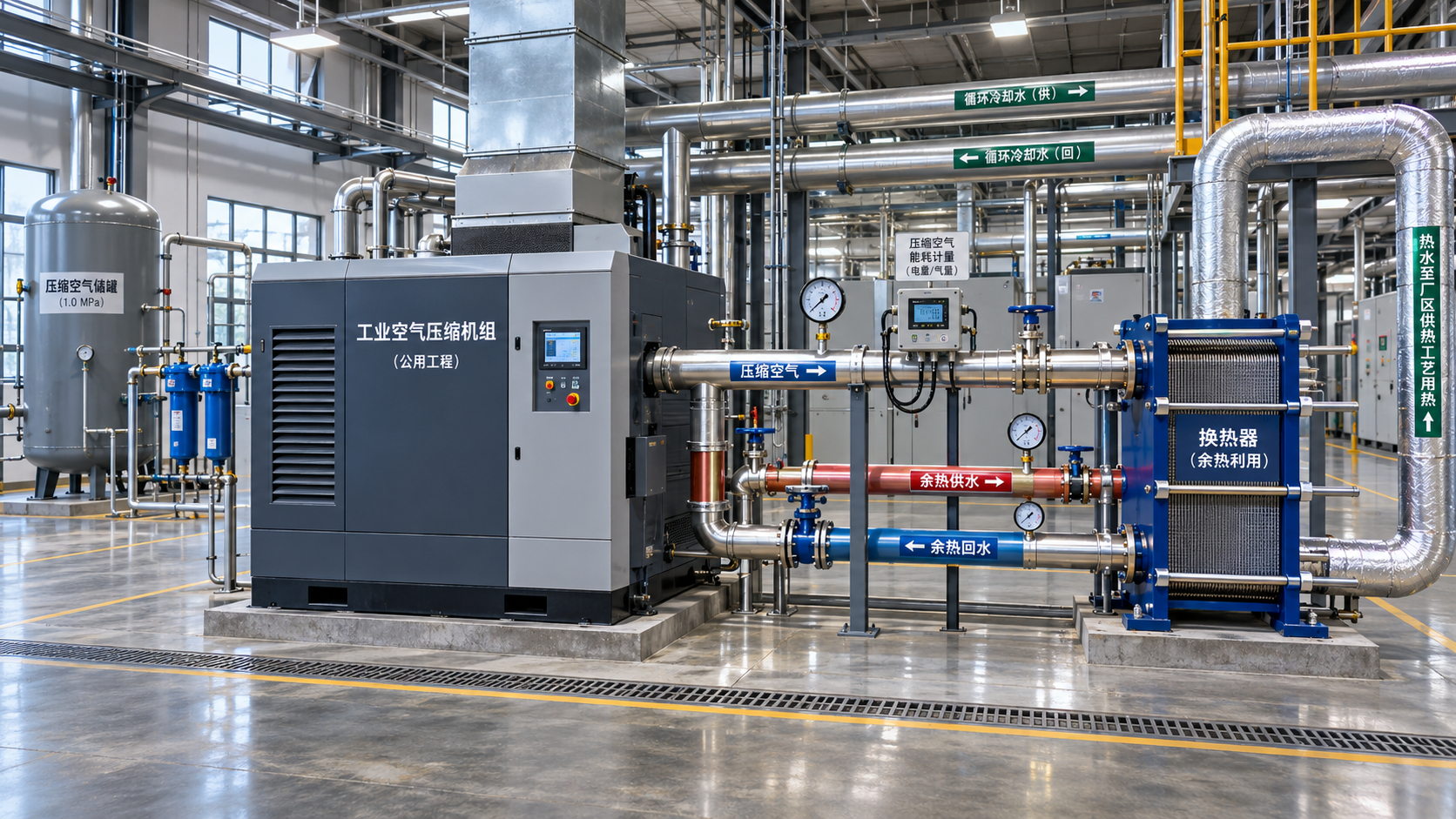
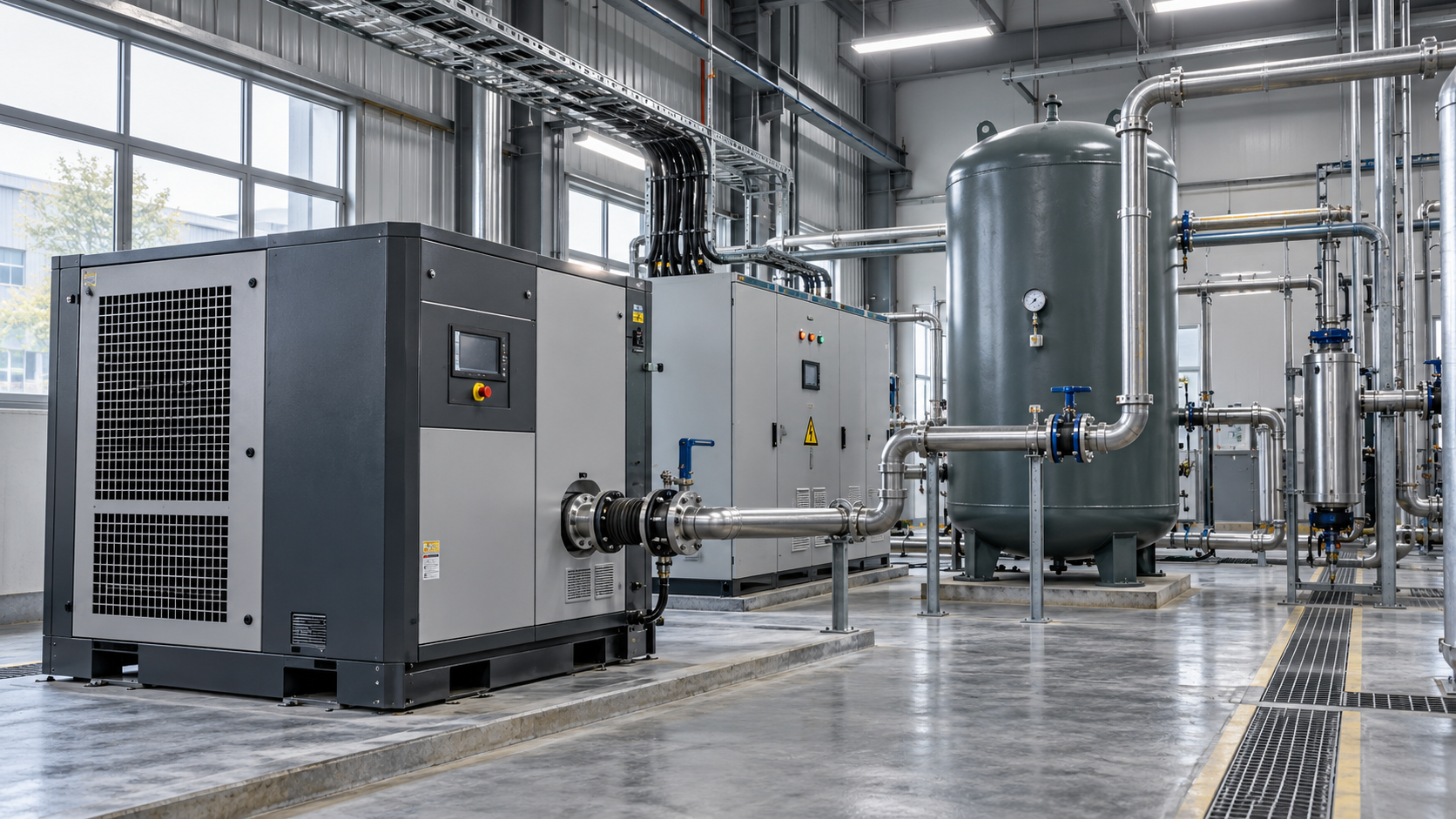
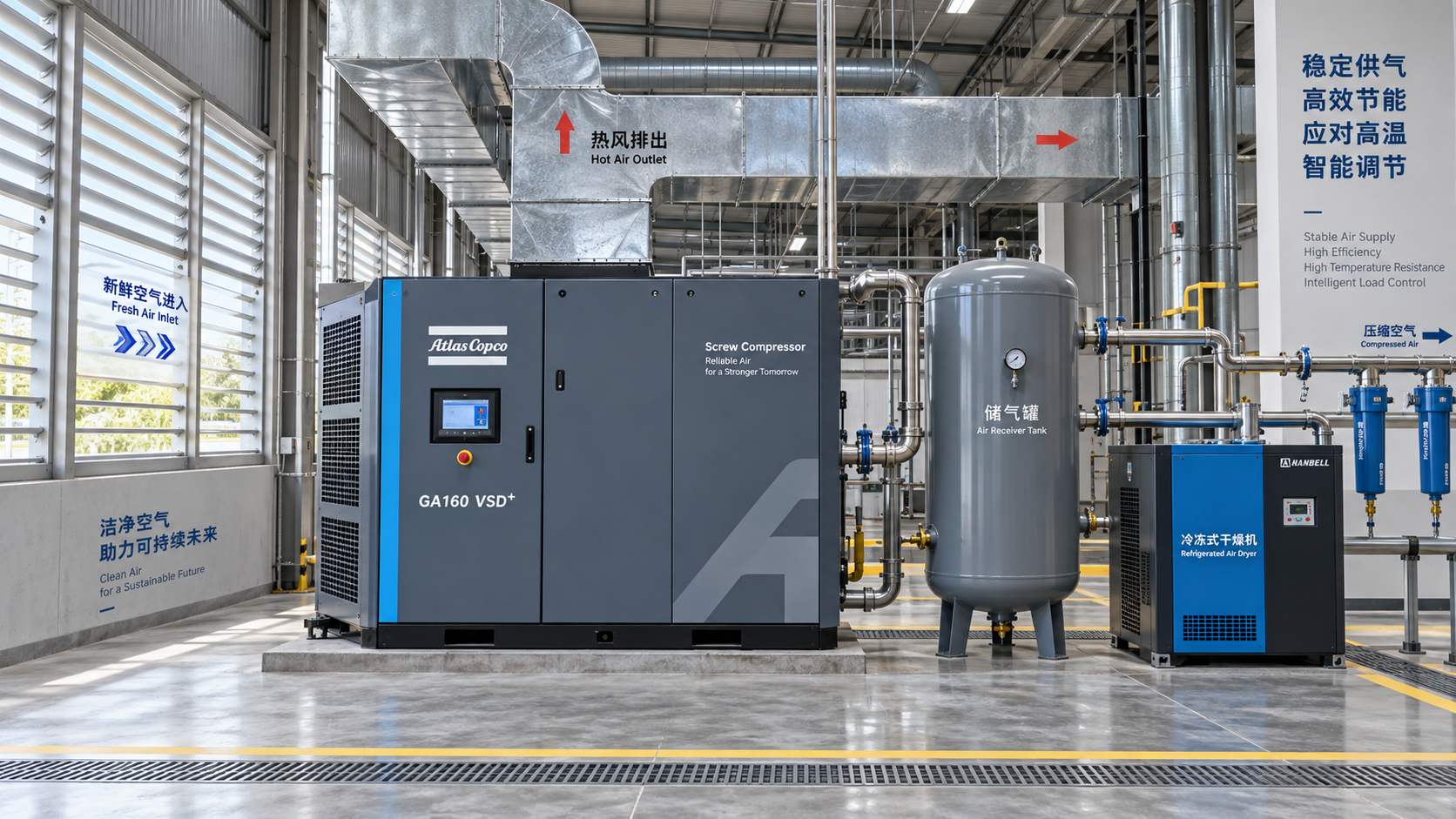
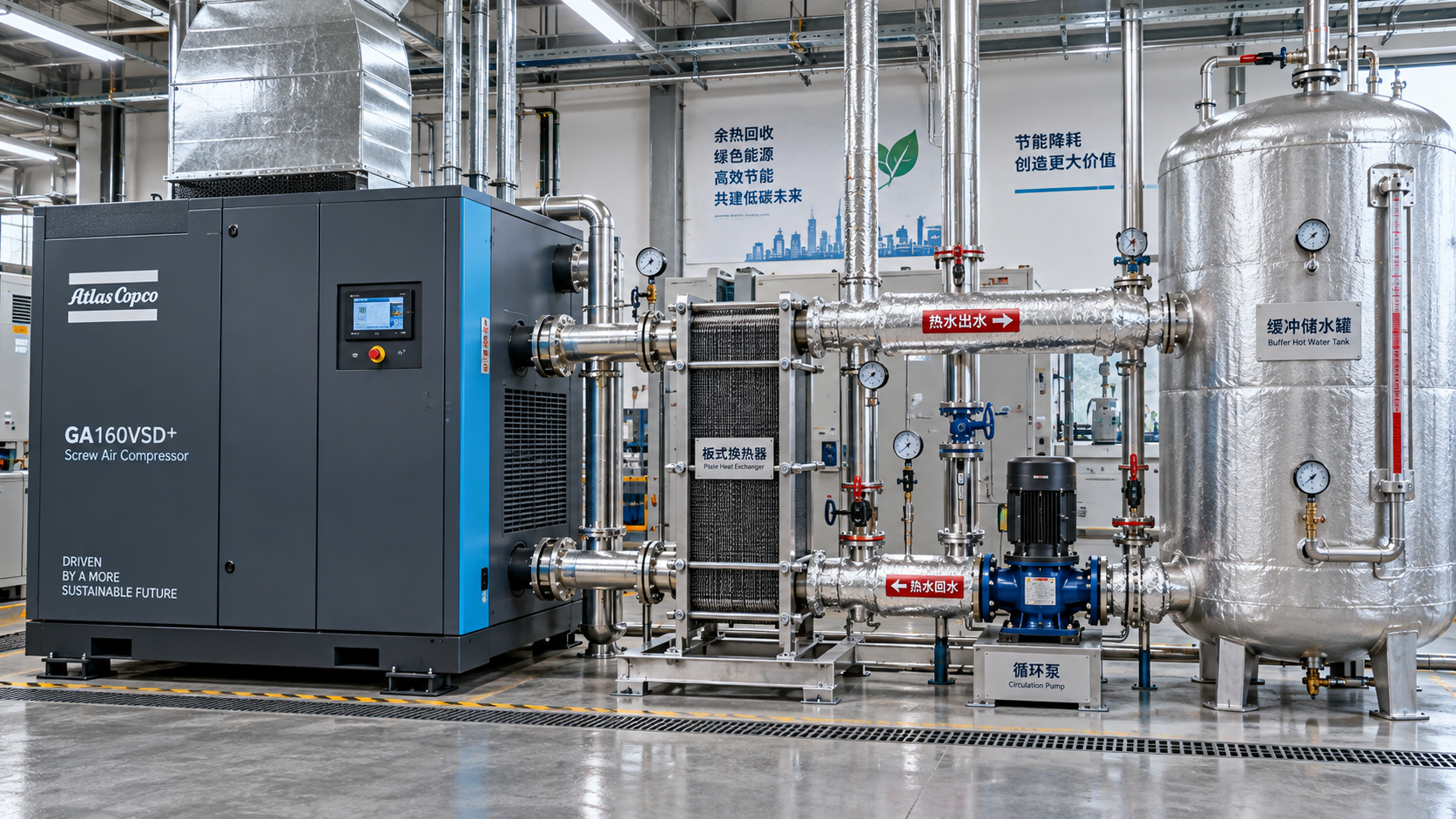
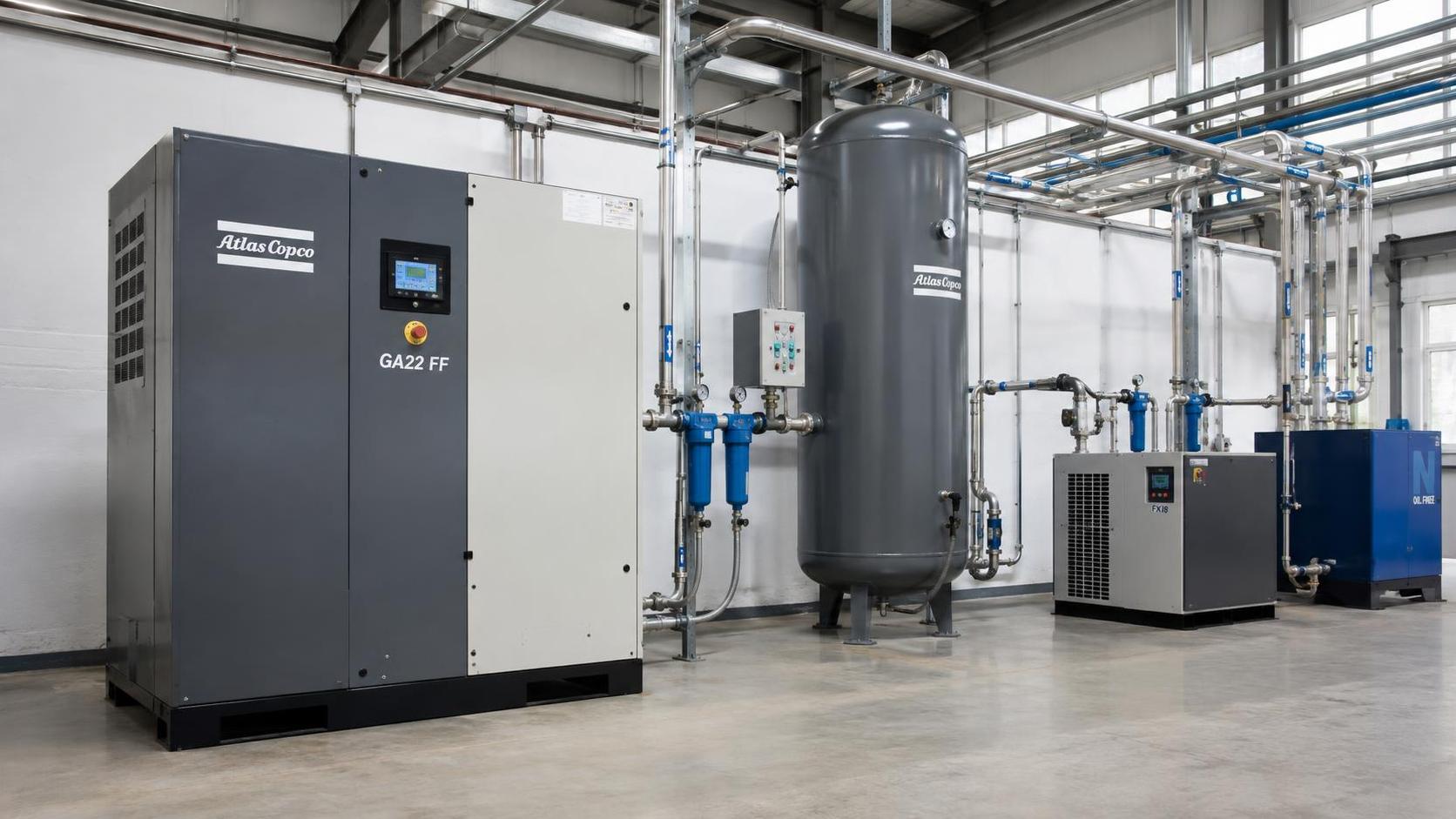
The price of a high-efficiency compressor reflects its capacity, drive and control arrangement, air quality requirements, cooling, and any heat recovery package. Oil-free air, tighter filtration, or additional redundancy can justify a higher specification where the process requires it, but should not be purchased without a defined quality or availability requirement.
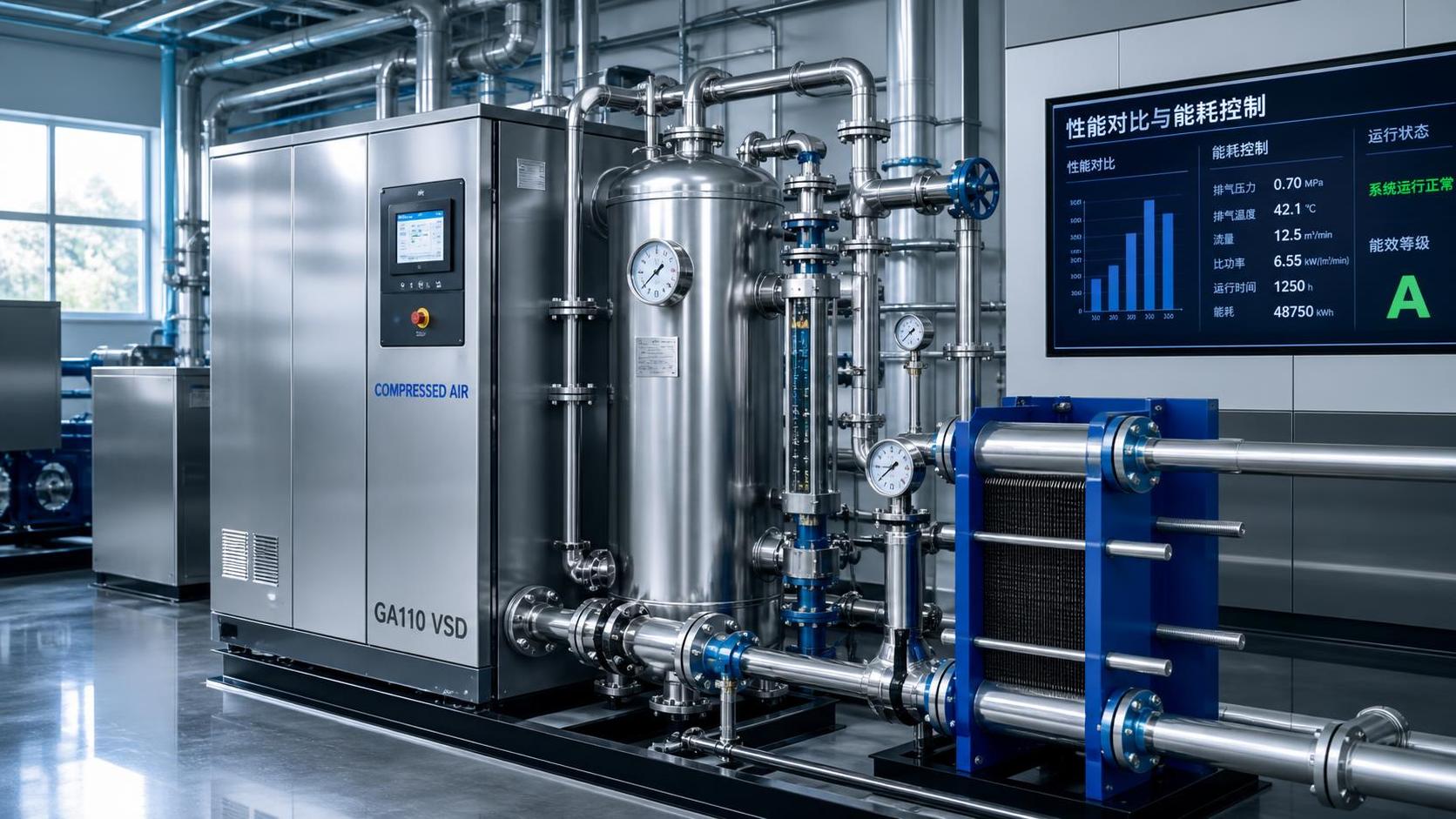
Energy consumption also depends on pressure setpoint, leakage, storage, distribution losses, and the way multiple compressors share load. Before attributing savings to a replacement unit, establish the existing system’s power and air demand across representative operating conditions. Otherwise, a bid may promise savings against a baseline that does not reflect current operation.
Industrial cooling: compare performance at actual conditions
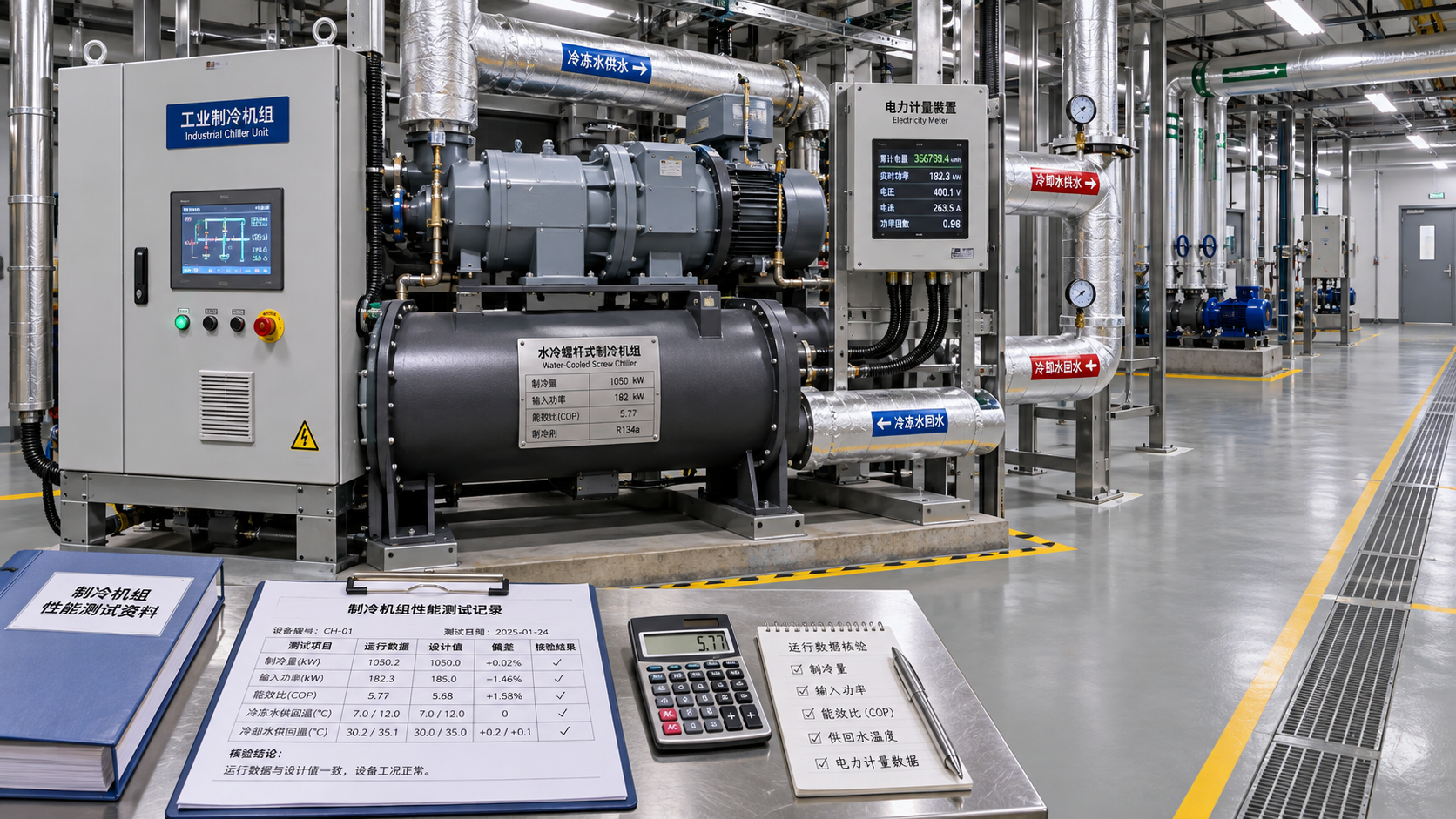
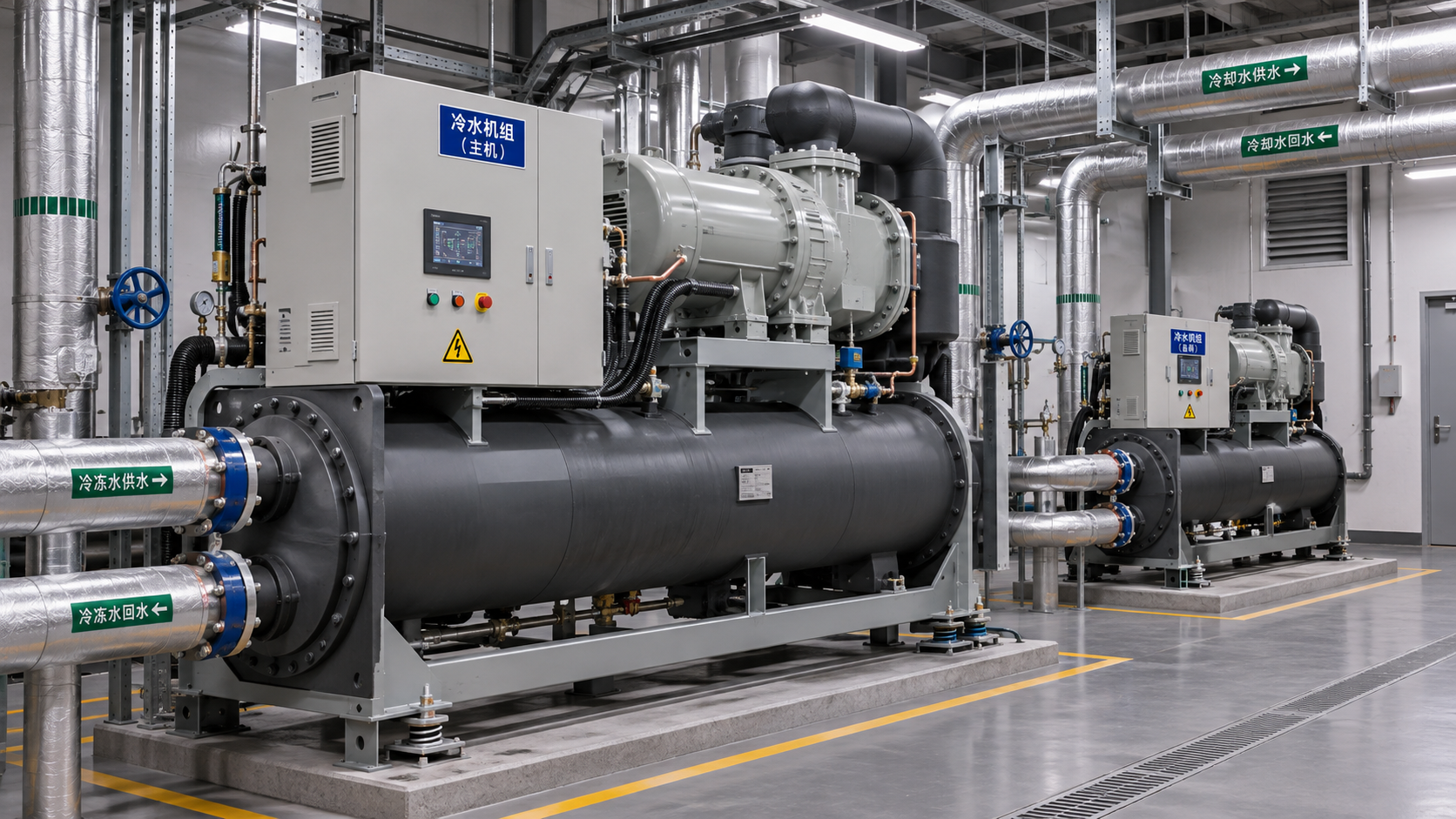
Cooling equipment pricing depends on required cooling capacity, supply and return temperatures, ambient conditions, refrigerant choice, heat rejection method, and part-load controls. A system selected for an extreme design condition may spend much of its life at a different load, making part-load performance material to operating cost.
Refrigerant-related requirements should be checked for the jurisdiction, installation, and expected service life. Include leak detection, safe handling, refrigerant availability, and eventual recovery or replacement obligations where applicable; a lower initial equipment price does not remove those commitments.
Why site integration changes the final cost
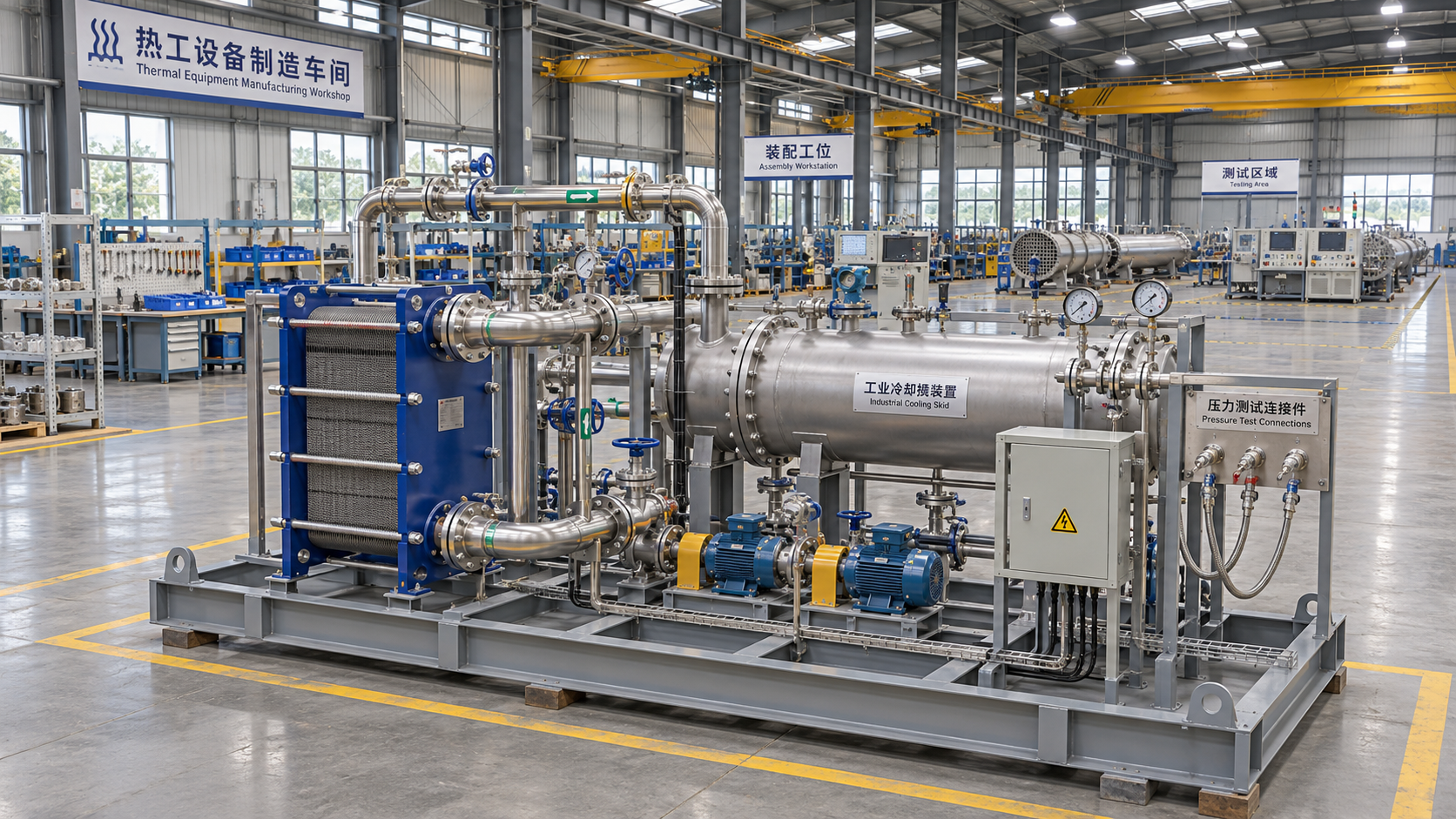
Retrofits must fit around existing production, utility networks, and access routes. New equipment can require structural work, control-system integration, additional pumps, pipe rerouting, or changes to electrical protection. These items may not be visible in a supplier’s standard equipment quotation.
Site surveys should establish space and lifting access, available electrical capacity, tie-in locations, utility quality, and the permitted outage window. If installation must take place during a short shutdown, the cost of temporary services, phased work, expedited materials, and contingency planning belongs in the comparison.
- Existing infrastructure: Confirm whether switchgear, transformers, pipework, cooling water, and drains can support the new load.
- Process continuity: Define acceptable interruptions, temporary capacity needs, and responsibility for restarting the process.
- Interface ownership: Identify who designs, installs, and tests each connection between the package and the site.
- Uncertainty: Separate fixed prices from provisional sums and specify how changes are approved.
An inexpensive package with undefined interfaces can transfer substantial design and schedule risk to the site. A more complete offer may carry a higher initial price while reducing the number of separately managed contracts; whether that premium is worthwhile depends on the internal resources and risk the project can support.
Compare lifetime cost and carbon impact on the same basis
A practical lifecycle comparison combines installed cost with future energy, maintenance, consumables, compliance, and replacement costs, less any credible residual value. Use a common evaluation period and discount rate for all options, and state whether taxes, financing, incentives, and downtime are included.
Lifecycle cost = installed cost + present value of operating and replacement costs − present value of residual value and eligible incentives.
Annual energy cost should use the expected load profile and relevant tariffs, including demand charges where they apply. Do not compare one supplier’s peak-load power figure with another supplier’s annual estimate. Request the calculation method, operating hours, utility prices, and performance assumptions for each proposal.
For an illustrative comparison, suppose one option costs $100,000 more to install and saves $25,000 per year in net operating costs under the agreed assumptions. Its simple incremental payback is four years, before discounting, financing, tax effects, replacement costs, and changes in performance. If the savings depend on an uncertain heat demand or electricity price, test the result at lower utilization and alternative tariffs.
Cost per tonne of emissions avoided can help compare options with different carbon outcomes, but only if the boundary and baseline are consistent. Calculate the change in lifecycle cost relative to the baseline and divide it by emissions avoided over the same period. State the energy and emissions factors used, account for additional electricity or fuel consumption, and avoid counting the same recovered heat or electricity benefit twice.
Turn supplier quotations into comparable commitments
A request for quotation should define the required service rather than prescribe unnecessary features. Provide a common load profile, site conditions, utility costs, availability requirements, emissions-accounting boundary, and expected operating period. Allow alternatives, but require each alternative to identify deviations from the baseline specification.
- Define the performance duty. Specify output, quality, temperature or pressure ranges, ambient conditions, part-load points, and required availability.
- Request an itemized price. Separate equipment, engineering, installation, controls, commissioning, training, spares, and optional services.
- Set the acceptance test. Agree on measurement methods, instruments, test conditions, permitted tolerances, and how results will be corrected if actual conditions differ from design conditions.
- Allocate performance risk. Document guarantees, exclusions, warranty duration, response obligations, and contractual remedies if agreed criteria are not met.
- Assess delivery and support. Confirm lead times, manufacturing and shipping responsibilities, local service coverage, replacement-part access, and software or control-system support.
Where an efficiency guarantee depends on site conditions outside the supplier’s control, define those conditions explicitly. A guarantee is more useful when the contract identifies the baseline, measurement period, required operating data, and procedure for resolving disputed results.
Choose the offer that fits the constraint
When capital is limited, a smaller intervention with a verified load profile and minimal infrastructure changes may be preferable to a complex project whose savings depend on future demand. When energy costs dominate, stronger part-load efficiency and performance guarantees can justify a higher installed price, provided the additional savings are calculated against the same baseline.
Where continuity or compliance is the controlling constraint, availability, redundancy, certification evidence, and service support may outweigh the lowest bid. Keep any incentive separate from the core business case until eligibility and payment conditions are clear. The strongest decision is the one that makes scope, operating assumptions, carbon benefit, and contractual risk visible before the order is placed.
Ready when you are. Send us a message to get started.
Related News
- What drives the price of industrial decarbonization solutions?Author :

- How to prioritize projects in a decarbonization roadmapAuthor :

- How to verify an exporter’s cooling system efficiency claimsAuthor :

- How to assess a thermal systems factory's production capacityAuthor :

- How does capacity affect the price of energy conversion systems?Author :

- How to prioritize industrial decarbonization projectsAuthor :

- How does cooling capacity affect electronics cooling solution prices?Author :

- How to write measurable requirements in a procurement specificationAuthor :

- How to select industrial equipment for automation with existing PLCsAuthor :

- How electricity prices shape industrial compressed air price trendsAuthor :

- Choosing air filtration systems for heavy dust in the Middle EastAuthor :

- How much does a fully installed compressed air monitoring system cost?Author :

- What documentation supports CE marking for industrial equipment?Author :

- How local support affects vacuum system costs in Southeast AsiaAuthor :

- How worldwide industry category guides help compare market opportunitiesAuthor :

- What drives sustainable thermal systems cost over their operating life?Author :

- Which industrial solution comparison criteria prevent project delays?Author :

- How Ambient Temperature and Load Profile Affect Industrial Compressor SizingAuthor :

- What to evaluate before choosing a thermal process engineering supplierAuthor :

- How industrial utility systems affect energy costs in process plantsAuthor :

- What Data Is Needed to Assess Heat Recovery Decarbonization?Author :

- Can Waste Heat Recovery Support Carbon Neutrality Targets?Author :

- Is Compressor Heat Recovery Worth the Installation Cost?Author :

- What to verify before choosing a process separation technology supplierAuthor :

- When does process utilities engineering reduce project rework?Author :

- Where thermal efficiency optimization delivers the fastest savings in EuropeAuthor :

- What should you verify before selecting a heat transfer supplier?Author :

- What drives compressed air systems price for industrial projects?Author :

- How an industrial product knowledge comparison guide reduces sourcing riskAuthor :

- When does a procurement specification planning process reduce bid risk?Author :

- When does thermal system optimization for electronics reduce failure risk?Author :

- When high temperature process heating systems justify the higher energy costAuthor :

- How to compare sludge dewatering equipment by cake drynessAuthor :

- What to Check Before Sourcing a Gas Turbine for Distributed Power ProjectsAuthor :

- What drives industrial thermal systems price in large facility projectsAuthor :

- How to build an industrial product comparison chart that speeds up vendor selectionAuthor :