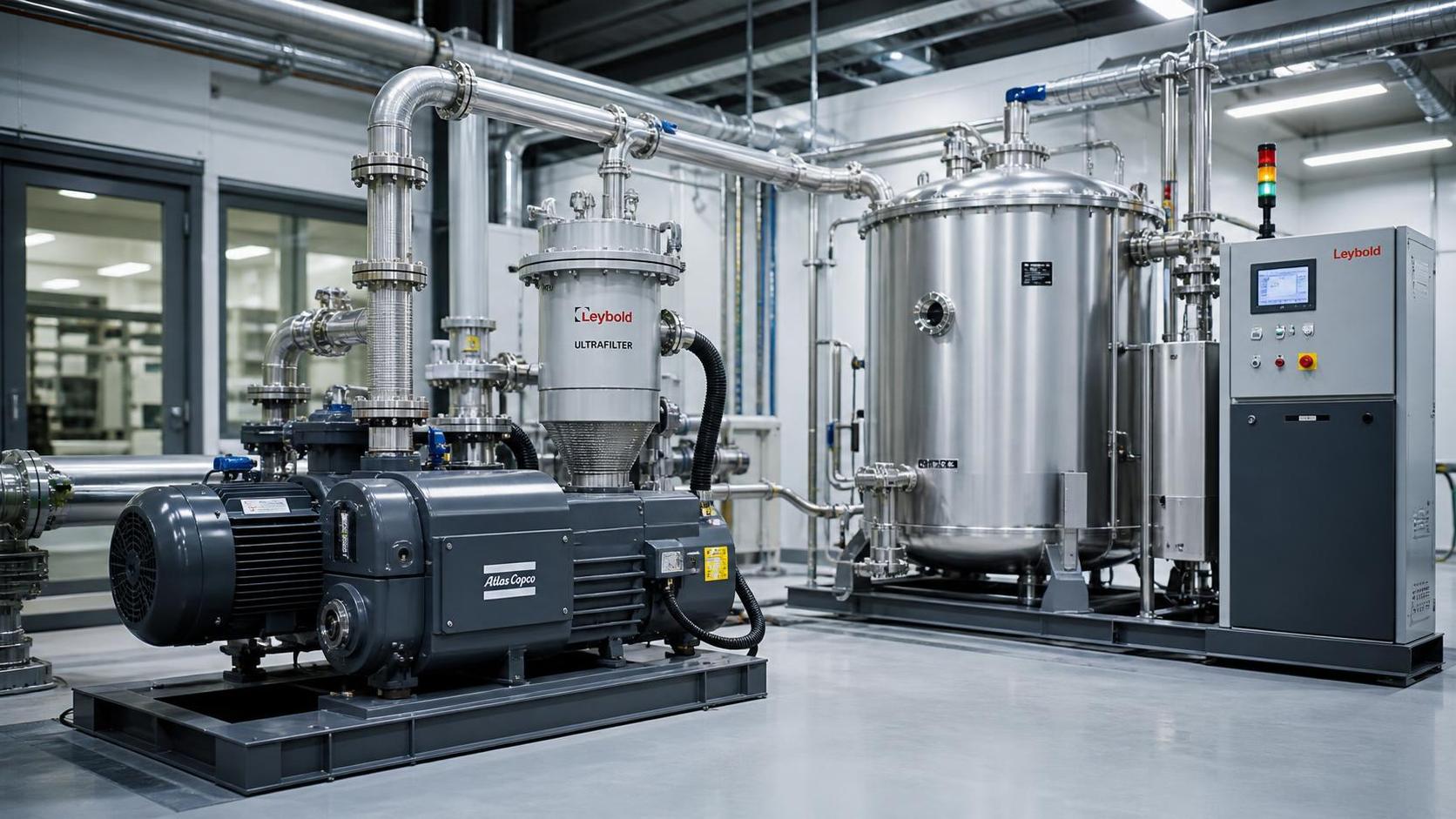
How to prioritize projects in a decarbonization roadmap




A decarbonization roadmap is only as effective as the investment decisions behind it. For business leaders, prioritization means balancing emissions reductions, financial returns, operational risk, and implementation readiness—not simply funding the most visible initiative.
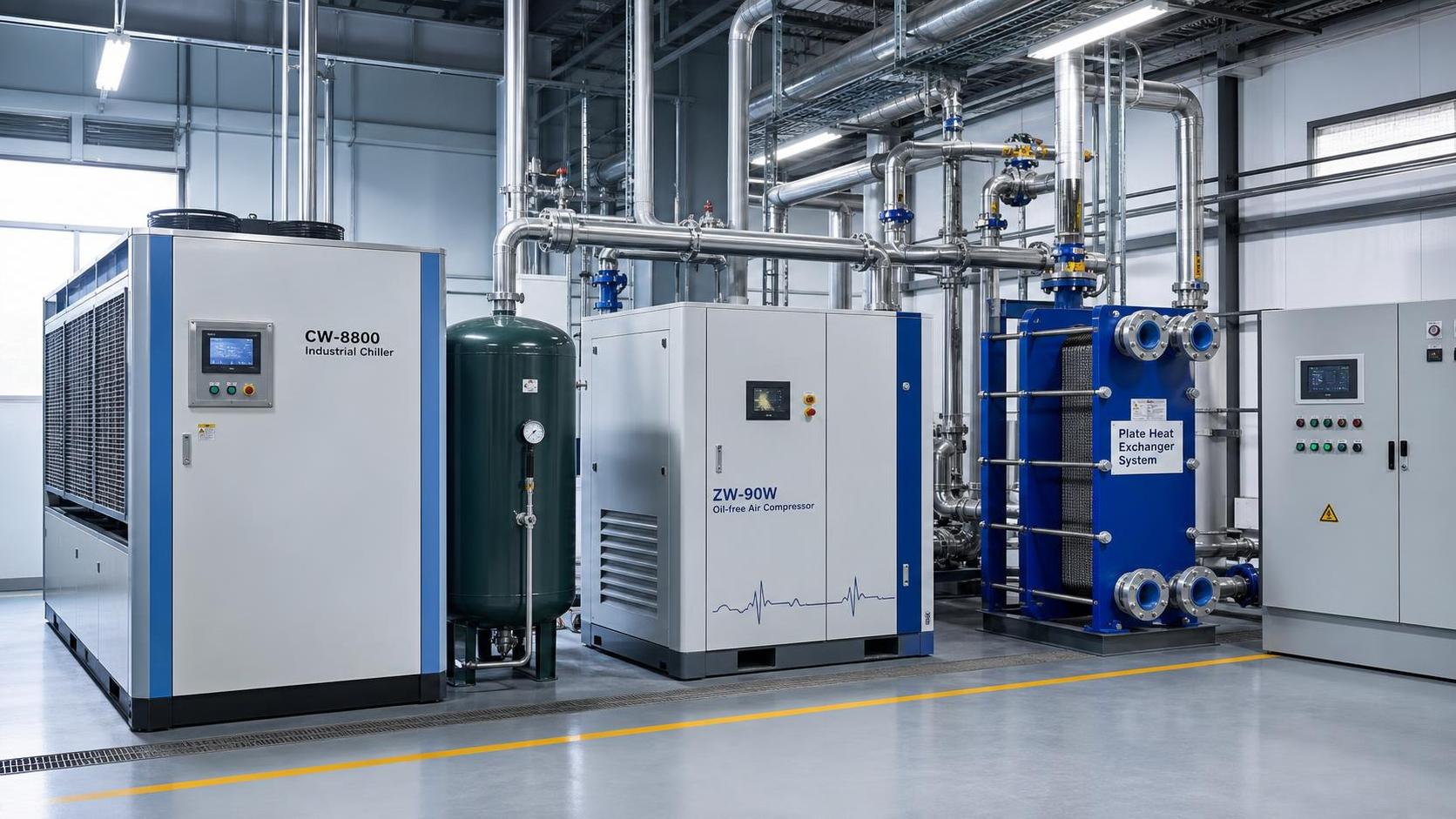
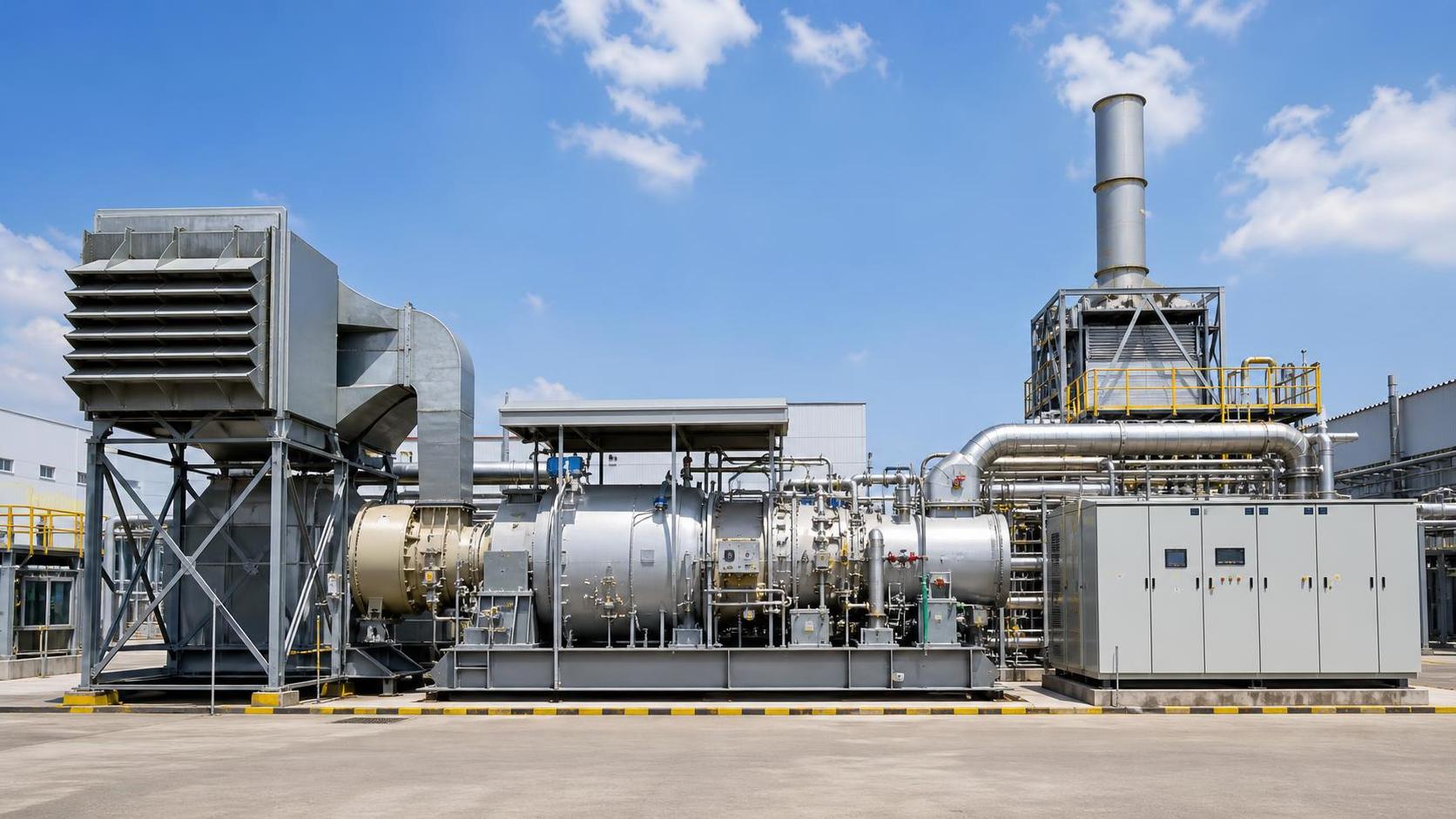
A compressed air upgrade may deliver savings quickly, while waste heat recovery could require a longer engineering study but unlock substantial value across a site. The challenge is to compare those opportunities on consistent assumptions, understand their dependencies, and build a portfolio that can actually be delivered.
Start with the decision, not the project list
Before asking sites to submit ideas, define what the roadmap must achieve and when. A portfolio designed to meet a near-term operating-cost target may look different from one designed around a longer-term emissions commitment or an impending asset replacement.
Agree on the organizational boundaries, target years, applicable emissions scopes, available capital, and operating constraints. Then establish a baseline for each material source: energy use, production activity, operating hours, energy prices, and current emissions factors. Record data gaps rather than disguising them as certainty.
The GHG Protocol Corporate Standard provides the foundation for corporate emissions inventories, while its Scope 2 guidance addresses accounting for purchased electricity and other energy. Project-level analysis should use methods consistent with the company’s inventory and target boundaries. Sources: GHG Protocol, Corporate Standard (https://ghgprotocol.org/corporate-standard) and Scope 2 Guidance (https://ghgprotocol.org/scope-2-guidance).
Separate emissions that the company controls from those influenced through suppliers or customers. A project can still be valuable outside a formal target boundary, but its contribution should be reported separately rather than blended into a single number.
Build a comparable project pipeline
Require every proposal—from compressor controls to process electrification—to use the same minimum information. Early estimates can be approximate, provided their uncertainty is visible and decision-makers know what evidence is needed next.
- Baseline and boundary: Identify the equipment, site, fuel or electricity use, operating profile, and emissions sources affected.
- Technical intervention: Describe what changes, including dependencies on production schedules, utilities, maintenance, or other projects.
- Annual impact: Estimate energy changes by fuel and electricity, annual emissions reductions, and any effects on production or product quality.
- Economics: Include installed capital, engineering, downtime, maintenance, energy costs, incentives where eligible, and end-of-life costs or residual value.
- Delivery readiness: Identify the project owner, available data, engineering maturity, permitting needs, supply-chain constraints, and likely implementation window.
- Confidence: Distinguish measured values from assumptions and identify the variables most likely to change the outcome.
Use a common analysis period and discount-rate convention for financial comparisons. Do not reject a strategically necessary long-lived asset simply because its payback is longer than that of a minor controls adjustment; instead, compare alternatives over a relevant asset life and assess their contribution to the target.
Calculate emissions and financial value on the same basis
For a straightforward efficiency project, estimate annual energy savings as baseline consumption minus expected consumption after implementation, adjusted for a consistent production level and operating schedule. Apply appropriate emissions factors to each energy stream. An electrification project must account for both the fuel avoided and the additional electricity consumed.
Illustrative calculation: If a project avoids 1,000 MWh of fuel use per year and adds 200 MWh of electricity use, estimate its annual emissions change as: avoided fuel emissions minus added electricity emissions. The result depends on the relevant fuel and electricity factors; the energy figures alone do not establish the carbon benefit.
For purchased electricity, be explicit about whether the estimate uses location-based or market-based accounting. Assess changes in contractual instruments separately from physical energy savings, and avoid implying that a grid-average factor automatically represents the actual emissions effect of a particular project. The GHG Protocol’s Scope 2 Guidance explains the accounting approaches and associated requirements.
For finance, calculate net present value using the expected timing of cash flows. Simple payback is useful for screening, but it excludes cash flows after payback and does not capture the time value of money. Where useful, calculate an abatement cost: the incremental lifecycle cost of a project divided by its estimated lifecycle emissions reduction. State the assumptions, scope, and time horizon; a negative result indicates modeled net savings under those assumptions, not a guaranteed return.
Avoid counting the same reduction twice
Project interactions can materially change rankings. Fixing compressed air leaks before replacing a compressor changes the load used to size the new machine. Recovering heat from a process may reduce the benefit attributed to a later boiler upgrade. Model the projects in sequence or as a combined package, and allocate the resulting savings consistently.
Also test whether a proposed “savings” estimate reflects a genuine change from the chosen baseline. Replacing failed equipment with the only viable alternative is a different decision from choosing a lower-emissions option over a credible conventional replacement.
Score the decarbonization roadmap without hiding trade-offs
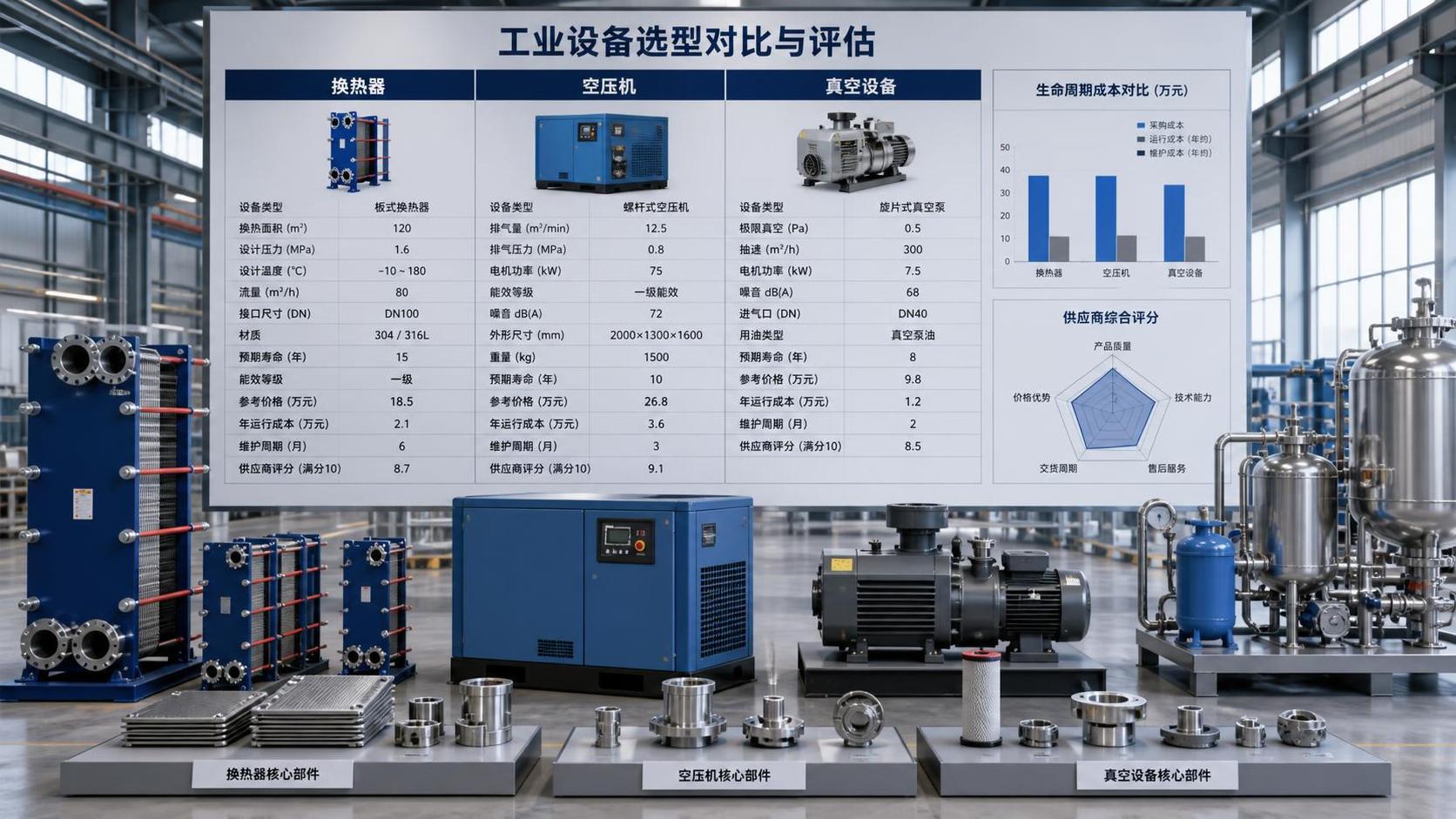
A weighted score helps a leadership team compare unlike projects, but it should inform judgment rather than replace it. Set the weights before scoring individual proposals and document why they reflect the business strategy. The example below is a starting point, not a universal formula.
Score each criterion on a defined scale, such as one to five, with written anchors. For operational risk, a higher score should mean lower or well-managed risk. Multiply each score by its weight and sum the results. Record the rationale so a high score cannot be awarded merely because a project has an enthusiastic sponsor.
Keep non-negotiable gates outside the score. A project that cannot meet applicable safety requirements or threatens an essential production constraint should not advance solely because it offers attractive carbon savings. Conversely, a mandatory compliance project may need funding even if its weighted score is modest.
Test the ranking before approving capital
Recalculate the leading projects using plausible changes in electricity and fuel prices, operating hours, emissions factors, capital costs, and completion dates. If a small change reverses the ranking, commission better data or make the uncertainty explicit in the investment decision. For large projects, show a range of outcomes rather than a single precise-looking forecast.
Sequence projects as a portfolio
Ranking projects individually is only half the job. The best decarbonization roadmap also reflects shutdown windows, engineering capacity, grid access, equipment condition, and dependencies between interventions.
- Act on verified no-regret measures. Address well-understood operating and maintenance opportunities where the business case and implementation risks are clear.
- Develop high-impact options. Fund metering, feasibility studies, and design work for projects whose potential is material but whose costs or performance remain uncertain.
- Reserve critical windows. Align major replacements with planned outages and asset renewal where practical; assess whether waiting creates unacceptable emissions or reliability consequences.
- Enable later investments. Identify upgrades to electrical capacity, controls, piping, metering, or workforce skills that other projects depend on.
- Review the portfolio constraint. Check whether the selected set fits available capital, staffing, production capacity, and the emissions trajectory—not just the scorecard.
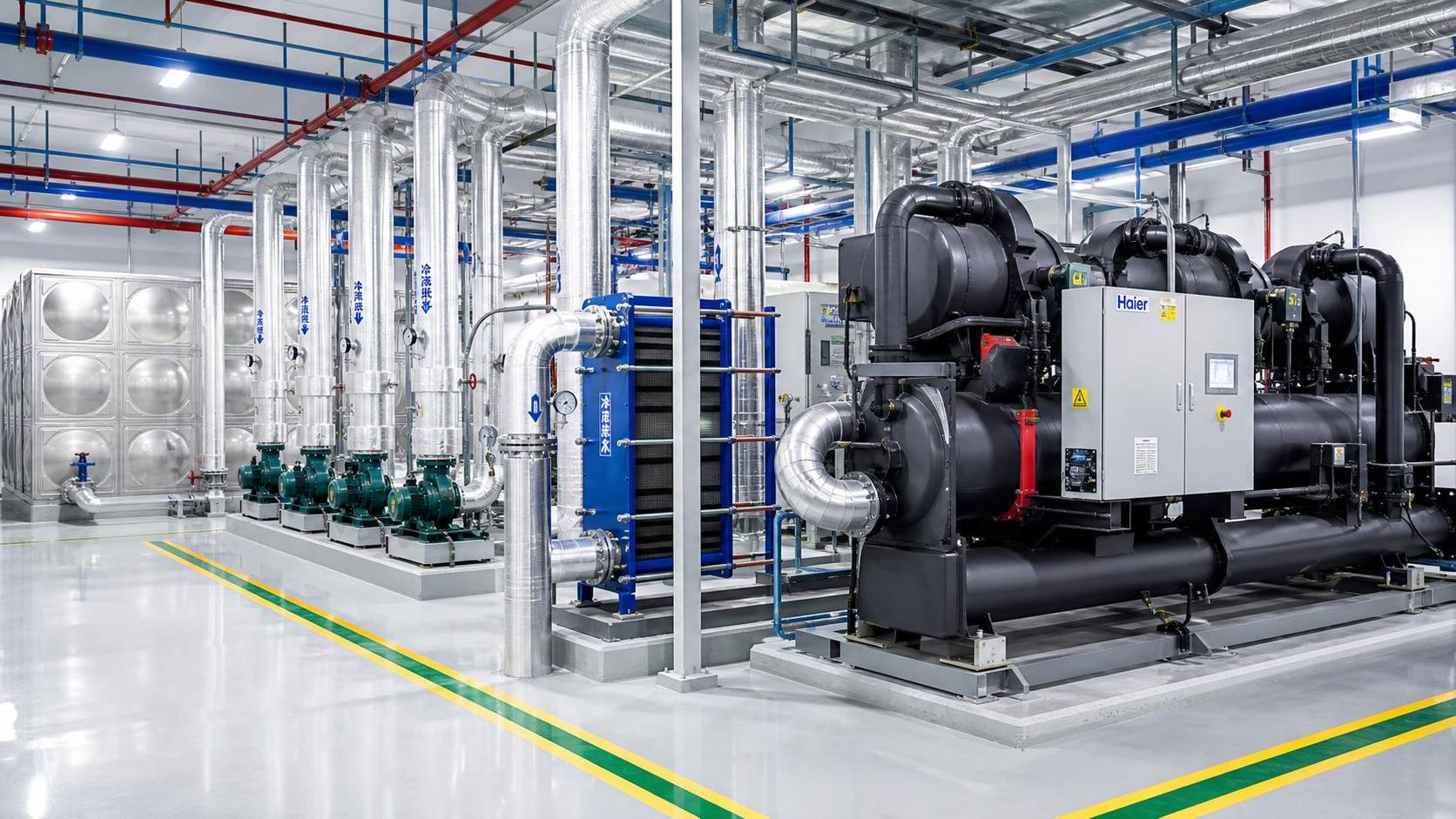
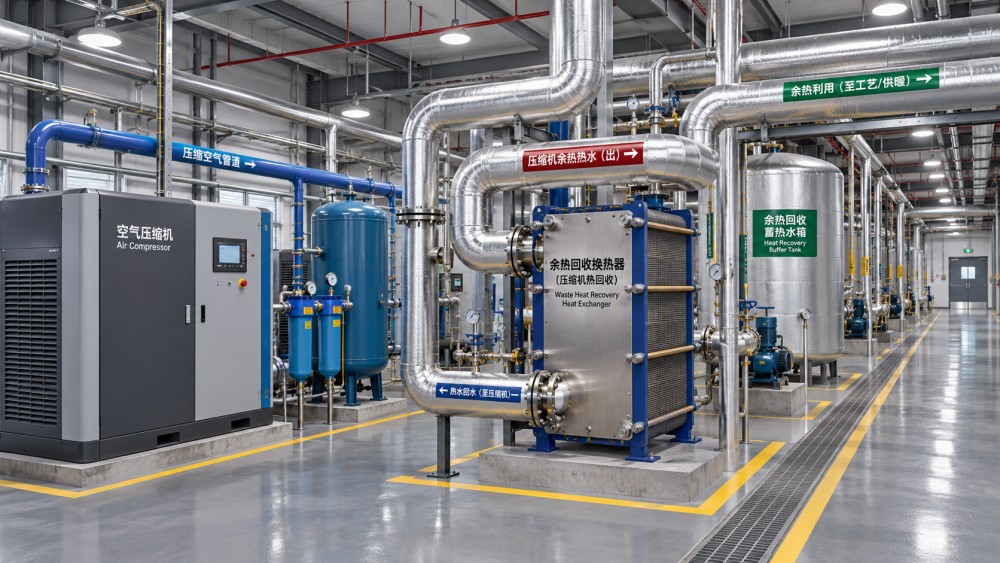
For example, a site considering waste heat recovery should examine not only the heat available at the source, but also its temperature, timing, distance from demand, and the reliability of the receiving process. If supply and demand do not coincide, storage or a different use may be necessary. A technically attractive heat source is not automatically an investable project.
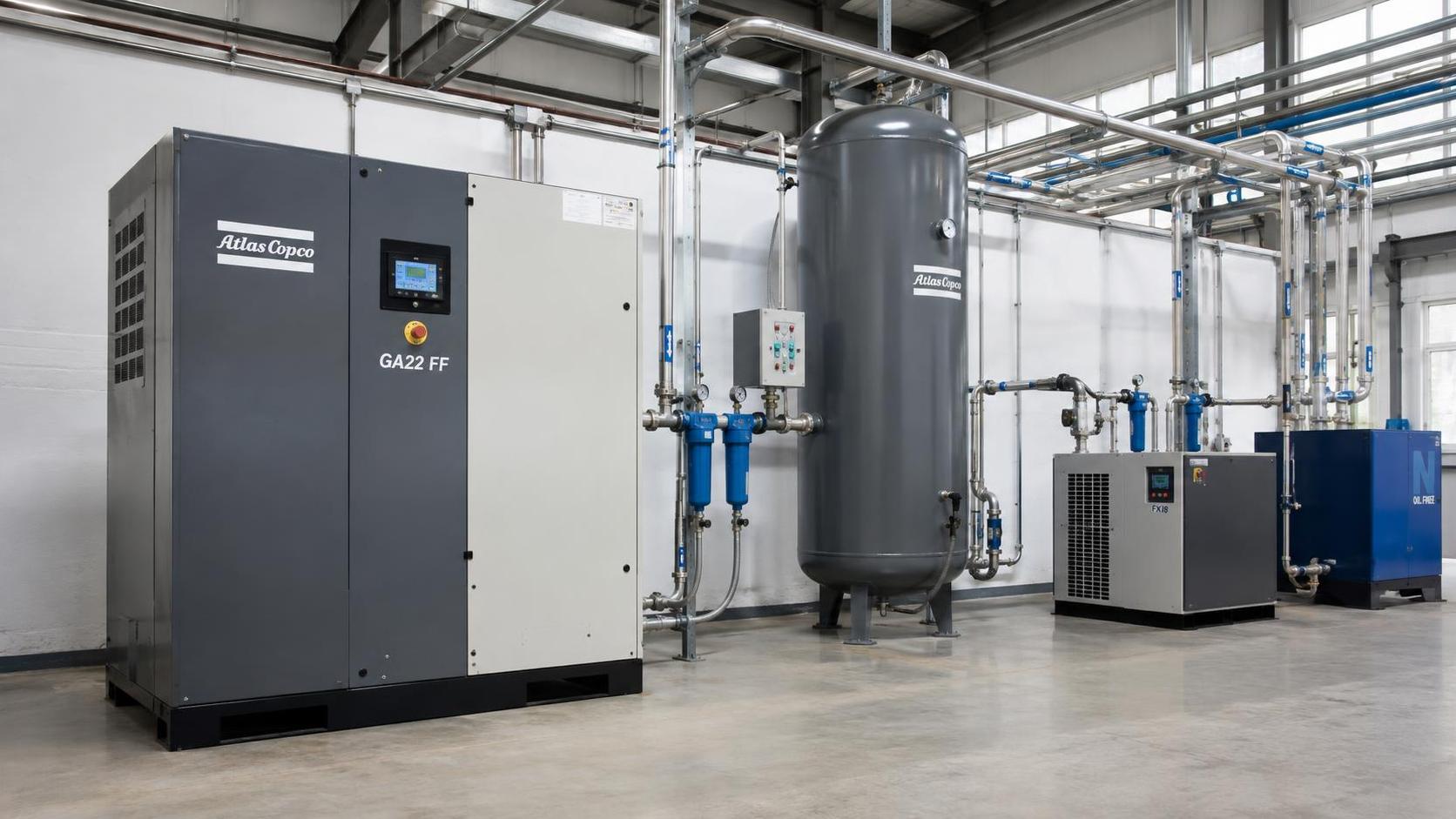
Similarly, compressed air projects should be assessed as a system. Leak repair, pressure optimization, controls, storage, and equipment replacement can interact. Verify demand and required pressure before sizing a replacement compressor, and protect critical air-quality and reliability requirements throughout the design.
Turn approval into measured performance
Assign an accountable owner to every approved project and define a measurement and verification plan before installation. Specify the baseline, meters, production adjustments, calculation method, reporting period, and responsibility for resolving deviations.
The International Performance Measurement and Verification Protocol provides a framework for assessing energy savings; the appropriate approach depends on the project boundary, available data, and required confidence. Source: Efficiency Valuation Organization, IPMVP overview (https://evo-world.org/en/products-services-mainmenu-en/protocols/ipmvp).
Track both implementation and outcomes: capital spent, commissioning status, actual energy use, emissions calculated under the chosen method, financial performance, and operational issues. Compare actual results with the approved forecast and investigate material differences. Refresh the roadmap when production plans, energy contracts, regulations, technology options, or asset conditions change.
Frequently asked questions
Should the fastest-payback projects always come first?
No. Quick payback can release cash and demonstrate progress, but it does not capture every strategic dependency or long-term emissions requirement. Fund strong near-term opportunities alongside the engineering work needed for larger, longer-lead projects.
How should projects with limited data be treated?
Do not compare an uncertain estimate with a measured proposal as if both had equal confidence. Use ranges, score readiness explicitly, and authorize a proportionate study or metering effort before committing full capital.
How often should priorities be reviewed?
Review the portfolio at least as part of the normal capital-planning cycle and revisit individual decisions when material assumptions change. Keep the baseline and calculation methods controlled so that revised rankings remain traceable.
Ready when you are. Send us a message to get started.
Related News
- How to prioritize projects in a decarbonization roadmapAuthor :

- How to verify an exporter’s cooling system efficiency claimsAuthor :

- How to assess a thermal systems factory's production capacityAuthor :

- How does capacity affect the price of energy conversion systems?Author :

- How to prioritize industrial decarbonization projectsAuthor :

- How does cooling capacity affect electronics cooling solution prices?Author :

- How to write measurable requirements in a procurement specificationAuthor :

- How to select industrial equipment for automation with existing PLCsAuthor :

- How electricity prices shape industrial compressed air price trendsAuthor :

- Choosing air filtration systems for heavy dust in the Middle EastAuthor :

- How much does a fully installed compressed air monitoring system cost?Author :

- What documentation supports CE marking for industrial equipment?Author :

- How local support affects vacuum system costs in Southeast AsiaAuthor :

- How worldwide industry category guides help compare market opportunitiesAuthor :

- What drives sustainable thermal systems cost over their operating life?Author :

- Which industrial solution comparison criteria prevent project delays?Author :

- How Ambient Temperature and Load Profile Affect Industrial Compressor SizingAuthor :

- What to evaluate before choosing a thermal process engineering supplierAuthor :

- How industrial utility systems affect energy costs in process plantsAuthor :

- What Data Is Needed to Assess Heat Recovery Decarbonization?Author :

- Can Waste Heat Recovery Support Carbon Neutrality Targets?Author :

- Is Compressor Heat Recovery Worth the Installation Cost?Author :

- What to verify before choosing a process separation technology supplierAuthor :

- When does process utilities engineering reduce project rework?Author :

- Where thermal efficiency optimization delivers the fastest savings in EuropeAuthor :

- What should you verify before selecting a heat transfer supplier?Author :

- What drives compressed air systems price for industrial projects?Author :

- How an industrial product knowledge comparison guide reduces sourcing riskAuthor :

- When does a procurement specification planning process reduce bid risk?Author :

- When does thermal system optimization for electronics reduce failure risk?Author :

- When high temperature process heating systems justify the higher energy costAuthor :

- How to compare sludge dewatering equipment by cake drynessAuthor :

- What to Check Before Sourcing a Gas Turbine for Distributed Power ProjectsAuthor :

- What drives industrial thermal systems price in large facility projectsAuthor :

- How to build an industrial product comparison chart that speeds up vendor selectionAuthor :

- Vacuum Technology Application Guide for Selecting the Right SystemAuthor :