


How does capacity affect the price of energy conversion systems?




Capacity has a direct effect on the purchase price of an energy conversion system, but the relationship is not one-to-one. A larger system generally costs more in total, while its price per unit of rated output can be lower because controls, enclosures, engineering, and other fixed costs are spread over more capacity. That apparent saving does not automatically make the larger system the better purchase.
The useful comparison is between the capacity the process needs under defined conditions and the full cost of delivering it over time. An oversized unit can spend much of its life at inefficient part load, while an undersized one can force production curtailment or require an expensive upgrade. Both outcomes can outweigh the initial price difference between bids.
Why capacity changes the equipment price
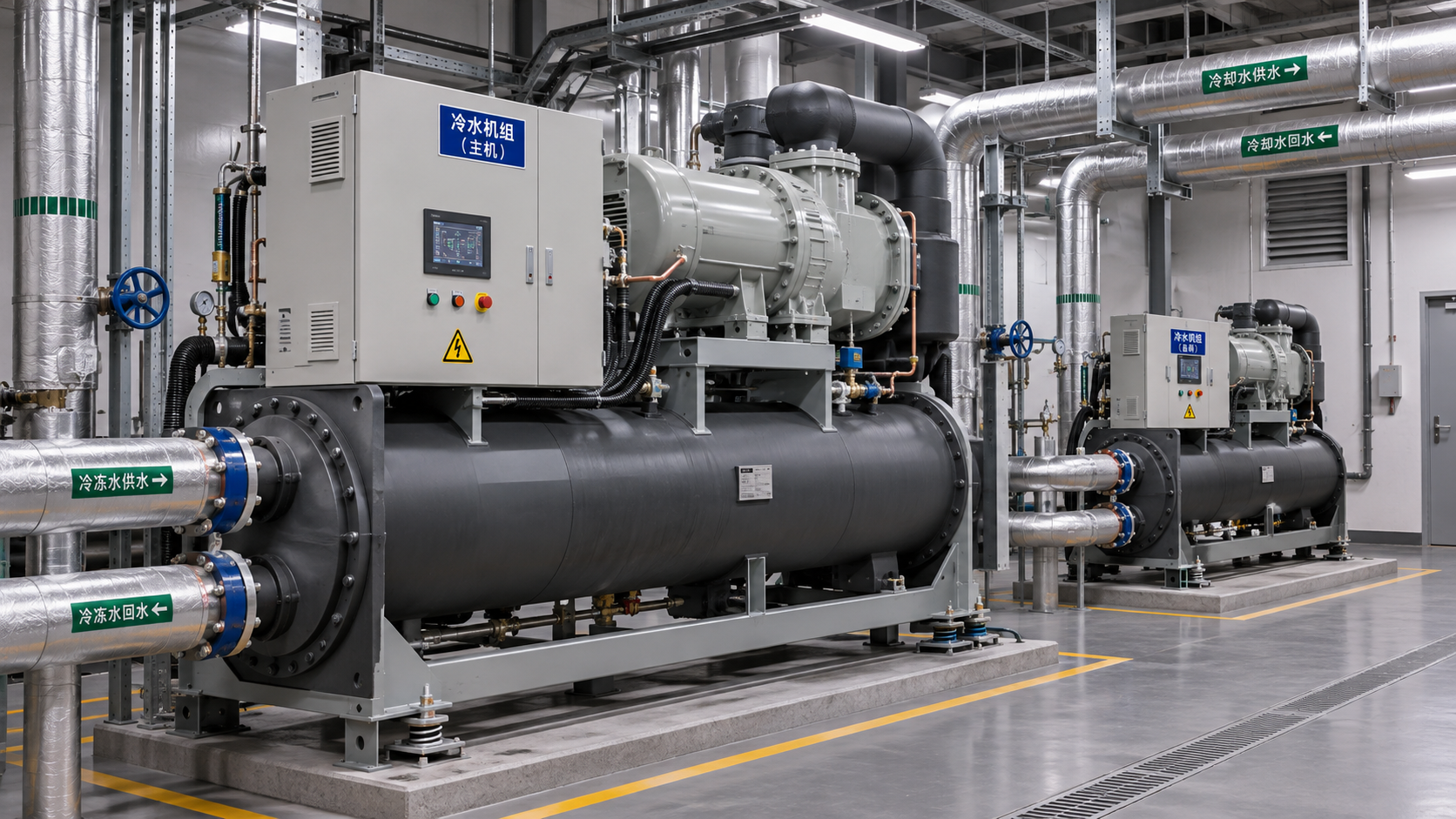
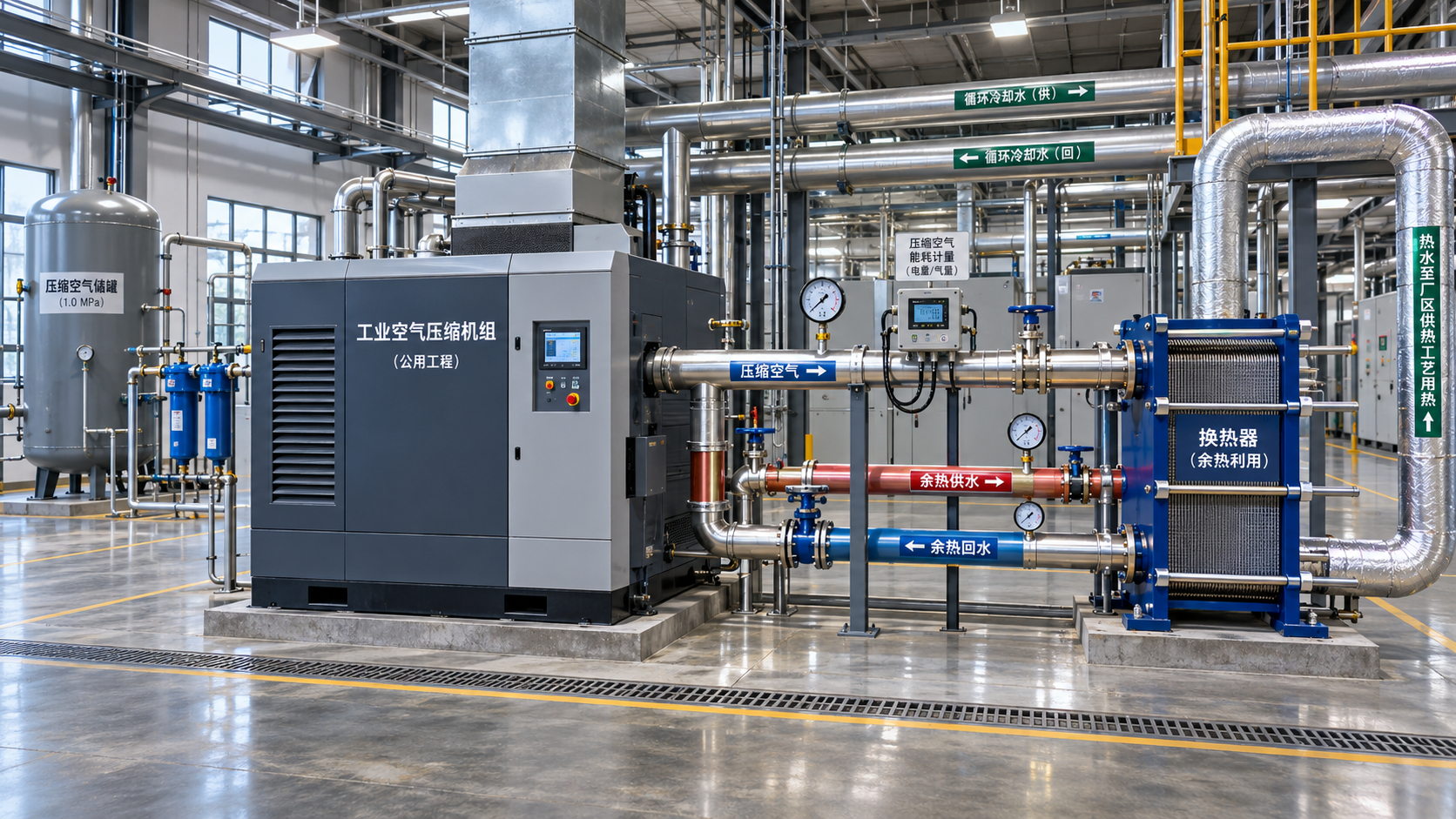
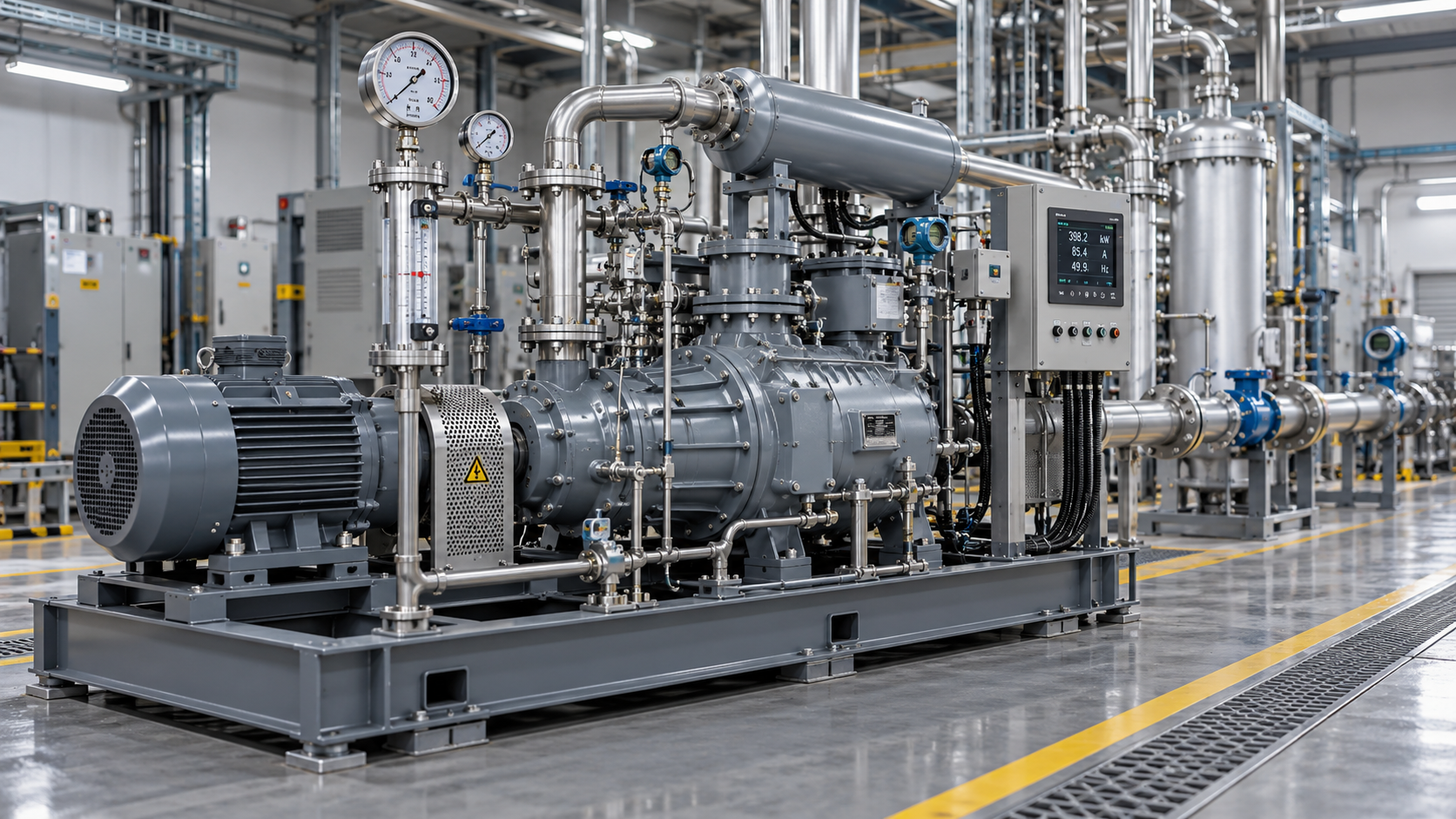
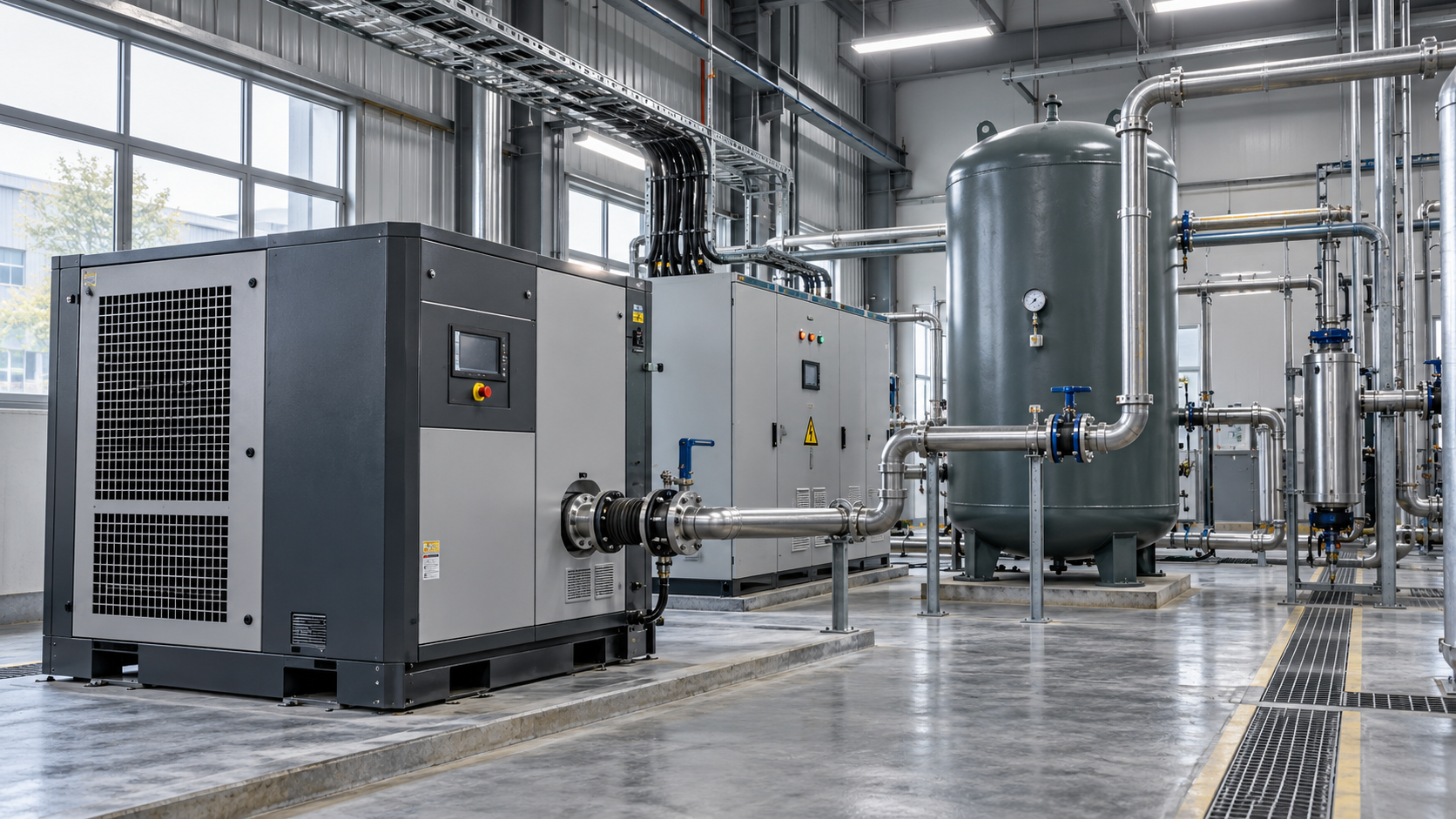
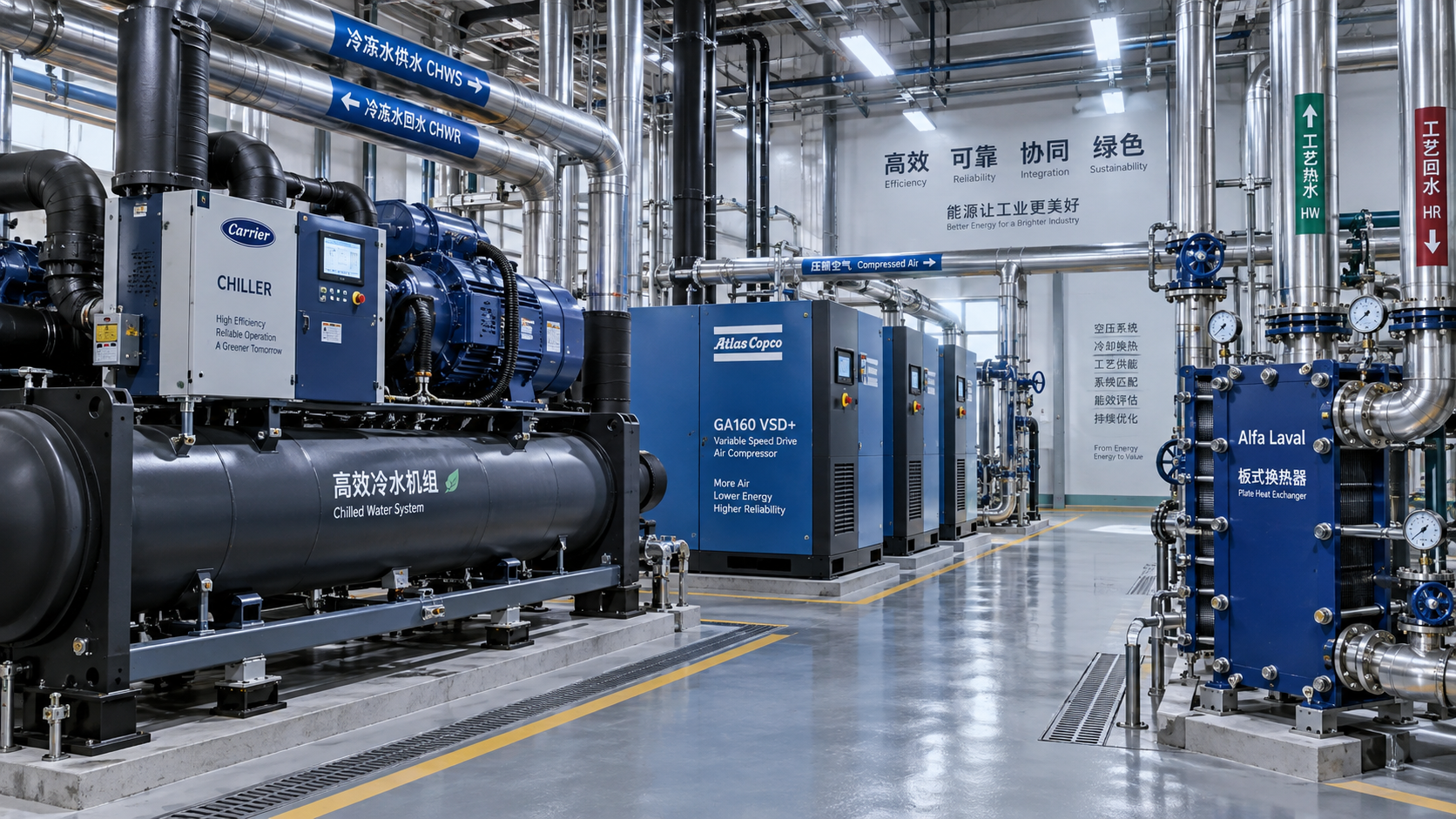
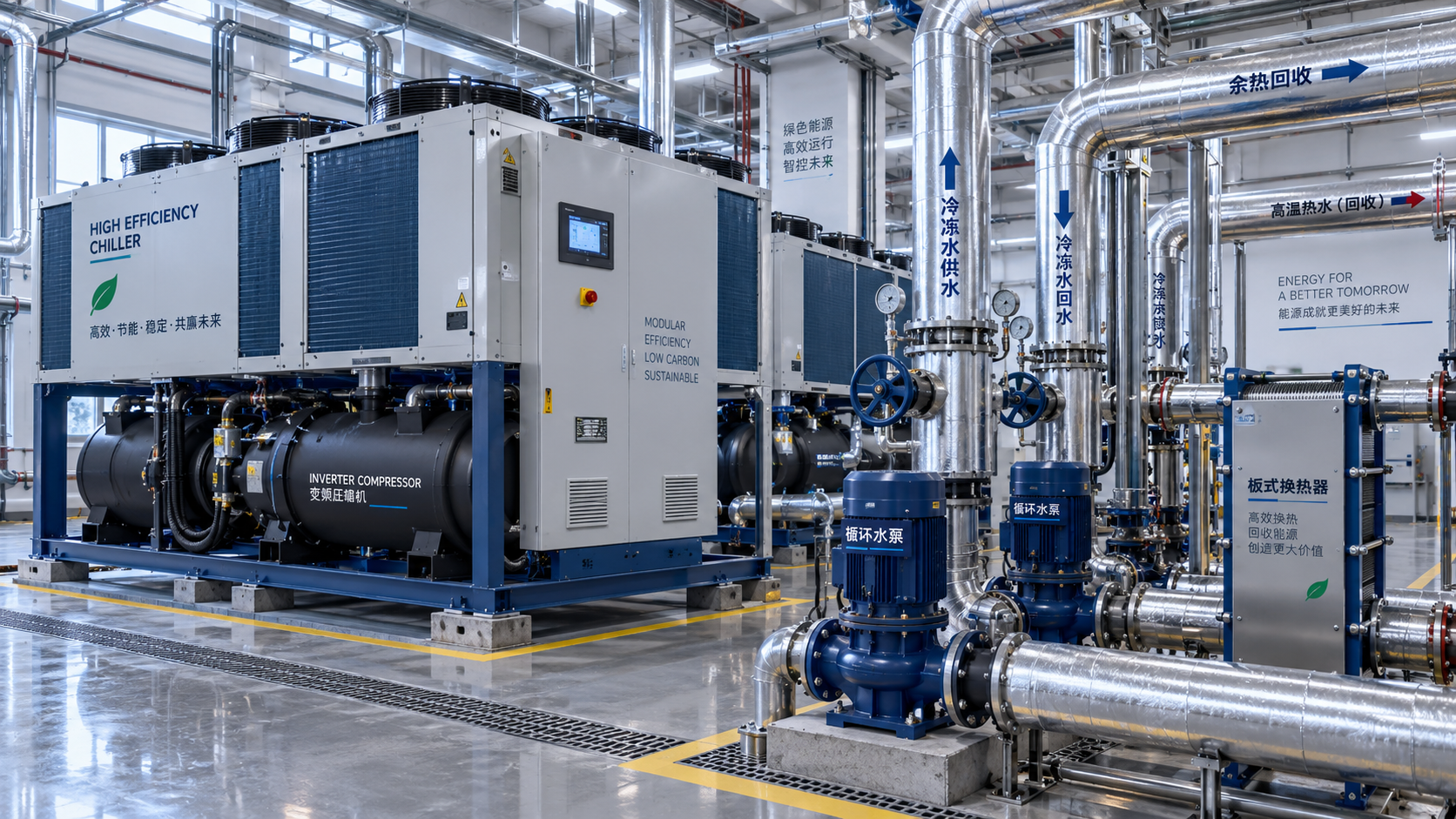
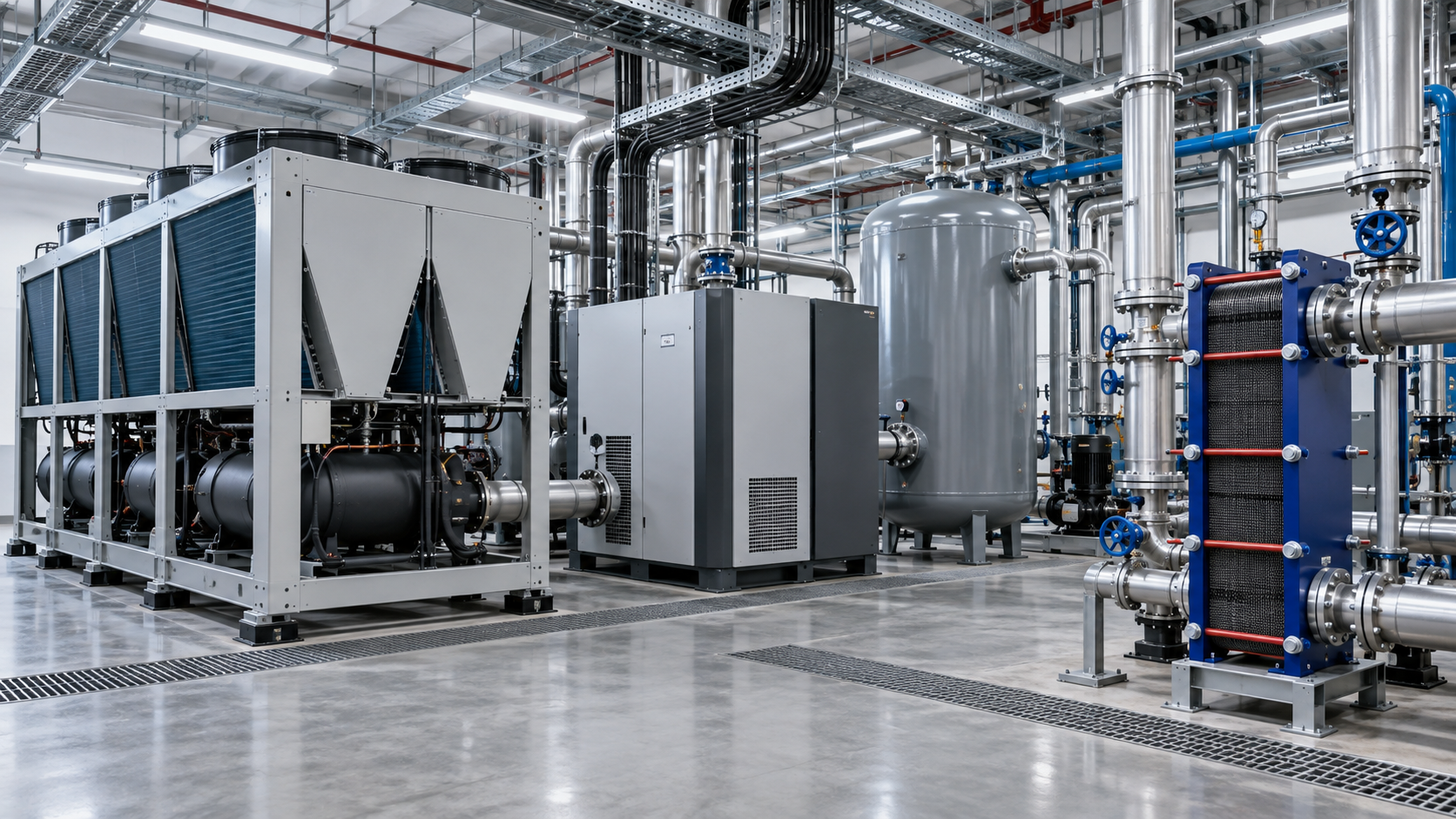
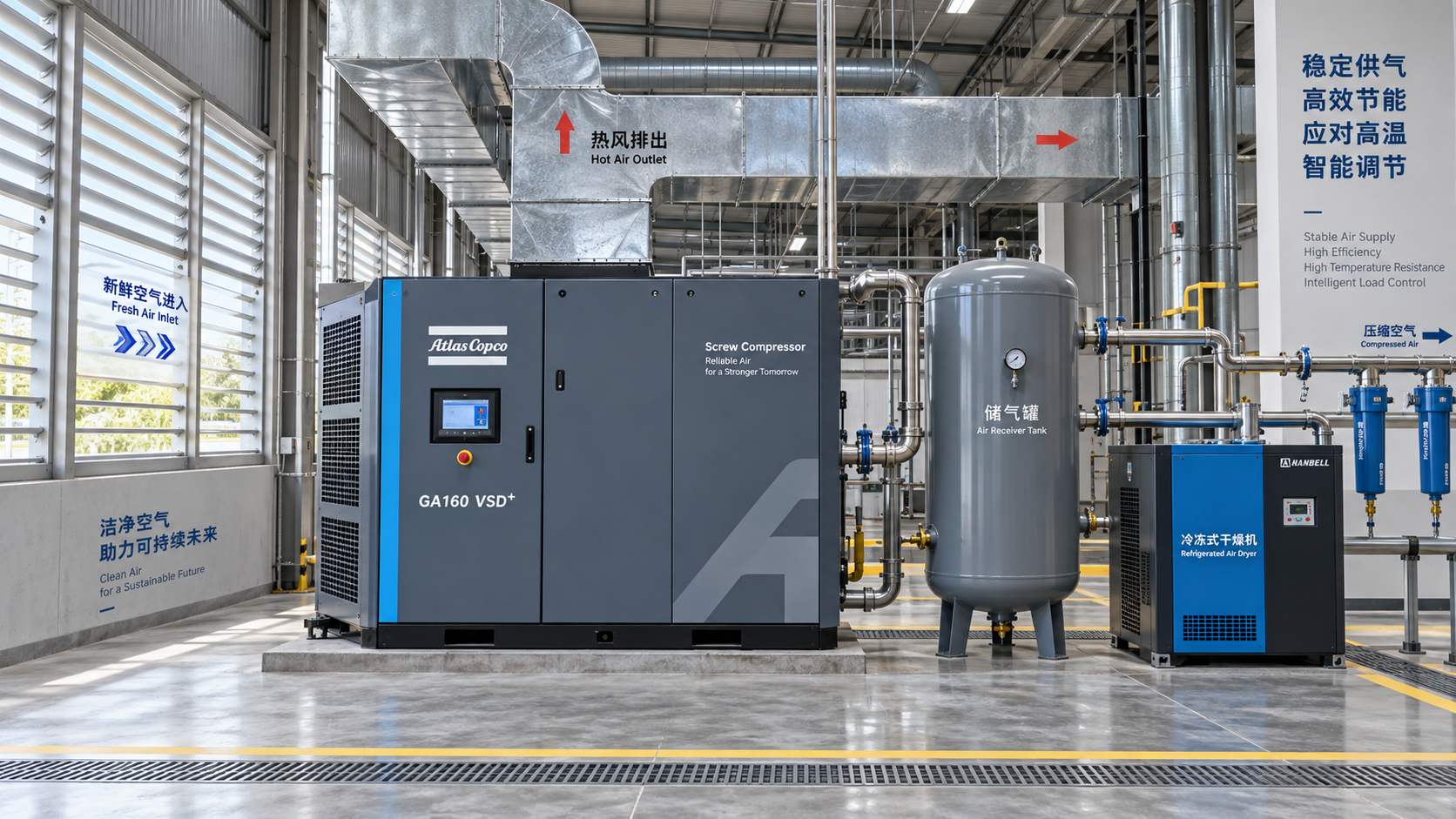
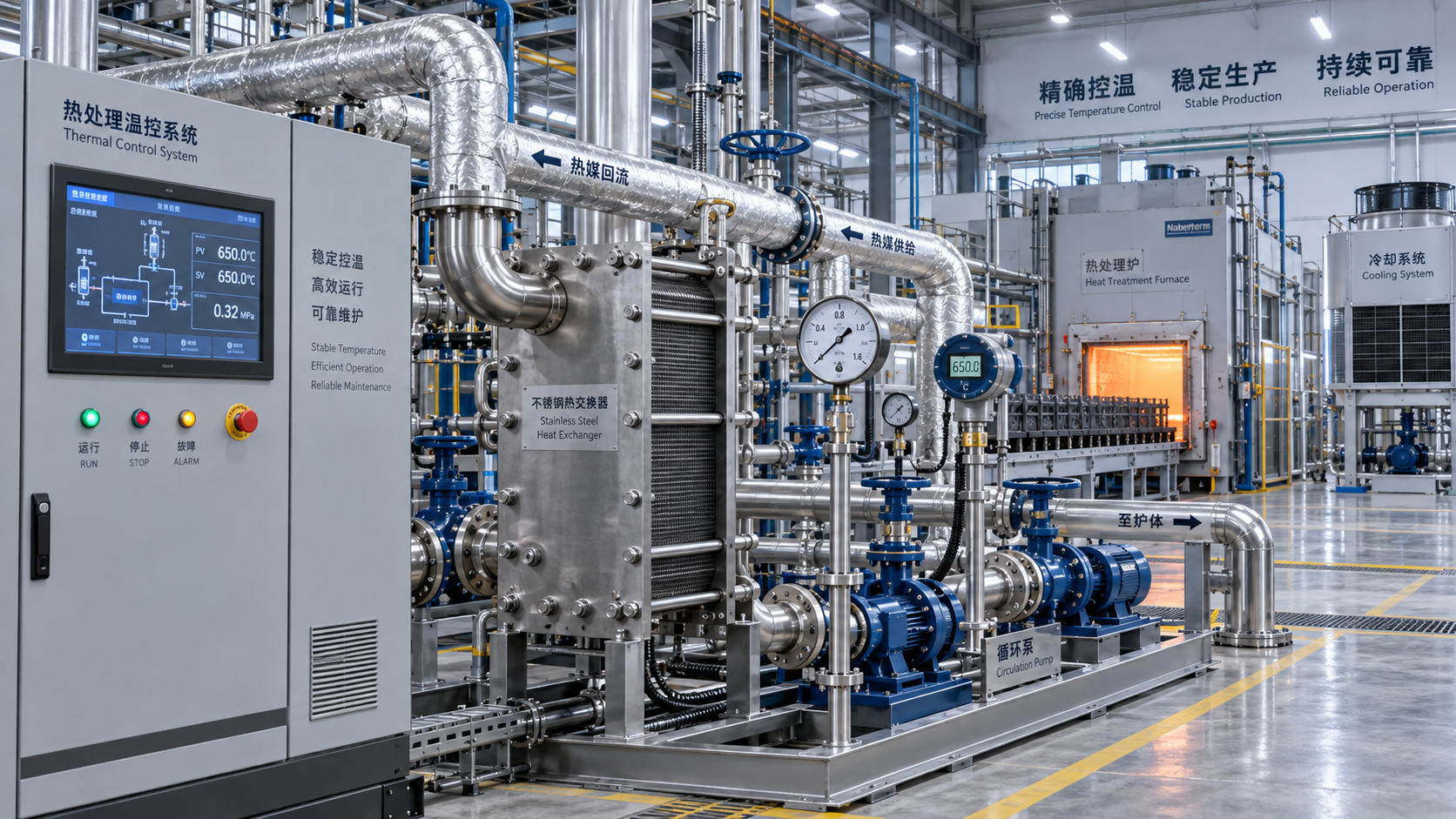
Energy conversion systems cover equipment with different functions, including heat pumps, boilers, chillers, compressors, and generators. Their output ratings are not interchangeable: a chiller may be rated in kilowatts of cooling, a boiler in kilowatts of heat or steam output, and a compressor by delivered air flow at a specified pressure.
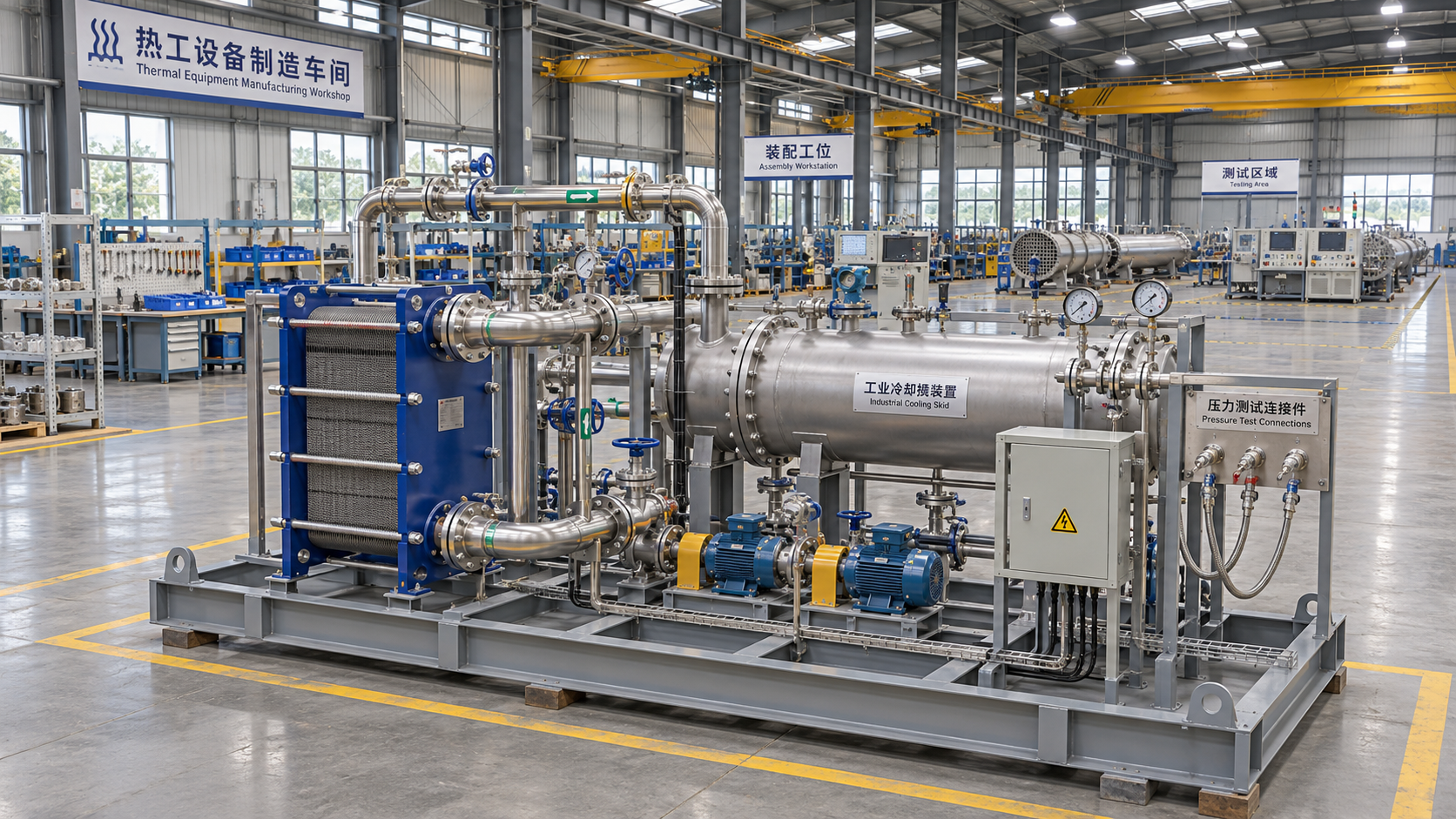
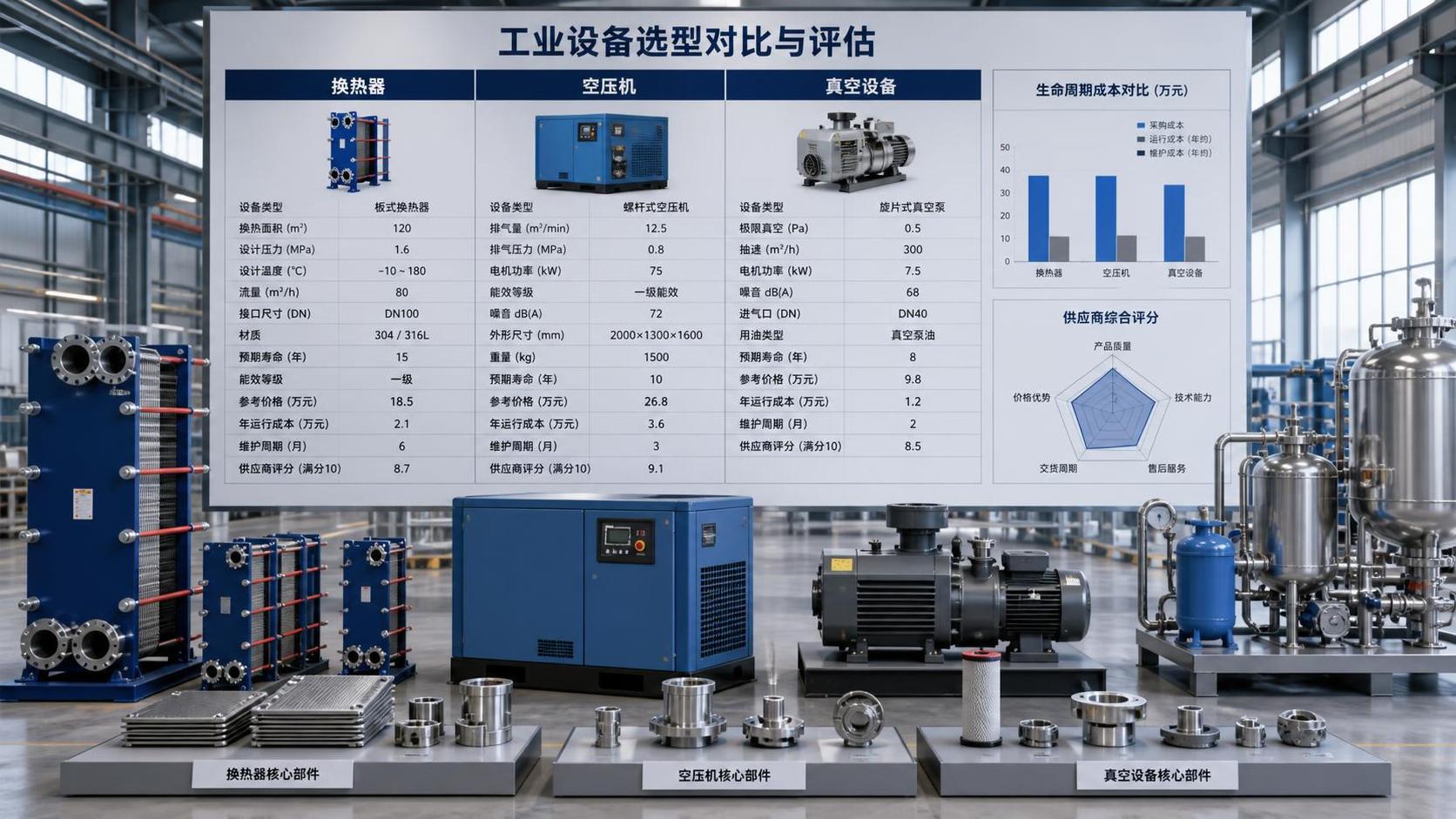
Within a comparable equipment category, increasing capacity generally requires larger or additional components. Heat exchangers need enough surface area for the required thermal duty; compressors and pumps must handle the specified flow and pressure; electrical components must carry the relevant load. Materials, manufacturing, and testing costs rise accordingly.
Some costs, however, do not increase in direct proportion to output. A control panel, safety system, documentation package, or enclosure may be required for either a smaller or larger machine. This can reduce the cost per kilowatt, cubic metre per minute, or other unit of rated capacity as the system gets bigger.
That economy of scale has limits. A capacity increase can cross a design threshold that requires a different compressor frame, an additional heat exchanger, heavier lifting equipment, or a higher-voltage electrical supply. The quoted price can therefore rise in steps rather than along a smooth curve. Two machines with similar nominal ratings may also have different prices because one includes redundancy, higher efficiency, or a wider operating range.
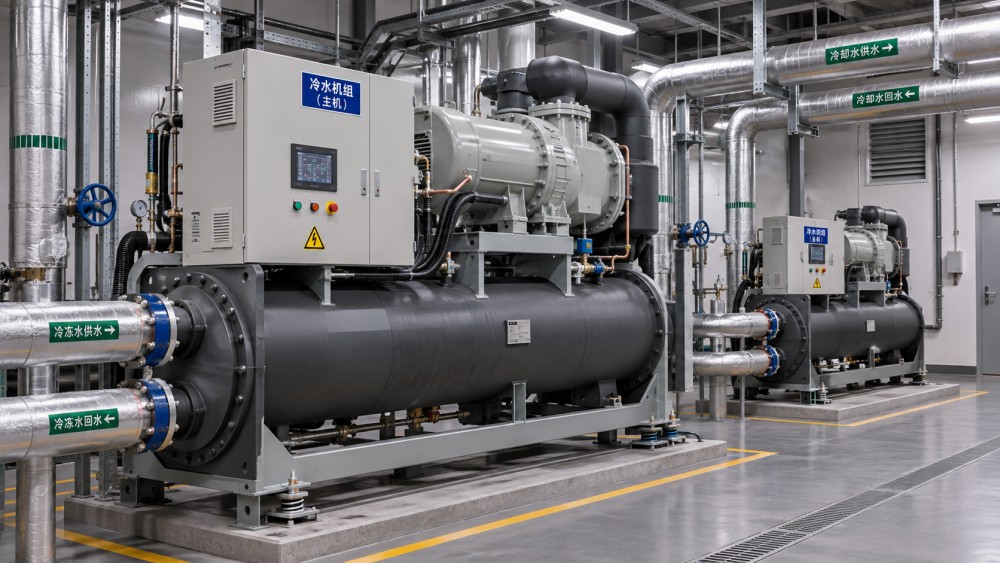
Price per unit of capacity is useful—but only at the same conditions
Dividing the quoted equipment price by rated output provides a quick comparison, but the result is meaningful only when the ratings describe the same service. A cooling system rated at one set of ambient and leaving-water temperatures cannot be compared directly with a system rated at more demanding conditions. For compressed air, capacity should be assessed at the required delivery pressure and with a clear understanding of how the stated flow is measured.
Consider two illustrative bids for the same cooling duty and rating conditions:
System B has a lower price per rated kilowatt, but it still costs $35,000 more. If the verified requirement is 500 kW and there is no justified need for the extra capacity, the lower unit price alone does not recover that additional spending. If a credible expansion will require 750 kW, however, the larger system may avoid a later purchase and installation. The decision depends on the timing and certainty of that demand, not on the unit-price calculation alone.
These figures illustrate the calculation rather than market pricing. They also exclude installation, energy, maintenance, financing, and any residual value. For a fair bid comparison, the same exclusions and inclusions must be applied to each offer.
Start with the load profile, not the nameplate
A system’s nominal capacity should be assessed against a load profile: how much output is needed, how often it is needed, and under what operating conditions. A single peak figure is rarely enough. A plant may need its maximum cooling duty for a short production period but operate at much lower load for the rest of the year. A boiler may face a sharp start-up demand that differs substantially from its sustained steam demand.
Where measurements are available, review demand over a representative operating period, including seasonal changes, production shifts, start-up, shutdown, and simultaneous use of connected equipment. If measurements are incomplete, build an operating schedule from process requirements and distinguish confirmed demand from assumptions. Adding the nameplate ratings of every connected device can overstate the required capacity when those devices do not operate at full load at the same time.
The output must also be available at the actual design point. High ambient temperature, cooling-water conditions, fuel characteristics, inlet air conditions, and delivery pressure can affect usable output, depending on the equipment. A nominally adequate unit may fall short if its rating was established under more favourable conditions than those at the site.
Allowances for fouling, ageing, control stability, or future demand can be appropriate, but each should have a stated basis. Adding separate safety margins at every design stage can compound the final oversizing. Where future demand is uncertain, it can be useful to compare the cost of installing larger equipment now with the cost and lead time of adding capacity later.
Part-load performance can reverse the initial price advantage
Rated efficiency describes performance at a specified operating point; it does not necessarily describe performance throughout the year. Conversion systems respond differently as demand falls. Some adjust output over a wide range, while others cycle on and off, unload, or rely on auxiliary equipment whose power consumption does not fall proportionally with output.
For example, a larger chiller selected for a rare peak may spend long periods operating at a fraction of its rated capacity. If its efficiency deteriorates significantly at those loads, its annual electricity cost can exceed that of a better-matched system even when its full-load efficiency looks attractive. Cycling can also affect control stability and component wear, depending on the design and operating pattern.
Ask suppliers for performance at the relevant load points and site conditions, including minimum stable output and the power or fuel consumed by auxiliaries within the offered scope. For an electric system, an annual energy estimate can be built by multiplying input power at each operating point by the expected hours at that point, then adding the results. The comparison should use the same load profile and electricity price assumptions for every bid.
For fuel-fired equipment, the calculation should use a consistent fuel basis and account for the operating conditions that affect efficiency. Avoid comparing one supplier’s equipment-only efficiency with another supplier’s figure that includes pumps, fans, or other auxiliaries. A small apparent efficiency difference may disappear when the measurement boundaries are aligned.
Installed capacity can cost more than the equipment quote suggests
The difference between two capacity options is not limited to their equipment prices. A larger unit may require upgraded cabling, a transformer, switchgear, piping, foundations, ventilation, exhaust handling, or lifting provisions. For heat rejection equipment, it may also require associated changes to cooling-water or air-side infrastructure. These costs are site-specific and can change the economics of a larger selection substantially.
Conversely, an option with a lower equipment price may exclude items another supplier has included. Freight, unloading, installation materials, commissioning, controls integration, and operator training should be identified separately. Where equipment crosses borders, the delivered cost also depends on the agreed trade terms, insurance, duties, taxes, and responsibility for customs clearance.
Capacity can affect delivery and installation schedules as well. A larger machine may involve a different manufacturing configuration or transport arrangement. Confirm the quoted lead time, the basis for shipment, site access requirements, and the availability of commissioning support before treating two offers as equivalent.
One large unit or several smaller units?
A single larger system can have a lower equipment cost per unit of capacity and a simpler arrangement. Multiple smaller units can provide staged output, maintenance flexibility, and some protection against a single-unit failure. Neither configuration is automatically cheaper over its lifetime.
The load profile matters. If demand changes in distinct stages, separate units may allow unused capacity to be shut down. If all units must run close to full load for long periods, a single machine may offer a competitive installed-cost or efficiency profile. Controls, sequencing, minimum run times, and the efficiency of each unit at its expected operating point determine the result.
Redundancy must be specified explicitly. Two units with a combined rating equal to the full process demand do not provide full capacity when either unit is out of service. If continuous operation requires full output during maintenance or a failure, the design needs sufficient remaining capacity under that condition. That requirement increases the installed capacity and price, but it serves an availability objective rather than merely supplying normal peak load.
Modularity also has a cost. Additional units can mean more valves, controls, electrical connections, maintenance points, and floor space. A future expansion option has value only if the site has reserved the necessary connections, space, and utility capacity and if compatible equipment can be obtained when needed.
Make capacity options comparable in the request for quotation
A useful request defines the required output and the conditions at which it must be delivered, rather than asking only for a nominal equipment size. It should state the expected operating profile, utility conditions, availability requirement, site constraints, and the boundary of supply. Where the load is uncertain, request priced alternatives at clearly defined capacities instead of allowing each supplier to make a different assumption.
The resulting offers should make it possible to compare:
- Guaranteed duty: output at the specified site conditions, including any stated tolerances or limitations.
- Operating range: minimum and maximum output, part-load performance, and relevant start-up or cycling restrictions.
- Complete scope: equipment, controls, auxiliaries, delivery, installation, commissioning, and identified exclusions.
- Energy and maintenance: input consumption at agreed load points, required service intervals, and the cost or availability of critical spares.
- Capacity risk: performance during maintenance or failure, expansion provisions, and the consequences if the specified duty is not achieved.
Use these inputs to compare total evaluated cost over a chosen operating period: installed cost plus estimated energy, maintenance, and other relevant costs, with future expenditure discounted where appropriate. Test the result against different operating hours, energy prices, and expansion dates. If a larger option is attractive only under an aggressive growth assumption, that dependency should be visible in the decision.
The best-priced capacity is therefore not necessarily the smallest unit or the one with the lowest cost per rated kilowatt. It is the capacity configuration that can meet the defined duty, at the required availability, for the lowest justifiable cost under the operating conditions the site is expected to face.
Ready when you are. Send us a message to get started.
Related News
- How to assess a thermal systems factory's production capacityAuthor :

- How does capacity affect the price of energy conversion systems?Author :

- How to prioritize industrial decarbonization projectsAuthor :

- How does cooling capacity affect electronics cooling solution prices?Author :

- How to write measurable requirements in a procurement specificationAuthor :

- How to select industrial equipment for automation with existing PLCsAuthor :

- How electricity prices shape industrial compressed air price trendsAuthor :

- Choosing air filtration systems for heavy dust in the Middle EastAuthor :

- How much does a fully installed compressed air monitoring system cost?Author :

- What documentation supports CE marking for industrial equipment?Author :

- How local support affects vacuum system costs in Southeast AsiaAuthor :

- How worldwide industry category guides help compare market opportunitiesAuthor :

- What drives sustainable thermal systems cost over their operating life?Author :

- Which industrial solution comparison criteria prevent project delays?Author :

- How Ambient Temperature and Load Profile Affect Industrial Compressor SizingAuthor :

- What to evaluate before choosing a thermal process engineering supplierAuthor :

- How industrial utility systems affect energy costs in process plantsAuthor :

- What Data Is Needed to Assess Heat Recovery Decarbonization?Author :

- Can Waste Heat Recovery Support Carbon Neutrality Targets?Author :

- Is Compressor Heat Recovery Worth the Installation Cost?Author :

- What to verify before choosing a process separation technology supplierAuthor :

- When does process utilities engineering reduce project rework?Author :

- Where thermal efficiency optimization delivers the fastest savings in EuropeAuthor :

- What should you verify before selecting a heat transfer supplier?Author :

- What drives compressed air systems price for industrial projects?Author :

- How an industrial product knowledge comparison guide reduces sourcing riskAuthor :

- When does a procurement specification planning process reduce bid risk?Author :

- When does thermal system optimization for electronics reduce failure risk?Author :

- When high temperature process heating systems justify the higher energy costAuthor :

- How to compare sludge dewatering equipment by cake drynessAuthor :

- What to Check Before Sourcing a Gas Turbine for Distributed Power ProjectsAuthor :

- What drives industrial thermal systems price in large facility projectsAuthor :

- How to build an industrial product comparison chart that speeds up vendor selectionAuthor :

- Vacuum Technology Application Guide for Selecting the Right SystemAuthor :

- What Drives Vacuum Drying Cost in Industrial Procurement?Author :

- What Drives Compressed Air Pricing in Industrial Systems?Author :