U.S. Aluminum/Copper Tariff Shift Impacts Cooling Tower & Plate Heat Exchanger Exports




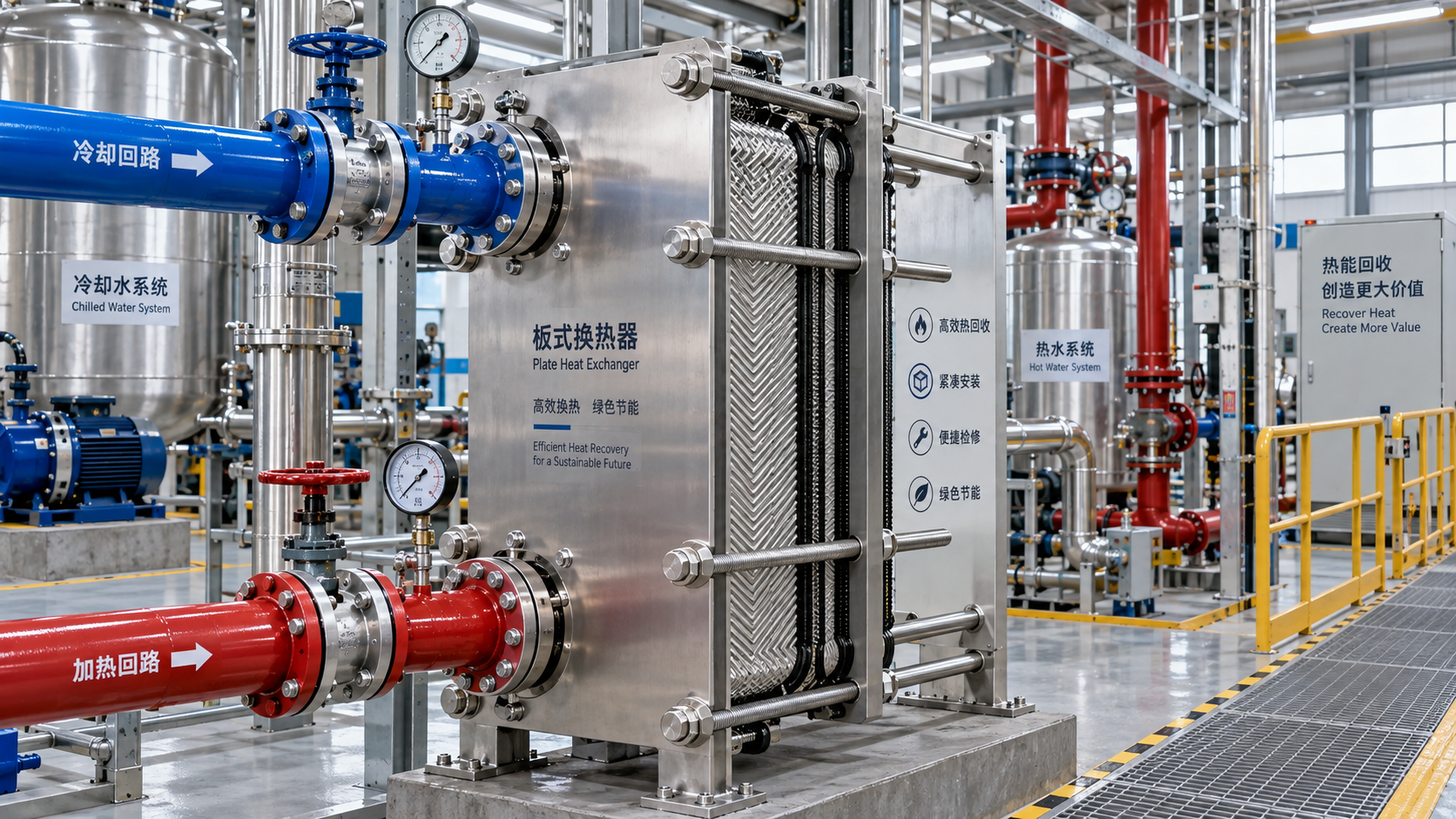
Effective April 6, 2026, new Section 232 tariffs on aluminum- and copper-intensive industrial equipment have taken effect in the United States—directly affecting exporters of industrial cooling towers and plate heat exchangers serving the North American market.
New Tariff Rates Apply to Key Thermal Equipment Components
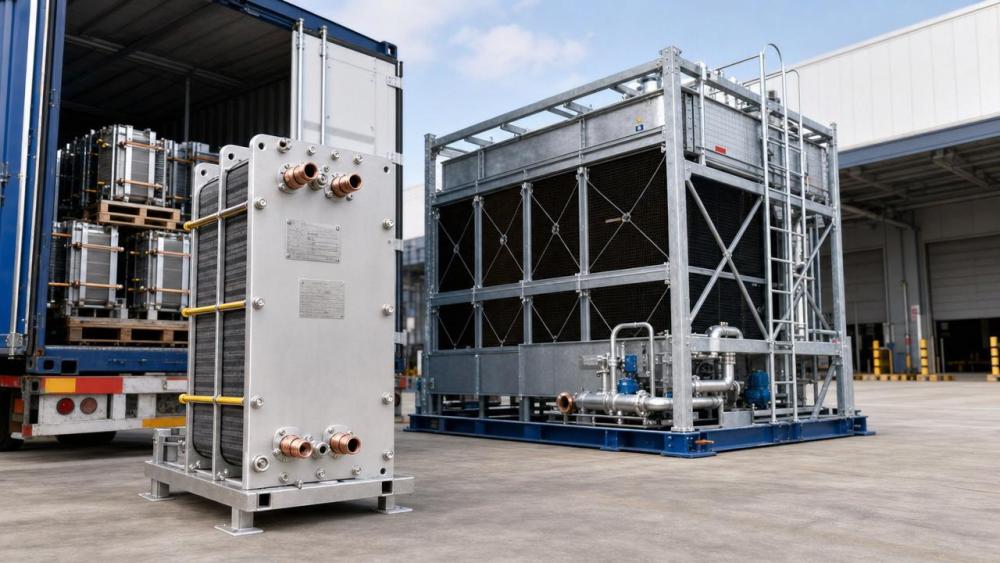
As of April 6, 2026, U.S. Customs applies a 25% ad valorem tariff under the revised Section 232 framework to industrial cooling tower structural components and plate heat exchanger cores containing more than 50% aluminum or copper by weight. A preferential rate of 10% applies if the aluminum or copper used originates from U.S.-based smelting operations. The measure has been in force for over 20 days.
Supply Chain Roles Face Divergent Operational Pressures
Export Trading Companies
These entities face immediate cost recalculations for shipments cleared after April 6, 2026. Tariff liability now hinges on verifiable metal origin documentation—not just product classification—requiring updated commercial invoices, mill test reports, and traceability affidavits for each consignment.
Raw Material Sourcing Firms
Firms procuring aluminum or copper feedstock must now assess geographic sourcing strategies. Access to U.S.-smelted metal is not only a tariff advantage but increasingly a competitive prerequisite for distributors seeking price parity with domestic assemblers.
Manufacturers of Thermal Equipment
Producers of cooling towers and plate heat exchangers must re-evaluate bill-of-materials composition and supplier qualification criteria. Product-level metal content verification (>50% threshold) has become a mandatory compliance checkpoint prior to export declaration.
Supply Chain Service Providers
Logistics and customs brokerage firms report rising demand for tariff engineering support—including material substitution analysis, origin certification guidance, and duty drawback eligibility assessments—especially for mixed-metal assemblies where attribution is non-trivial.
Strategic Priorities for Exporters and OEMs
Verify Metal Origin Documentation Protocols
Confirm that upstream suppliers provide auditable evidence of smelting location (e.g., mill certificates citing U.S. facility ID), not just country-of-origin declarations. U.S. Customs may request physical traceability records during post-entry audits.
Reassess Product Classification & Content Thresholds
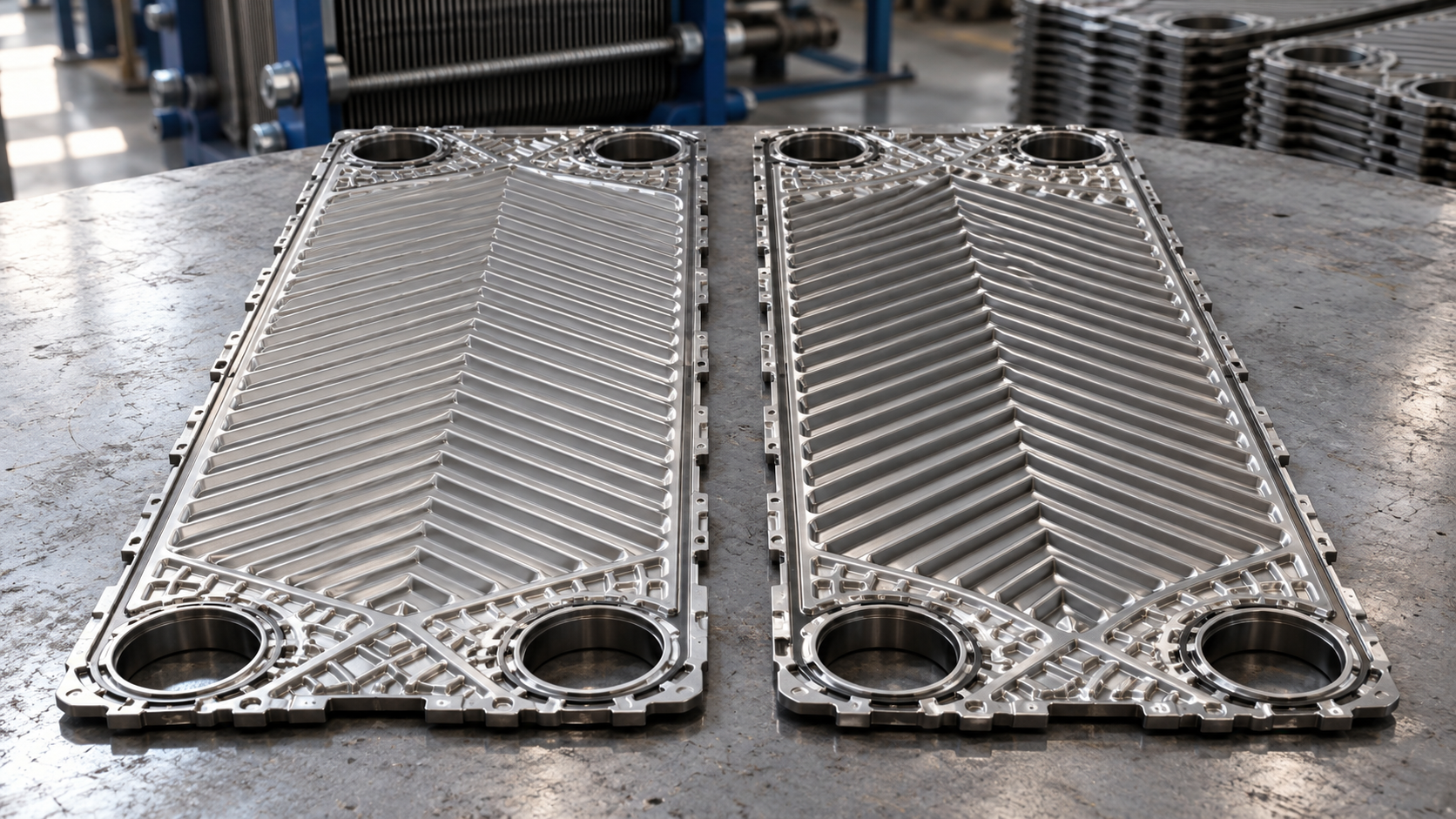
Conduct internal metallurgical reviews to determine whether specific cooling tower frames or heat exchanger plates exceed the 50% aluminum/copper weight threshold. Subcomponents may be classified separately from finished goods—impacting tariff applicability.
Evaluate Localized Assembly Feasibility
Given observed distributor interest in nearshoring final assembly, assess technical and logistical readiness for low-risk U.S.-based kitting or subassembly—particularly where core components can be imported duty-free under HTSUS provisions applicable to unassembled parts.
Update Technical Documentation for Tender Compliance
Revise product datasheets, specification sheets, and tender submissions to explicitly state aluminum/copper content percentages and, where applicable, confirm U.S. smelting origin—aligning with emerging procurement language in North American infrastructure RFPs.
Industry Observation: Beyond Tariff Arithmetic
Analysis shows this adjustment reflects a broader shift toward “origin-aware” trade enforcement—not merely volume-based duties. Observably, the 50% metal-content threshold introduces a new layer of technical compliance previously absent in thermal equipment exports. What deserves closer attention is how rapidly distributors are incorporating U.S. smelting verification into bid evaluation criteria, effectively converting a tariff preference into a de facto qualification requirement. From an industry perspective, the 15-percentage-point differential between standard and preferential rates incentivizes not just sourcing changes but structural redesigns—such as modular architectures enabling core replacement with regionally sourced elements.
Long-Term Significance for Global Thermal Equipment Trade
This tariff revision marks a pivot from broad commodity-level measures to targeted, composition-driven trade policy. It signals growing regulatory emphasis on material provenance—not just final assembly location—as a determinant of market access. For exporters, sustained competitiveness will depend less on price alone and more on transparent, audit-ready material traceability systems integrated across design, procurement, and documentation workflows.
Source Information & Verification Guidance
This article was generated exclusively from the provided title, event date (2026-04-06), and summary. Specific official source links were not provided in the input and should be verified continuously. Stakeholders are advised to monitor updates from the U.S. Department of Commerce, U.S. International Trade Commission, and CBP rulings related to Section 232 implementation—particularly regarding metal content verification methodology, acceptable documentation formats, and classification treatment of hybrid metal assemblies.
Ready when you are. Send us a message to get started.
Related News
- How corrugation angle affects heat transfer in plate heat exchangersAuthor :Thermodynamics Analyst

- R22 Prices Retreat as China's Refrigerant Market Faces Tight Quotas and Soft DemandAuthor :Cryogenic Systems Expert

- How to select industrial equipment for automation with existing PLCsAuthor :

- Carrier Plans $600 Million Manufacturing and Engineering Center in Fort WorthAuthor :

- How electricity prices shape industrial compressed air price trendsAuthor :

- Chemours Faces Investor Lawsuit Over Opteon Refrigerant Sales ForecastsAuthor :Cryogenic Systems Expert

- Choosing air filtration systems for heavy dust in the Middle EastAuthor :

- LG Expands R290 Monobloc Heat Pump Range with New 12–16 kW ModelsAuthor :Cryogenic Systems Expert

- How to size a chiller for pharmaceutical cleanroom temperature controlAuthor :Cryogenic Systems Expert

- Kentucky Regulators Approve $191 Million Cooling Tower at Mitchell Coal PlantAuthor :Thermodynamics Analyst

- How much does a fully installed compressed air monitoring system cost?Author :

- What documentation supports CE marking for industrial equipment?Author :

- When do plate heat exchangers suit Middle East seawater cooling?Author :Thermodynamics Analyst

- EU Issues Updated Guidance on Industrial Refrigeration Efficiency and F-gas AlternativesAuthor :Cryogenic Systems Expert

- How does base pressure affect film purity in vacuum deposition?Author :Vacuum Process Fellow

- Do U.S. refrigerant regulations require replacing R-410A systems?Author :Cryogenic Systems Expert

- When does variable gas flow justify a custom screw compressor system?Author :Pneumatic Power Engineer

- How local support affects vacuum system costs in Southeast AsiaAuthor :

- How worldwide industry category guides help compare market opportunitiesAuthor :

- How to verify food-grade purity in compressed air systemsAuthor :Pneumatic Power Engineer

- When high-pressure waste heat recovery boilers make economic senseAuthor :Thermal Energy Strategist

- How to size compressed air equipment for pneumatic toolsAuthor :Pneumatic Power Engineer

- How to size vacuum process equipment for the required pump-down timeAuthor :Vacuum Process Fellow

- What determines the price of pure air compression systems?Author :Pneumatic Power Engineer

- How steam generation efficiency shapes thermal power system designAuthor :Thermal Energy Strategist

- What drives sustainable thermal systems cost over their operating life?Author :

- Which vacuum specification best protects semiconductor process yield?Author :Vacuum Process Fellow

- When do smart thermal systems with sensors reduce chiller energy use?Author :Cryogenic Systems Expert

- When does gasketed plate heat exchanger technology suit your process?Author :Thermodynamics Analyst

- How to size oil-free compressors for instrumentation air demandAuthor :Pneumatic Power Engineer

- How Class 0 oil-free compressors protect product quality in food productionAuthor :Pneumatic Power Engineer

- Which industrial solution comparison criteria prevent project delays?Author :

- Chiller Optimization Checklist for Rising Energy Use and Unstable Cooling OutputAuthor :Cryogenic Systems Expert

- How to Specify a High-Precision Temperature Chiller for Tight-Tolerance ProcessesAuthor :Cryogenic Systems Expert

- Designing Energy-Efficient Industrial Cooling for Variable Process LoadsAuthor :Cryogenic Systems Expert

- Low-GWP Cooling Solutions for Process Plants: Comparing Safety, Efficiency, and CostAuthor :Cryogenic Systems Expert