EU F-Gas Update Bars R404A/R507 in Commercial Cooling




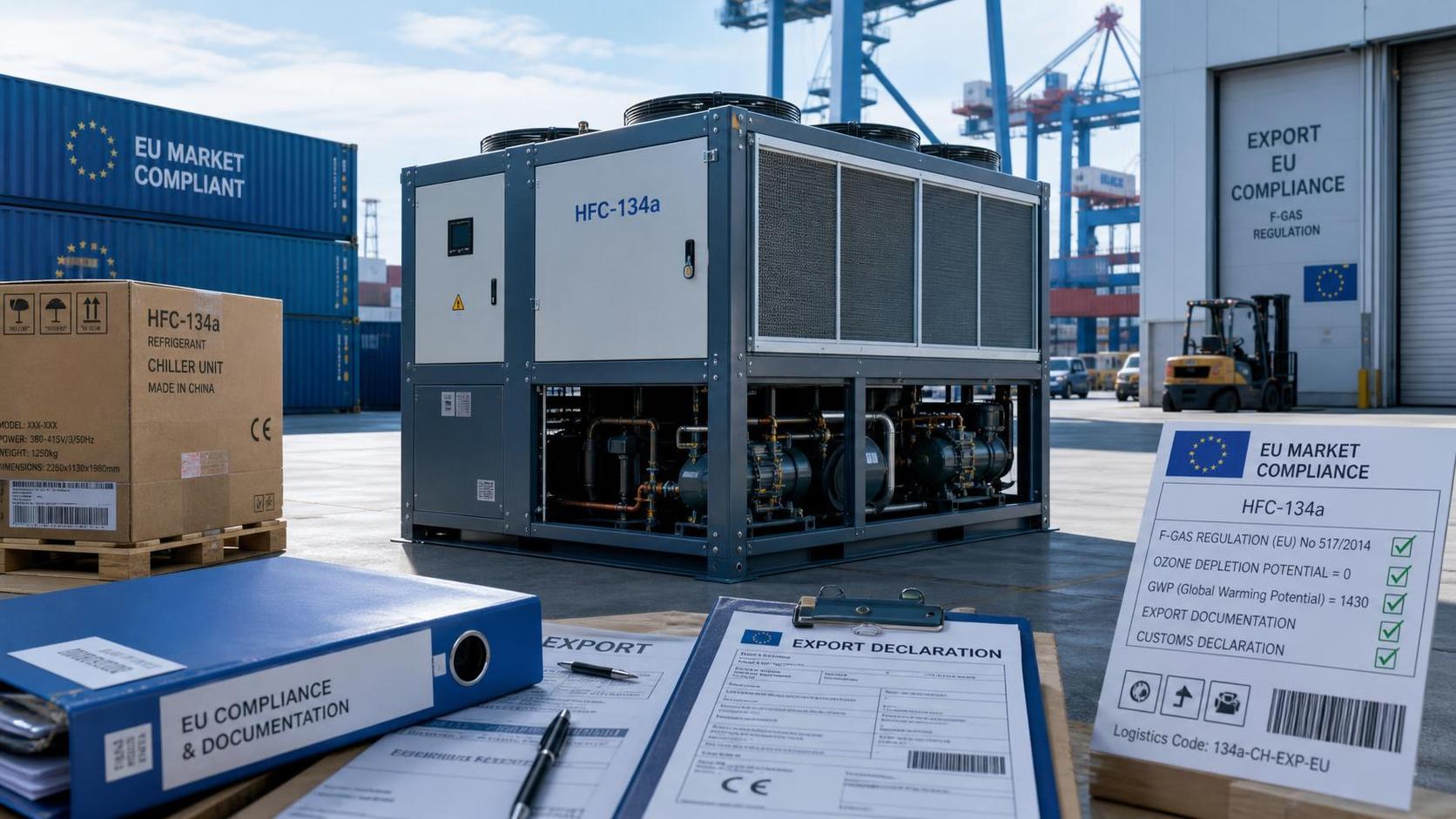
On August 1, 2026, a revised implementing measure under the EU F-Gas framework takes effect for products placed on the EU market, drawing a clear compliance line for commercial refrigerated cabinets, industrial refrigeration equipment, and matching condensing units. The change matters because it does more than limit refrigerant choice: it directly affects export configuration, refrigerant procurement, technical documentation, and EN 378-1:2024 compliance work across Industrial Chillers, Cold Storage, and refrigerant-related supply chains.
What the revised rule now requires
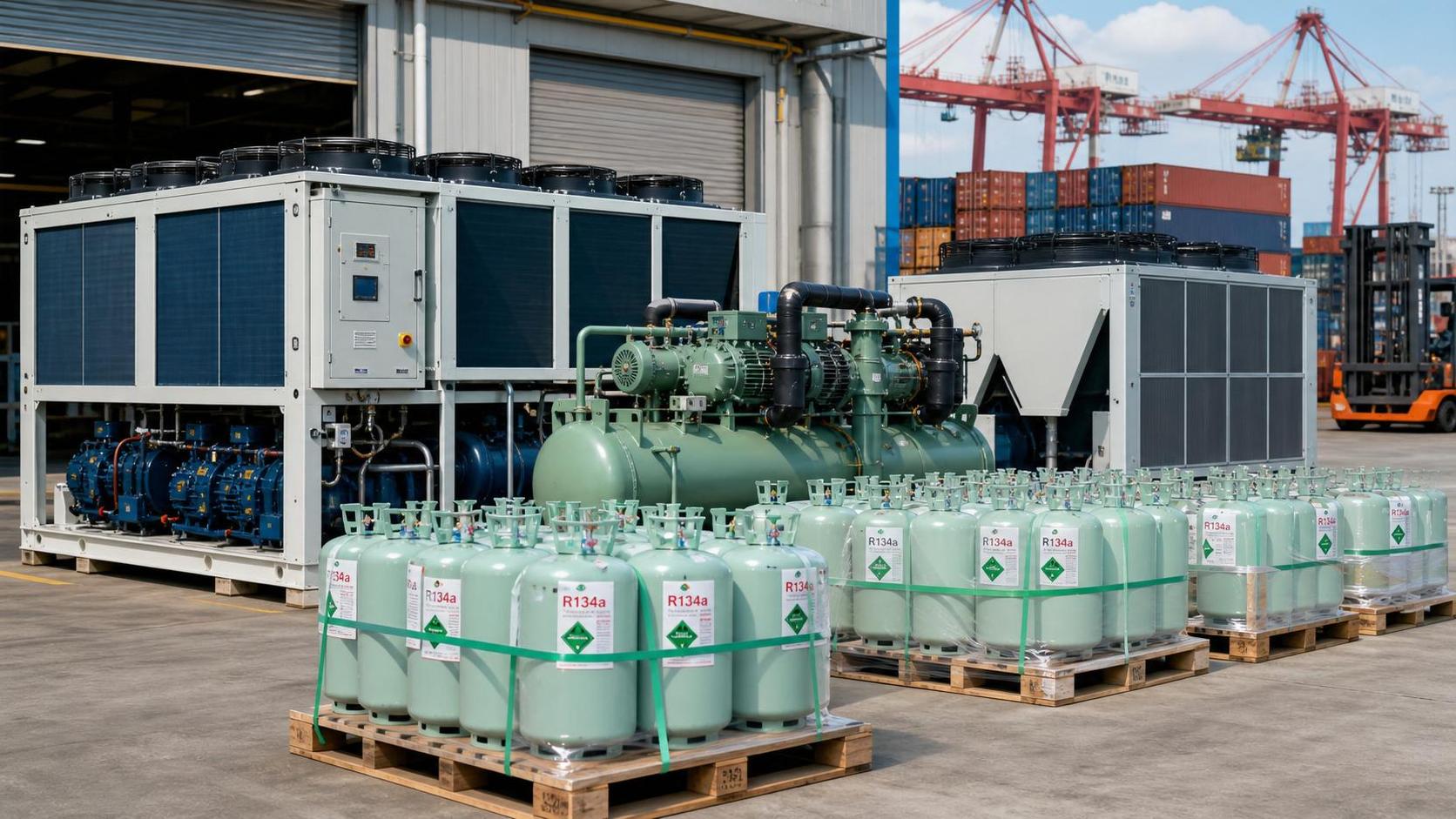
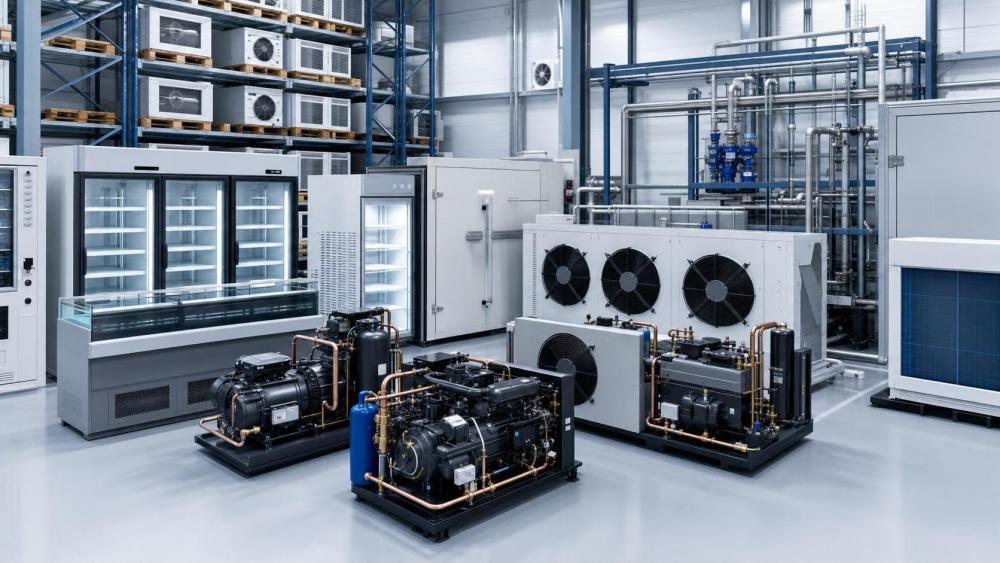
The confirmed information provided indicates that the European Commission issued a revision to the implementing regulation under (EU) No 517/2023 on July 16, 2026. From August 1, 2026, commercial refrigerated cabinets, industrial refrigeration equipment, and associated condensing units placed on the EU market may no longer use HFC refrigerants with a GWP of 2500 or above, including R404A and R507.
The same input also confirms that the change directly affects Industrial Chillers, Cold Storage, and Refrigerants supply chains. Exporting companies are required to move to R449A, R454C, or natural refrigerant solutions and to complete EN 378-1:2024 compliance certification.
Where the pressure will appear first in the supply chain
Export product configuration will need immediate adjustment
Manufacturers and export-facing suppliers are likely to be affected first because the restriction applies to equipment placed on the EU market. From an operational perspective, this means product models built around R404A or R507 can no longer be treated as routine EU-bound configurations within the covered categories. What deserves closer attention is whether technical files, model specifications, and commercial offers still reference restricted refrigerants for affected shipments.
Procurement teams will face a refrigerant and component transition
Procurement functions may see the change through material selection and supplier qualification. Analysis shows that once R404A and R507 fall outside the permitted threshold for the covered EU market placements, purchasing decisions must align with replacement pathways already identified in the provided information: R449A, R454C, or natural refrigerant solutions. The practical issue is not only refrigerant sourcing, but also whether related assemblies and supporting components are matched to the selected solution in a compliant way.
Certification and testing services will become part of delivery readiness
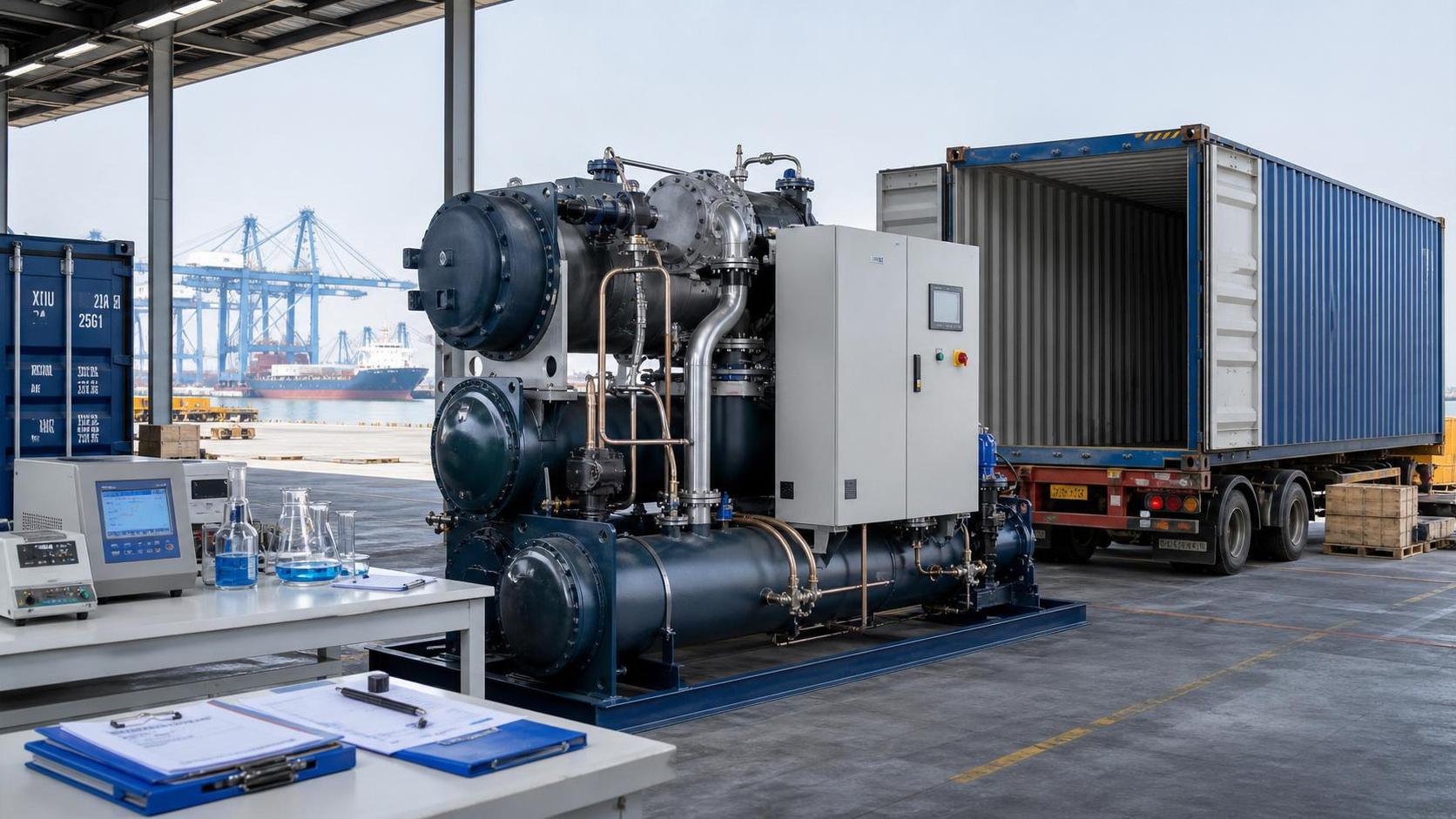
Certification-related companies and testing service providers may experience higher demand because EN 378-1:2024 compliance is identified as a required step in the provided event summary. For exporters and OEMs, this shifts compliance review closer to the delivery gate: technical documentation, conformity records, and supporting test or certification materials may become necessary checkpoints before goods are released for EU orders.
Distributors and after-sales channels may need document control
Channel distributors and after-sales service providers may also be affected where EU-market product descriptions, spare-parts references, or maintenance documentation still point to legacy refrigerant configurations. Observably, the risk here is less about policy interpretation and more about document consistency across sales, delivery, and service records for affected equipment categories.
What companies should review now
Check whether EU-bound models still rely on restricted refrigerants
Companies supplying covered refrigeration equipment into the EU market should review current model lists and project specifications against the August 1, 2026 applicability date. The immediate compliance question is whether any commercial refrigerated cabinet, industrial refrigeration product, or matching condensing unit intended for EU placement still uses an HFC refrigerant at or above the GWP 2500 threshold.
Align technical files with the new refrigerant pathway
What deserves closer attention is the consistency between product design and transaction documents. Quotations, product datasheets, tender materials, nameplate information, and technical submissions should be checked to ensure they reflect the intended transition to R449A, R454C, or natural refrigerant solutions where applicable. The provided information does not define a detailed enforcement format, so companies should treat document alignment as a precautionary compliance step rather than assume a single accepted practice.
Bring EN 378-1:2024 into the approval timeline
Because the event summary explicitly refers to EN 378-1:2024 compliance certification, businesses should examine whether certification work is already built into production and export schedules. Analysis shows that if certification review is left to the shipment stage, delivery timing and order confirmation may become harder to control, especially where buyers request supporting compliance evidence early in procurement.
Watch for changes in buyer requirements and execution language
The current input confirms the rule change and the need for compliance transition, but it does not provide detailed downstream execution language from buyers, tender issuers, or enforcement bodies. It is more appropriate to understand this as a signal to monitor updated specifications, procurement clauses, document requests, and acceptance conditions rather than assume that all market participants will apply the same wording immediately.
Why this reads as an execution signal, not just a policy headline
Analysis shows that this update is better understood as an operational compliance signal tied to market access, because it combines a defined effective date, a clear refrigerant threshold, named refrigerants affected, identified product categories, and a stated certification expectation. That combination gives the industry less room to treat the issue as a distant policy direction.
At the same time, observably, some parts of implementation still require continued attention. The provided information does not set out detailed review procedures, documentary formats, or procurement enforcement patterns. For that reason, the market should distinguish between the confirmed prohibition itself and the still-evolving way it may be reflected in certifications, tender files, and buyer-side compliance checks.
How the market should frame this update now
From an industry perspective, this development should be read as a rule change with immediate relevance for EU-bound refrigeration equipment and related supply chains, especially where legacy high-GWP HFC configurations remain in active use. The practical significance lies in design transition, refrigerant substitution, certification preparation, and document control rather than in broad market claims.
It is more appropriate to understand this event as a landed compliance change with follow-on execution points still worth tracking. Companies affected by EU placement requirements should focus on whether their products, supporting files, and delivery processes are already aligned with the new threshold and the stated EN 378-1:2024 requirement.
Basis of this article and points that still need verification
This article is generated from the user-provided news title, event date, and event summary. For developments of this type, relevant source categories usually include official regulatory notices, publications from supervisory authorities, trade or customs authorities, industry association updates, standards organization documents, and reporting by established trade media.
No specific official source link was provided in the input, so the exact official publication path still needs to be verified on an ongoing basis. Continued attention should be given to any further policy wording, certification implementation criteria, tender document changes, industry feedback, and company-level execution practice that may clarify how the rule is applied in day-to-day trade and delivery.
Related News
- How Smart Thermal Systems Improve Industrial Cooling EfficiencyAuthor :Cryogenic Systems Expert

- How to Choose Process Cooling Equipment for Stable Temperature ControlAuthor :Cryogenic Systems Expert

- EU Finalizes 2026 HFC Quota Cut for R-134a ChillersAuthor :Cryogenic Systems Expert

- EU Tightens HFC-134a Quotas for Industrial ChillersAuthor :Cryogenic Systems Expert

- REACH SVHC Update Pressures HFC-134a Chiller Supply ChainsAuthor :Cryogenic Systems Expert

- EU PFAS Coolant Ban Reshapes Chiller ExportsAuthor :Cryogenic Systems Expert

- EU REACH Restricts PFAS Cooling Media ImportsAuthor :Cryogenic Systems Expert

- EU Ecodesign Rule Takes Effect for Industrial ChillersAuthor :Cryogenic Systems Expert

- EU REACH Rule Takes Effect for PFAS in Industrial Cooling ExportsAuthor :Cryogenic Systems Expert

- Industrial Cooling for Plastic Processing: How to Size for Stable Cycle TimesAuthor :Cryogenic Systems Expert

- EU F-Gas Update Bars R404A/R507 in Commercial CoolingAuthor :Cryogenic Systems Expert

- DOE Raises Chiller Efficiency Standard From October 2026Author :Cryogenic Systems Expert

- India Mandates BIS Energy Certification for Industrial ChillersAuthor :Cryogenic Systems Expert

- Energy-Efficient Heat Exchange for Process Cooling: Cost vs PaybackAuthor :Cryogenic Systems Expert

- EPA R-134a Import Ban Takes Effect on July 13, 2026Author :Cryogenic Systems Expert

- India BIS Rule Takes Effect for Industrial ChillersAuthor :Cryogenic Systems Expert

- EPA Cuts R134a Import Quotas 20% From July 10Author :Cryogenic Systems Expert

- How to Compare Energy-Efficient Cooling Systems for Factory Expansion ProjectsAuthor :Cryogenic Systems Expert

- Chiller Price Index Rises 11.3% in Q2Author :Cryogenic Systems Expert

- Saudi SASO Tightens Chiller Import Compliance From July 10Author :Cryogenic Systems Expert

- Dubai Opens Fast-Track Chiller TendersAuthor :Cryogenic Systems Expert

- Japan Raises Chiller COP Floor to 6.2 From Sept. 1Author :Cryogenic Systems Expert
![]()
- Compact Thermal Management in Smart Devices: Common Failure RisksAuthor :Cryogenic Systems Expert

- Thermal Management for Batteries: Cooling Methods ComparedAuthor :Cryogenic Systems Expert

- How Compact Thermal Design Extends Smart Device UptimeAuthor :Cryogenic Systems Expert

- Shanghai-Rotterdam Reefer Rates Jump 37% in a WeekAuthor :Cryogenic Systems Expert

- Process Cooling Equipment Low Maintenance: What Cuts Downtime Over 5 Years?Author :Cryogenic Systems Expert

- Semiconductor Cooling Solutions: Which Design Works Best for High-Density Tools?Author :Cryogenic Systems Expert

- Semiconductor Thermal Management Systems: Preventing Yield Loss from Heat DriftAuthor :Cryogenic Systems Expert

- EPA Clears R-1234ze(E) for Industrial ChillersAuthor :Cryogenic Systems Expert
 for Industrial Chillers")
- DOE Raises Chiller IEER Floor to 12.8 From Oct. 2026Author :Cryogenic Systems Expert

- Singapore Refrigeration Show Adds Green Compliance HubAuthor :Cryogenic Systems Expert

- How Food Industry Temperature Control Systems Reduce Product LossAuthor :Cryogenic Systems Expert

- EU REACH Adds 12 SVHCs, Raising Chiller Compliance RiskAuthor :Cryogenic Systems Expert

- Precision Temperature Control Air Cooling: Key Setup Mistakes That Reduce StabilityAuthor :Cryogenic Systems Expert

- India BEE Eyes APF Labels for Imported ChillersAuthor :Cryogenic Systems Expert