R-454B Export Quota Cut 18% as Lead Times Double




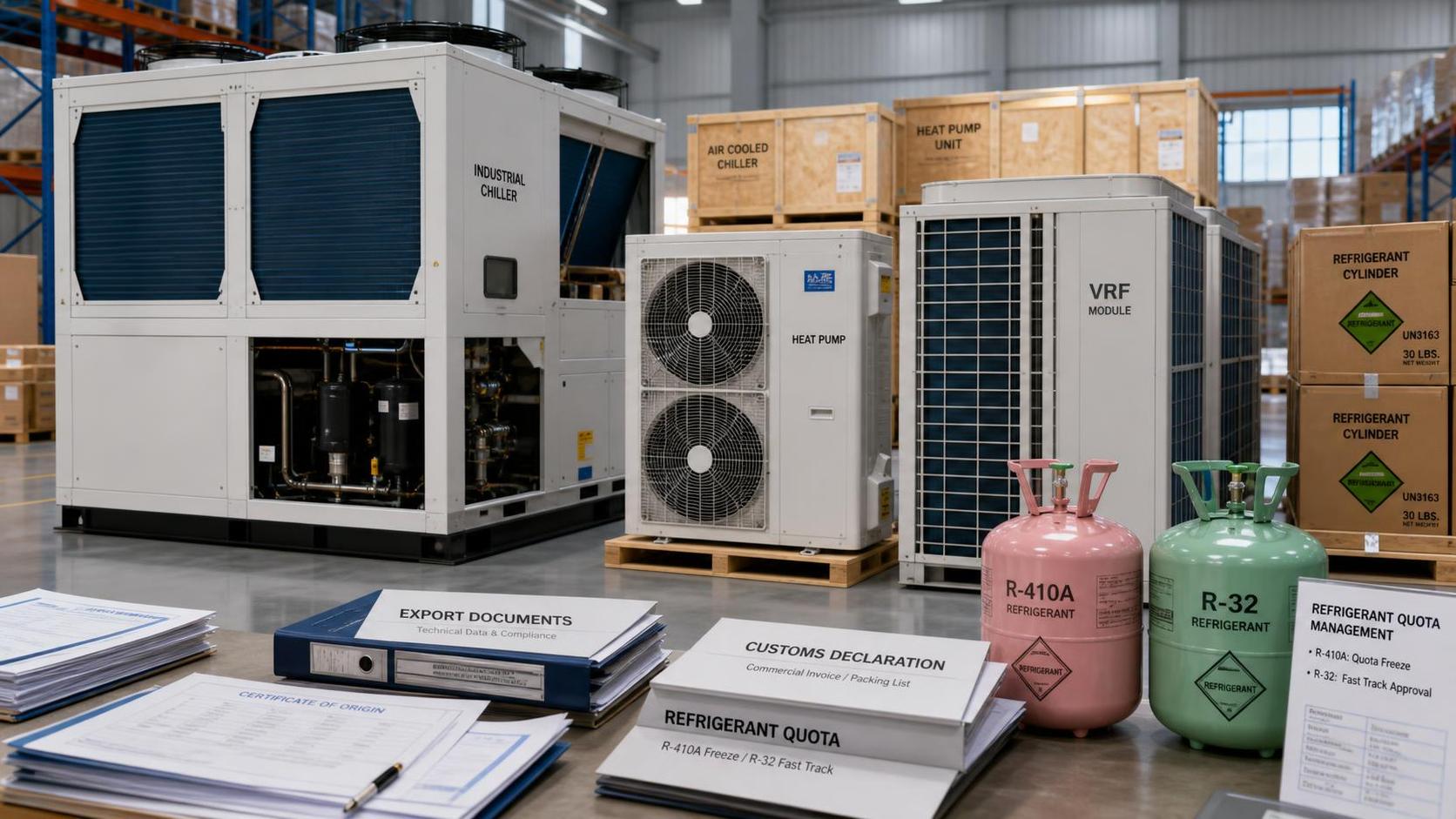
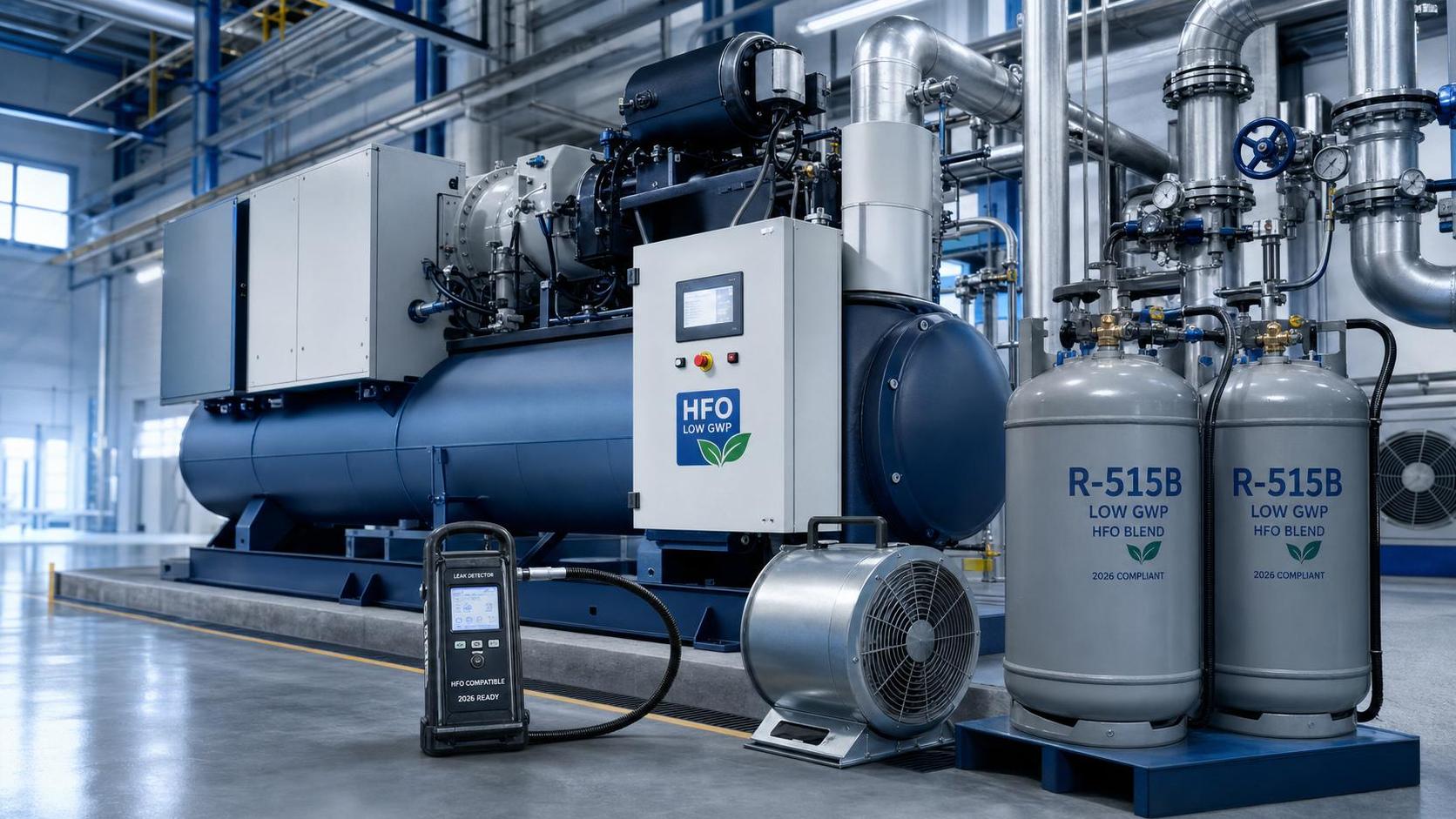
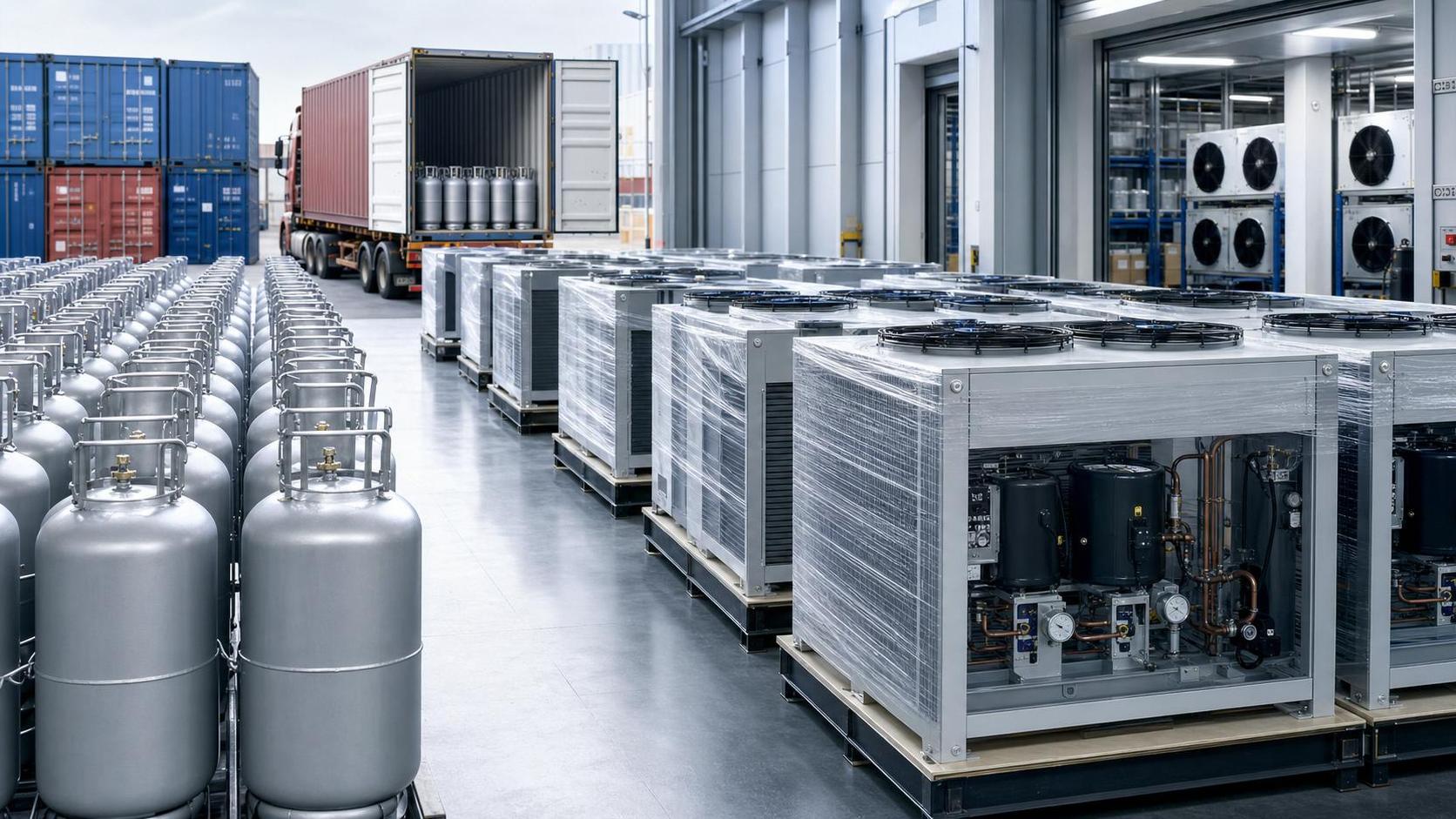
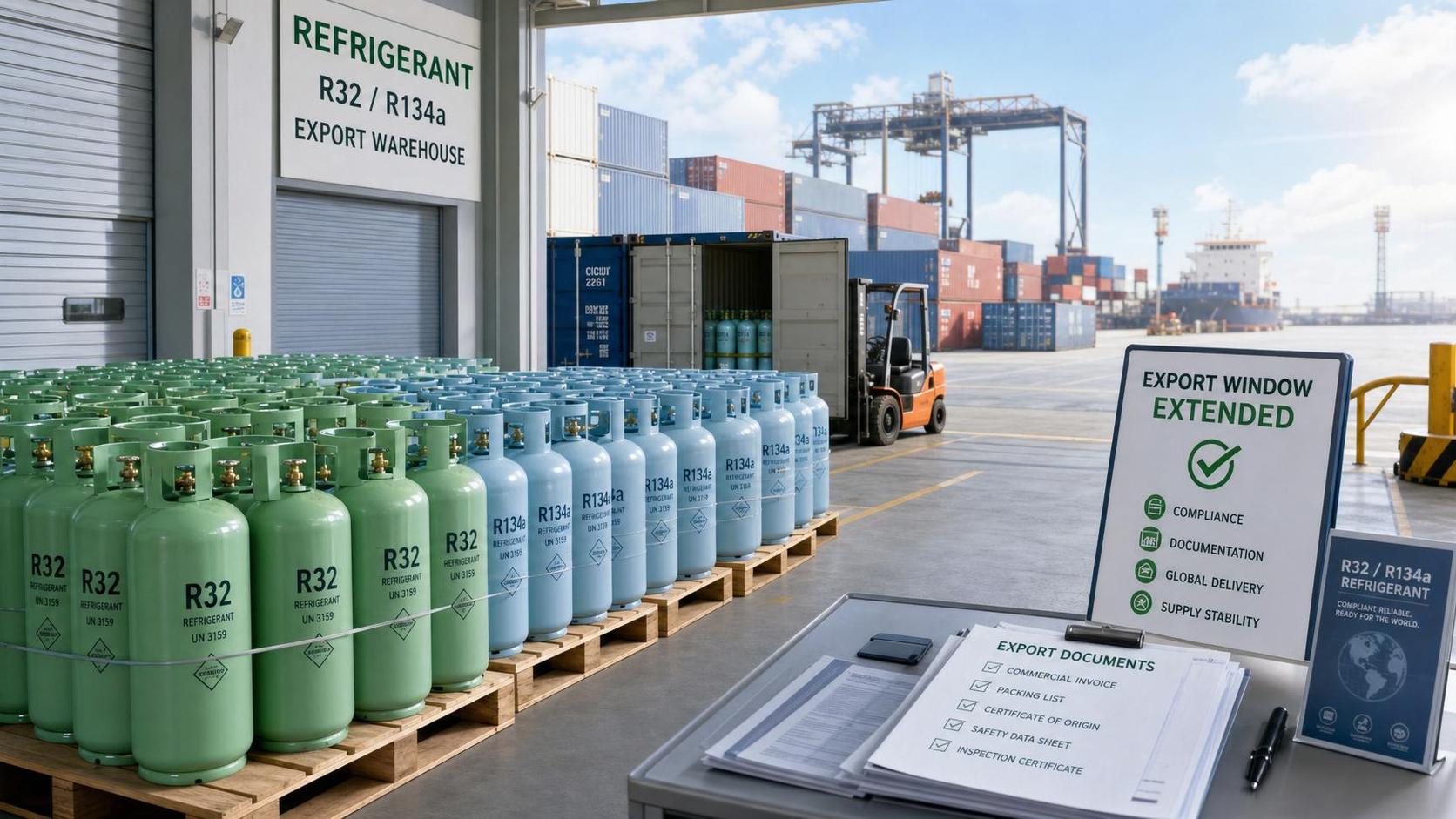
On July 1, 2026, China’s export quota for R-454B was reduced by 18% under the Multilateral Fund’s second-quarter 2026 allocation framework tied to the Montreal Protocol. Combined with production controls affecting the key feedstock HFC-32, the change has already extended refrigerant lead times for Industrial Chillers and Cold Storage systems from six weeks to 12 weeks at major domestic suppliers. This development deserves close attention from OEMs, exporters, procurement teams, and project-based buyers, especially in Europe and Australia where purchasing schedules are already being reset.
What Has Changed Since July 1
According to the information provided, China’s R-454B export quota was cut by 18% starting July 1, 2026, following the Multilateral Fund’s quota allocation results for the second quarter of 2026 under the Montreal Protocol framework. At the same time, production controls on HFC-32, a main upstream raw material, are affecting supply conditions. Major Chinese suppliers have responded by extending delivery times for refrigerants supplied with Industrial Chillers and Cold Storage systems from six weeks to 12 weeks. OEM customers in Europe and Australia have reported that procurement plans now need to be rescheduled.
Where the Pressure Is Likely to Appear First
Export-facing suppliers are dealing with tighter allocation and longer fulfillment windows
From an industry perspective, companies directly involved in refrigerant export are likely to feel the first impact because the quota change directly affects how much product can move out of China. The immediate pressure point is order scheduling, especially where customers require delivery to match equipment production or shipment windows. What deserves closer attention is whether longer lead times begin to affect confirmed delivery commitments.
OEM procurement teams may face planning disruptions rather than a single pricing issue
For OEM buyers in Industrial Chillers and Cold Storage applications, the reported extension from six to 12 weeks changes procurement timing in a practical way. Analysis shows that the main issue here is not only supply access, but alignment between refrigerant availability, equipment assembly, and outbound delivery schedules. This is particularly relevant for customers already adjusting procurement plans in Europe and Australia.
Project and cold-chain delivery schedules could become more sensitive to component timing
Companies operating project-based delivery models may also need to watch refrigerant timing more closely. Where refrigerant supply is bundled with system delivery, a longer procurement cycle can affect installation planning, customer handover timing, or coordination across internal teams and service partners. Observably, the timing impact may matter more than the headline quota figure for businesses working on fixed project calendars.
What Companies Should Watch Now
Track further quota-related updates and official wording
Analysis shows that businesses should distinguish between the confirmed July 1 quota reduction and any later interpretation of how it will be enforced in practice. Internal teams should keep monitoring whether further official statements, allocation clarifications, or supplier notices change the practical availability of R-454B for export orders.
Recheck lead times in contracts, quotations, and shipment plans
The move from six weeks to 12 weeks makes lead-time assumptions a central operational issue. Companies should review how current quotations, purchase orders, and customer delivery promises reflect this longer cycle, particularly where refrigerant delivery is linked to Industrial Chillers or Cold Storage systems.
Strengthen supplier and customer communication around fulfillment risk
What deserves closer attention is the gap between policy-related supply signals and actual execution on orders. Procurement and sales teams may need to confirm allocation status, documentation readiness, and shipment sequencing earlier than usual. For customer-facing teams, communication on revised timelines is likely to matter as much as the supply position itself.
Prioritize markets and orders that are most schedule-sensitive
Observably, not every order will carry the same operational risk. Businesses may need to identify which export markets, product lines, or customer programs are most exposed to delivery slippage and adjust planning accordingly. In the current situation, schedule-critical orders appear more likely to require active reprioritization.
Why This Looks Like More Than a Routine Supply Update
As an editorial observation, this development is more appropriate to understand as a near-term operational signal with possible longer-term relevance, rather than as a complete market conclusion. The confirmed facts already show two concrete shifts: export quota tightening for R-454B and a longer supply cycle linked to both quota allocation and HFC-32 production control. That combination matters because it moves the issue from policy language into delivery timing and procurement execution.
At the same time, it would be premature to treat this alone as proof of a lasting structural shortage or a final market outcome. Analysis shows that the more immediate takeaway is that supply-chain planning assumptions have changed, and the industry will need to watch whether this remains a temporary adjustment or develops into a more persistent export constraint.
How the Market Should Read This for Now
The clearest industry meaning of this update is that R-454B availability for export can no longer be treated as a routine procurement item under previous timing assumptions. For affected applications such as Industrial Chillers and Cold Storage systems, the doubling of lead times is already a practical business issue. A neutral reading is that this is currently best understood as a confirmed short-term disruption with broader implications worth monitoring, especially where export scheduling, OEM production planning, and project delivery are closely linked.
Basis of This Article and What Still Needs Verification
This article is based on the user-provided news title, event date, and event summary. For this type of development, commonly relevant source categories may include official notices, company announcements, industry association updates, authoritative media reporting, and standard-setting or policy-related documents. A specific official source link was not provided in the input, so continued verification remains necessary.
Further follow-up should focus on whether there are additional official clarifications on quota implementation, whether supplier lead times change again after July 1, and whether procurement rescheduling reported by European and Australian OEM customers expands into broader supply-chain adjustments.
Related News
- EPA Freezes R-410A Quotas, Fast-Tracks R-32Author :Cryogenic Systems Expert

- Low GWP Refrigerants HFO Blends: Key Stability and Safety FactorsAuthor :Cryogenic Systems Expert

- R-32 Price Spike Reshapes Chiller ProcurementAuthor :Cryogenic Systems Expert

- How to Compare Environmentally Friendly Refrigerants by GWP, Safety, and CostAuthor :Cryogenic Systems Expert

- R-454B Export Quota Cut 18% as Lead Times DoubleAuthor :Cryogenic Systems Expert

- Japan Cuts R32 and R290 Import Quotas From July 10Author :Cryogenic Systems Expert

- EPA Cuts R-134a Import Quotas 42% From July 2026Author :Cryogenic Systems Expert
![]()
- Low GWP Refrigerants HFO Blends: Performance and Compliance in 2026Author :Cryogenic Systems Expert

- R-513A Jumps 23% as China Tightens Export QuotasAuthor :Cryogenic Systems Expert

- Environmentally Friendly Refrigerants in 2026: Compliance Risks and Upgrade PrioritiesAuthor :Cryogenic Systems Expert

- Pharmaceutical Temperature Control Systems: Common Compliance RisksAuthor :Cryogenic Systems Expert

- China Tightens Q3 R32 Export QuotasAuthor :Cryogenic Systems Expert

- California EPR Deadline Nears for Refrigeration MakersAuthor :Cryogenic Systems Expert

- Resource Circularity Trends Reshaping Refrigerants and Cooling SystemsAuthor :Cryogenic Systems Expert

- HFCs Filing Rules Enter Full EnforcementAuthor :Cryogenic Systems Expert

- How Environmentally Friendly Refrigerants Affect Chiller ComplianceAuthor :Cryogenic Systems Expert

- EU REACH Tightens Refrigerant Impurity Limits for R134a ExportsAuthor :Cryogenic Systems Expert

- China Seeks Feedback on 2027 Refrigerant QuotasAuthor :Cryogenic Systems Expert

- EU to Ban High-GWP ACs in 2029 as R410A Exits HomesAuthor :Cryogenic Systems Expert

- US, UK Delay HFC Phaseout, Extending R32/R134a Export WindowAuthor :Cryogenic Systems Expert

- EU HFC Cut Tightens by 2029 as Gen-3 Output Falls 10%Author :Cryogenic Systems Expert

- Kuwait Bans HCFC AC Imports as Shift to R32/R290 Speeds UpAuthor :Cryogenic Systems Expert

- Saudi SASO Rules Tighten AC Imports in DecemberAuthor :Cryogenic Systems Expert

- Environmentally Friendly Refrigerants: Compliance, Safety, and Retrofit RisksAuthor :Cryogenic Systems Expert

- SABIC Force Majeure Keeps Chiller Refrigerant Supply TightAuthor :Cryogenic Systems Expert

- SABIC Force Majeure Tightens Refrigerant FeedstocksAuthor :Cryogenic Systems Expert

- UL 60335-2-89 Tightens R290 Leak Test RulesAuthor :Cryogenic Systems Expert
![]()
- UL 60335-2-89 Adds R290 Vacuum Leak TestAuthor :Cryogenic Systems Expert

- Global Refrigerant Price Index Falls 8.3% MoM in MayAuthor :Cryogenic Systems Expert
![]()
- PSA Jurong Island Launches Mandatory Cold-Chain Traceability for RefrigerantsAuthor :Cryogenic Systems Expert
![]()
- 2026 Refrigerants Shift: What Changes for Cold StorageAuthor :Cryogenic Systems Expert

- Shanghai Pudong Pilots E-Labels for Imported CosmeticsAuthor :Cryogenic Systems Expert

- 2026 Refrigerant Shift: Safer Options With Lower Compliance RiskAuthor :Cryogenic Systems Expert

- Vitafoods Europe Highlights Clinical Herb Data, Cold Chain Demand SurgesAuthor :Cryogenic Systems Expert
![]()
- U.S. Treasury Yield Surge Stabilizes Silver, Eases Refrigerants Export PricingAuthor :Cryogenic Systems Expert

- France Allocates €710M to Support War-Impacted Firms on Cold Chain ComplianceAuthor :Cryogenic Systems Expert