



How to Evaluate High Capacity Centrifugal Separators for Throughput and Solids Removal




Choosing high capacity centrifugal separators is rarely a matter of picking the highest published flow rate. In real plants, separation performance shifts with solids loading, pressure stability, fluid properties, and maintenance quality. A unit that looks strong on paper may lose efficiency once process variation appears. That is why evaluation has to connect throughput with actual solids removal, energy demand, and operating resilience.
This matters across cooling circuits, compressed air systems, vacuum support loops, wastewater treatment, food processing, chemicals, and pharmaceutical utilities. In these settings, poor separation does more than leave particles behind. It can raise fouling rates, shorten equipment life, increase pressure loss, and reduce process consistency. For platforms such as GTC-Matrix, where thermal efficiency and power system performance are viewed together, separator selection sits inside a broader operational and energy decision.
Why separator evaluation has become more demanding
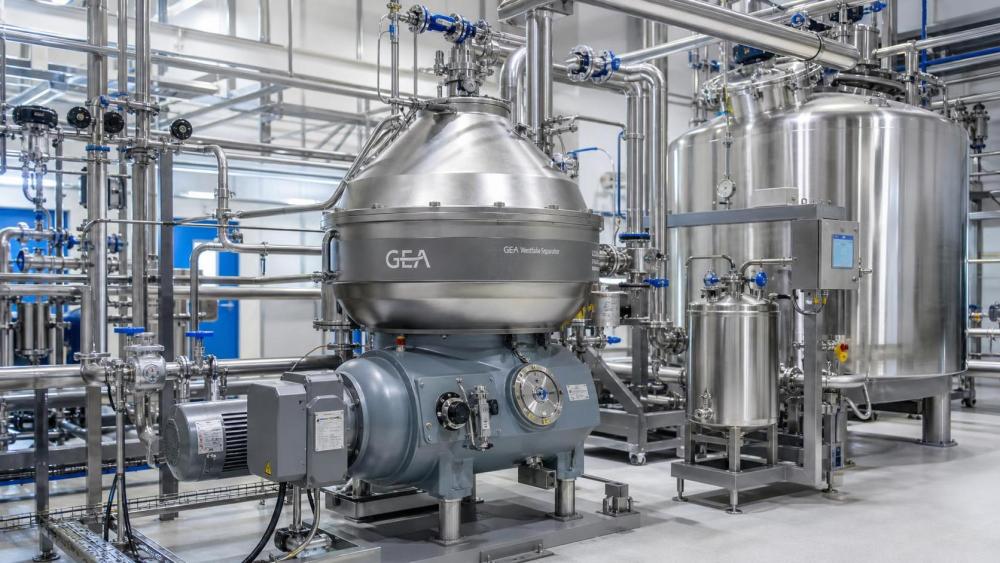
High-volume processes are running under tighter efficiency targets than before. Energy costs move quickly, environmental compliance is stricter, and uptime expectations are less forgiving. Under those conditions, high capacity centrifugal separators are no longer judged only by whether they remove visible solids.
A separator now influences system cleanliness, pump loading, exchanger reliability, downstream filtration burden, and service intervals. In thermal and compression networks, that interaction becomes especially important. Particulate carryover can reduce heat transfer, disturb flow balance, and create wear in rotating equipment.
The current industry focus is therefore practical. Can the separator maintain removal efficiency at peak demand? Can it handle variable solids concentration without unstable pressure behavior? Can it do this without adding avoidable lifecycle cost?
What high capacity centrifugal separators actually do
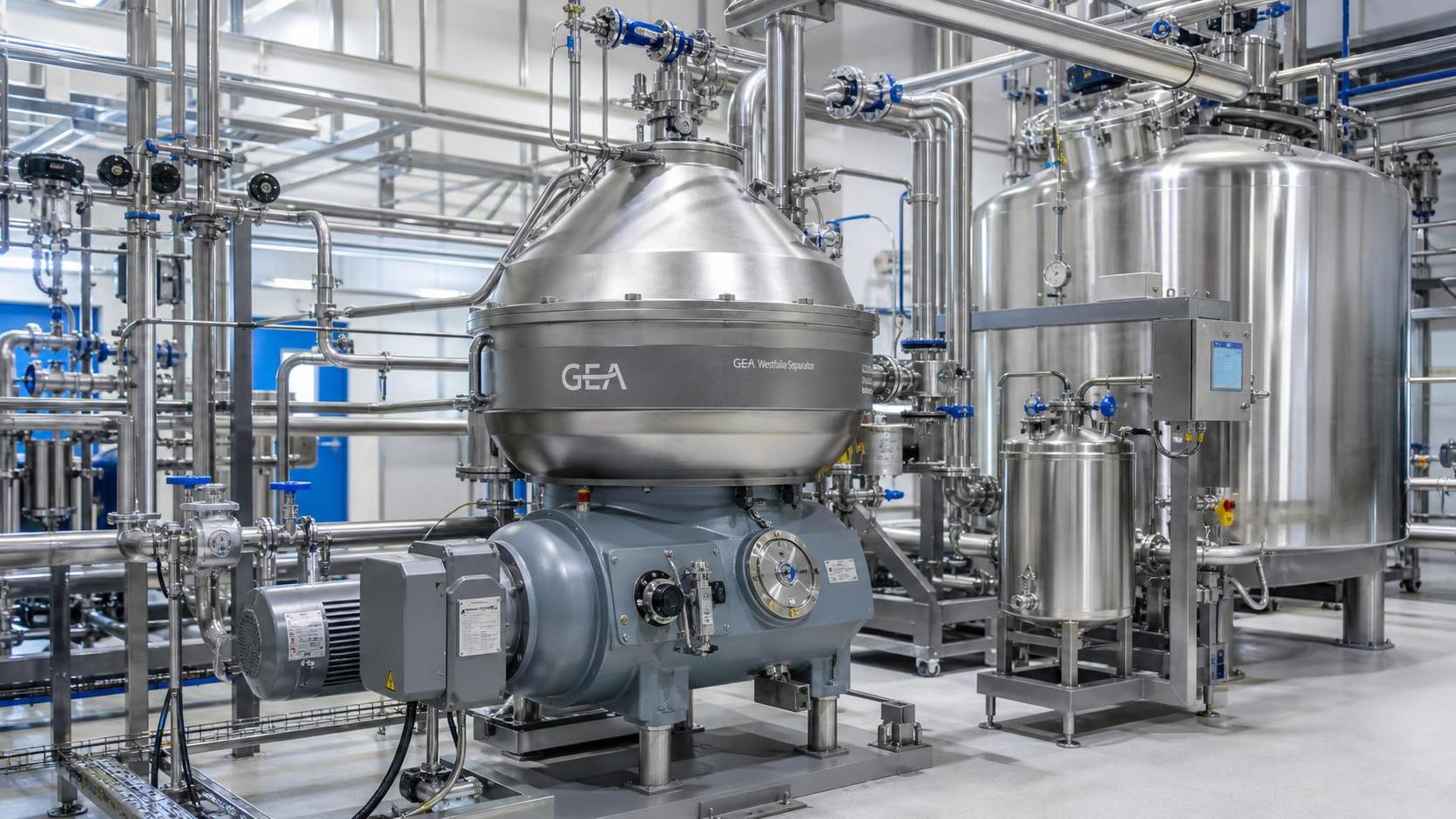
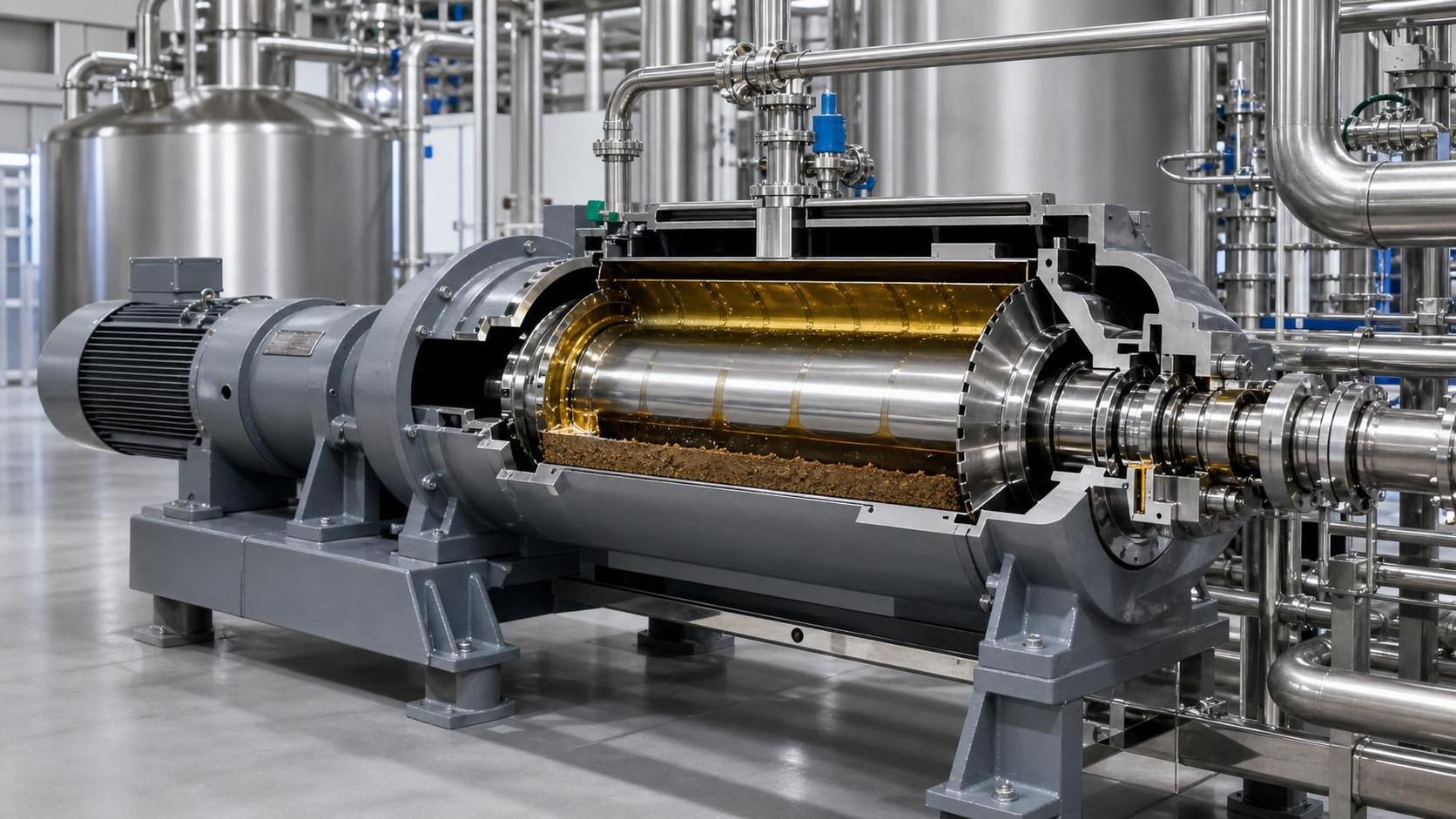
At a basic level, high capacity centrifugal separators use rotational flow to push denser particles away from the main stream. Separated solids move toward a collection zone, while cleaner fluid continues through the system. The principle is simple, but the result depends on design geometry and process conditions.
Not all solids behave the same way. Particle size distribution, density difference, shape, stickiness, and inlet concentration all influence performance. A separator that performs well with coarse mineral solids may be less effective with soft organics or fine process debris.
This is why technical review should separate nominal capacity from effective capacity. Nominal capacity is the catalog figure. Effective capacity is the throughput at which the unit still achieves the target removal level under realistic operating conditions.
The performance indicators that deserve the closest attention
A useful comparison starts with a short group of metrics that can be tested and defended. Looking at only one number usually leads to poor equipment matching.
Throughput under stable pressure conditions
Throughput should be reviewed across normal, peak, and upset loads. The key question is not maximum flow alone. It is whether the separator holds stable internal hydraulics while processing that flow.
If pressure drop rises sharply at higher flow, the unit may shift cost to pumps, fans, or compressors. In utility networks, that extra burden often appears later as energy loss.
Solids removal efficiency by particle band
A single efficiency percentage is rarely enough. Better evaluations look at capture performance across particle size bands. This reveals where the separator remains strong and where polishing filtration may still be needed.
Fine-particle performance matters in systems with close-clearance equipment or high-purity thermal exchange surfaces. Coarser performance may be enough in rougher-duty loops.
Energy and maintenance burden
Two separators with similar removal rates can produce very different operating costs. Pressure loss, purge frequency, solids discharge method, and cleaning access shape long-term value more than purchase price alone.
Design features that change real-world results
Performance depends heavily on internal design, not just vessel size. Inlet configuration affects swirl quality. Separation chamber geometry influences residence time and centrifugal force stability. Solids collection zones determine whether captured material stays isolated or re-enters the stream.
Materials also matter. Corrosive liquids, high-temperature loops, and abrasive particles can reduce efficiency over time by changing internal surfaces. A separator that starts with strong performance may drift if wear alters the flow path.
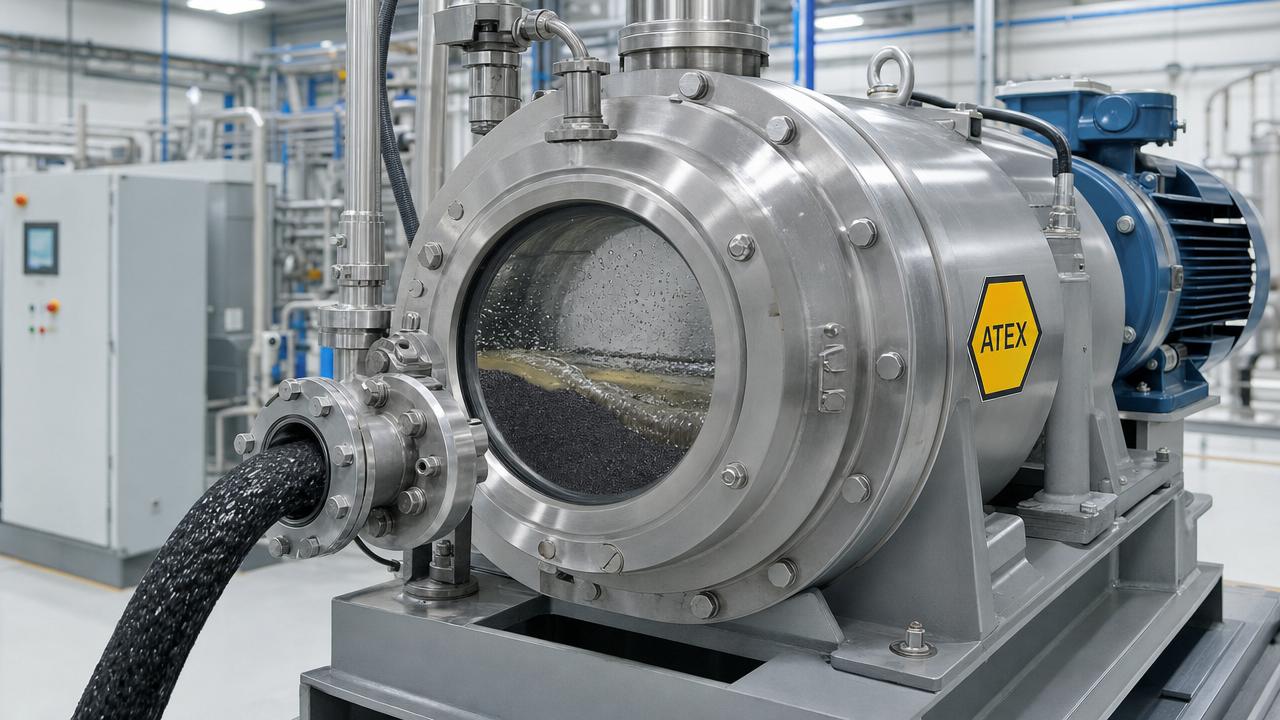
Instrumentation deserves attention as well. Differential pressure points, purge controls, and basic monitoring can turn high capacity centrifugal separators from static hardware into manageable process assets. That becomes valuable when systems operate continuously or under changing production schedules.
Where evaluation criteria differ by application
The same separator logic does not apply equally across all sectors. Context changes the acceptable tradeoff between throughput, clarity, maintenance, and energy use.
Cooling and heat exchange systems
Here, solids removal protects heat transfer surfaces and flow stability. Fine debris, scale, and corrosion products can lower thermal efficiency long before they cause visible blockage. Pressure drop must remain low because auxiliary energy can quickly offset process gains.
Compressed air and vacuum support systems
Liquid separation and solids control often support downstream reliability. The concern is not only product quality. It is also wear in compressors, pumps, seals, and condensate handling equipment. Stable operation during load swings becomes more important than headline capacity.
Food, pharmaceutical, and high-purity processing
In these environments, cleaning method, contamination control, and material compatibility may outrank maximum throughput. High capacity centrifugal separators still need volume capability, but evaluation includes hygienic design, repeatability, and integration with stricter process validation rules.
Wastewater and general industrial liquids
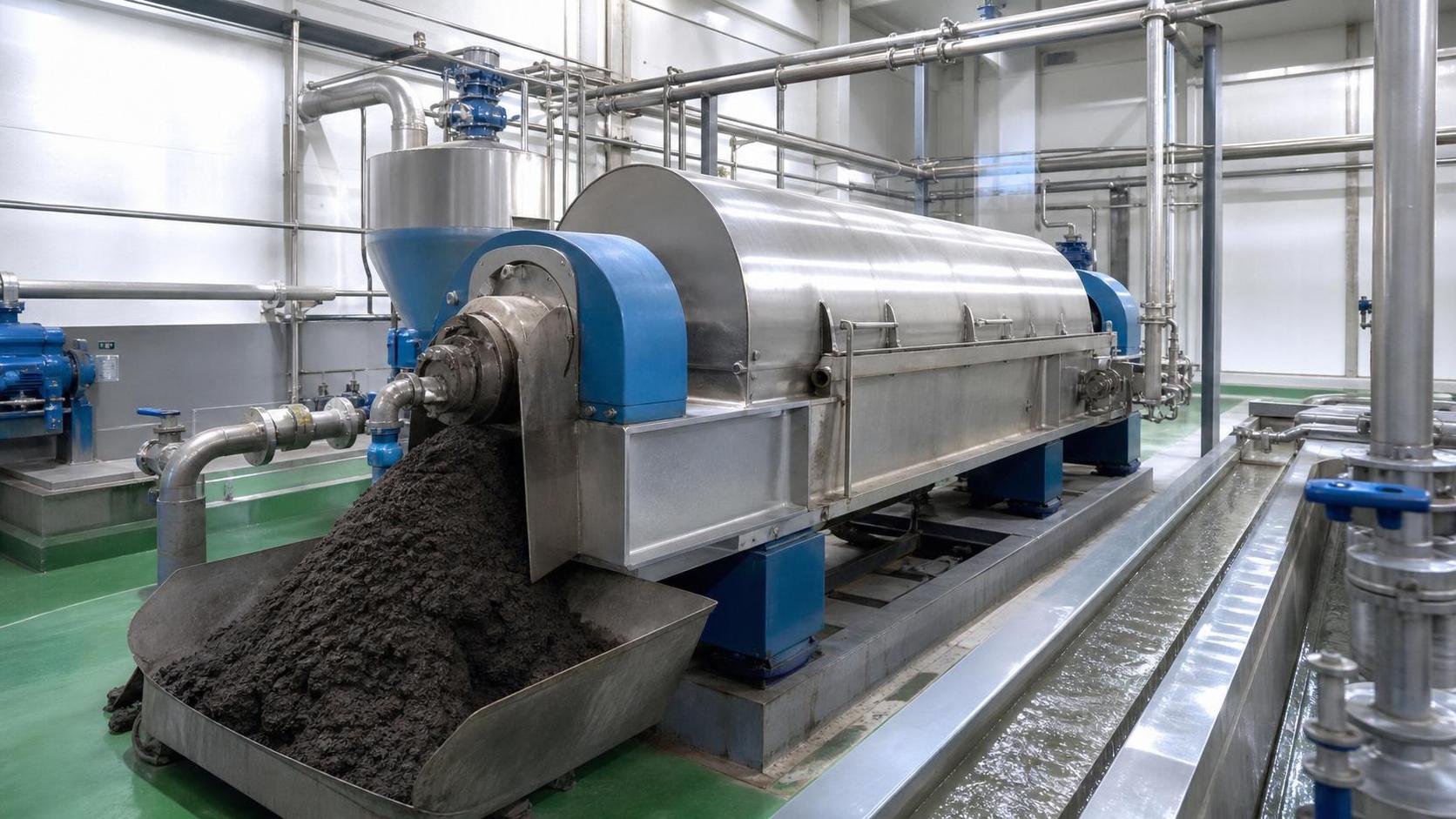
Solids loading can be highly variable. The best choice is often the unit that keeps acceptable removal levels across that variability, rather than the one with the best clean-water test result.
How to test claims before selection
Published curves are useful, but they are not enough for a final decision. A strong evaluation process asks for evidence generated under conditions close to the target duty.
- Define the expected solids profile, not just total concentration.
- Check performance at minimum, normal, and peak throughput.
- Review pressure loss with actual fluid viscosity and temperature.
- Confirm how separated solids are discharged and measured.
- Ask for wear assumptions and maintenance intervals.
- Look for field references in comparable thermal or process systems.
When possible, pilot testing or a monitored trial provides the clearest answer. This is especially true where solids are irregular, sticky, fibrous, or chemically reactive. Laboratory data may miss those behaviors.
A useful review framework also considers what happens after installation. If process conditions drift, can settings be adjusted? Can wear be inspected without a major shutdown? Can trend data show when performance begins to decline?
Reading lifecycle value instead of purchase price
High capacity centrifugal separators often enter discussions through capital cost, but their business value appears later. Reduced fouling, fewer emergency cleanouts, better thermal stability, and lower filter replacement rates can outweigh an initially lower-cost option.
This broader view aligns with the intelligence approach associated with GTC-Matrix. Equipment decisions are stronger when they are connected to energy conversion efficiency, plant reliability, and structural demand from industries requiring cleaner and more stable utility systems.
In practical terms, the best separator is not simply the most aggressive unit. It is the one that fits the process window, preserves operating stability, and produces measurable value across maintenance, energy, and downstream equipment protection.
A sensible next step for evaluation
A sound review starts with a process-specific checklist. Map actual flow range, solids type, removal target, allowable pressure drop, cleaning method, and uptime requirement. Then compare high capacity centrifugal separators against those realities, not against catalog language alone.
Where the duty affects cooling efficiency, compression reliability, or sensitive downstream equipment, it is worth building a simple test matrix before selection. That creates a clearer basis for comparing claims, identifying tradeoffs, and narrowing choices to designs that can hold performance over time.
The result is a better procurement decision and a more durable operating outcome. In most cases, that is the difference between buying a separator and selecting a separation strategy that genuinely supports plant performance.
Related News
- How to Evaluate High Capacity Centrifugal Separators for Throughput and Solids RemovalAuthor :Thermal Energy Strategist

- How to Compare Automatic Centrifugal Separators by Throughput and Solids LoadAuthor :Thermal Energy Strategist

- Centrifugal Dewatering Wastewater Sludge: What Affects Cake Solids Most?Author :Thermal Energy Strategist

- India's Gold Import Pause Shifts Centrifuge Demand to Battery RecyclingAuthor :Thermal Energy Strategist