Asia-Pacific Seafood Expo 2026 Sparks Surge in Overseas Cold Chain Equipment Orders




The Asia-Pacific Seafood Expo 2026 opened in Dalian on May 28, 2026, triggering concentrated overseas procurement of industrial refrigeration equipment — particularly driven by accelerating cold chain infrastructure development in Southeast Asia and the Middle East.
Confirmed Event Highlights
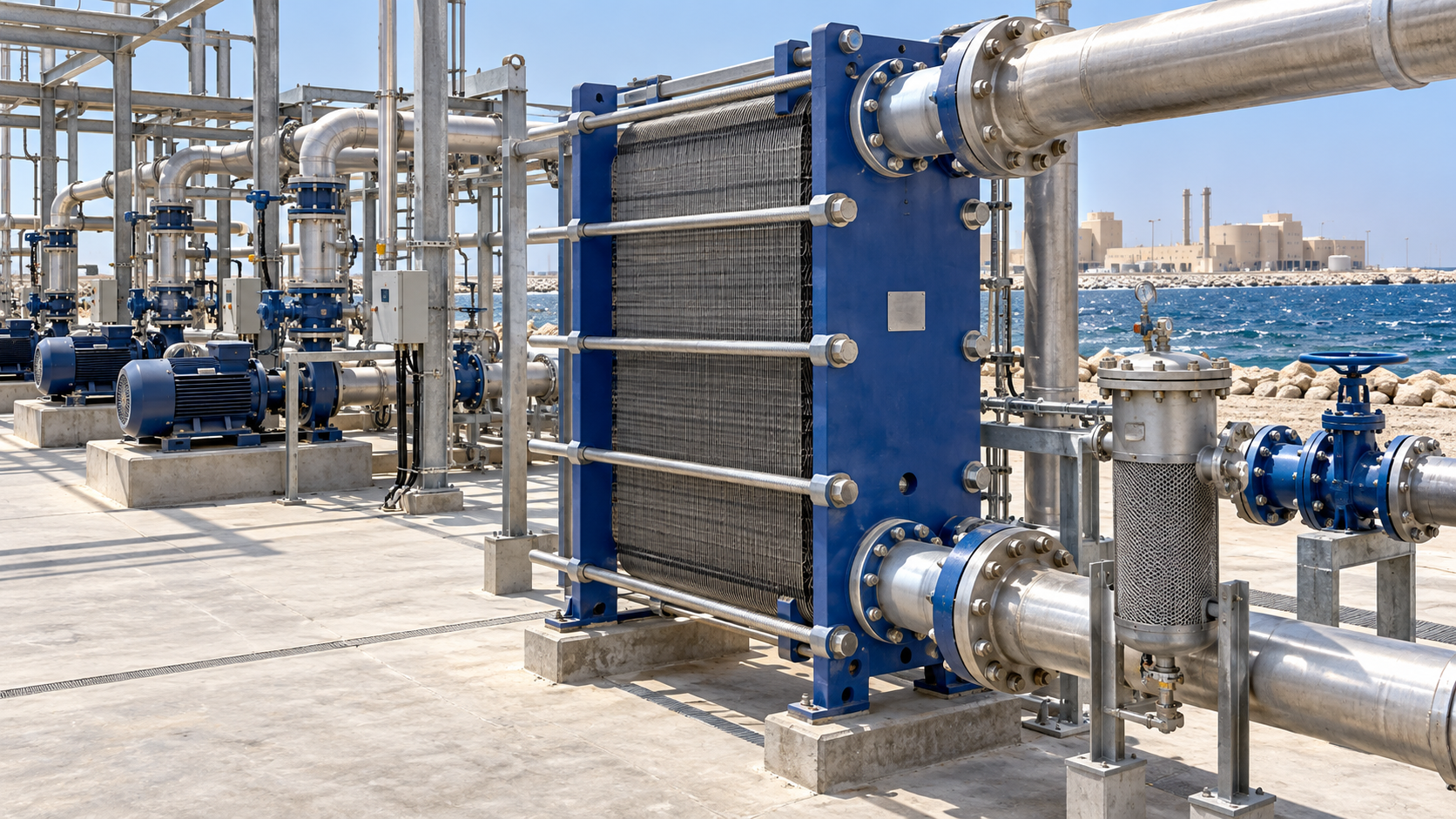
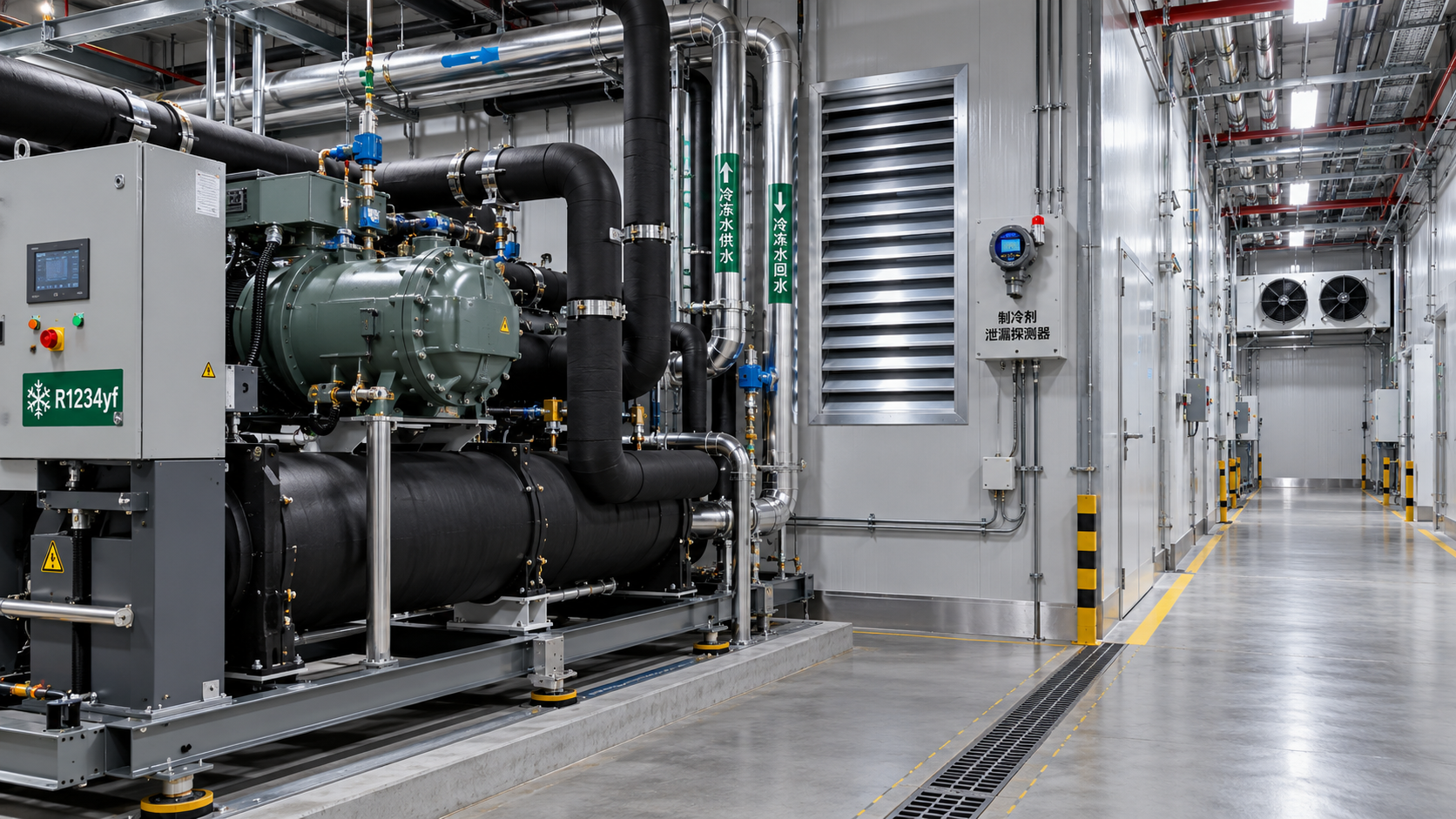
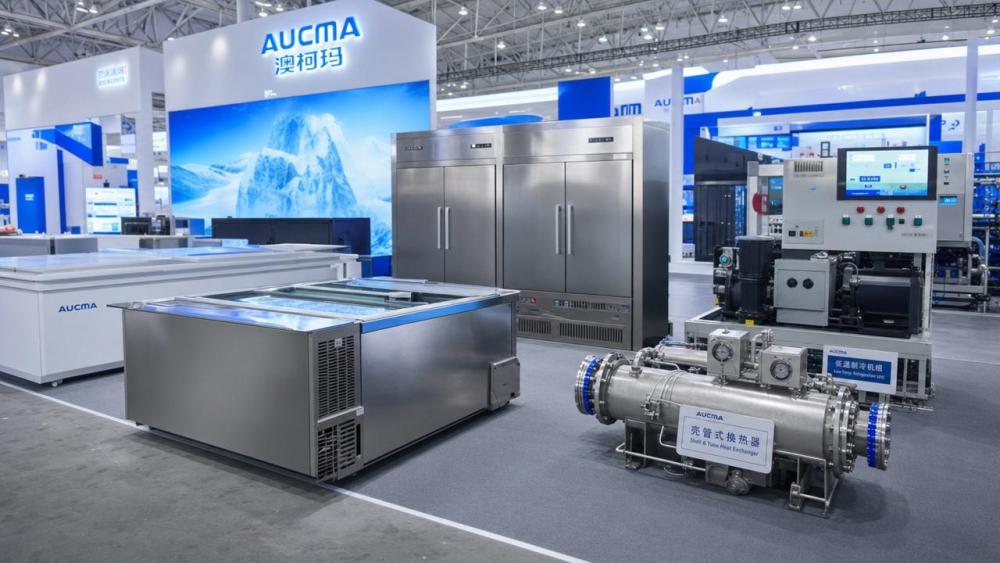
The Asia-Pacific Seafood Food Exhibition, launched on May 28, 2026, attracted procurement representatives from 32 countries. On-site contracts for industrial chiller units, cold storage systems, and shell-and-tube heat exchangers exceeded RMB 120 million. The exhibition revealed that demand for −25°C deep-freeze units and salt-fog-resistant shell-and-tube heat exchangers rose 67% year-on-year in Southeast Asia and the Middle East, with average lead times extended to 14 weeks.
Impact Across Industry Stakeholders
Export-oriented trading enterprises
These firms face tighter delivery windows and heightened technical specification requirements — especially for corrosion resistance and low-temperature performance — when fulfilling orders tied to regional cold chain projects.
Raw material and component suppliers
Increased demand for specialized materials (e.g., marine-grade stainless steel, cryogenic-compatible gaskets) is emerging, requiring earlier forecasting and inventory planning to align with extended 14-week production cycles.
Equipment manufacturers
Manufacturers must verify compliance with regional environmental operating conditions — including high-humidity, saline coastal environments — and validate thermal performance under sustained −25°C service conditions.
Logistics and after-sales service providers
Extended lead times and geographically dispersed project sites raise coordination complexity for installation support, spare parts logistics, and on-site commissioning — particularly where local technical certification or language-specific documentation is required.
Key Operational Priorities for Enterprises
Validate corrosion-resistance certifications for coastal deployments
Orders for salt-fog-resistant shell-and-tube heat exchangers require documented compliance with standards such as ISO 9223 (corrosivity classification) or NACE MR0175/ISO 15156 (materials in H₂S-containing environments), depending on end-use location.
Align technical specifications with regional low-temperature requirements
−25°C deep-freeze units must meet verified performance thresholds under continuous operation — not just nominal rating — necessitating updated test reports and adherence to ASME BPVC Section VIII or equivalent pressure vessel standards.
Adjust procurement and capacity planning for extended lead times
With standard delivery now at 14 weeks, firms should revise internal procurement timelines, reassess safety stock levels for critical subcomponents, and engage suppliers earlier in bid preparation cycles.
Review export documentation readiness
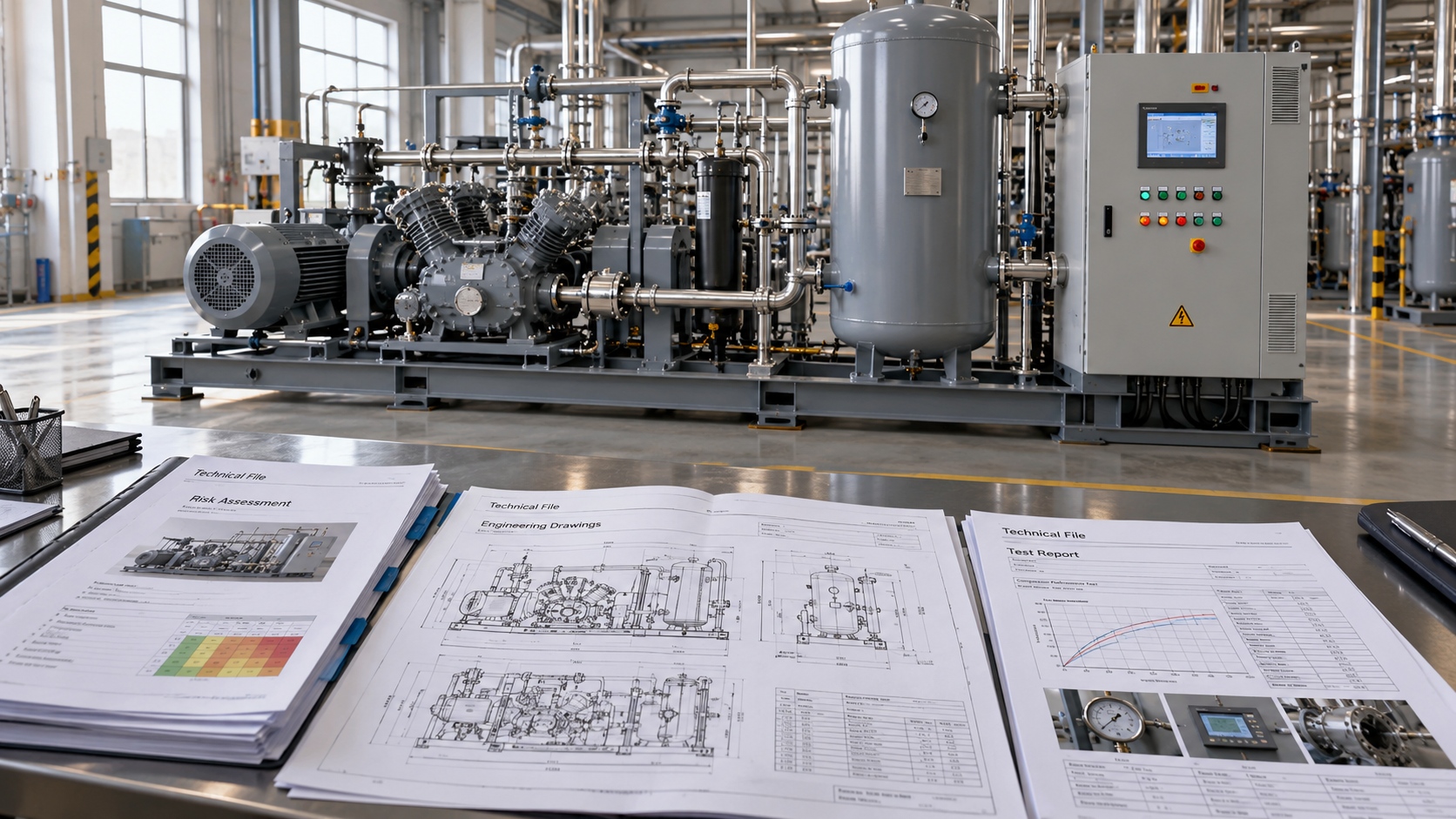
Documentation packages — including CE marking declarations (where applicable), multilingual operation manuals, and traceable material certifications — must be pre-verified to avoid customs delays or field rejection in target markets.
Industry Observation: Beyond Short-Term Demand
Analysis shows this order surge reflects structural investment — not cyclical procurement. Observably, Southeast Asian national cold chain master plans and Gulf Cooperation Council (GCC) food security initiatives are formalizing technical prerequisites for imported refrigeration infrastructure. It is more appropriate to understand this as a shift toward longer-term compliance anchoring: specifications are increasingly tied to operational durability in harsh environments, not just energy efficiency or capacity. What deserves closer attention is how rapidly regional certification bodies are harmonizing test protocols for salt-fog resistance and deep-cold validation — a trend that may soon elevate baseline qualification requirements across multiple export corridors.
Strategic Implications for the Sector
This event signals a maturing phase in global cold chain equipment trade — where geographic expansion is now conditioned on demonstrable adaptation to localized environmental service conditions and verifiable long-cycle reliability. Success hinges less on price competitiveness alone and more on integrated readiness across technical documentation, materials compliance, and responsive after-sales architecture.
Source Attribution and Verification Notes
This article was generated exclusively from the provided title, event date (May 28, 2026), and summary. Specific official source links were not provided in the input and should be verified continuously. Ongoing monitoring is recommended for updates on regional implementation guidelines, certification authority interpretations, tender document revisions, and industry feedback on lead time sustainability.
Ready when you are. Send us a message to get started.
Related News
- How corrugation angle affects heat transfer in plate heat exchangersAuthor :Thermodynamics Analyst

- R22 Prices Retreat as China's Refrigerant Market Faces Tight Quotas and Soft DemandAuthor :Cryogenic Systems Expert

- How to select industrial equipment for automation with existing PLCsAuthor :

- Carrier Plans $600 Million Manufacturing and Engineering Center in Fort WorthAuthor :

- How electricity prices shape industrial compressed air price trendsAuthor :

- Chemours Faces Investor Lawsuit Over Opteon Refrigerant Sales ForecastsAuthor :Cryogenic Systems Expert

- Choosing air filtration systems for heavy dust in the Middle EastAuthor :

- LG Expands R290 Monobloc Heat Pump Range with New 12–16 kW ModelsAuthor :Cryogenic Systems Expert

- How to size a chiller for pharmaceutical cleanroom temperature controlAuthor :Cryogenic Systems Expert

- Kentucky Regulators Approve $191 Million Cooling Tower at Mitchell Coal PlantAuthor :Thermodynamics Analyst

- How much does a fully installed compressed air monitoring system cost?Author :

- What documentation supports CE marking for industrial equipment?Author :

- When do plate heat exchangers suit Middle East seawater cooling?Author :Thermodynamics Analyst

- EU Issues Updated Guidance on Industrial Refrigeration Efficiency and F-gas AlternativesAuthor :Cryogenic Systems Expert

- How does base pressure affect film purity in vacuum deposition?Author :Vacuum Process Fellow

- Do U.S. refrigerant regulations require replacing R-410A systems?Author :Cryogenic Systems Expert

- When does variable gas flow justify a custom screw compressor system?Author :Pneumatic Power Engineer

- How local support affects vacuum system costs in Southeast AsiaAuthor :

- How worldwide industry category guides help compare market opportunitiesAuthor :

- How to verify food-grade purity in compressed air systemsAuthor :Pneumatic Power Engineer

- When high-pressure waste heat recovery boilers make economic senseAuthor :Thermal Energy Strategist

- How to size compressed air equipment for pneumatic toolsAuthor :Pneumatic Power Engineer

- How to size vacuum process equipment for the required pump-down timeAuthor :Vacuum Process Fellow

- What determines the price of pure air compression systems?Author :Pneumatic Power Engineer

- How steam generation efficiency shapes thermal power system designAuthor :Thermal Energy Strategist

- What drives sustainable thermal systems cost over their operating life?Author :

- Which vacuum specification best protects semiconductor process yield?Author :Vacuum Process Fellow

- When do smart thermal systems with sensors reduce chiller energy use?Author :Cryogenic Systems Expert

- When does gasketed plate heat exchanger technology suit your process?Author :Thermodynamics Analyst

- How to size oil-free compressors for instrumentation air demandAuthor :Pneumatic Power Engineer

- How Class 0 oil-free compressors protect product quality in food productionAuthor :Pneumatic Power Engineer

- Which industrial solution comparison criteria prevent project delays?Author :

- Chiller Optimization Checklist for Rising Energy Use and Unstable Cooling OutputAuthor :Cryogenic Systems Expert

- How to Specify a High-Precision Temperature Chiller for Tight-Tolerance ProcessesAuthor :Cryogenic Systems Expert

- Designing Energy-Efficient Industrial Cooling for Variable Process LoadsAuthor :Cryogenic Systems Expert

- Low-GWP Cooling Solutions for Process Plants: Comparing Safety, Efficiency, and CostAuthor :Cryogenic Systems Expert