REACH SVHC Update Pressures HFC-134a Chiller Supply Chains




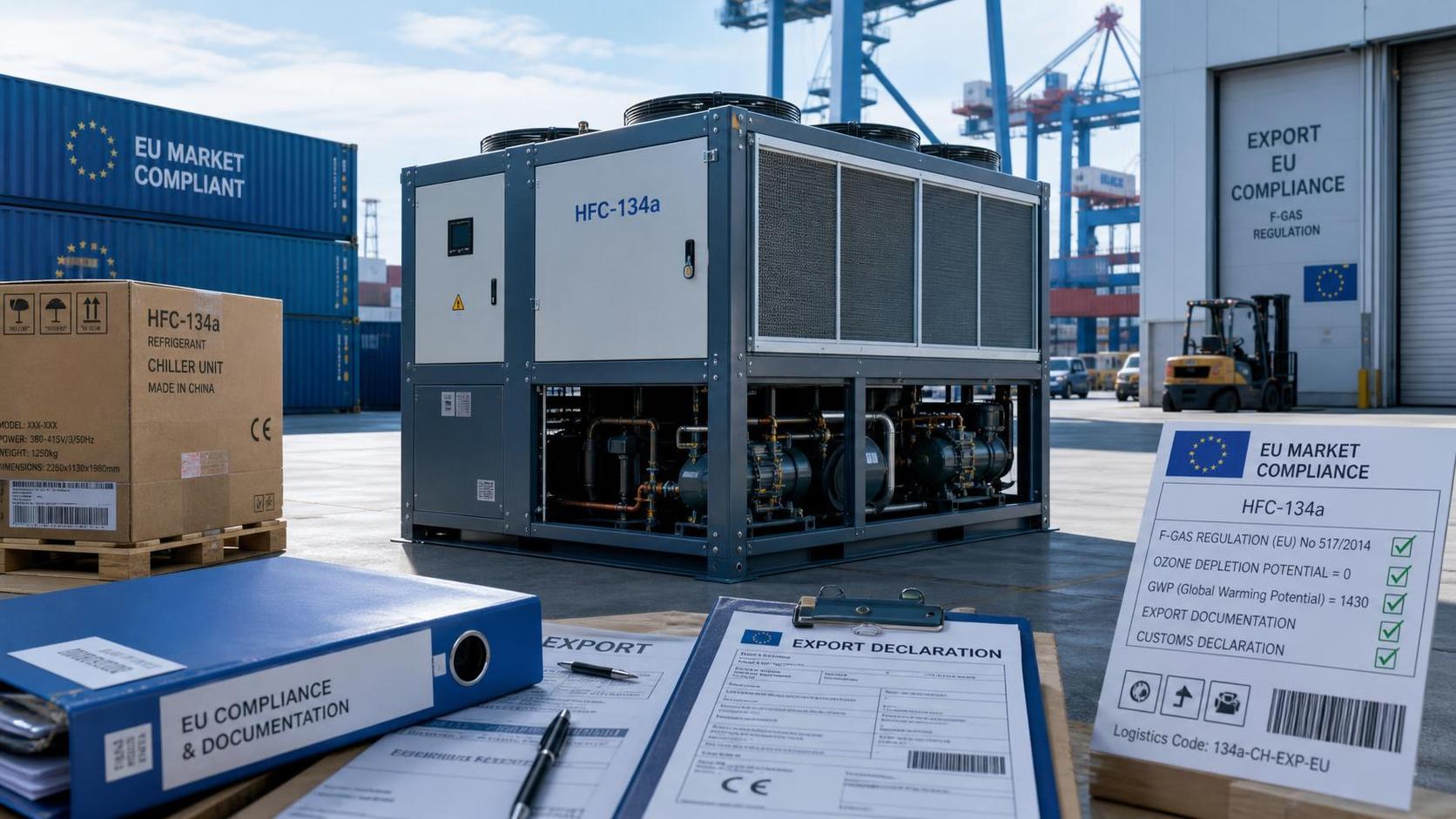
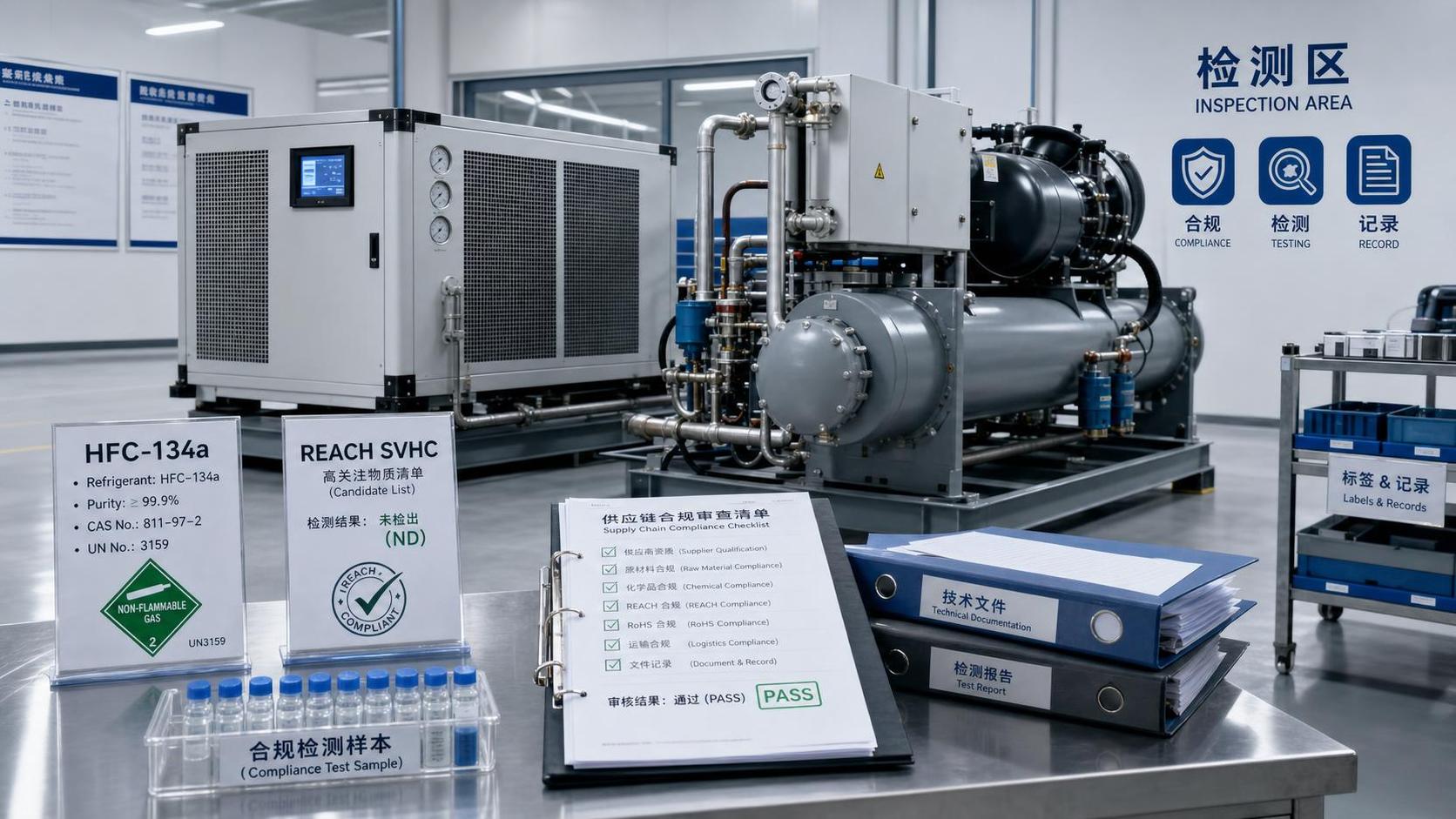
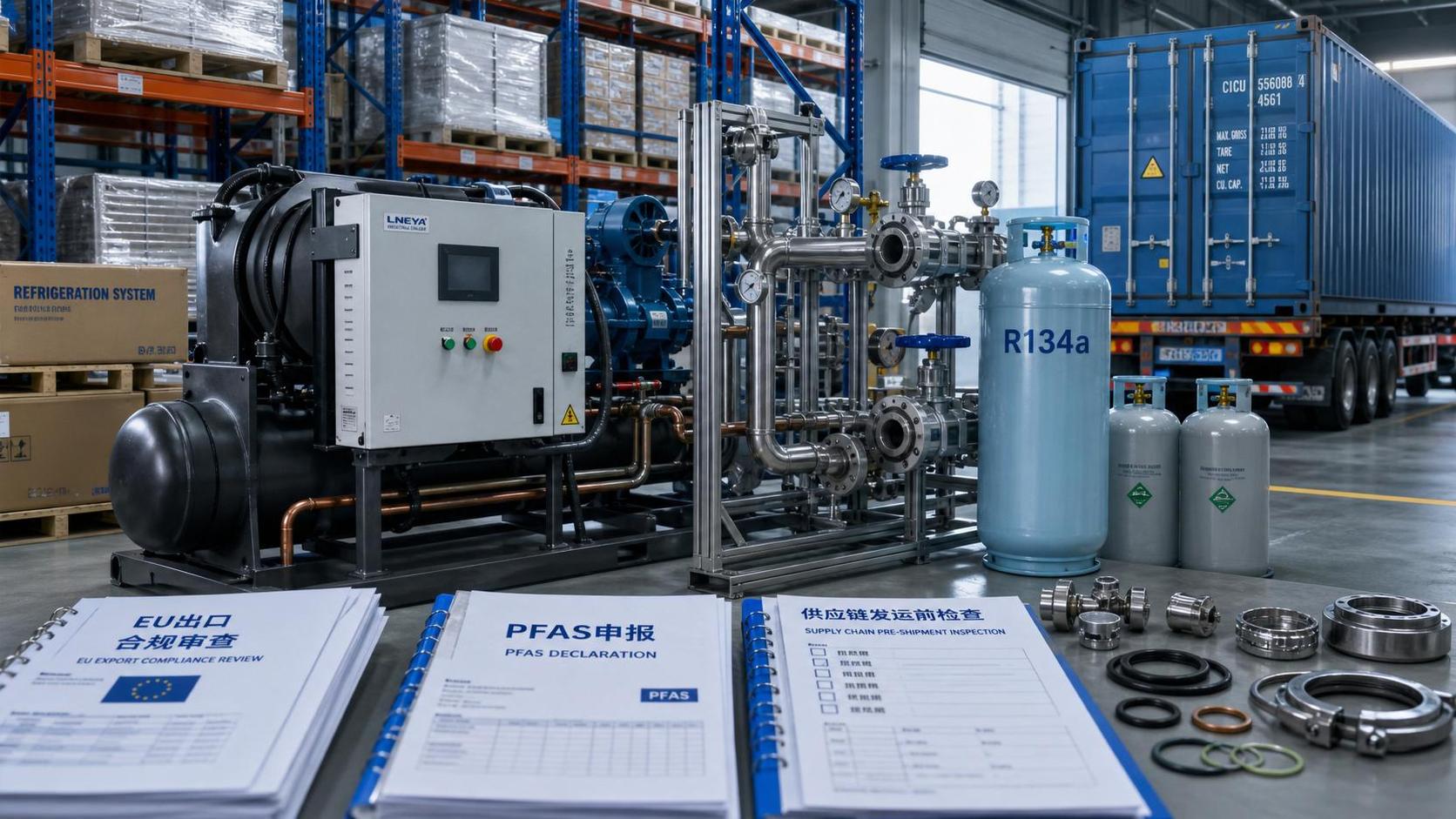
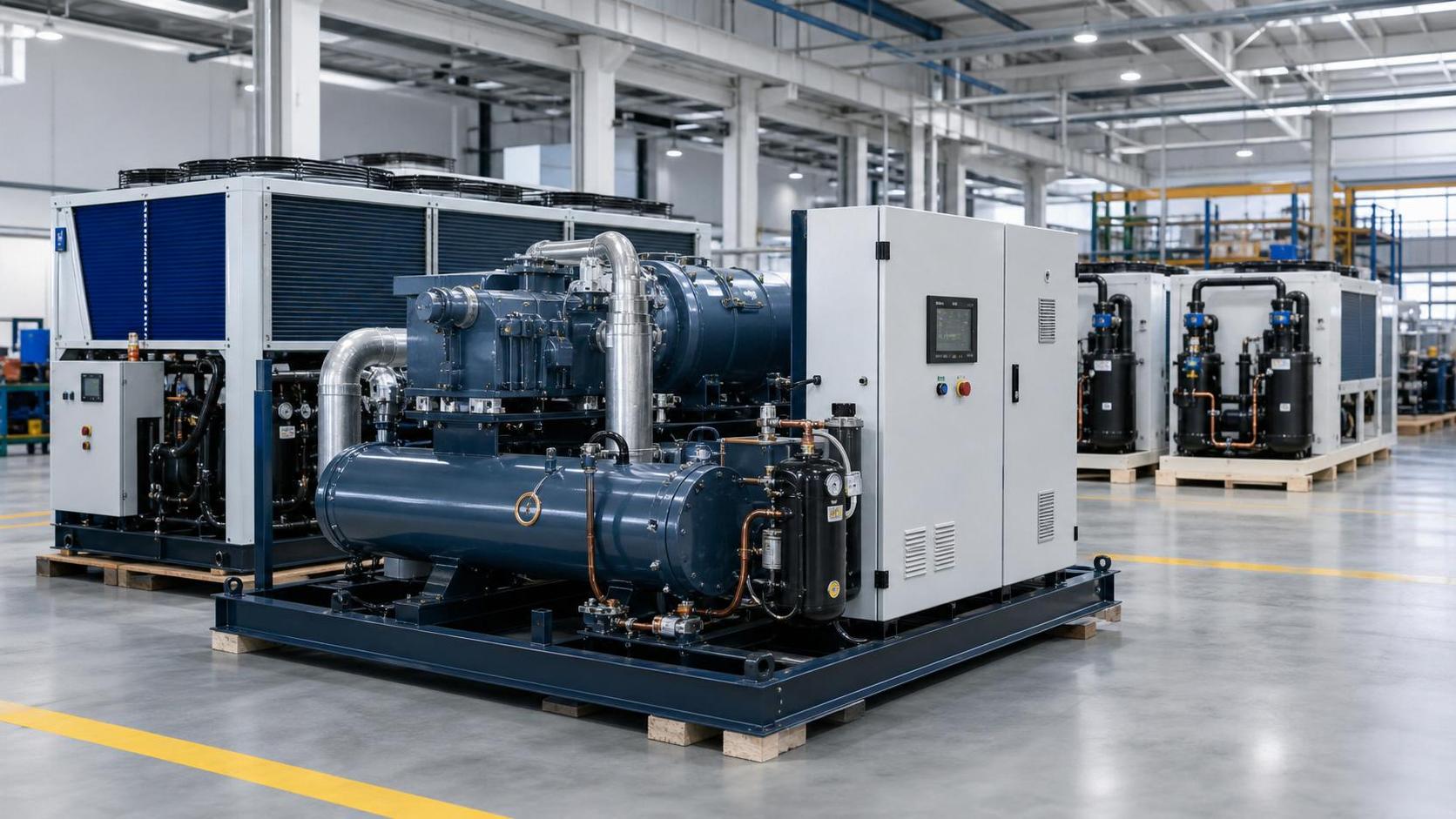
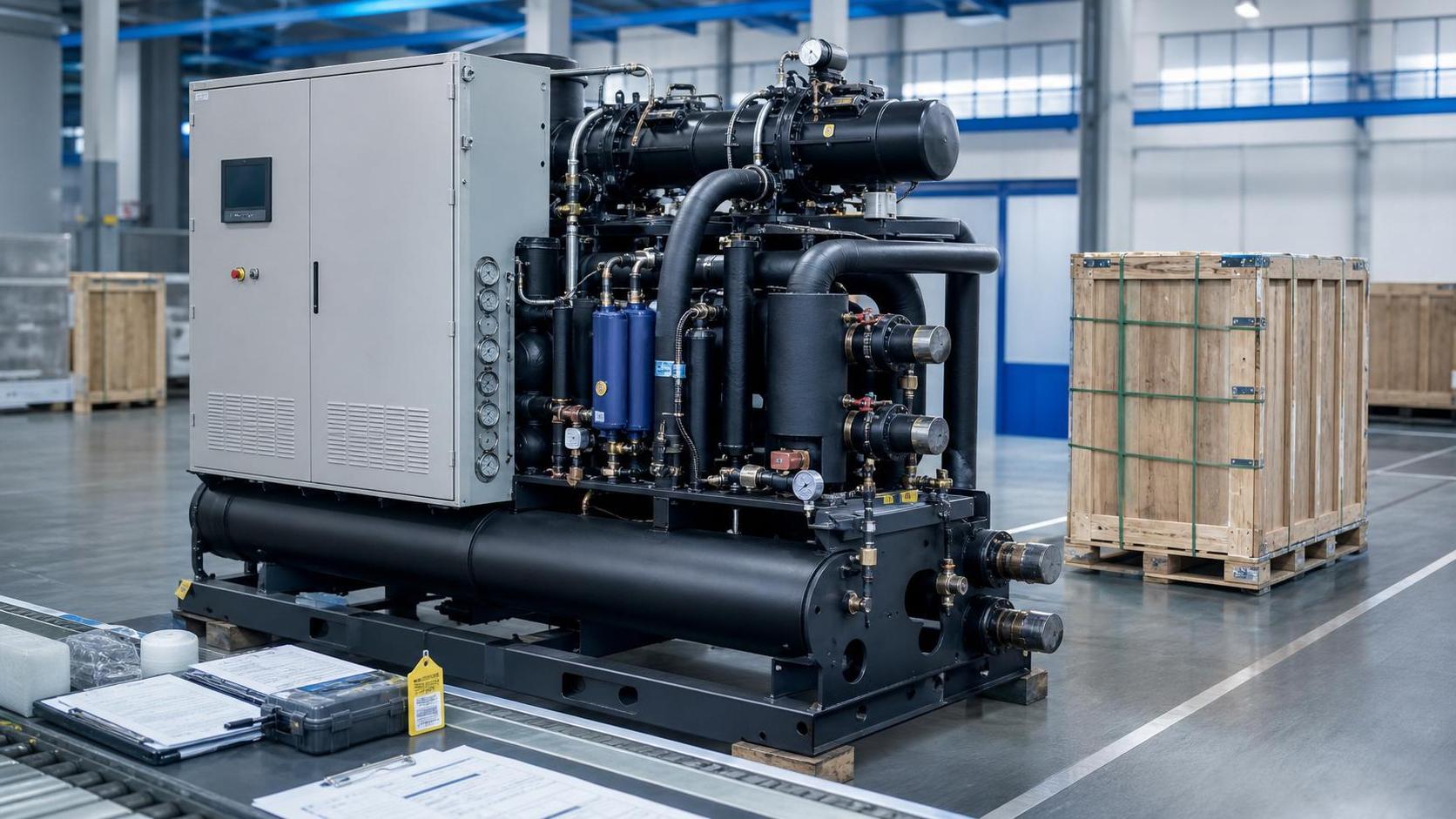
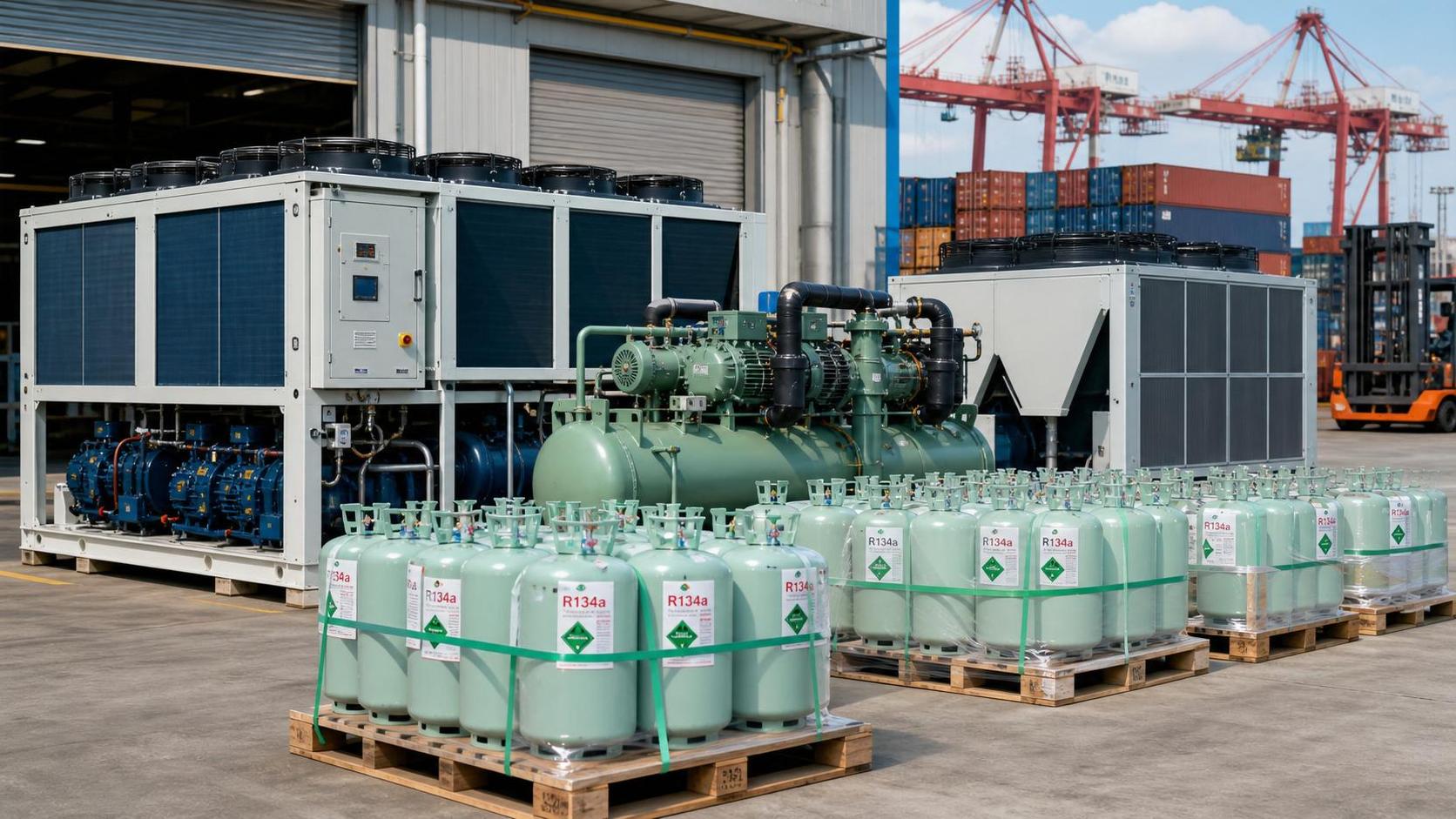
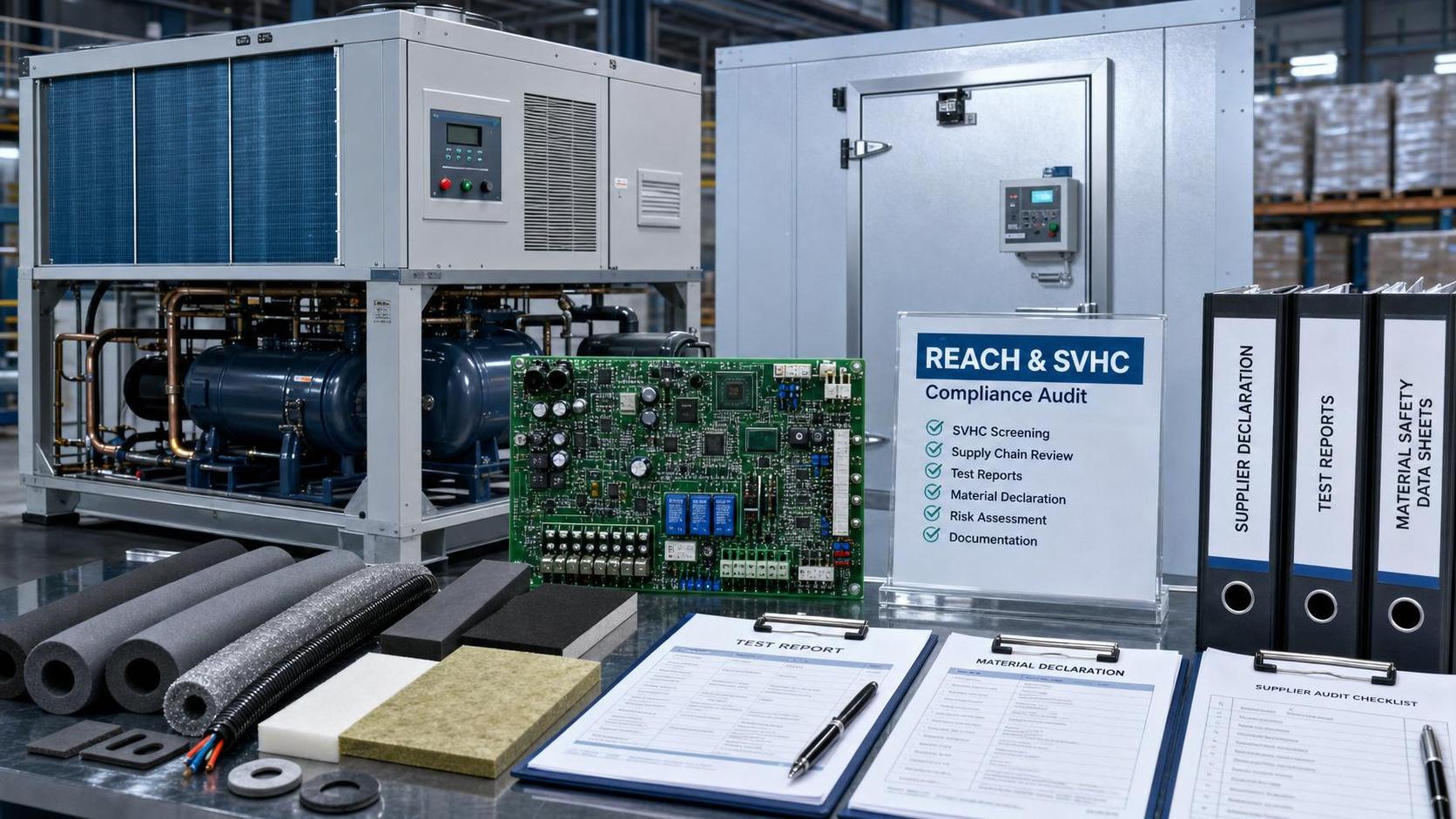
On July 21, 2026, the European Chemicals Agency added 12 substances, including HFC-134a, to the REACH Candidate List of substances of very high concern. The move does not amount to an immediate ban, but it introduces mandatory communication obligations and raises expectations of future authorization-related restrictions. For companies involved in industrial chillers, centrifugal chillers, and some screw-compressor refrigeration systems, this matters because HFC-134a remains present in equipment sourcing, compliance review, procurement planning, and delivery preparation, especially where overseas importers buy China-made systems.
What Has Been Confirmed So Far
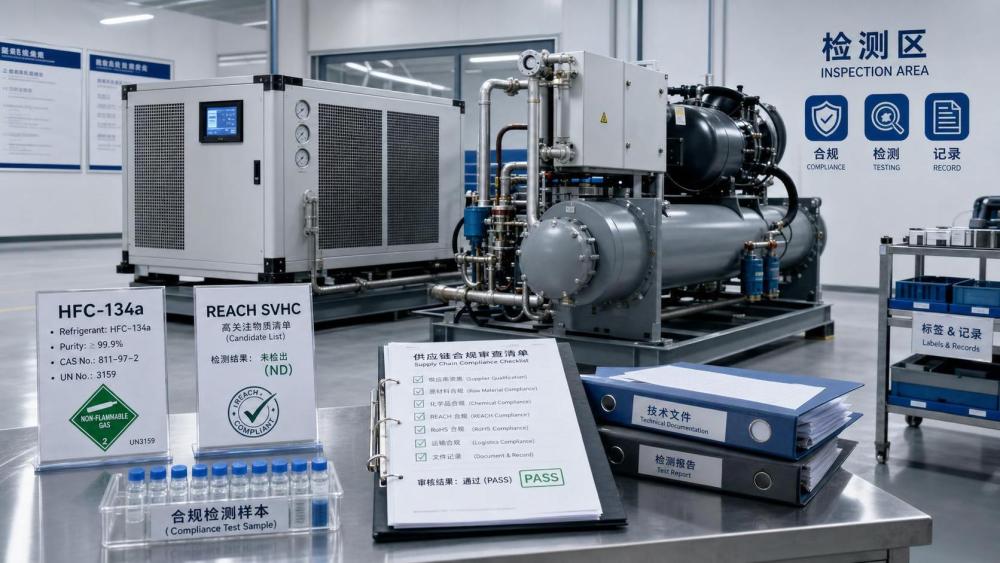
The confirmed event is that the European Chemicals Agency formally placed HFC-134a and 12 substances in total on the SVHC Candidate List on July 21, 2026. Based on the information provided, the substance is not yet prohibited, but its listing triggers mandatory notification-related obligations and creates an expectation of possible future authorization constraints. HFC-134a is described as being widely used in medium- and low-temperature industrial chiller units, centrifugal chillers, and certain screw-compressor refrigeration systems.
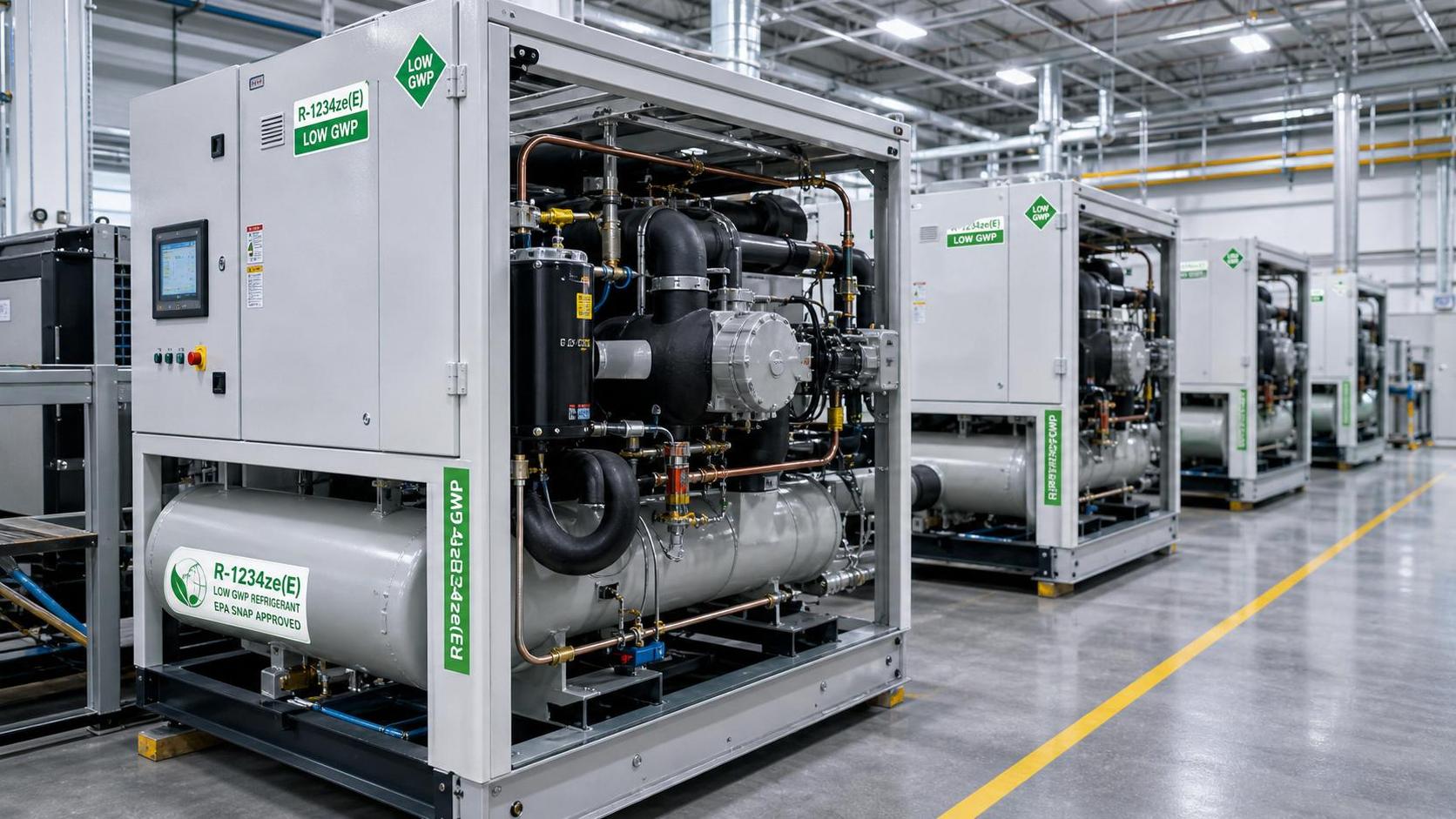
The same confirmed information also indicates that overseas importers sourcing equipment containing HFC-134a from China need to conduct supply-chain due diligence earlier and assess the compatibility and certification cost implications of alternative refrigerants such as R513A and R1234ze.
Where the Pressure Appears Along the Chain
Import-side procurement is moving from price review to substance review
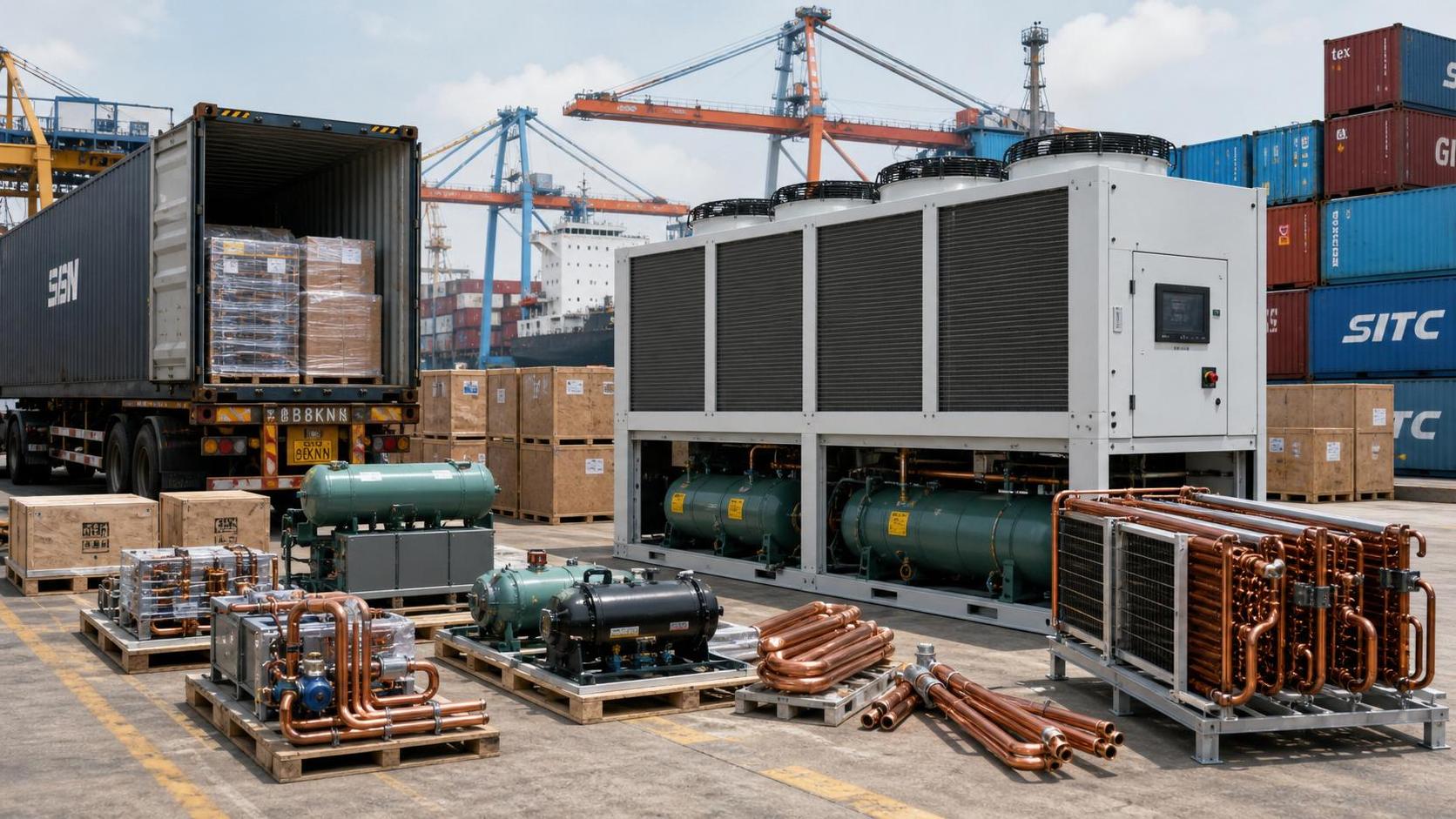
From an industry perspective, overseas importers are likely to feel the change first because sourcing decisions now intersect more directly with REACH-related substance screening. The practical pressure point is no longer limited to equipment performance and commercial terms; buyers may also need clearer confirmation of refrigerant content, related technical documentation, and whether the delivered configuration creates additional notification or internal compliance review work.
Equipment manufacturers may face earlier document and specification scrutiny
For manufacturers of industrial chillers and related refrigeration systems, the effect is likely to show up in quotation, specification alignment, and order confirmation stages. Analysis shows that if a unit contains HFC-134a, customers may ask for more complete substance disclosures, refrigerant configuration details, and supporting technical files before purchase decisions are finalized. This does not prove that orders will stop, but it does mean compliance-related questions can arrive earlier in the sales cycle.
Certification and technical service work may become more complex around substitutes
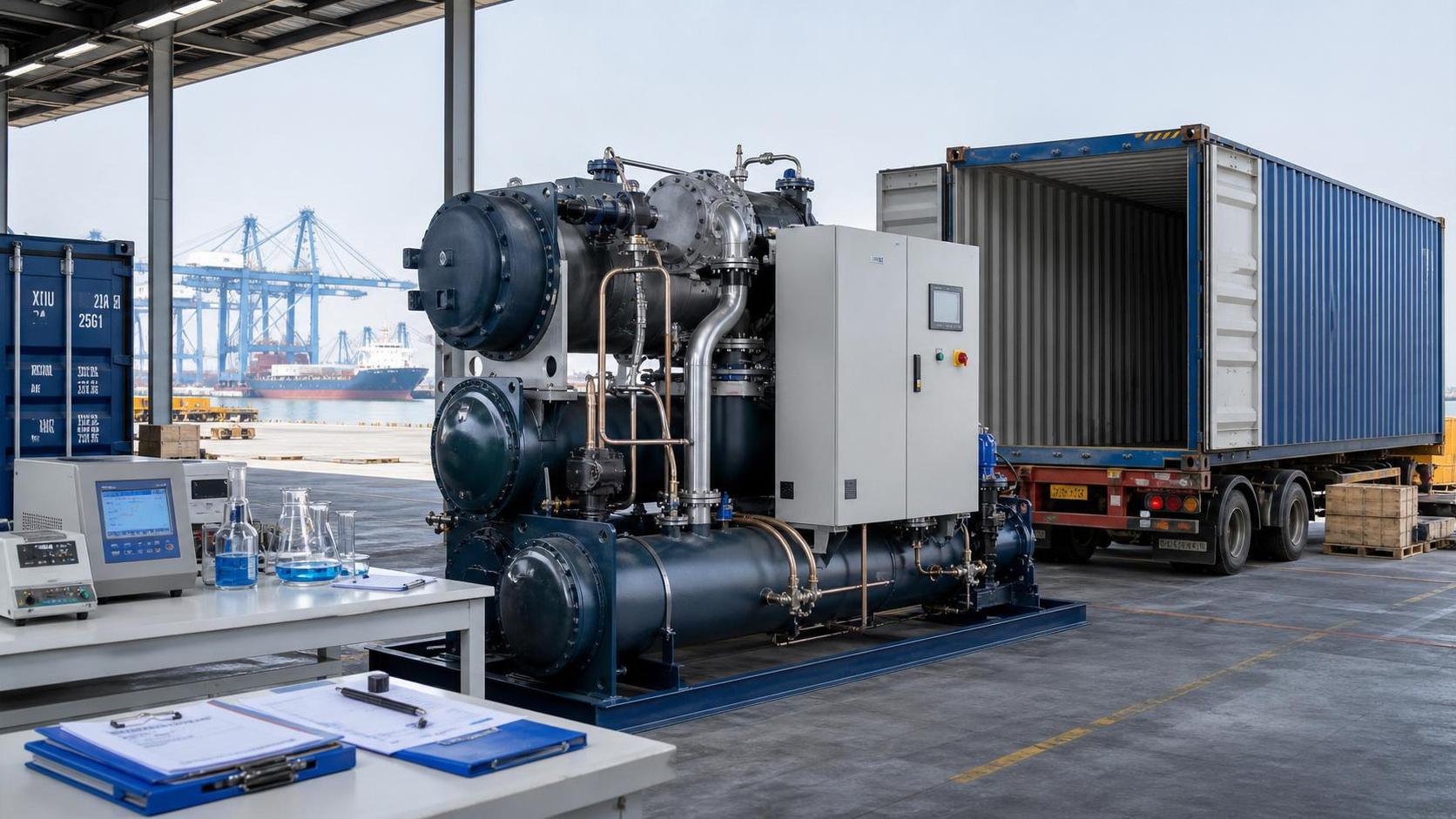
Where companies consider R513A or R1234ze as alternatives, the operational issue is not simply replacement by name. Observably, compatibility checks and certification cost assessment become part of the commercial evaluation because refrigerant substitution can affect how a product is documented, reviewed, and accepted in the target market. For service providers, testing bodies, and after-sales teams, this may translate into more requests tied to technical verification, documentation consistency, and traceability of delivered configurations.
What Companies Should Track Now
Review refrigerant declarations in equipment documents
What deserves closer attention is whether product files, quotations, technical sheets, and transaction documents clearly identify the refrigerant used in the supplied system. Where HFC-134a is involved, the immediate issue is document readiness for customer review and internal compliance checks rather than a confirmed market prohibition.
Check whether substitute options are commercially and technically usable
Analysis shows that companies considering R513A or R1234ze should treat substitution as a combined technical and compliance question. The current information supports attention to compatibility and certification cost, but it does not confirm a single preferred route. That means procurement teams and engineering teams may need to assess substitute pathways together rather than treating the issue as a routine component swap.
Prepare for earlier due diligence in cross-border sourcing
For importers buying from China, the key change is timing. Due diligence may need to start before purchase orders are finalized, with greater focus on substance content, supplier disclosures, and supporting records tied to the delivered unit. This is especially relevant for projects where technical bid alignment, buyer approval, or delivery release depends on complete compliance documentation.
Watch for changes in tender language and acceptance requirements
Observably, one area worth monitoring is whether procurement documents, customer specifications, or acceptance checklists begin to reflect stricter wording around refrigerants listed on the SVHC Candidate List. The provided information does not confirm that such changes have already become standard, so this remains a monitoring point rather than an established outcome.
How This Should Be Read at This Stage
Analysis shows that this development is best understood as an executed compliance signal rather than an immediate market shutdown for HFC-134a equipment. The listing has already changed the regulatory status relevant to communication and due diligence, but the full commercial effect will depend on how importers, certification processes, procurement documents, and future regulatory steps respond. In that sense, the event sits between a rule that has already taken effect in one respect and a wider market adjustment that still requires observation.
A Practical Reading of the Current Shift
For the industrial chiller segment, the significance of this update lies in how quickly refrigerant selection can become a supply-chain and documentation issue, not only an engineering one. It is more appropriate to understand this as a live compliance development with immediate relevance for review procedures and sourcing decisions, while the broader extent of authorization pressure, certification impact, and purchasing behavior still needs to be watched carefully.
Basis of This Article and What Still Needs Verification
This article is generated from the user-provided news title, event date, and event summary. Source types commonly relevant to developments of this kind include official notices, releases from regulatory authorities, information from customs or trade authorities, industry association updates, standard-setting documents, and reporting by authoritative media. A specific official source link was not provided in the input, so the exact official reference still needs further verification. Further observation is also needed on any detailed implementation language, certification interpretations, tender document changes, industry feedback, and how companies execute due diligence and substitution assessments in practice.
Related News
- How Smart Thermal Systems Improve Industrial Cooling EfficiencyAuthor :Cryogenic Systems Expert

- How to Choose Process Cooling Equipment for Stable Temperature ControlAuthor :Cryogenic Systems Expert

- EU Finalizes 2026 HFC Quota Cut for R-134a ChillersAuthor :Cryogenic Systems Expert

- EU Tightens HFC-134a Quotas for Industrial ChillersAuthor :Cryogenic Systems Expert

- REACH SVHC Update Pressures HFC-134a Chiller Supply ChainsAuthor :Cryogenic Systems Expert

- EU PFAS Coolant Ban Reshapes Chiller ExportsAuthor :Cryogenic Systems Expert

- EU REACH Restricts PFAS Cooling Media ImportsAuthor :Cryogenic Systems Expert

- EU Ecodesign Rule Takes Effect for Industrial ChillersAuthor :Cryogenic Systems Expert

- EU REACH Rule Takes Effect for PFAS in Industrial Cooling ExportsAuthor :Cryogenic Systems Expert

- Industrial Cooling for Plastic Processing: How to Size for Stable Cycle TimesAuthor :Cryogenic Systems Expert

- EU F-Gas Update Bars R404A/R507 in Commercial CoolingAuthor :Cryogenic Systems Expert

- DOE Raises Chiller Efficiency Standard From October 2026Author :Cryogenic Systems Expert

- India Mandates BIS Energy Certification for Industrial ChillersAuthor :Cryogenic Systems Expert

- Energy-Efficient Heat Exchange for Process Cooling: Cost vs PaybackAuthor :Cryogenic Systems Expert

- EPA R-134a Import Ban Takes Effect on July 13, 2026Author :Cryogenic Systems Expert

- India BIS Rule Takes Effect for Industrial ChillersAuthor :Cryogenic Systems Expert

- EPA Cuts R134a Import Quotas 20% From July 10Author :Cryogenic Systems Expert

- How to Compare Energy-Efficient Cooling Systems for Factory Expansion ProjectsAuthor :Cryogenic Systems Expert

- Chiller Price Index Rises 11.3% in Q2Author :Cryogenic Systems Expert

- Saudi SASO Tightens Chiller Import Compliance From July 10Author :Cryogenic Systems Expert

- Dubai Opens Fast-Track Chiller TendersAuthor :Cryogenic Systems Expert

- Japan Raises Chiller COP Floor to 6.2 From Sept. 1Author :Cryogenic Systems Expert
![]()
- Compact Thermal Management in Smart Devices: Common Failure RisksAuthor :Cryogenic Systems Expert

- Thermal Management for Batteries: Cooling Methods ComparedAuthor :Cryogenic Systems Expert

- How Compact Thermal Design Extends Smart Device UptimeAuthor :Cryogenic Systems Expert

- Shanghai-Rotterdam Reefer Rates Jump 37% in a WeekAuthor :Cryogenic Systems Expert

- Process Cooling Equipment Low Maintenance: What Cuts Downtime Over 5 Years?Author :Cryogenic Systems Expert

- Semiconductor Cooling Solutions: Which Design Works Best for High-Density Tools?Author :Cryogenic Systems Expert

- Semiconductor Thermal Management Systems: Preventing Yield Loss from Heat DriftAuthor :Cryogenic Systems Expert

- EPA Clears R-1234ze(E) for Industrial ChillersAuthor :Cryogenic Systems Expert
 for Industrial Chillers")
- DOE Raises Chiller IEER Floor to 12.8 From Oct. 2026Author :Cryogenic Systems Expert

- Singapore Refrigeration Show Adds Green Compliance HubAuthor :Cryogenic Systems Expert

- How Food Industry Temperature Control Systems Reduce Product LossAuthor :Cryogenic Systems Expert

- EU REACH Adds 12 SVHCs, Raising Chiller Compliance RiskAuthor :Cryogenic Systems Expert

- Precision Temperature Control Air Cooling: Key Setup Mistakes That Reduce StabilityAuthor :Cryogenic Systems Expert

- India BEE Eyes APF Labels for Imported ChillersAuthor :Cryogenic Systems Expert