EPA Freezes R-410A Quotas, Fast-Tracks R-32




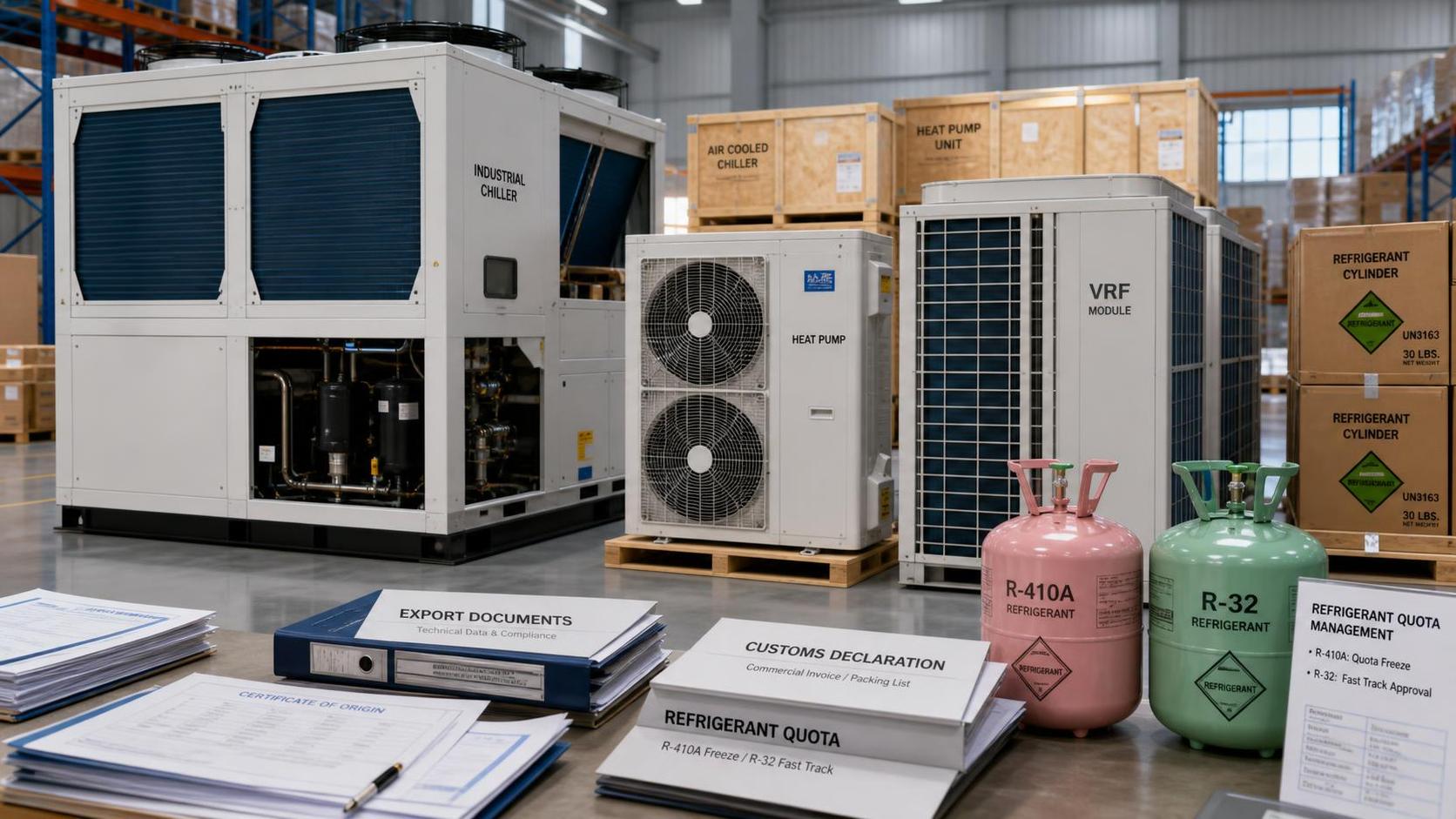
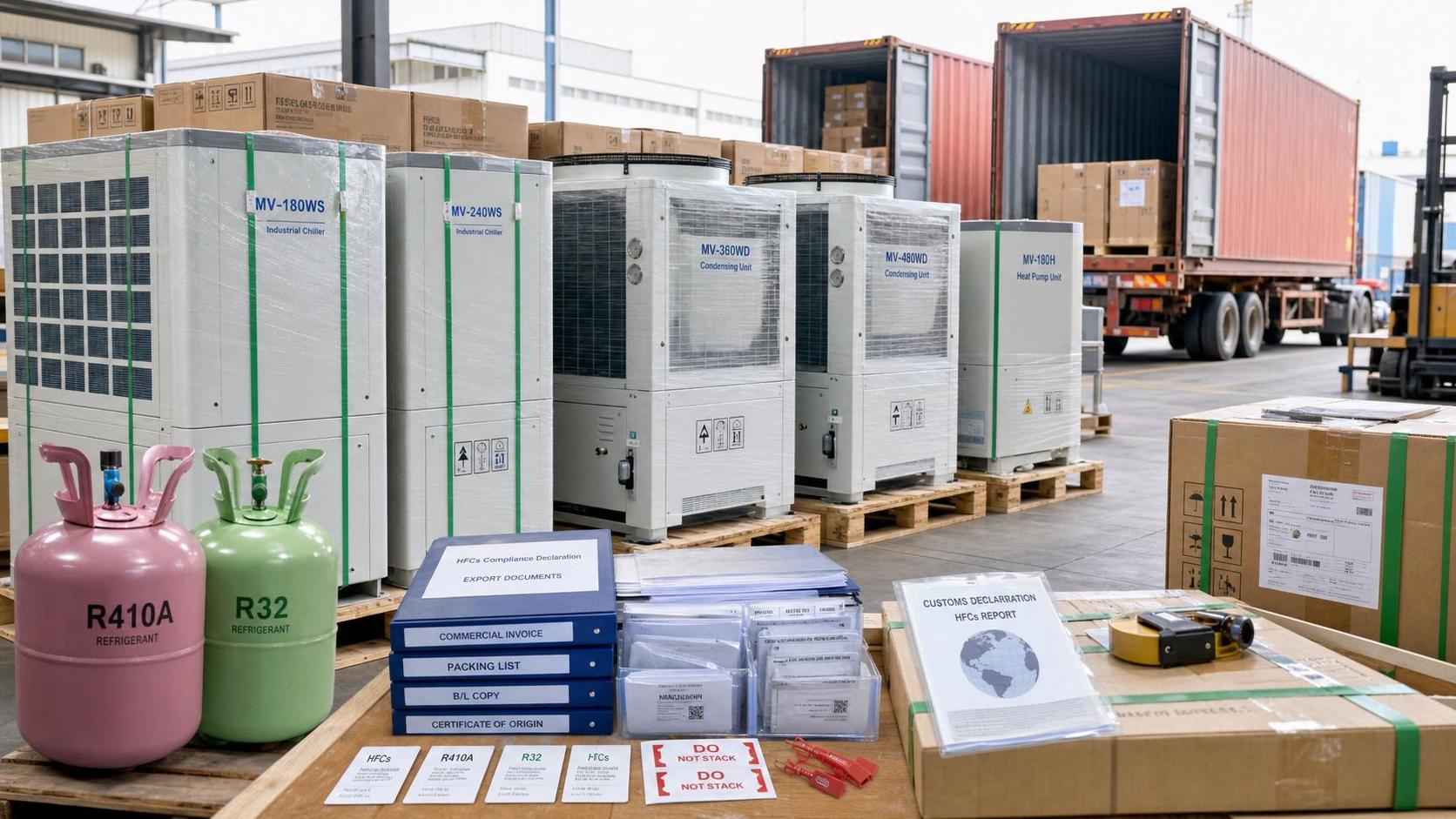
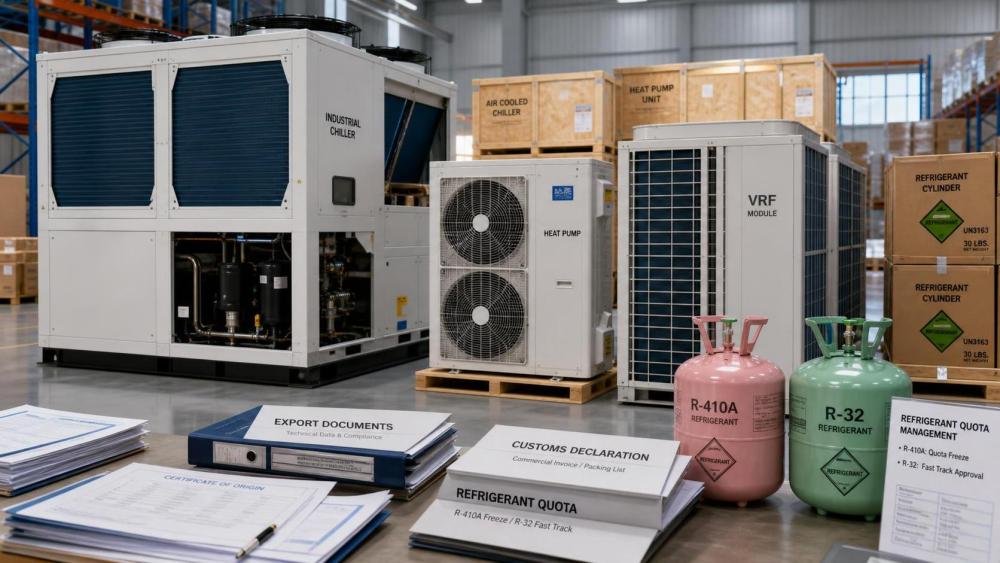
On July 24, 2026, the U.S. Environmental Protection Agency released its implementation rules for 2026 HFC import permits, keeping annual R-410A import quotas at the 2025 level while opening a fast-track review channel for R-32. The update also adds documentation expectations, including ISO 8573-1 Class 2 cleanliness proof and an ASME BPVC Section VIII compliance statement in all filings. For exporters of industrial chillers, heat pumps, and VRF systems, especially those shipping from China to the U.S. market, this deserves attention because the impact is not limited to refrigerant access; it also reaches packaging compliance, customs declaration work, and technical file preparation.
What the 2026 EPA rule now confirms
The confirmed facts are narrow but operationally important. According to the information provided, the EPA issued the 2026 implementation details for HFC import permits on July 24, 2026. Within that framework, the annual import quota for R-410A is frozen at the same level used in 2025. At the same time, R-32 is given a fast-track approval route. The filing package for all declarations must include proof of ISO 8573-1 Class 2 cleanliness and a compliance statement referencing ASME BPVC Section VIII.
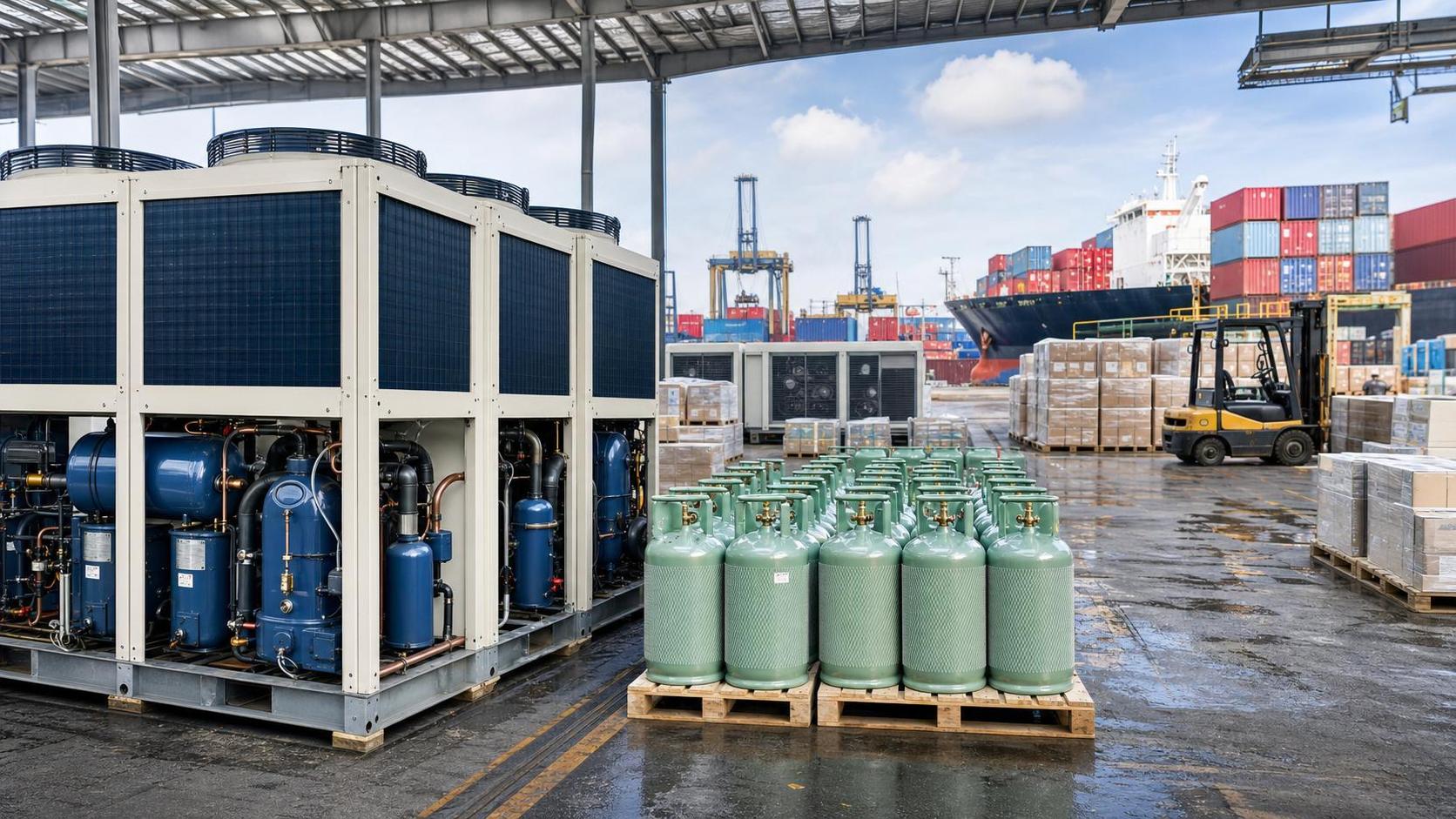
The information provided also makes clear that the rule directly affects Chinese exporters of industrial chillers, heat pumps, and VRF systems, particularly in the areas of compliant packaging, export customs declarations, and preparation of technical documentation.
Where the pressure is likely to show first
Export planning around R-410A-linked products
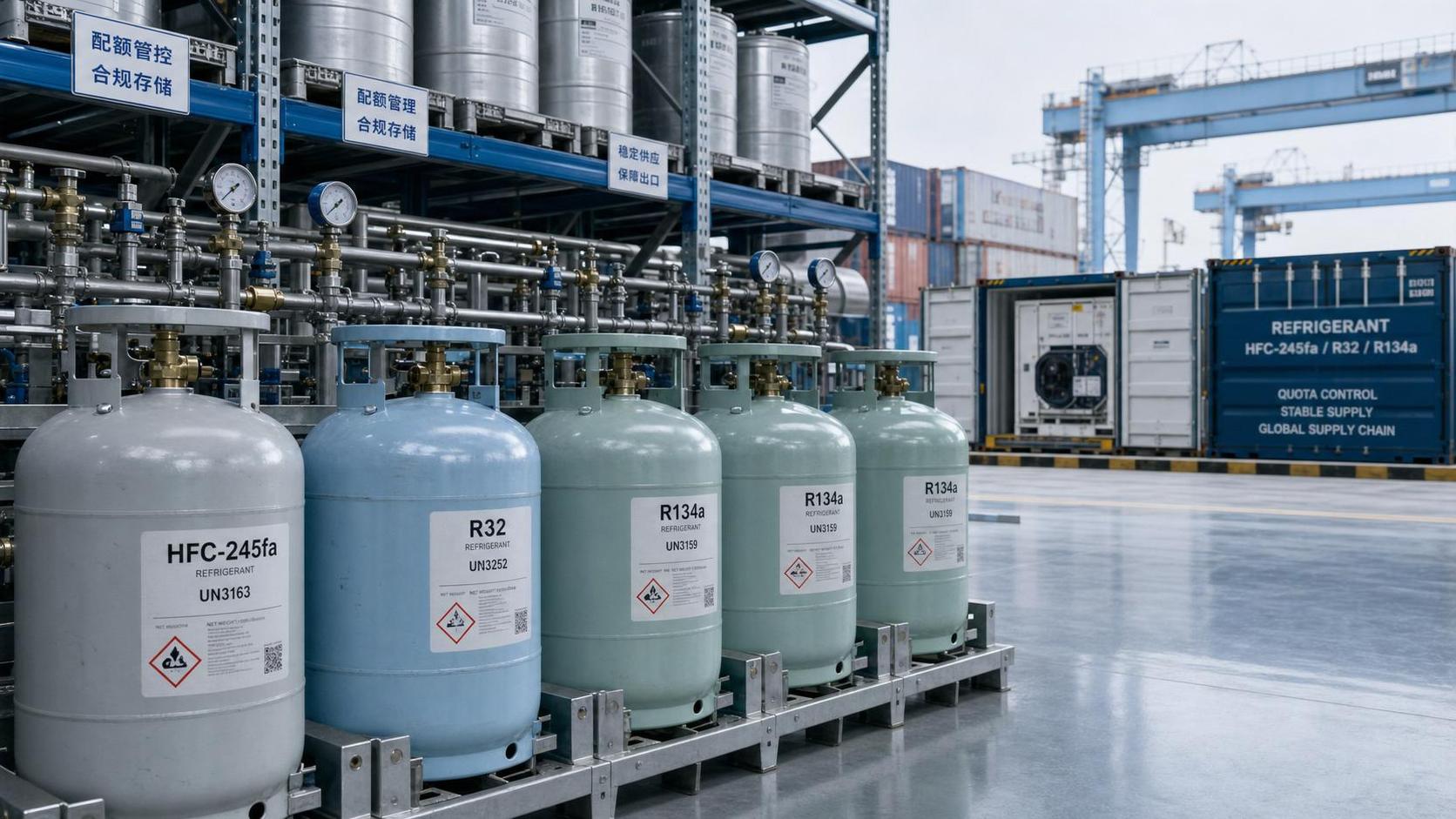
From an industry perspective, exporters handling equipment associated with R-410A may face the most immediate planning pressure because the quota is not expanding beyond the 2025 level. The practical issue is less about headline policy language and more about how shipment timing, product configuration, and permit-related coordination are organized. What deserves closer attention is whether existing order schedules, documentation flows, and customs preparation are aligned with a quota environment that is stable rather than more flexible.
Faster movement for R-32, but with paperwork discipline
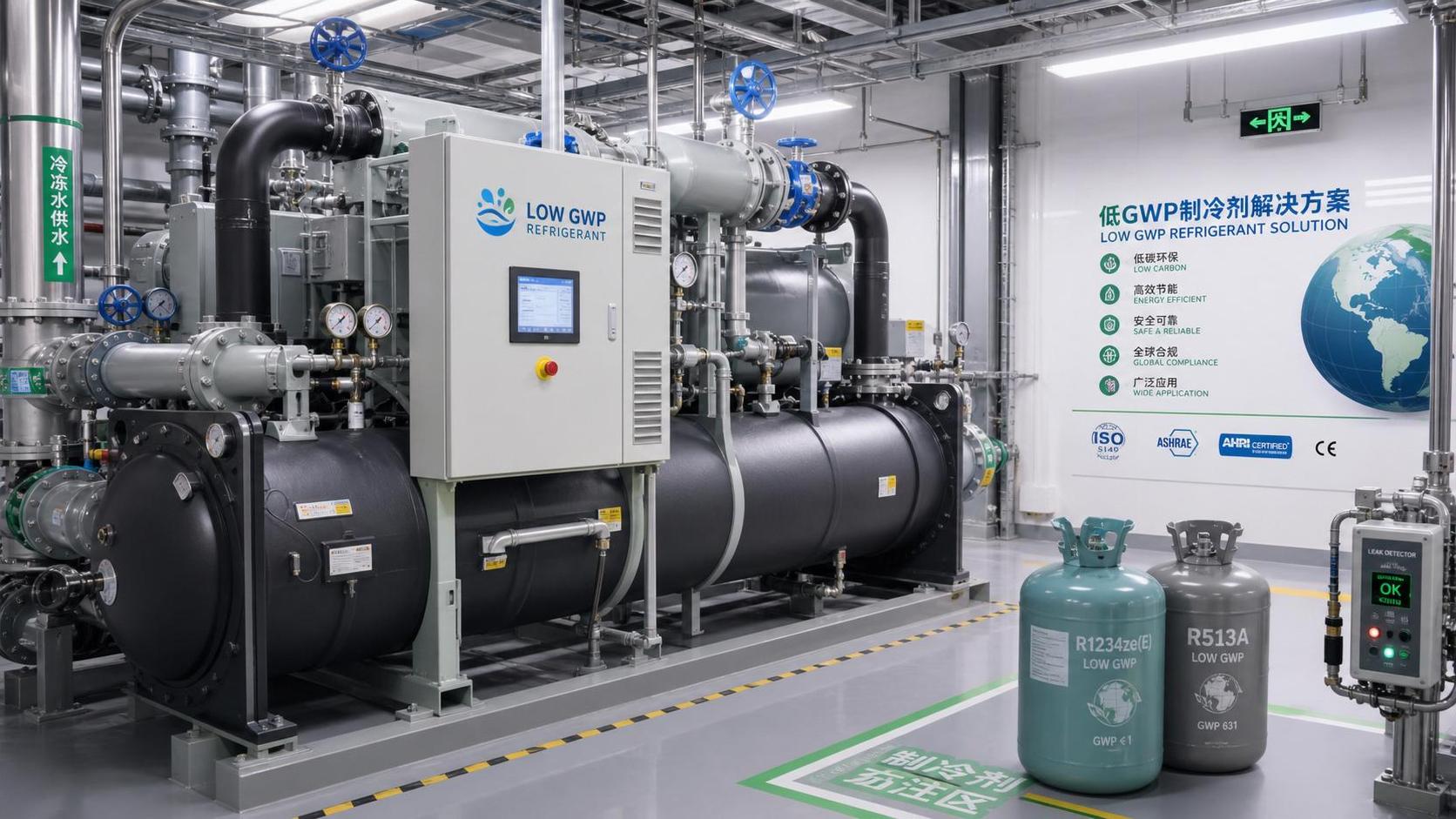
Analysis shows that the new fast-track channel for R-32 could shift attention toward filings that are cleaner, more standardized, and easier to review. That does not automatically mean lower compliance burden. Instead, it means the documentation package becomes more important. Manufacturers, exporters, and trade teams will need to pay closer attention to whether technical files consistently include the required cleanliness proof and the ASME BPVC Section VIII compliance statement in a form that can support permit processing and customs work.
Documentation and supply chain service roles move closer to the front line
The rule also matters for freight, customs, compliance, and documentation service providers because the named requirements are highly specific. Where a policy update names concrete standards, operational friction often appears in document collection, cross-checking, and handoff accuracy. For service partners, the key business impact is likely to center on how early they receive technical materials, how consistently declarations are prepared, and whether product and packaging records match the filing set.
Equipment buyers may focus more on delivery certainty
For downstream buyers of industrial chillers, heat pumps, and VRF systems, the immediate concern is likely to be delivery predictability rather than policy interpretation itself. Observably, when permit conditions and filing requirements become more explicit, procurement teams tend to focus on lead time risk, document readiness, and whether suppliers can explain the compliance path clearly. That is especially relevant where projects depend on imported systems and cannot easily absorb customs or documentation delays.
What companies should review now
Check whether product documentation matches the new filing language
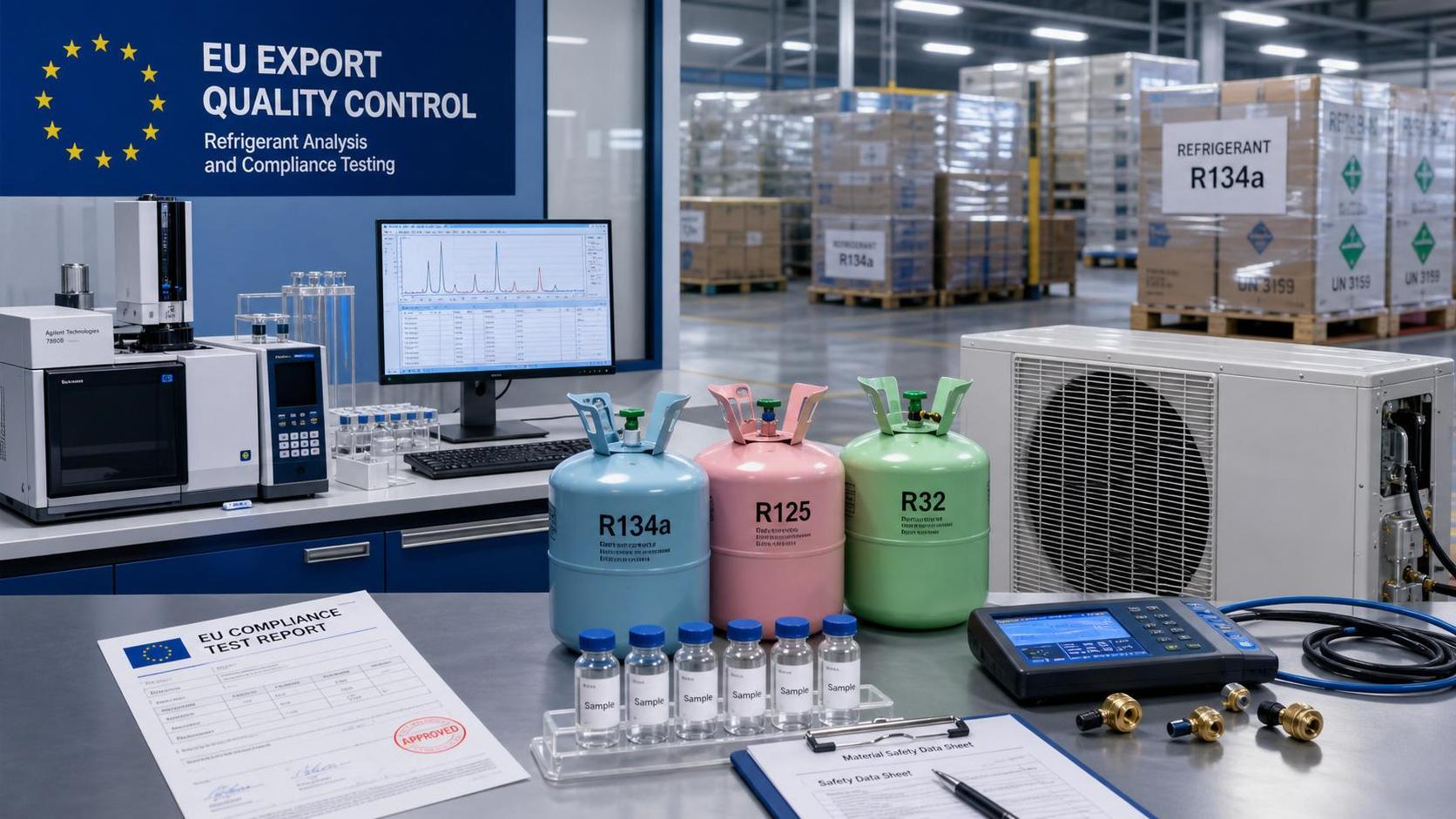
Companies involved in U.S.-bound shipments should review whether their existing technical files already support the stated ISO 8573-1 Class 2 cleanliness proof and ASME BPVC Section VIII compliance statement. The issue is not only whether the documents exist, but whether they are formatted, referenced, and managed in a way that can be used consistently across permit applications and export declarations.
Separate policy signal from shipment execution
It is more appropriate to understand the EPA update as both a policy signal and an execution issue. The quota freeze for R-410A and the fast-track path for R-32 are policy facts, but their business effect will depend on how they translate into actual review timelines, customs handling, and customer acceptance of revised documentation sets. Companies should avoid assuming that policy direction alone resolves operational bottlenecks.
Review packaging and declaration workflows for U.S. orders
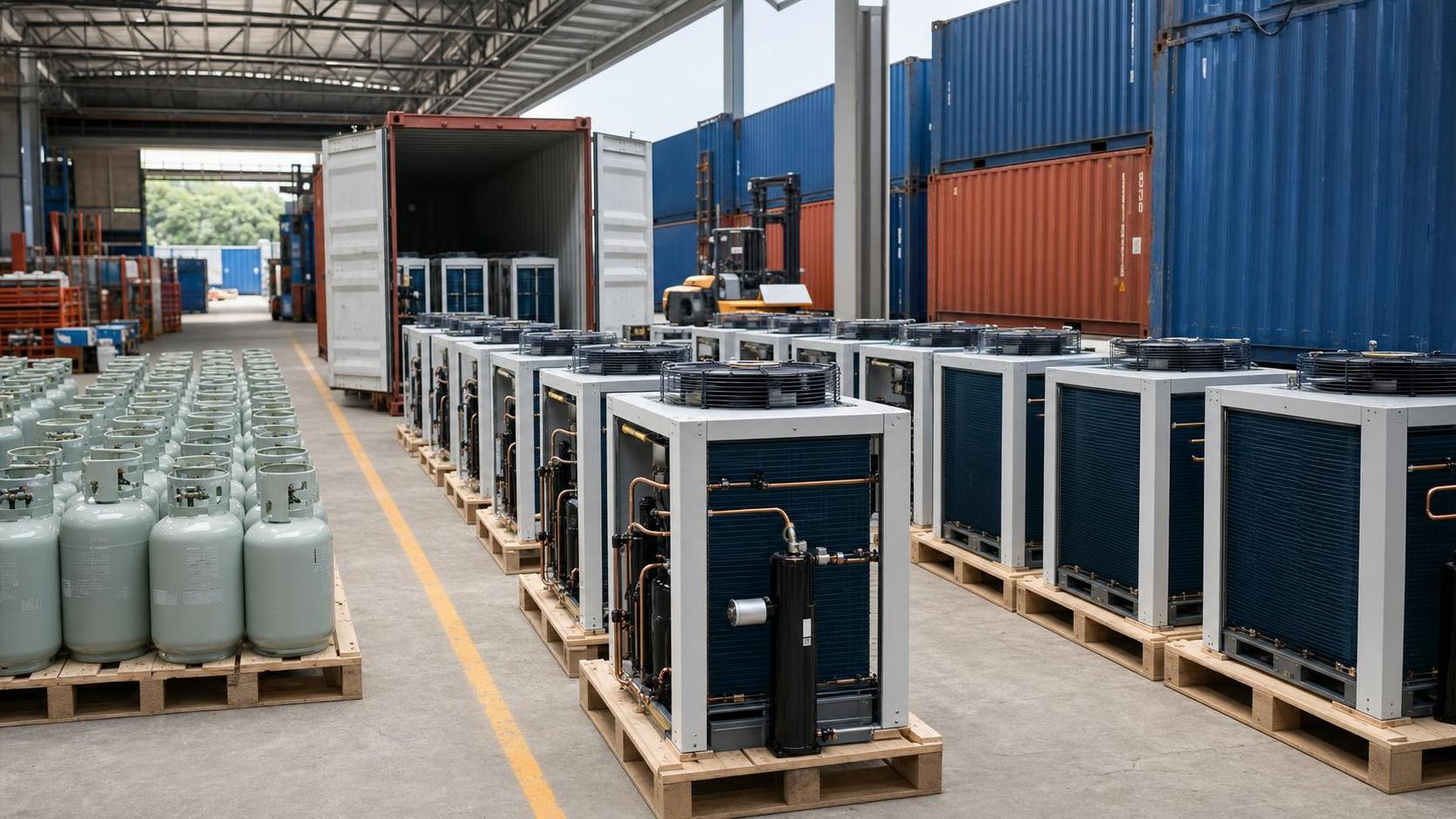
The information provided specifically points to compliant packaging and export customs declarations. That means exporters should pay attention to where packaging records, product specifications, and declaration documents are generated and checked. A gap between engineering files and shipping documents can become material once standards-based proof is required in filings.
Prepare customer and supplier communication early
Where orders involve multiple parties, companies should be ready to explain what the new rule changes in practical terms. That includes clarifying which documents are now required, whether any filing sequence needs to change, and how those changes could affect order confirmation or shipment preparation. For teams working through distributors, forwarders, or third-party service providers, early alignment may reduce last-minute revisions.
Why this looks like more than a routine filing update
Analysis shows that this development should not be read only as an administrative adjustment. The combination of a frozen R-410A quota, a faster route for R-32, and explicit technical documentation requirements suggests a more structured compliance environment around refrigerant-related imports. At the same time, it would be premature to treat this as a full market outcome on its own, because the provided information does not establish how trade flows, product choices, or approval timing will change in practice.
What deserves closer attention is the direction of regulatory emphasis: product-linked import strategy and document-backed compliance are moving closer together. For affected exporters, the immediate challenge is operational readiness rather than broad strategic repositioning.
How the sector may best read this development
At this stage, the EPA update is best understood as a concrete near-term compliance change with possible longer-term signaling value. The confirmed part is clear: R-410A quotas remain at the prior year's level, R-32 gets a fast-track channel, and filings now require specific cleanliness and vessel-compliance statements. The broader implications for product mix, sourcing decisions, and commercial timelines still need continued observation. A measured reading is more appropriate than a sweeping conclusion.
Basis of this article and points that still need verification
This article is based on the user-provided news title, event date, and event summary. For this type of development, relevant source categories typically include official government notices, company compliance communications, industry association updates, authoritative media reporting, and standards-related documents. The specific official source link was not provided in the input, so continued verification is still necessary.
Further observation should focus on whether subsequent EPA wording, trade implementation practice, customs handling, or supporting compliance interpretations add detail to the quota freeze for R-410A, the fast-track channel for R-32, and the filing expectations tied to ISO 8573-1 Class 2 and ASME BPVC Section VIII.
Related News
- EPA Freezes R-410A Quotas, Fast-Tracks R-32Author :Cryogenic Systems Expert

- Low GWP Refrigerants HFO Blends: Key Stability and Safety FactorsAuthor :Cryogenic Systems Expert

- R-32 Price Spike Reshapes Chiller ProcurementAuthor :Cryogenic Systems Expert

- How to Compare Environmentally Friendly Refrigerants by GWP, Safety, and CostAuthor :Cryogenic Systems Expert

- R-454B Export Quota Cut 18% as Lead Times DoubleAuthor :Cryogenic Systems Expert

- Japan Cuts R32 and R290 Import Quotas From July 10Author :Cryogenic Systems Expert

- EPA Cuts R-134a Import Quotas 42% From July 2026Author :Cryogenic Systems Expert
![]()
- Low GWP Refrigerants HFO Blends: Performance and Compliance in 2026Author :Cryogenic Systems Expert

- R-513A Jumps 23% as China Tightens Export QuotasAuthor :Cryogenic Systems Expert

- Environmentally Friendly Refrigerants in 2026: Compliance Risks and Upgrade PrioritiesAuthor :Cryogenic Systems Expert

- Pharmaceutical Temperature Control Systems: Common Compliance RisksAuthor :Cryogenic Systems Expert

- China Tightens Q3 R32 Export QuotasAuthor :Cryogenic Systems Expert

- California EPR Deadline Nears for Refrigeration MakersAuthor :Cryogenic Systems Expert

- Resource Circularity Trends Reshaping Refrigerants and Cooling SystemsAuthor :Cryogenic Systems Expert

- HFCs Filing Rules Enter Full EnforcementAuthor :Cryogenic Systems Expert

- How Environmentally Friendly Refrigerants Affect Chiller ComplianceAuthor :Cryogenic Systems Expert

- EU REACH Tightens Refrigerant Impurity Limits for R134a ExportsAuthor :Cryogenic Systems Expert

- China Seeks Feedback on 2027 Refrigerant QuotasAuthor :Cryogenic Systems Expert

- EU to Ban High-GWP ACs in 2029 as R410A Exits HomesAuthor :Cryogenic Systems Expert

- US, UK Delay HFC Phaseout, Extending R32/R134a Export WindowAuthor :Cryogenic Systems Expert

- EU HFC Cut Tightens by 2029 as Gen-3 Output Falls 10%Author :Cryogenic Systems Expert

- Kuwait Bans HCFC AC Imports as Shift to R32/R290 Speeds UpAuthor :Cryogenic Systems Expert

- Saudi SASO Rules Tighten AC Imports in DecemberAuthor :Cryogenic Systems Expert

- Environmentally Friendly Refrigerants: Compliance, Safety, and Retrofit RisksAuthor :Cryogenic Systems Expert

- SABIC Force Majeure Keeps Chiller Refrigerant Supply TightAuthor :Cryogenic Systems Expert

- SABIC Force Majeure Tightens Refrigerant FeedstocksAuthor :Cryogenic Systems Expert

- UL 60335-2-89 Tightens R290 Leak Test RulesAuthor :Cryogenic Systems Expert
![]()
- UL 60335-2-89 Adds R290 Vacuum Leak TestAuthor :Cryogenic Systems Expert

- Global Refrigerant Price Index Falls 8.3% MoM in MayAuthor :Cryogenic Systems Expert
![]()
- PSA Jurong Island Launches Mandatory Cold-Chain Traceability for RefrigerantsAuthor :Cryogenic Systems Expert
![]()
- 2026 Refrigerants Shift: What Changes for Cold StorageAuthor :Cryogenic Systems Expert

- Shanghai Pudong Pilots E-Labels for Imported CosmeticsAuthor :Cryogenic Systems Expert

- 2026 Refrigerant Shift: Safer Options With Lower Compliance RiskAuthor :Cryogenic Systems Expert

- Vitafoods Europe Highlights Clinical Herb Data, Cold Chain Demand SurgesAuthor :Cryogenic Systems Expert
![]()
- U.S. Treasury Yield Surge Stabilizes Silver, Eases Refrigerants Export PricingAuthor :Cryogenic Systems Expert

- France Allocates €710M to Support War-Impacted Firms on Cold Chain ComplianceAuthor :Cryogenic Systems Expert