



EU Tightens HFC-134a Quotas for Industrial Chillers




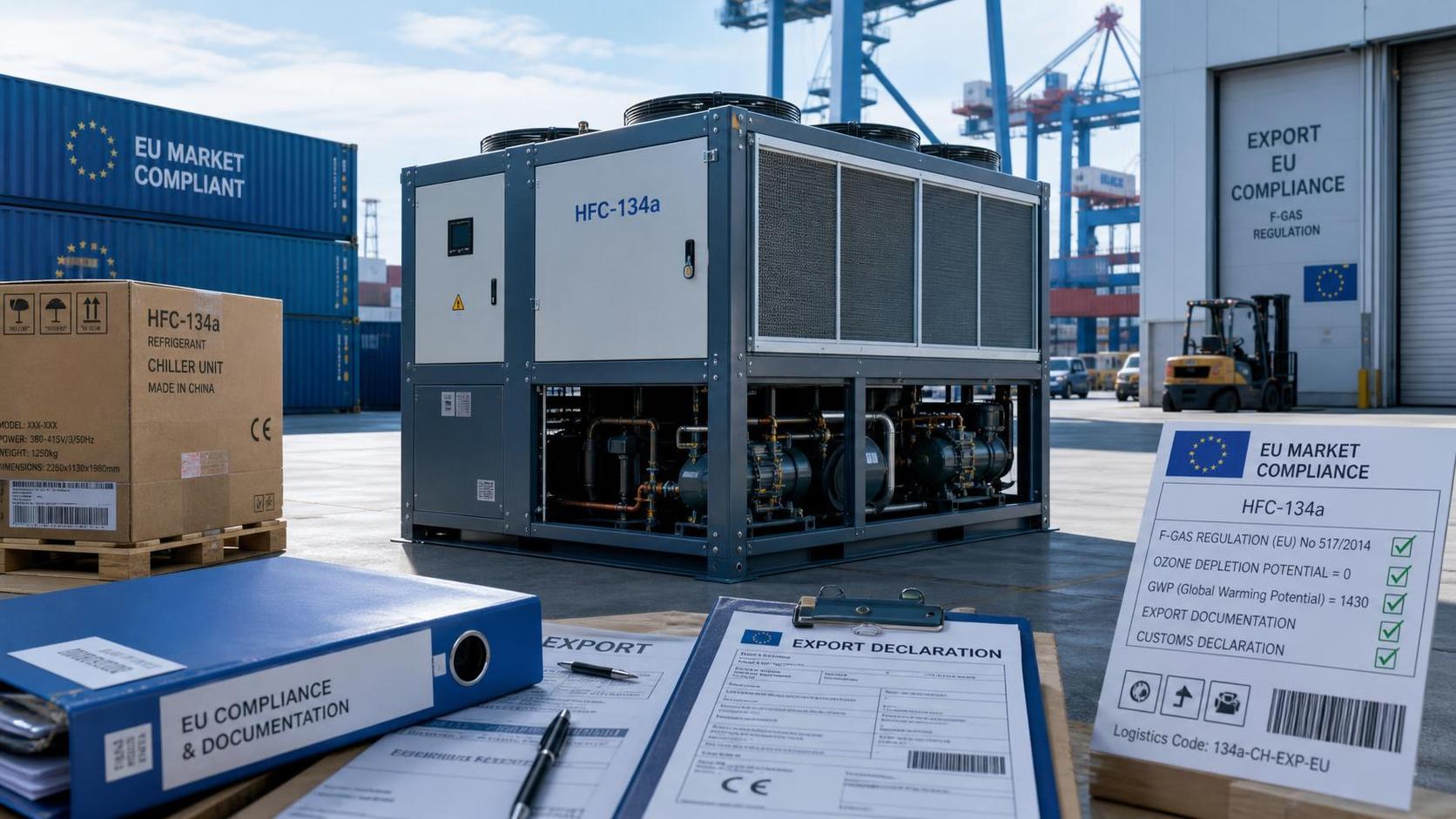
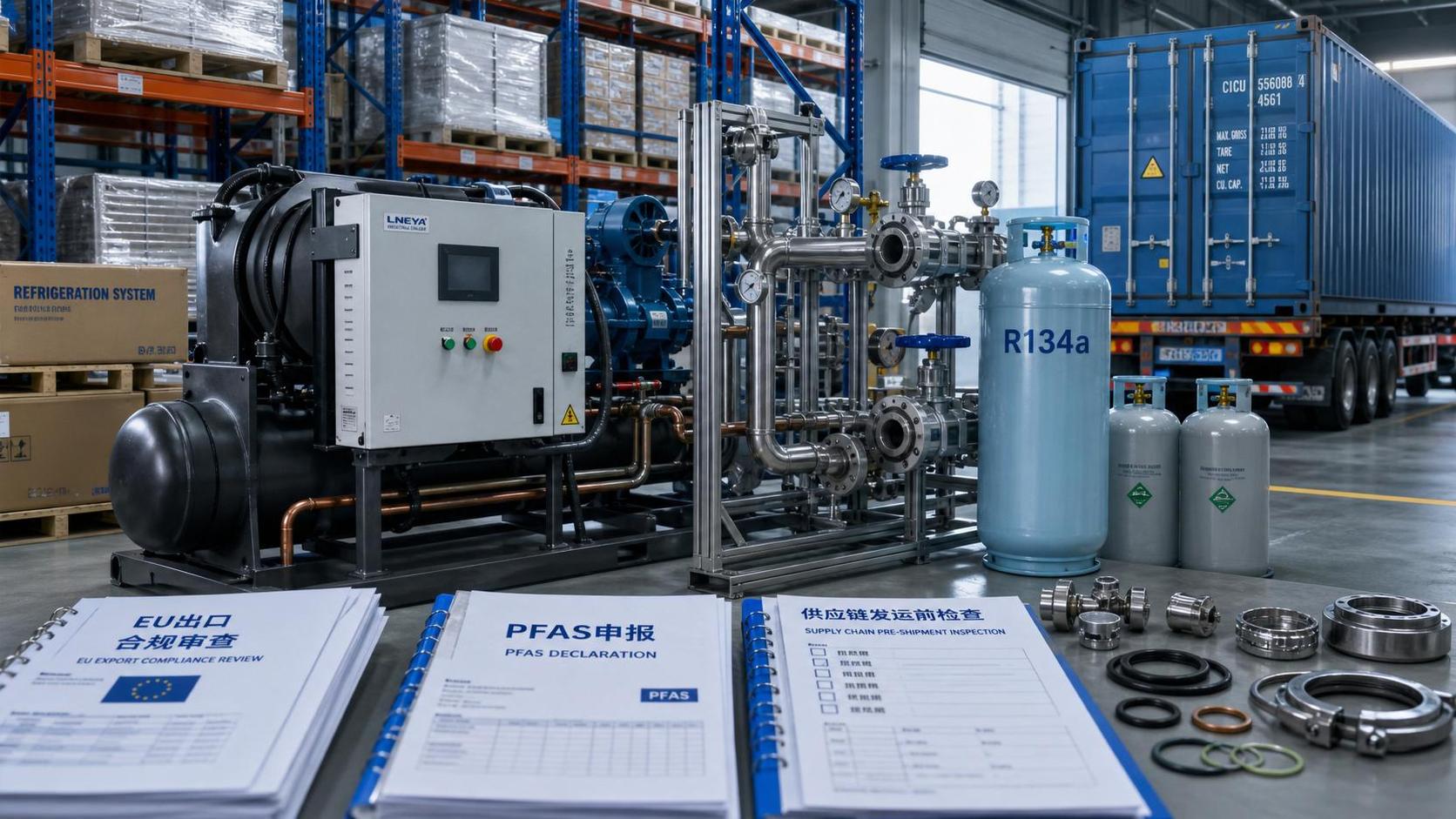
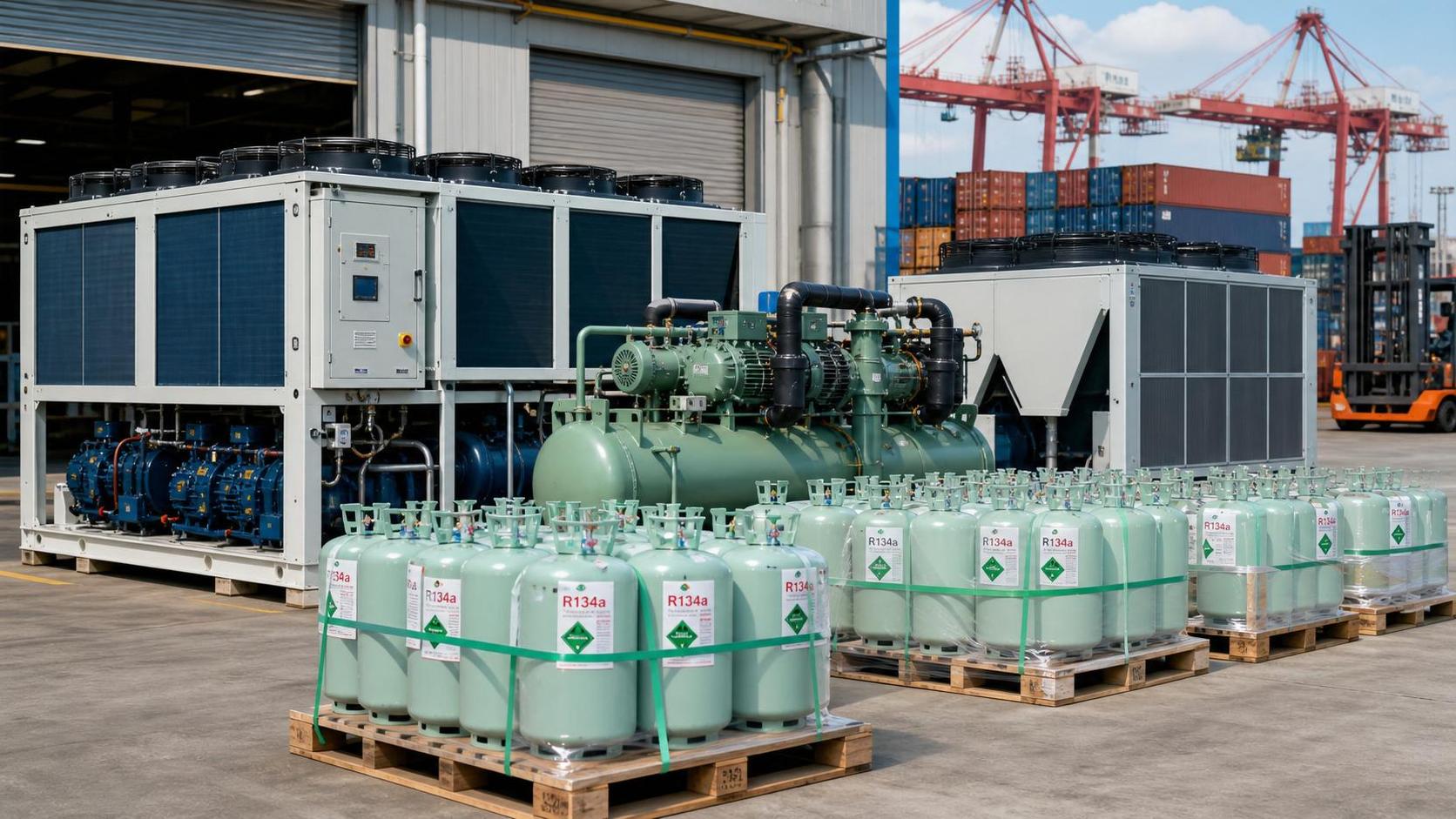
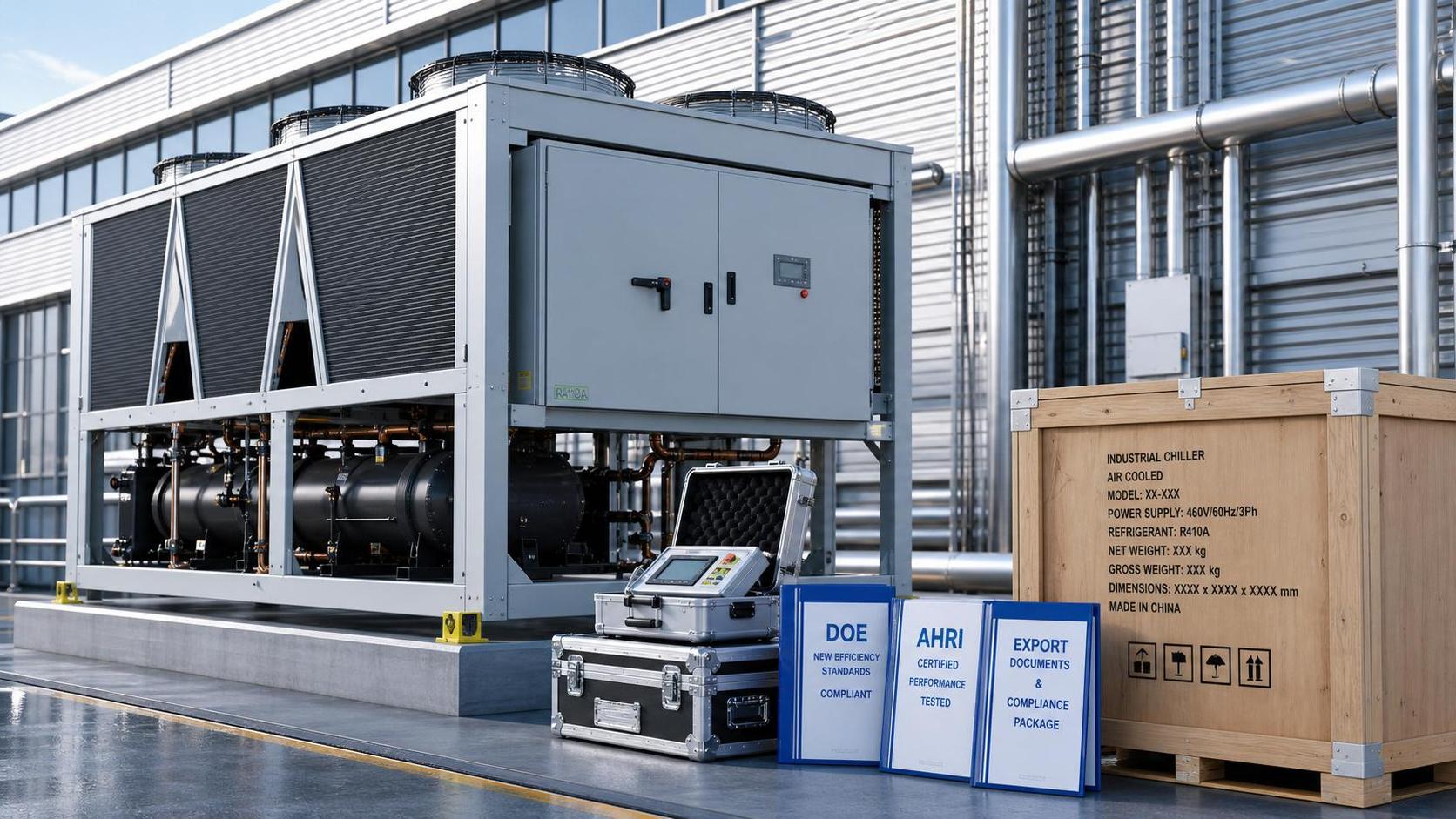
On July 22, 2026, the European Commission released the fourth revised implementing rules under the F-Gas Regulation (EU) No 517/2014, setting a clearer compliance framework for industrial chillers containing HFC-134a. From October 1, 2026, imports of these units into the EU will face a staged quota reduction, including a 35% cut for Q3, and declarations will only be open to importers holding a valid F-Gas ID. For exporters, importers, and system adaptation teams connected to the industrial chiller trade, the update deserves attention because it affects not only customs and filing procedures, but also shipment timing and the pace of transition toward alternative refrigerant systems.
What the new implementing rules specifically confirm
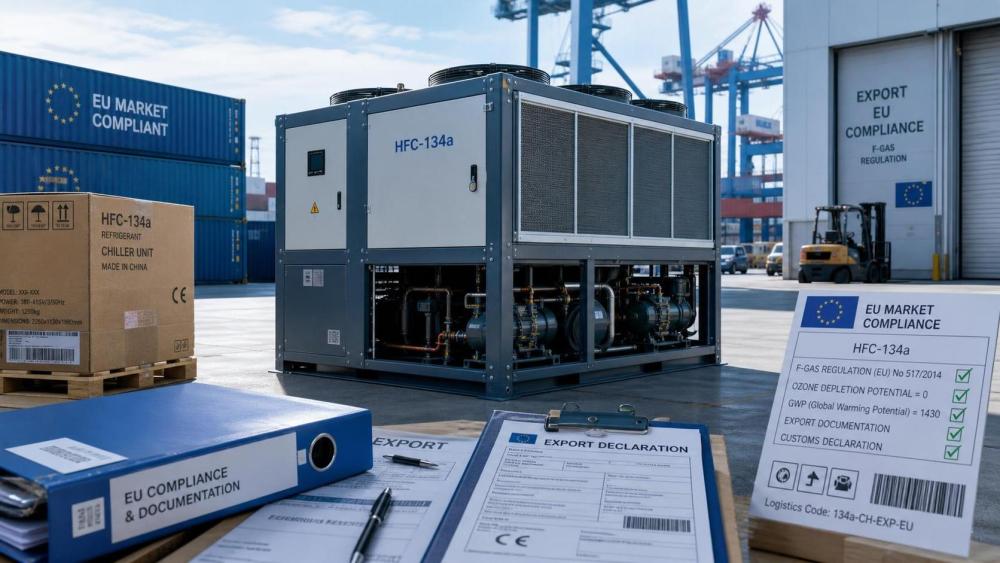
The confirmed facts are limited but commercially important. The European Commission issued the fourth revision of the implementing rules, identified as C/2026/4892, on July 22, 2026, under the F-Gas Regulation (EU) No 517/2014. The update states that, starting on October 1, 2026, industrial chillers containing HFC-134a will be subject to a staged reduction in import quotas. Within that arrangement, the Q3 quota will be reduced by 35%.
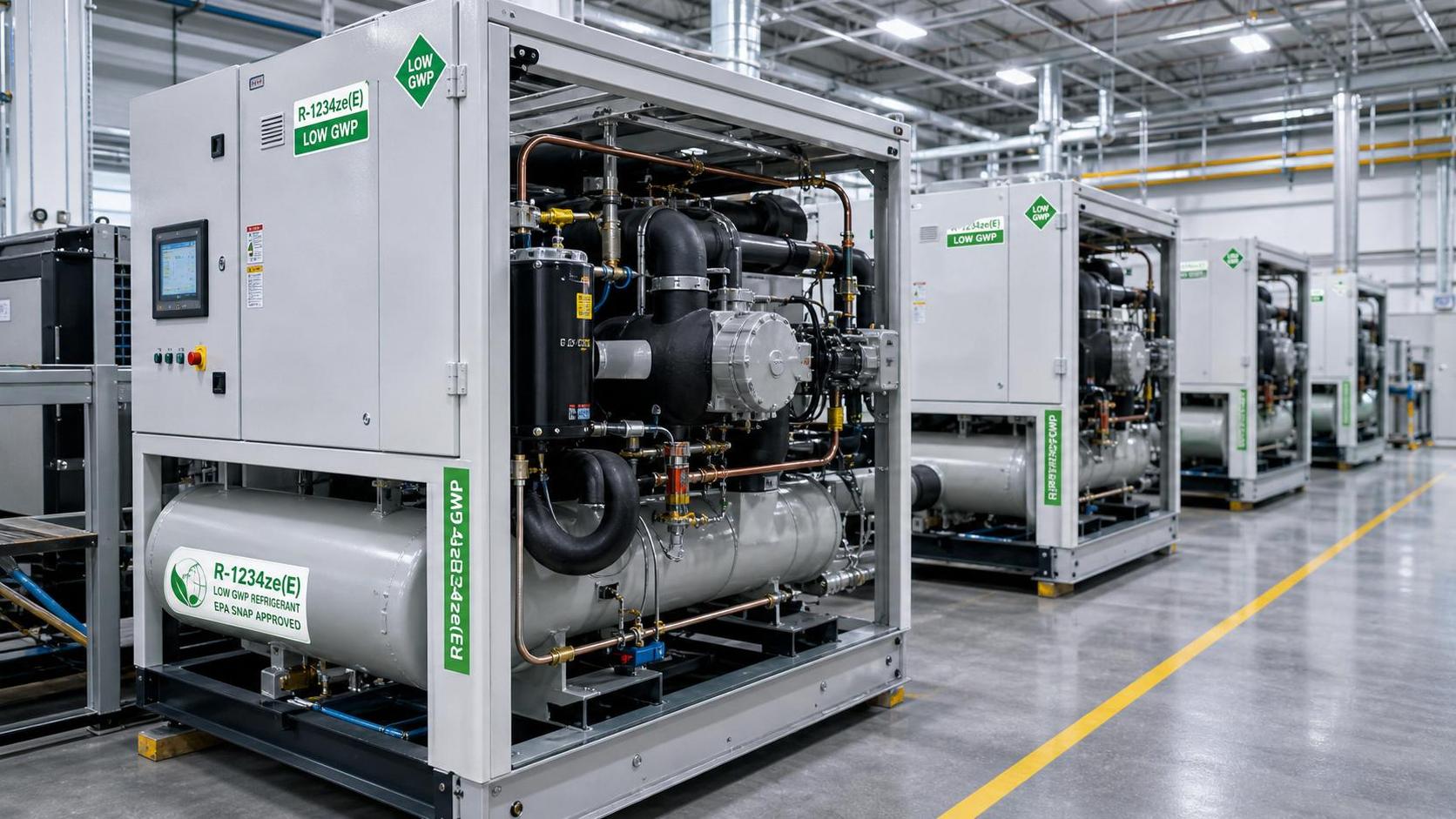
The same update also makes clear that import declarations for the affected products will be available only to importers with a valid fluorinated gas authorization code, referred to as an F-Gas ID. The information provided further indicates that this adjustment directly affects compliance declaration routes for Chinese exporters, the export timing window for complete chiller units, and the adaptation progress of systems using alternatives such as R-513A and R-1234ze.
Where the pressure is likely to appear across the chain
Export transactions may face a narrower compliance path
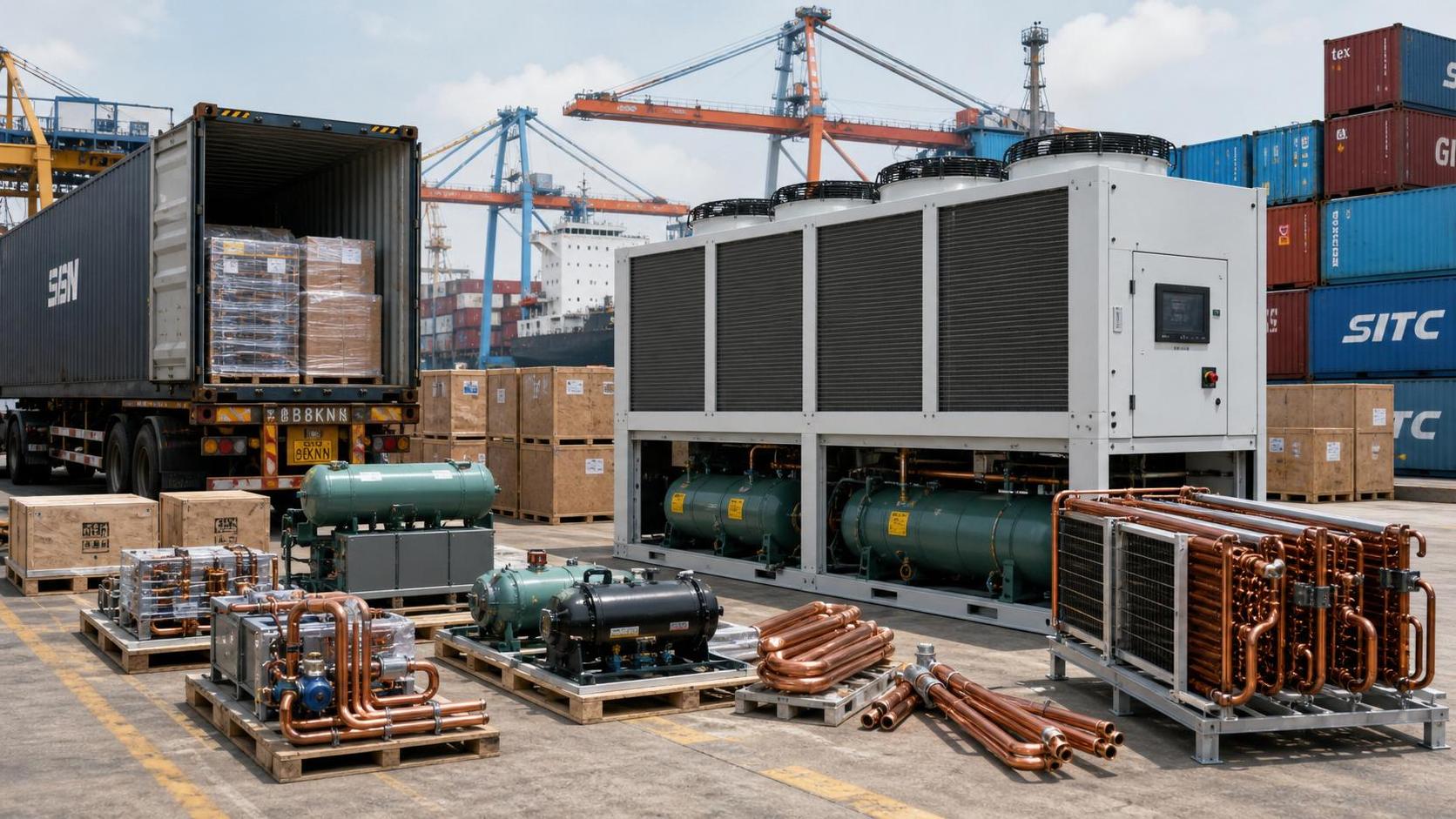
From an industry perspective, direct trading companies involved in shipping HFC-134a industrial chillers to the EU are likely to feel the effect first. The reason is straightforward: the rule change links product entry more tightly to quota availability and to the importer's valid F-Gas ID status. The main impact is therefore likely to appear in declaration readiness, shipment scheduling, and transaction timing. What deserves closer attention is whether export arrangements still align with the customer's import qualifications and available quota access.
Manufacturers may need to reassess shipment windows
For equipment manufacturers, the update is likely to matter at the point where production planning meets delivery commitments. Analysis shows that a staged quota cut can affect when HFC-134a chiller units can realistically be placed into the EU market. The practical concern is less about a single administrative step and more about whether finished units can move within the available export window. Manufacturers should therefore watch how the October 1, 2026 implementation date affects order sequencing, customer delivery discussions, and the handling of models still built around HFC-134a.
Alternative refrigerant adaptation becomes a more immediate business issue
For technical teams, product managers, and downstream buyers, the mention of R-513A and R-1234ze system adaptation is especially relevant. Observably, the regulatory adjustment does not by itself confirm any specific market outcome for these alternatives, but it does increase the urgency of adaptation progress where companies are already evaluating substitute refrigerant pathways. The impact is likely to be concentrated in product configuration decisions, customer communication, and the readiness of model portfolios intended for the EU market.
Supply chain and service partners may see added documentation risk
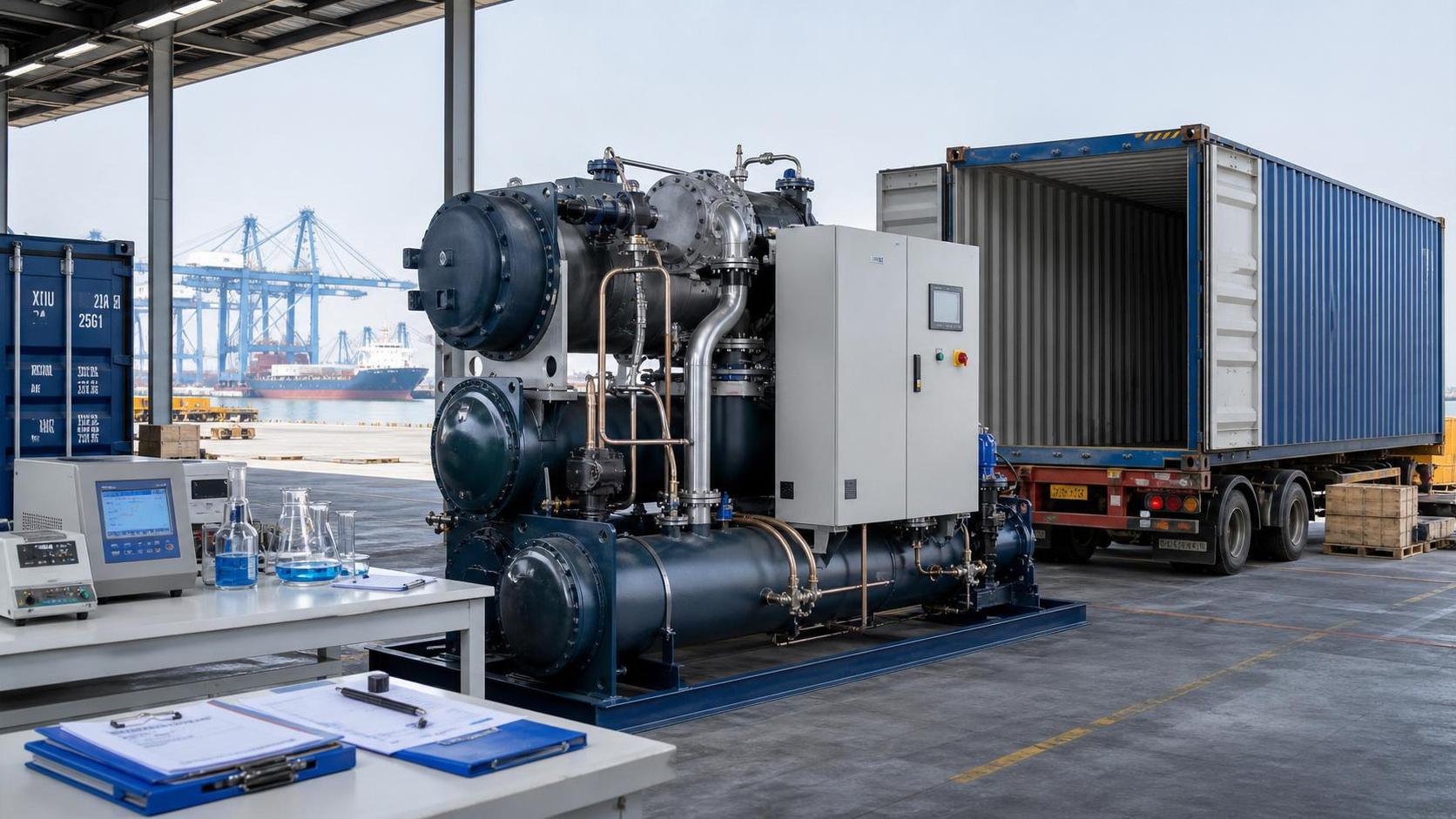
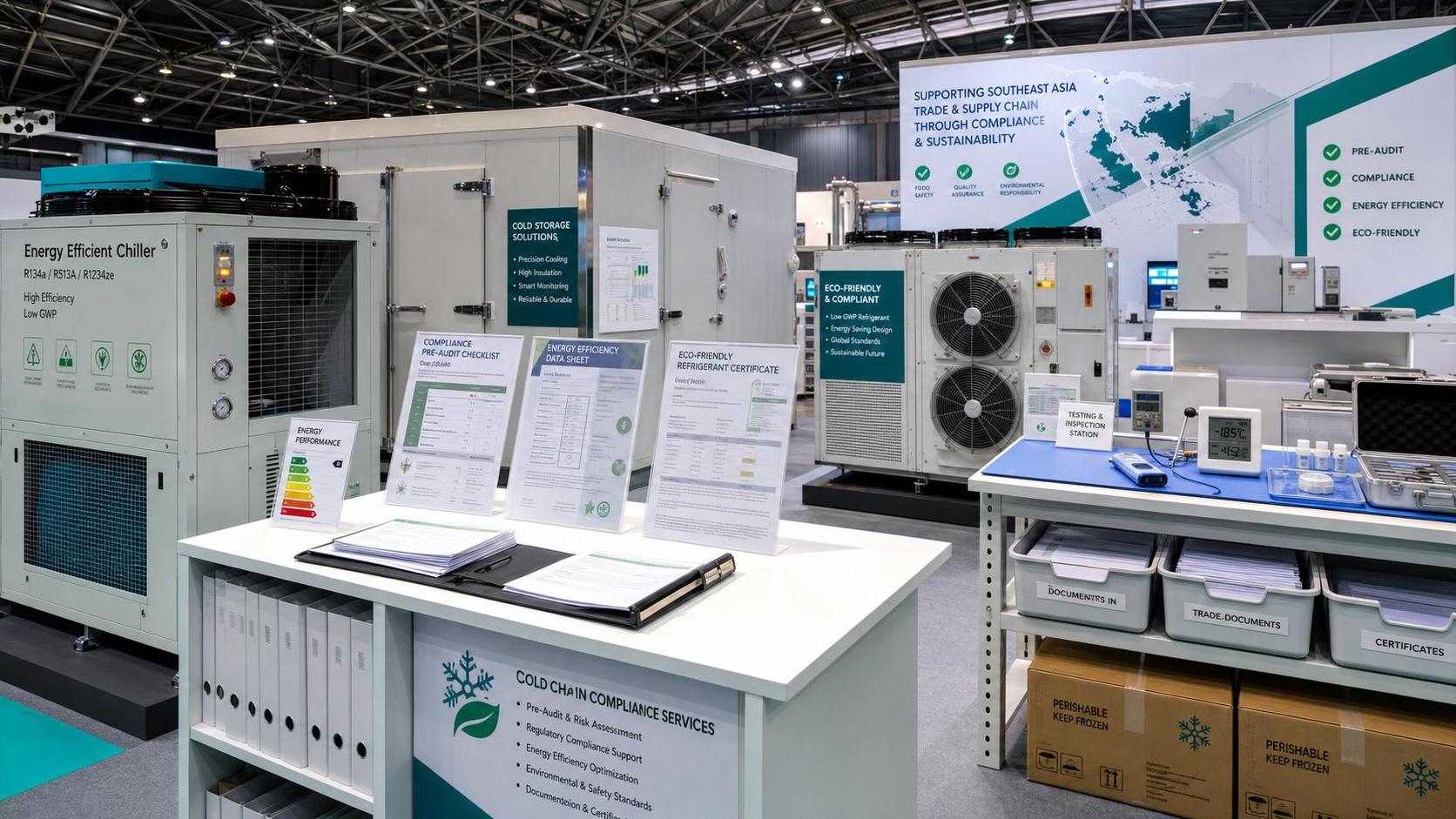
Supply chain service providers, customs support teams, and channel partners may also be affected because the rule change raises the importance of importer qualification and declaration eligibility. The key issue is whether supporting documents, importer credentials, and shipment coordination remain consistent with the new procedural requirements. In business terms, this is a documentation and execution risk as much as a product compliance issue.
What companies should watch now
Check importer qualification before shipment decisions
Analysis shows that the F-Gas ID requirement should not be treated as a secondary formality. For companies serving EU customers, a practical first point is to verify whether the importing party holds a valid F-Gas ID before locking in declaration plans or delivery timing. This matters because the ability to file appears directly tied to that qualification.
Separate regulatory wording from operational readiness
What deserves closer attention is the difference between the policy text and day-to-day transaction execution. A rule can be clear on paper while still creating friction in booking, document preparation, and customs coordination. Companies should therefore review whether existing compliance workflows, commercial terms, and handoff points between exporter and importer still match the updated requirements from October 1, 2026.
Revisit product mix for the EU market
For firms still shipping HFC-134a industrial chillers, the update is a prompt to reassess which product configurations remain workable for EU-bound business under a reduced quota environment. That does not automatically mean an immediate portfolio shift, but it does mean companies should identify where HFC-134a models remain exposed and where alternative refrigerant options such as R-513A or R-1234ze are already in adaptation or commercial review.
Prepare customer communication around timing and documentation
In practical terms, customer-facing teams may need to address two issues early: whether the planned import path is still valid, and whether delivery timing is still realistic under the revised quota framework. This is especially relevant where sales, compliance, and logistics responsibilities sit with different parties across borders.
Why this looks like more than a routine procedural update
As an editorial observation, this development is better understood as both a near-term operational change and a longer-term regulatory signal. The near-term element is clear: quota access for HFC-134a industrial chillers is tightening, and importer eligibility is becoming more explicit. The longer-term signal is that compliance access, product timing, and refrigerant transition can no longer be treated as separate issues in EU-facing chiller business.
At the same time, it would be premature to present this as a fully settled market outcome. The confirmed information shows the rule change and its direct areas of impact, but it does not by itself establish how quickly companies will adjust product strategies, how broadly alternative systems will be adopted, or how trade flows will redistribute. It is more appropriate to understand this as a regulatory development that already has operational consequences and still requires continued observation.
How this update is best understood at this stage
On balance, the July 22, 2026 update matters because it turns regulatory language into a more immediate execution issue for industrial chiller trade involving HFC-134a. The practical consequences are likely to center on import eligibility, declaration pathways, shipment windows, and the pace of alternative refrigerant adaptation. A measured reading is the most useful one here: this is not just a short-lived paperwork adjustment, but neither is it a basis for broad conclusions beyond the facts currently available.
Basis of this article and points to keep verifying
This article is based on the user-provided news title, event date, and event summary related to the European Commission's July 22, 2026 update to the implementing rules under the F-Gas Regulation (EU) No 517/2014. For this type of industry development, commonly relevant source categories may include official notices, company disclosures, industry association updates, authoritative media coverage, and standards-related documents.
No specific official source link was provided in the input, so the precise official link still needs to be verified on an ongoing basis. The areas that remain worth monitoring include any further official wording or implementation clarification, the practical application of the F-Gas ID requirement in import declarations, and how affected companies adjust export timing and alternative refrigerant system readiness.
Related News
- How Smart Thermal Systems Improve Industrial Cooling EfficiencyAuthor :Cryogenic Systems Expert

- How to Choose Process Cooling Equipment for Stable Temperature ControlAuthor :Cryogenic Systems Expert

- EU Finalizes 2026 HFC Quota Cut for R-134a ChillersAuthor :Cryogenic Systems Expert

- EU Tightens HFC-134a Quotas for Industrial ChillersAuthor :Cryogenic Systems Expert

- REACH SVHC Update Pressures HFC-134a Chiller Supply ChainsAuthor :Cryogenic Systems Expert

- EU PFAS Coolant Ban Reshapes Chiller ExportsAuthor :Cryogenic Systems Expert

- EU REACH Restricts PFAS Cooling Media ImportsAuthor :Cryogenic Systems Expert

- EU Ecodesign Rule Takes Effect for Industrial ChillersAuthor :Cryogenic Systems Expert

- EU REACH Rule Takes Effect for PFAS in Industrial Cooling ExportsAuthor :Cryogenic Systems Expert

- Industrial Cooling for Plastic Processing: How to Size for Stable Cycle TimesAuthor :Cryogenic Systems Expert

- EU F-Gas Update Bars R404A/R507 in Commercial CoolingAuthor :Cryogenic Systems Expert

- DOE Raises Chiller Efficiency Standard From October 2026Author :Cryogenic Systems Expert

- India Mandates BIS Energy Certification for Industrial ChillersAuthor :Cryogenic Systems Expert

- Energy-Efficient Heat Exchange for Process Cooling: Cost vs PaybackAuthor :Cryogenic Systems Expert

- EPA R-134a Import Ban Takes Effect on July 13, 2026Author :Cryogenic Systems Expert

- India BIS Rule Takes Effect for Industrial ChillersAuthor :Cryogenic Systems Expert

- EPA Cuts R134a Import Quotas 20% From July 10Author :Cryogenic Systems Expert

- How to Compare Energy-Efficient Cooling Systems for Factory Expansion ProjectsAuthor :Cryogenic Systems Expert

- Chiller Price Index Rises 11.3% in Q2Author :Cryogenic Systems Expert

- Saudi SASO Tightens Chiller Import Compliance From July 10Author :Cryogenic Systems Expert

- Dubai Opens Fast-Track Chiller TendersAuthor :Cryogenic Systems Expert

- Japan Raises Chiller COP Floor to 6.2 From Sept. 1Author :Cryogenic Systems Expert
![]()
- Compact Thermal Management in Smart Devices: Common Failure RisksAuthor :Cryogenic Systems Expert

- Thermal Management for Batteries: Cooling Methods ComparedAuthor :Cryogenic Systems Expert

- How Compact Thermal Design Extends Smart Device UptimeAuthor :Cryogenic Systems Expert

- Shanghai-Rotterdam Reefer Rates Jump 37% in a WeekAuthor :Cryogenic Systems Expert

- Process Cooling Equipment Low Maintenance: What Cuts Downtime Over 5 Years?Author :Cryogenic Systems Expert

- Semiconductor Cooling Solutions: Which Design Works Best for High-Density Tools?Author :Cryogenic Systems Expert

- Semiconductor Thermal Management Systems: Preventing Yield Loss from Heat DriftAuthor :Cryogenic Systems Expert

- EPA Clears R-1234ze(E) for Industrial ChillersAuthor :Cryogenic Systems Expert
 for Industrial Chillers")
- DOE Raises Chiller IEER Floor to 12.8 From Oct. 2026Author :Cryogenic Systems Expert

- Singapore Refrigeration Show Adds Green Compliance HubAuthor :Cryogenic Systems Expert

- How Food Industry Temperature Control Systems Reduce Product LossAuthor :Cryogenic Systems Expert

- EU REACH Adds 12 SVHCs, Raising Chiller Compliance RiskAuthor :Cryogenic Systems Expert

- Precision Temperature Control Air Cooling: Key Setup Mistakes That Reduce StabilityAuthor :Cryogenic Systems Expert

- India BEE Eyes APF Labels for Imported ChillersAuthor :Cryogenic Systems Expert