EU REACH Restricts New Fluorinated Substances: Compliance Upgrade for Vacuum & Refrigeration Components




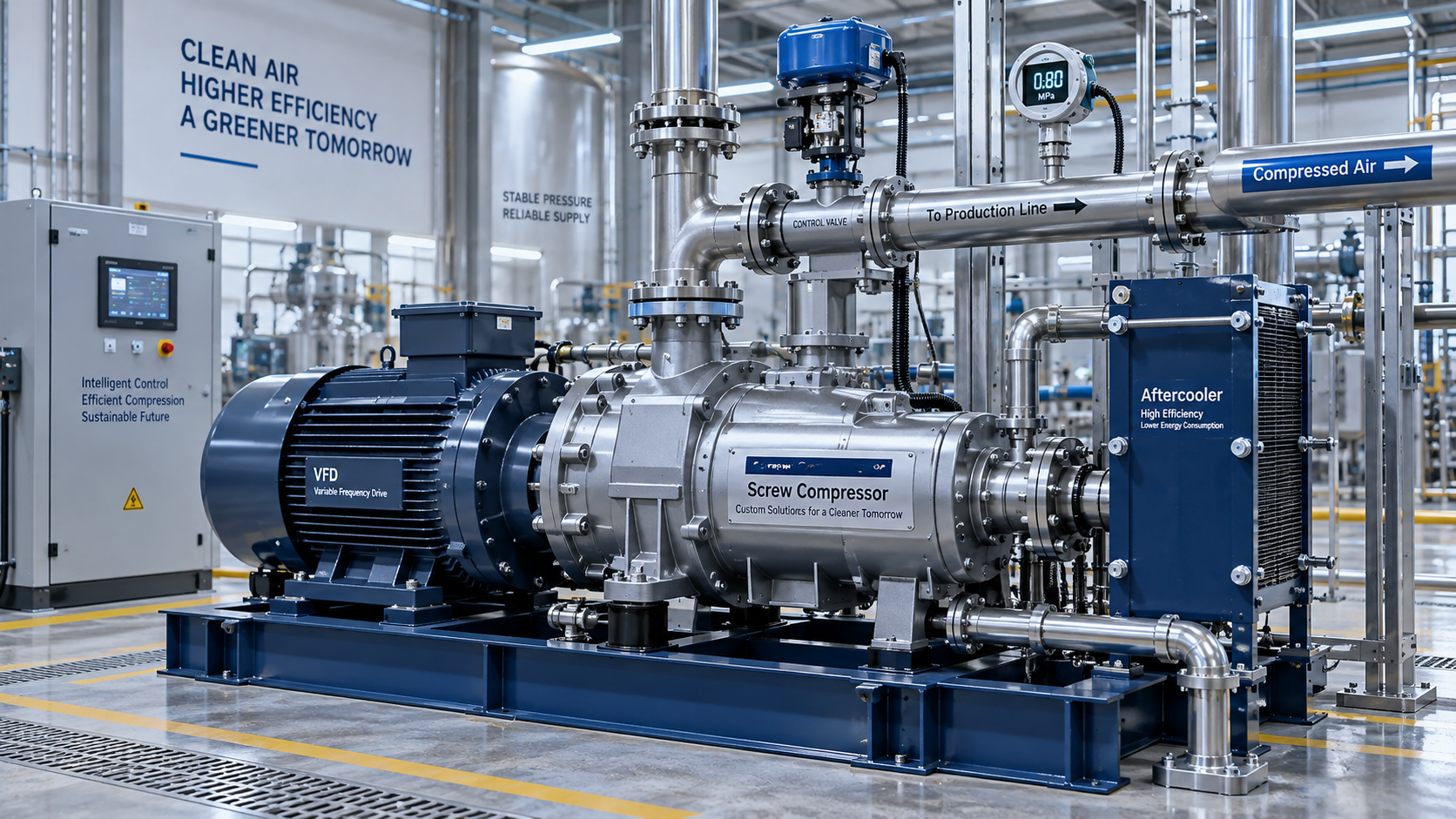
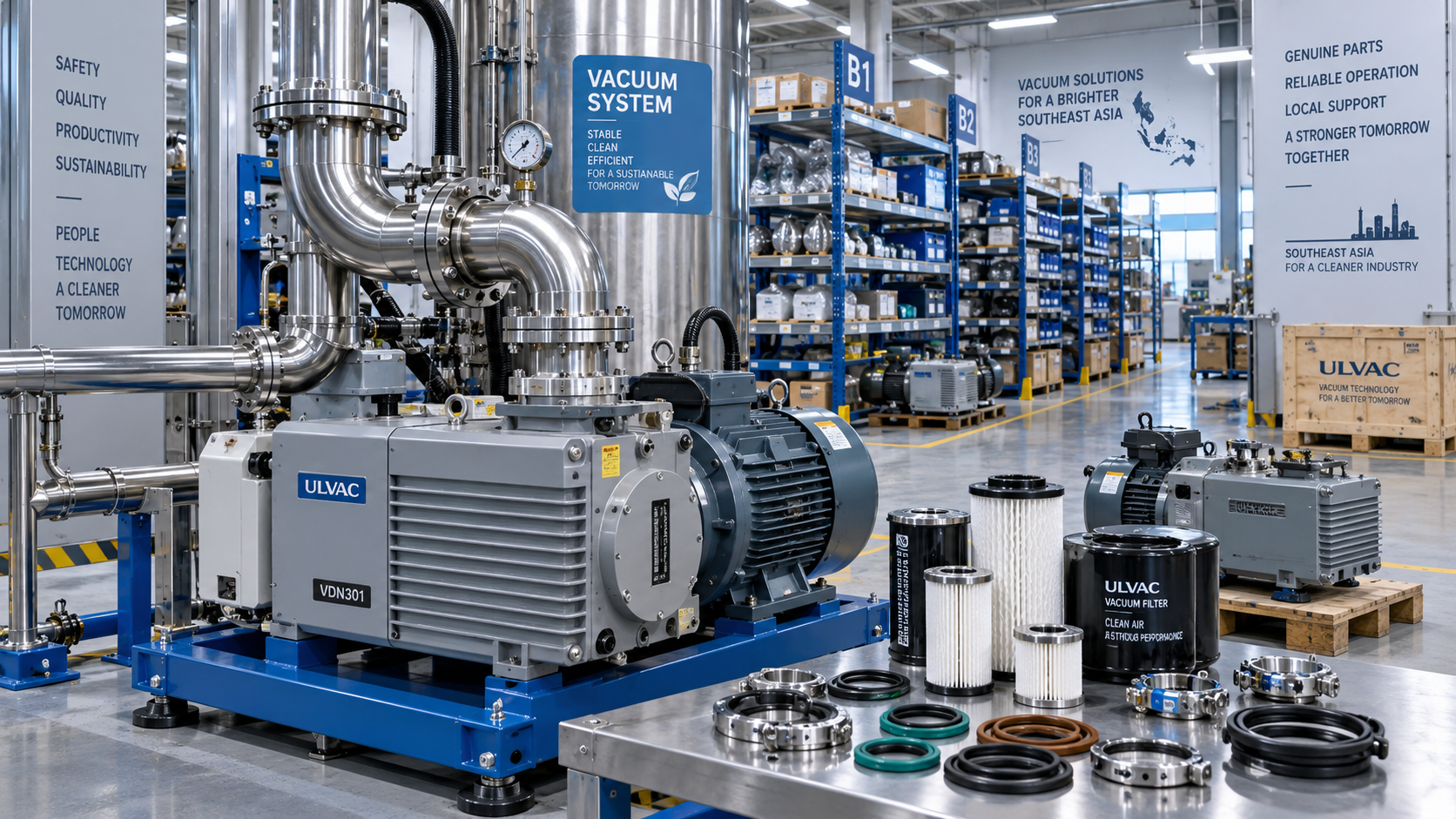
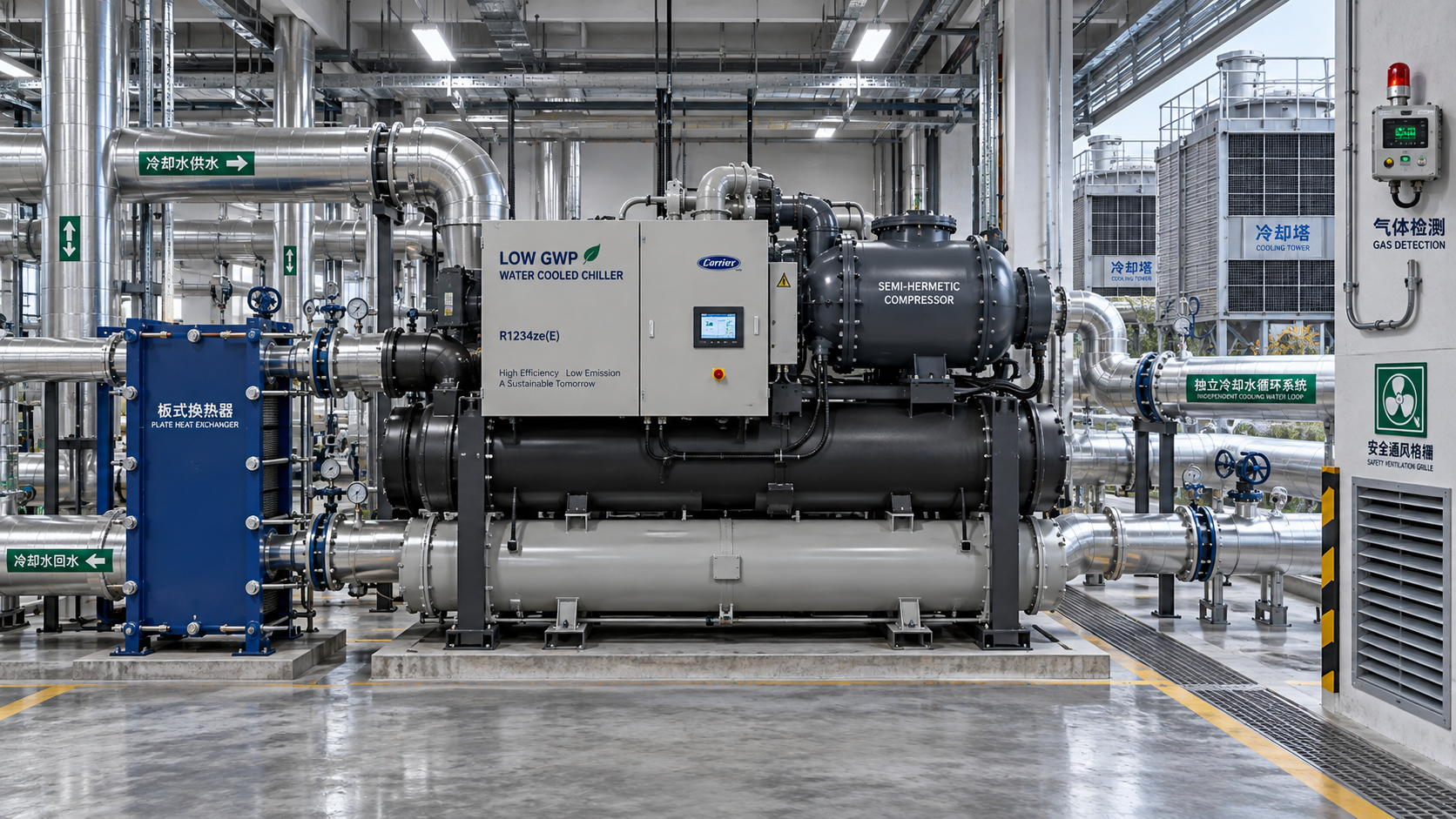
The European Union updated Annex XVII of the REACH Regulation on 28 May 2026, introducing restrictions on three classes of fluorinated organic compounds—including derivatives of HFC-134a and PFAS-related alternatives—impacting the export of fluorine-containing components used in vacuum systems, screw compressor seals, and heat exchange valve bodies for industrial chillers.
Regulatory Update: Key Facts Confirmed
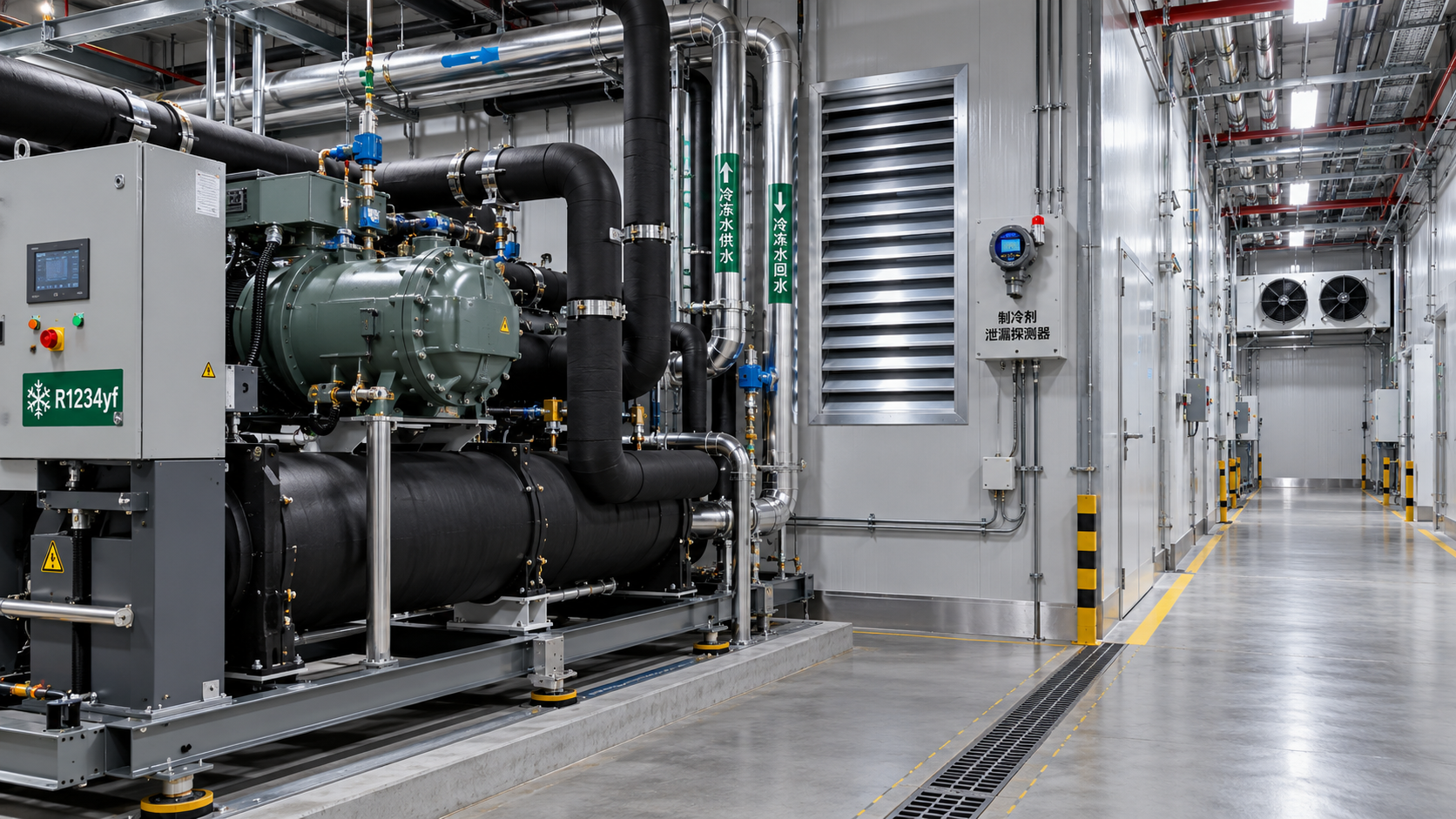
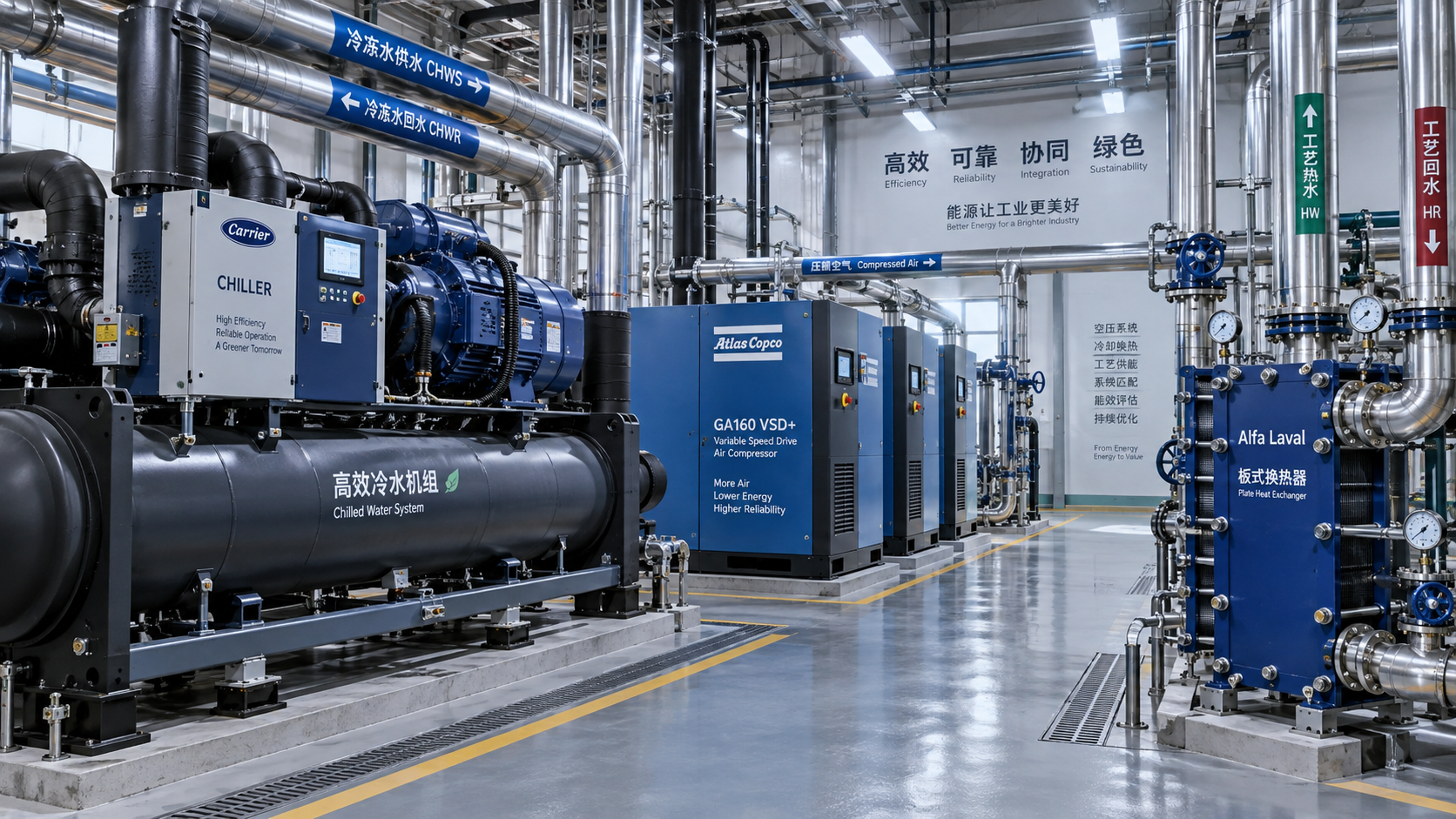
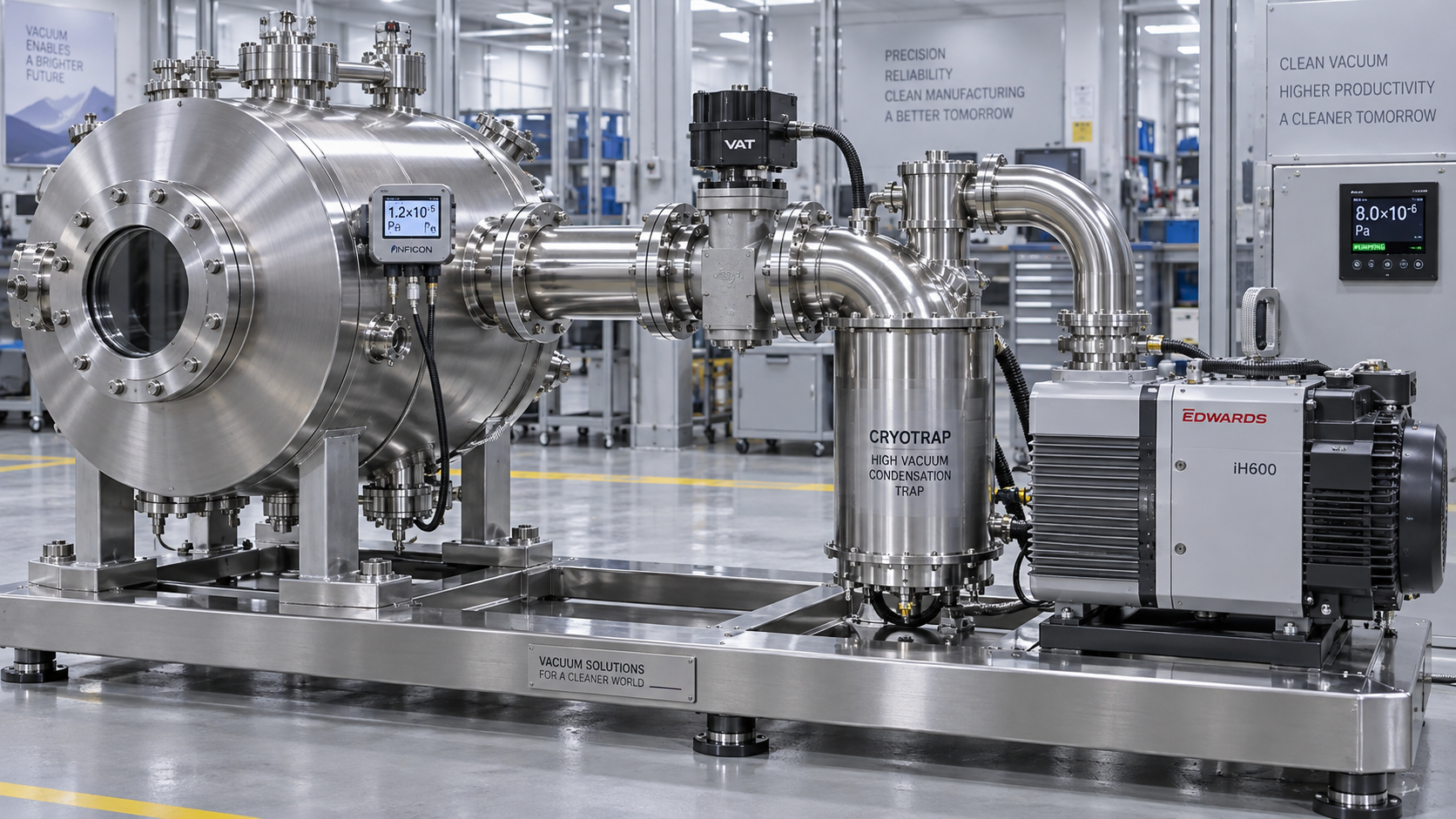
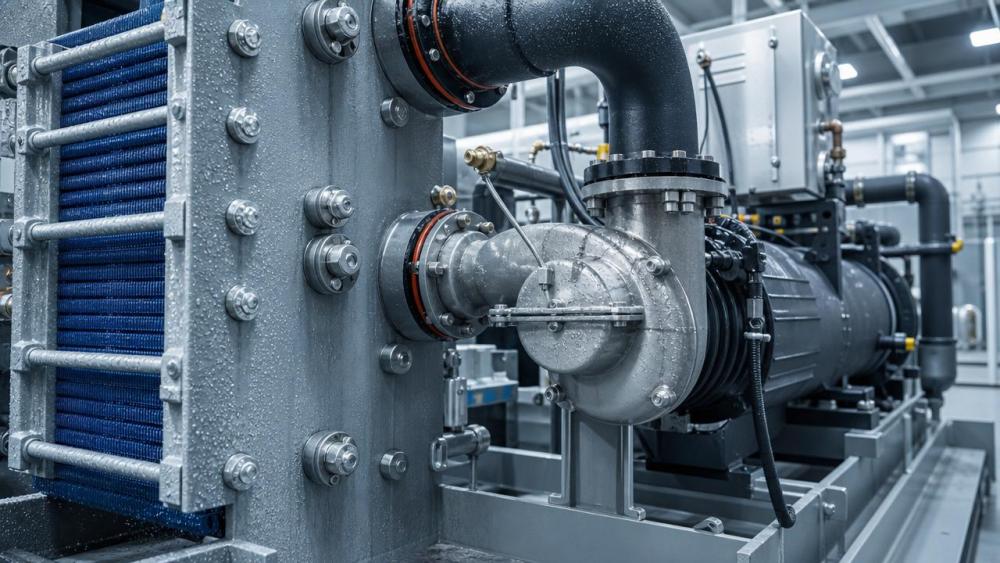
On 28 May 2026, the EU officially amended Annex XVII of Regulation (EC) No 1907/2006 (REACH), adding use and placing-on-the-market restrictions for three categories of fluorinated organic substances. These include specific HFC-134a derivatives and emerging PFAS substitute compounds. The restriction applies directly to products such as high-vacuum systems, screw compressor sealing elements, and thermal exchange valve bodies in industrial冷水机组 (industrial chiller units). Enforcement begins on 1 November 2026. From that date, suppliers must provide a declaration of conformity and ensure full supply chain communication documentation.
Impact Across the Value Chain
Export-Oriented Trading Companies
These entities face immediate customs clearance risks if shipments lack valid compliance statements or if fluorine content declarations are incomplete. Export documentation, including commercial invoices and packing lists, must now explicitly reference substance restrictions and conformity status.
Raw Material Procurement Firms
Purchasers of fluoropolymers, fluoroelastomers, or fluorinated lubricants must verify updated SDS (Safety Data Sheets) and supplier declarations against the newly restricted compound classes. Pre-qualification of alternative materials—especially non-PFAS, low-GWP substitutes—has become a prerequisite for sourcing continuity.
Component Manufacturers
Producers of vacuum pumps, compression seals, and chiller valves must review material specifications, conduct substance screening (e.g., via GC-MS or ICP-MS), and update technical files to support conformity claims. Design changes may be required where legacy fluorinated additives or surface treatments fall within the scope.
Supply Chain Service Providers
Logistics, certification support, and regulatory consultancy firms must now integrate REACH Annex XVII screening into their compliance checklists. This includes verifying downstream traceability requirements and ensuring documentation handover between tiers meets Article 33 obligations.
Actionable Compliance Priorities for Enterprises
Substance Screening and Technical Documentation Review
Manufacturers should initiate targeted analytical testing for the three newly restricted fluorinated compounds—particularly in polymer matrices, coatings, and gasketing materials—and archive test reports alongside updated declarations of conformity.
Supplier Qualification and Declaration Management
Procurement teams must require updated REACH declarations from all upstream suppliers of fluorinated raw materials or subcomponents, with clear identification of substance names, CAS numbers, and concentration thresholds per Article 67.
Product Specification and Tender Alignment
Technical departments need to revise internal specifications and bid response templates to reflect the new restrictions—especially when responding to EU public tenders or OEM procurement requests referencing REACH Annex XVII compliance.
Delivery Planning and Inventory Transition
Given the 1 November 2026 enforcement deadline, enterprises should assess existing inventory levels of affected components and align production schedules to phase out non-compliant stock prior to the cutoff, avoiding shipment delays or rejections at EU borders.
Industry Observation: Beyond Compliance, Toward Systemic Shifts
Analysis shows this amendment signals a broader tightening of fluorinated substance governance—not just targeting legacy PFAS, but also transitional substitutes previously considered lower-risk. From an industry perspective, the six-month window between publication and enforcement is notably shorter than prior REACH updates, compressing typical supply chain adaptation cycles. What deserves closer attention is how enforcement agencies will interpret ‘placing on the market’ for complex assemblies—especially whether compliance is assessed at component level or final equipment level. Observably, manufacturers investing early in fluorine-free sealant chemistries and vacuum-compatible non-fluorinated elastomers are gaining strategic advantage in both compliance agility and long-term technology differentiation.
Strategic Implications for Global Component Suppliers
This development underscores that fluorine-related compliance is no longer a niche environmental requirement but a core technical trade barrier—especially for precision-engineered vacuum and thermal management systems. It reinforces the need for proactive substance intelligence, cross-tier data transparency, and embedded regulatory engineering in product development workflows. While not eliminating fluorinated technologies outright, the regulation accelerates the shift toward functionally equivalent, chemically safer alternatives—a transition that rewards preparedness over reaction.
Source Information and Verification Guidance
This article was generated exclusively from the user-provided information: title, event date (28 May 2026), and summary description. Specific official source links were not provided in the input and should be verified continuously. Stakeholders are advised to monitor updates from the European Chemicals Agency (ECHA), the Official Journal of the European Union (OJEU), and national REACH enforcement authorities. Further clarification is expected on implementation guidance, analytical method harmonisation, and interpretation of ‘derivative’ substances under the new restriction—areas requiring ongoing tracking by compliance officers and technical procurement teams.
Ready when you are. Send us a message to get started.
Related News
- How corrugation angle affects heat transfer in plate heat exchangersAuthor :Thermodynamics Analyst

- R22 Prices Retreat as China's Refrigerant Market Faces Tight Quotas and Soft DemandAuthor :Cryogenic Systems Expert

- How to select industrial equipment for automation with existing PLCsAuthor :

- Carrier Plans $600 Million Manufacturing and Engineering Center in Fort WorthAuthor :

- How electricity prices shape industrial compressed air price trendsAuthor :

- Chemours Faces Investor Lawsuit Over Opteon Refrigerant Sales ForecastsAuthor :Cryogenic Systems Expert

- Choosing air filtration systems for heavy dust in the Middle EastAuthor :

- LG Expands R290 Monobloc Heat Pump Range with New 12–16 kW ModelsAuthor :Cryogenic Systems Expert

- How to size a chiller for pharmaceutical cleanroom temperature controlAuthor :Cryogenic Systems Expert

- Kentucky Regulators Approve $191 Million Cooling Tower at Mitchell Coal PlantAuthor :Thermodynamics Analyst

- How much does a fully installed compressed air monitoring system cost?Author :

- What documentation supports CE marking for industrial equipment?Author :

- When do plate heat exchangers suit Middle East seawater cooling?Author :Thermodynamics Analyst

- EU Issues Updated Guidance on Industrial Refrigeration Efficiency and F-gas AlternativesAuthor :Cryogenic Systems Expert

- How does base pressure affect film purity in vacuum deposition?Author :Vacuum Process Fellow

- Do U.S. refrigerant regulations require replacing R-410A systems?Author :Cryogenic Systems Expert

- When does variable gas flow justify a custom screw compressor system?Author :Pneumatic Power Engineer

- How local support affects vacuum system costs in Southeast AsiaAuthor :

- How worldwide industry category guides help compare market opportunitiesAuthor :

- How to verify food-grade purity in compressed air systemsAuthor :Pneumatic Power Engineer

- When high-pressure waste heat recovery boilers make economic senseAuthor :Thermal Energy Strategist

- How to size compressed air equipment for pneumatic toolsAuthor :Pneumatic Power Engineer

- How to size vacuum process equipment for the required pump-down timeAuthor :Vacuum Process Fellow

- What determines the price of pure air compression systems?Author :Pneumatic Power Engineer

- How steam generation efficiency shapes thermal power system designAuthor :Thermal Energy Strategist

- What drives sustainable thermal systems cost over their operating life?Author :

- Which vacuum specification best protects semiconductor process yield?Author :Vacuum Process Fellow

- When do smart thermal systems with sensors reduce chiller energy use?Author :Cryogenic Systems Expert

- When does gasketed plate heat exchanger technology suit your process?Author :Thermodynamics Analyst

- How to size oil-free compressors for instrumentation air demandAuthor :Pneumatic Power Engineer

- How Class 0 oil-free compressors protect product quality in food productionAuthor :Pneumatic Power Engineer

- Which industrial solution comparison criteria prevent project delays?Author :

- Chiller Optimization Checklist for Rising Energy Use and Unstable Cooling OutputAuthor :Cryogenic Systems Expert

- How to Specify a High-Precision Temperature Chiller for Tight-Tolerance ProcessesAuthor :Cryogenic Systems Expert

- Designing Energy-Efficient Industrial Cooling for Variable Process LoadsAuthor :Cryogenic Systems Expert

- Low-GWP Cooling Solutions for Process Plants: Comparing Safety, Efficiency, and CostAuthor :Cryogenic Systems Expert