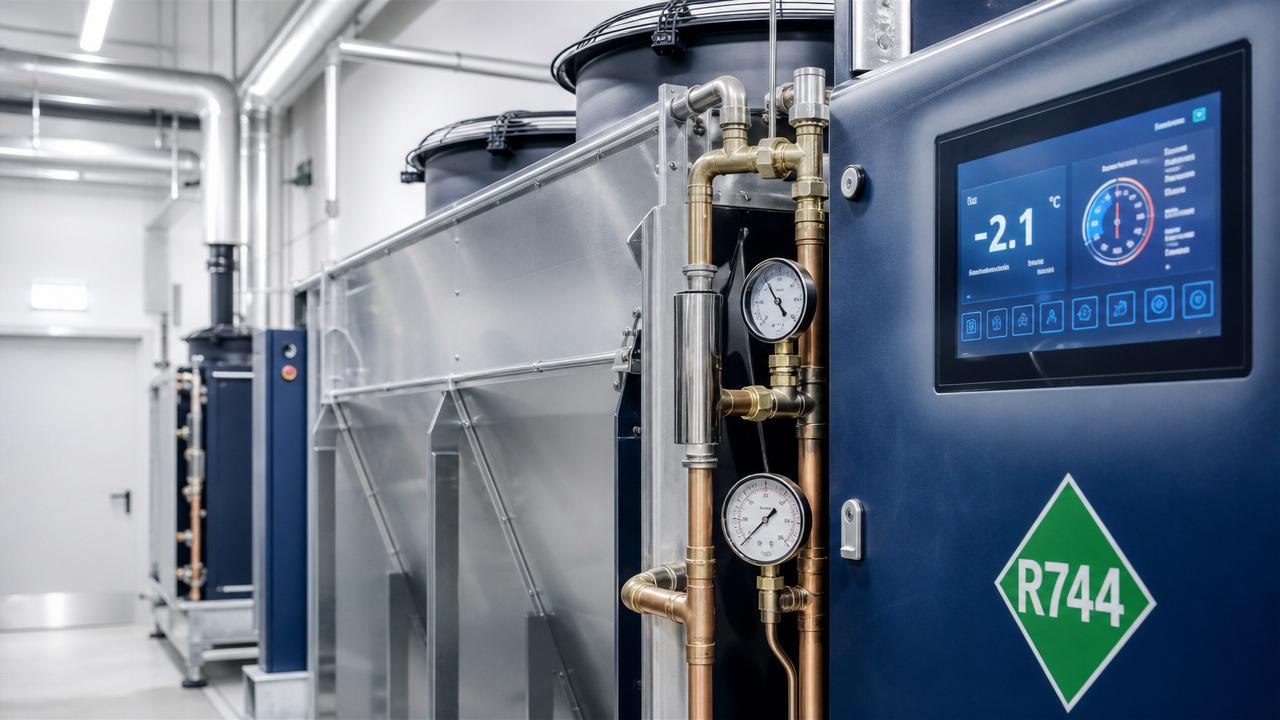




Low GWP Refrigerants HFO Blends: Key Stability and Safety Factors




Low GWP refrigerants HFO blends have moved from technical alternative to operational priority. For facilities managing cooling, heat exchange, and thermal consistency, the conversation is no longer only about global warming potential. It now includes blend stability, flammability classification, material compatibility, decomposition risk, service practices, and the quality controls needed to keep those variables inside acceptable limits.
That shift matters across pharmaceutical storage, semiconductor utilities, food processing, cold chain logistics, data infrastructure, and broader industrial refrigeration. It also explains why low GWP refrigerants HFO blends are receiving sustained attention from platforms such as GTC-Matrix, where thermodynamic performance, regulatory movement, and equipment reliability are assessed together rather than in isolation.
Why HFO blends are under closer scrutiny
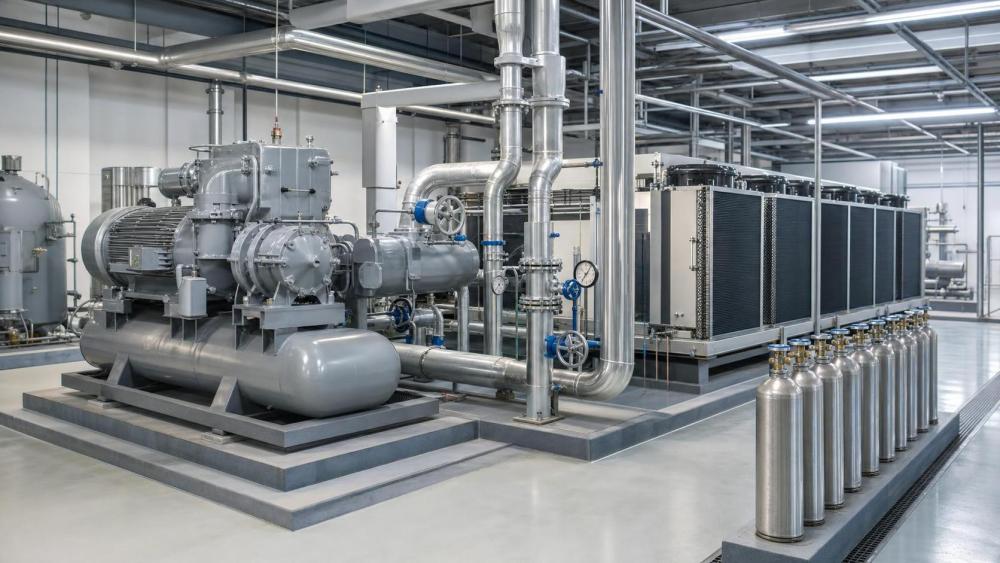
Most low GWP refrigerants HFO blends were introduced to reduce climate impact while preserving acceptable cooling performance in existing or updated systems. In simple terms, they combine hydrofluoroolefin components with other refrigerants to balance pressure, discharge temperature, capacity, and efficiency.
The practical appeal is clear. Many sectors need lower-GWP options without a full redesign of compressors, valves, heat exchangers, and controls. Yet blending also creates additional variables. A refrigerant is no longer judged only by nameplate properties, but by how its components behave during storage, charging, leakage, recovery, and long operating cycles.
This is where stability and safety become central. A blend can meet environmental goals and still create operational problems if fractionation, contamination, poor lubrication behavior, or ignition risk are not understood early.
What stability means in day-to-day operations
Stability in low GWP refrigerants HFO blends has several layers. Chemical stability is the first one. The refrigerant should remain chemically intact under expected temperature and pressure ranges, especially around high discharge zones, hot oil surfaces, and abnormal operating conditions.
Thermodynamic stability matters just as much. A blend must maintain predictable evaporating and condensing behavior. When composition drifts, pressure-temperature relationships also drift. That can lead to charging errors, unstable superheat control, reduced capacity, or unexpected compressor loading.
Another issue is fractionation. Because blends contain more than one component, leakage or improper charging may change composition over time. If vapor is removed when liquid charging is required, the system may no longer contain the intended mixture. Performance data then becomes less reliable, and troubleshooting becomes harder.
Common stability checks that deserve attention
- Verify whether the blend is zeotropic or near-azeotropic, because glide affects charging, heat exchanger behavior, and leak response.
- Track moisture content tightly. HFO blends can be sensitive to hydrolysis pathways when moisture and heat are present together.
- Review oil return and lubricant compatibility, especially in retrofits involving POE oils and mixed legacy components.
- Check storage conditions for cylinders and service containers to avoid prolonged heat exposure and contamination.
These checks sound procedural, but they directly affect whether low GWP refrigerants HFO blends perform as designed or become a recurring source of inconsistency.
Safety is broader than flammability labels
Many low GWP refrigerants HFO blends fall into A2L classifications. That means lower toxicity with mild flammability, not no flammability. This distinction is often understood in theory and underestimated in practice.
A2L refrigerants behave differently from traditional nonflammable choices. Ignition risk depends on concentration, ventilation, release pattern, room geometry, and potential ignition sources. Small leaks in confined spaces can have very different consequences from the same leak in open machinery areas.
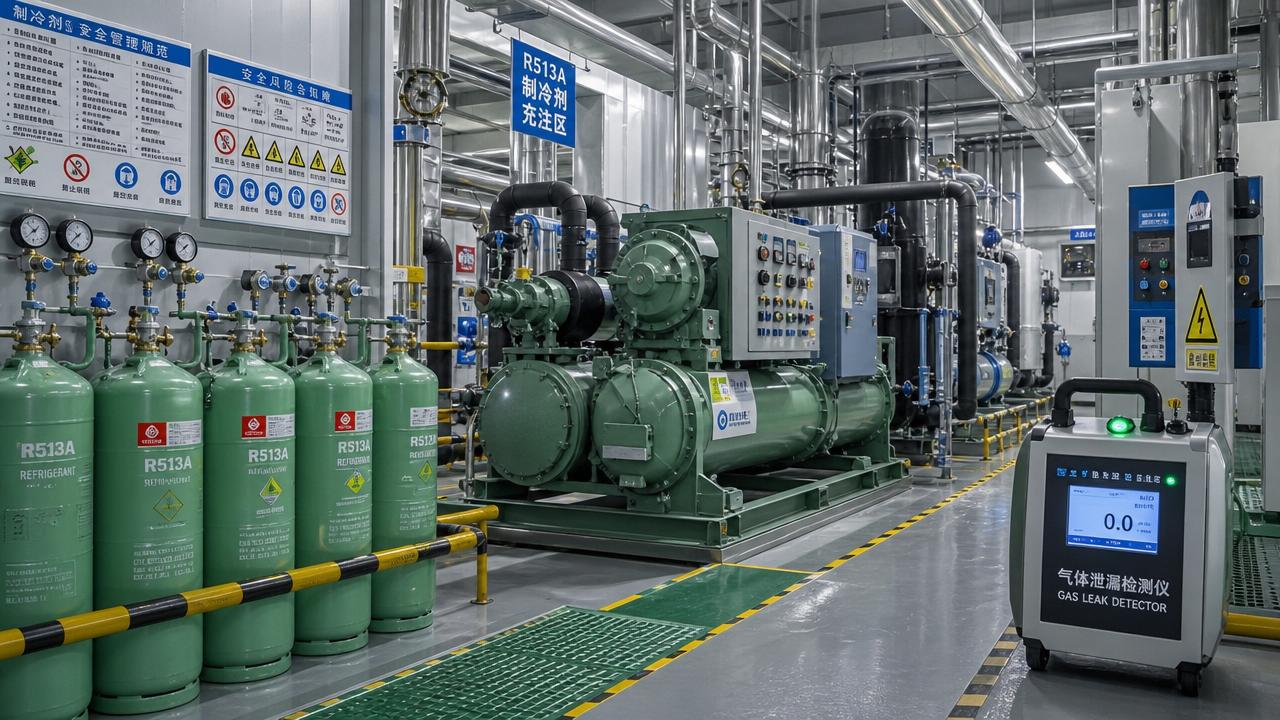
Thermal decomposition is another concern. Under fire exposure or severe overheating, some HFO-based blends can generate hazardous byproducts, including acidic compounds. That makes emergency response planning, detector placement, and incident isolation procedures more important than the refrigerant label alone might suggest.
Key safety factors to evaluate before approval
The strongest programs treat low GWP refrigerants HFO blends as part of a wider process safety system. Refrigerant choice, ventilation design, alarm logic, contractor qualification, and maintenance discipline are all connected.
Where performance and risk usually intersect
In many facilities, the first friction point appears during retrofit planning. A blend may look suitable on paper because it delivers acceptable capacity and a lower GWP profile. The deeper question is whether the system can operate safely under all realistic modes, including startup, pull-down, partial load, and fault conditions.
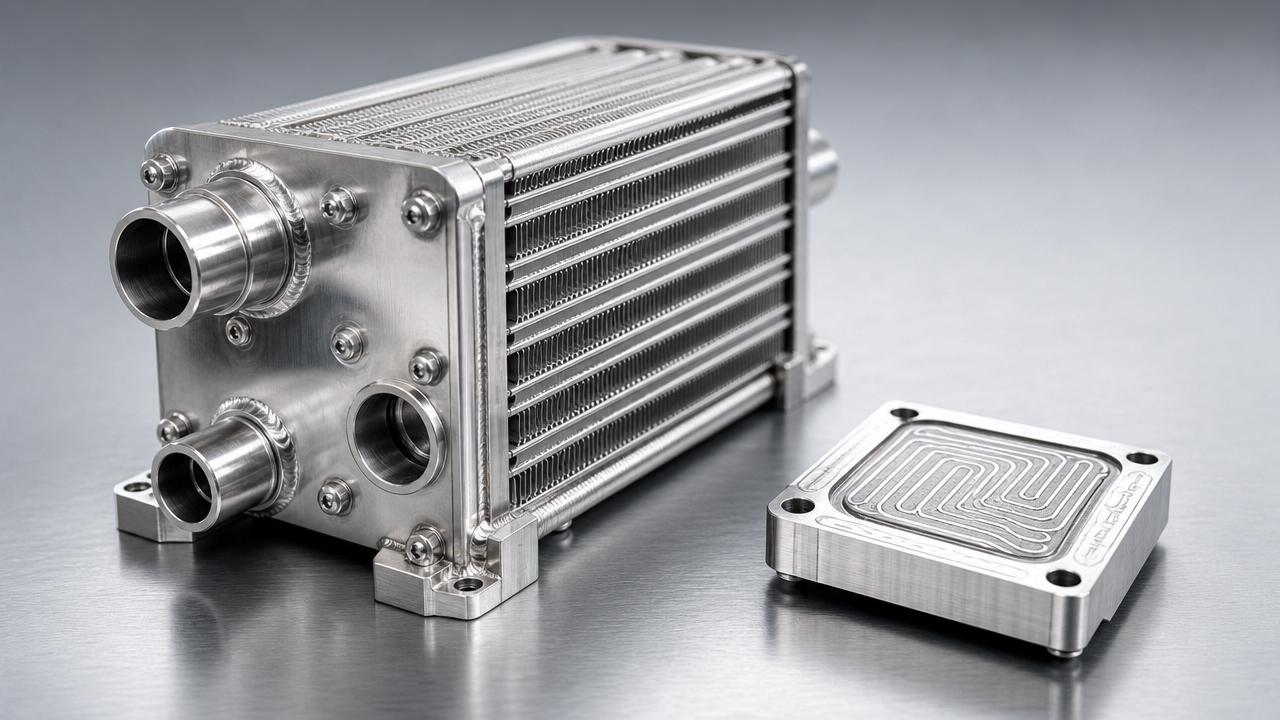
Temperature glide is a good example. In plate heat exchangers, evaporators, and condensers, glide can influence approach temperatures and control response. That may be acceptable in some chilled processes, but less forgiving where precise temperature uniformity is critical.
Discharge temperature is another pressure point. Some low GWP refrigerants HFO blends can increase thermal stress in compressors if the application window is not carefully checked. That affects lubricant life, valve durability, and the likelihood of decomposition in abnormal scenarios.
Energy efficiency also needs context. A blend that performs well in one climate or load profile may lose its advantage in another. GTC-Matrix often frames this correctly: refrigerant decisions should be read alongside compressor design, microchannel heat exchanger behavior, energy cost trends, and regional environmental policy, not as a single isolated substitution.
Practical review points across common industrial scenarios
Not every application stresses low GWP refrigerants HFO blends in the same way. A useful review starts by matching refrigerant behavior to process sensitivity, occupancy, and maintenance reality.
Cold rooms and food processing
Focus on leak detection, charge distribution, washdown exposure, and service repeatability. Frequent door openings and moisture intrusion can complicate stable operation.
Pharmaceutical and life science spaces
Temperature excursions carry high consequences. Blend composition stability, alarm validation, and documented maintenance procedures deserve tighter controls than in standard comfort cooling.
Semiconductor and precision thermal systems
Cleanliness, uptime, and narrow control bands dominate. Even small shifts in pressure-temperature behavior can affect process consistency and utility reliability.
Commercial retrofit portfolios
Fleet-level risk often comes from variation. Similar equipment may have different seal materials, control firmware, piping layouts, or service histories, which changes suitability.
How to build a sound evaluation framework
A strong decision process for low GWP refrigerants HFO blends is less about chasing a perfect refrigerant and more about reducing blind spots. The most reliable framework combines technical screening with operational proof.
- Start with application boundaries: temperatures, charge size, occupancy, ventilation, and downtime tolerance.
- Confirm regulatory fit by region, including refrigerant quotas, building codes, and safety standards.
- Review OEM guidance before retrofit approval, especially for compressors, valves, controls, and lubricant requirements.
- Test service procedures for liquid charging, leak response, recovery, and contaminated cylinder handling.
- Use operating data after commissioning to verify pressures, glide impact, discharge temperature, and alarm effectiveness.
This kind of framework supports both compliance and continuity. It also reduces the common gap between laboratory properties and actual field behavior.
What deserves attention next
The market for low GWP refrigerants HFO blends will keep evolving as policies tighten and equipment architectures change. New blends will continue to promise better environmental profiles, but stability and safety will remain the deciding filters.
A sensible next step is to map each refrigerant option against actual system conditions rather than generic claims. That means comparing leak scenarios, component compatibility, service capability, efficiency under real loads, and emergency response readiness.
For organizations following industrial cooling and thermal system trends through GTC-Matrix, the value lies in connecting refrigerant choice with the wider compression and heat exchange picture. Better decisions usually come from that broader view, where environmental compliance, system resilience, and operating discipline are judged together.
Related News
- EPA Freezes R-410A Quotas, Fast-Tracks R-32Author :Cryogenic Systems Expert

- Low GWP Refrigerants HFO Blends: Key Stability and Safety FactorsAuthor :Cryogenic Systems Expert

- R-32 Price Spike Reshapes Chiller ProcurementAuthor :Cryogenic Systems Expert

- How to Compare Environmentally Friendly Refrigerants by GWP, Safety, and CostAuthor :Cryogenic Systems Expert

- R-454B Export Quota Cut 18% as Lead Times DoubleAuthor :Cryogenic Systems Expert

- Japan Cuts R32 and R290 Import Quotas From July 10Author :Cryogenic Systems Expert

- EPA Cuts R-134a Import Quotas 42% From July 2026Author :Cryogenic Systems Expert
![]()
- Low GWP Refrigerants HFO Blends: Performance and Compliance in 2026Author :Cryogenic Systems Expert

- R-513A Jumps 23% as China Tightens Export QuotasAuthor :Cryogenic Systems Expert

- Environmentally Friendly Refrigerants in 2026: Compliance Risks and Upgrade PrioritiesAuthor :Cryogenic Systems Expert

- Pharmaceutical Temperature Control Systems: Common Compliance RisksAuthor :Cryogenic Systems Expert

- China Tightens Q3 R32 Export QuotasAuthor :Cryogenic Systems Expert

- California EPR Deadline Nears for Refrigeration MakersAuthor :Cryogenic Systems Expert

- Resource Circularity Trends Reshaping Refrigerants and Cooling SystemsAuthor :Cryogenic Systems Expert

- HFCs Filing Rules Enter Full EnforcementAuthor :Cryogenic Systems Expert

- How Environmentally Friendly Refrigerants Affect Chiller ComplianceAuthor :Cryogenic Systems Expert

- EU REACH Tightens Refrigerant Impurity Limits for R134a ExportsAuthor :Cryogenic Systems Expert

- China Seeks Feedback on 2027 Refrigerant QuotasAuthor :Cryogenic Systems Expert

- EU to Ban High-GWP ACs in 2029 as R410A Exits HomesAuthor :Cryogenic Systems Expert

- US, UK Delay HFC Phaseout, Extending R32/R134a Export WindowAuthor :Cryogenic Systems Expert

- EU HFC Cut Tightens by 2029 as Gen-3 Output Falls 10%Author :Cryogenic Systems Expert

- Kuwait Bans HCFC AC Imports as Shift to R32/R290 Speeds UpAuthor :Cryogenic Systems Expert

- Saudi SASO Rules Tighten AC Imports in DecemberAuthor :Cryogenic Systems Expert

- Environmentally Friendly Refrigerants: Compliance, Safety, and Retrofit RisksAuthor :Cryogenic Systems Expert

- SABIC Force Majeure Keeps Chiller Refrigerant Supply TightAuthor :Cryogenic Systems Expert

- SABIC Force Majeure Tightens Refrigerant FeedstocksAuthor :Cryogenic Systems Expert

- UL 60335-2-89 Tightens R290 Leak Test RulesAuthor :Cryogenic Systems Expert
![]()
- UL 60335-2-89 Adds R290 Vacuum Leak TestAuthor :Cryogenic Systems Expert

- Global Refrigerant Price Index Falls 8.3% MoM in MayAuthor :Cryogenic Systems Expert
![]()
- PSA Jurong Island Launches Mandatory Cold-Chain Traceability for RefrigerantsAuthor :Cryogenic Systems Expert
![]()
- 2026 Refrigerants Shift: What Changes for Cold StorageAuthor :Cryogenic Systems Expert

- Shanghai Pudong Pilots E-Labels for Imported CosmeticsAuthor :Cryogenic Systems Expert

- 2026 Refrigerant Shift: Safer Options With Lower Compliance RiskAuthor :Cryogenic Systems Expert

- Vitafoods Europe Highlights Clinical Herb Data, Cold Chain Demand SurgesAuthor :Cryogenic Systems Expert
![]()
- U.S. Treasury Yield Surge Stabilizes Silver, Eases Refrigerants Export PricingAuthor :Cryogenic Systems Expert

- France Allocates €710M to Support War-Impacted Firms on Cold Chain ComplianceAuthor :Cryogenic Systems Expert