South Africa Tightens E-Commerce Import Rules for Industrial Chillers




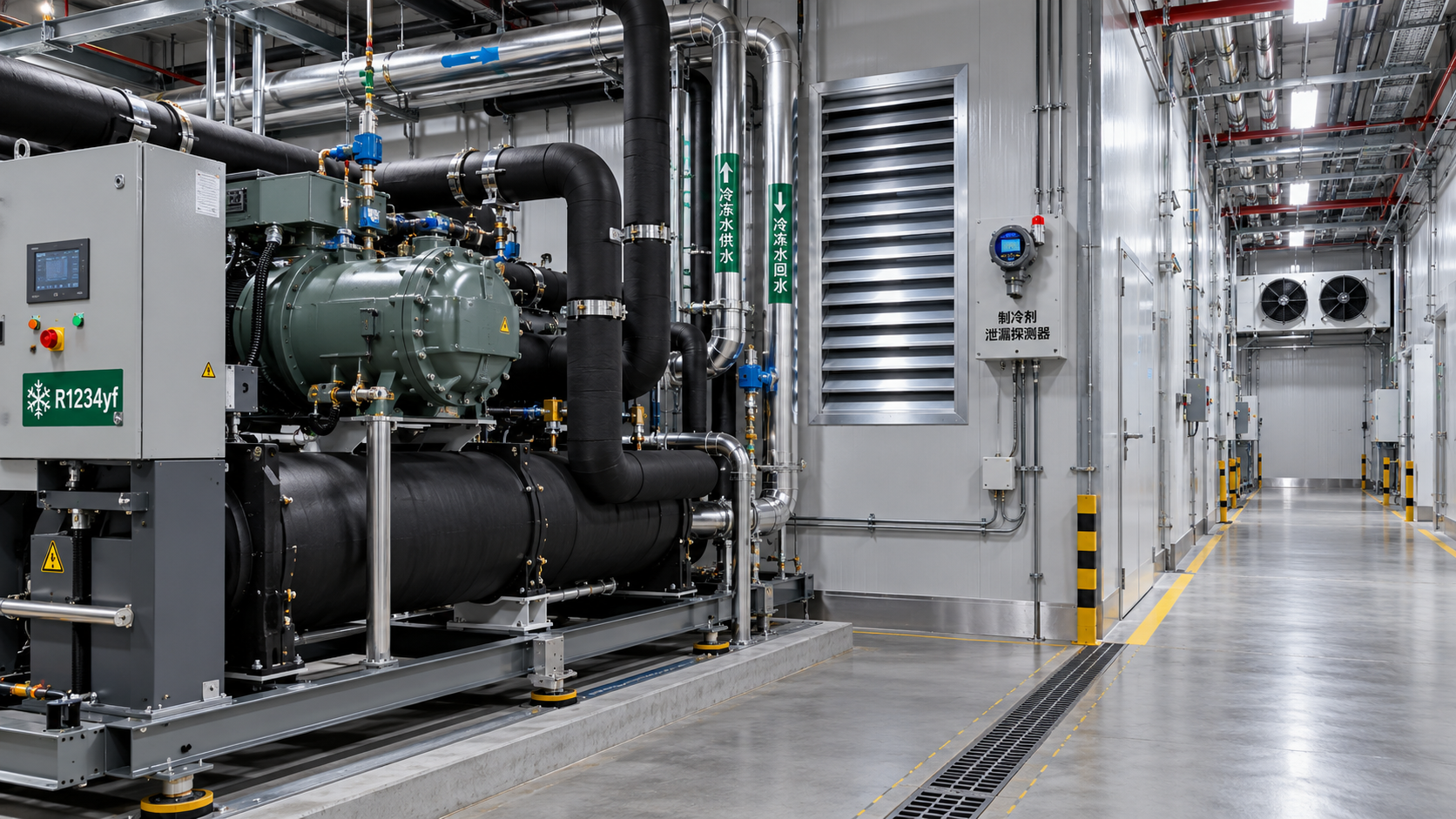
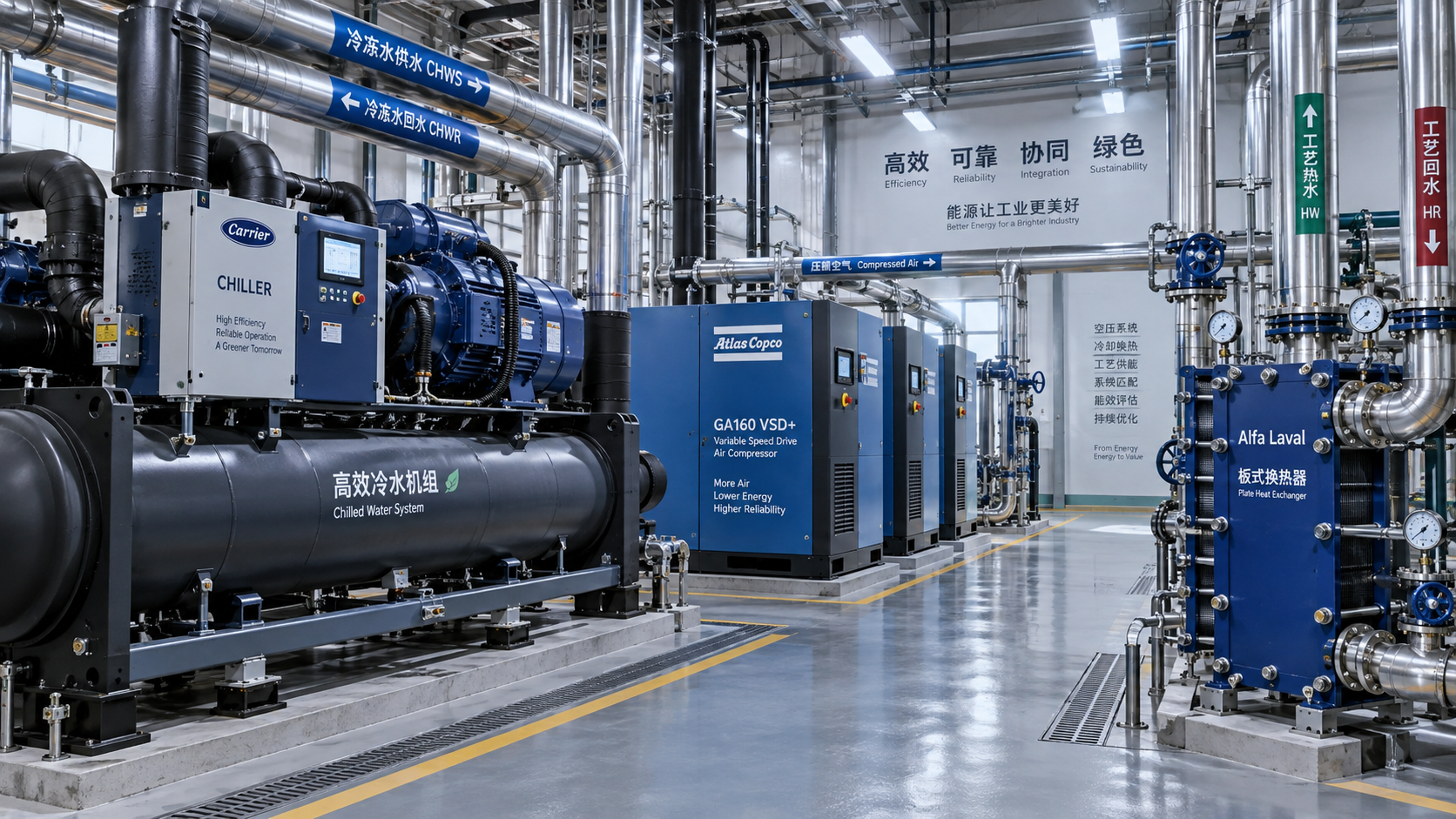
South Africa’s tax authority, the South African Revenue Service (SARS), announced new import requirements on 27 May 2026, effective 15 June 2026. Industrial chillers and cold storage systems imported via cross-border e-commerce must now submit SABS certification numbers and energy efficiency test reports — aligned with SANS 10400-X19 — prior to customs clearance. This development directly affects exporters, importers, and logistics providers serving South Africa’s HVAC, food processing, pharmaceuticals, and data centre infrastructure sectors.
Event Overview
On 27 May 2026, the South African Revenue Service (SARS) issued a regulatory update requiring that, from 15 June 2026 onward, all imported industrial chillers and cold storage systems must have their South African Bureau of Standards (SABS) certification number and energy efficiency test report (per SANS 10400-X19) uploaded to the customs system before release. Shipments failing to meet this requirement will be detained at port, and a penalty of 20% of the declared cargo value will apply.
Industries Affected by Segment
Direct Exporters and Cross-Border E-Commerce Sellers
These entities face immediate operational impact: customs holds may delay delivery timelines and increase landed costs. Since many e-commerce platforms rely on fast fulfilment, any clearance delay risks order cancellations or platform penalties.
Manufacturers and OEMs Supplying to South Africa
Manufacturers not already certified to SANS 10400-X19 — especially those outside South Africa — must now validate compliance for each chiller model intended for export. Certification is product-specific and cannot be assumed from CE, UL, or ISO standards alone.
Freight Forwarders and Customs Brokers
These service providers must now integrate SABS documentation verification into pre-clearance checks. Failure to flag missing or non-compliant submissions may expose them to client disputes or liability under contractual service agreements.
Distributors and Local Importers
Local entities acting as importers of record are legally responsible for submission accuracy. They bear direct exposure to the 20% penalty if documentation is incomplete or misaligned with physical goods — even if sourced from overseas suppliers.
Key Points for Enterprises and Practitioners to Monitor and Act On
Confirm SABS certification status for active SKUs before 15 June
Verify whether current industrial chiller models carry valid SABS certification referencing SANS 10400-X19. Do not assume prior SABS marks (e.g., for safety or EMC) satisfy the new energy efficiency requirement.
Update internal customs documentation workflows
Integrate mandatory fields for SABS certificate numbers and test report upload timestamps into ERP or customs management systems. Assign responsibility for validation to procurement or compliance teams — not just logistics.
Engage SABS-accredited testing labs early
If certification is pending, initiate testing promptly: turnaround times for SANS 10400-X19 assessments vary, and lab capacity may tighten ahead of the 15 June deadline.
Review Incoterms and contractual liability clauses
Where DAP or DDP terms apply, clarify in writing which party bears responsibility for obtaining and submitting SABS documentation — especially when selling via third-party e-commerce marketplaces operating in South Africa.
Editorial Observation / Industry Perspective
Observably, this measure signals a broader shift toward enforcing energy performance standards at the border — not just for consumer appliances, but for industrial equipment entering via digital trade channels. Analysis shows it is less a one-off compliance tweak and more an early indicator of how South Africa may extend similar technical barriers to other energy-intensive imported machinery. From an industry perspective, it reflects tightening alignment between environmental policy (e.g., national energy efficiency targets) and customs enforcement — a trend increasingly visible across emerging markets. Current attention should focus less on whether the rule will be enforced (it will) and more on how quickly downstream actors adapt documentation and sourcing practices.
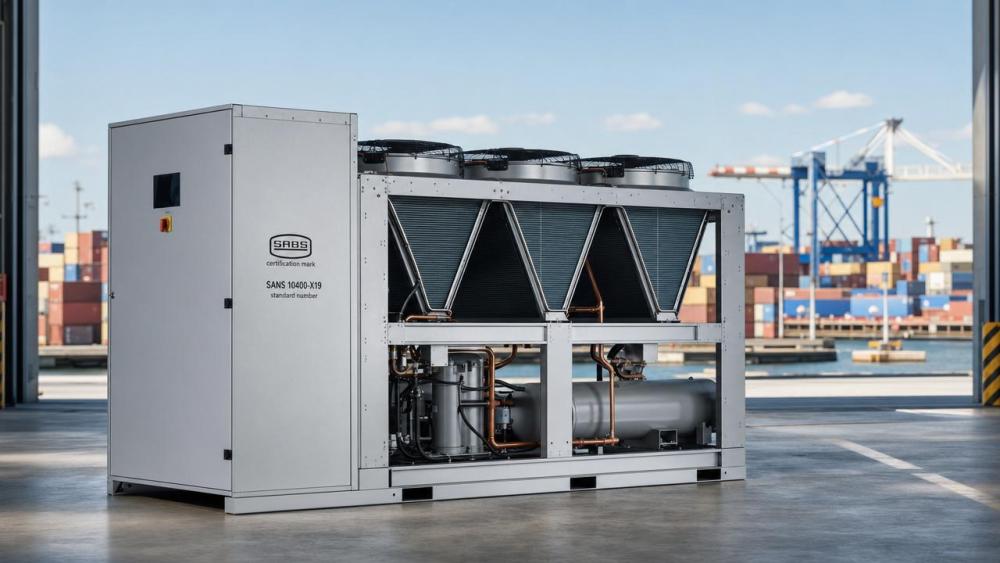
This regulatory change underscores how energy efficiency compliance is evolving from a voluntary or post-import verification step into a hard gate at customs. It does not represent a blanket ban or tariff hike, but rather a procedural prerequisite — one that reshapes lead times, documentation ownership, and supplier qualification criteria. For affected businesses, the most pragmatic interpretation is that SABS certification has effectively become a de facto import licence condition for these products in South Africa’s e-commerce supply chain.
Source: South African Revenue Service (SARS), official notice dated 27 May 2026. Note: SABS implementation guidance — including acceptable report formats and certificate validity periods — remains pending formal publication and is subject to ongoing observation.
Ready when you are. Send us a message to get started.
Related News
- How corrugation angle affects heat transfer in plate heat exchangersAuthor :Thermodynamics Analyst

- R22 Prices Retreat as China's Refrigerant Market Faces Tight Quotas and Soft DemandAuthor :Cryogenic Systems Expert

- How to select industrial equipment for automation with existing PLCsAuthor :

- Carrier Plans $600 Million Manufacturing and Engineering Center in Fort WorthAuthor :

- How electricity prices shape industrial compressed air price trendsAuthor :

- Chemours Faces Investor Lawsuit Over Opteon Refrigerant Sales ForecastsAuthor :Cryogenic Systems Expert

- Choosing air filtration systems for heavy dust in the Middle EastAuthor :

- LG Expands R290 Monobloc Heat Pump Range with New 12–16 kW ModelsAuthor :Cryogenic Systems Expert

- How to size a chiller for pharmaceutical cleanroom temperature controlAuthor :Cryogenic Systems Expert

- Kentucky Regulators Approve $191 Million Cooling Tower at Mitchell Coal PlantAuthor :Thermodynamics Analyst

- How much does a fully installed compressed air monitoring system cost?Author :

- What documentation supports CE marking for industrial equipment?Author :

- When do plate heat exchangers suit Middle East seawater cooling?Author :Thermodynamics Analyst

- EU Issues Updated Guidance on Industrial Refrigeration Efficiency and F-gas AlternativesAuthor :Cryogenic Systems Expert

- How does base pressure affect film purity in vacuum deposition?Author :Vacuum Process Fellow

- Do U.S. refrigerant regulations require replacing R-410A systems?Author :Cryogenic Systems Expert

- When does variable gas flow justify a custom screw compressor system?Author :Pneumatic Power Engineer

- How local support affects vacuum system costs in Southeast AsiaAuthor :

- How worldwide industry category guides help compare market opportunitiesAuthor :

- How to verify food-grade purity in compressed air systemsAuthor :Pneumatic Power Engineer

- When high-pressure waste heat recovery boilers make economic senseAuthor :Thermal Energy Strategist

- How to size compressed air equipment for pneumatic toolsAuthor :Pneumatic Power Engineer

- How to size vacuum process equipment for the required pump-down timeAuthor :Vacuum Process Fellow

- What determines the price of pure air compression systems?Author :Pneumatic Power Engineer

- How steam generation efficiency shapes thermal power system designAuthor :Thermal Energy Strategist

- What drives sustainable thermal systems cost over their operating life?Author :

- Which vacuum specification best protects semiconductor process yield?Author :Vacuum Process Fellow

- When do smart thermal systems with sensors reduce chiller energy use?Author :Cryogenic Systems Expert

- When does gasketed plate heat exchanger technology suit your process?Author :Thermodynamics Analyst

- How to size oil-free compressors for instrumentation air demandAuthor :Pneumatic Power Engineer

- How Class 0 oil-free compressors protect product quality in food productionAuthor :Pneumatic Power Engineer

- Which industrial solution comparison criteria prevent project delays?Author :

- Chiller Optimization Checklist for Rising Energy Use and Unstable Cooling OutputAuthor :Cryogenic Systems Expert

- How to Specify a High-Precision Temperature Chiller for Tight-Tolerance ProcessesAuthor :Cryogenic Systems Expert

- Designing Energy-Efficient Industrial Cooling for Variable Process LoadsAuthor :Cryogenic Systems Expert

- Low-GWP Cooling Solutions for Process Plants: Comparing Safety, Efficiency, and CostAuthor :Cryogenic Systems Expert