EN 13445-4:2026 Tightens EU NDT Rules for Pressure Vessels




On July 25, 2026, CEN formally issued EN 13445-4:2026 for unfired pressure vessels, introducing stricter mandatory weld non-destructive testing requirements for pressure-bearing parts used in Shell & Tube heat exchangers, steam boilers, industrial cooling towers, and compressed air systems. With the new rule set to apply to equipment exported to the EU from October 1, 2026, the change matters not only for manufacturers, but also for inspection, certification, procurement, delivery, and customer acceptance workflows tied to EU-bound projects.
What the new standard now requires
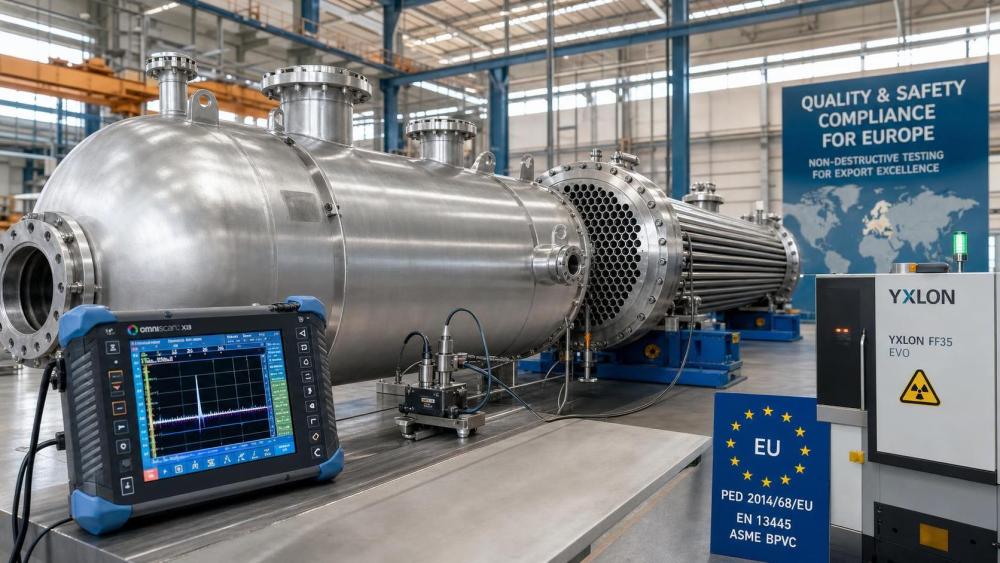
The confirmed update is that CEN released EN 13445-4:2026 on July 25, 2026 under the title for unfired pressure vessels, Part 4: Manufacturing. According to the provided event summary, the revised standard imposes a mandatory upgrade in weld NDT requirements for pressure-bearing components used in Shell & Tube heat exchangers, steam boilers, industrial cooling towers, and compressed air systems.
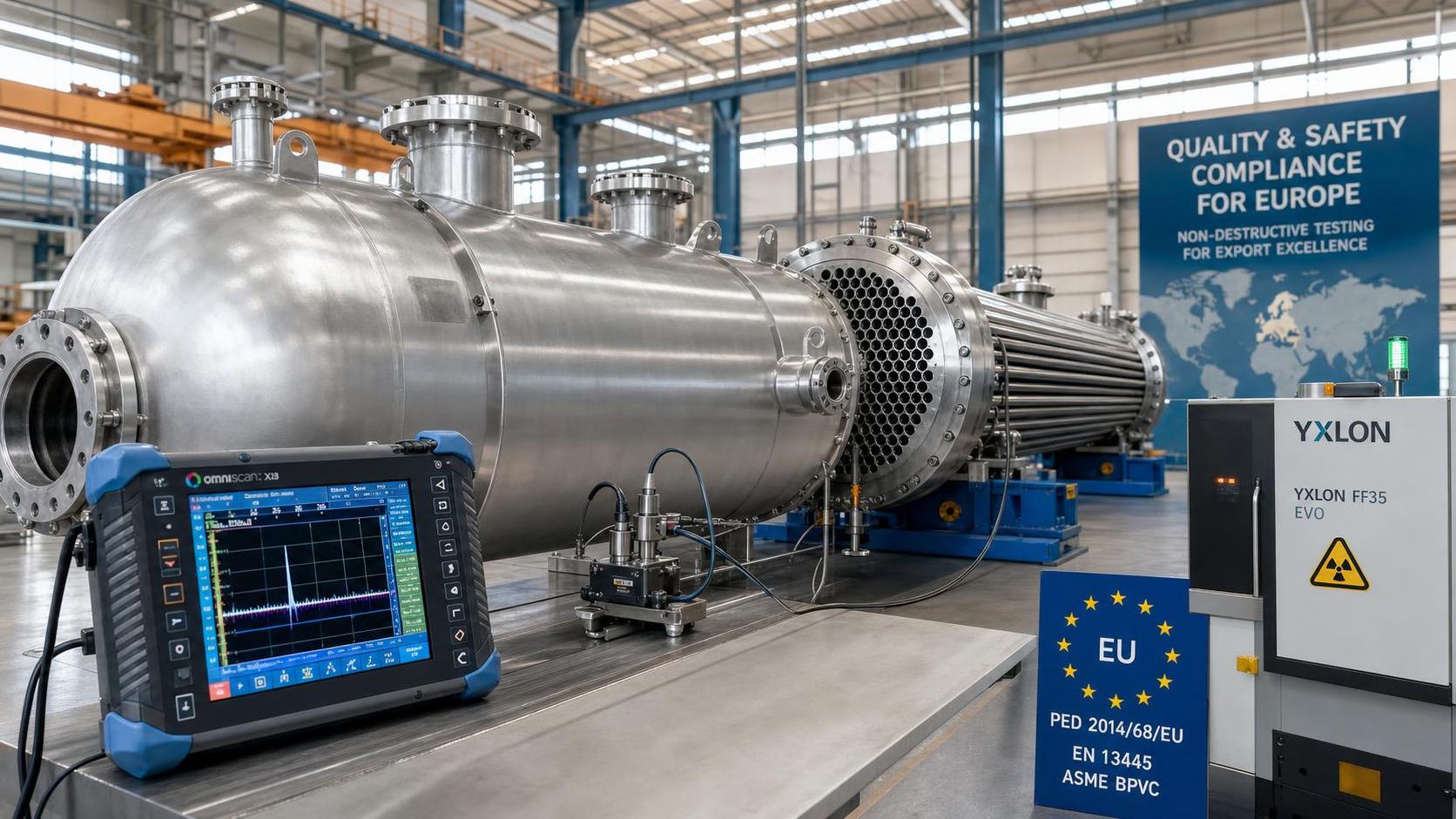
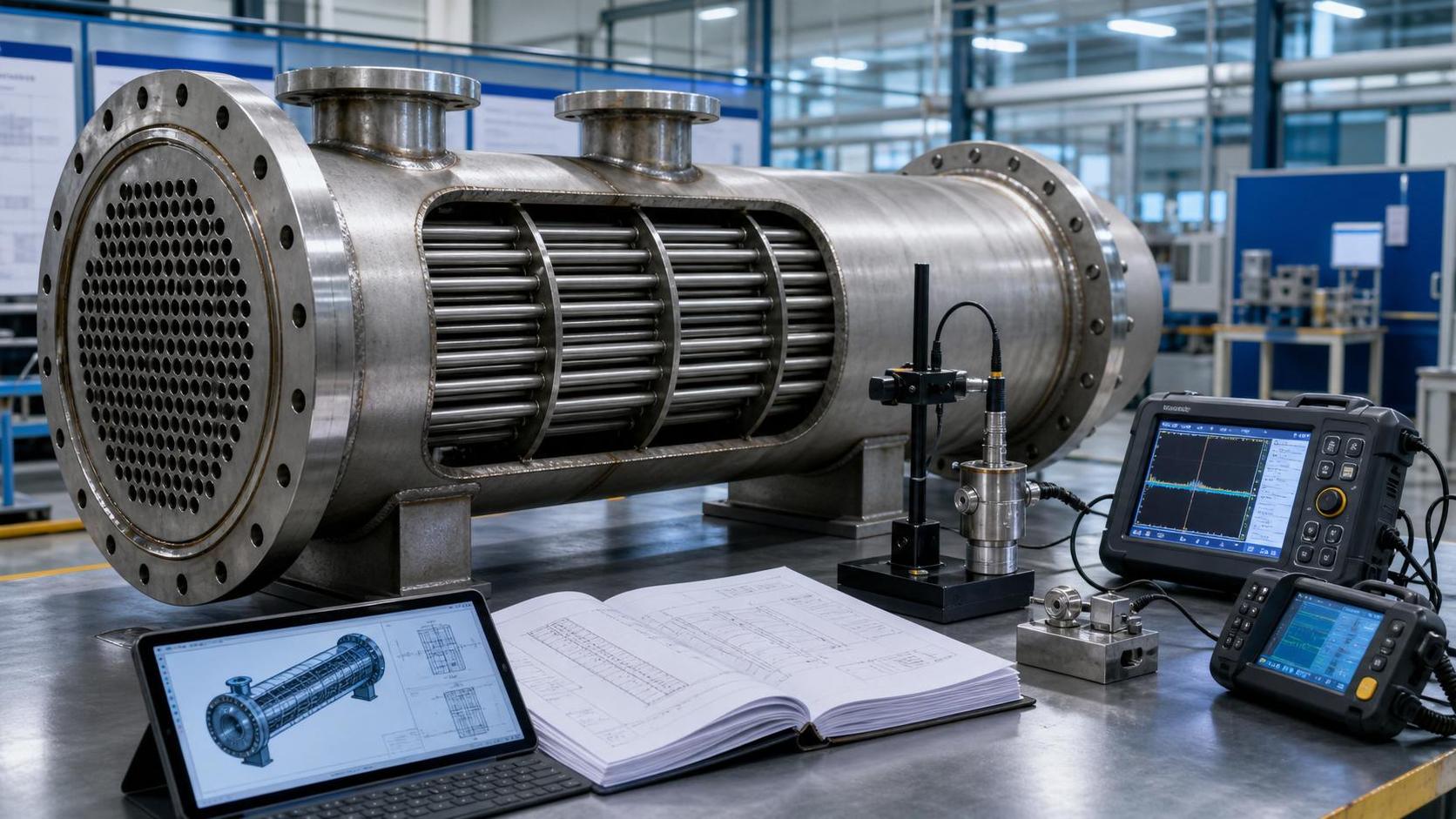
The same summary states that the revision adds a dual-verification requirement involving phased array ultrasonic testing (PAUT) and digital radiography (DR). It also sets a timing condition: from October 1, 2026, equipment exported to the EU must comply with the new version. The provided information further indicates that this directly affects the export compliance path of Chinese pressure vessel manufacturers and the inspection practices used by overseas customers.
Where the pressure will likely appear first in the supply chain
Export manufacturers face a narrower compliance window
From an industry perspective, manufacturers producing EU-bound pressure-bearing equipment are likely to feel the impact first because the change is tied directly to export eligibility after October 1, 2026. The practical effect is likely to center on manufacturing-stage inspection arrangements, technical documentation readiness, and whether existing weld examination procedures align with the upgraded NDT expectation described in the standard update.
What deserves closer attention is the interface between production and export compliance. For affected equipment categories, companies may need to review whether current inspection records, quality files, and technical submissions remain sufficient once PAUT and DR dual verification becomes a stated requirement for EU-bound deliveries.
Inspection and certification-related service providers may face new review points
Analysis shows that organizations involved in testing, conformity review, or inspection support may also be affected because the rule change is framed around mandatory weld NDT upgrades. Their role is likely to become more sensitive in report preparation, method confirmation, and acceptance evidence used during pre-shipment review or overseas customer verification.
The main business impact here is less about market expansion claims and more about process alignment. Service providers linked to pressure vessel projects may need to pay closer attention to how testing results are documented, how dual-method verification is presented, and how those materials are recognized in customer-facing compliance packages.
Buyers and project procurement teams may adjust acceptance expectations
Observably, procurement teams and overseas buyers connected to the affected equipment categories may respond by tightening bid specifications, pre-award document review, or factory acceptance checkpoints. This is because the event summary explicitly notes an effect on overseas customer inspection workflows, suggesting that acceptance practice may shift alongside the formal standard revision.
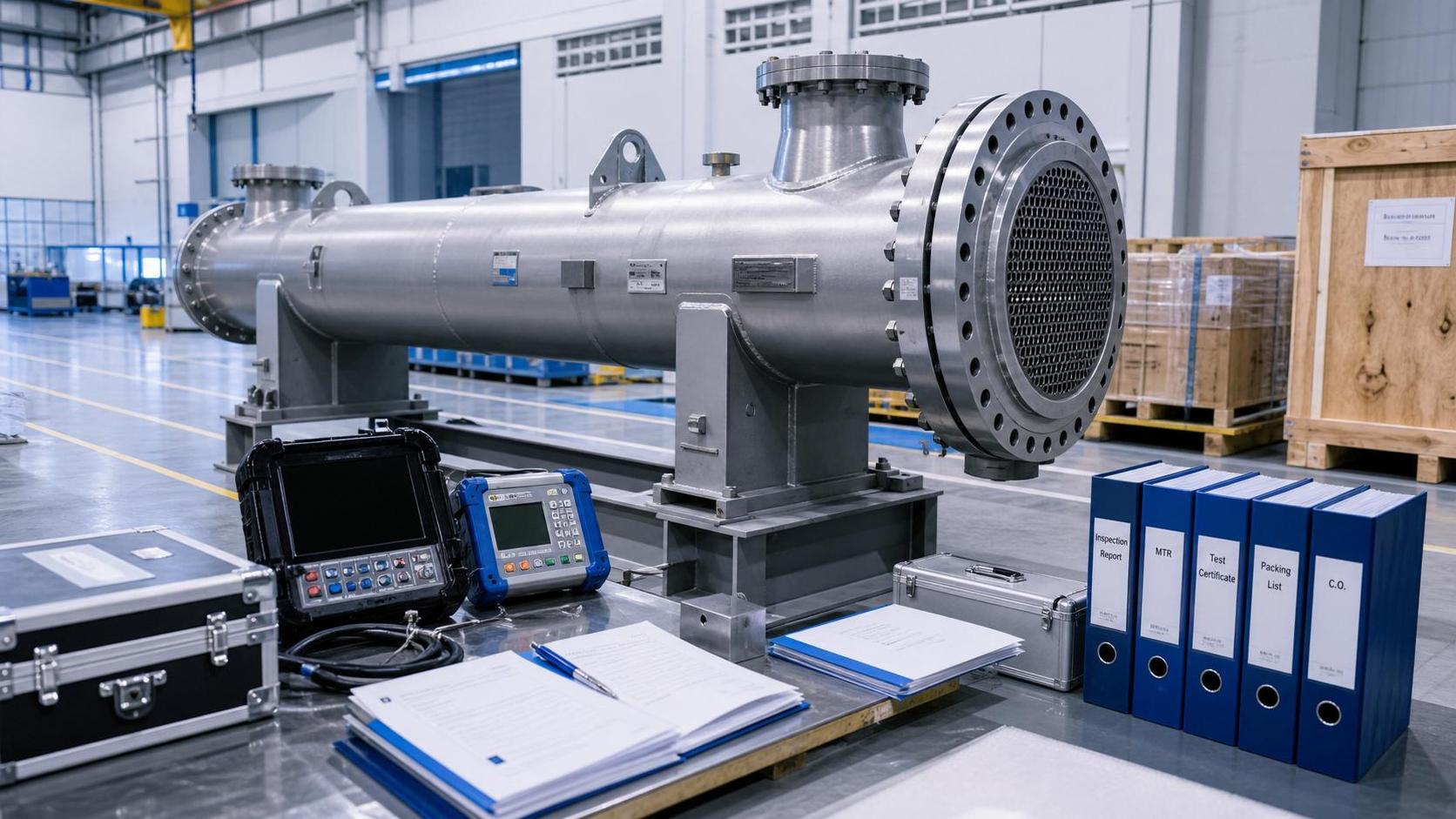
For these participants, the immediate concern is likely to be whether suppliers can provide compliant NDT evidence within the required delivery schedule. In procurement terms, that can affect technical bid alignment, contract attachments, inspection witness planning, and document completeness before shipment.
What companies should watch in the next compliance cycle
Check whether technical files still match EU delivery requirements
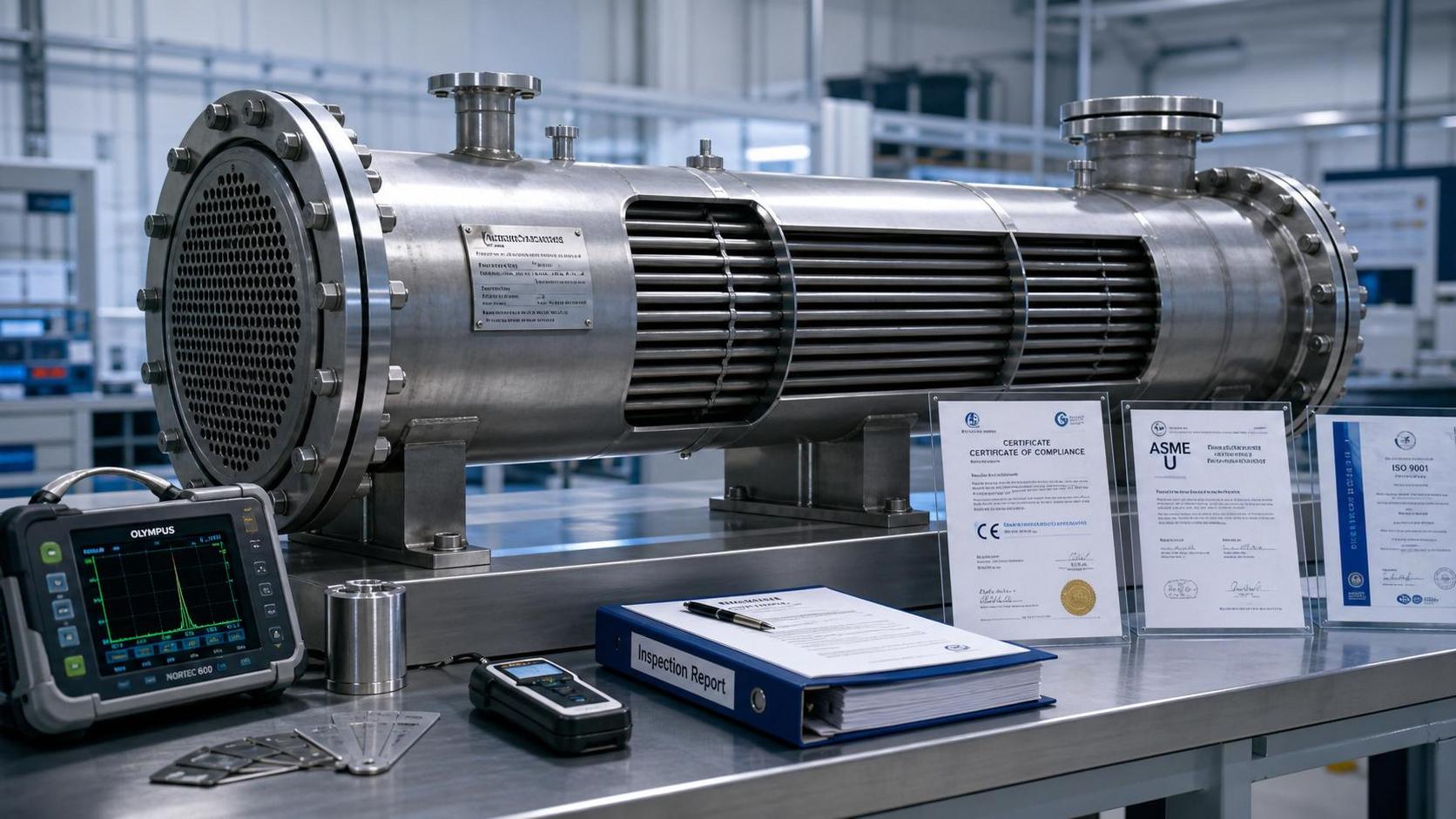
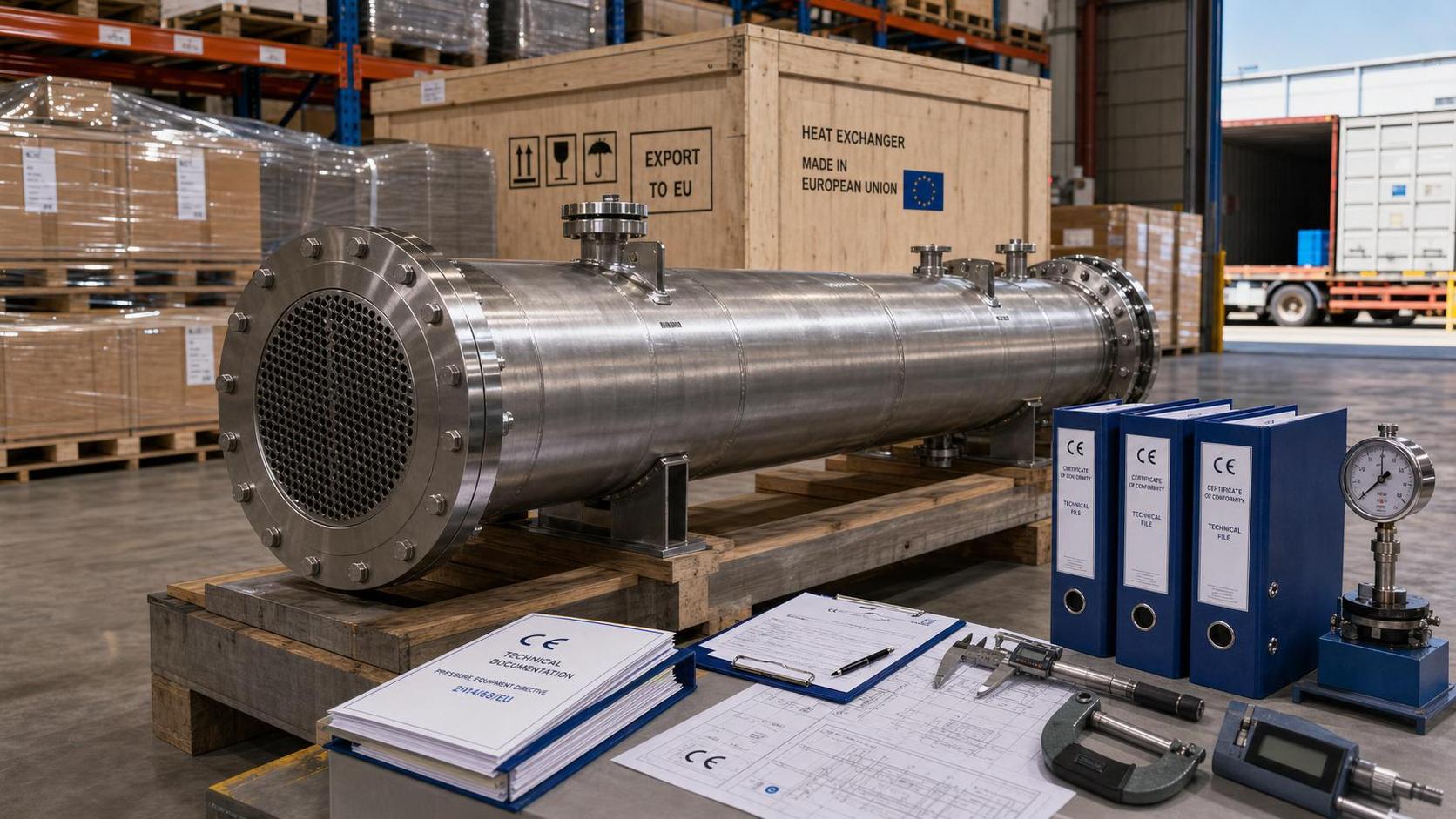
Analysis shows that affected exporters should first examine whether their current technical files, inspection records, and manufacturing documentation are prepared for the revised EN 13445-4:2026 framework. The supplied information confirms the new mandatory testing direction, but it does not provide full execution detail, so companies should treat documentation readiness as a priority area for follow-up verification rather than assume existing files will remain acceptable.
Monitor how PAUT and DR expectations are reflected in project documents
What deserves closer attention is how the new dual-verification requirement appears in customer specifications, tender documents, inspection plans, and delivery dossiers. Since the input does not provide a detailed enforcement interpretation, companies should not assume that all projects will apply the wording in the same way from day one. That makes contract and bid-stage document review an important control point.
Review delivery timing against the October 1, 2026 threshold
Observably, the compliance date creates a practical scheduling issue for exporters, inspection coordinators, and project managers. Where equipment is intended for the EU market, teams may need to recheck whether production, testing, document issuance, and shipment milestones fall before or after the stated effective threshold. The main issue is not to predict disruption, but to recognize that a date-linked technical rule can affect delivery planning and customer communication.
Pay attention to downstream traceability and after-sales exposure
From an industry perspective, another area to watch is post-delivery traceability. Where overseas acceptance depends more heavily on upgraded NDT evidence, any gap in report consistency, retained records, or technical correspondence could become more visible during acceptance, warranty discussion, or later quality review. The current information does not confirm how this will play out in practice, but it is a reasonable compliance watchpoint.
Why this looks like an execution signal, not just a standard update
Analysis shows that this development is more appropriately understood as an implementation-oriented rule change rather than a purely symbolic standards revision. The reason is straightforward: the update is tied to a defined export compliance date and introduces a specific dual-verification testing requirement for relevant pressure-bearing equipment.
At the same time, it is still too early to treat all downstream effects as settled facts. Observably, the market will need to watch how certification-related interpretation, customer inspection language, and project documentation practices evolve after publication. The current signal is clear on direction, while execution details may still need continued confirmation in actual transactions and acceptance procedures.
How the market should read this development now
At this stage, the event is best read as a concrete compliance change with near-term operational implications for EU-bound pressure vessel business. It does not by itself confirm the full pace or uniformity of market implementation, but it does indicate that weld NDT expectations for affected equipment are moving into a stricter and more document-sensitive phase.
A rational reading is that exporters, inspection partners, and buyers should treat the revision as an active compliance threshold rather than a distant policy discussion. The more balanced conclusion is not that outcomes are already fixed across every project, but that the rule change has progressed far enough to justify immediate review of testing arrangements, delivery files, and customer acceptance expectations.
Basis of this article and points still requiring verification
This article is generated from the user-provided news title, event date, and event summary. The discussion is based on the stated release of EN 13445-4:2026 by CEN on July 25, 2026, the stated mandatory upgrade of weld NDT requirements, the addition of PAUT and DR dual verification, the October 1, 2026 compliance threshold for EU exports, and the stated impact on Chinese manufacturers and overseas inspection workflows.
For events of this type, commonly relevant source categories may include official announcements, regulator publications, trade or customs authority notices, industry association updates, standards organization documents, and reporting by authoritative industry media. No specific official source link was provided in the input, so the exact official link remains to be verified on an ongoing basis.
Further observation is still needed regarding detailed implementation wording, certification and inspection interpretation, changes in tender and procurement documents, market feedback from buyers and testing bodies, and how affected companies execute the new requirement in practice.
Related News
- EN 13445-4:2026 Tightens EU NDT Rules for Pressure VesselsAuthor :Thermodynamics Analyst

- EU Rule Requires Digital Energy Monitoring for Shell & Tube Heat ExchangersAuthor :Thermodynamics Analyst

- DOE Raises Shell & Tube Efficiency Floor for 2027Author :Thermodynamics Analyst

- EU EN 13445-4:2026 Tightens Dual Certification for Heat ExchangersAuthor :Thermodynamics Analyst

- EN 13445-4:2026 Tightens EU Heat Exchanger ComplianceAuthor :Thermodynamics Analyst

- EN 13445-4:2026 Adds Digital Twin Fatigue ChecksAuthor :Thermodynamics Analyst

- How to Improve Heat Exchanger Efficiency Without Major System DowntimeAuthor :Thermodynamics Analyst

- EU Rule Takes Effect for Shell-and-Tube Heat ExchangersAuthor :Thermodynamics Analyst

- When Energy-Efficient Heat Exchange Systems Deliver Real PaybackAuthor :Thermodynamics Analyst

- DOE Cuts R449A Chiller Transition to 9 MonthsAuthor :Thermodynamics Analyst

- Rail Corridor Surge Cuts Shell & Tube Lead TimeAuthor :Thermodynamics Analyst

- Rail Corridor Hits 2,000 Trains as Heat Exchanger Lead Time FallsAuthor :Thermodynamics Analyst

- Rail Corridor Surge Cuts Shell & Tube Delivery to 28 DaysAuthor :Thermodynamics Analyst

- China-Europe Rail Corridor Tops 2,000 Trains as Heat Exchanger Export Delivery Falls to 28 DaysAuthor :Thermodynamics Analyst

- How to Improve Heat Exchanger Efficiency Without Major RetrofitsAuthor :Thermodynamics Analyst
![]()
- Rail Corridor Speeds Heat Exchanger ExportsAuthor :Thermodynamics Analyst
![]()
- China Names New Trade Parks for Heat Exchanger ExportsAuthor :Thermodynamics Analyst
![]()
- Rail Corridor Eases Lead Times for Shell-and-Tube ExportsAuthor :Thermodynamics Analyst

- Rail Freight Priority Cuts Shell & Tube Lead TimesAuthor :Thermodynamics Analyst

- Vietnam Cement WHR Rule Lifts Exchanger DemandAuthor :Thermodynamics Analyst

- EN 13445-4:2026 Effective for Shell & Tube Heat ExchangersAuthor :Thermodynamics Analyst
![]()
- SANY Excavators Capture >60% of Indonesia's Nickel Mine Equipment MarketAuthor :Thermodynamics Analyst

- APEC Trade Ministers Focus on Digital & Green Supply ChainsAuthor :Thermodynamics Analyst
![]()
- Pakistan PM Visit to China Spurs Shell & Tube, Centrifuge Tech LocalizationAuthor :Thermodynamics Analyst

- Putin's China Visit Resumes Shell & Tube Heat Exchanger Export PathAuthor :Thermodynamics Analyst

- EU Imposes Final Anti-Dumping Duties on Chinese Adipic AcidAuthor :Thermodynamics Analyst

- EN 13445-4:2026 Enters Force for Shell & Tube Heat ExchangersAuthor :Thermodynamics Analyst

- EU Updates EN 13445-4:2026 for Shell & Tube Heat ExchangersAuthor :Thermodynamics Analyst

- China's Petrochemical '15th Five-Year' Digitalization Guide ReleasedAuthor :Thermodynamics Analyst

- Heat Exchanger Technology: Plate vs Shell & Tube Selection GuideAuthor :Thermodynamics Analyst

- China to Upgrade Shell & Tube Heat Exchanger Standard to MandatoryAuthor :Thermodynamics Analyst

- Thermodynamics Analysis in Shell & Tube Selection: What Really MattersAuthor :Thermodynamics Analyst

- How to Compare Heat Exchanger Efficiency Across System DesignsAuthor :Thermodynamics Analyst