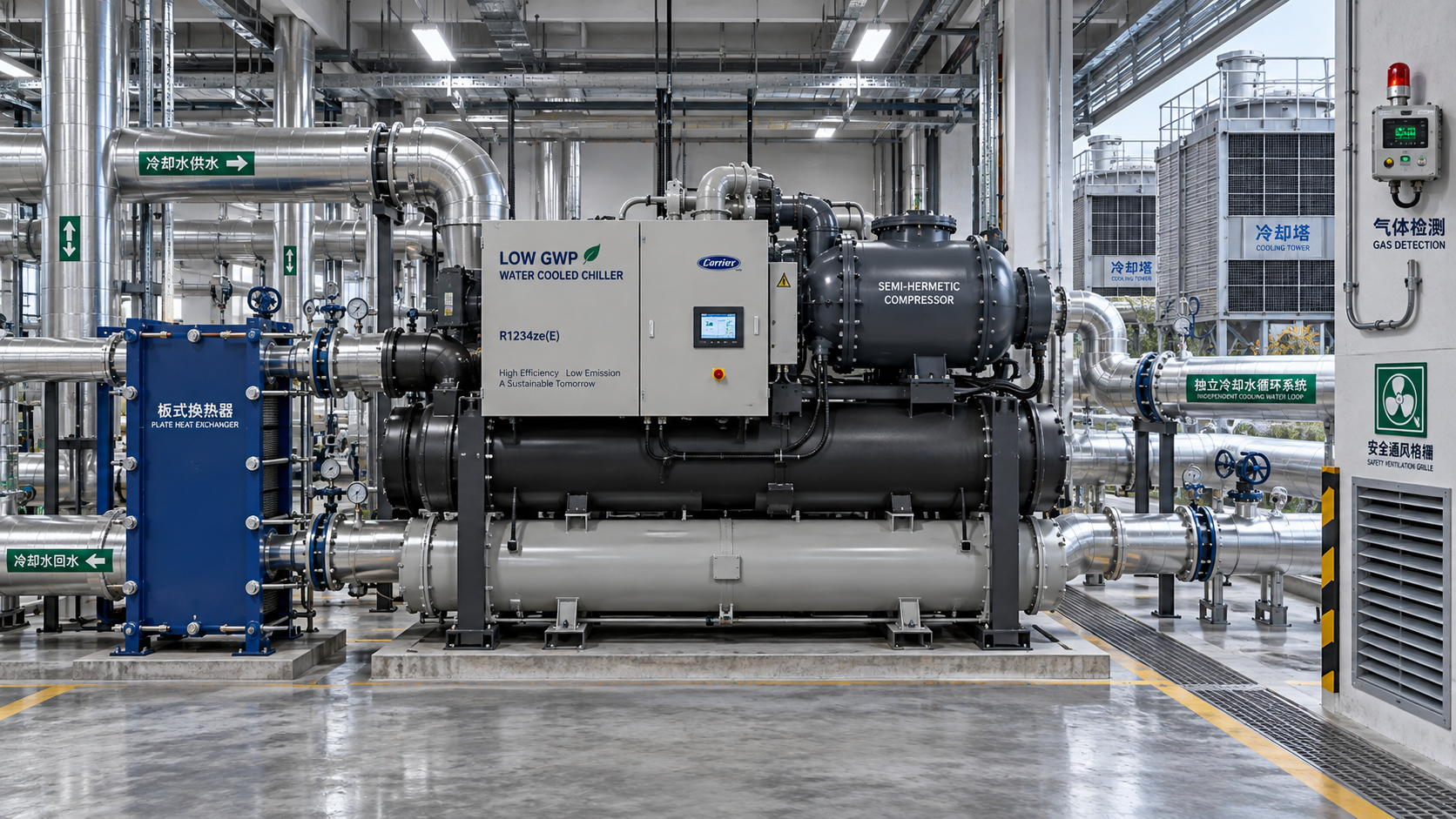
ILA-USMX Port Talks Deadlock: Q3 Industrial Equipment Shipments to U.S. at Risk




On May 15, 2026, renewed impasse in labor negotiations between the International Longshoremen’s Association (ILA) and the United States Maritime Alliance (USMX) heightened uncertainty for maritime logistics serving the U.S. East Coast and Gulf ports—directly impacting delivery reliability and customs clearance timelines for heavy industrial equipment exports to the United States.
Key Facts of the Negotiation Stalemate
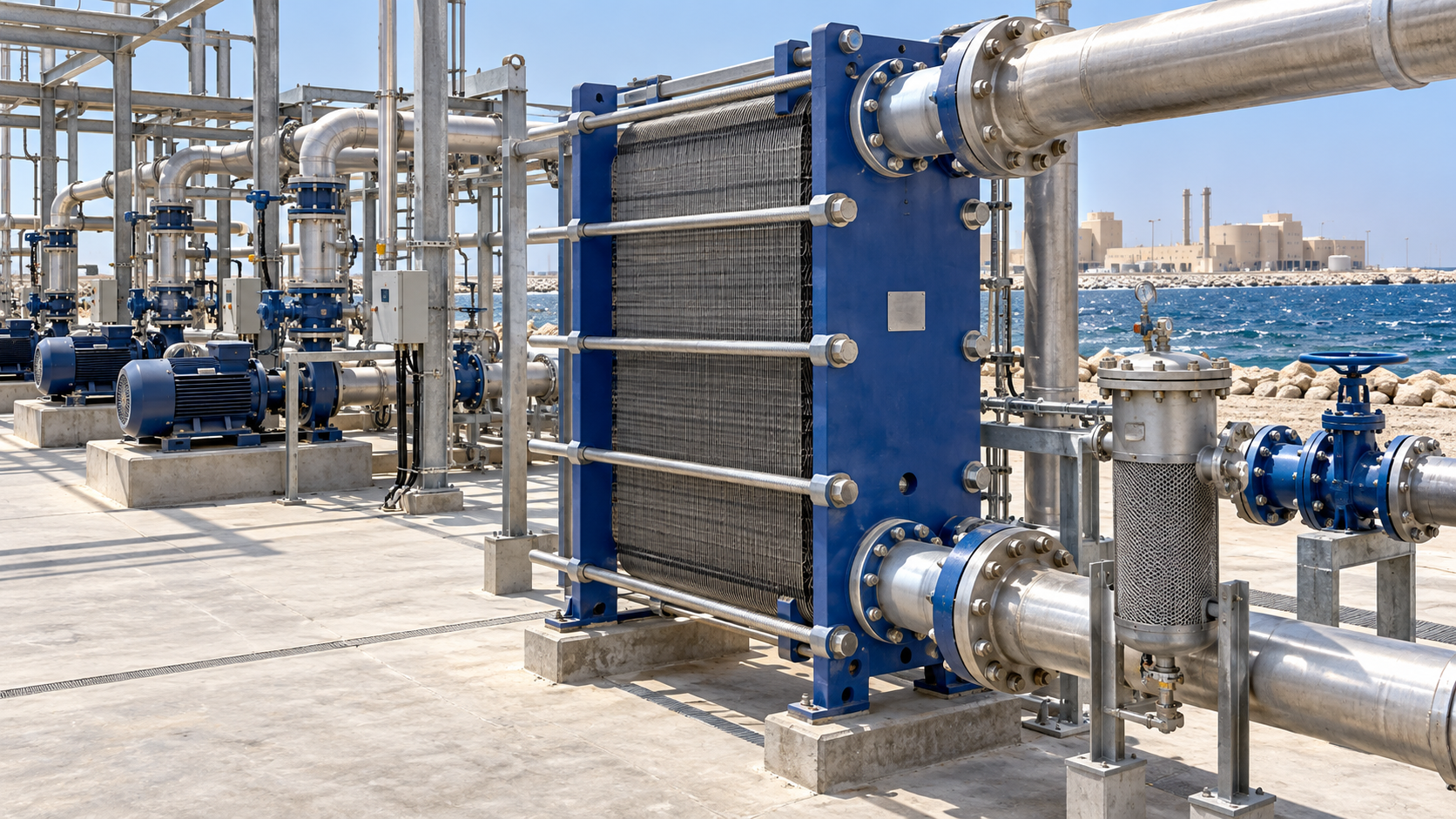
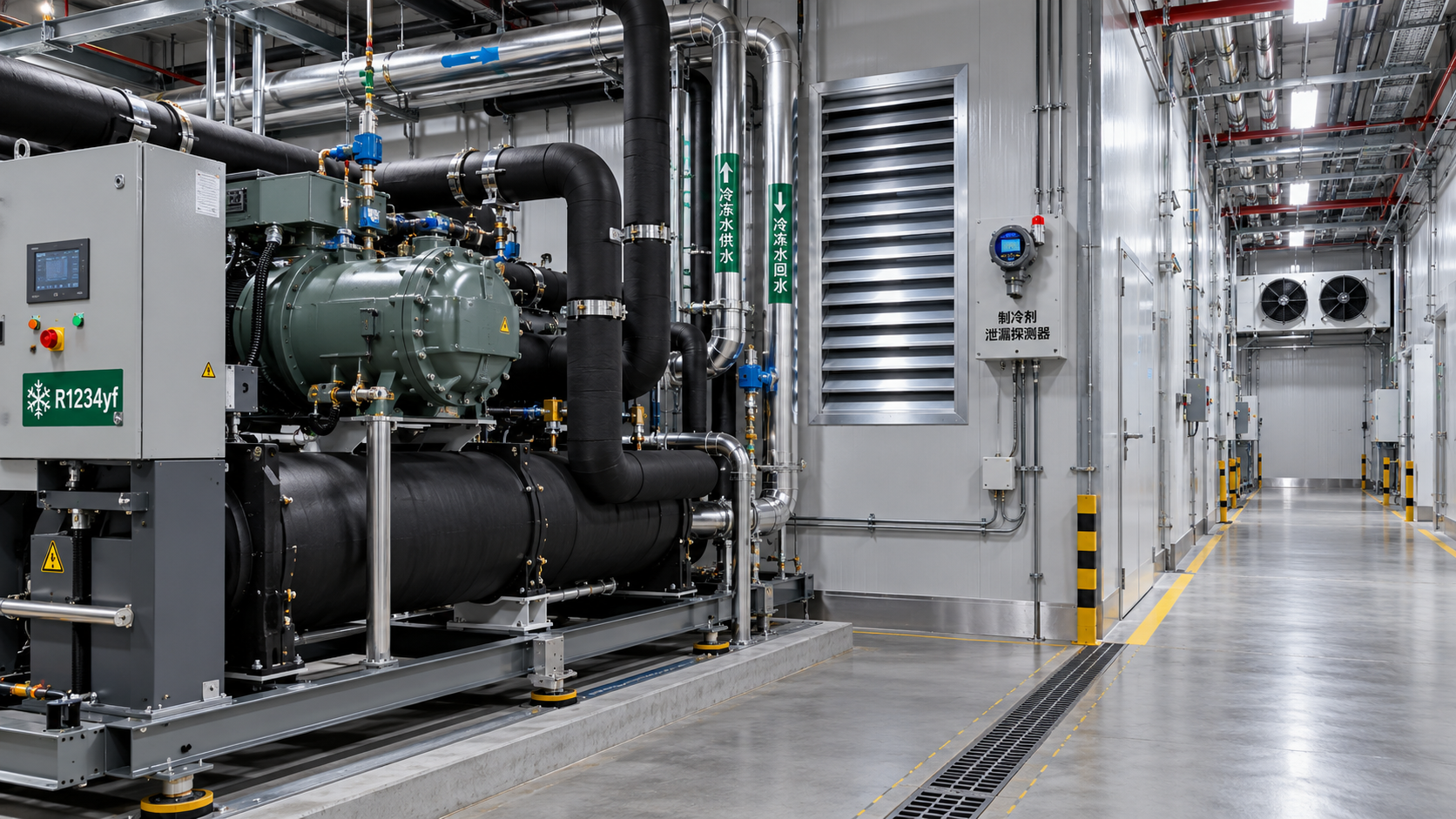
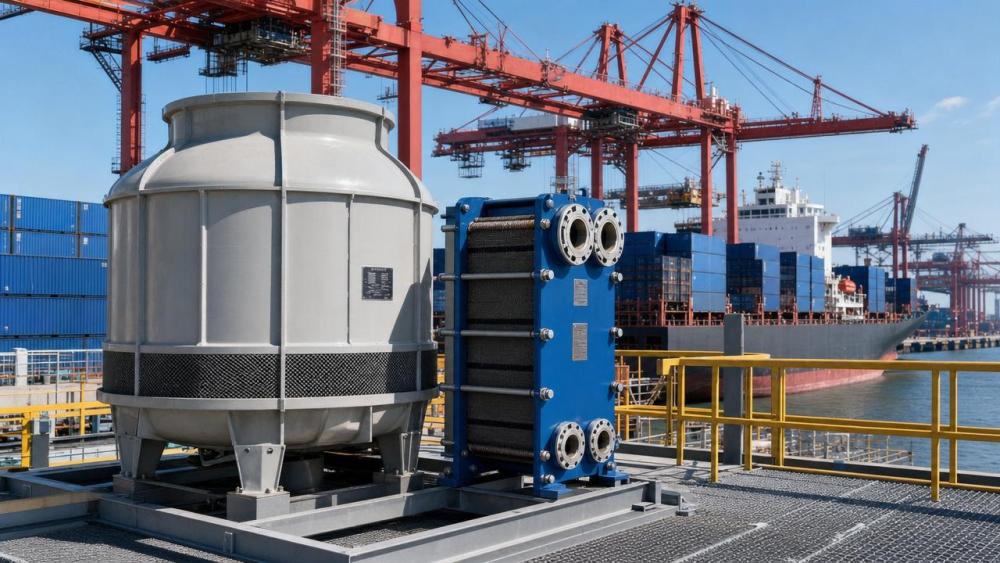
As disclosed on May 15, 2026, the ILA and USMX have again refused to concede on core terms—particularly those governing port automation—amid ongoing contract renewal talks. With the current collective bargaining agreement set to expire on September 30, 2026—just four months from now—the risk of a second work stoppage has risen substantially. This development directly affects ocean freight scheduling and customs processing for industrial chillers, cooling towers, and plate heat exchangers shipped to the U.S. market.
Impact Across the Industrial Equipment Supply Chain
Export-oriented manufacturers
Manufacturers exporting industrial cooling equipment face growing uncertainty in vessel booking and transshipment windows. Delays may trigger contractual penalties or breach of delivery commitments, especially under just-in-time procurement models.
Raw material and component suppliers
Suppliers supporting OEM production cycles must now anticipate potential shifts in order timing and volume forecasts. Extended lead times for U.S.-bound shipments may prompt upstream inventory adjustments or revised safety stock policies.
Contract manufacturers and system integrators
Companies assembling or configuring equipment for U.S. end-users may encounter misalignment between production schedules and delayed equipment arrivals—complicating final commissioning, testing, and handover timelines.
Logistics and freight forwarding service providers
Third-party logistics partners must reassess routing strategies, contingency capacity allocation, and documentation readiness—especially for equipment requiring specialized handling, customs pre-clearance, or state-level regulatory compliance verification.
Strategic Priorities and Operational Adjustments for Firms
Accelerate alternative routing and carrier diversification
Given the elevated risk of East Coast/Gulf port disruptions, firms should actively secure capacity via West Coast ports (e.g., Los Angeles/Long Beach), Canadian gateways (e.g., Vancouver), or multimodal rail-barge options—while validating inland drayage and last-mile coordination capabilities.
Reassess procurement cadence and buffer stock levels
Importers and distributors need to revise Q3 purchase plans, extending lead time allowances by 4–6 weeks where feasible—and evaluating strategic buffer inventories for critical SKUs such as industrial chillers and plate heat exchangers.
Pre-validate documentation and compliance readiness
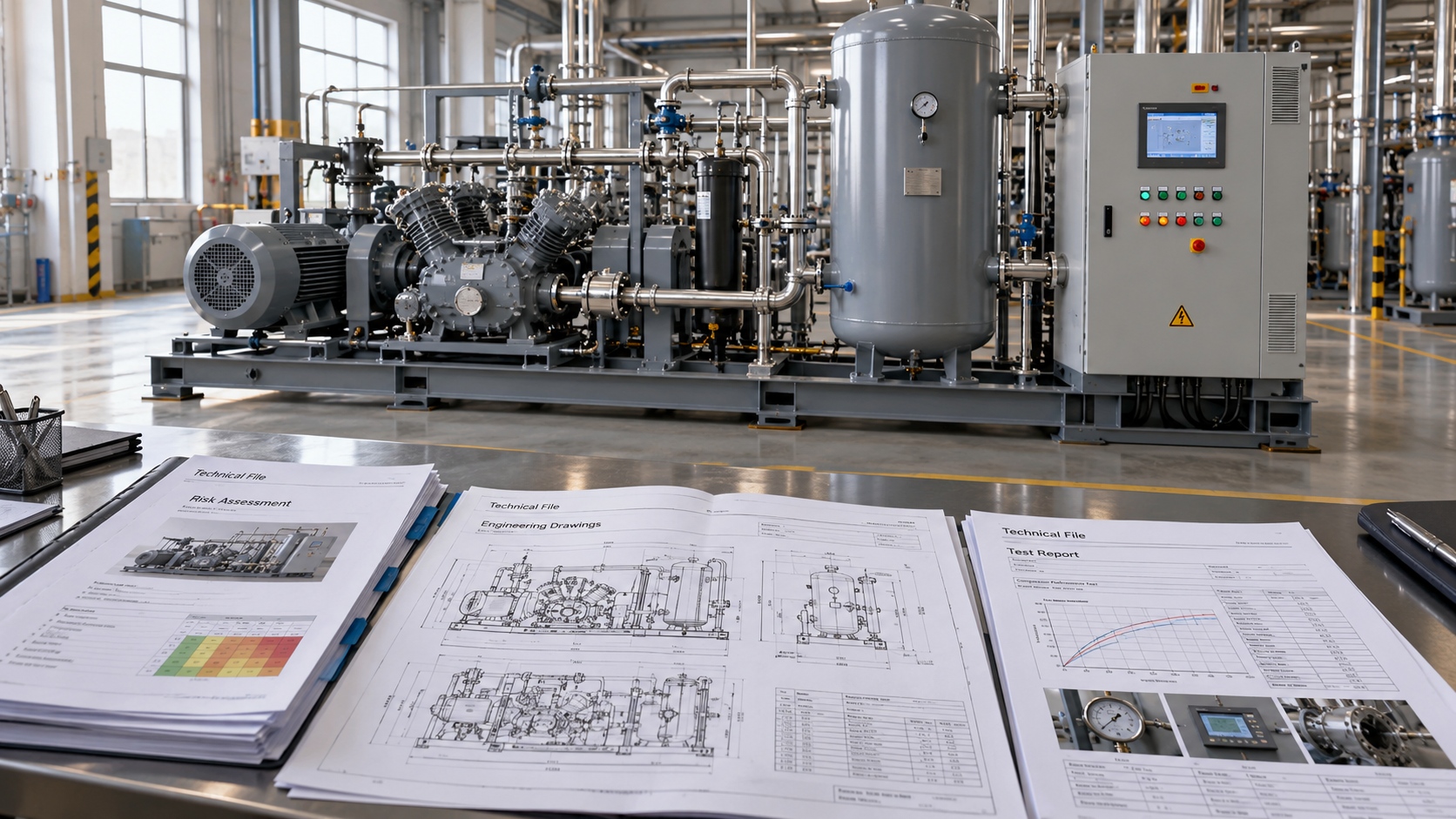
Customs entry packages—including technical specifications, origin declarations, and energy efficiency certifications (e.g., DOE compliance)—should be audited and pre-submitted where possible to reduce clearance friction during potential port congestion.
Engage proactively with port agents and terminal operators
Maintaining direct communication channels with on-ground port representatives helps firms gain early visibility into berth availability, equipment release protocols, and automation-related procedural updates—supporting agile response to operational shifts.
Industry Perspective: Beyond Immediate Disruption
Analysis shows this standoff reflects deeper structural tensions—not merely wage or hours disputes—but fundamentally about the pace and governance of automation integration across U.S. marine terminals. From an industry perspective, the ILA’s resistance to unregulated deployment of automated cranes and terminal operating systems signals growing scrutiny over workforce transition, cybersecurity accountability, and data sovereignty in smart port infrastructure. What deserves closer attention is how this negotiation outcome may shape future tender requirements for U.S. federal and municipal infrastructure projects—potentially embedding labor impact assessments or human oversight mandates into equipment procurement clauses.
Why This Matters for Global Industrial Trade
This episode underscores that labor agreements at critical maritime nodes are no longer isolated industrial relations matters—they function as de facto trade policy levers influencing equipment delivery certainty, total landed cost predictability, and long-term supply chain resilience. A prolonged disruption would not only delay Q3 deliveries but could accelerate regional sourcing recalibrations and incentivize modular, pre-certified equipment designs optimized for faster customs clearance and flexible port entry.
Source Information and Ongoing Monitoring
This article is based solely on the user-provided title, event date (May 15, 2026), and summary. Specific official source links were not provided in the input and should be verified continuously. Stakeholders are advised to monitor updates from the National Labor Relations Board (NLRB), U.S. Federal Maritime Commission (FMC), and industry associations including the Air-Conditioning, Heating, and Refrigeration Institute (AHRI) and the Heat Exchange Institute (HEI). Further developments—including potential mediation outcomes, interim agreements, or revised port operating procedures—remain subject to continuous observation.
Ready when you are. Send us a message to get started.
Related News
- How corrugation angle affects heat transfer in plate heat exchangersAuthor :Thermodynamics Analyst

- R22 Prices Retreat as China's Refrigerant Market Faces Tight Quotas and Soft DemandAuthor :Cryogenic Systems Expert

- How to select industrial equipment for automation with existing PLCsAuthor :

- Carrier Plans $600 Million Manufacturing and Engineering Center in Fort WorthAuthor :

- How electricity prices shape industrial compressed air price trendsAuthor :

- Chemours Faces Investor Lawsuit Over Opteon Refrigerant Sales ForecastsAuthor :Cryogenic Systems Expert

- Choosing air filtration systems for heavy dust in the Middle EastAuthor :

- LG Expands R290 Monobloc Heat Pump Range with New 12–16 kW ModelsAuthor :Cryogenic Systems Expert

- How to size a chiller for pharmaceutical cleanroom temperature controlAuthor :Cryogenic Systems Expert

- Kentucky Regulators Approve $191 Million Cooling Tower at Mitchell Coal PlantAuthor :Thermodynamics Analyst

- How much does a fully installed compressed air monitoring system cost?Author :

- What documentation supports CE marking for industrial equipment?Author :

- When do plate heat exchangers suit Middle East seawater cooling?Author :Thermodynamics Analyst

- EU Issues Updated Guidance on Industrial Refrigeration Efficiency and F-gas AlternativesAuthor :Cryogenic Systems Expert

- How does base pressure affect film purity in vacuum deposition?Author :Vacuum Process Fellow

- Do U.S. refrigerant regulations require replacing R-410A systems?Author :Cryogenic Systems Expert

- When does variable gas flow justify a custom screw compressor system?Author :Pneumatic Power Engineer

- How local support affects vacuum system costs in Southeast AsiaAuthor :

- How worldwide industry category guides help compare market opportunitiesAuthor :

- How to verify food-grade purity in compressed air systemsAuthor :Pneumatic Power Engineer

- When high-pressure waste heat recovery boilers make economic senseAuthor :Thermal Energy Strategist

- How to size compressed air equipment for pneumatic toolsAuthor :Pneumatic Power Engineer

- How to size vacuum process equipment for the required pump-down timeAuthor :Vacuum Process Fellow

- What determines the price of pure air compression systems?Author :Pneumatic Power Engineer

- How steam generation efficiency shapes thermal power system designAuthor :Thermal Energy Strategist

- What drives sustainable thermal systems cost over their operating life?Author :

- Which vacuum specification best protects semiconductor process yield?Author :Vacuum Process Fellow

- When do smart thermal systems with sensors reduce chiller energy use?Author :Cryogenic Systems Expert

- When does gasketed plate heat exchanger technology suit your process?Author :Thermodynamics Analyst

- How to size oil-free compressors for instrumentation air demandAuthor :Pneumatic Power Engineer

- How Class 0 oil-free compressors protect product quality in food productionAuthor :Pneumatic Power Engineer

- Which industrial solution comparison criteria prevent project delays?Author :

- Chiller Optimization Checklist for Rising Energy Use and Unstable Cooling OutputAuthor :Cryogenic Systems Expert

- How to Specify a High-Precision Temperature Chiller for Tight-Tolerance ProcessesAuthor :Cryogenic Systems Expert

- Designing Energy-Efficient Industrial Cooling for Variable Process LoadsAuthor :Cryogenic Systems Expert

- Low-GWP Cooling Solutions for Process Plants: Comparing Safety, Efficiency, and CostAuthor :Cryogenic Systems Expert