South Africa Grapefruit Enters China Duty-Free; Cold Chain Equipment Demand Rises




On May 1, 2026, the zero-tariff policy for South African grapefruit took effect, with the first shipment cleared under full cold-chain conditions at Yangshan Port. This development is drawing attention from cold chain infrastructure providers, industrial refrigeration equipment manufacturers, and agricultural import logistics operators — as it signals accelerated downstream investment in temperature-controlled storage and handling capacity.
Event Overview
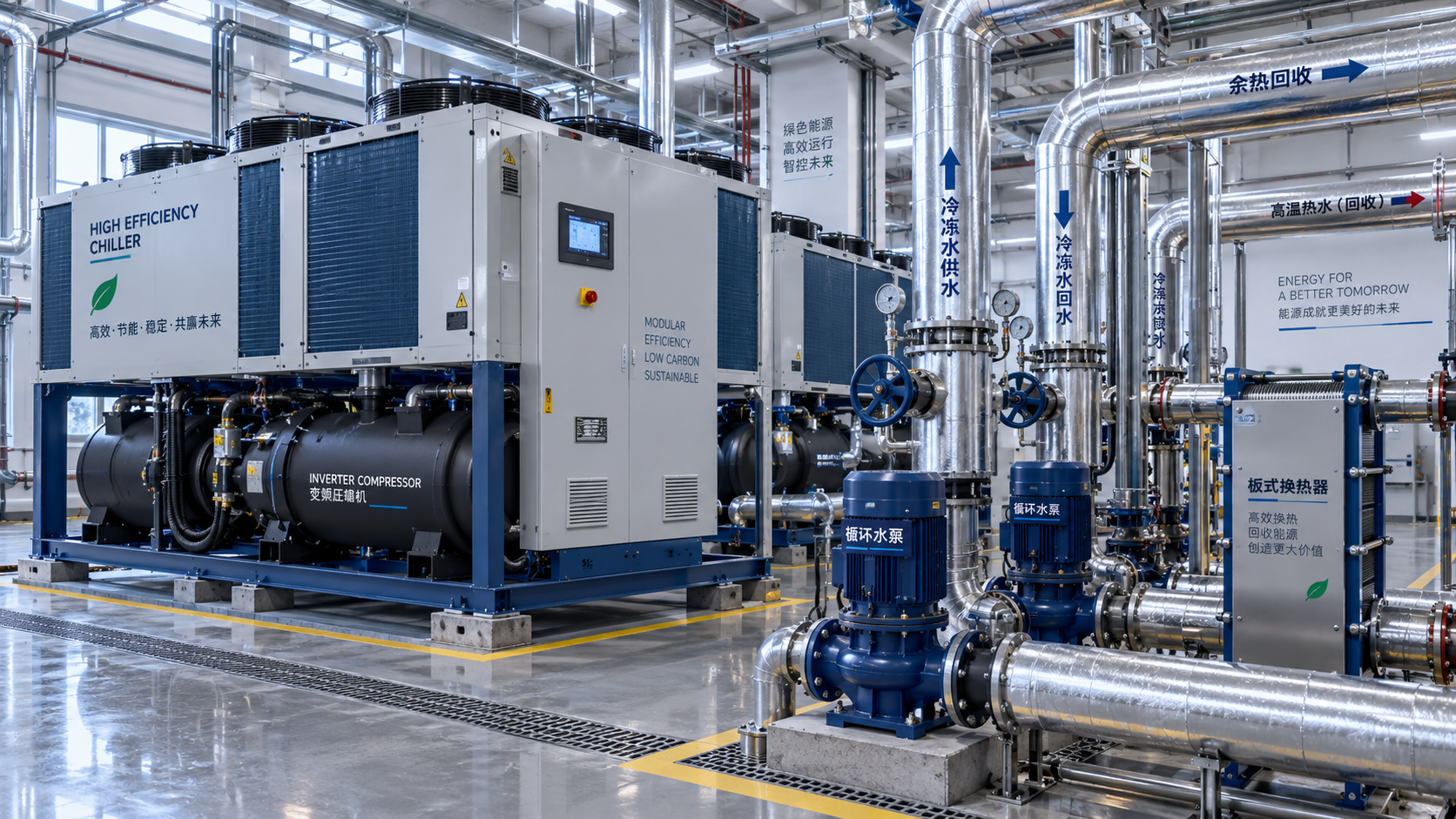
Effective May 1, 2026, South African grapefruit entered China tariff-free. The inaugural consignment was processed through Yangshan Port with end-to-end cold-chain compliance, including pre-cooling, refrigerated transport, and bonded cold storage. Regional cold storage expansion and pre-cooling station upgrades are already underway. Multiple African cold chain operators have issued inquiries to Chinese suppliers for industrial chillers, cold air fans, and PLC-based temperature control systems — specifying delivery within eight weeks.
Industries Affected by This Development
Import Trading Firms (Fresh Produce Focus)
Why affected: Tariff removal lowers landed cost and improves margin visibility for citrus imports, especially for time-sensitive, perishable items like grapefruit. Impact manifests in revised procurement planning, tighter cold-chain coordination requirements, and increased pressure on port clearance speed and temperature traceability.
Cold Chain Infrastructure Operators (Warehousing & Pre-Cooling Stations)
Why affected: First-week clearance triggered immediate regional investment in cold storage capacity and pre-cooling facility upgrades. Impact includes accelerated CA (controlled atmosphere) and blast-chill system retrofits, as well as heightened demand for energy-efficient, modular cold room solutions.
Industrial Refrigeration Equipment Manufacturers & Distributors
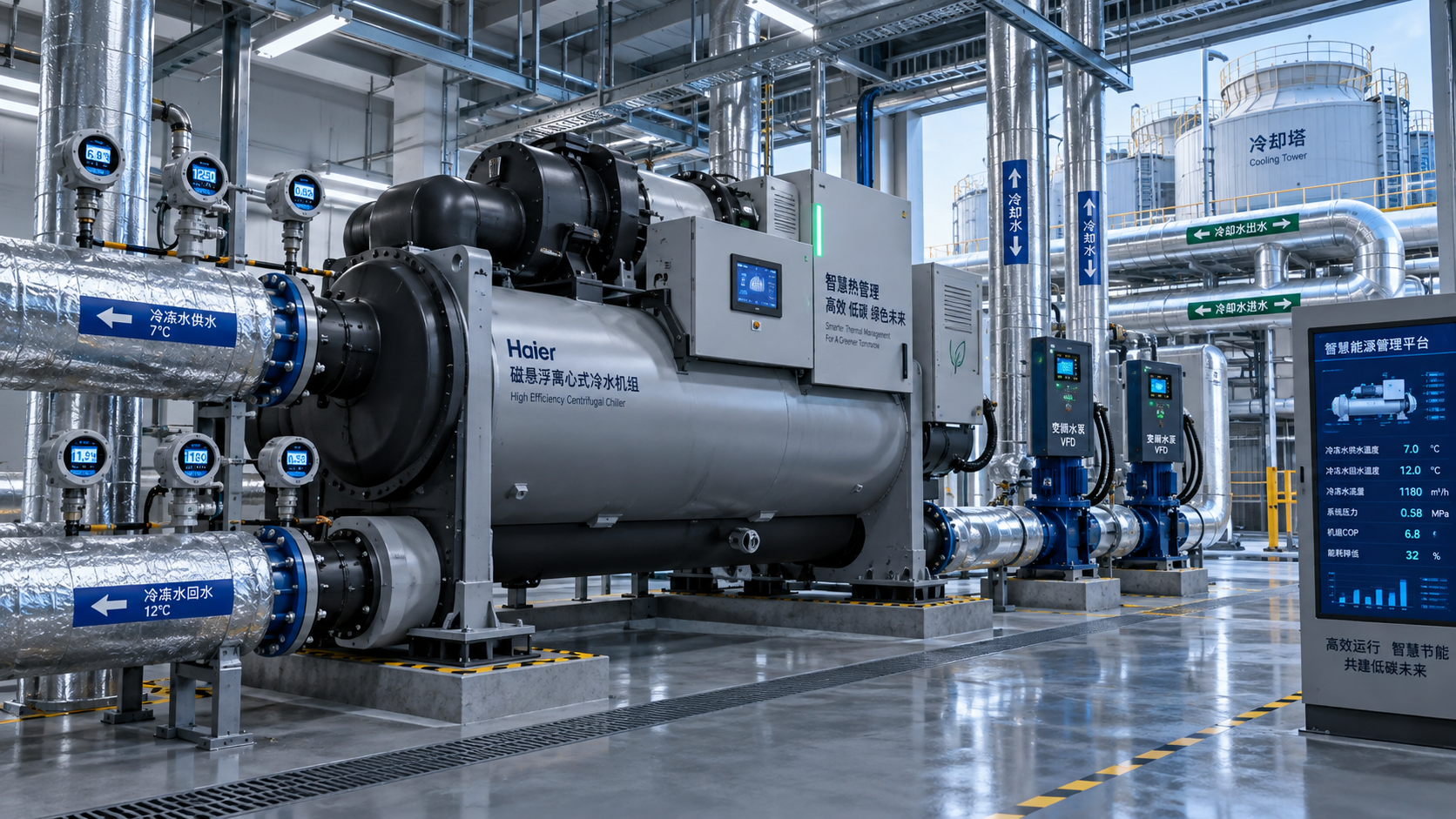
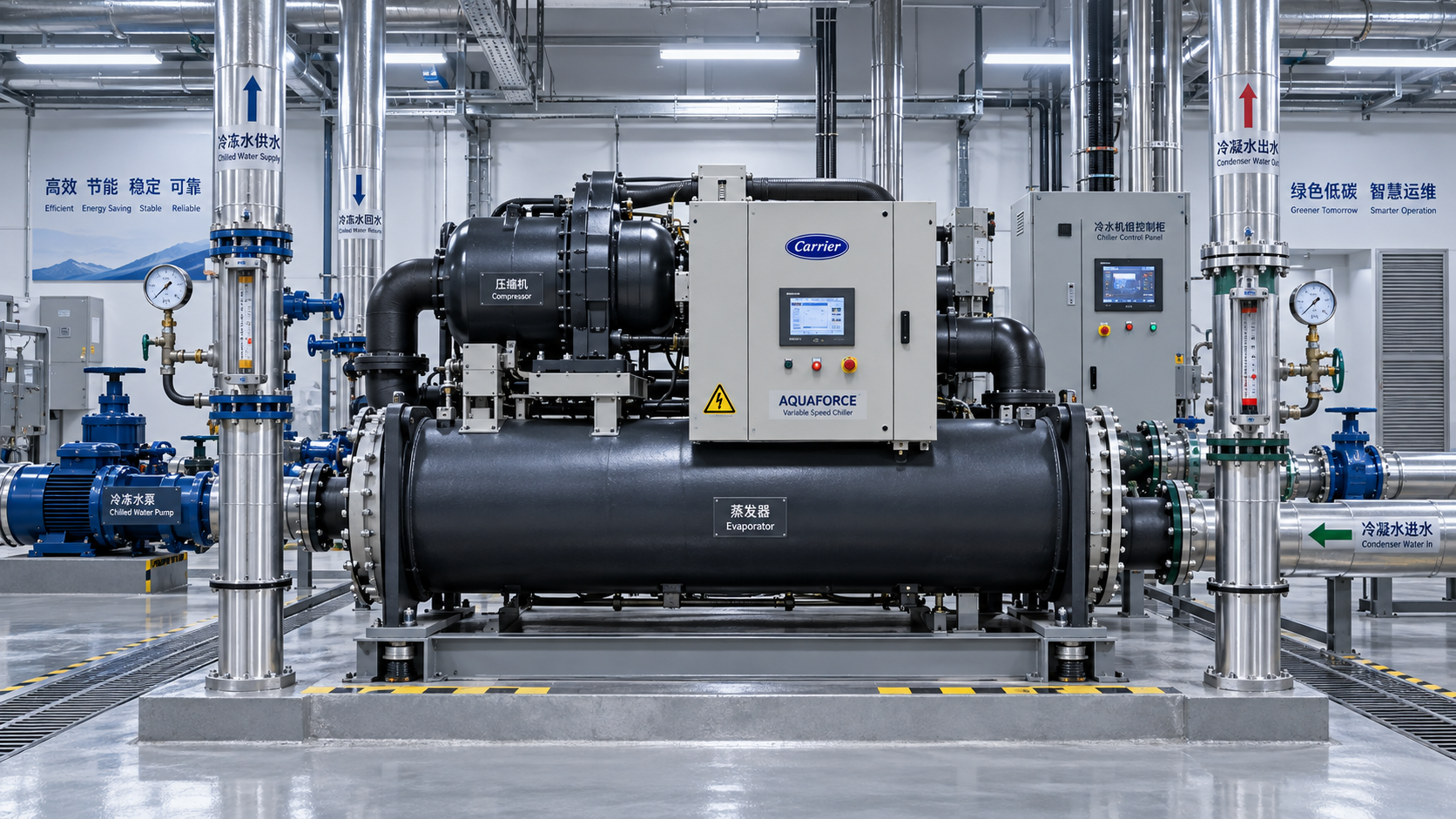
Why affected: Confirmed inquiries for industrial chillers, cold air fans, and PLC temperature controllers — with compressed 8-week delivery windows — indicate near-term order pipeline tightening. Impact centers on production scheduling, component sourcing lead times, and technical support readiness for export-compliant controls integration.
Agricultural Logistics Service Providers (Cross-Border Cold Chain)
Why affected: Full cold-chain clearance at Yangshan sets a new operational benchmark for temperature integrity documentation and real-time monitoring compliance. Impact includes upgraded telematics adoption, expanded validation protocols for reefer units, and greater reliance on integrated cold chain management platforms.
What Relevant Enterprises or Practitioners Should Focus On
Monitor official implementation guidance beyond tariff schedules
While the zero-tariff status is confirmed, phytosanitary certification procedures, cold-chain verification standards, and customs clearance protocols for subsequent shipments remain subject to refinement. Stakeholders should track updates from GACC (General Administration of Customs of China) and SAFFA (South African Fruitgrowers’ Association).
Track volume trends for South African citrus — not just grapefruit — in early Q3 2026
The initial grapefruit shipment serves as a pilot case. Broader import growth will depend on market reception, shelf-life performance under current logistics conditions, and potential diversification into other South African citrus varieties (e.g., oranges, lemons). Early Q3 data will clarify whether this is an isolated surge or the start of structural demand shift.
Distinguish between policy announcement and actual cold-chain readiness
The tariff change itself does not guarantee seamless cold-chain execution. Importers and logistics partners must verify that origin-side pre-cooling, container reefer setpoints, and port-side cold hold facilities align with grapefruit’s narrow optimal temperature range (2–4°C). Discrepancies here may trigger quality loss despite tariff benefits.
Prepare procurement and engineering teams for urgent, specification-driven RFQs
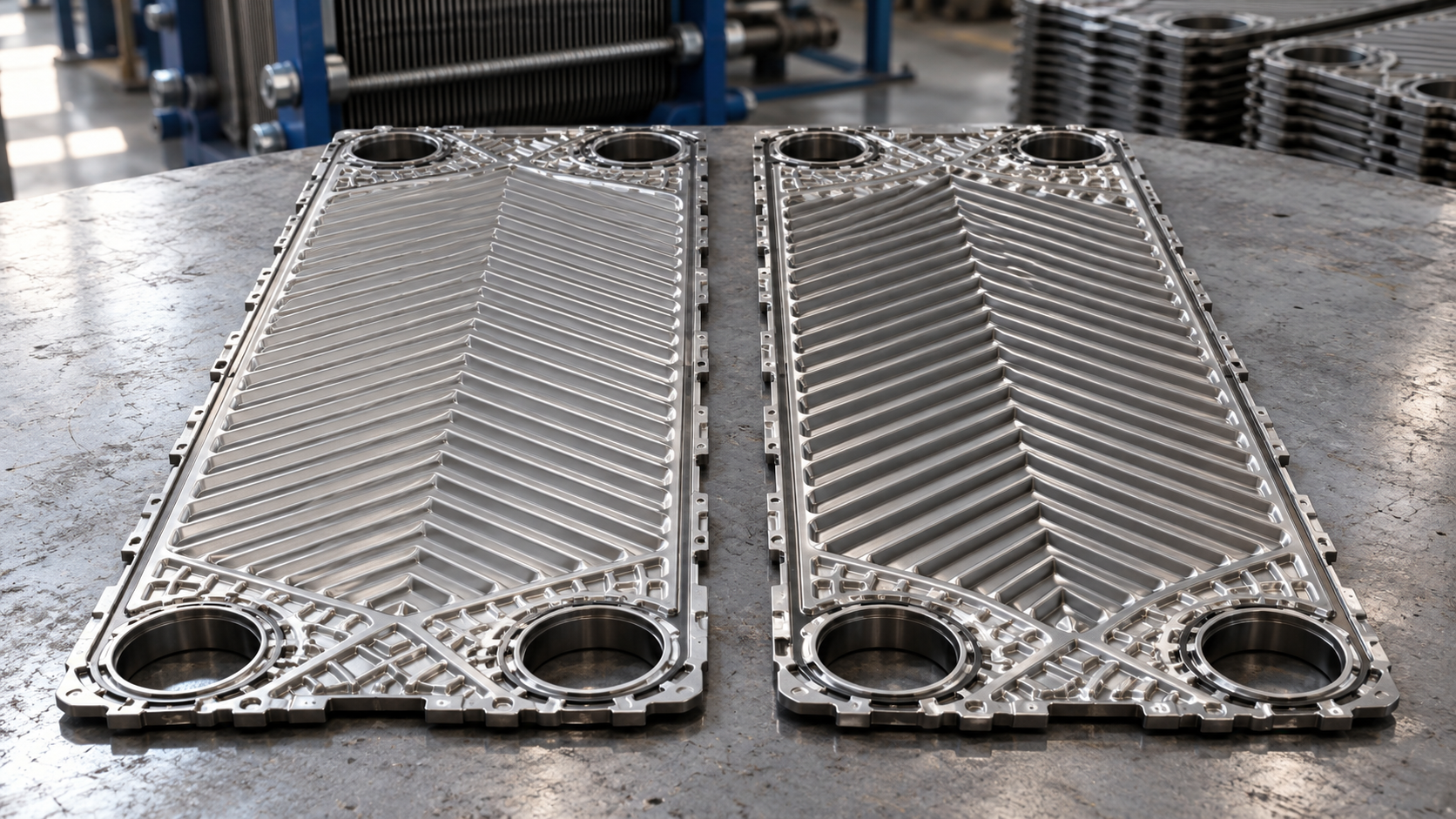
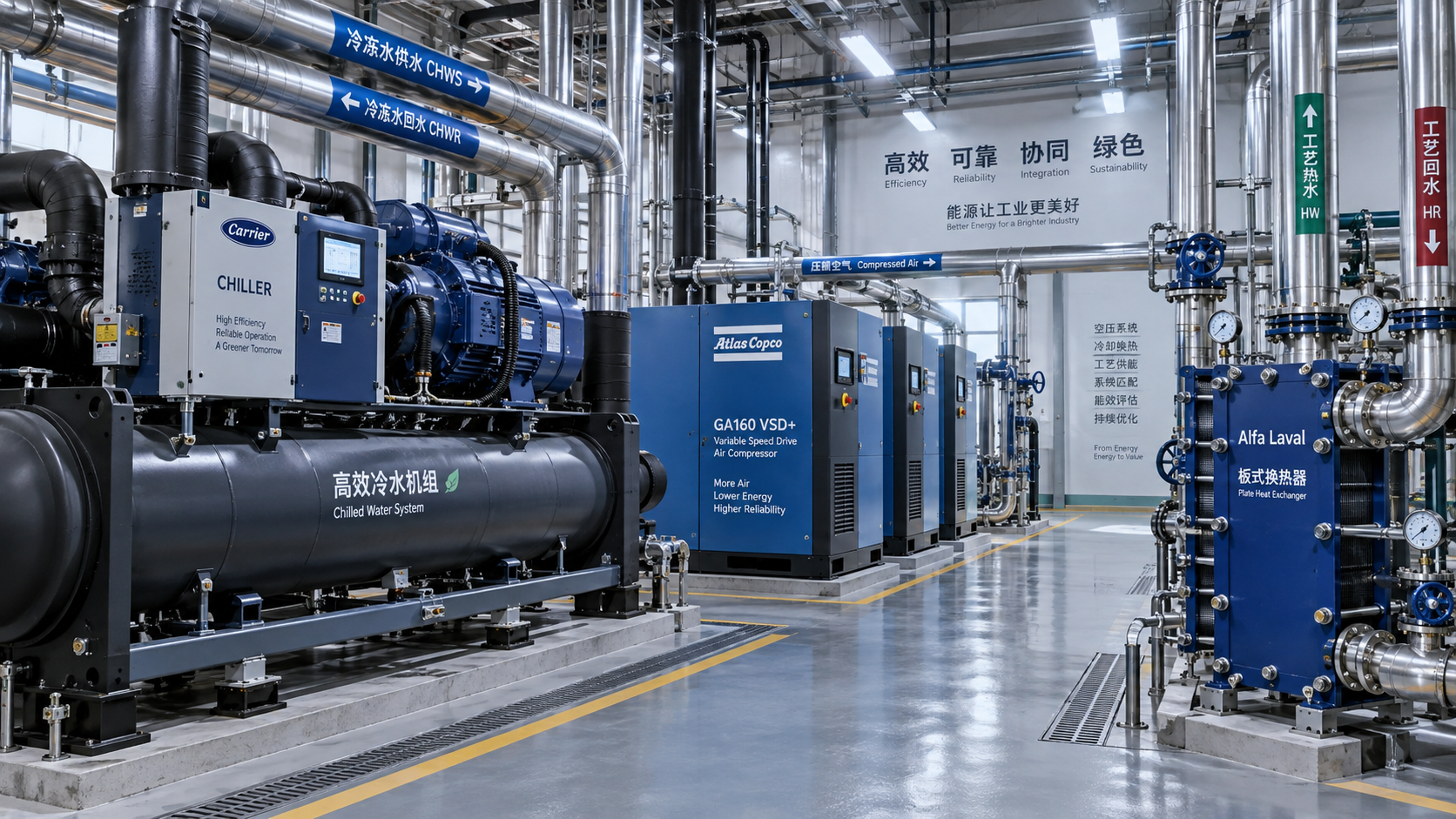
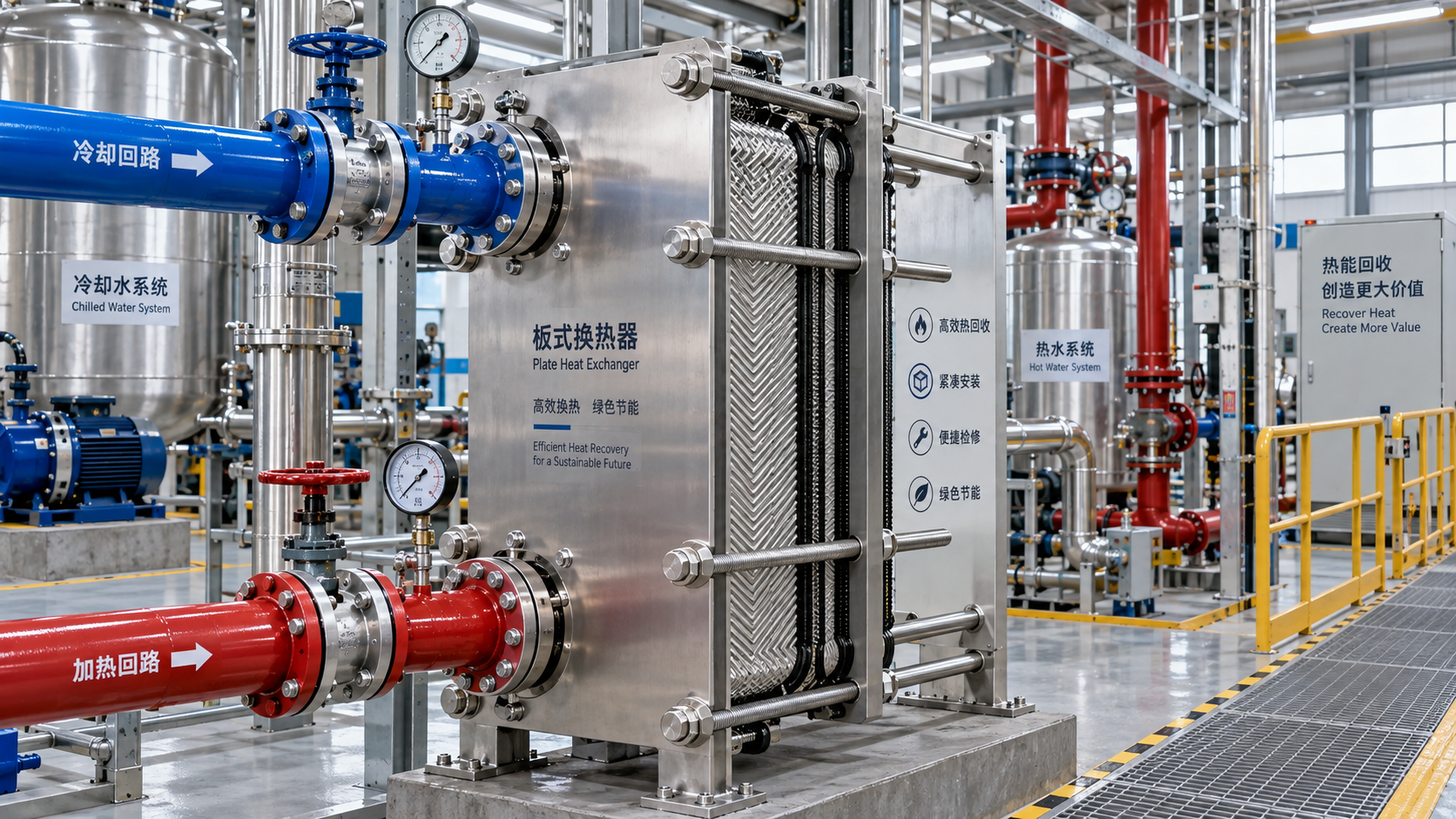
Confirmed 8-week delivery expectations from African operators signal urgency. Suppliers should review stock levels of key chiller components (e.g., screw compressors, plate heat exchangers), confirm PLC programming compatibility with international cold chain standards (e.g., ISO 8554, EN 16795), and pre-qualify third-party validation partners for export documentation.
Editorial Perspective / Industry Observation
Observably, this event functions less as a standalone trade milestone and more as a visible node in an accelerating feedback loop: increased agricultural import access → expanded cold infrastructure deployment → rising demand for industrial refrigeration hardware. Analysis shows the eight-week delivery requirement reflects not just commercial urgency, but also growing dependence on Chinese-made cooling systems for African cold chain modernization. From an industry perspective, the significance lies not in the tariff cut alone, but in how rapidly it has translated into tangible procurement activity — suggesting underlying capacity constraints and technology transfer dynamics worth tracking over the next six months.
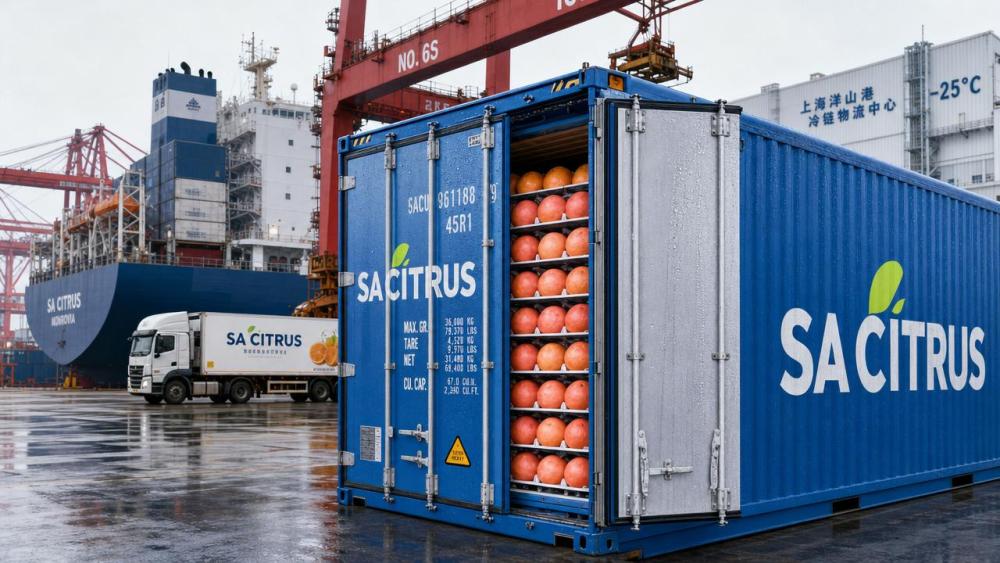
Conclusion: This development marks an early-stage inflection point where trade policy directly triggers upstream equipment demand — particularly in industrial refrigeration. It is best understood not as a broad market shift, but as a focused, time-bound signal of infrastructure response to specific import growth. Stakeholders should treat it as a real-time indicator of cold chain investment momentum, rather than a predictor of generalized sector expansion.
Source: Official tariff schedule update (effective May 1, 2026); Yangshan Port customs clearance records (week of May 1–7, 2026); supplier inquiry logs from three African cold chain operators (dated May 2–4, 2026).
Note: Ongoing observation is required for GACC’s formal cold-chain verification guidelines and South African exporter uptake beyond initial grapefruit volumes.
Ready when you are. Send us a message to get started.
Related News
- How corrugation angle affects heat transfer in plate heat exchangersAuthor :Thermodynamics Analyst

- R22 Prices Retreat as China's Refrigerant Market Faces Tight Quotas and Soft DemandAuthor :Cryogenic Systems Expert

- How to select industrial equipment for automation with existing PLCsAuthor :

- Carrier Plans $600 Million Manufacturing and Engineering Center in Fort WorthAuthor :

- How electricity prices shape industrial compressed air price trendsAuthor :

- Chemours Faces Investor Lawsuit Over Opteon Refrigerant Sales ForecastsAuthor :Cryogenic Systems Expert

- Choosing air filtration systems for heavy dust in the Middle EastAuthor :

- LG Expands R290 Monobloc Heat Pump Range with New 12–16 kW ModelsAuthor :Cryogenic Systems Expert

- How to size a chiller for pharmaceutical cleanroom temperature controlAuthor :Cryogenic Systems Expert

- Kentucky Regulators Approve $191 Million Cooling Tower at Mitchell Coal PlantAuthor :Thermodynamics Analyst

- How much does a fully installed compressed air monitoring system cost?Author :

- What documentation supports CE marking for industrial equipment?Author :

- When do plate heat exchangers suit Middle East seawater cooling?Author :Thermodynamics Analyst

- EU Issues Updated Guidance on Industrial Refrigeration Efficiency and F-gas AlternativesAuthor :Cryogenic Systems Expert

- How does base pressure affect film purity in vacuum deposition?Author :Vacuum Process Fellow

- Do U.S. refrigerant regulations require replacing R-410A systems?Author :Cryogenic Systems Expert

- When does variable gas flow justify a custom screw compressor system?Author :Pneumatic Power Engineer

- How local support affects vacuum system costs in Southeast AsiaAuthor :

- How worldwide industry category guides help compare market opportunitiesAuthor :

- How to verify food-grade purity in compressed air systemsAuthor :Pneumatic Power Engineer

- When high-pressure waste heat recovery boilers make economic senseAuthor :Thermal Energy Strategist

- How to size compressed air equipment for pneumatic toolsAuthor :Pneumatic Power Engineer

- How to size vacuum process equipment for the required pump-down timeAuthor :Vacuum Process Fellow

- What determines the price of pure air compression systems?Author :Pneumatic Power Engineer

- How steam generation efficiency shapes thermal power system designAuthor :Thermal Energy Strategist

- What drives sustainable thermal systems cost over their operating life?Author :

- Which vacuum specification best protects semiconductor process yield?Author :Vacuum Process Fellow

- When do smart thermal systems with sensors reduce chiller energy use?Author :Cryogenic Systems Expert

- When does gasketed plate heat exchanger technology suit your process?Author :Thermodynamics Analyst

- How to size oil-free compressors for instrumentation air demandAuthor :Pneumatic Power Engineer

- How Class 0 oil-free compressors protect product quality in food productionAuthor :Pneumatic Power Engineer

- Which industrial solution comparison criteria prevent project delays?Author :

- Chiller Optimization Checklist for Rising Energy Use and Unstable Cooling OutputAuthor :Cryogenic Systems Expert

- How to Specify a High-Precision Temperature Chiller for Tight-Tolerance ProcessesAuthor :Cryogenic Systems Expert

- Designing Energy-Efficient Industrial Cooling for Variable Process LoadsAuthor :Cryogenic Systems Expert

- Low-GWP Cooling Solutions for Process Plants: Comparing Safety, Efficiency, and CostAuthor :Cryogenic Systems Expert