CCL Shortage Hits 50% Gap, Disrupts PCB Cooling & High-Frequency Power Systems




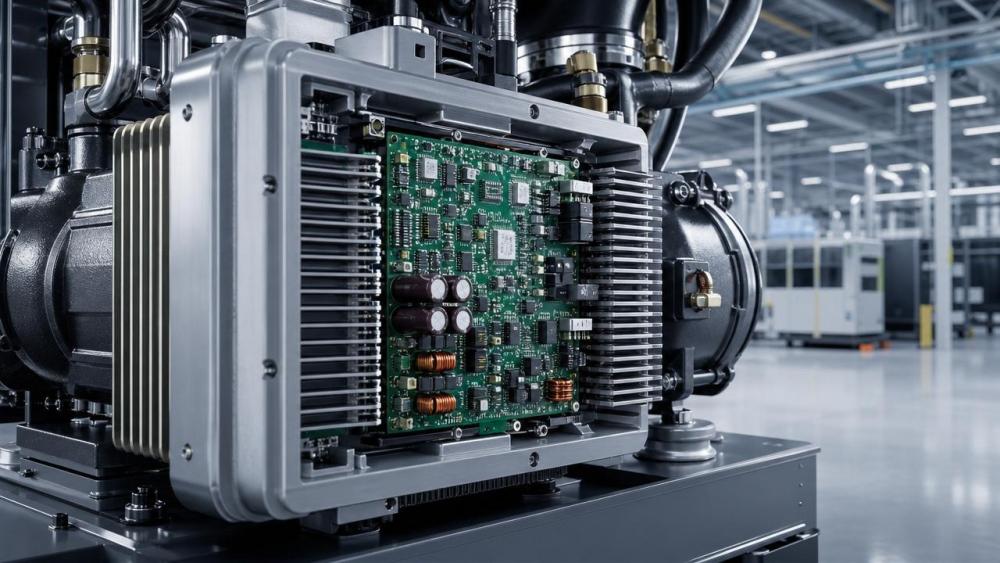
In early May 2026, a severe shortage of high-end copper-clad laminates (CCL) — with an estimated supply-demand gap of 50% — triggered price surges exceeding 60%, depleted top-tier manufacturers’ inventories, and extended order lead times to six months. This disruption is now affecting industries reliant on precision thermal management and high-frequency power electronics, including industrial refrigeration, compressor OEMs, and intelligent control system integrators. The event signals a material-level bottleneck with cascading implications across multiple downstream engineering systems.
Event Overview
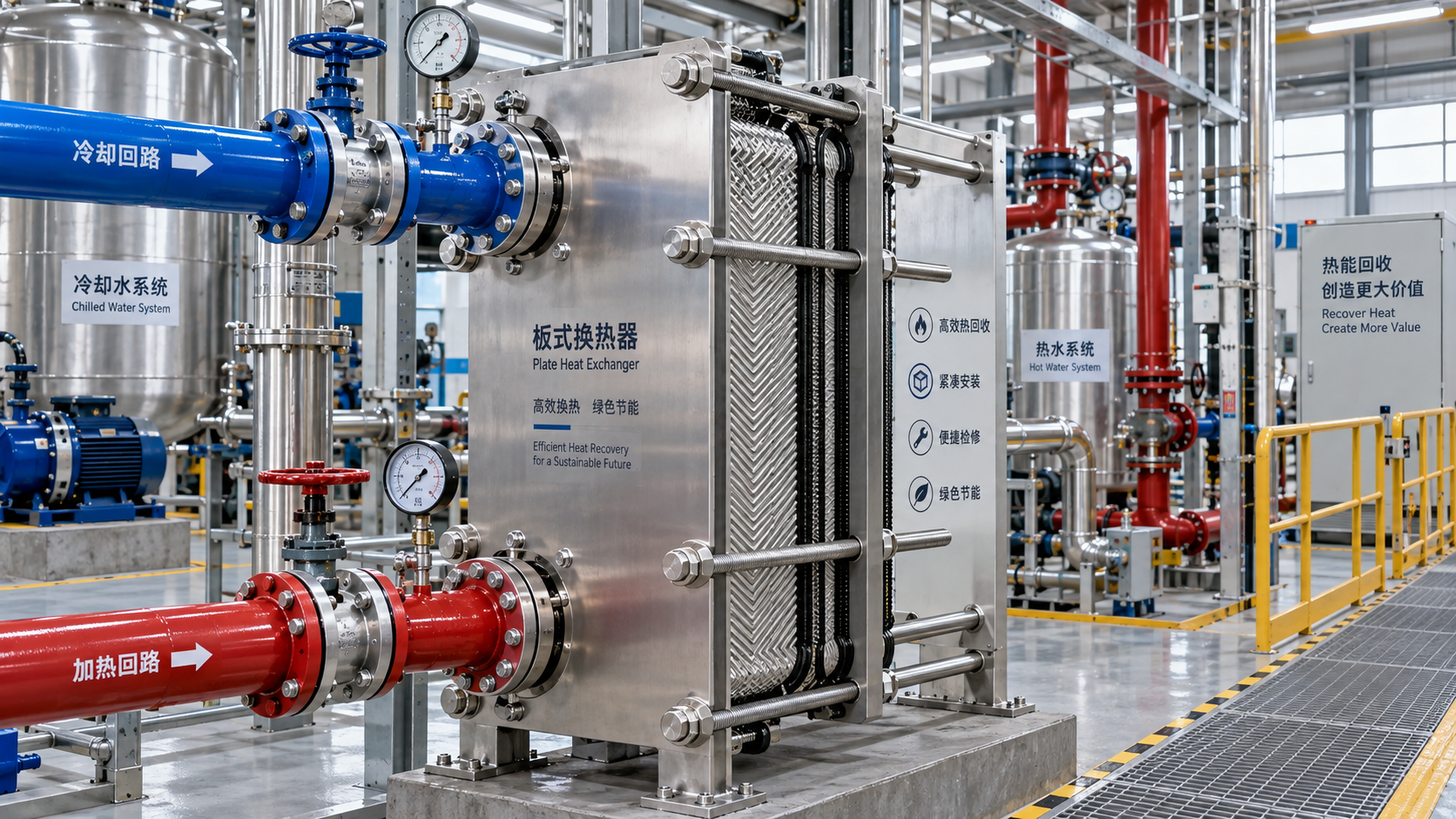
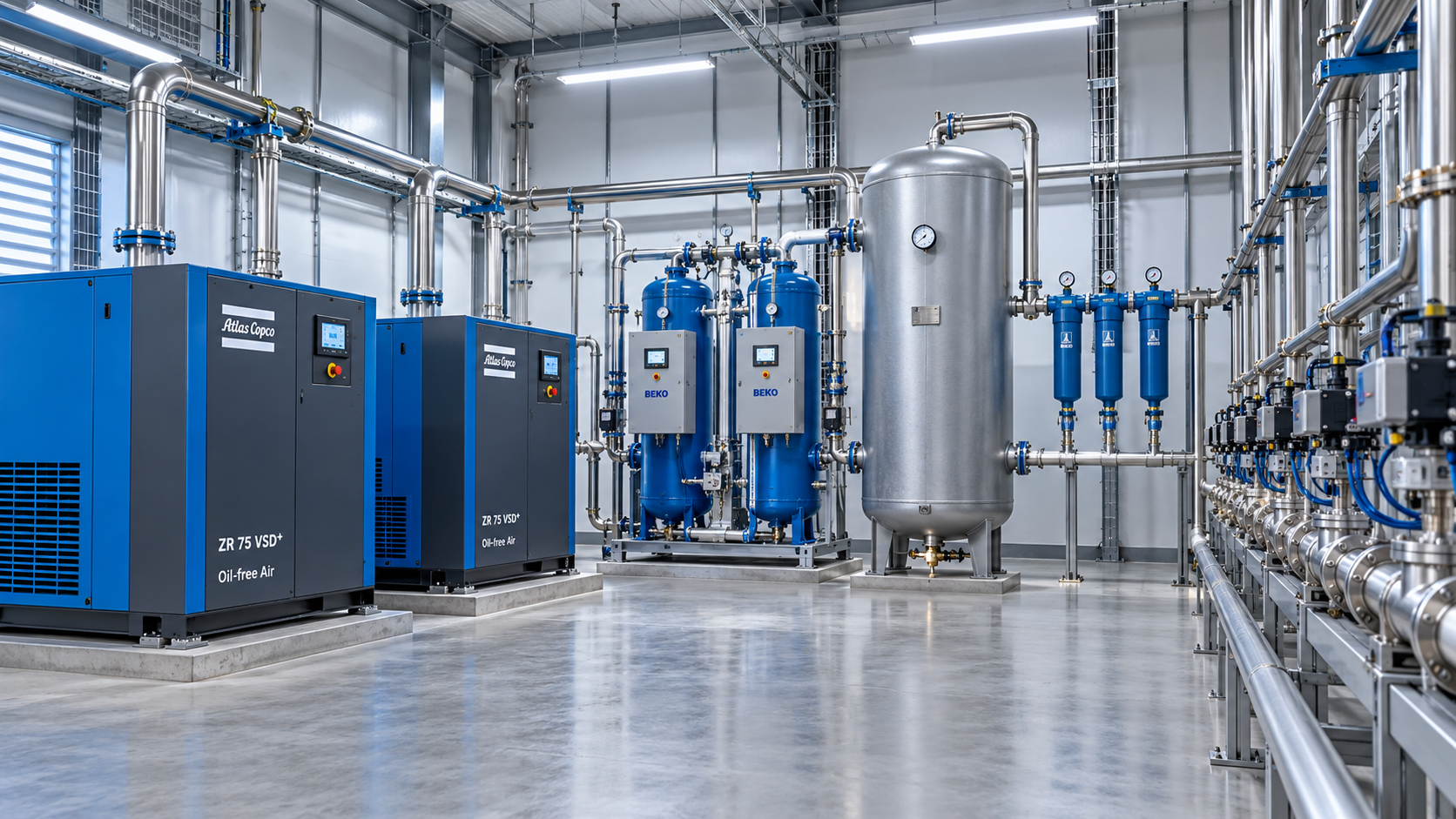
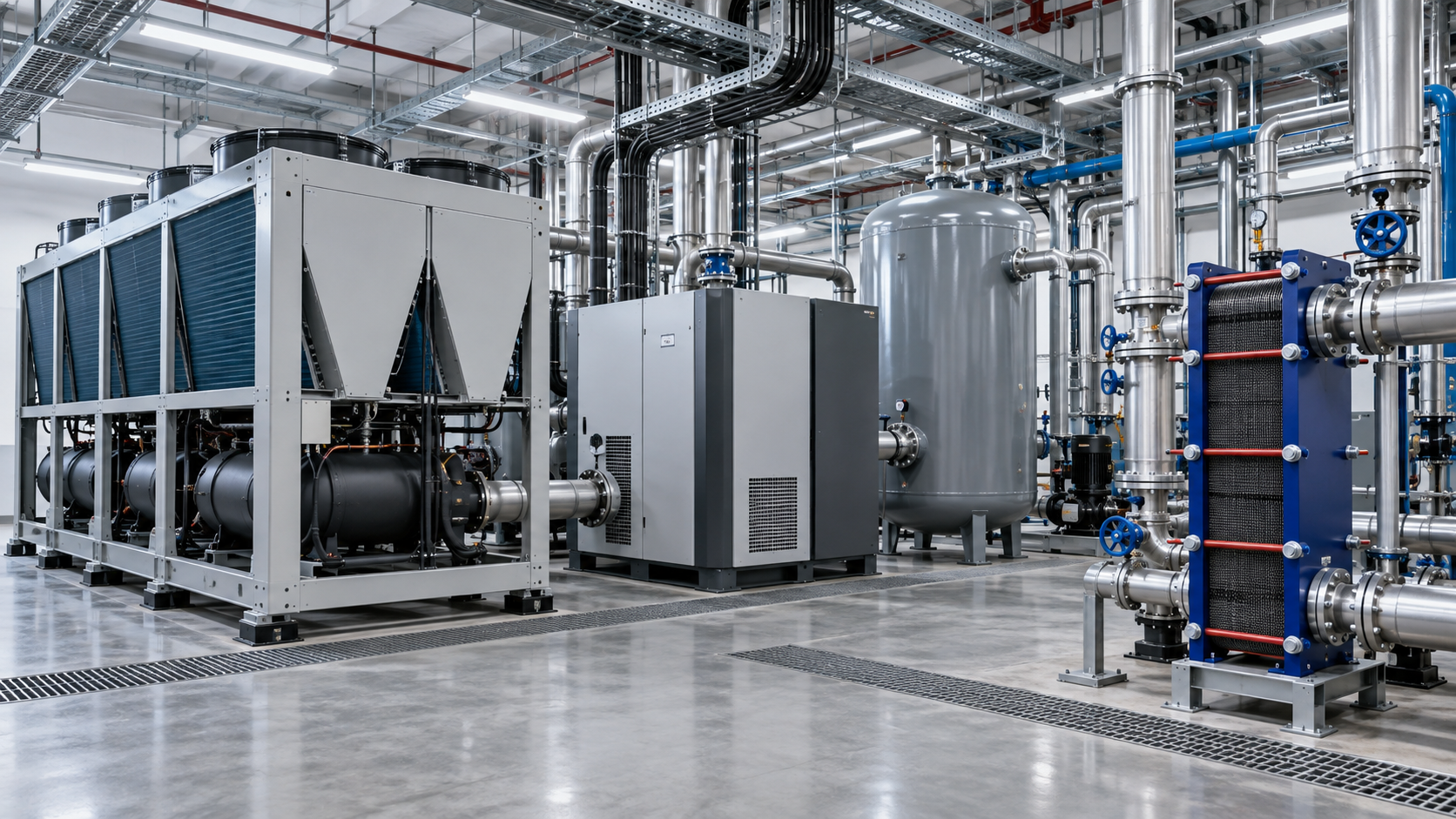
In early May 2026, prices for high-end copper-clad laminates (CCL) rose by over 60%. Leading CCL producers reported zero inventory availability, and confirmed order lead times have stretched to six months. This shortage has already propagated downstream, impacting production of high-frequency switch-mode power supplies, variable-frequency drive compressors, and smart temperature-control board cards. As a result, delivery timelines for industrial chiller units, oil-cooled screw compressors, and plate heat exchanger controllers have lengthened by two to three months. Overseas OEM customers are now required to secure capacity for critical electronic modules well in advance.
Industries Affected
PCB Fabricators & Assembly Service Providers
These firms rely on high-performance CCL for multilayer boards used in thermal- and EMI-sensitive applications. With CCL allocation tightening and lead times expanding, they face constrained throughput for boards destined for cooling-system controllers and high-frequency power modules — directly limiting their ability to meet scheduled builds for industrial equipment suppliers.
Industrial Cooling System OEMs
OEMs producing industrial chillers, oil-cooled screw compressors, and plate heat exchangers depend on custom-designed PCBs embedded with high-frequency switching and real-time thermal regulation logic. Delayed board availability translates directly into extended final-assembly cycles and missed shipment windows — especially for export-bound units requiring integrated electronic modules.
High-Frequency Power Electronics Manufacturers
Producers of switch-mode power supplies and variable-frequency drives use specialized CCL grades capable of handling fast switching transients and elevated thermal loads. The shortage constrains new design validation and volume ramp-up, particularly for next-generation compact, high-efficiency modules deployed in energy-critical infrastructure.
Global Supply Chain Coordinators & Procurement Teams
For multinational procurement functions supporting OEMs in North America, Europe, and Southeast Asia, the CCL shortage introduces scheduling uncertainty at the foundational materials layer. Preemptive component reservations — previously uncommon for passive substrates — are now necessary to avoid line stoppages, increasing administrative overhead and reducing flexibility in demand planning.
Key Considerations and Recommended Actions
Monitor official production guidance from Tier-1 CCL suppliers
Current lead time data reflects spot-market conditions; formal capacity expansion announcements or allocation policies from major CCL makers (e.g., Isola, Panasonic, Shengyi, Tongling Jingda) will indicate whether the gap is structural or transient. Track quarterly investor briefings and technical roadmap updates for signal clarity.
Prioritize qualification of alternative CCL grades for non-safety-critical control boards
Where application requirements permit — such as for auxiliary monitoring or low-power interface boards — evaluate qualified second-source laminates with comparable Dk/Df and Tg values. Avoid blanket substitutions; instead, conduct targeted requalification only for specific board families with verified thermal and signal-integrity margins.
Adjust procurement timing for electronic subassemblies with long lead times
Given that controller deliveries are now delayed by 2–3 months, revise material release schedules for associated components (e.g., MOSFETs, gate drivers, isolated DC-DC converters) to align with updated board availability — rather than original BOM timelines — to prevent inventory obsolescence or storage cost inflation.
Engage early with contract manufacturers on buffer stock agreements for finished board-level modules
Rather than managing raw CCL inventory, consider collaborative safety-stock arrangements with trusted CM partners for pre-tested, programmed control boards — especially those used across multiple chiller or compressor SKUs — to absorb variability without increasing internal working capital.
Editorial Perspective / Industry Observation
Observably, this CCL shortage is less a short-term market fluctuation and more a stress test of vertical integration depth in advanced thermal and power electronics supply chains. Analysis shows that the 50% gap is concentrated in high-Tg, low-Dk, halogen-free CCL variants — not commodity FR-4 — suggesting constraints tied to specialty resin synthesis and controlled lamination capacity, not general copper foil availability. From an industry perspective, the ripple effect into cooling and compression systems highlights how substrate-level bottlenecks can constrain entire mechanical-electronic subsystems. Current lead-time extensions are already operational realities, not hypothetical risks — making this a delivery-impact event, not just a pricing signal.
Consequently, the situation warrants continuous tracking not only for procurement teams but also for product planners evaluating next-gen platform roadmaps. If capacity additions remain limited through H2 2026, design-for-manufacturability reviews may need to incorporate substrate availability as a first-order constraint — alongside thermal, electrical, and mechanical specifications.
Conclusion
This CCL shortage represents a tangible supply chain inflection point: it reveals dependencies that were previously masked by stable material flows and just-in-time assumptions. It does not indicate systemic collapse, but rather a recalibration phase where lead time visibility, grade-specific qualification, and cross-tier coordination become decisive operational factors. Currently, it is more appropriately understood as an ongoing capacity-constrained execution challenge — one demanding proactive alignment across PCB design, component sourcing, and final assembly planning — rather than a temporary price anomaly.
Information Sources
- Public pricing and lead-time data reported by major CCL suppliers in early May 2026
- OEM delivery schedule updates issued to international customers during Q2 2026
- Confirmed production status from PCB fabricators serving industrial thermal and power electronics segments
Note: Ongoing monitoring is recommended for official capacity expansion plans from CCL manufacturers; no such announcements have been confirmed as of publication.
Ready when you are. Send us a message to get started.
Related News
- How corrugation angle affects heat transfer in plate heat exchangersAuthor :Thermodynamics Analyst

- R22 Prices Retreat as China's Refrigerant Market Faces Tight Quotas and Soft DemandAuthor :Cryogenic Systems Expert

- How to select industrial equipment for automation with existing PLCsAuthor :

- Carrier Plans $600 Million Manufacturing and Engineering Center in Fort WorthAuthor :

- How electricity prices shape industrial compressed air price trendsAuthor :

- Chemours Faces Investor Lawsuit Over Opteon Refrigerant Sales ForecastsAuthor :Cryogenic Systems Expert

- Choosing air filtration systems for heavy dust in the Middle EastAuthor :

- LG Expands R290 Monobloc Heat Pump Range with New 12–16 kW ModelsAuthor :Cryogenic Systems Expert

- How to size a chiller for pharmaceutical cleanroom temperature controlAuthor :Cryogenic Systems Expert

- Kentucky Regulators Approve $191 Million Cooling Tower at Mitchell Coal PlantAuthor :Thermodynamics Analyst

- How much does a fully installed compressed air monitoring system cost?Author :

- What documentation supports CE marking for industrial equipment?Author :

- When do plate heat exchangers suit Middle East seawater cooling?Author :Thermodynamics Analyst

- EU Issues Updated Guidance on Industrial Refrigeration Efficiency and F-gas AlternativesAuthor :Cryogenic Systems Expert

- How does base pressure affect film purity in vacuum deposition?Author :Vacuum Process Fellow

- Do U.S. refrigerant regulations require replacing R-410A systems?Author :Cryogenic Systems Expert

- When does variable gas flow justify a custom screw compressor system?Author :Pneumatic Power Engineer

- How local support affects vacuum system costs in Southeast AsiaAuthor :

- How worldwide industry category guides help compare market opportunitiesAuthor :

- How to verify food-grade purity in compressed air systemsAuthor :Pneumatic Power Engineer

- When high-pressure waste heat recovery boilers make economic senseAuthor :Thermal Energy Strategist

- How to size compressed air equipment for pneumatic toolsAuthor :Pneumatic Power Engineer

- How to size vacuum process equipment for the required pump-down timeAuthor :Vacuum Process Fellow

- What determines the price of pure air compression systems?Author :Pneumatic Power Engineer

- How steam generation efficiency shapes thermal power system designAuthor :Thermal Energy Strategist

- What drives sustainable thermal systems cost over their operating life?Author :

- Which vacuum specification best protects semiconductor process yield?Author :Vacuum Process Fellow

- When do smart thermal systems with sensors reduce chiller energy use?Author :Cryogenic Systems Expert

- When does gasketed plate heat exchanger technology suit your process?Author :Thermodynamics Analyst

- How to size oil-free compressors for instrumentation air demandAuthor :Pneumatic Power Engineer

- How Class 0 oil-free compressors protect product quality in food productionAuthor :Pneumatic Power Engineer

- Which industrial solution comparison criteria prevent project delays?Author :

- Chiller Optimization Checklist for Rising Energy Use and Unstable Cooling OutputAuthor :Cryogenic Systems Expert

- How to Specify a High-Precision Temperature Chiller for Tight-Tolerance ProcessesAuthor :Cryogenic Systems Expert

- Designing Energy-Efficient Industrial Cooling for Variable Process LoadsAuthor :Cryogenic Systems Expert

- Low-GWP Cooling Solutions for Process Plants: Comparing Safety, Efficiency, and CostAuthor :Cryogenic Systems Expert