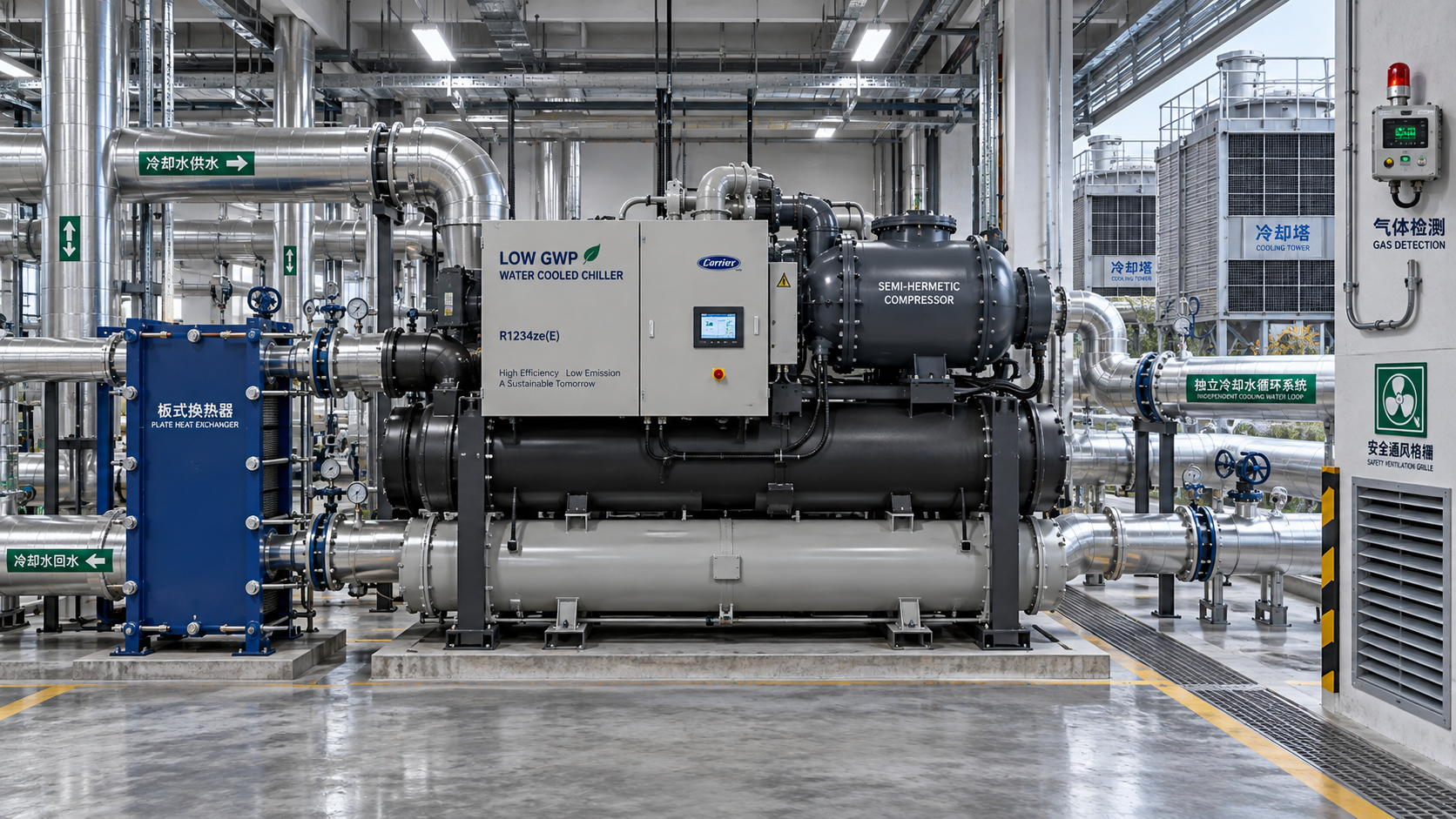
New U.S. Aluminum and Copper Tariffs Impact Cooling Tower and Plate Heat Exchanger Exports




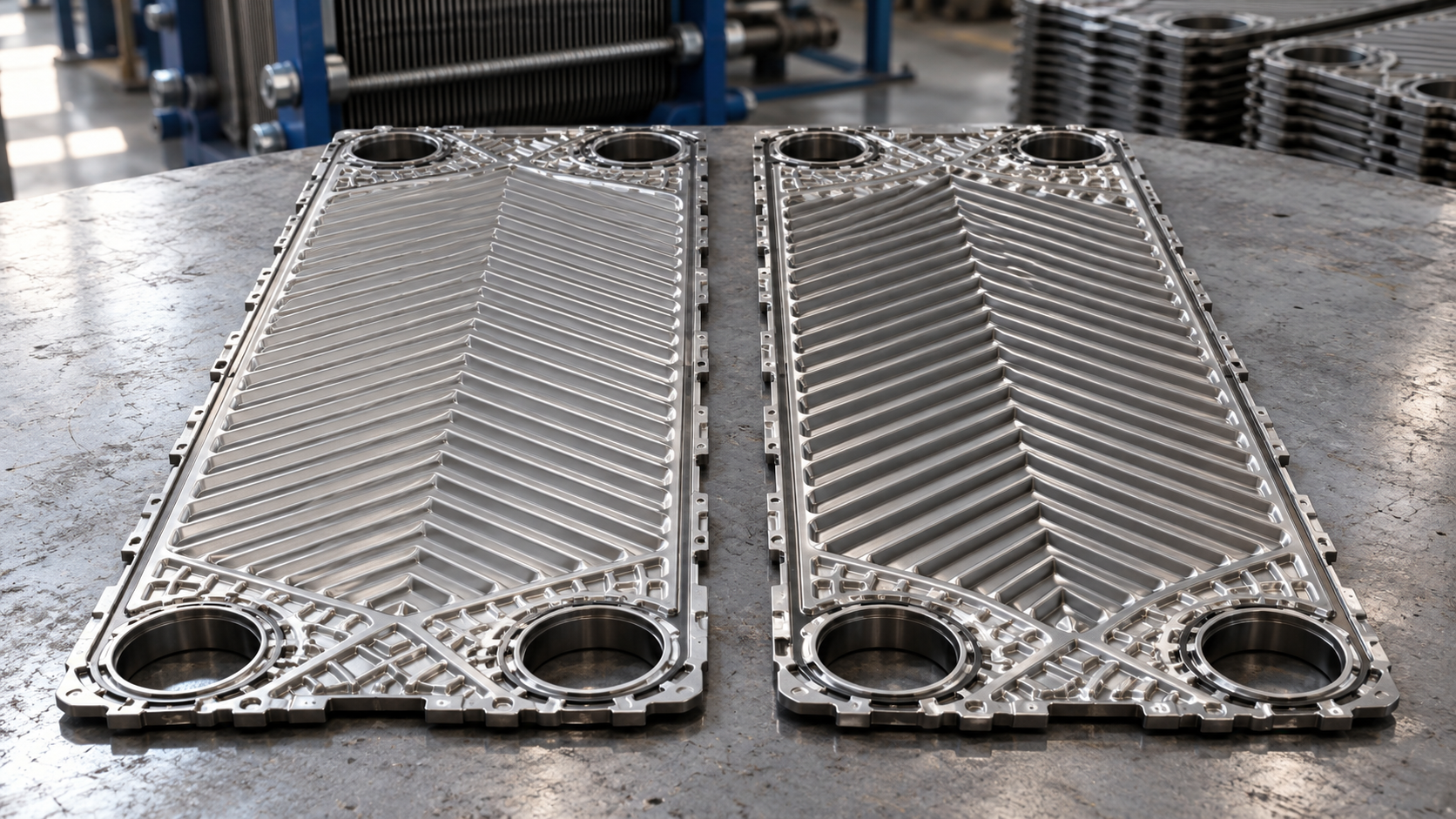
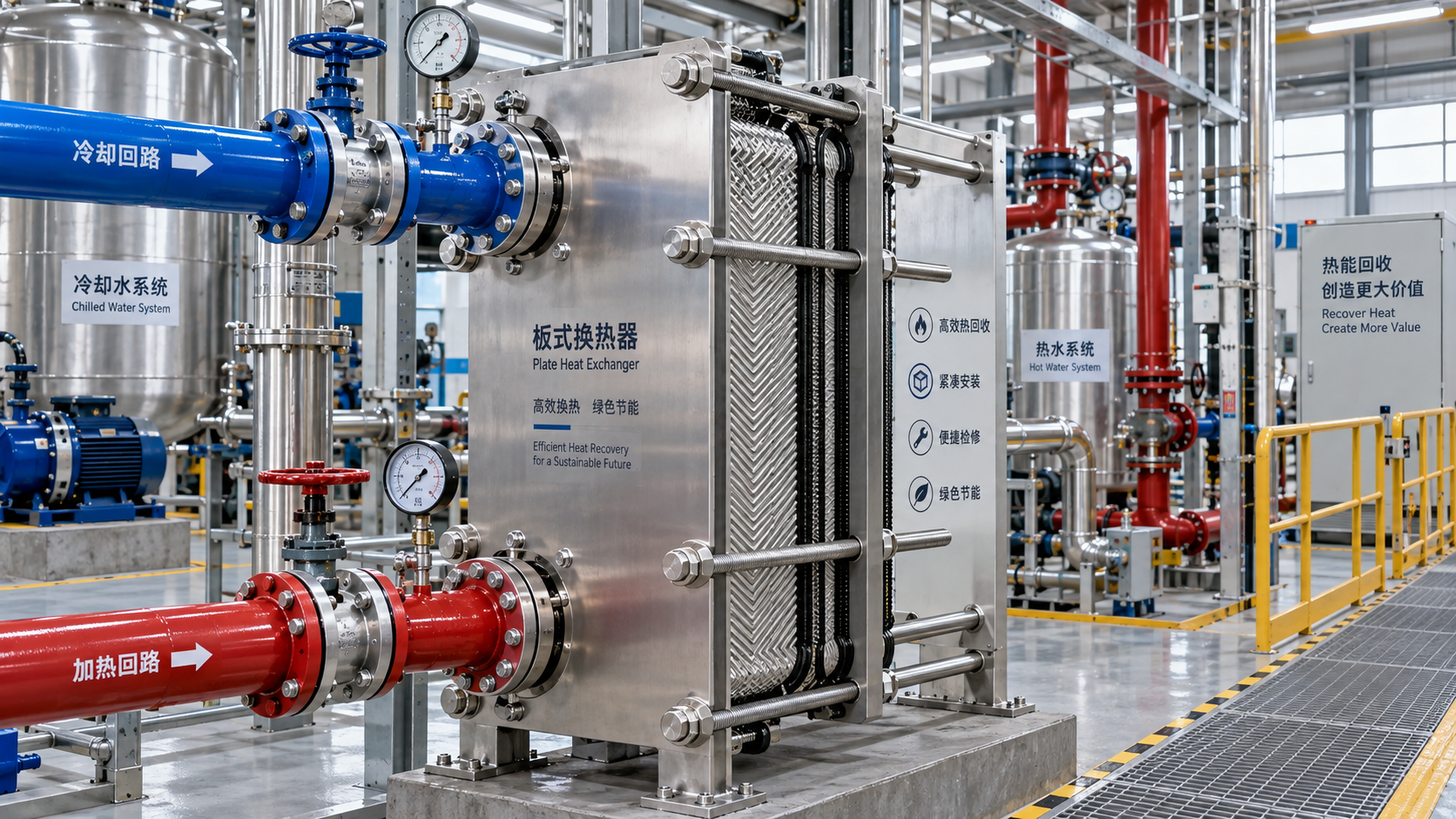
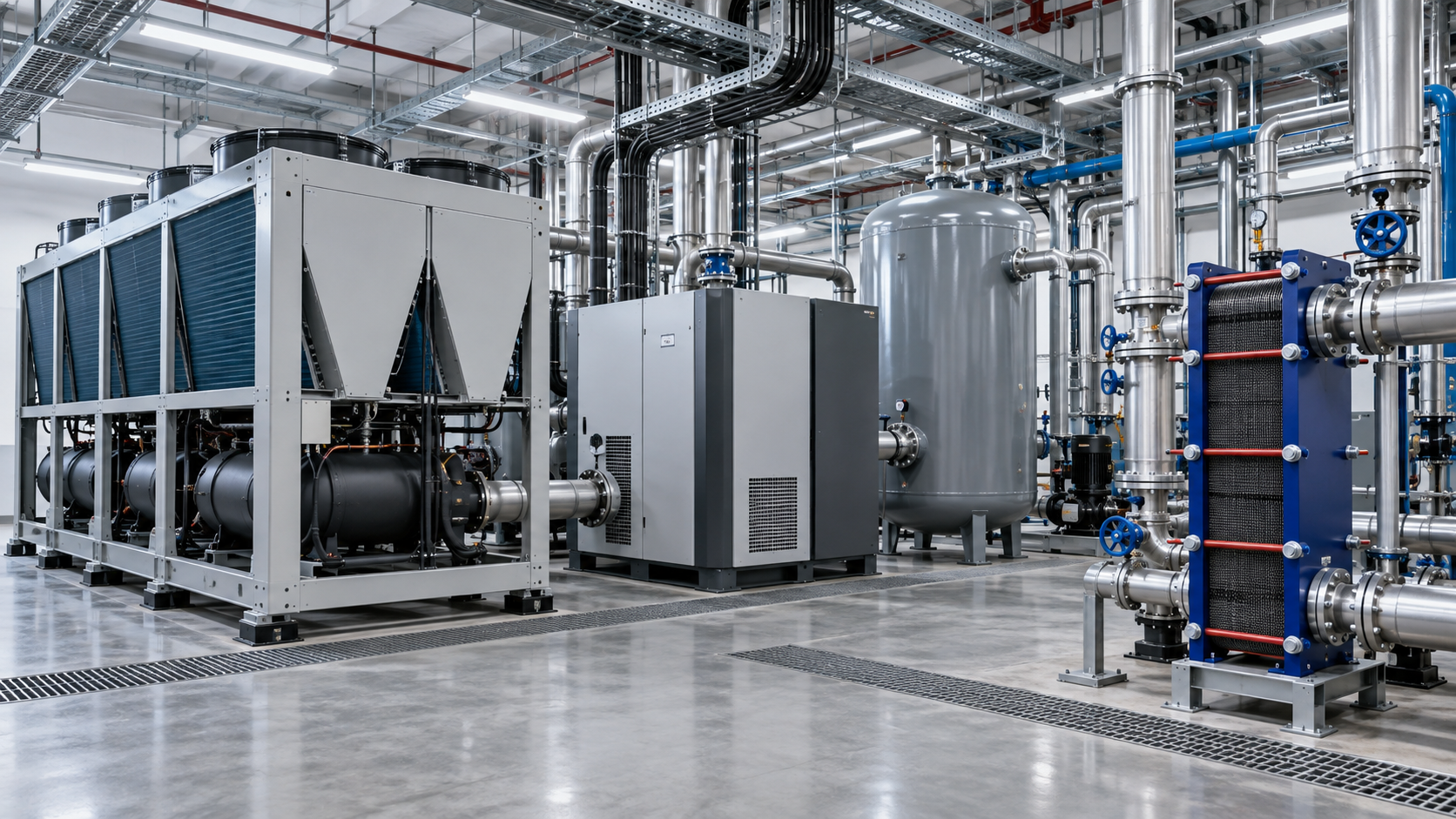
Effective April 6, 2026, the United States has implemented a tiered tariff regime on steel, aluminum, and copper derivative products—specifically targeting structural components of cooling towers and plate heat exchanger cores with metal content exceeding 75%. The policy directly affects export-oriented manufacturers in China, reshaping cost calculations, pricing frameworks, and strategic customer segmentation.

Tariff Implementation Details
Starting April 6, 2026, imported cooling tower structural parts and plate heat exchanger cores containing more than 75% aluminum or copper by weight are subject to a 25% ad valorem duty. A preferential rate of 10% applies exclusively to goods fully fabricated using aluminum or copper smelted and refined within the United States. This classification is based solely on material origin and metallic composition thresholds—not design, function, or end-use application.
Supply Chain and Market Participant Impacts
Export Trading Firms
These firms face immediate recalibration of landed-cost models and quotation timelines. The 15-percentage-point tariff differential introduces new margin pressure and necessitates real-time verification of material provenance documentation for each shipment—especially when serving distributors or EPC contractors with mixed-sourcing supply chains.
Raw Material Sourcing Entities
Procurement teams must now assess traceability systems for aluminum ingots, copper sheets, and clad alloys. Certificates of origin, smelter identification codes, and third-party metallurgical assay reports may become mandatory submission items for U.S. customs clearance—shifting sourcing decisions from price-driven to compliance-driven criteria.
Equipment Manufacturing Companies
Manufacturers of cooling towers and plate heat exchangers must revisit bill-of-materials (BOM) configurations. Substituting non-qualifying alloys—even for non-critical brackets or frames—may trigger reclassification under the >75% threshold rule. Engineering change notices (ECNs) and revision-controlled technical documentation will be essential for audit readiness.
Logistics and Trade Compliance Service Providers
Freight forwarders and customs brokers report increased demand for tariff classification advisory services, particularly for HS code 8419.50 (heat exchangers) and 8421.39 (cooling towers). Harmonized System interpretations now require granular input on metallic mass fraction—not just product description or function.
Key Enterprise Focus Areas and Response Measures
Material Traceability and Certification Audit
Verify and document the full upstream chain—from ore source through smelting—to confirm eligibility for the 10% preferential rate. Maintain auditable records including smelter licenses, mill test reports, and certified assays demonstrating U.S.-origin content.
BOM Optimization and Component-Level Classification
Conduct a component-by-component metallic mass analysis for all exported units. Where feasible, redesign non-load-bearing elements to reduce total aluminum/copper content below the 75% threshold without compromising ASME BPVC Section VIII or TEMA compliance.
Commercial Contract Alignment
Update Incoterms clauses (e.g., shift from FOB to CIP) to clarify responsibility for tariff liability and documentation burden. Introduce material-origin warranties and indemnity provisions in sales contracts with U.S. buyers.
Customer Tiering and Strategic Partnerships
Segment U.S. customers by their capacity to absorb tariff costs or co-invest in localized assembly. Prioritize joint ventures or contract manufacturing arrangements with U.S.-based fabricators to qualify for the lower rate—particularly for high-volume OEM partnerships.
Industry Observation: Beyond Tariff Headlines
Analysis shows this measure functions less as a simple trade barrier and more as a calibrated incentive to reconfigure global fabrication footprints. Observably, the 75% threshold creates a strong technical and commercial impetus for modular design—where core heat-transfer elements (subject to tariff) are decoupled from structural housings (excluded). What deserves closer attention is how quickly U.S. importers adjust tender specifications to require dual-material declarations or pre-validated smelter lists. It is more appropriate to understand this as an emerging de facto standard for material transparency—not merely a customs formality.
Strategic Implications for Global Thermal Equipment Markets
This tariff structure signals a broader shift toward origin-based value attribution in industrial equipment trade. While not altering safety or performance standards, it elevates supply chain integrity to the same level of contractual importance as pressure ratings or corrosion resistance. For exporters, sustained competitiveness will depend less on incremental cost reduction—and more on verifiable, auditable, and modular compliance architecture.
Source Information and Verification Guidance
This article was generated exclusively from the provided title, event date (2026-04-06), and summary. Specific official source links were not provided in the input and should be verified continuously. Stakeholders are advised to monitor updates from U.S. Customs and Border Protection (CBP), the International Trade Administration (ITA), and Federal Register notices regarding implementation guidelines, classification rulings, and enforcement protocols. Ongoing observation is recommended for tender document revisions, industry association advisories (e.g., AHRI, TEMA), and U.S. importer feedback on documentation expectations.
Ready when you are. Send us a message to get started.
Related News
- How corrugation angle affects heat transfer in plate heat exchangersAuthor :Thermodynamics Analyst

- R22 Prices Retreat as China's Refrigerant Market Faces Tight Quotas and Soft DemandAuthor :Cryogenic Systems Expert

- How to select industrial equipment for automation with existing PLCsAuthor :

- Carrier Plans $600 Million Manufacturing and Engineering Center in Fort WorthAuthor :

- How electricity prices shape industrial compressed air price trendsAuthor :

- Chemours Faces Investor Lawsuit Over Opteon Refrigerant Sales ForecastsAuthor :Cryogenic Systems Expert

- Choosing air filtration systems for heavy dust in the Middle EastAuthor :

- LG Expands R290 Monobloc Heat Pump Range with New 12–16 kW ModelsAuthor :Cryogenic Systems Expert

- How to size a chiller for pharmaceutical cleanroom temperature controlAuthor :Cryogenic Systems Expert

- Kentucky Regulators Approve $191 Million Cooling Tower at Mitchell Coal PlantAuthor :Thermodynamics Analyst

- How much does a fully installed compressed air monitoring system cost?Author :

- What documentation supports CE marking for industrial equipment?Author :

- When do plate heat exchangers suit Middle East seawater cooling?Author :Thermodynamics Analyst

- EU Issues Updated Guidance on Industrial Refrigeration Efficiency and F-gas AlternativesAuthor :Cryogenic Systems Expert

- How does base pressure affect film purity in vacuum deposition?Author :Vacuum Process Fellow

- Do U.S. refrigerant regulations require replacing R-410A systems?Author :Cryogenic Systems Expert

- When does variable gas flow justify a custom screw compressor system?Author :Pneumatic Power Engineer

- How local support affects vacuum system costs in Southeast AsiaAuthor :

- How worldwide industry category guides help compare market opportunitiesAuthor :

- How to verify food-grade purity in compressed air systemsAuthor :Pneumatic Power Engineer

- When high-pressure waste heat recovery boilers make economic senseAuthor :Thermal Energy Strategist

- How to size compressed air equipment for pneumatic toolsAuthor :Pneumatic Power Engineer

- How to size vacuum process equipment for the required pump-down timeAuthor :Vacuum Process Fellow

- What determines the price of pure air compression systems?Author :Pneumatic Power Engineer

- How steam generation efficiency shapes thermal power system designAuthor :Thermal Energy Strategist

- What drives sustainable thermal systems cost over their operating life?Author :

- Which vacuum specification best protects semiconductor process yield?Author :Vacuum Process Fellow

- When do smart thermal systems with sensors reduce chiller energy use?Author :Cryogenic Systems Expert

- When does gasketed plate heat exchanger technology suit your process?Author :Thermodynamics Analyst

- How to size oil-free compressors for instrumentation air demandAuthor :Pneumatic Power Engineer

- How Class 0 oil-free compressors protect product quality in food productionAuthor :Pneumatic Power Engineer

- Which industrial solution comparison criteria prevent project delays?Author :

- Chiller Optimization Checklist for Rising Energy Use and Unstable Cooling OutputAuthor :Cryogenic Systems Expert

- How to Specify a High-Precision Temperature Chiller for Tight-Tolerance ProcessesAuthor :Cryogenic Systems Expert

- Designing Energy-Efficient Industrial Cooling for Variable Process LoadsAuthor :Cryogenic Systems Expert

- Low-GWP Cooling Solutions for Process Plants: Comparing Safety, Efficiency, and CostAuthor :Cryogenic Systems Expert