New Maritime Code Art. 93 Shifts No-Pickup Liability to Shippers




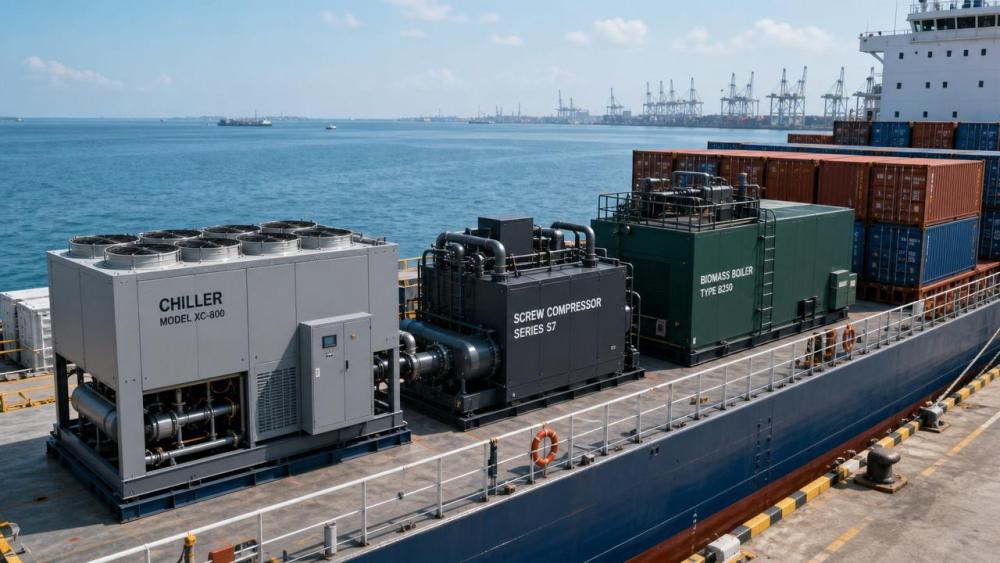
Effective 1 May 2026, a revised provision in the Maritime Code of the People’s Republic of China—Article 93—reassigns primary liability for cargo abandonment at destination ports from consignees to shippers. This legal shift directly impacts international shipments of high-value industrial equipment, including industrial chillers, screw compressors, and biomass boilers, and triggers reassessments of delivery terms, customs readiness, and contractual risk allocation.
Legal Change Enters Force
As of 1 May 2026, Article 93 of the newly amended Maritime Code of the People’s Republic of China establishes that the shipper bears primary responsibility when cargo remains uncollected at the discharge port. Previously, liability rested predominantly with the consignee. This change applies uniformly across all maritime export transactions governed by Chinese law and affects contracts specifying DAP (Delivered at Place) or DDP (Delivered Duty Paid) Incoterms® rules.
Impact Across Supply Chain Roles
Export Trading Enterprises
These entities now face heightened exposure under DAP/DDP arrangements, as they remain legally liable for storage fees, demurrage, customs penalties, and potential cargo disposal costs if overseas buyers fail to clear or collect goods. Contractual clauses on force majeure, buyer default, and cost recovery require urgent review.
Raw Material Procurement Firms
While not directly handling logistics, procurement firms supporting export-oriented manufacturers must factor in extended payment cycles and increased credit risk—especially when upstream suppliers invoice upon shipment rather than upon confirmed receipt or customs release abroad.
Equipment Manufacturing Companies
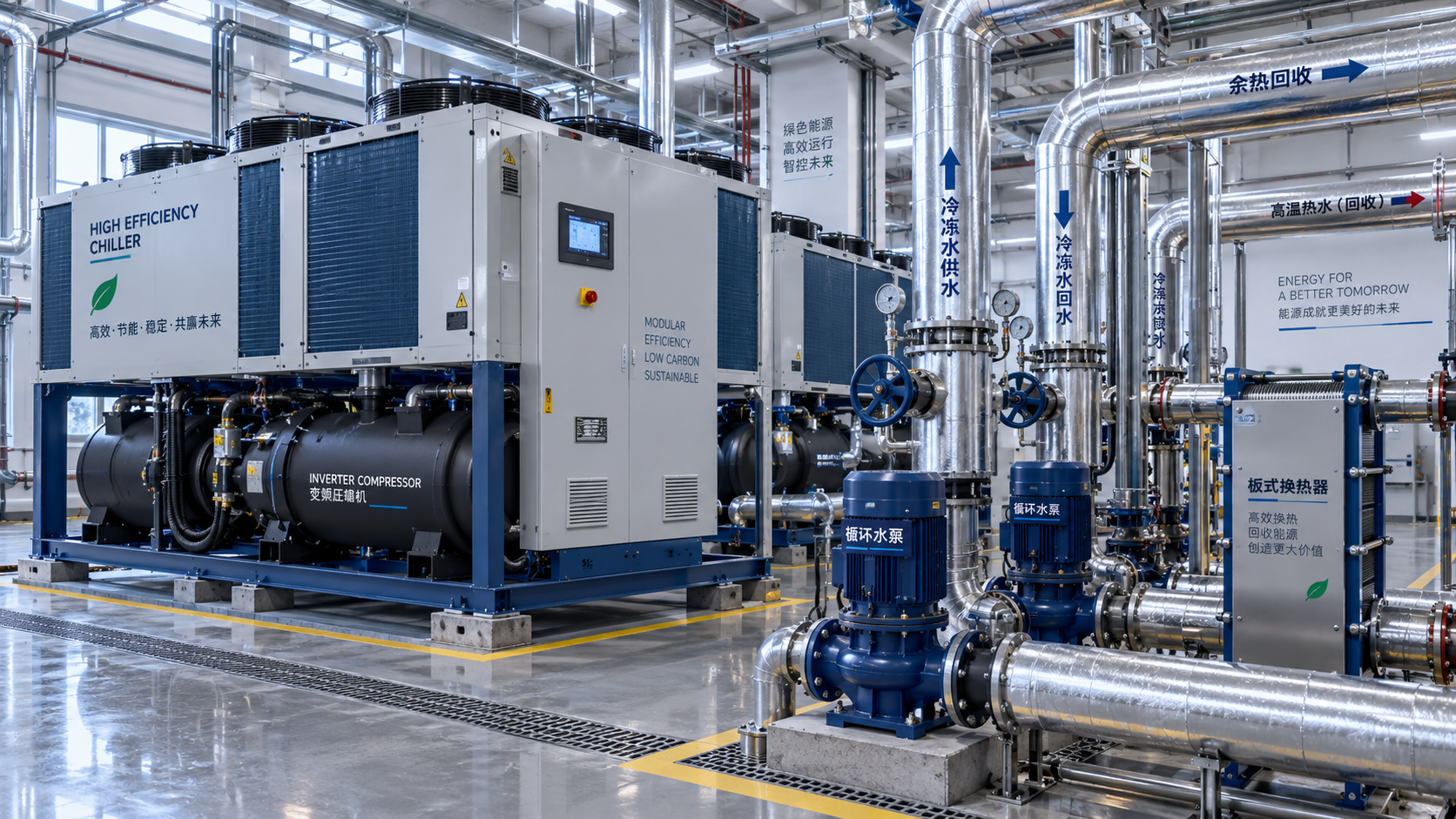
Manufacturers exporting industrial chillers, screw compressors, and biomass boilers must now integrate shipping liability assessments into pre-shipment planning. Product documentation, commercial invoices, and packing lists may need enhanced alignment with destination-country import requirements to reduce pickup delays.
Logistics and Trade Facilitation Providers
Freight forwarders, customs brokers, and trade finance institutions must update client advisories and service agreements to reflect the shipper’s expanded legal obligations. Real-time visibility into consignee clearance capacity—and proactive coordination with overseas agents—has become operationally critical.
Key Actions for Exporters and Suppliers
Revise Incoterms® Strategy
Reevaluate routine use of DAP/DDP for high-value industrial equipment; consider shifting to DPU (Delivered at Place Unloaded) or CIF + local delivery support models where buyer capability is uncertain.
Strengthen Contractual Risk Clauses
Introduce explicit provisions covering consignee default timelines, cost recovery mechanisms, cargo insurance extensions, and rights to resell or abandon cargo after defined notice periods.
Validate Overseas Buyer Readiness
Require documented evidence of importer registration, customs broker engagement, and working capital sufficiency prior to shipment—particularly for markets with complex import controls or volatile foreign exchange conditions.
Update Technical and Commercial Documentation
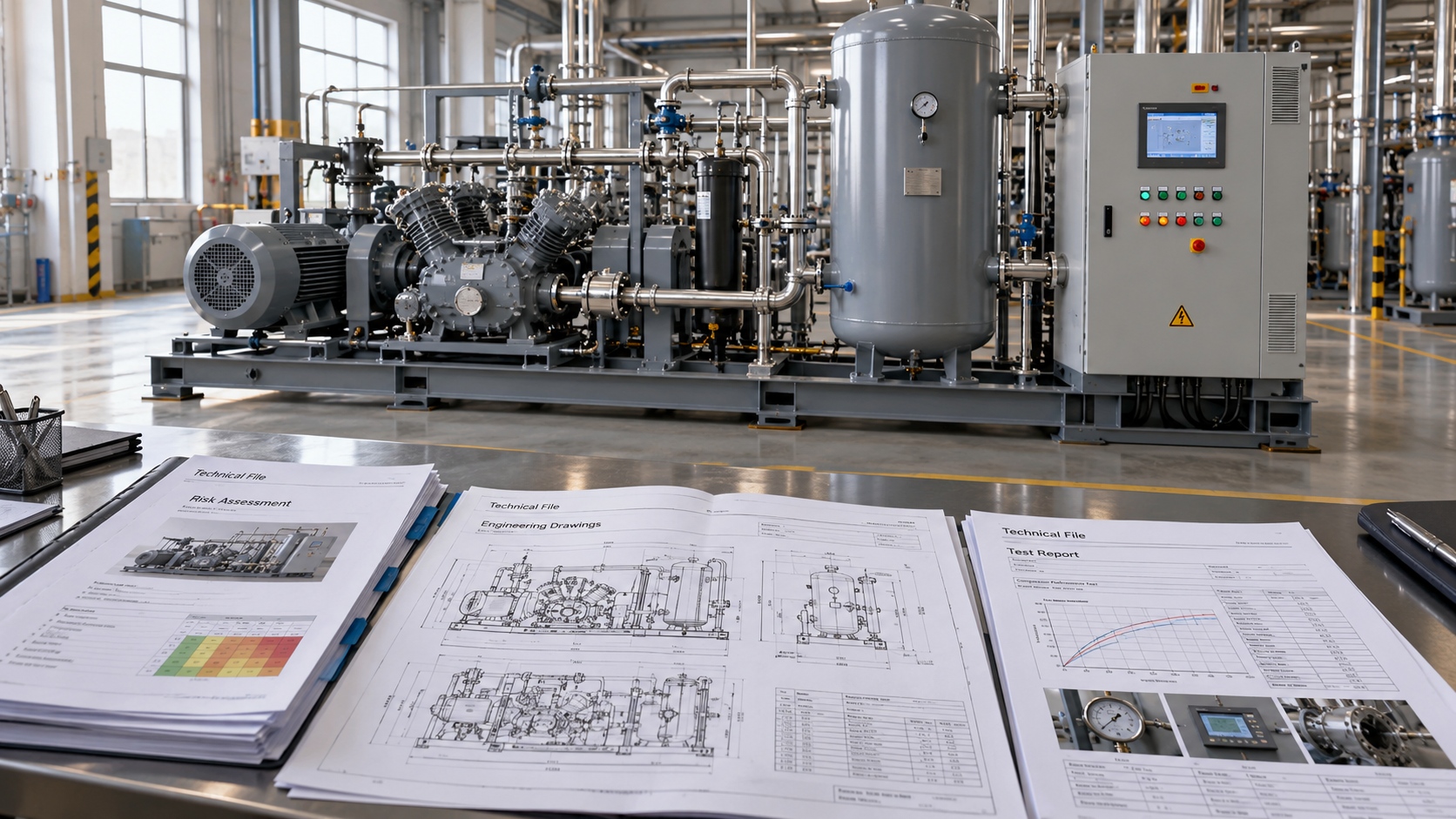
Ensure equipment-specific documents—including CE declarations (where applicable), ASME BPVC compliance statements, and bilingual technical manuals—meet destination-country regulatory thresholds to avoid clearance bottlenecks.
Industry Perspective: A Structural Shift in Delivery Accountability
Analysis shows this amendment reflects a broader regulatory trend toward aligning maritime liability with practical control: shippers retain contractual authority over routing, documentation, and carrier selection, and thus bear greater accountability for end-to-end delivery outcomes. From an industry perspective, it is more appropriate to understand this not as a punitive measure but as a recalibration of risk ownership—prompting systematic upgrades in export due diligence, buyer vetting, and cross-border contract design. What deserves closer attention is how national customs authorities and port operators interpret and enforce the new liability framework in practice, particularly regarding evidentiary standards for “failure to pick up.”
Strategic Implications for Global Industrial Trade
This revision marks a material recalibration in the allocation of delivery risk within China’s export ecosystem. It does not eliminate DAP/DDP utility—but redefines its viability based on counterparty reliability rather than convenience. For industrial equipment exporters, the change underscores that compliance is no longer confined to product standards or emissions limits; it now extends deeply into trade execution, documentation integrity, and partner governance. A measured, process-driven response—not wholesale term abandonment—will define competitive resilience.
Source Information and Ongoing Monitoring
This article is generated exclusively from the user-provided title, effective date (1 May 2026), and event summary. Specific official source links were not provided in the input and should be verified continuously. Stakeholders are advised to monitor subsequent guidance from China’s Ministry of Transport, Supreme People’s Court judicial interpretations, and updates to the China International Economic and Trade Arbitration Commission (CIETAC) model clauses. Further observation is warranted on implementation precedents, port-level enforcement practices, and evolving buyer-side responses in key markets such as Southeast Asia, Latin America, and Africa.
Ready when you are. Send us a message to get started.
Related News
- How corrugation angle affects heat transfer in plate heat exchangersAuthor :Thermodynamics Analyst

- R22 Prices Retreat as China's Refrigerant Market Faces Tight Quotas and Soft DemandAuthor :Cryogenic Systems Expert

- How to select industrial equipment for automation with existing PLCsAuthor :

- Carrier Plans $600 Million Manufacturing and Engineering Center in Fort WorthAuthor :

- How electricity prices shape industrial compressed air price trendsAuthor :

- Chemours Faces Investor Lawsuit Over Opteon Refrigerant Sales ForecastsAuthor :Cryogenic Systems Expert

- Choosing air filtration systems for heavy dust in the Middle EastAuthor :

- LG Expands R290 Monobloc Heat Pump Range with New 12–16 kW ModelsAuthor :Cryogenic Systems Expert

- How to size a chiller for pharmaceutical cleanroom temperature controlAuthor :Cryogenic Systems Expert

- Kentucky Regulators Approve $191 Million Cooling Tower at Mitchell Coal PlantAuthor :Thermodynamics Analyst

- How much does a fully installed compressed air monitoring system cost?Author :

- What documentation supports CE marking for industrial equipment?Author :

- When do plate heat exchangers suit Middle East seawater cooling?Author :Thermodynamics Analyst

- EU Issues Updated Guidance on Industrial Refrigeration Efficiency and F-gas AlternativesAuthor :Cryogenic Systems Expert

- How does base pressure affect film purity in vacuum deposition?Author :Vacuum Process Fellow

- Do U.S. refrigerant regulations require replacing R-410A systems?Author :Cryogenic Systems Expert

- When does variable gas flow justify a custom screw compressor system?Author :Pneumatic Power Engineer

- How local support affects vacuum system costs in Southeast AsiaAuthor :

- How worldwide industry category guides help compare market opportunitiesAuthor :

- How to verify food-grade purity in compressed air systemsAuthor :Pneumatic Power Engineer

- When high-pressure waste heat recovery boilers make economic senseAuthor :Thermal Energy Strategist

- How to size compressed air equipment for pneumatic toolsAuthor :Pneumatic Power Engineer

- How to size vacuum process equipment for the required pump-down timeAuthor :Vacuum Process Fellow

- What determines the price of pure air compression systems?Author :Pneumatic Power Engineer

- How steam generation efficiency shapes thermal power system designAuthor :Thermal Energy Strategist

- What drives sustainable thermal systems cost over their operating life?Author :

- Which vacuum specification best protects semiconductor process yield?Author :Vacuum Process Fellow

- When do smart thermal systems with sensors reduce chiller energy use?Author :Cryogenic Systems Expert

- When does gasketed plate heat exchanger technology suit your process?Author :Thermodynamics Analyst

- How to size oil-free compressors for instrumentation air demandAuthor :Pneumatic Power Engineer

- How Class 0 oil-free compressors protect product quality in food productionAuthor :Pneumatic Power Engineer

- Which industrial solution comparison criteria prevent project delays?Author :

- Chiller Optimization Checklist for Rising Energy Use and Unstable Cooling OutputAuthor :Cryogenic Systems Expert

- How to Specify a High-Precision Temperature Chiller for Tight-Tolerance ProcessesAuthor :Cryogenic Systems Expert

- Designing Energy-Efficient Industrial Cooling for Variable Process LoadsAuthor :Cryogenic Systems Expert

- Low-GWP Cooling Solutions for Process Plants: Comparing Safety, Efficiency, and CostAuthor :Cryogenic Systems Expert