Maersk Launches Rotterdam Direct Service Amid Red Sea Recovery




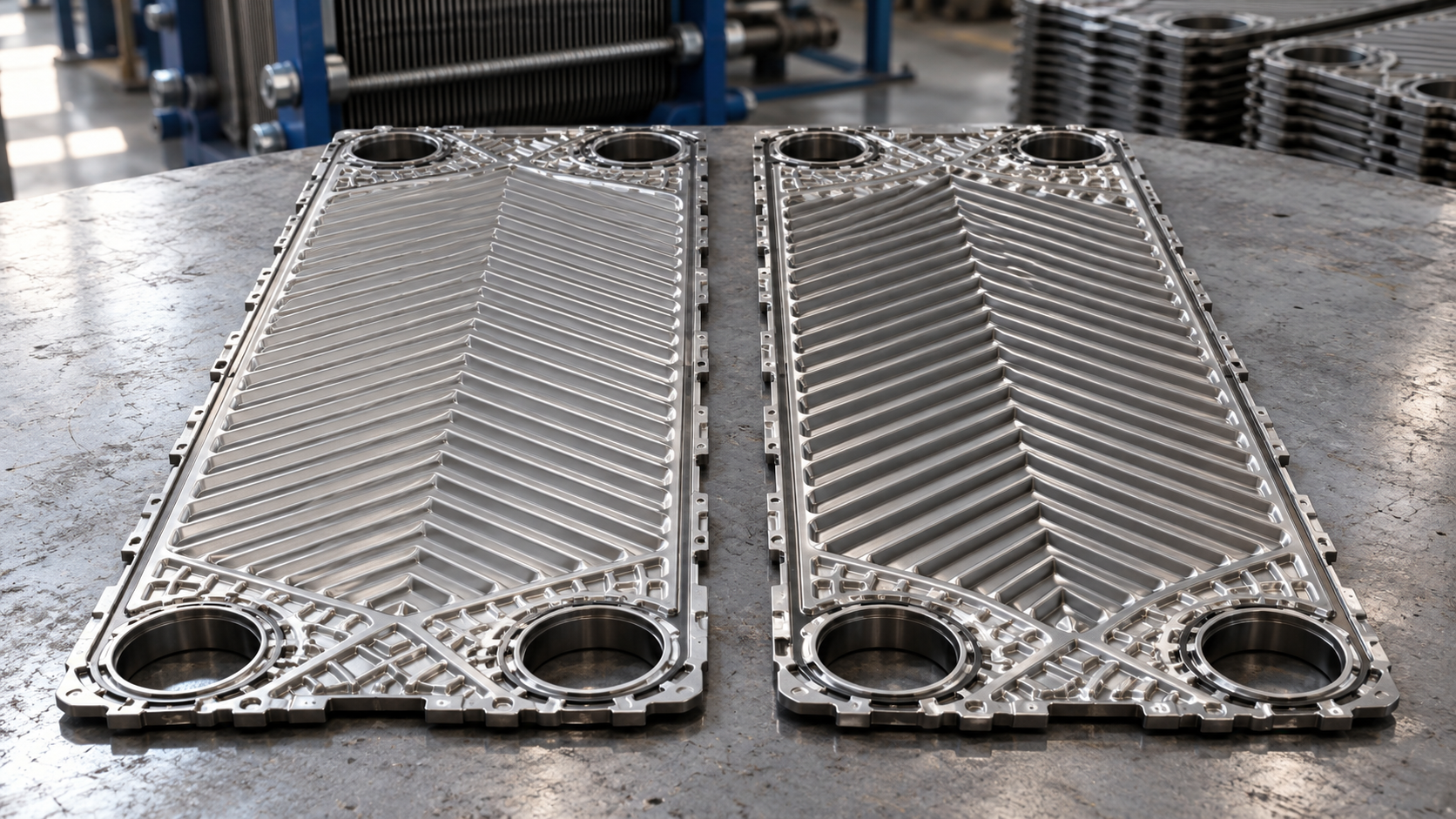
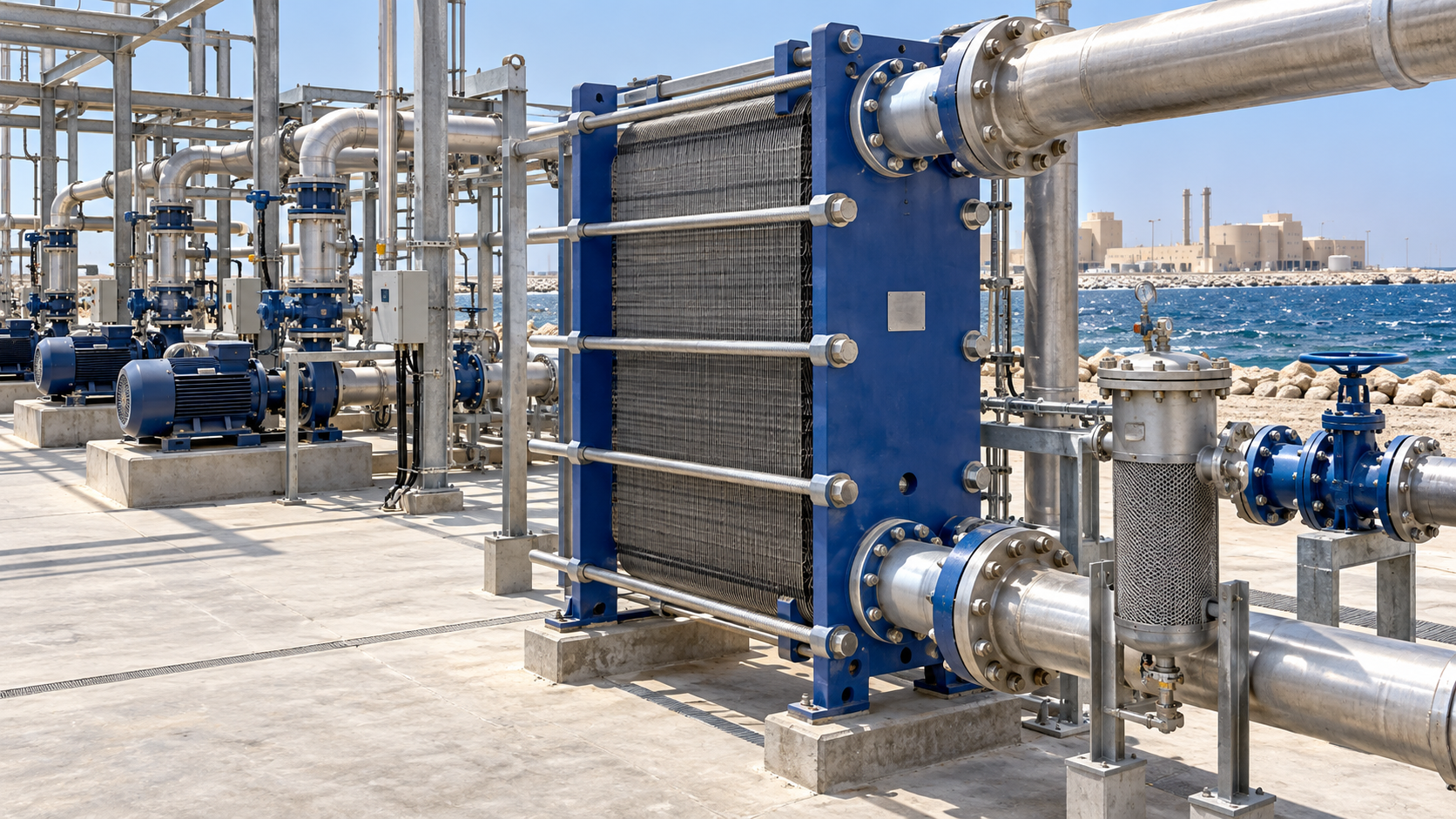
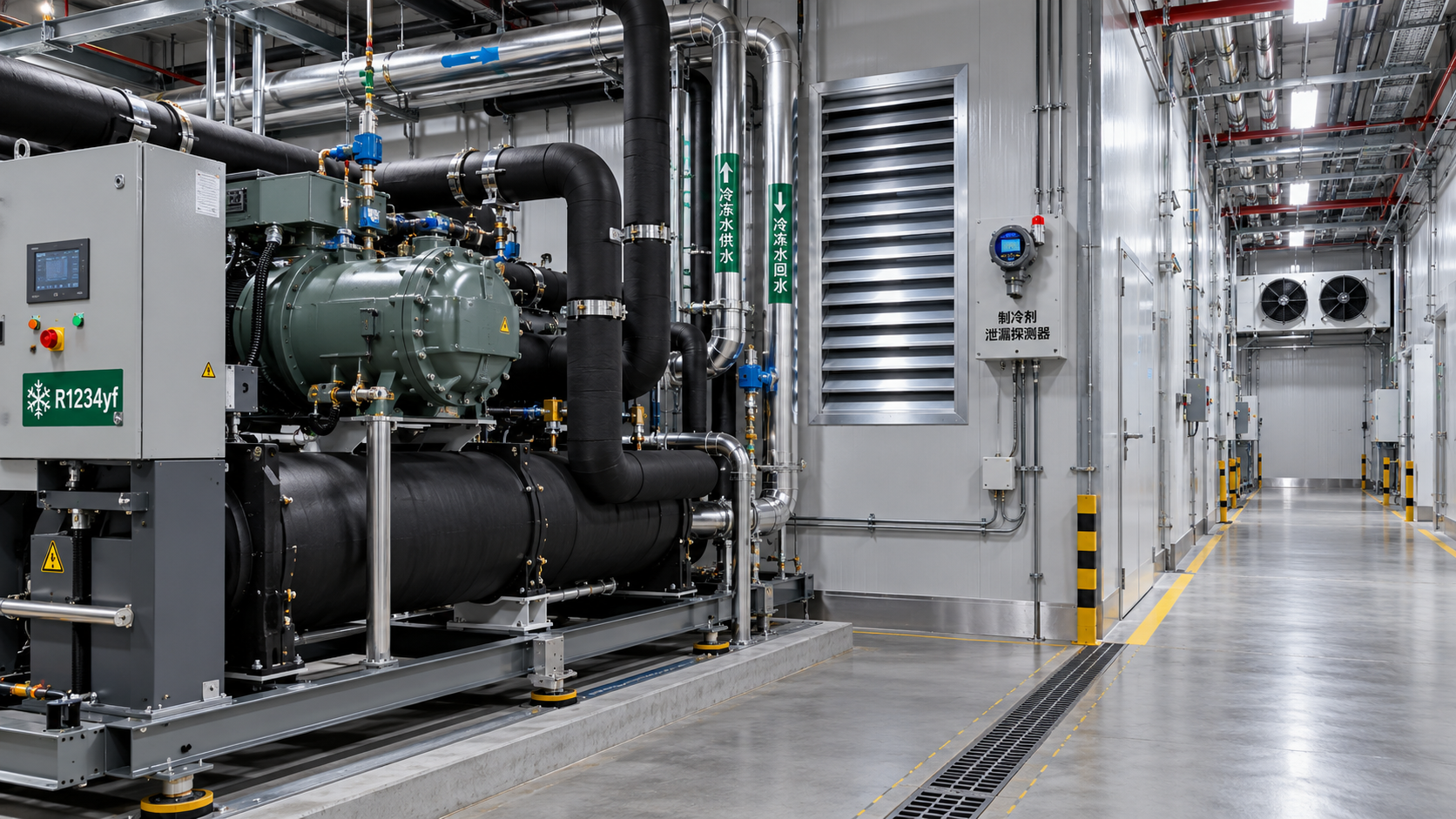
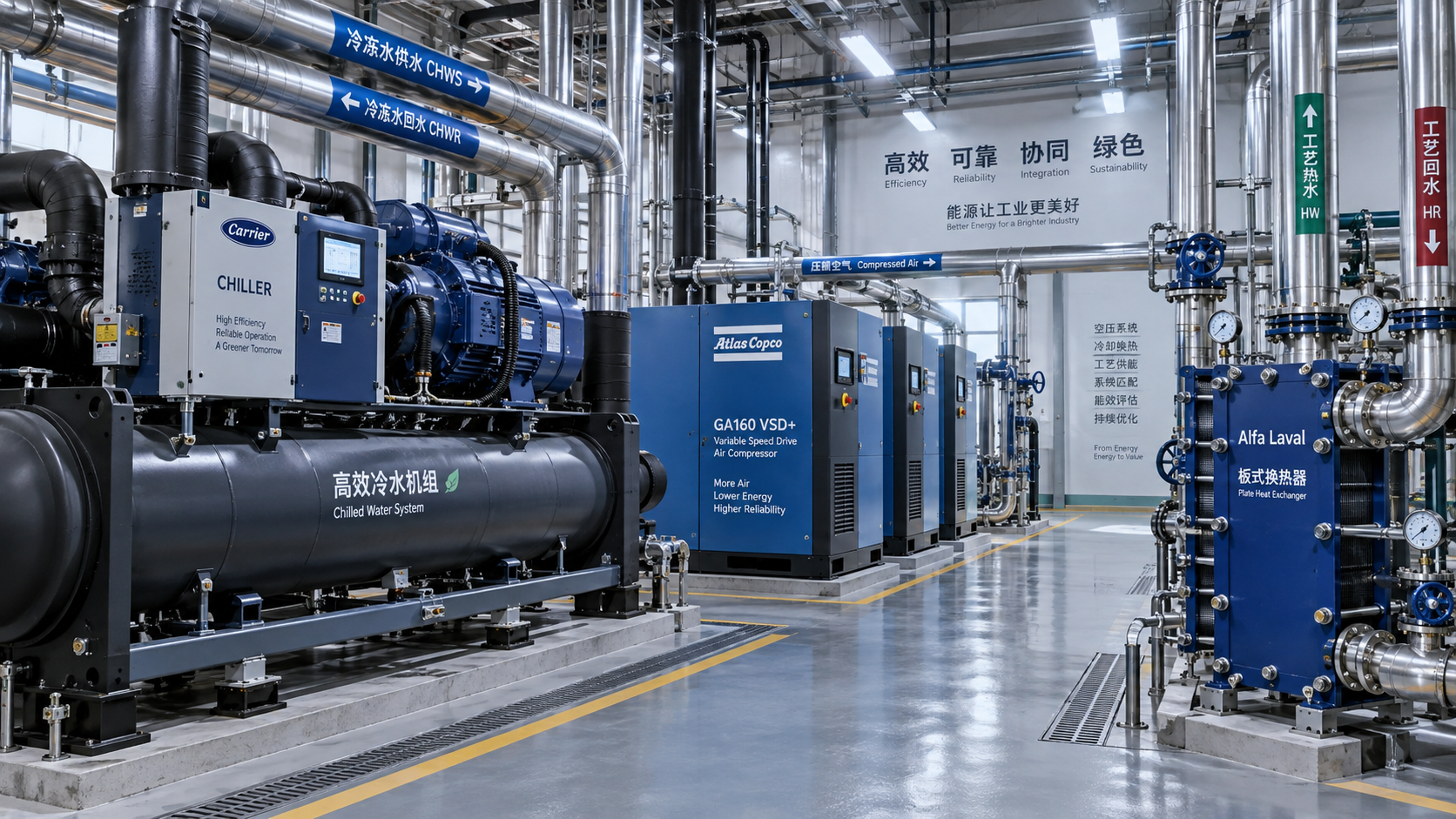
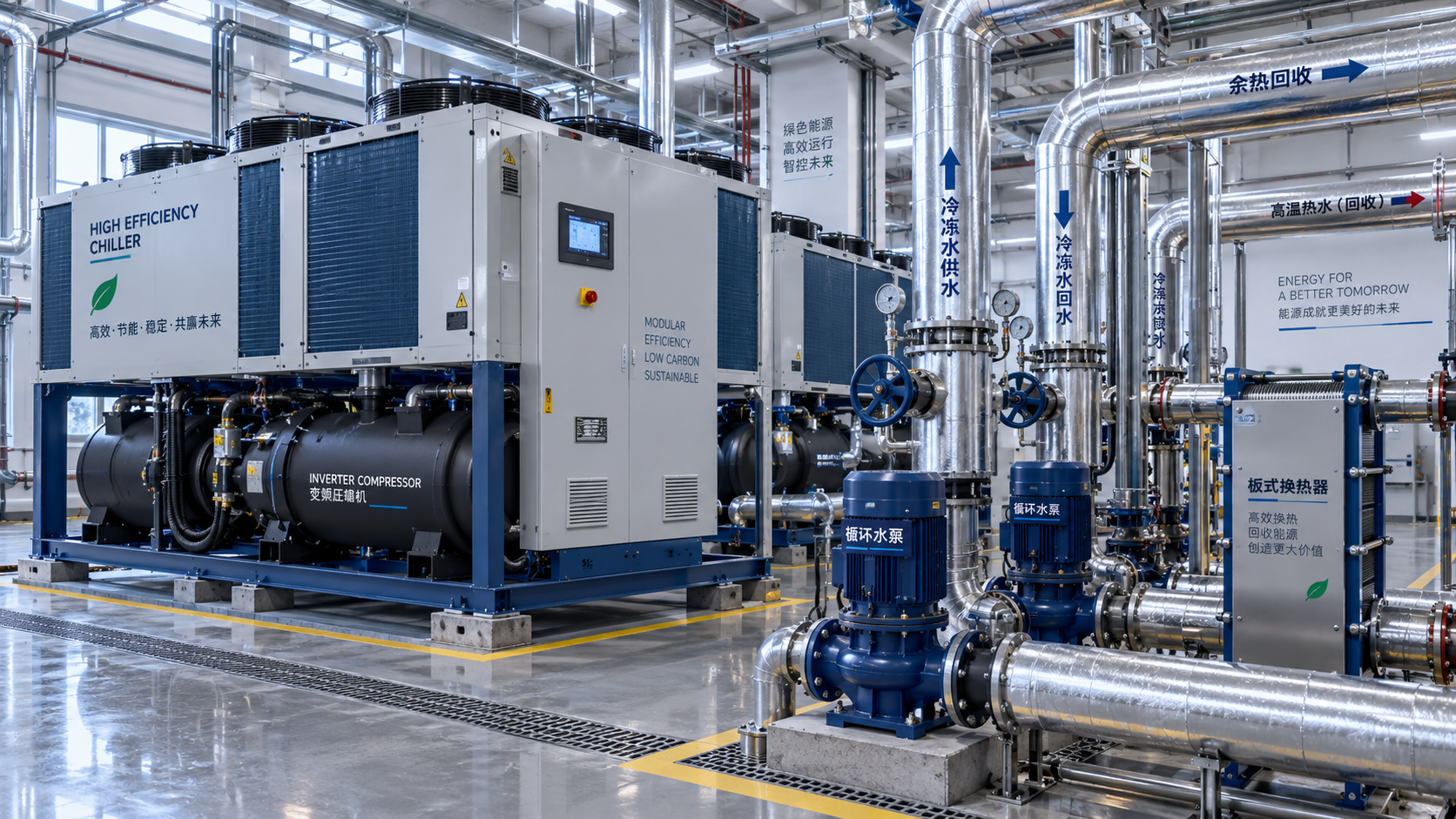
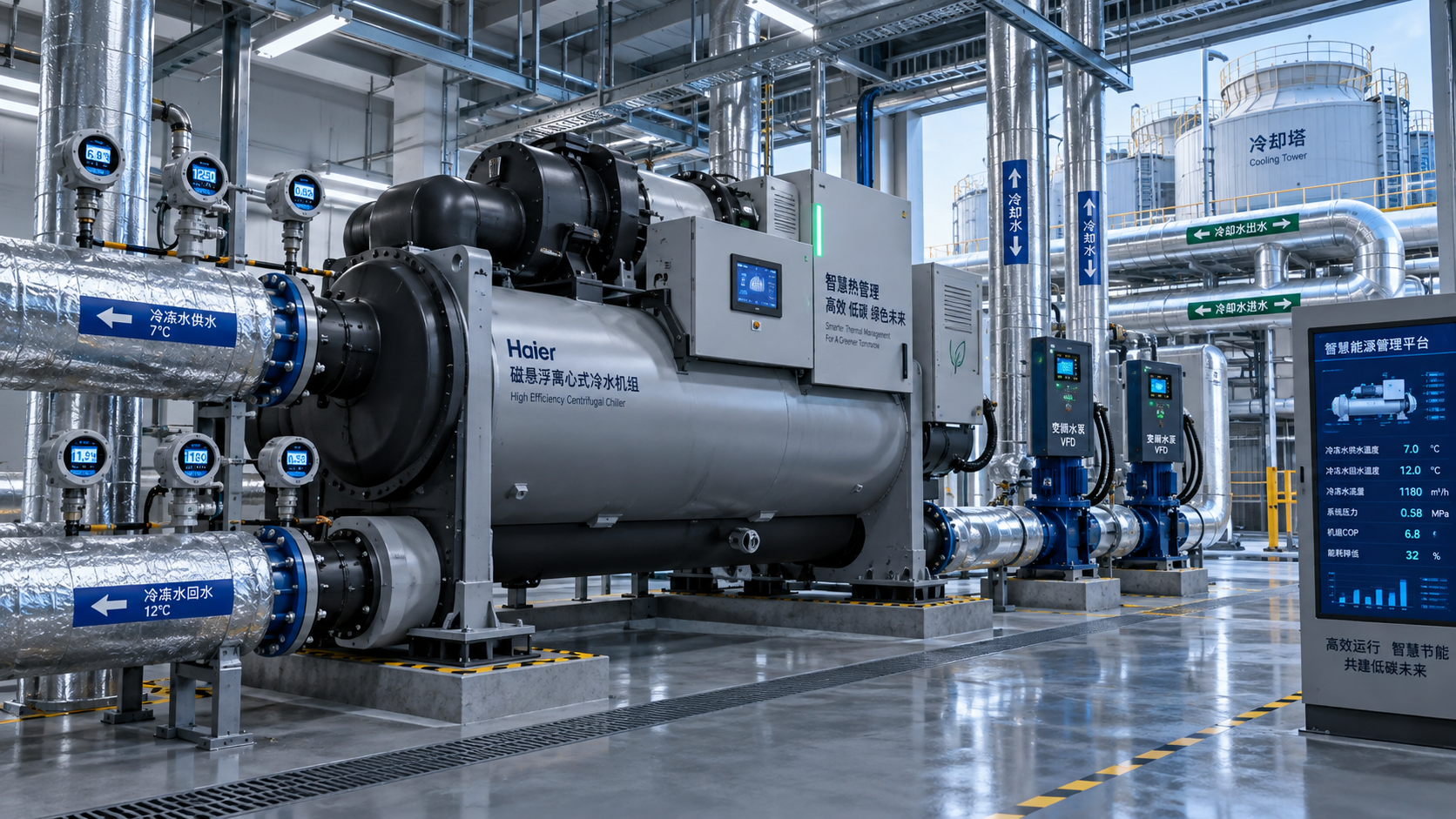
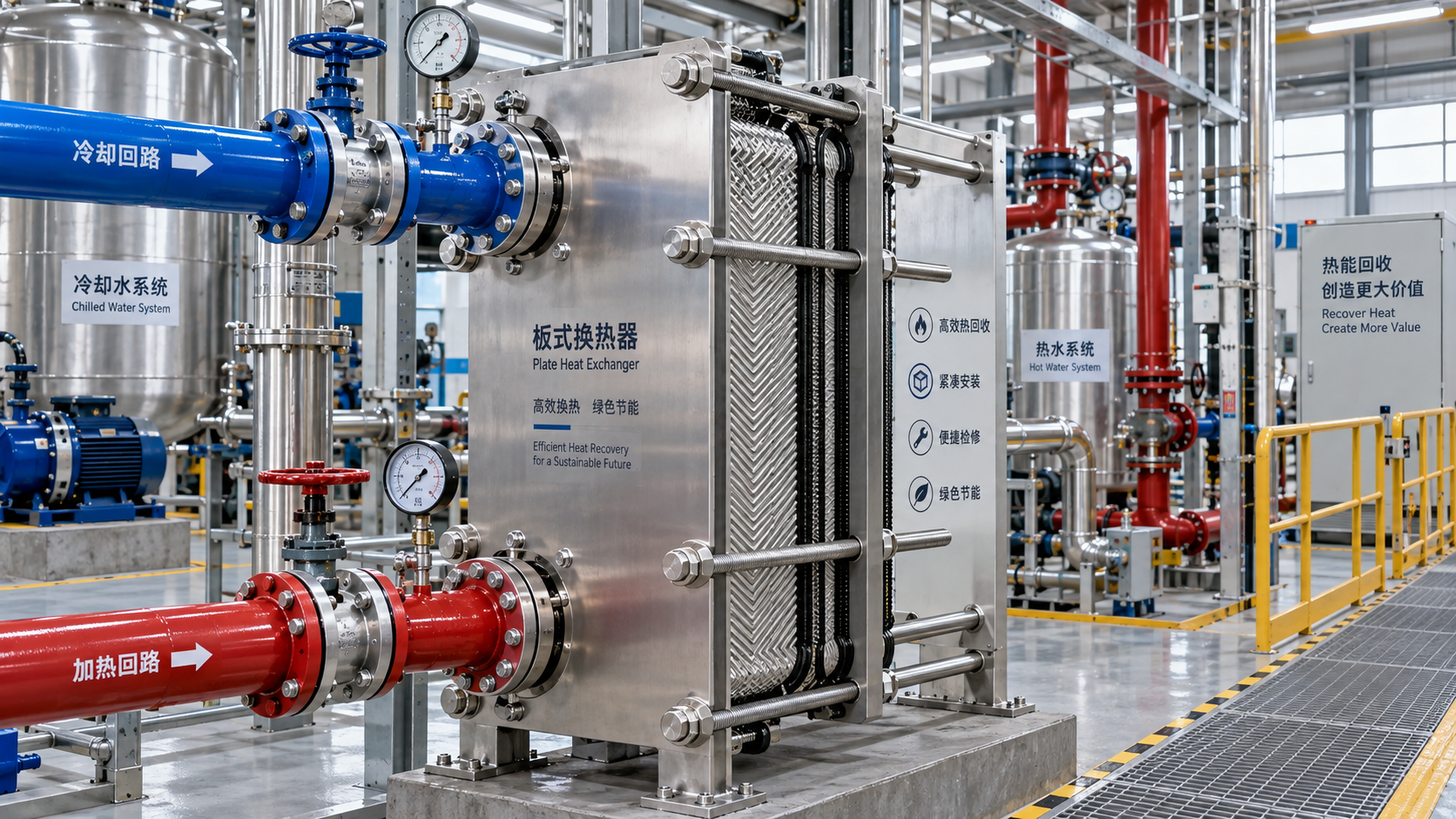
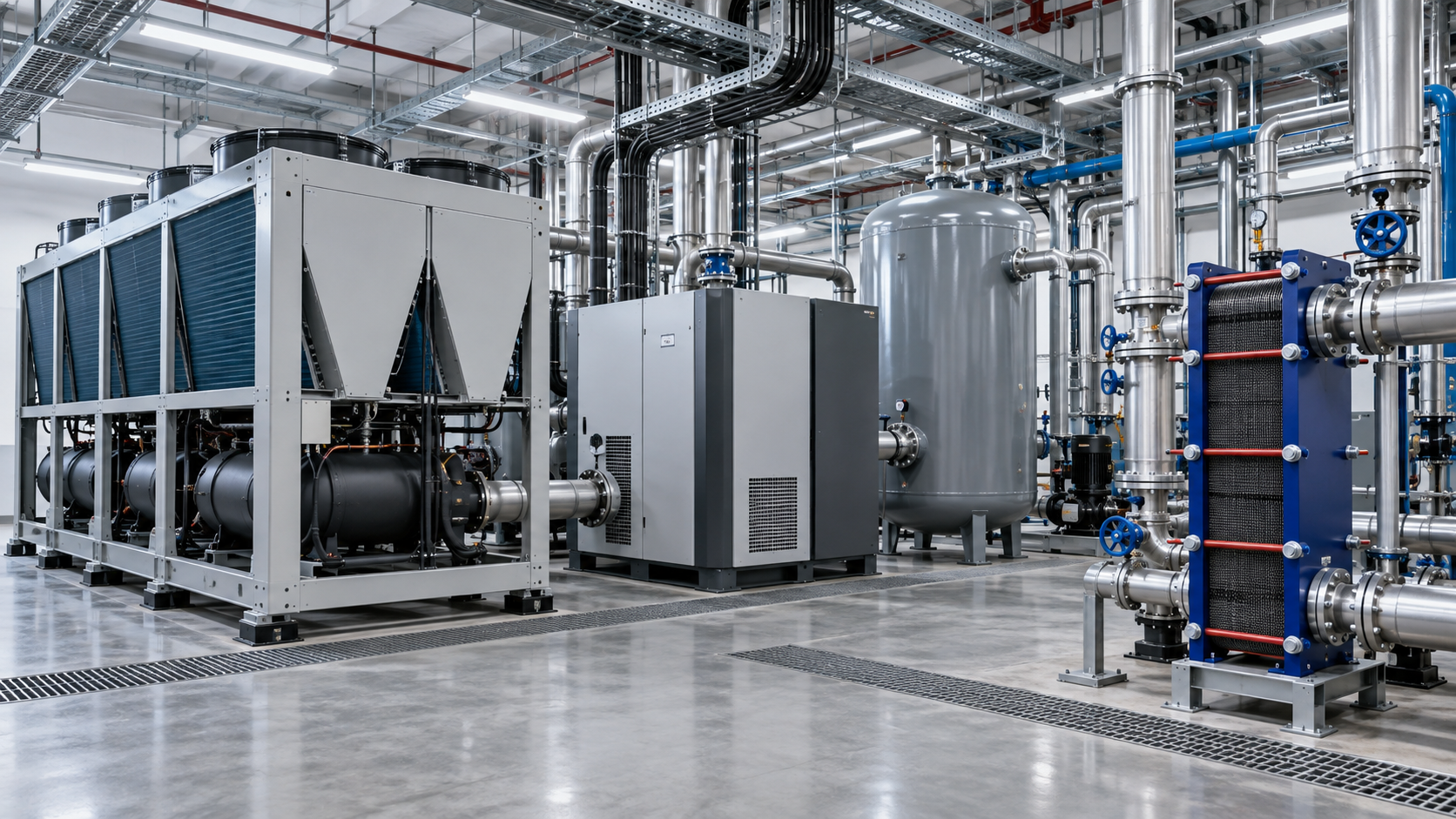
Red Sea shipping recovery is accelerating, with Maersk commencing a dedicated Far East–Rotterdam ‘Green Corridor’ direct service on June 5, 2026. This development signals tangible progress in route normalization and carries immediate implications for manufacturers, exporters, and logistics managers handling industrial temperature-control equipment—including chillers, cooling towers, and plate heat exchangers.
Event Overview
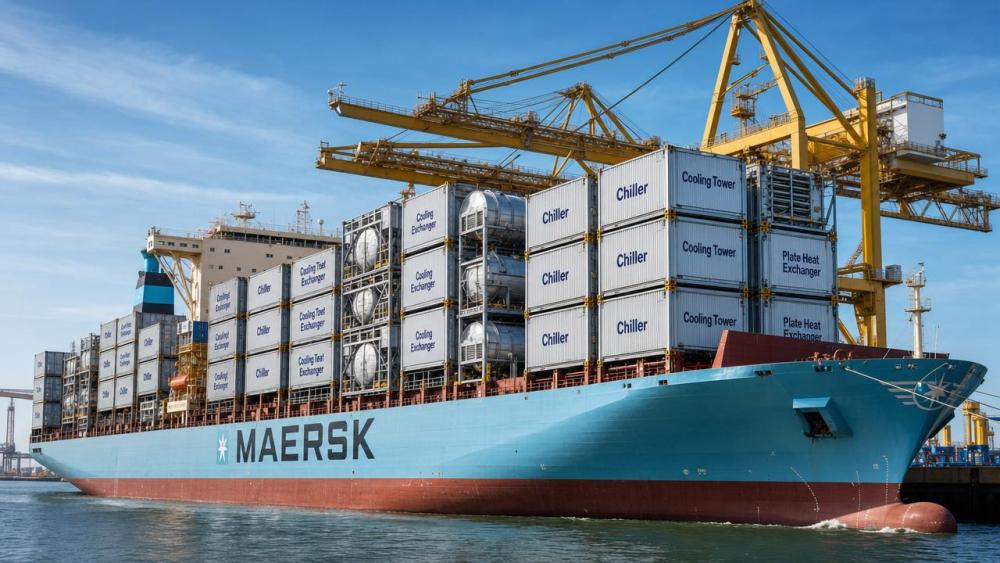
On May 30, 2026, Maersk announced the launch of a weekly two-sailings direct container service between the Far East and Rotterdam, branded the ‘Green Corridor’. The service begins operation on June 5, 2026, and is exclusively allocated to industrial cooling equipment. According to publicly released information, the Shanghai Containerized Freight Index (SCFI) for Europe routes has declined for two consecutive weeks. Freight rate forecasts indicate a 22%–28% reduction in containerized ocean freight costs for such equipment by mid-to-late June 2026 compared to peak levels in May, with corresponding expansion of delivery time windows.
Industries Affected by Segment
Direct Exporters of Industrial Cooling Equipment
These companies ship finished chillers, cooling towers, or plate heat exchangers from Asia to European end markets. The new direct service reduces transshipment dependency and port dwell time, directly supporting more predictable lead times and lower landed cost volatility. Impact manifests primarily in improved shipment scheduling reliability and reduced risk of demurrage/detention charges at intermediate hubs.
Manufacturers Relying on Just-in-Time Component Imports
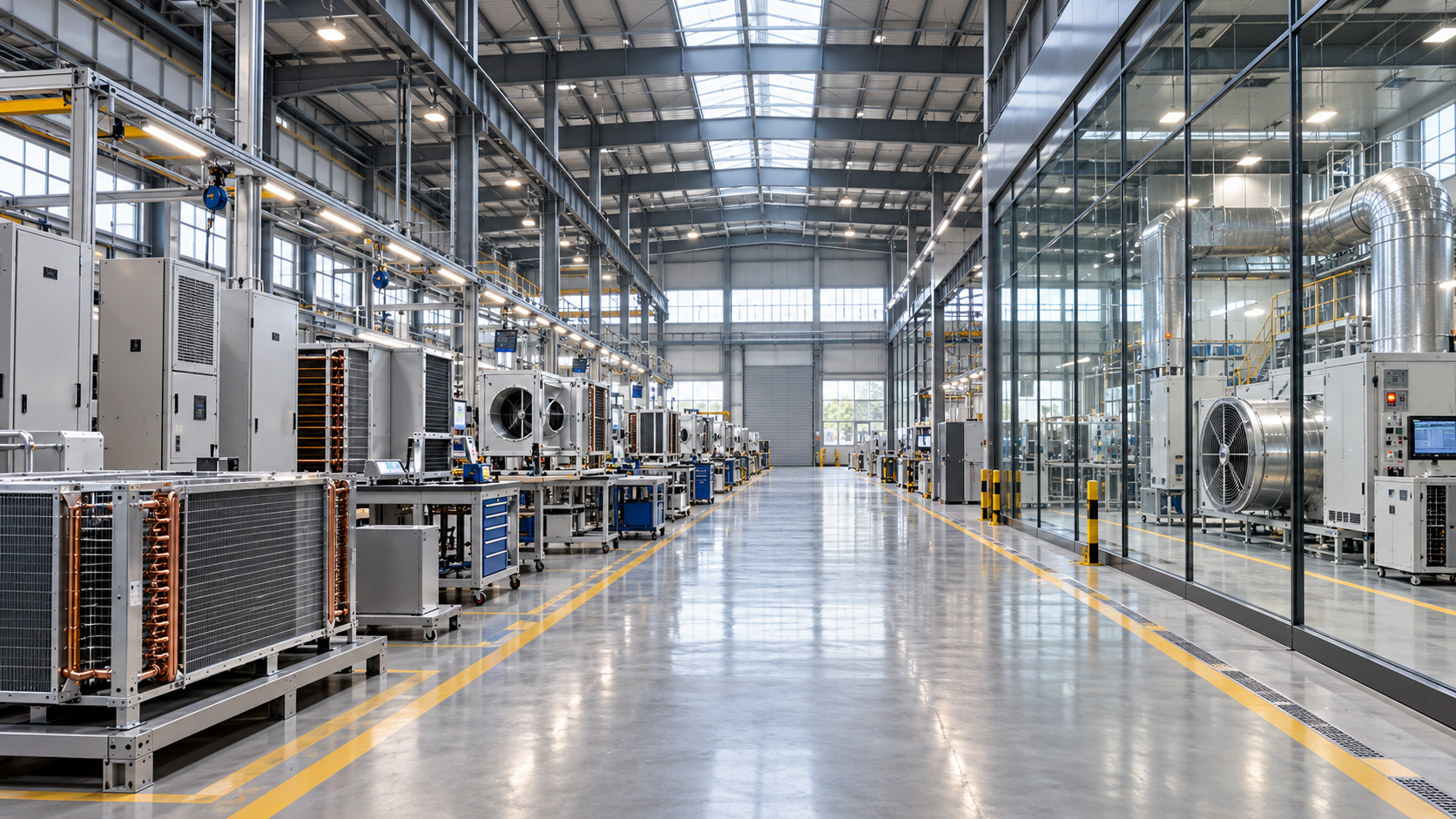
Firms assembling HVAC systems or process cooling infrastructure in Europe may source key subassemblies—such as compressor modules or control panels—from Asian suppliers. A stabilized Far East–Rotterdam lane improves visibility into inbound component arrival timing, supporting production planning continuity. The main impact lies in reduced buffer stock requirements and tighter alignment between procurement and assembly cycles.
Logistics Providers Serving Industrial Equipment Clients
Freight forwarders and NVOCCs specializing in project cargo or high-value industrial shipments face recalibration of routing options and pricing assumptions. With dedicated capacity now available for this equipment category, competitive quoting and service-level commitments—especially around transit time guarantees—require updated benchmark data and revised slot-booking protocols.
What Relevant Companies or Practitioners Should Monitor and Do Now
Track official service updates beyond initial launch statements
Monitor Maersk’s carrier advisories and port authority notices for confirmed vessel names, sailing schedules, cut-off deadlines, and any early operational adjustments—particularly regarding documentation requirements for equipment classification under the ‘Green Corridor’ allocation.
Validate applicability to specific equipment types and trade lanes
Confirm whether your shipments qualify for the dedicated service: only containers carrying chillers, cooling towers, or plate heat exchangers are eligible; mixed or non-qualifying cargo will not be accepted under this corridor. Also verify that origin ports (e.g., Ningbo, Shanghai, Yantian) and destination terminals (Rotterdam Maasvlakte II) align with current service coverage.
Distinguish between rate forecasts and realized spot pricing
The 22%–28% freight reduction is a forecast based on SCFI trends and stated capacity release—not yet a published contractual rate. Procurement and logistics teams should treat this as a directional signal rather than an immediate cost-saving baseline; actual negotiated rates remain subject to booking timing, container availability, and contract terms.
Update internal planning timelines for Q3 2026 deliveries
With expected delivery window expansion starting mid-June, reassess order placement dates for European-bound cooling equipment shipments scheduled for July–August 2026. Earlier booking may secure preferred sailings; delayed booking may still benefit from improved schedule adherence but risks capacity constraints during peak summer demand periods.
Editorial Perspective / Industry Observation
Observably, this initiative represents more than a new sailing—it reflects a concrete step toward structural normalization of Far East–Europe maritime connectivity after prolonged Red Sea disruption. Analysis shows the dedicated nature of the service (equipment-specific, frequency-guaranteed, terminal-aligned) suggests Maersk is prioritizing reliability over volume flexibility—a shift aligned with industrial shippers’ need for planning certainty. However, it remains a single carrier’s offering; broader market stabilization depends on parallel capacity restoration across other major alliances and continued absence of security-related rerouting. From an industry standpoint, this is best understood as an early operational signal—not yet a fully consolidated trend—but one warranting close tracking due to its specificity and timing.
Conclusion: The Maersk Rotterdam direct service marks a measurable inflection point in Red Sea route recovery, particularly for industrial cooling equipment supply chains. Its significance lies not in scale alone, but in its targeted design and timing—offering actionable planning leverage for affected stakeholders. Currently, it is more appropriately understood as an enabling condition for improved execution, rather than a comprehensive solution to systemic freight volatility.
Source: Maersk official announcement (May 30, 2026); Shanghai Containerized Freight Index (SCFI) public data series. Note: Freight rate forecast range (22%–28%) is forward-looking and subject to revision based on actual June 2026 market conditions.
Ready when you are. Send us a message to get started.
Related News
- How corrugation angle affects heat transfer in plate heat exchangersAuthor :Thermodynamics Analyst

- R22 Prices Retreat as China's Refrigerant Market Faces Tight Quotas and Soft DemandAuthor :Cryogenic Systems Expert

- How to select industrial equipment for automation with existing PLCsAuthor :

- Carrier Plans $600 Million Manufacturing and Engineering Center in Fort WorthAuthor :

- How electricity prices shape industrial compressed air price trendsAuthor :

- Chemours Faces Investor Lawsuit Over Opteon Refrigerant Sales ForecastsAuthor :Cryogenic Systems Expert

- Choosing air filtration systems for heavy dust in the Middle EastAuthor :

- LG Expands R290 Monobloc Heat Pump Range with New 12–16 kW ModelsAuthor :Cryogenic Systems Expert

- How to size a chiller for pharmaceutical cleanroom temperature controlAuthor :Cryogenic Systems Expert

- Kentucky Regulators Approve $191 Million Cooling Tower at Mitchell Coal PlantAuthor :Thermodynamics Analyst

- How much does a fully installed compressed air monitoring system cost?Author :

- What documentation supports CE marking for industrial equipment?Author :

- When do plate heat exchangers suit Middle East seawater cooling?Author :Thermodynamics Analyst

- EU Issues Updated Guidance on Industrial Refrigeration Efficiency and F-gas AlternativesAuthor :Cryogenic Systems Expert

- How does base pressure affect film purity in vacuum deposition?Author :Vacuum Process Fellow

- Do U.S. refrigerant regulations require replacing R-410A systems?Author :Cryogenic Systems Expert

- When does variable gas flow justify a custom screw compressor system?Author :Pneumatic Power Engineer

- How local support affects vacuum system costs in Southeast AsiaAuthor :

- How worldwide industry category guides help compare market opportunitiesAuthor :

- How to verify food-grade purity in compressed air systemsAuthor :Pneumatic Power Engineer

- When high-pressure waste heat recovery boilers make economic senseAuthor :Thermal Energy Strategist

- How to size compressed air equipment for pneumatic toolsAuthor :Pneumatic Power Engineer

- How to size vacuum process equipment for the required pump-down timeAuthor :Vacuum Process Fellow

- What determines the price of pure air compression systems?Author :Pneumatic Power Engineer

- How steam generation efficiency shapes thermal power system designAuthor :Thermal Energy Strategist

- What drives sustainable thermal systems cost over their operating life?Author :

- Which vacuum specification best protects semiconductor process yield?Author :Vacuum Process Fellow

- When do smart thermal systems with sensors reduce chiller energy use?Author :Cryogenic Systems Expert

- When does gasketed plate heat exchanger technology suit your process?Author :Thermodynamics Analyst

- How to size oil-free compressors for instrumentation air demandAuthor :Pneumatic Power Engineer

- How Class 0 oil-free compressors protect product quality in food productionAuthor :Pneumatic Power Engineer

- Which industrial solution comparison criteria prevent project delays?Author :

- Chiller Optimization Checklist for Rising Energy Use and Unstable Cooling OutputAuthor :Cryogenic Systems Expert

- How to Specify a High-Precision Temperature Chiller for Tight-Tolerance ProcessesAuthor :Cryogenic Systems Expert

- Designing Energy-Efficient Industrial Cooling for Variable Process LoadsAuthor :Cryogenic Systems Expert

- Low-GWP Cooling Solutions for Process Plants: Comparing Safety, Efficiency, and CostAuthor :Cryogenic Systems Expert