China’s R290 Compressor Makers Gain UL 60335-2-89 Certification




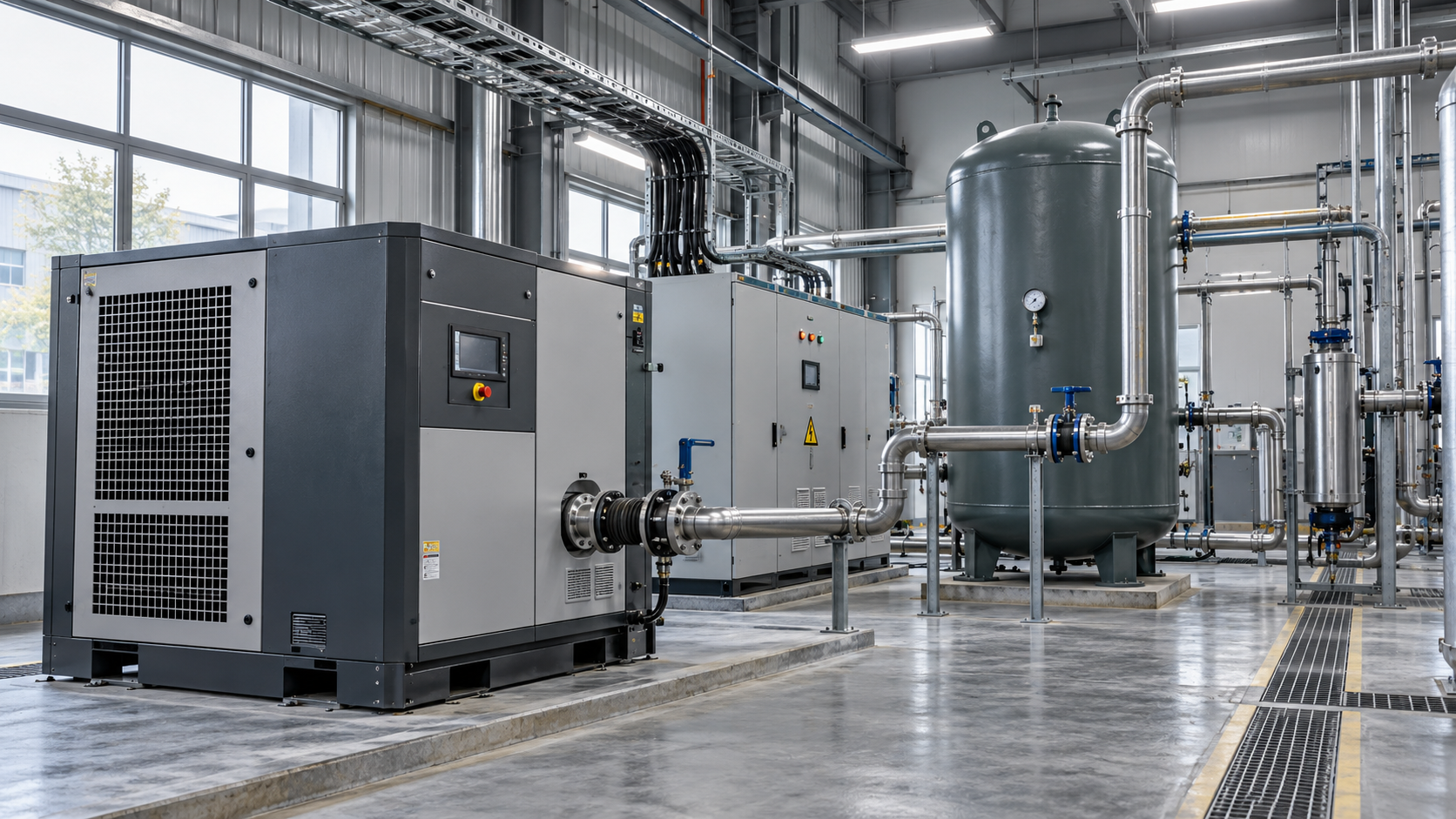
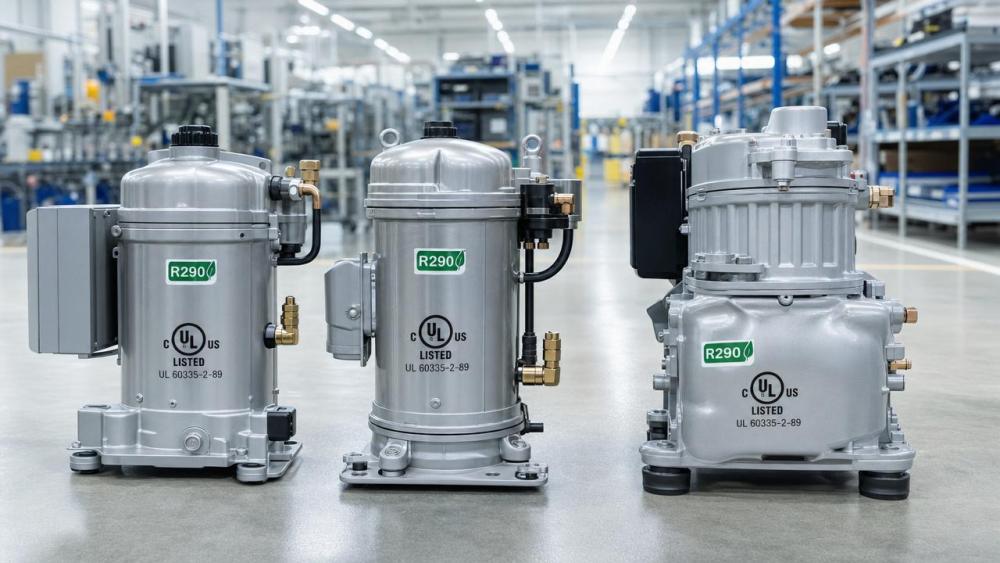
On May 28, 2026, three Chinese industrial refrigeration compressor manufacturers—including Songyang and a subsidiary of Bingshan—secured UL 60335-2-89 certification for R290-based scroll and piston compressors. This marks the first time domestically produced low-GWP refrigerant systems have cleared critical safety certification for market access in North America, Australia, and Southeast Asia. Refrigeration equipment integrators, cold chain logistics providers, and HVAC OEMs serving these regions should monitor implications closely: this certification removes a major technical barrier to commercial deployment of R290-based cold storage and unitary systems.
Event Overview
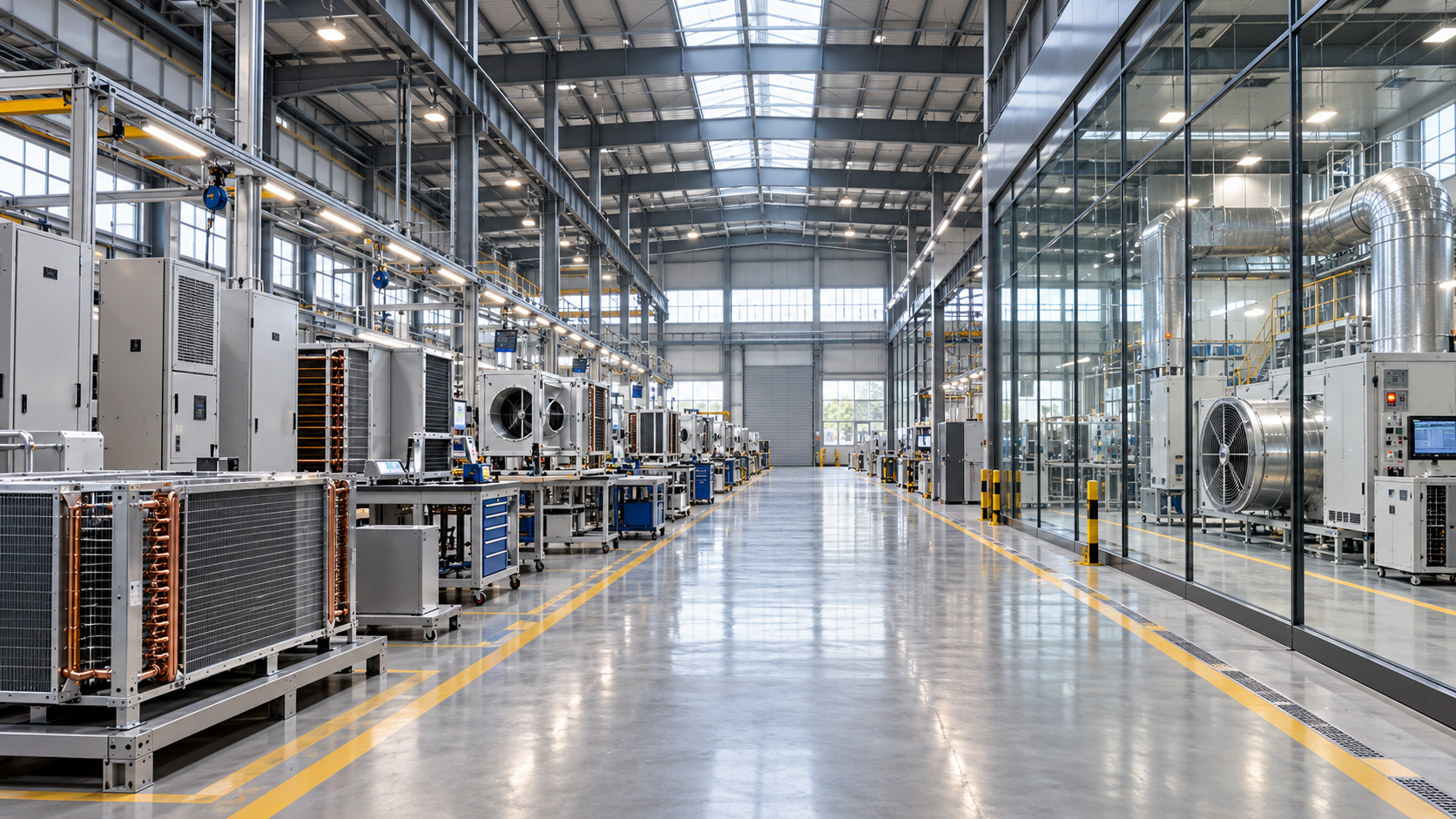
On May 28, 2026, UL issued UL 60335-2-89防爆 (explosion-proof) certification for R290 scroll and piston compressors to three Chinese manufacturers: Songyang and a Bingshan Group subsidiary (among others). The certification covers complete compressor units—not just components—and confirms compliance with international safety requirements for household and similar appliances using flammable refrigerants. Production capacity expansion for R290 systems is reported at 120% of original planning, with stable export supply of customized R290 cold storage units and piston compressor units expected from Q3 2026.
Impact on Specific Industry Segments
Direct Export Trading Companies
These firms face revised technical due diligence requirements when sourcing R290-based compressors or cold storage units for North America, Australia, or ASEAN markets. Previously, lack of UL 60335-2-89 certification limited viable suppliers to non-Chinese OEMs or required costly local re-certification. Now, certified Chinese units can be imported as compliant finished goods—reducing lead times and compliance overhead.
Refrigeration System Integrators & OEMs
Integrators designing cold rooms, transport refrigeration units, or plug-in chillers now have access to pre-certified, scalable R290 compressor platforms. Impact includes shorter product development cycles and reduced third-party testing costs—but also introduces new design responsibilities around system-level flammability risk management, ventilation, and installation guidance per local codes.
Supply Chain & Logistics Service Providers
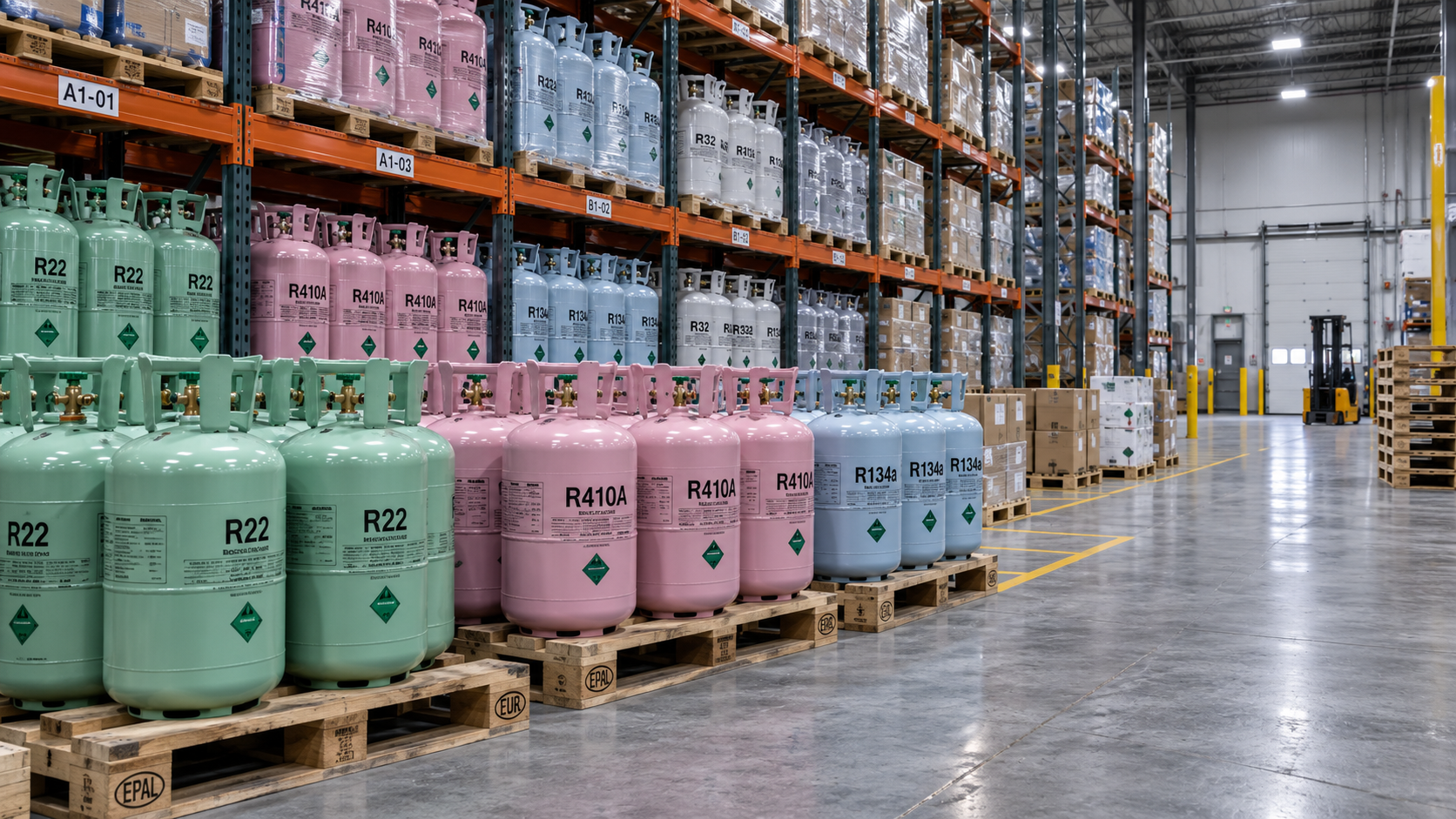
Transport and warehousing of R290-equipped units may require updated handling protocols. Though R290 itself remains classified as A3 (flammable) under ISO 8504, UL 60335-2-89 certification does not automatically override national transport regulations (e.g., UN 3159 labeling, IATA/IMDG restrictions). Providers must verify whether certified end-products qualify for relaxed classification in destination jurisdictions.
Component Sourcing & Procurement Teams
Procurement departments sourcing compressors, heat exchangers, or control modules for R290 systems now need to distinguish between UL-certified *complete units* and uncertified subassemblies. Integration into non-certified host systems may void the certification—so traceability, documentation handover, and supplier qualification processes require tightening.
Key Considerations for Enterprises and Practitioners
Monitor jurisdiction-specific implementation timelines
UL 60335-2-89 certification is necessary but not sufficient for market entry. Regulatory bodies in target countries (e.g., Health Canada, Australian Refrigeration Council, Singapore EMA) retain authority over registration, labeling, installer licensing, and field service rules. Enterprises should track official updates—not just certification announcements—to align go-to-market timing.
Verify scope and configuration coverage of each certification
UL certificates are model-specific and include defined operating conditions (e.g., ambient temperature range, voltage, refrigerant charge limits). Export orders must match certified configurations exactly. Deviations—even minor ones like alternate mounting brackets or firmware versions—may require re-submission and delay shipment.
Distinguish between certification readiness and operational scalability
While production expansion is reported at 120%, this reflects capital investment—not necessarily sustained yield, quality consistency, or global after-sales support infrastructure. Buyers should assess actual order fulfillment history, spare parts availability, and technical documentation localization (e.g., English-language service manuals compliant with ANSI/UL standards) before committing to volume procurement.
Prepare for downstream compliance handover
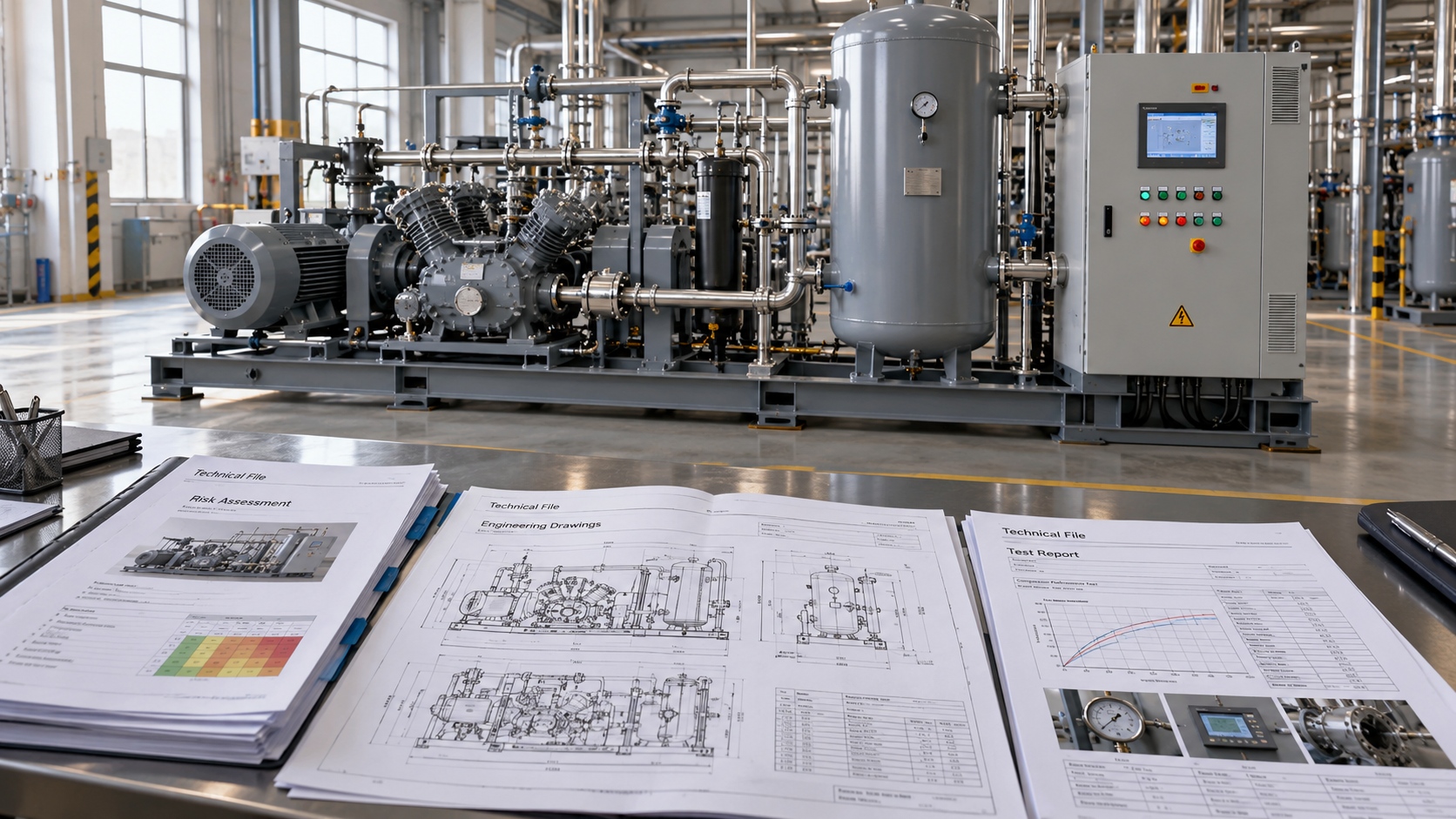
Certified compressors embedded in larger systems (e.g., walk-in freezers, rooftop units) do not automatically confer certification to the final product. OEMs must retain full documentation, perform system-level risk assessments, and submit integrated units for separate evaluation where required. Internal cross-functional alignment—between procurement, engineering, and regulatory affairs—is essential.
Editorial Perspective / Industry Observation
Observably, this certification milestone is less a near-term volume inflection point and more a structural enabler: it validates that Chinese manufacturers can meet stringent international safety benchmarks for flammable refrigerants—not just technically, but across documentation, testing rigor, and audit readiness. Analysis shows the pace of capacity ramp-up (120%) suggests strong forward demand signals, likely driven by tightening F-gas phase-down timelines in key export markets. However, this remains a *supply-side readiness signal*, not yet evidence of broad buyer adoption or regulatory harmonization. From an industry perspective, the greater significance lies in accelerated standardization pathways—making future certifications for R290 condensing units, controllers, or full cold room packages more predictable and replicable.
Conclusion: This development represents a meaningful step toward technical parity for Chinese R290 refrigeration equipment in regulated markets—but its real-world impact depends on how quickly downstream stakeholders (OEMs, installers, regulators) integrate certified components into compliant, commercially viable solutions. It is better understood as a foundational capability milestone than as an immediate market shift.
Source Attribution: Public announcement by UL; confirmed capacity and timeline data from official statements by involved manufacturers (Songyang, Bingshan Group); no third-party verification or independent testing reports cited. Ongoing monitoring is recommended for regulatory adoption status in target markets—particularly Canada’s updated SR&ED refrigerant guidelines and Australia’s ARCTIC program updates, both pending formal publication as of mid-2026.
Ready when you are. Send us a message to get started.
Related News
- How corrugation angle affects heat transfer in plate heat exchangersAuthor :Thermodynamics Analyst

- R22 Prices Retreat as China's Refrigerant Market Faces Tight Quotas and Soft DemandAuthor :Cryogenic Systems Expert

- How to select industrial equipment for automation with existing PLCsAuthor :

- Carrier Plans $600 Million Manufacturing and Engineering Center in Fort WorthAuthor :

- How electricity prices shape industrial compressed air price trendsAuthor :

- Chemours Faces Investor Lawsuit Over Opteon Refrigerant Sales ForecastsAuthor :Cryogenic Systems Expert

- Choosing air filtration systems for heavy dust in the Middle EastAuthor :

- LG Expands R290 Monobloc Heat Pump Range with New 12–16 kW ModelsAuthor :Cryogenic Systems Expert

- How to size a chiller for pharmaceutical cleanroom temperature controlAuthor :Cryogenic Systems Expert

- Kentucky Regulators Approve $191 Million Cooling Tower at Mitchell Coal PlantAuthor :Thermodynamics Analyst

- How much does a fully installed compressed air monitoring system cost?Author :

- What documentation supports CE marking for industrial equipment?Author :

- When do plate heat exchangers suit Middle East seawater cooling?Author :Thermodynamics Analyst

- EU Issues Updated Guidance on Industrial Refrigeration Efficiency and F-gas AlternativesAuthor :Cryogenic Systems Expert

- How does base pressure affect film purity in vacuum deposition?Author :Vacuum Process Fellow

- Do U.S. refrigerant regulations require replacing R-410A systems?Author :Cryogenic Systems Expert

- When does variable gas flow justify a custom screw compressor system?Author :Pneumatic Power Engineer

- How local support affects vacuum system costs in Southeast AsiaAuthor :

- How worldwide industry category guides help compare market opportunitiesAuthor :

- How to verify food-grade purity in compressed air systemsAuthor :Pneumatic Power Engineer

- When high-pressure waste heat recovery boilers make economic senseAuthor :Thermal Energy Strategist

- How to size compressed air equipment for pneumatic toolsAuthor :Pneumatic Power Engineer

- How to size vacuum process equipment for the required pump-down timeAuthor :Vacuum Process Fellow

- What determines the price of pure air compression systems?Author :Pneumatic Power Engineer

- How steam generation efficiency shapes thermal power system designAuthor :Thermal Energy Strategist

- What drives sustainable thermal systems cost over their operating life?Author :

- Which vacuum specification best protects semiconductor process yield?Author :Vacuum Process Fellow

- When do smart thermal systems with sensors reduce chiller energy use?Author :Cryogenic Systems Expert

- When does gasketed plate heat exchanger technology suit your process?Author :Thermodynamics Analyst

- How to size oil-free compressors for instrumentation air demandAuthor :Pneumatic Power Engineer

- How Class 0 oil-free compressors protect product quality in food productionAuthor :Pneumatic Power Engineer

- Which industrial solution comparison criteria prevent project delays?Author :

- Chiller Optimization Checklist for Rising Energy Use and Unstable Cooling OutputAuthor :Cryogenic Systems Expert

- How to Specify a High-Precision Temperature Chiller for Tight-Tolerance ProcessesAuthor :Cryogenic Systems Expert

- Designing Energy-Efficient Industrial Cooling for Variable Process LoadsAuthor :Cryogenic Systems Expert

- Low-GWP Cooling Solutions for Process Plants: Comparing Safety, Efficiency, and CostAuthor :Cryogenic Systems Expert