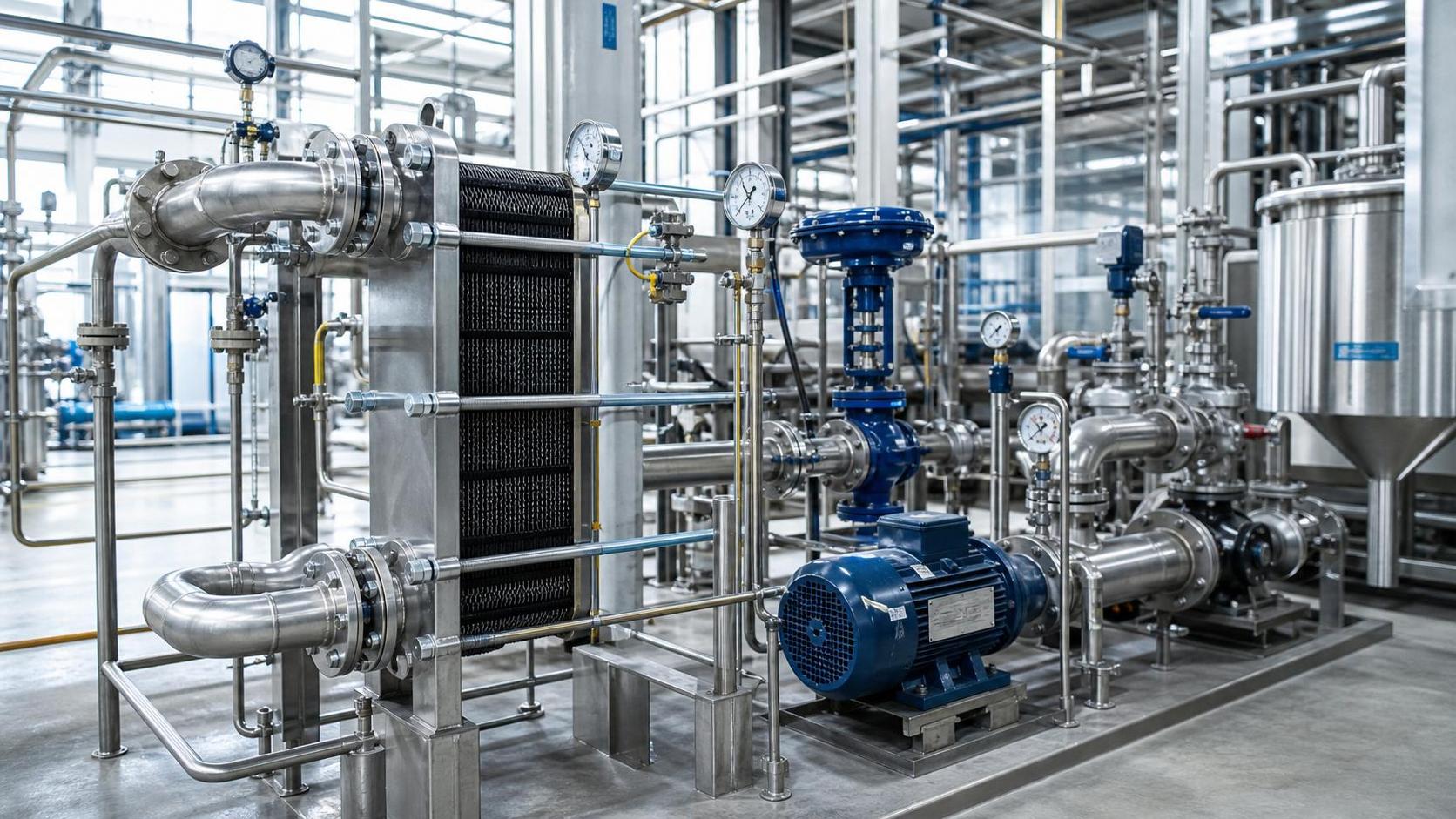
Heat Exchanger Technology Trends to Watch in 2026




As industrial facilities face tighter efficiency targets, stricter emissions rules, and rising demand for precise thermal control, heat exchanger technology is entering a decisive phase in 2026. For technical evaluators, the challenge is no longer simply comparing surface area or pressure drop—it is understanding how materials, digital monitoring, compact designs, and low-carbon system integration will reshape lifecycle performance. This article highlights the key trends worth watching and the evaluation factors that can help identify resilient, future-ready heat exchange solutions.
Why heat exchanger technology is becoming a strategic evaluation issue in 2026
Heat exchanger technology now sits at the intersection of energy cost, production reliability, carbon reporting, and process quality. That makes evaluation more complex.
In food processing, pharmaceuticals, semiconductors, chemicals, data centers, refrigeration, hydrogen, and compressed air systems, thermal performance directly affects uptime and yield.
Technical evaluators must judge not only datasheet capacity, but also fouling behavior, cleaning access, refrigerant compatibility, flow stability, and controls integration.
- Energy volatility increases the value of low approach temperatures, reduced pumping power, and heat recovery integration.
- Emission rules create pressure to support low-GWP refrigerants, electrified heating, waste heat reuse, and lower process steam demand.
- Production quality requirements demand tighter thermal control, especially where product viscosity, purity, or humidity varies during operation.
- Capital budgets remain constrained, so total cost of ownership is often more persuasive than first purchase price.
GTC-Matrix tracks these shifts through thermodynamic analysis, pneumatic power engineering insight, and industrial economics, helping evaluators connect component choices with system outcomes.
Trend 1: Compact and high-surface-density designs move beyond niche applications
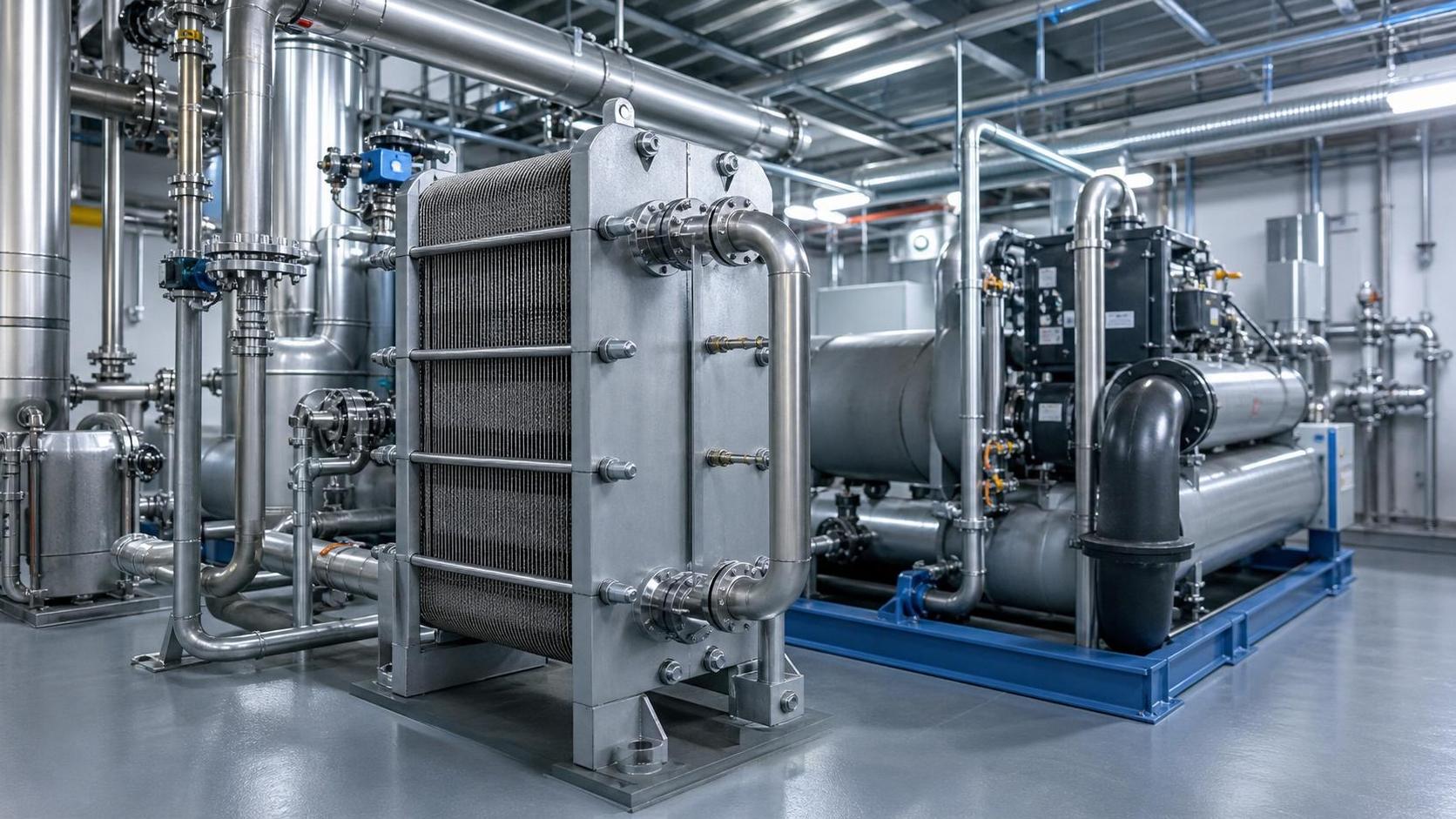
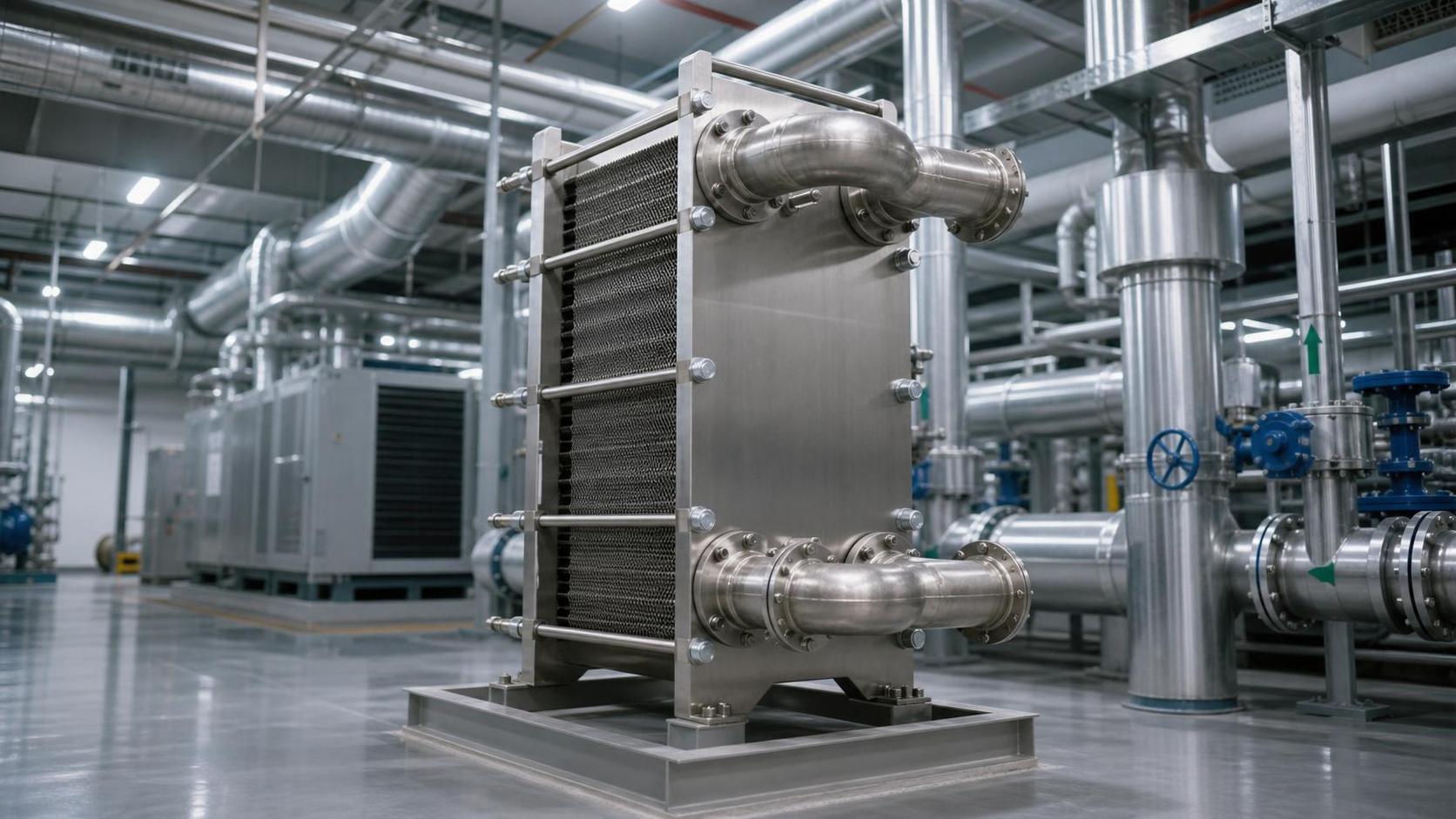
Compact heat exchanger technology is gaining attention because many facilities need more capacity without expanding plant rooms or utility corridors.
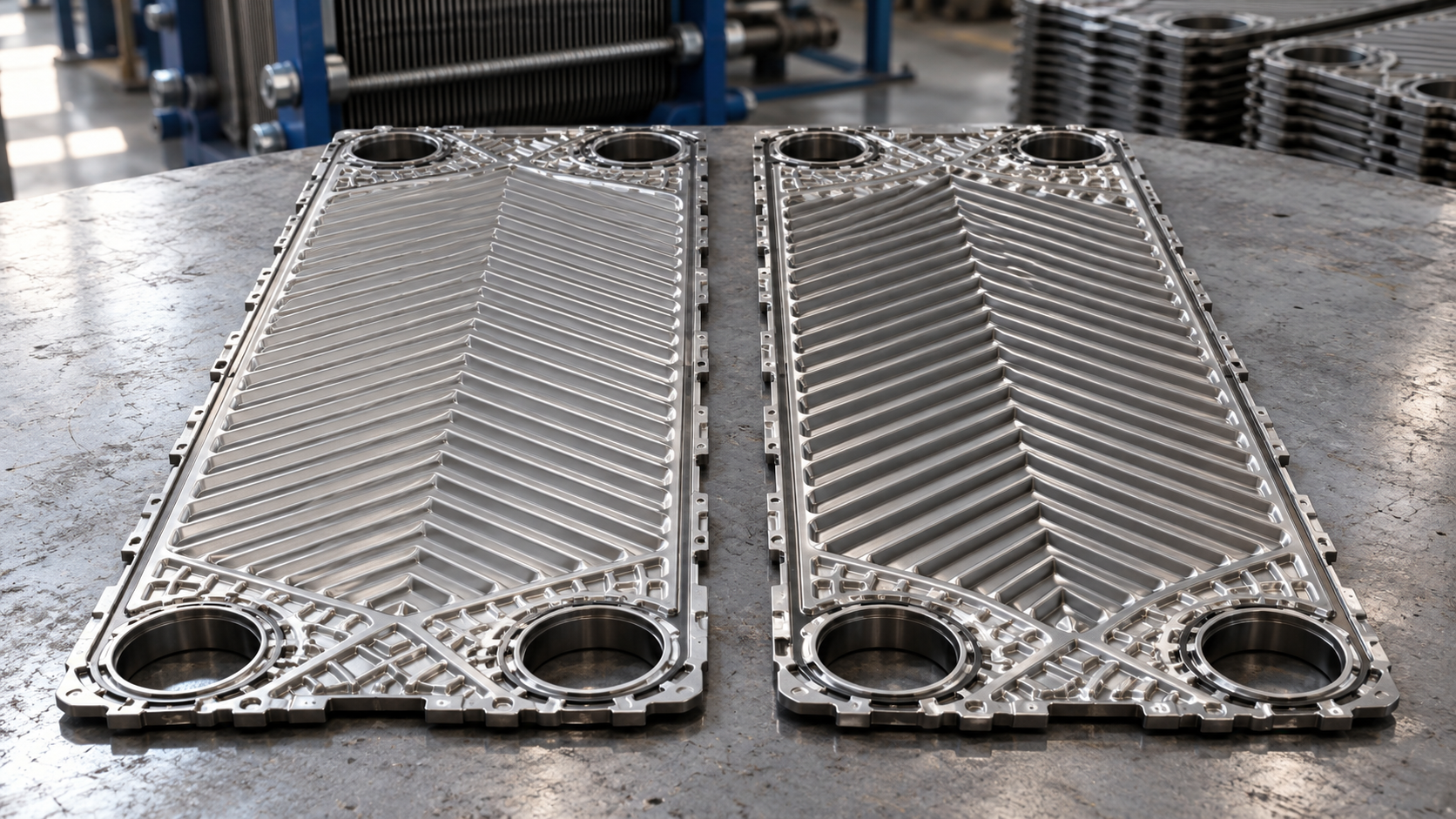
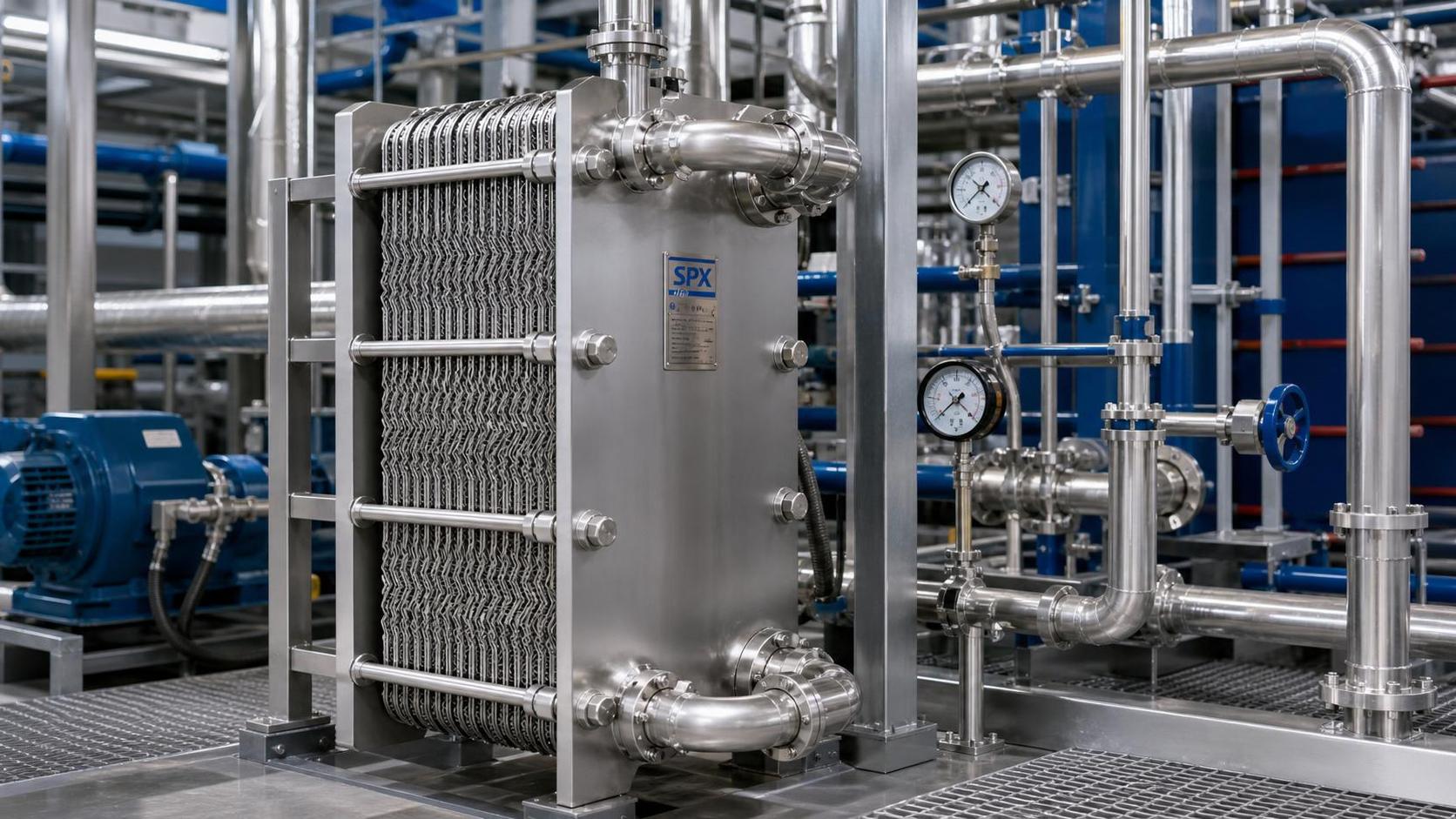
Microchannel, printed circuit, brazed plate, and advanced fin geometries can improve heat transfer density when fluids and contamination risks are suitable.
The procurement risk is misapplication. A compact unit may underperform if fouling, poor filtration, or uneven flow distribution is not addressed early.
The following comparison helps technical evaluators match compact heat exchanger technology with real operating environments, rather than choosing by footprint alone.
Compactness should be treated as a system advantage only when filtration, access, pressure drop, and lifecycle maintenance are included in the selection model.
Trend 2: Materials selection becomes a lifecycle risk control tool
In 2026, material decisions will increasingly determine whether heat exchanger technology remains efficient after years of fouling, corrosion, and cycling.
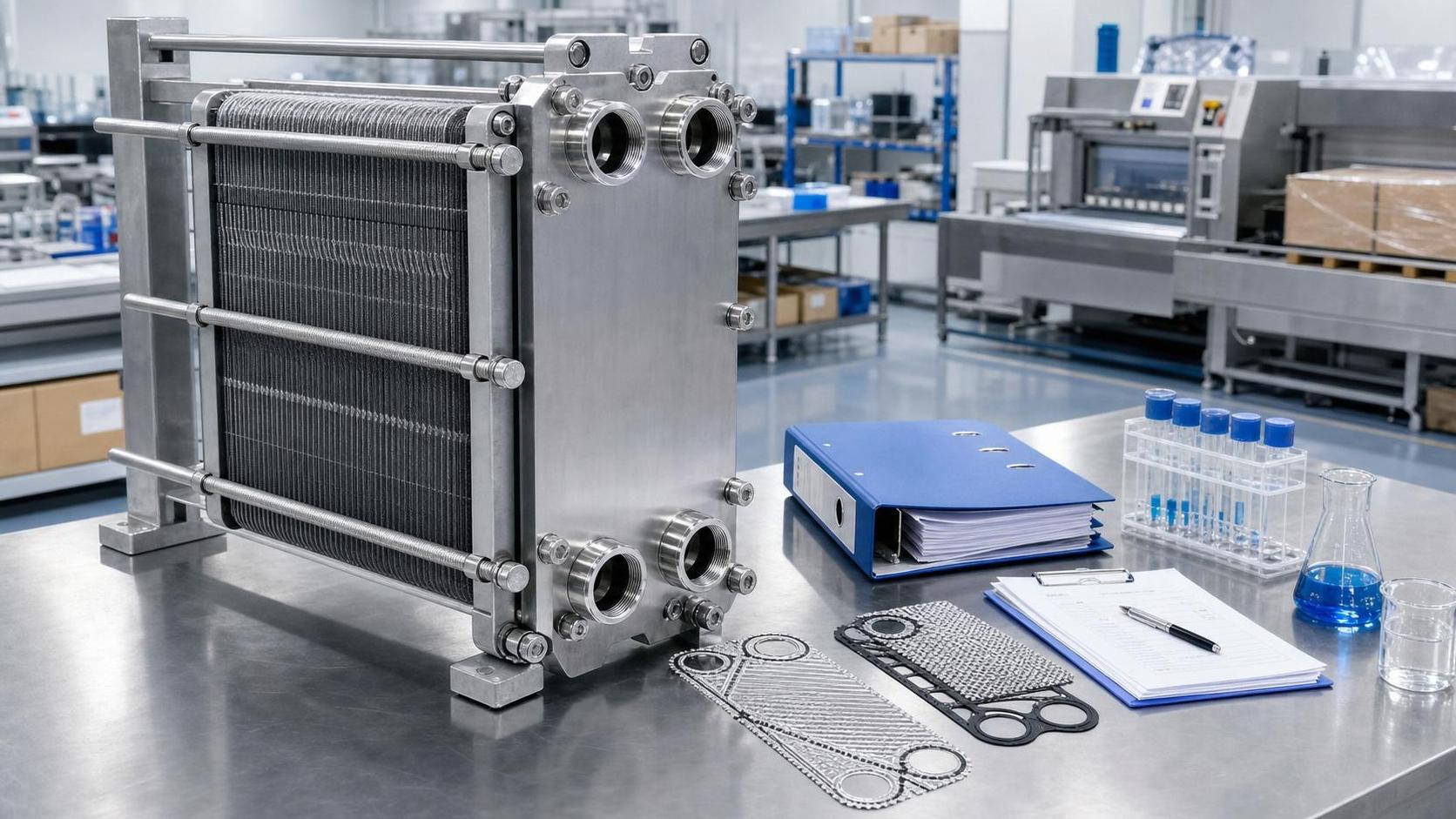
Stainless steels, titanium, nickel alloys, coated aluminum, copper alloys, and polymer-based options each address different corrosion and purity constraints.
Technical evaluators should request fluid chemistry, chloride levels, pH range, cleaning agents, operating temperature cycles, and contamination sensitivity before shortlisting suppliers.
Material questions evaluators should ask before approving a design
- Will the unit face intermittent operation, condensation, or stagnant fluid conditions that accelerate local corrosion?
- Can the surface tolerate planned clean-in-place chemicals, descaling frequency, and sanitation temperature?
- Does the application require low particle shedding, hygienic design, or avoidance of copper contamination?
- Is there enough documented operating margin for pressure, vibration, and thermal fatigue?
GTC-Matrix monitors material adoption across refrigeration, compressed air dryers, vacuum processes, and industrial cooling, where failures often start as underestimated chemistry risks.
Trend 3: Digital monitoring changes how performance is verified
Digitalized heat exchanger technology is moving from optional instrumentation to a practical requirement for facilities that must prove efficiency over time.
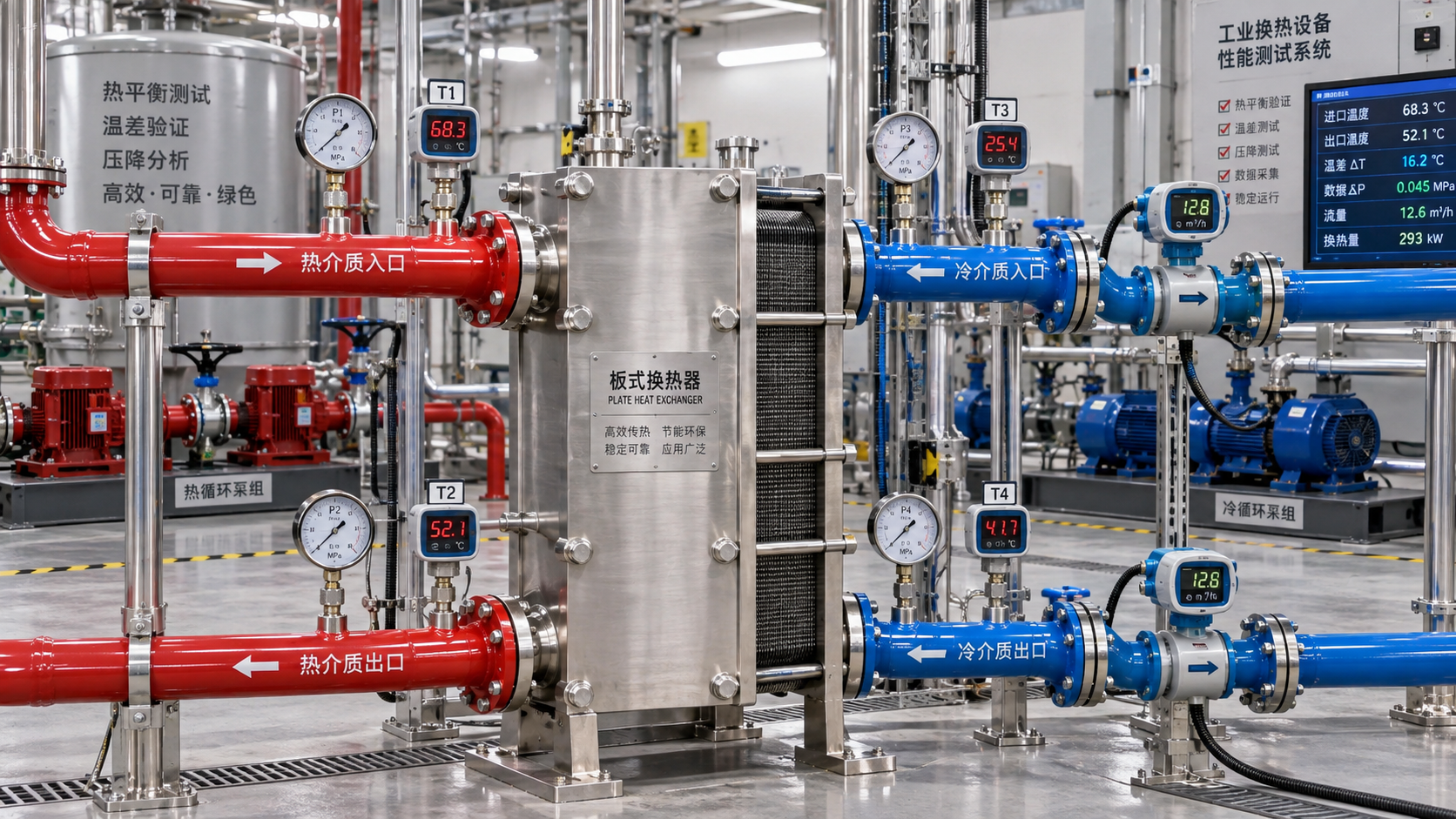
Sensors for inlet temperature, outlet temperature, flow, pressure drop, vibration, conductivity, and fouling indicators enable performance tracking beyond annual inspection.
For technical evaluators, the key is not adding every sensor. It is defining which data supports maintenance decisions and energy reporting.
The table below summarizes practical parameters that help compare smart heat exchanger technology during technical and commercial review.
A smart unit should create actionable maintenance signals. If the data does not guide cleaning, load shifting, or inspection, its value is limited.
Trend 4: Low-carbon integration reshapes design boundaries
Heat exchanger technology is increasingly evaluated as part of a decarbonized thermal system, not as an isolated mechanical component.
Industrial heat pumps, waste heat recovery, low-GWP refrigeration, thermal storage, and electrified process heating all depend on reliable heat transfer.
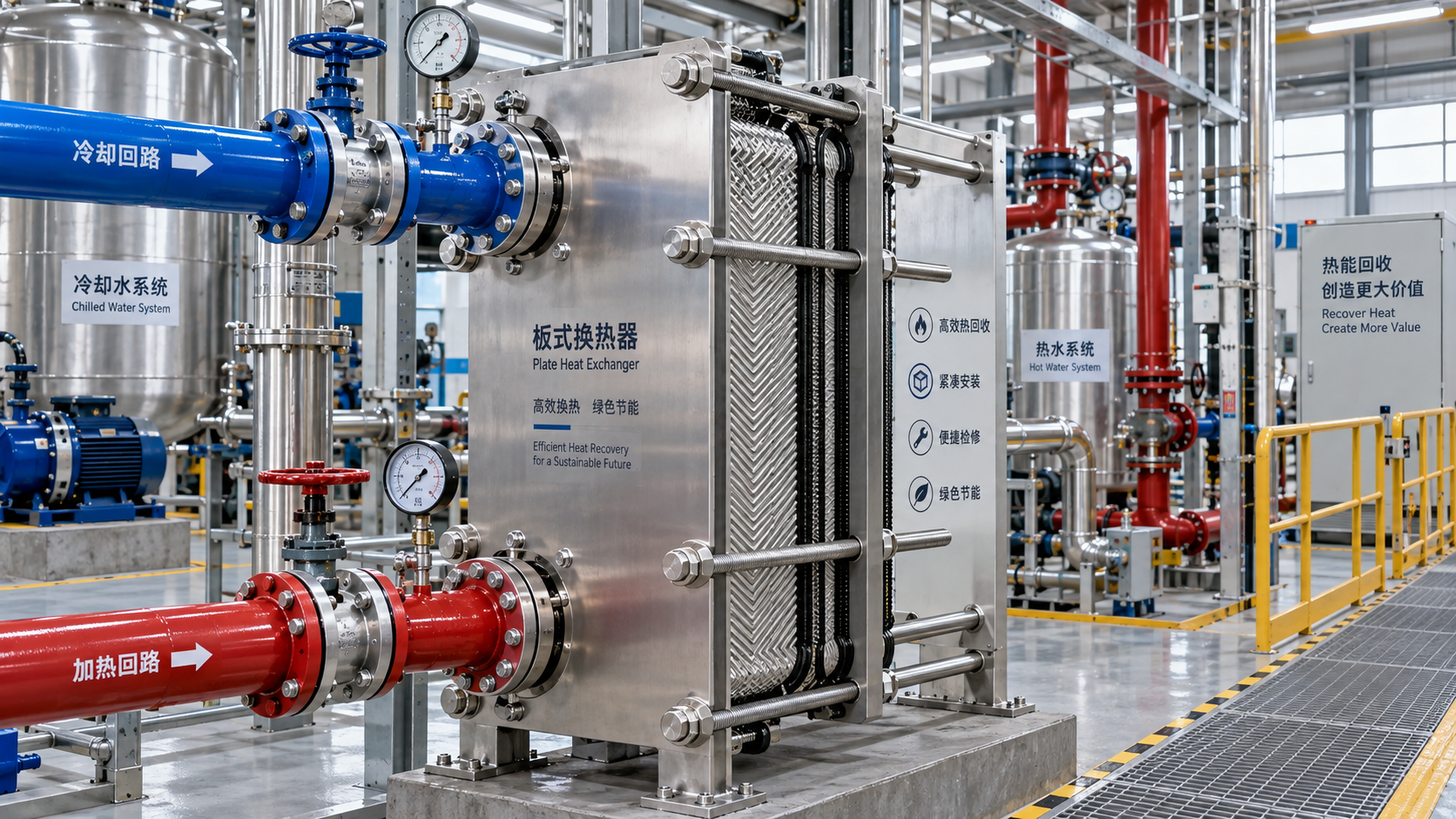
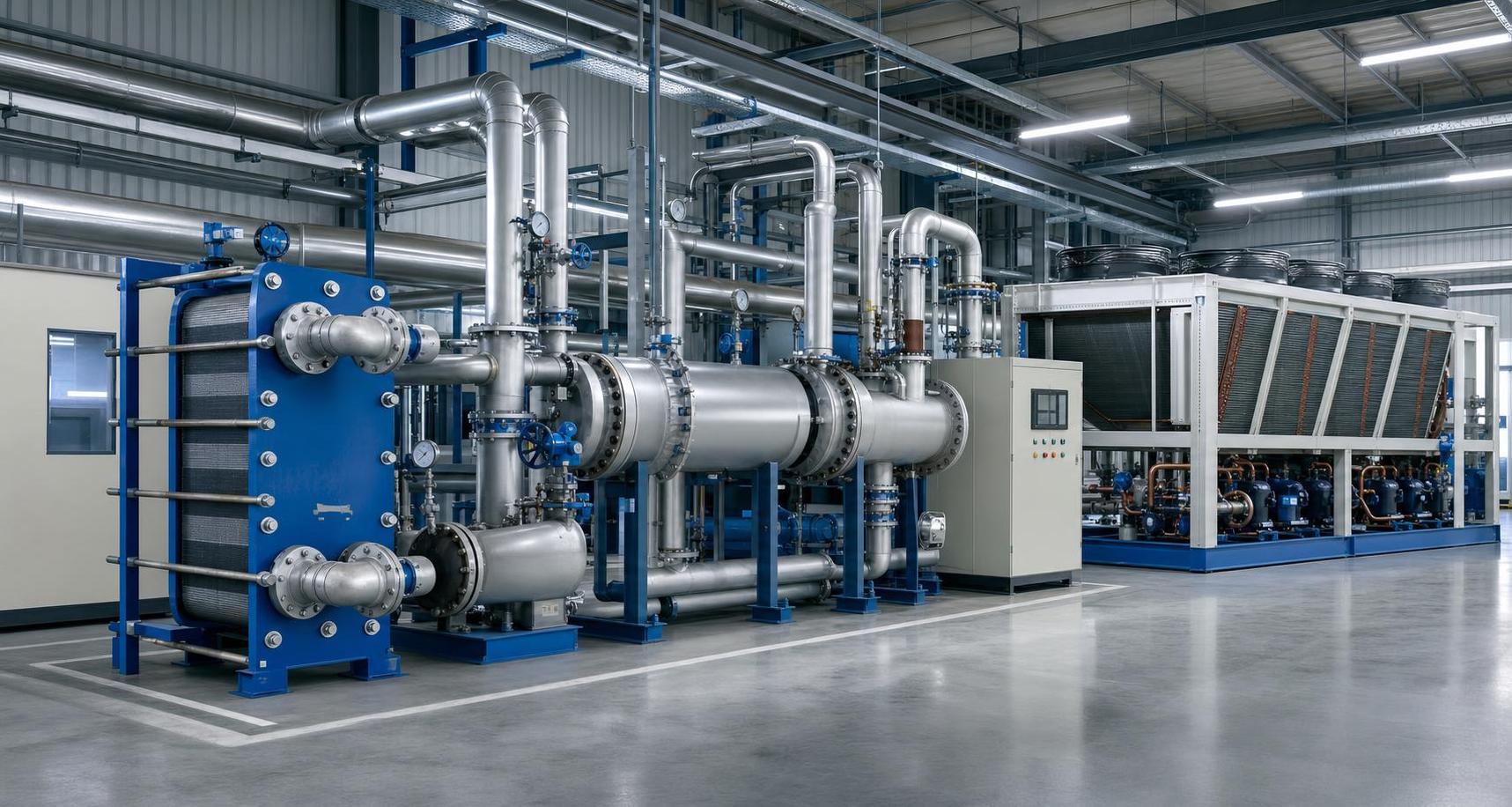
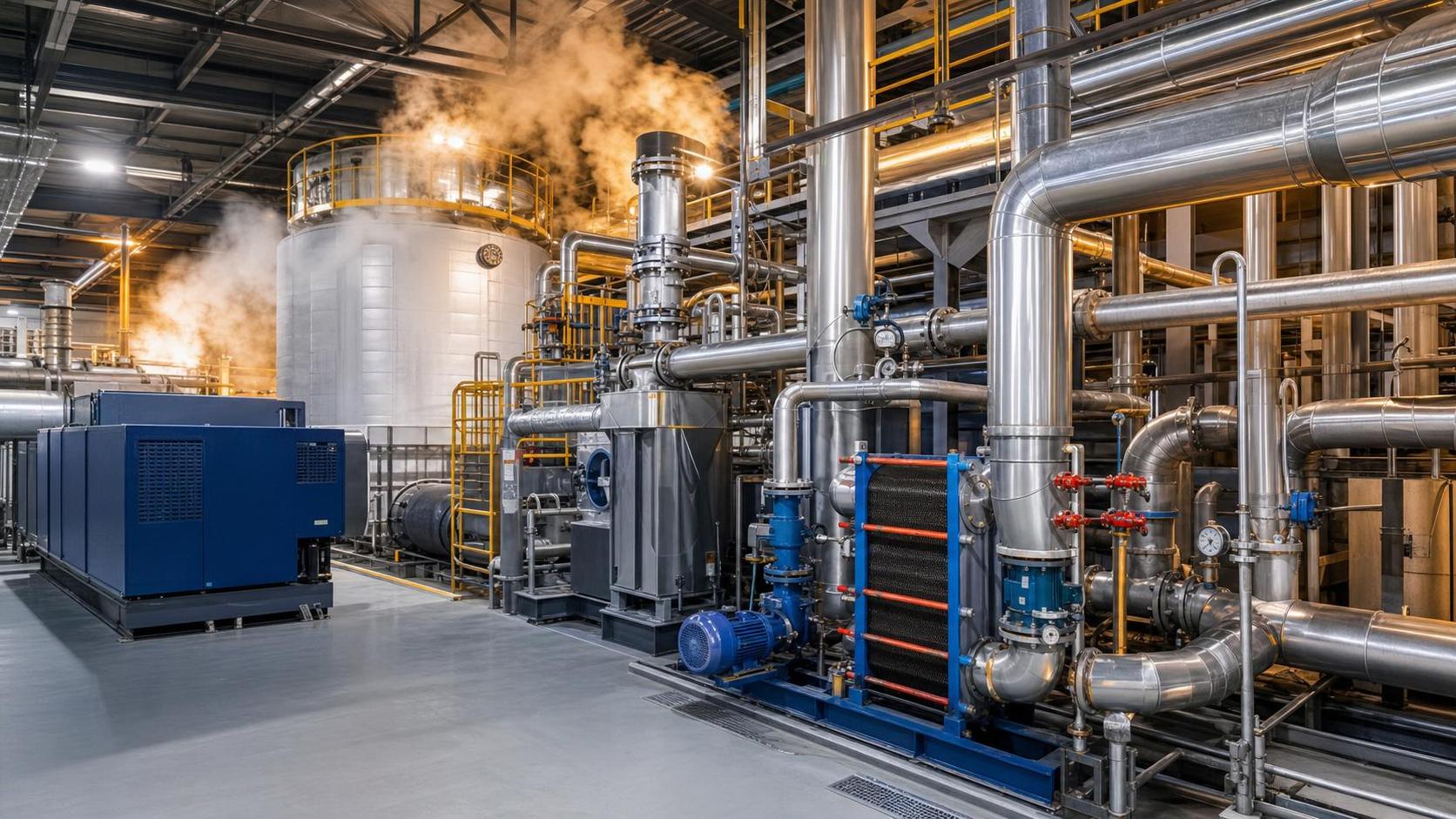
In compressed air rooms, for example, heat recovery from oil-free compressors can support hot water loops if exchanger sizing and controls are aligned.
Where low-carbon evaluation usually fails
- The project team calculates theoretical recovered heat but ignores seasonal demand, storage limits, and maintenance bypass operation.
- The selected exchanger achieves high transfer efficiency but adds pumping power that weakens the overall energy case.
- The system uses a lower-GWP refrigerant without verifying pressure rating, oil compatibility, and service procedures.
- Carbon reporting focuses on equipment labels rather than measured energy use, operating hours, and process output.
GTC-Matrix’s Strategic Intelligence Center evaluates these interactions across cooling, vacuum, compression, and heat exchange technologies to support evidence-based decisions.
How should technical evaluators compare options before procurement?
A strong procurement process translates operating uncertainty into review criteria. This is especially important when heat exchanger technology affects multiple departments.
Engineering may prioritize duty and pressure drop, maintenance may prioritize cleaning access, while finance may focus on payback and replacement risk.
Use the following checklist to structure supplier discussions and avoid approving a unit that only performs well under ideal conditions.
This procurement structure helps technical evaluators compare heat exchanger technology on operational fit, not only on quoted capacity or initial cost.
Which standards and compliance factors deserve attention?
Compliance expectations vary by country, pressure level, sector, and fluid hazard. Evaluators should define these requirements before supplier quotation.
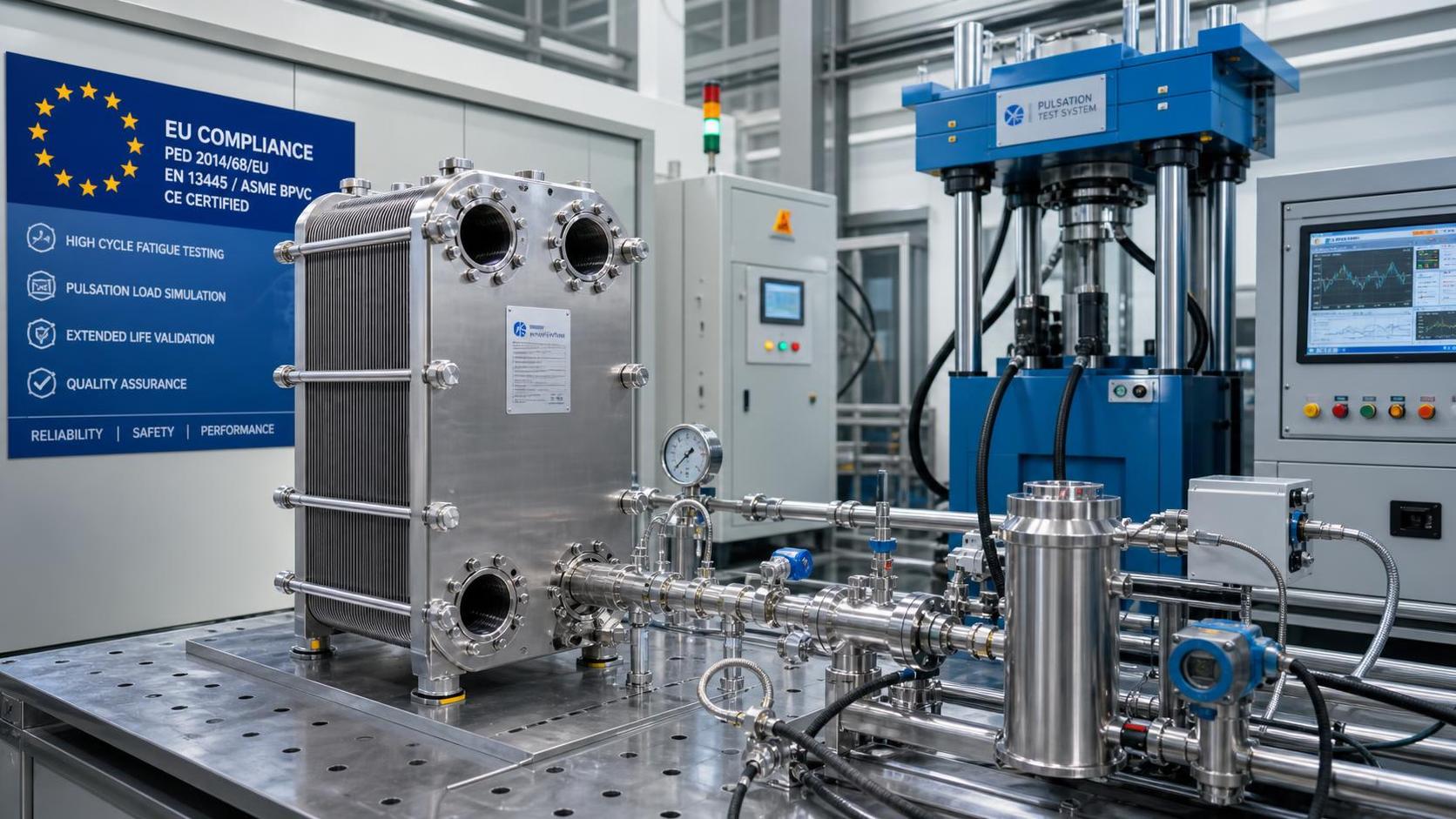
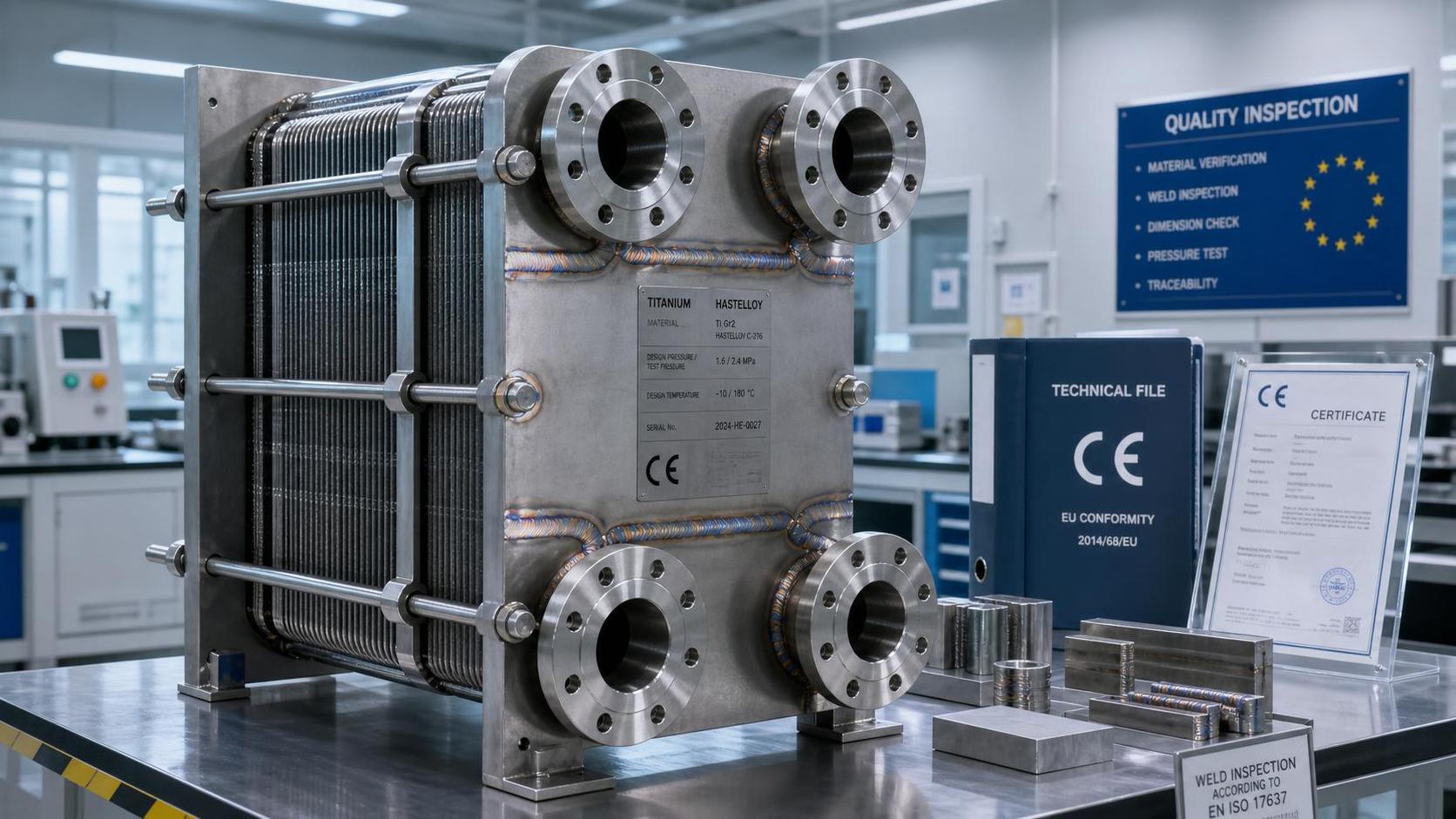
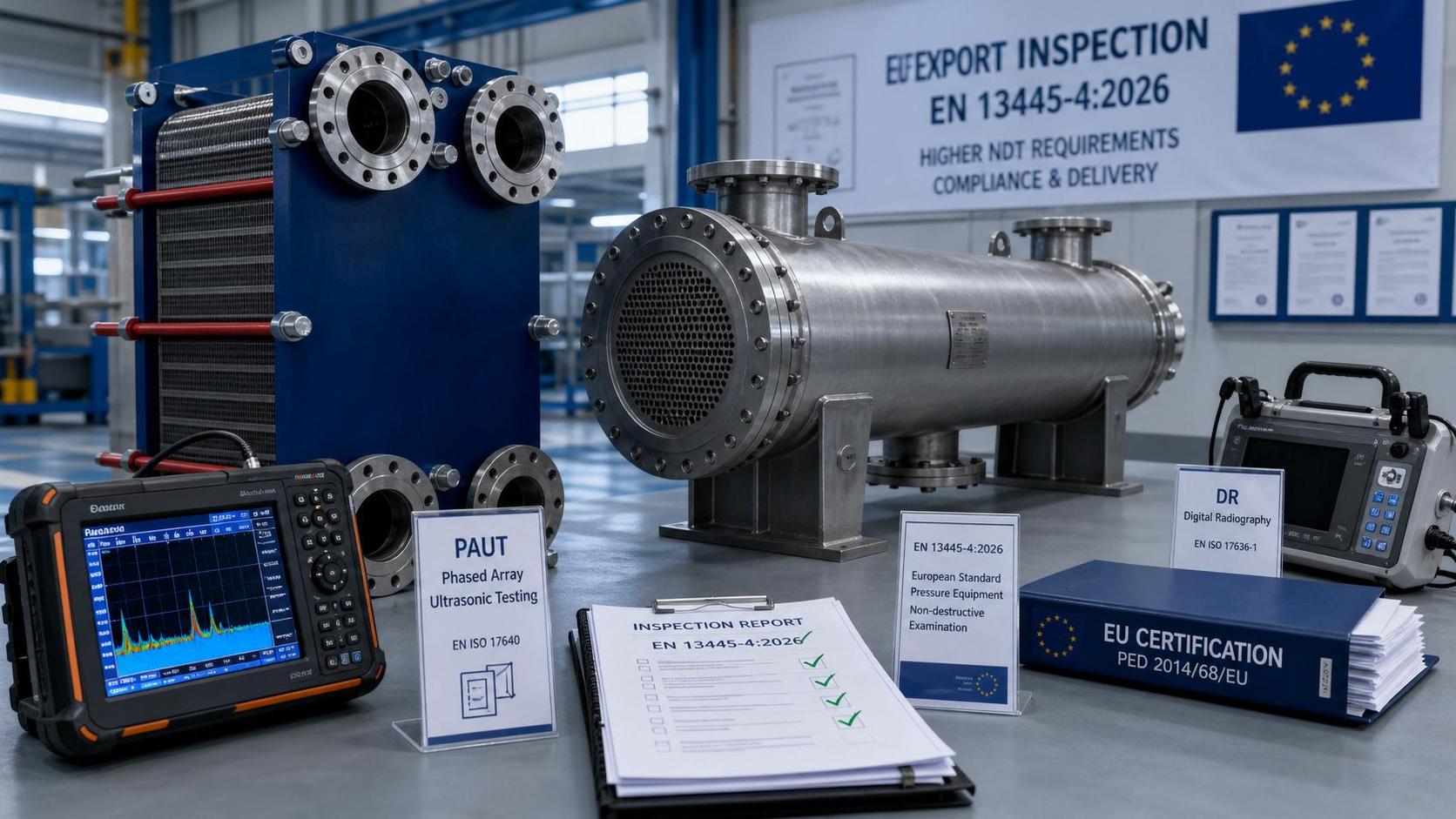
Relevant references may include ASME pressure vessel practices, PED requirements in European markets, ISO management systems, AHRI performance programs, or hygienic design guidance.
No single standard proves suitability. The correct approach is aligning heat exchanger technology with the site’s regulatory, safety, and documentation obligations.
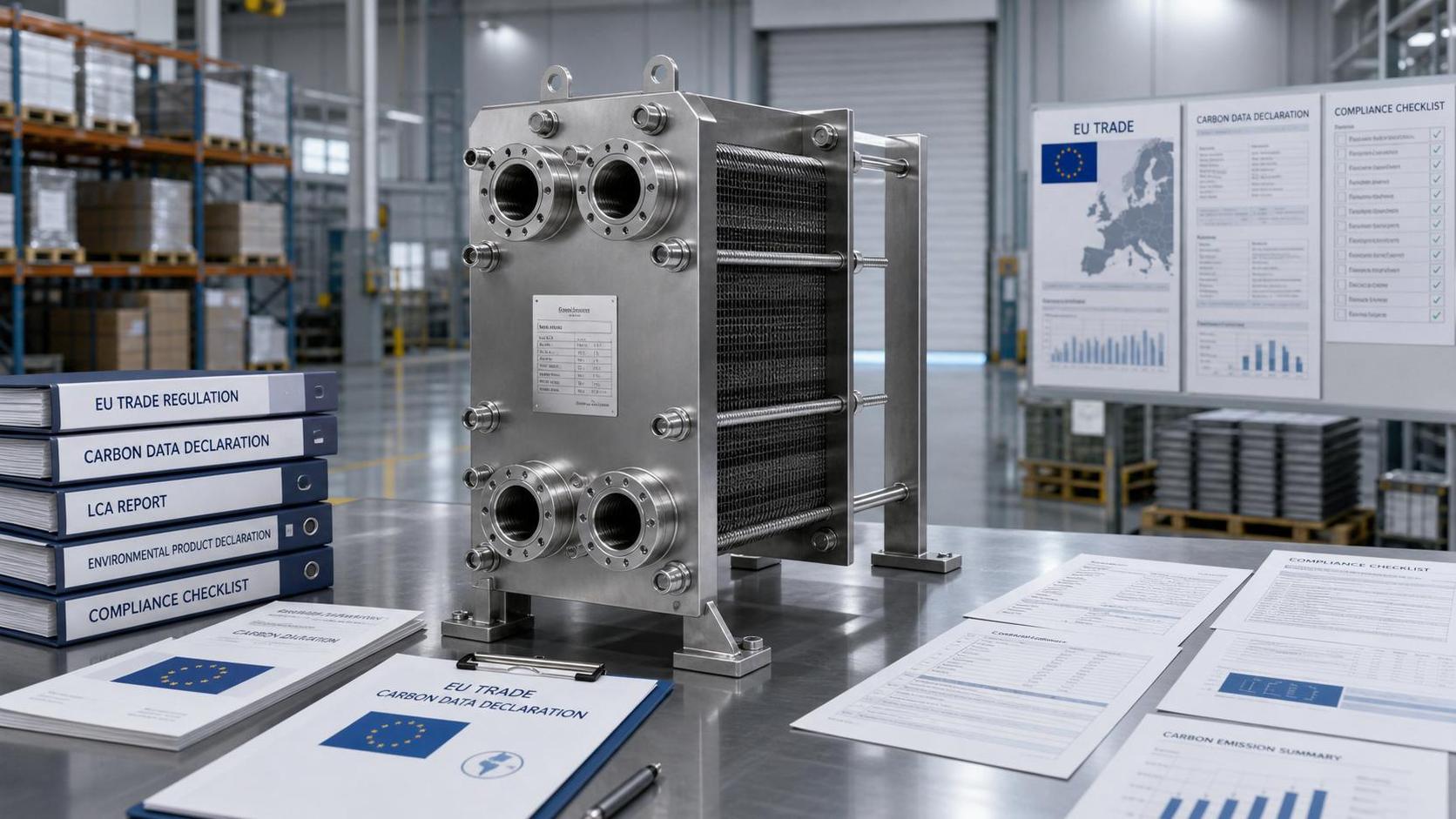
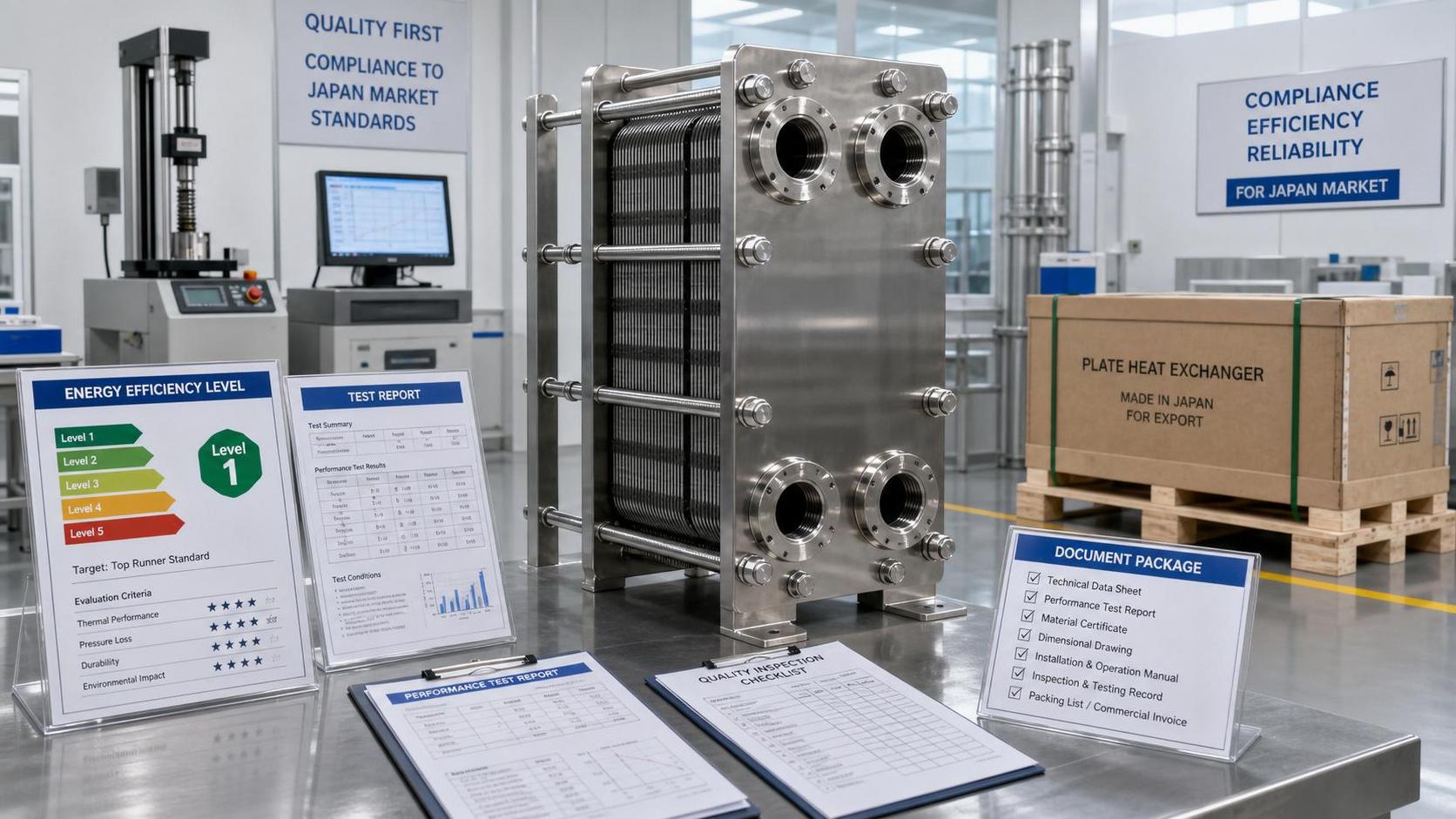
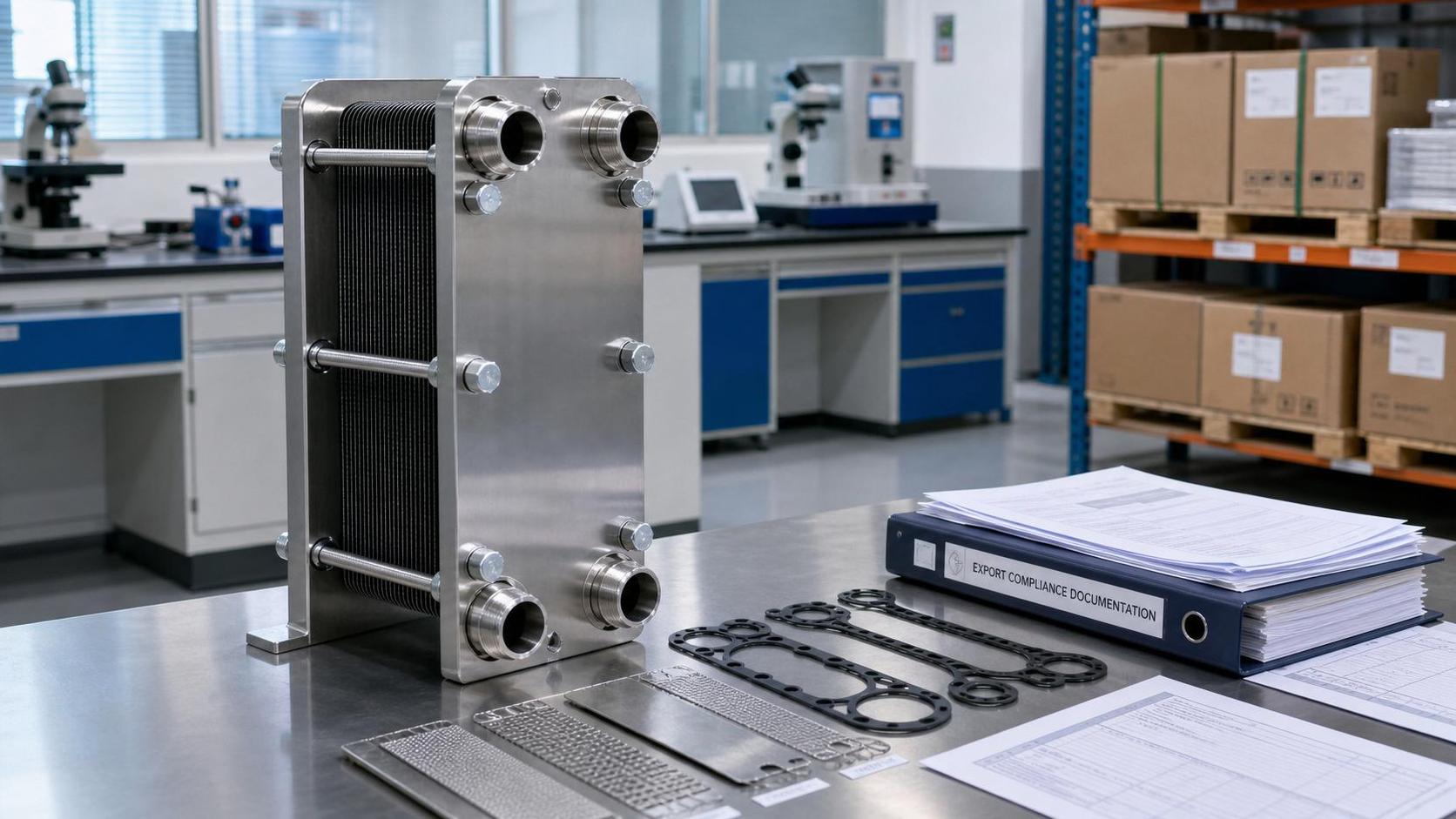
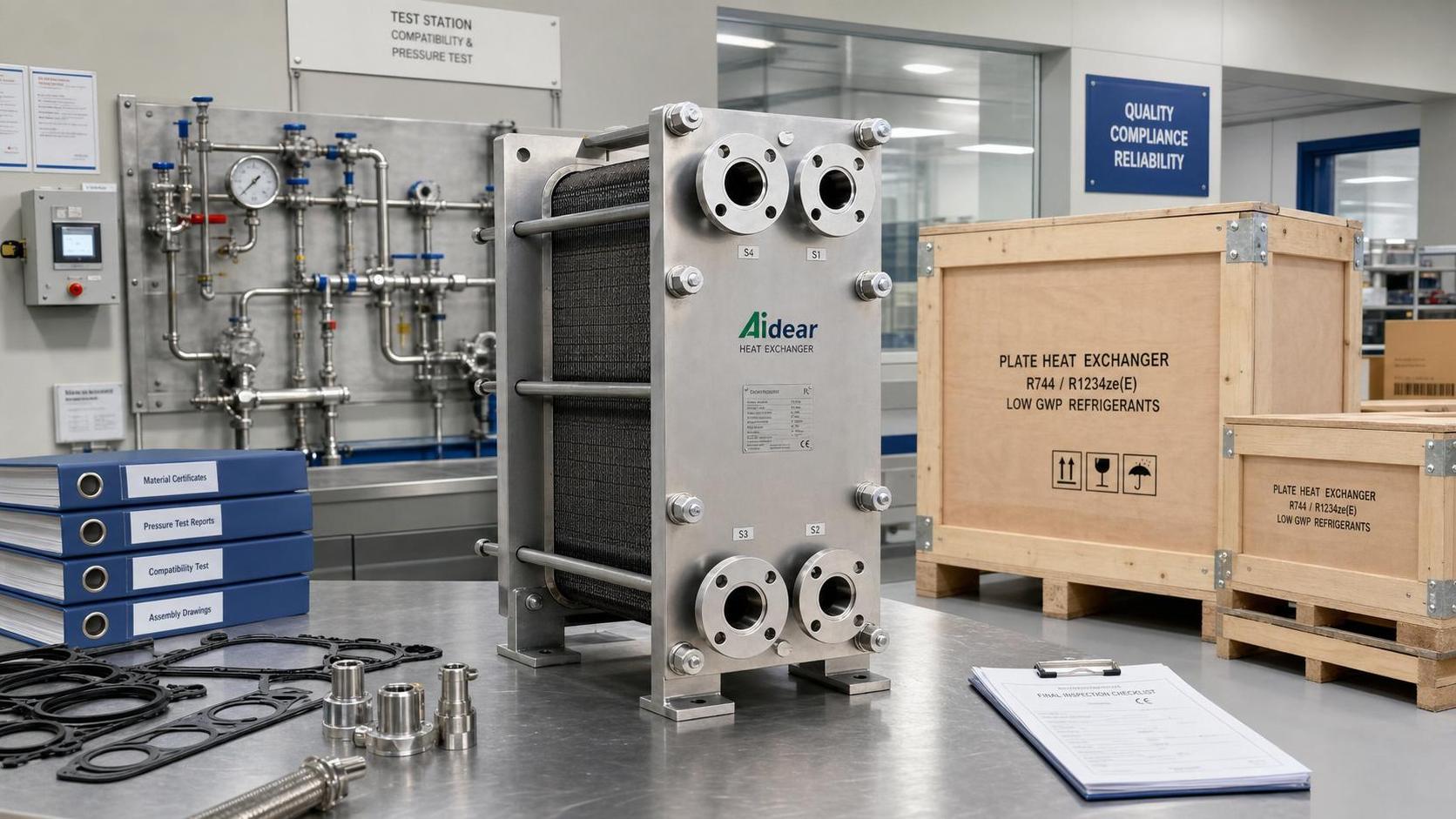
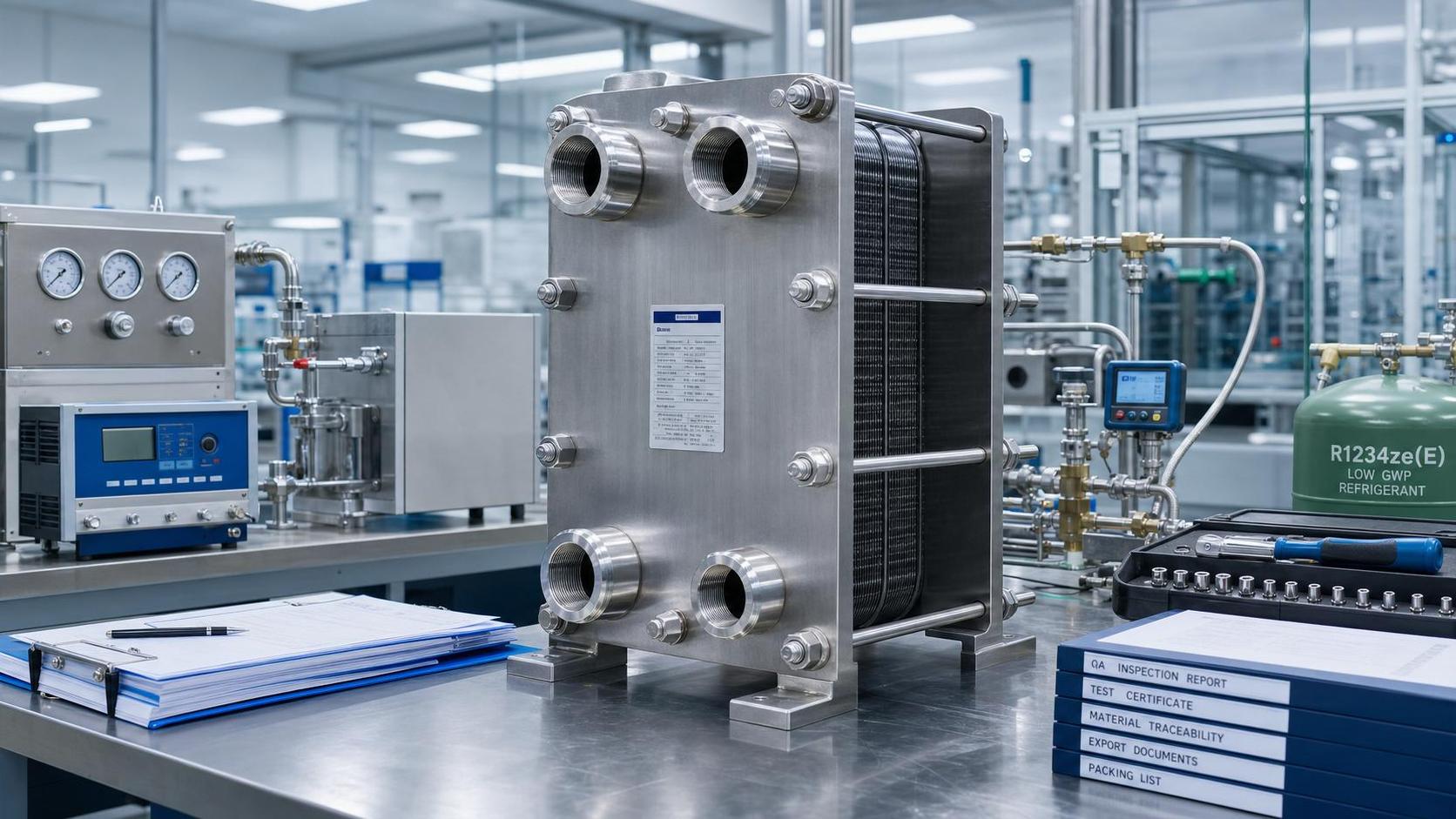
Documentation to verify during technical review
- Design basis showing fluid names, flow rates, inlet conditions, fouling factors, pressure limits, and temperature limits.
- Inspection and test plan covering hydrostatic testing, leak testing, dimensional checks, and material traceability where applicable.
- Operation and maintenance instructions that define cleaning intervals, isolation requirements, and safe start-up procedures.
- Performance acceptance criteria that state how commissioning data will be measured and compared with design values.
For industries with high purity or safety requirements, documentation quality can be as important as the nominal thermal efficiency claim.
Cost and alternative analysis: when is the higher-priced option justified?
A higher purchase price can be justified when heat exchanger technology reduces energy use, unplanned cleaning, product loss, or replacement frequency.
However, premium specifications are not automatically better. Overspecified metallurgy, unnecessary instrumentation, or excessive pressure margins may waste capital.
Technical evaluators should model the cost drivers most visible in their facility rather than relying on generic payback assumptions.
The right alternative is the option that lowers operational uncertainty. GTC-Matrix encourages comparing heat exchanger technology through lifecycle scenarios, not headline price.
FAQ: practical questions about heat exchanger technology in 2026
How do I choose between plate, shell-and-tube, and microchannel designs?
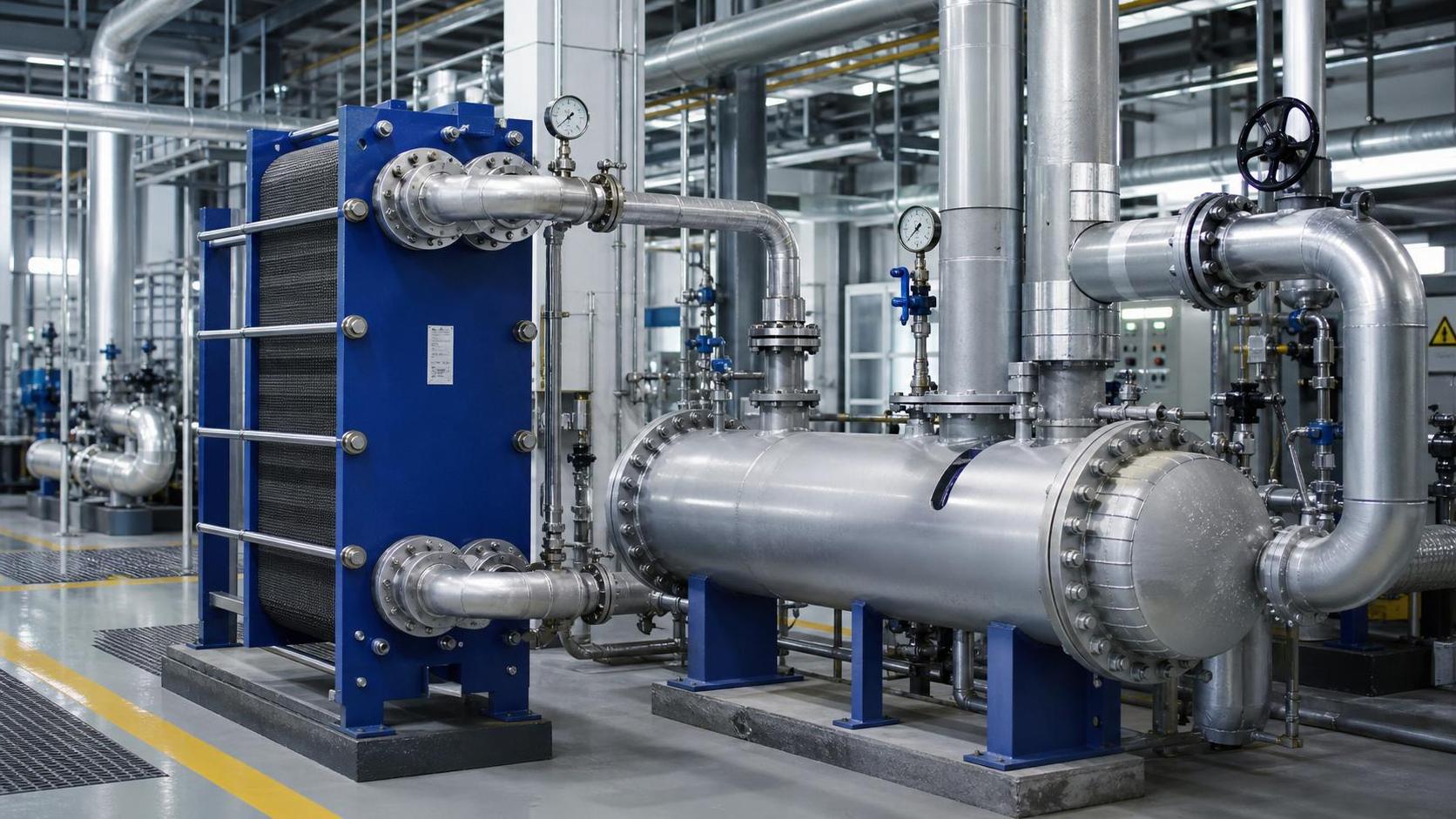
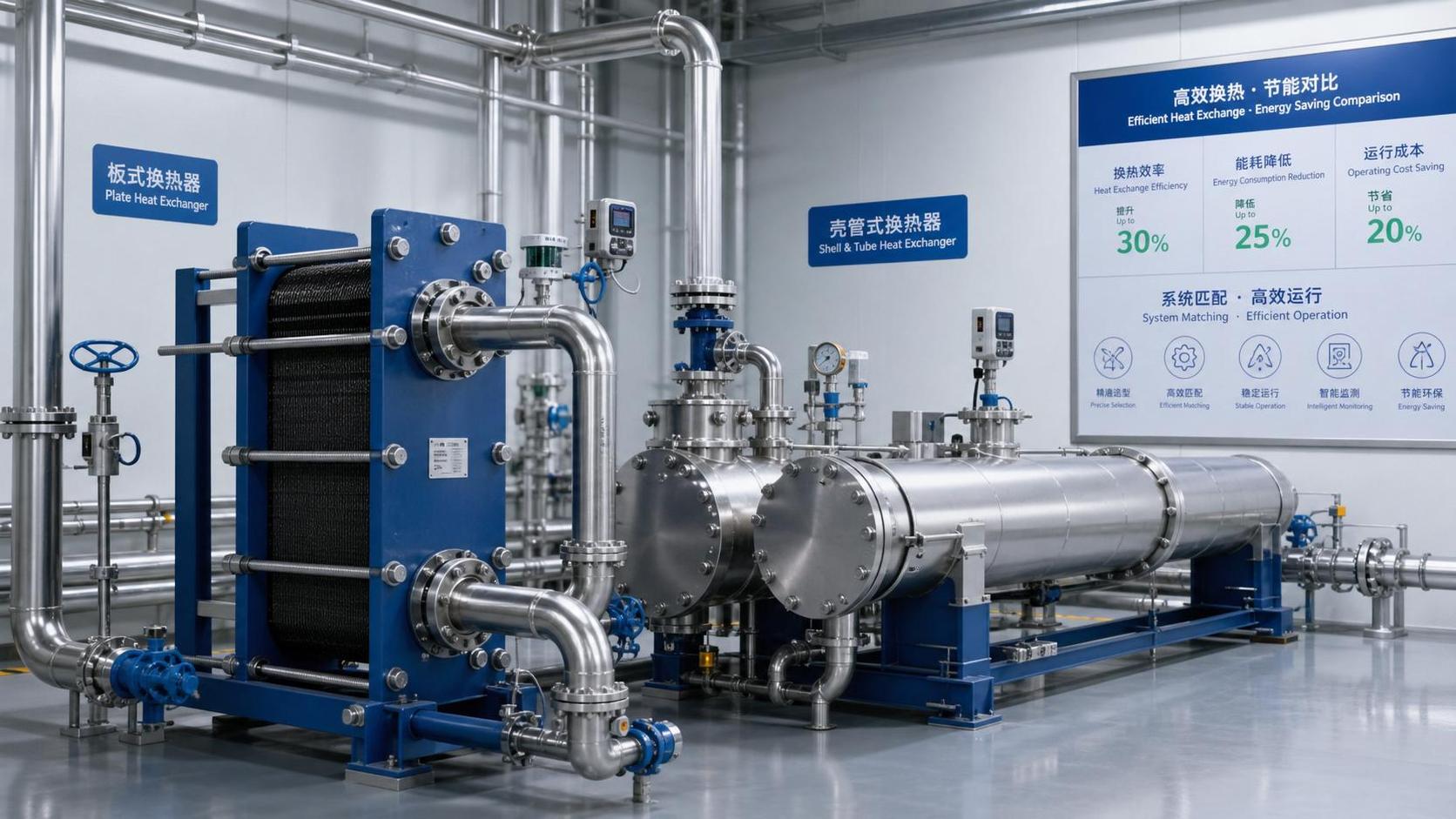
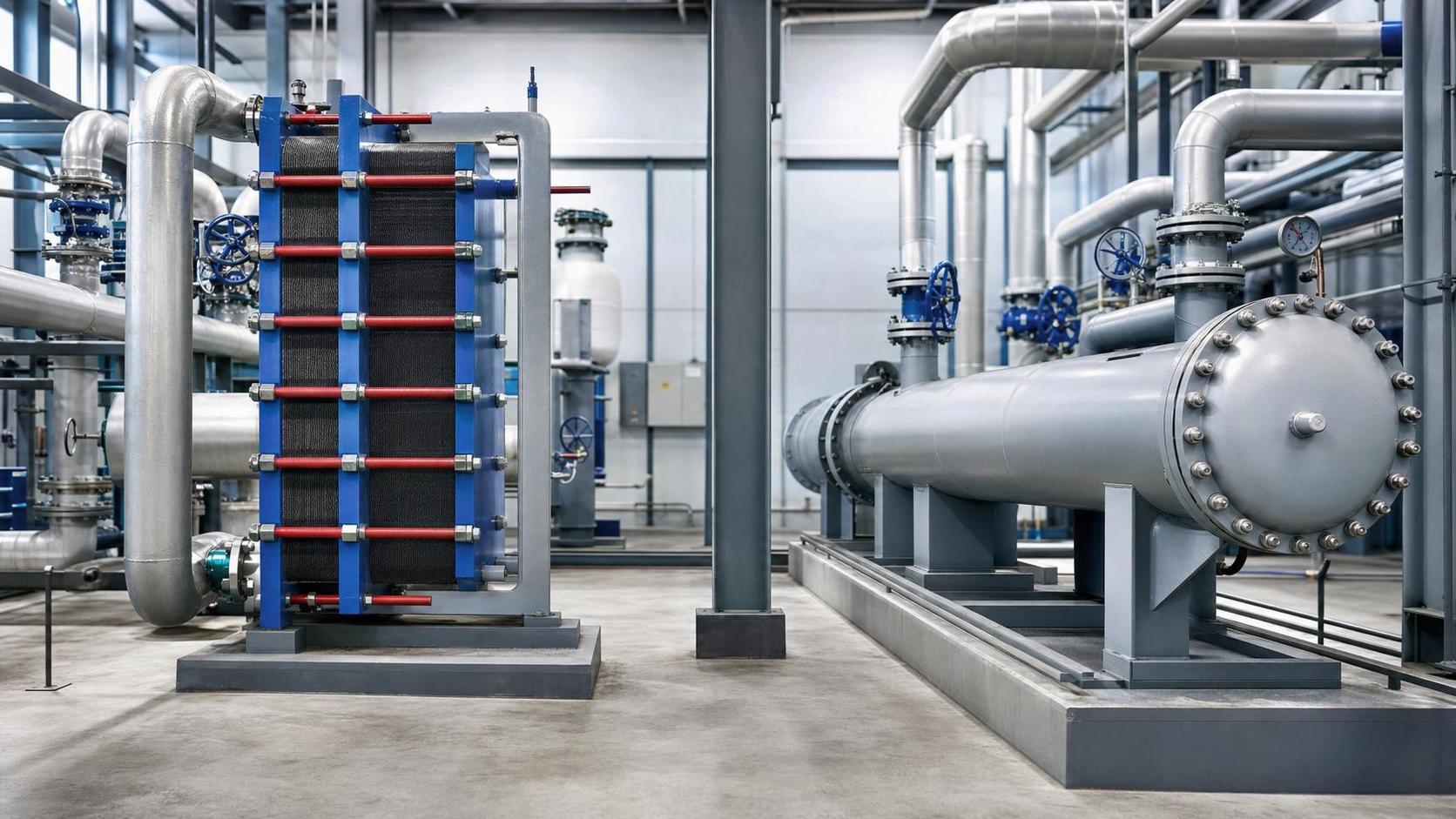
Start with fluid cleanliness, pressure, temperature, cleaning requirement, and allowable pressure drop. Plate units suit compact clean services, while shell-and-tube remains robust for harsher fluids.
Microchannel heat exchanger technology is attractive where footprint and refrigerant charge matter, but it needs careful review of water quality and serviceability.
What data should be collected before requesting a quotation?
Provide flow rates, inlet and outlet temperature targets, fluid composition, viscosity, pressure limits, fouling assumptions, cleaning method, installation space, and compliance expectations.
Incomplete data often leads to conservative oversizing or risky undersizing. Both outcomes can increase lifecycle cost and weaken process control.
Is digital monitoring necessary for every heat exchanger?
Not always. It is most valuable for critical assets, high energy loads, fouling-prone fluids, safety-sensitive applications, and plants with predictive maintenance programs.
For simpler services, periodic measurement may be sufficient if baseline commissioning data and cleaning triggers are well defined.
What is the most common mistake in evaluating heat exchanger technology?
The most common mistake is comparing rated duty without comparing assumptions. Fouling factor, flow regime, ambient conditions, and control strategy can change real performance.
A credible evaluation should test how each design behaves during startup, partial load, peak load, and degraded operating conditions.
Why work with GTC-Matrix for technical evaluation and market intelligence?
GTC-Matrix connects industrial cooling, compressed air, vacuum processes, and heat exchange technologies through a disciplined intelligence framework.
Our Strategic Intelligence Center helps technical evaluators interpret heat exchanger technology trends alongside energy prices, refrigerant policy, decarbonization pathways, and sector demand.
Instead of treating equipment selection as a narrow quotation exercise, we support thermodynamic logic, lifecycle cost comparison, and practical implementation judgment.
- Consult us for parameter confirmation when duty, fluid chemistry, or pressure conditions are uncertain.
- Request support for product selection when compact, conventional, or high-pressure solutions appear technically comparable.
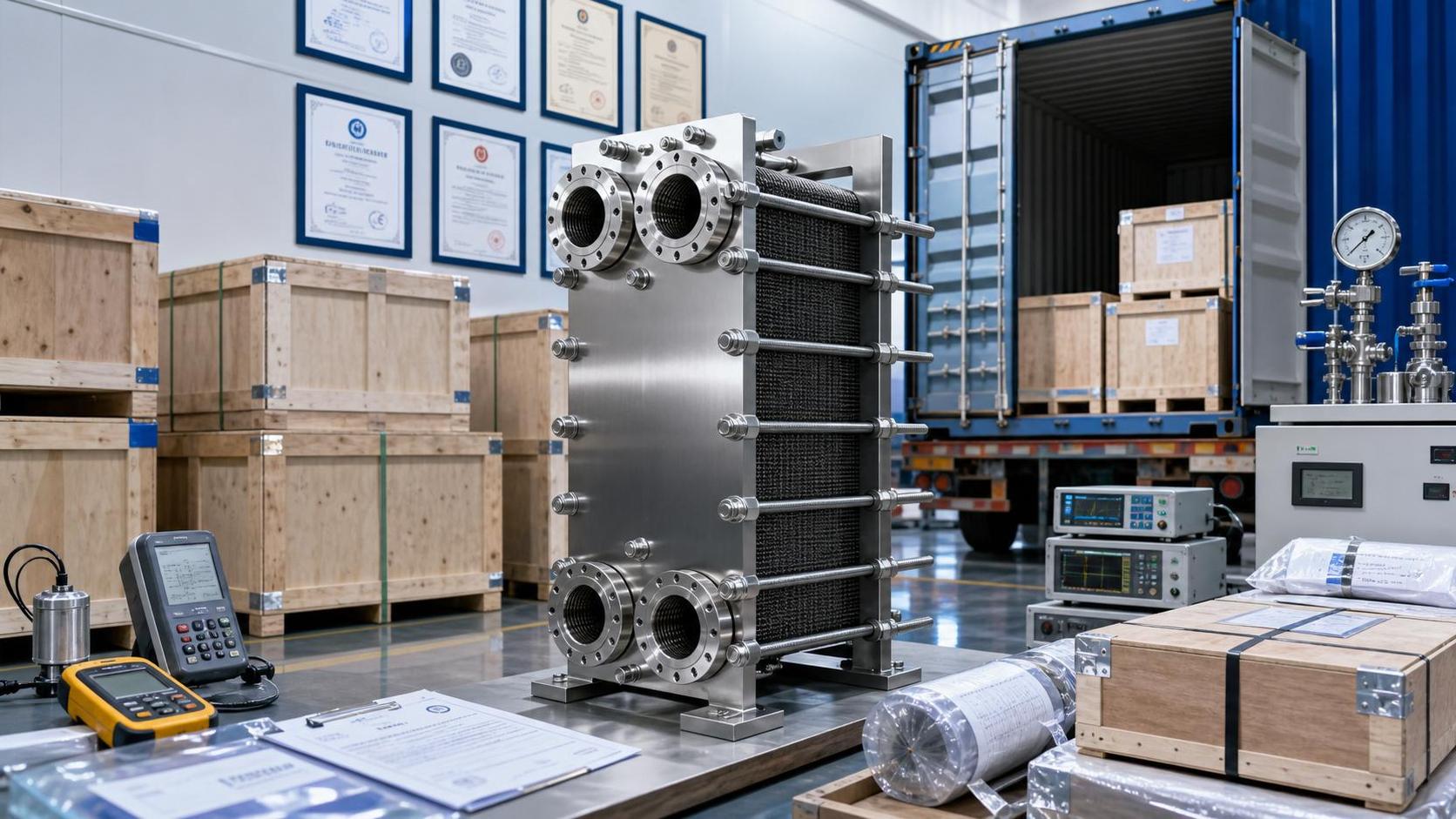
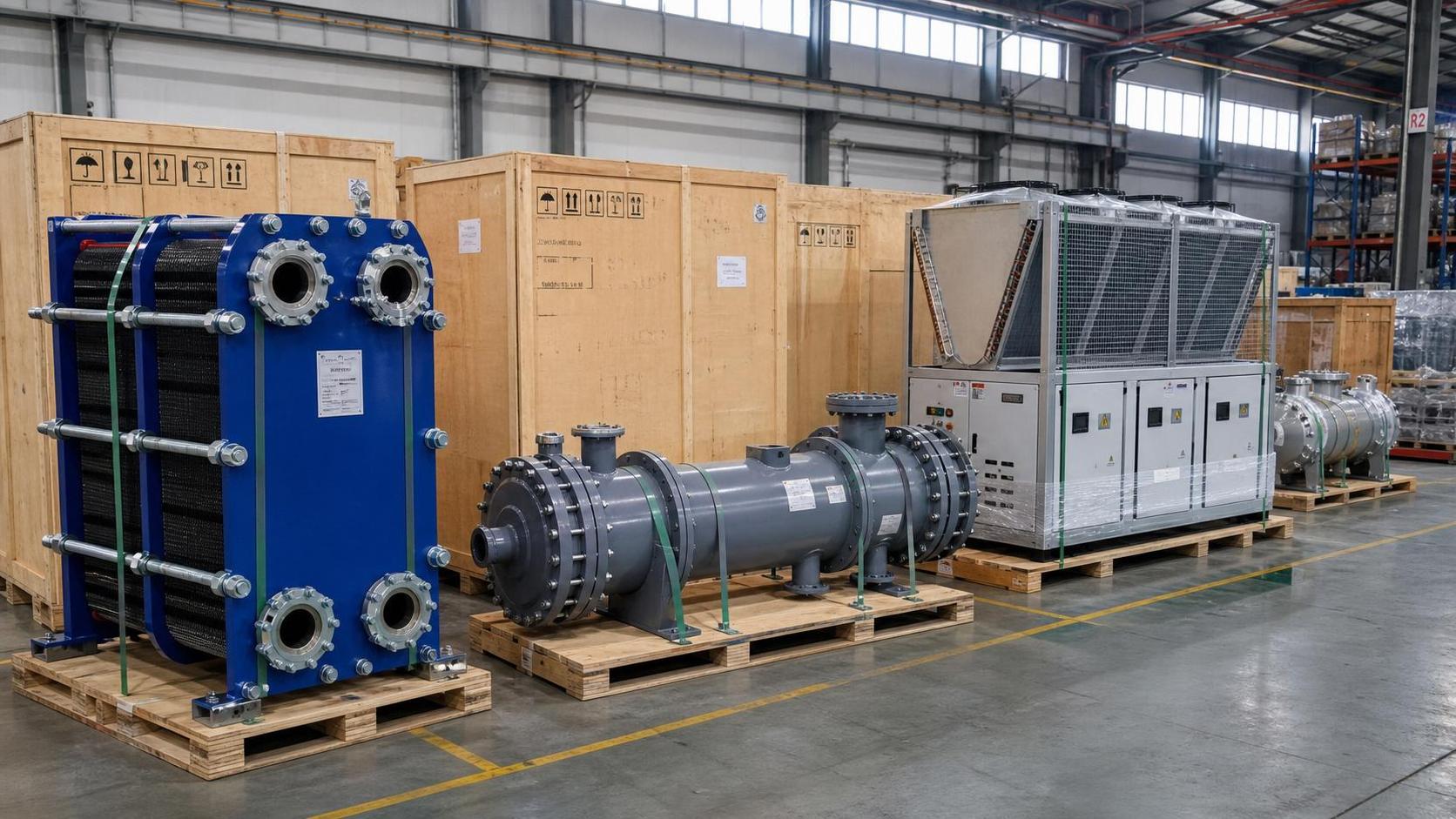
- Discuss delivery-cycle risks, documentation packages, inspection expectations, and certification requirements before committing to a supplier route.
- Use our intelligence perspective to evaluate customized solutions, retrofit options, sample support, and quotation assumptions.
For organizations preparing 2026 projects, the strongest decisions will combine engineering evidence with market intelligence. GTC-Matrix is ready to support that process.
Ready when you are. Send us a message to get started.
Related News
- How corrugation angle affects heat transfer in plate heat exchangersAuthor :Thermodynamics Analyst

- When do plate heat exchangers suit Middle East seawater cooling?Author :Thermodynamics Analyst

- When does gasketed plate heat exchanger technology suit your process?Author :Thermodynamics Analyst

- When does heat recovery improve data center cooling efficiency?Author :Thermodynamics Analyst

- How Do I Verify Heat Transfer Calculations in a Supplier Quotation?Author :Thermodynamics Analyst

- How to evaluate a plate heat exchangers supplier before orderingAuthor :Thermodynamics Analyst

- EU Tightens Fatigue Checks for Plate Heat ExchangersAuthor :Thermodynamics Analyst

- EU PFAS Rule Adds New Export Filing for Cooling EquipmentAuthor :Thermodynamics Analyst

- EU EN 13445-4:2026 Adds Fatigue Report RequirementAuthor :Thermodynamics Analyst

- EU Updates EN 13445-4 for Plate ExchangersAuthor :Thermodynamics Analyst

- How to Compare Energy-Efficient Heat Exchange SolutionsAuthor :Thermodynamics Analyst

- Brazed Plate Exchanger Design: 7 Factors That Affect Heat TransferAuthor :Thermodynamics Analyst

- EU CBAM Pilot List Adds Plate ExchangersAuthor :Thermodynamics Analyst

- How Heat Exchange Systems Improve Temperature Control StabilityAuthor :Thermodynamics Analyst

- Japan to Require Efficiency Labels for Plate ExchangersAuthor :Thermodynamics Analyst

- EU REACH Adds PFAS Ban for Plate Heat ExchangersAuthor :Thermodynamics Analyst

- India Enforces BIS Rule for Plate Heat ExchangersAuthor :Thermodynamics Analyst

- DIN EN 13445-6:2026 Tightens Plate Exchanger CE RulesAuthor :Thermodynamics Analyst

- EU REACH Restricts PFAS Seals for Plate Heat ExchangersAuthor :Thermodynamics Analyst

- India Mandates BIS Certification for Imported Plate ExchangersAuthor :Thermodynamics Analyst

- Vietnam Requires QR Labels on Imported Plate Heat ExchangersAuthor :Thermodynamics Analyst

- EU EN 13445-4:2026 Tightens NDT Rules for Heat ExchangersAuthor :Thermodynamics Analyst

- EPA Clears R-1234ze(E) for Plate Exchanger SystemsAuthor :Thermodynamics Analyst
 for Plate Exchanger Systems")
- Heat Exchange Equipment Selection: Key Performance Checks Before You Compare ModelsAuthor :Thermodynamics Analyst

- ASHRAE 90.1-2026 Raises Plate Exchanger Efficiency ThresholdAuthor :Thermodynamics Analyst

- Heat Exchange Systems: How to Choose the Right SetupAuthor :Thermodynamics Analyst

- EPA SNAP 89 Takes Effect for Plate ExchangersAuthor :Thermodynamics Analyst

- How to Compare Heat Exchange Solutions for Lower Energy UseAuthor :Thermodynamics Analyst

- EPA SNAP 89 Expands Filing Rules for Plate Heat ExchangersAuthor :Thermodynamics Analyst

- EPA SNAP update adds filing rule for plate heat exchangersAuthor :Thermodynamics Analyst

- Industrial Heat Recovery: Where the Payback Is Fastest in 2026Author :Thermodynamics Analyst

- California EPR Deadline Nears for Cooling Equipment MakersAuthor :Thermodynamics Analyst

- Heat Exchanger Technology: Plate vs Shell and Tube for EfficiencyAuthor :Thermodynamics Analyst

- Industrial Heat Recovery Options for High-Temperature ProcessesAuthor :Thermodynamics Analyst

- Heat Transfer Problems in Process Lines: Causes and Practical FixesAuthor :Thermodynamics Analyst

- India Tightens Plate Exchanger Import Clearance RulesAuthor :Thermodynamics Analyst