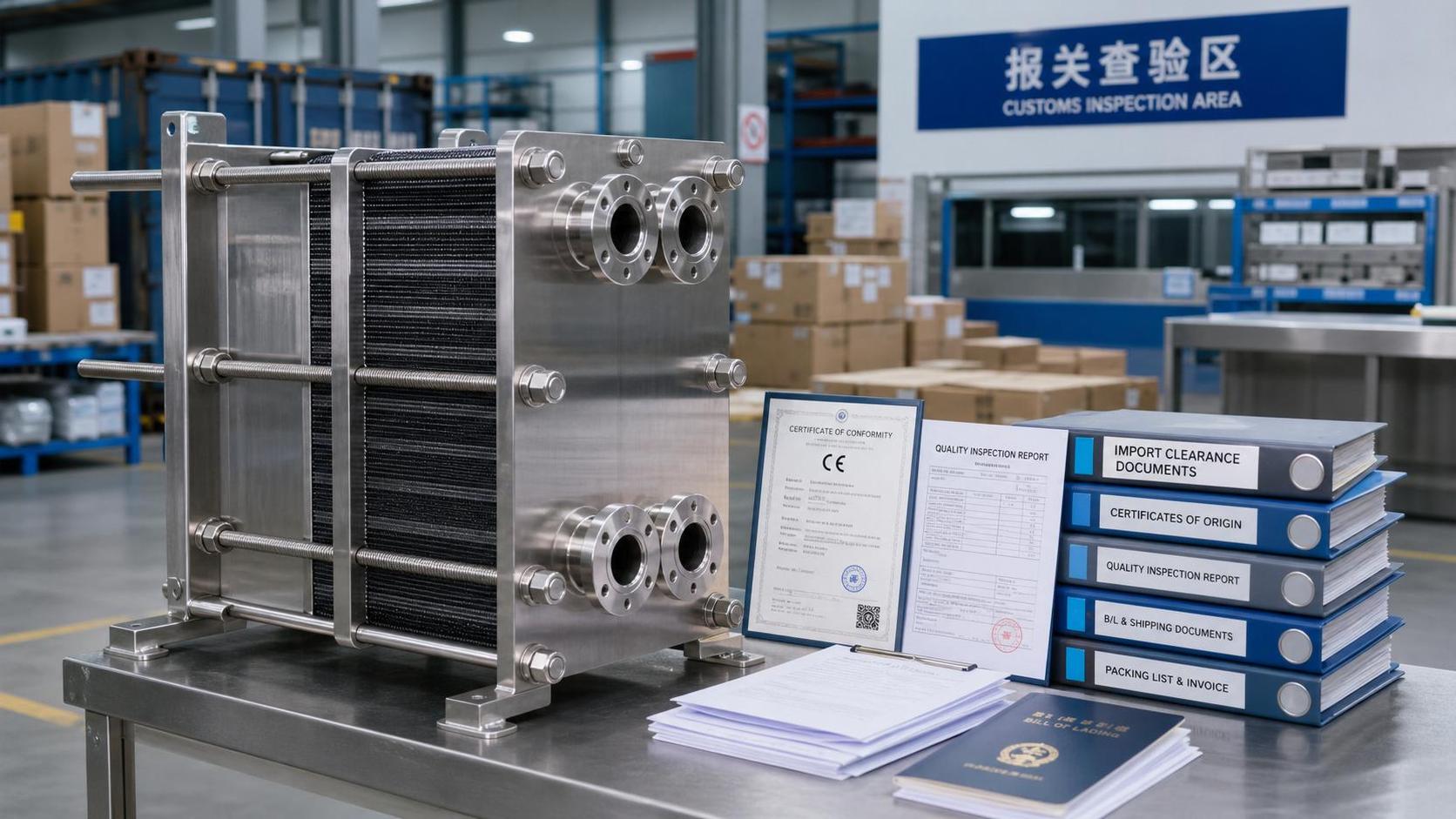
EU CBAM Adds Plate Exchangers for Q3 2026




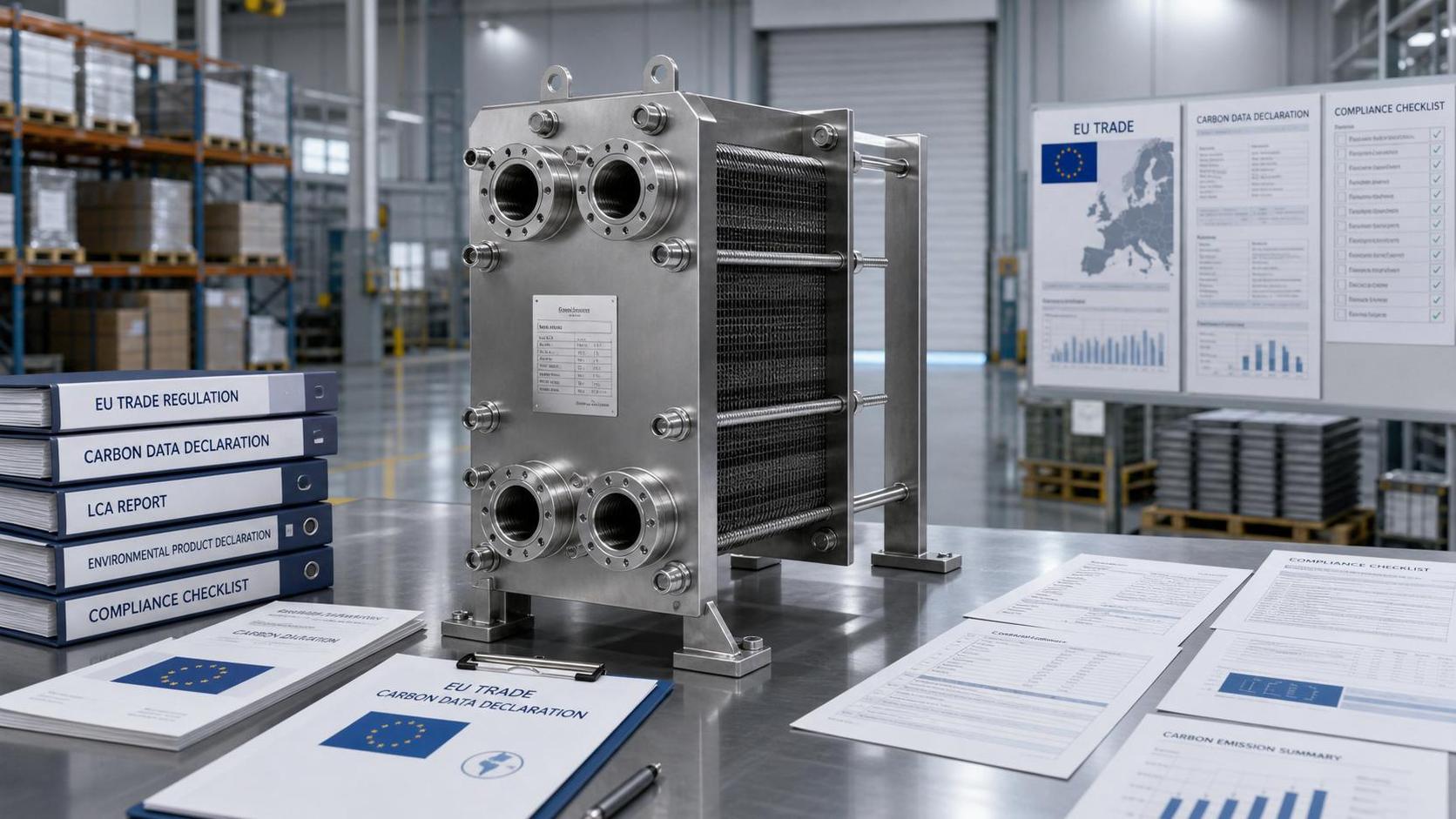
On May 29, 2026, the China Trade Remedy Information website cited European Commission documents stating that the Carbon Border Adjustment Mechanism, or CBAM, has been officially extended to the Plate Exchangers category. From the third quarter of 2026, Plate Exchangers exported to the European Union will need to submit lifecycle carbon footprint reports verified by an accredited third party. This development deserves attention from export traders, manufacturers, procurement teams, distribution channels, and supply chain service providers because it may affect delivery schedules and certification-related cost structures.
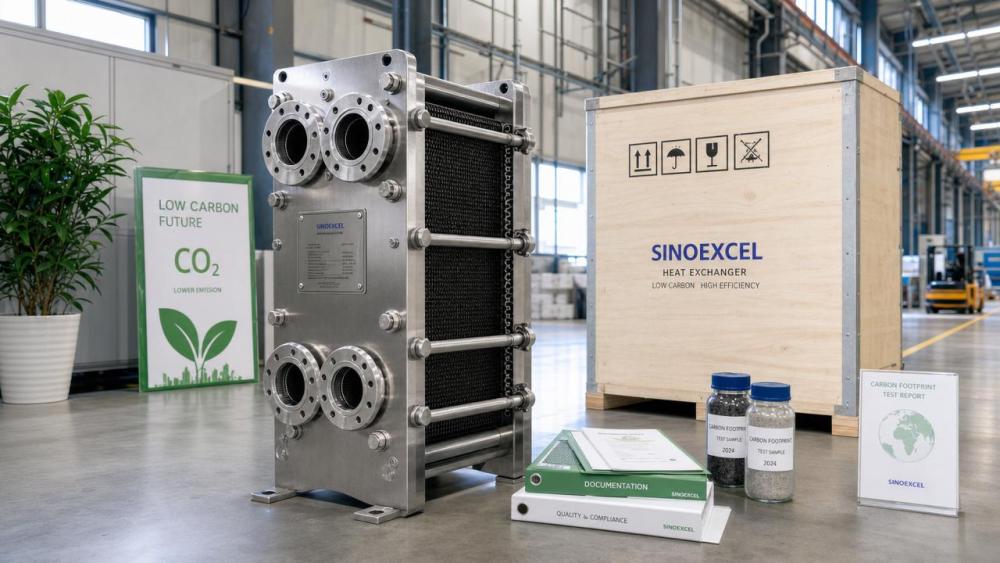
Event Overview
According to information cited by the China Trade Remedy Information website on May 29, 2026, based on European Commission documents, the scope of CBAM has been expanded to include Plate Exchangers.
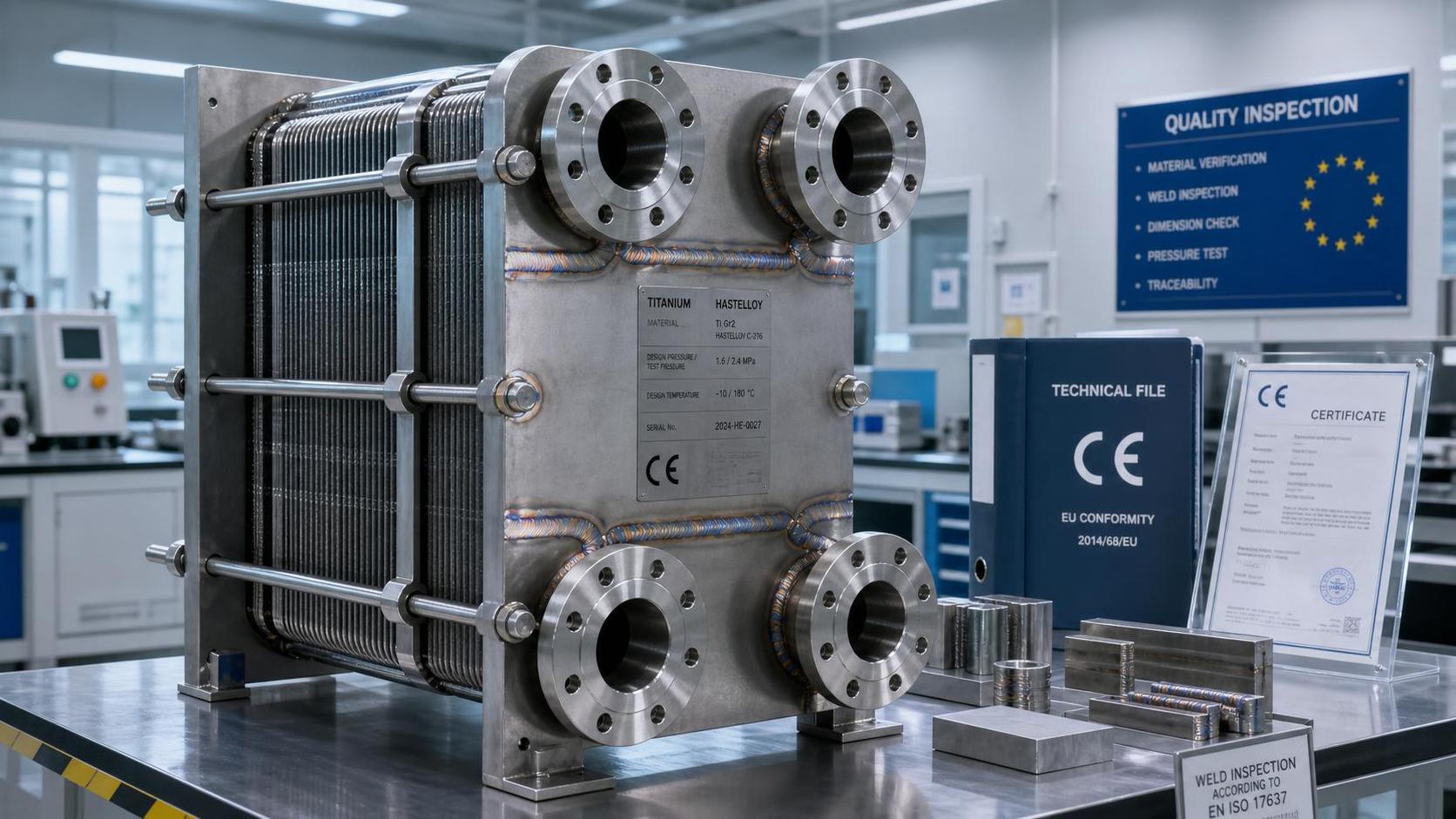
The currently disclosed requirement is that, starting in the third quarter of 2026, all Plate Exchangers exported to the European Union must submit lifecycle carbon footprint reports verified by an accredited third party.
The disclosed information also indicates that this change will significantly affect order delivery cycles and certification cost structures for leading Chinese suppliers. No further verified details are available in the provided information regarding specific reporting templates, calculation methods, transitional arrangements, or implementation procedures.
Which Segments of the Industry May Be Affected
Direct Export and Trade Companies
Direct export companies will be affected because Plate Exchangers shipped to the EU will be subject to the newly disclosed CBAM-related carbon footprint reporting requirement from the third quarter of 2026.
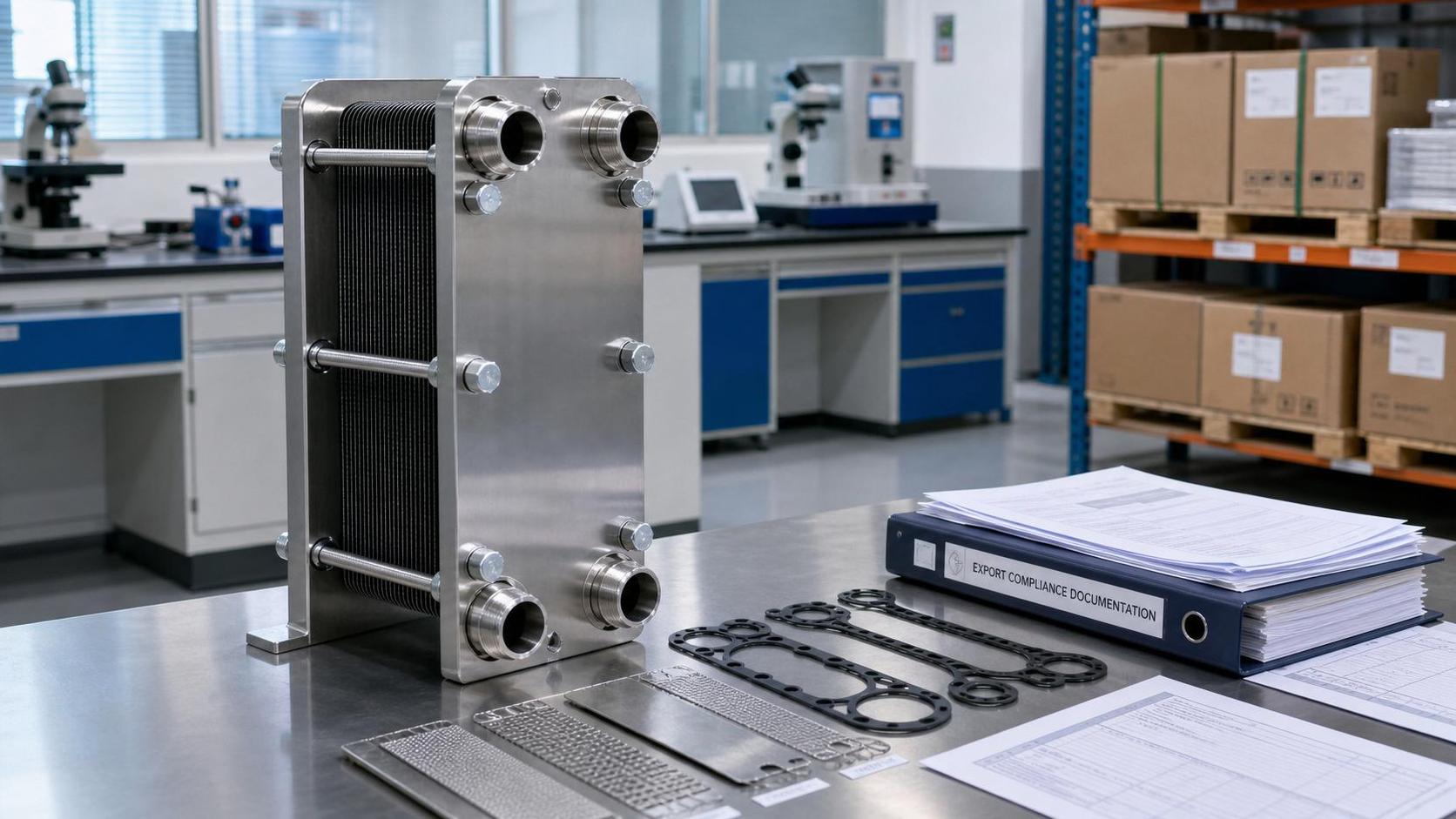
From an industry perspective, the impact will mainly appear in export documentation preparation, coordination with verified reporting providers, and the timing of order fulfillment. If carbon footprint reports become part of the export compliance package, exporters may need to review whether their current order schedules leave enough time for third-party verification.
Raw Material Procurement Teams
Procurement teams may be affected because lifecycle carbon footprint reporting typically depends on product-related input information. Based only on the disclosed requirement, companies exporting Plate Exchangers to the EU will need verified lifecycle carbon footprint reports, which may increase the importance of traceable procurement information.
Analysis shows that procurement departments should pay closer attention to whether supplier information can support carbon footprint reporting needs. The impact may be reflected in supplier communication, data collection, and the ability to align purchasing records with compliance documentation required for EU-bound products.
Processing and Manufacturing Enterprises
Manufacturers are directly connected to the new requirement because they produce the Plate Exchangers that will be exported to the EU market. The need for accredited third-party verification may require manufacturers to coordinate internal product data, production records, and reporting schedules more carefully.
From an industry perspective, the main pressure for manufacturers is not only whether products can be delivered, but whether carbon footprint documentation can be completed in line with the delivery timeline. The disclosed information specifically notes that delivery cycles and certification cost structures may be significantly affected for leading Chinese suppliers.
Distribution and Channel Companies
Distribution companies and channel operators may be affected when they handle EU-bound Plate Exchanger orders or coordinate between manufacturers and end customers. Even if they are not the original producers, their ability to deliver products on schedule may depend on whether verified carbon footprint reports are ready.
Observably, channel companies should monitor how compliance documents are allocated across the transaction chain. The impact may appear in customer communication, contract timing, and the coordination of documents before goods are shipped to the EU.
Supply Chain Service Providers
Supply chain service providers may be affected because additional compliance documentation can influence order coordination, shipment preparation, and delivery planning. The confirmed information points to third-party verified lifecycle carbon footprint reporting, which may become a key document in EU-related Plate Exchanger exports.
Analysis shows that logistics coordinators, compliance service providers, and trade documentation teams should pay attention to the timing of report preparation. If reporting and verification take additional time, service providers may need to adjust coordination processes around shipment deadlines.
What Companies and Practitioners Should Watch and How to Respond
Monitor Further Official Statements and Policy Details
Companies should continue to track official EU communications and any further explanations related to the CBAM expansion for Plate Exchangers. The confirmed information identifies the product category, the effective period from the third quarter of 2026, and the requirement for accredited third-party verified lifecycle carbon footprint reports.
What deserves closer attention now is whether future official materials provide details on report format, verification procedures, submission timing, and responsibilities across the export chain. Until those details are confirmed, companies should avoid treating assumptions as final compliance rules.
Identify EU-Bound Plate Exchanger Orders Early
Exporters, manufacturers, and channel operators should distinguish Plate Exchanger orders destined for the EU from orders serving other markets. Since the disclosed requirement applies to exports to the European Union, EU-bound business should be reviewed separately.
From an industry perspective, companies may need to check current and upcoming orders that could fall into the third quarter of 2026 or later. This can help them assess whether report preparation and third-party verification may affect delivery commitments.
Separate Policy Signals from Operational Execution
It is more appropriate to understand this development as a confirmed expansion of CBAM scope based on the cited European Commission documents, while some operational details may still require continued observation. Companies should not ignore the requirement, but they should also avoid making unsupported assumptions about procedures that have not been disclosed in the provided information.
In practice, businesses should separate what is already clear from what remains to be clarified. The clear points are the inclusion of Plate Exchangers, the third-quarter 2026 starting point, and the need for accredited third-party verified lifecycle carbon footprint reports. Items such as detailed calculation rules or specific filing processes should be monitored through official sources.
Prepare Procurement, Production, and Customer Communication Plans
Companies involved in Plate Exchanger exports to the EU should prepare internal coordination plans across procurement, production, trade documentation, and customer service. The disclosed information indicates that delivery cycles and certification cost structures may be affected, especially for leading Chinese suppliers.
Analysis shows that practical preparation should focus on order timelines, supplier data communication, third-party verification scheduling, and customer notification. These actions are directly connected to the reported requirement and can help reduce disruption when the policy enters implementation from the third quarter of 2026.
Editor’s View / Industry Observation
Observably, the expansion of CBAM to Plate Exchangers is not only a product classification update; it also introduces a compliance requirement that may influence how EU-bound orders are prepared, documented, and delivered.
Analysis shows that this development is already a concrete compliance signal for the Plate Exchanger export chain because the disclosed information identifies the category and the starting period. At the same time, it should not be interpreted beyond the available facts. Details not included in the disclosed information should remain subject to continued observation.
From an industry perspective, the main issue is the connection between carbon footprint verification and trade execution. Once verified lifecycle carbon footprint reports become necessary for EU-bound Plate Exchangers, companies may need to treat carbon data and certification timing as part of export delivery planning rather than as a separate back-office matter.
Conclusion
The reported CBAM expansion to Plate Exchangers marks an important compliance development for companies exporting this product category to the European Union. Its industry significance lies in the possible effect on delivery cycles, third-party verification arrangements, and certification-related cost structures.
It is more appropriate to understand this information as a confirmed policy development with practical implications for EU-bound Plate Exchanger exports, while still requiring continued attention to future official details. Companies should respond in a measured way by reviewing affected orders, preparing documentation workflows, and monitoring verified official updates.
Information Source Statement
Main source: China Trade Remedy Information website, citing European Commission documents, May 29, 2026.
Items requiring continued observation: any further official clarification on reporting format, verification procedures, submission process, implementation details, and operational requirements for Plate Exchangers under CBAM.
Ready when you are. Send us a message to get started.
Related News
- How corrugation angle affects heat transfer in plate heat exchangersAuthor :Thermodynamics Analyst

- When do plate heat exchangers suit Middle East seawater cooling?Author :Thermodynamics Analyst

- When does gasketed plate heat exchanger technology suit your process?Author :Thermodynamics Analyst

- When does heat recovery improve data center cooling efficiency?Author :Thermodynamics Analyst

- How Do I Verify Heat Transfer Calculations in a Supplier Quotation?Author :Thermodynamics Analyst

- How to evaluate a plate heat exchangers supplier before orderingAuthor :Thermodynamics Analyst

- EU Tightens Fatigue Checks for Plate Heat ExchangersAuthor :Thermodynamics Analyst

- EU PFAS Rule Adds New Export Filing for Cooling EquipmentAuthor :Thermodynamics Analyst

- EU EN 13445-4:2026 Adds Fatigue Report RequirementAuthor :Thermodynamics Analyst

- EU Updates EN 13445-4 for Plate ExchangersAuthor :Thermodynamics Analyst

- How to Compare Energy-Efficient Heat Exchange SolutionsAuthor :Thermodynamics Analyst

- Brazed Plate Exchanger Design: 7 Factors That Affect Heat TransferAuthor :Thermodynamics Analyst

- EU CBAM Pilot List Adds Plate ExchangersAuthor :Thermodynamics Analyst

- How Heat Exchange Systems Improve Temperature Control StabilityAuthor :Thermodynamics Analyst

- Japan to Require Efficiency Labels for Plate ExchangersAuthor :Thermodynamics Analyst

- EU REACH Adds PFAS Ban for Plate Heat ExchangersAuthor :Thermodynamics Analyst

- India Enforces BIS Rule for Plate Heat ExchangersAuthor :Thermodynamics Analyst

- DIN EN 13445-6:2026 Tightens Plate Exchanger CE RulesAuthor :Thermodynamics Analyst

- EU REACH Restricts PFAS Seals for Plate Heat ExchangersAuthor :Thermodynamics Analyst

- India Mandates BIS Certification for Imported Plate ExchangersAuthor :Thermodynamics Analyst

- Vietnam Requires QR Labels on Imported Plate Heat ExchangersAuthor :Thermodynamics Analyst

- EU EN 13445-4:2026 Tightens NDT Rules for Heat ExchangersAuthor :Thermodynamics Analyst

- EPA Clears R-1234ze(E) for Plate Exchanger SystemsAuthor :Thermodynamics Analyst
 for Plate Exchanger Systems")
- Heat Exchange Equipment Selection: Key Performance Checks Before You Compare ModelsAuthor :Thermodynamics Analyst

- ASHRAE 90.1-2026 Raises Plate Exchanger Efficiency ThresholdAuthor :Thermodynamics Analyst

- Heat Exchange Systems: How to Choose the Right SetupAuthor :Thermodynamics Analyst

- EPA SNAP 89 Takes Effect for Plate ExchangersAuthor :Thermodynamics Analyst

- How to Compare Heat Exchange Solutions for Lower Energy UseAuthor :Thermodynamics Analyst

- EPA SNAP 89 Expands Filing Rules for Plate Heat ExchangersAuthor :Thermodynamics Analyst

- EPA SNAP update adds filing rule for plate heat exchangersAuthor :Thermodynamics Analyst

- Industrial Heat Recovery: Where the Payback Is Fastest in 2026Author :Thermodynamics Analyst

- California EPR Deadline Nears for Cooling Equipment MakersAuthor :Thermodynamics Analyst

- Heat Exchanger Technology: Plate vs Shell and Tube for EfficiencyAuthor :Thermodynamics Analyst

- Industrial Heat Recovery Options for High-Temperature ProcessesAuthor :Thermodynamics Analyst

- Heat Transfer Problems in Process Lines: Causes and Practical FixesAuthor :Thermodynamics Analyst

- India Tightens Plate Exchanger Import Clearance RulesAuthor :Thermodynamics Analyst