EU REACH Adds Fluorinated Substances: Compliance Shift for Refrigerant & Vacuum Equipment Exports




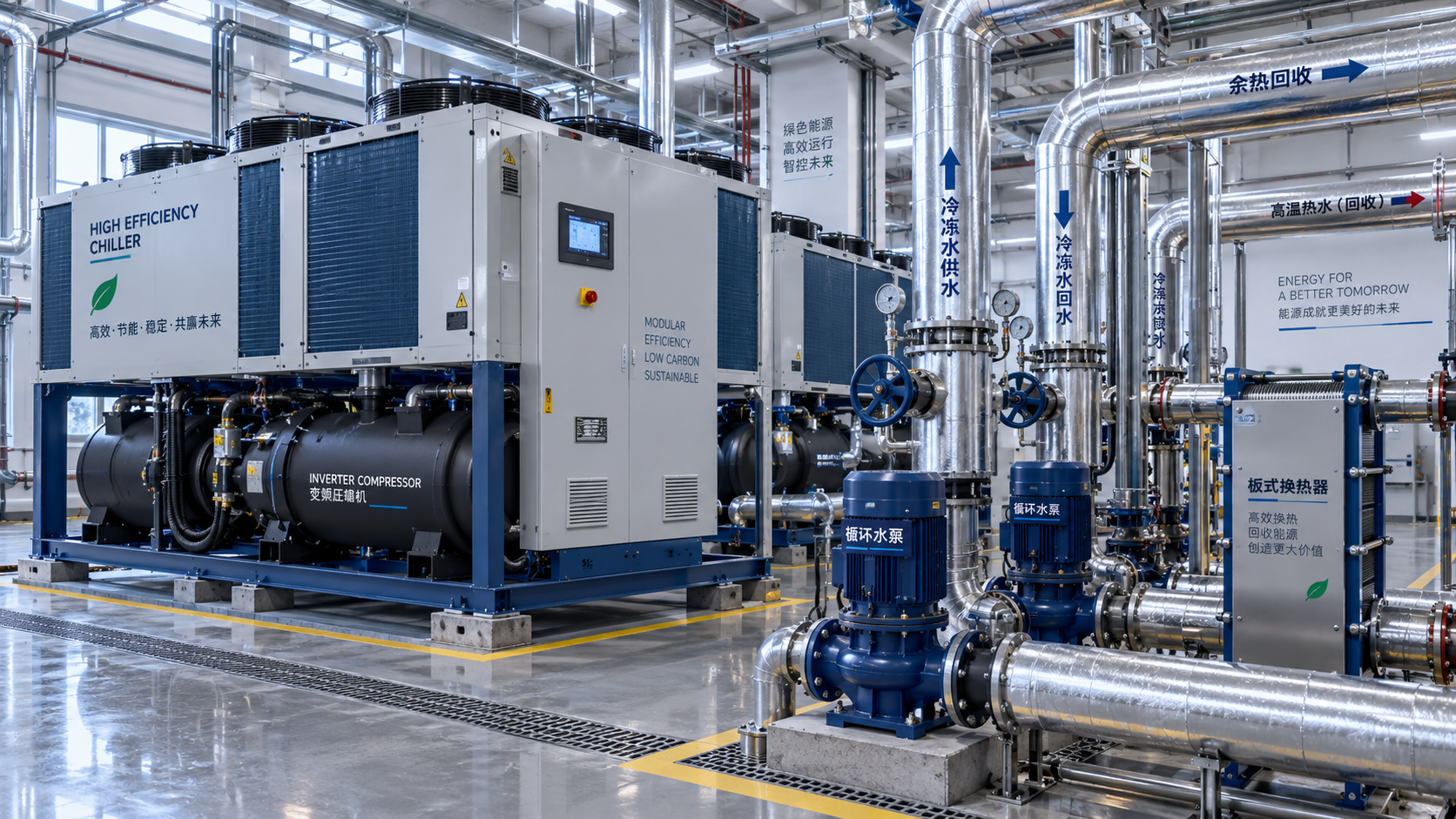
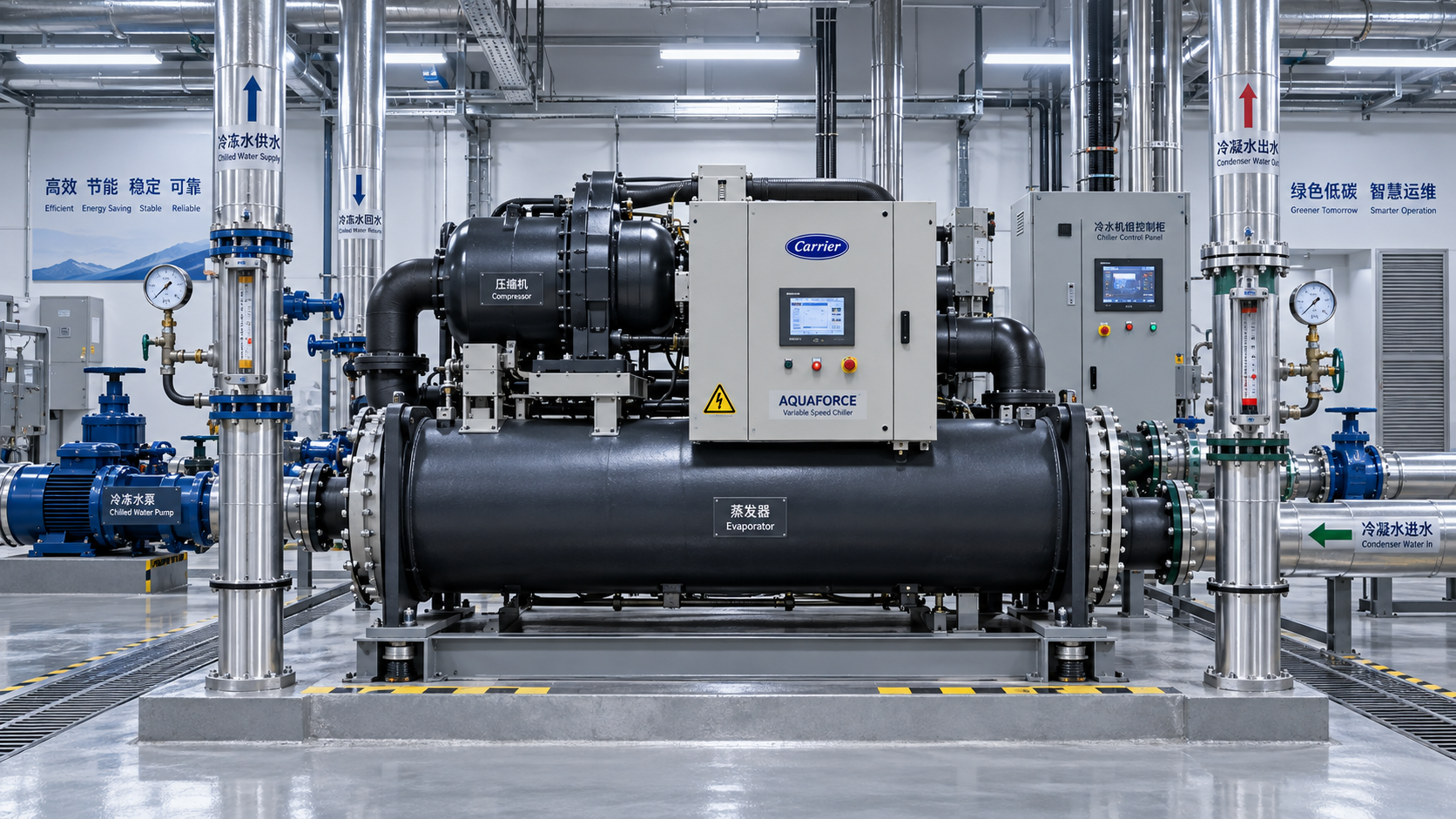
Effective 1 May 2026, the European Union’s REACH regulation introduces new restrictions on three classes of fluorinated organic compounds, significantly impacting exporters of refrigeration equipment using R134a and R513A, as well as manufacturers of liquid-ring vacuum pumps and high-vacuum coating systems reliant on specific seals and lubricants.
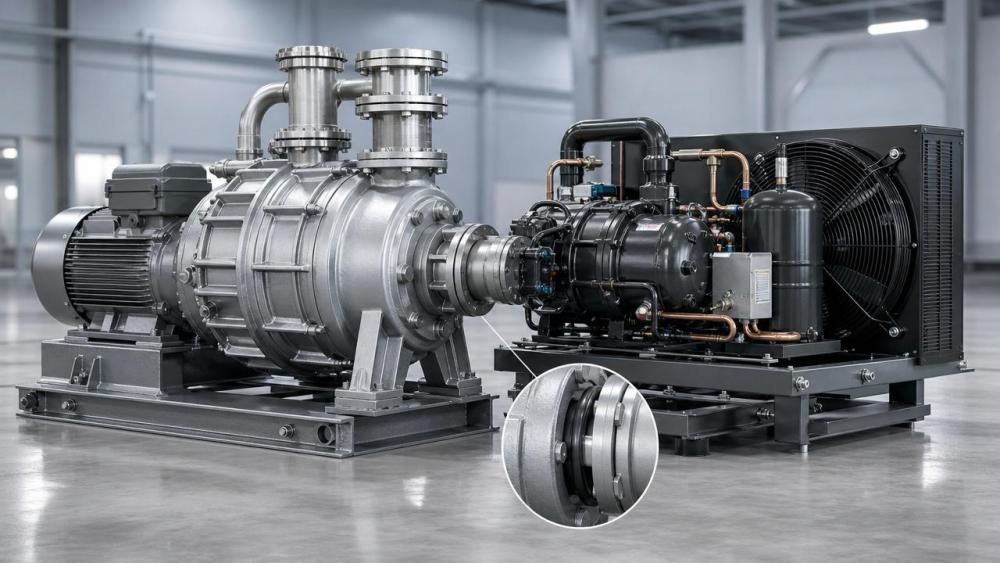
New REACH Restrictions Enter into Force
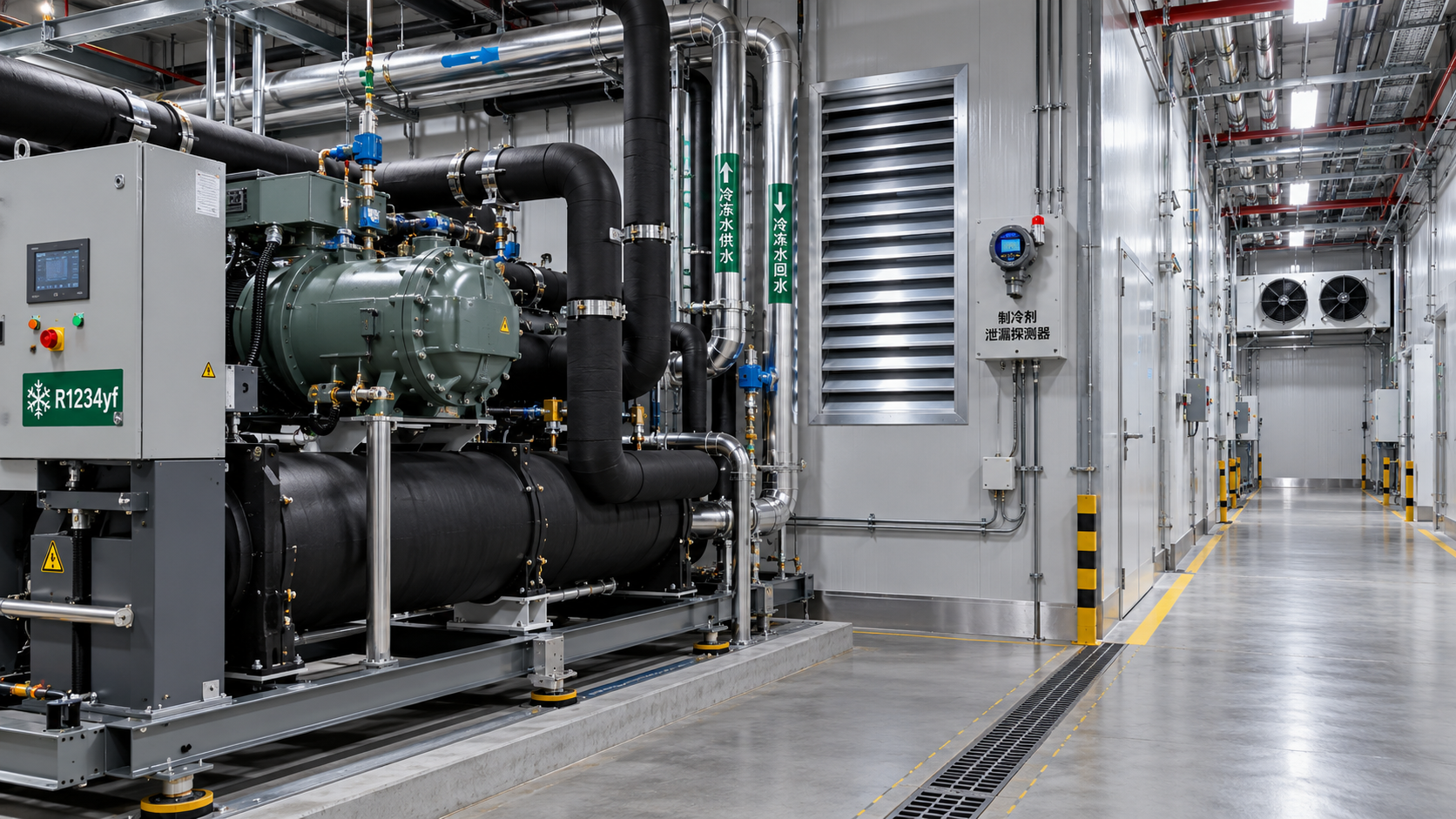
As of 1 May 2026, the EU REACH Annex XVII restriction list includes three newly regulated fluorinated organic substances. These restrictions directly apply to equipment charged with medium- and low-temperature refrigerants—including R134a and R513A—as well as critical components in liquid-ring vacuum pumps and high-vacuum physical vapour deposition (PVD) units, particularly their sealing materials and lubricating media. Exporters must complete SVHC (Substances of Very High Concern) notifications and conduct formal risk assessments for substance alternatives by 31 July 2026. Failure to comply may result in customs delays or outright rejection of finished equipment at EU borders.
Impact Across the Supply Chain
Direct Exporters
Companies shipping refrigerant-based chillers, heat pumps, or vacuum coating systems into the EU must now verify chemical composition declarations for all relevant parts—not just final assemblies but also integrated seals, gaskets, and lubricants. Non-compliant shipments risk detention or refusal under EU market surveillance protocols.
Raw Material Suppliers
Suppliers of fluorinated elastomers, perfluoropolyether (PFPE) oils, or other functional fluorocarbons used in vacuum or refrigeration applications face heightened documentation requirements. They must provide updated safety data sheets (SDS), full substance identification, and evidence of SVHC screening to downstream manufacturers.
Equipment Manufacturers
Manufacturers integrating R134a/R513A systems or building vacuum chambers must reassess material specifications and update technical files to reflect restricted substance thresholds. Design validation now includes chemical compliance alongside performance and safety testing.
Supply Chain Service Providers
Logistics firms, conformity assessment bodies, and customs brokers supporting these exports must adapt documentation workflows—ensuring SVHC notification records, alternative substance assessments, and EU Authorised Representative (AR) verification are embedded in pre-shipment checks.
Key Compliance Actions for Enterprises
Verify Substance Presence and Notify SVHCs
Identify whether any of the three newly restricted fluorinated compounds are present above 0.1% w/w in articles exported to the EU. Submit required SVHC notifications to the European Chemicals Agency (ECHA) before 31 July 2026.
Conduct Formal Alternative Substance Risk Assessments
For each restricted substance used, evaluate technically feasible substitutes—assessing not only chemical safety but also functional performance under operating conditions (e.g., thermal stability, vacuum compatibility, seal compression set). Document findings in a structured risk assessment report aligned with ECHA guidance.
Update Technical Documentation and Supplier Declarations
Revise product declarations, EC Declarations of Conformity, and supplier questionnaires to explicitly address the new Annex XVII entries. Ensure procurement contracts require upstream suppliers to confirm absence—or controlled use—of the listed fluorinated substances.
Align Production Timelines with Regulatory Deadlines
Factor in minimum 8–12 weeks for third-party testing, internal requalification, and documentation updates. Avoid last-minute certification bottlenecks by initiating compliance reviews no later than Q2 2026.
Industry Perspective: Beyond Compliance, Toward Strategic Adaptation
Analysis shows this revision reflects a broader EU trend: shifting from end-of-pipe chemical reporting to proactive design-phase chemical management. What deserves closer attention is how rapidly substitution timelines compress—particularly for niche vacuum lubricants where PFPE alternatives remain limited in supply and validated performance data. From an industry perspective, manufacturers with in-house material science capabilities or long-standing partnerships with EU-based formulation labs hold a distinct advantage. Observably, compliance is evolving from a trade barrier into a differentiator in tender evaluations, especially for public-sector infrastructure projects requiring full lifecycle chemical transparency.
Toward Resilient Chemical Governance
This update underscores that chemical regulation is no longer peripheral to engineering procurement—it is integral to product architecture, sourcing strategy, and delivery planning. A rational interpretation positions this not as a one-off hurdle, but as part of an accelerating global alignment toward safer fluorinated chemistry, with implications extending beyond the EU to UK REACH, Korean K-REACH, and upcoming ASEAN harmonisation efforts.
Source Information and Ongoing Monitoring
This article is based exclusively on the provided title, event date (1 May 2026), and summary description. Specific official source links were not provided in the input and should be verified continuously. Stakeholders are advised to monitor forthcoming ECHA guidance documents, national enforcement interpretations by EU Member State authorities, updates to notified body scopes, and emerging revisions in procurement specifications issued by major industrial buyers—particularly in HVAC, semiconductor manufacturing, and thin-film optics sectors.
Ready when you are. Send us a message to get started.
Related News
- How corrugation angle affects heat transfer in plate heat exchangersAuthor :Thermodynamics Analyst

- R22 Prices Retreat as China's Refrigerant Market Faces Tight Quotas and Soft DemandAuthor :Cryogenic Systems Expert

- How to select industrial equipment for automation with existing PLCsAuthor :

- Carrier Plans $600 Million Manufacturing and Engineering Center in Fort WorthAuthor :

- How electricity prices shape industrial compressed air price trendsAuthor :

- Chemours Faces Investor Lawsuit Over Opteon Refrigerant Sales ForecastsAuthor :Cryogenic Systems Expert

- Choosing air filtration systems for heavy dust in the Middle EastAuthor :

- LG Expands R290 Monobloc Heat Pump Range with New 12–16 kW ModelsAuthor :Cryogenic Systems Expert

- How to size a chiller for pharmaceutical cleanroom temperature controlAuthor :Cryogenic Systems Expert

- Kentucky Regulators Approve $191 Million Cooling Tower at Mitchell Coal PlantAuthor :Thermodynamics Analyst

- How much does a fully installed compressed air monitoring system cost?Author :

- What documentation supports CE marking for industrial equipment?Author :

- When do plate heat exchangers suit Middle East seawater cooling?Author :Thermodynamics Analyst

- EU Issues Updated Guidance on Industrial Refrigeration Efficiency and F-gas AlternativesAuthor :Cryogenic Systems Expert

- How does base pressure affect film purity in vacuum deposition?Author :Vacuum Process Fellow

- Do U.S. refrigerant regulations require replacing R-410A systems?Author :Cryogenic Systems Expert

- When does variable gas flow justify a custom screw compressor system?Author :Pneumatic Power Engineer

- How local support affects vacuum system costs in Southeast AsiaAuthor :

- How worldwide industry category guides help compare market opportunitiesAuthor :

- How to verify food-grade purity in compressed air systemsAuthor :Pneumatic Power Engineer

- When high-pressure waste heat recovery boilers make economic senseAuthor :Thermal Energy Strategist

- How to size compressed air equipment for pneumatic toolsAuthor :Pneumatic Power Engineer

- How to size vacuum process equipment for the required pump-down timeAuthor :Vacuum Process Fellow

- What determines the price of pure air compression systems?Author :Pneumatic Power Engineer

- How steam generation efficiency shapes thermal power system designAuthor :Thermal Energy Strategist

- What drives sustainable thermal systems cost over their operating life?Author :

- Which vacuum specification best protects semiconductor process yield?Author :Vacuum Process Fellow

- When do smart thermal systems with sensors reduce chiller energy use?Author :Cryogenic Systems Expert

- When does gasketed plate heat exchanger technology suit your process?Author :Thermodynamics Analyst

- How to size oil-free compressors for instrumentation air demandAuthor :Pneumatic Power Engineer

- How Class 0 oil-free compressors protect product quality in food productionAuthor :Pneumatic Power Engineer

- Which industrial solution comparison criteria prevent project delays?Author :

- Chiller Optimization Checklist for Rising Energy Use and Unstable Cooling OutputAuthor :Cryogenic Systems Expert

- How to Specify a High-Precision Temperature Chiller for Tight-Tolerance ProcessesAuthor :Cryogenic Systems Expert

- Designing Energy-Efficient Industrial Cooling for Variable Process LoadsAuthor :Cryogenic Systems Expert

- Low-GWP Cooling Solutions for Process Plants: Comparing Safety, Efficiency, and CostAuthor :Cryogenic Systems Expert