China Imposes Zero Tariffs on All African Diplomatic Partners from May 1, 2026




Effective 1 May 2026, China will apply zero import tariffs on goods from all 53 African countries with which it maintains diplomatic relations—including 20 non-Least Developed Countries—creating new export opportunities for Chinese manufacturers of industrial refrigeration and compression equipment.
Policy Rollout Confirmed
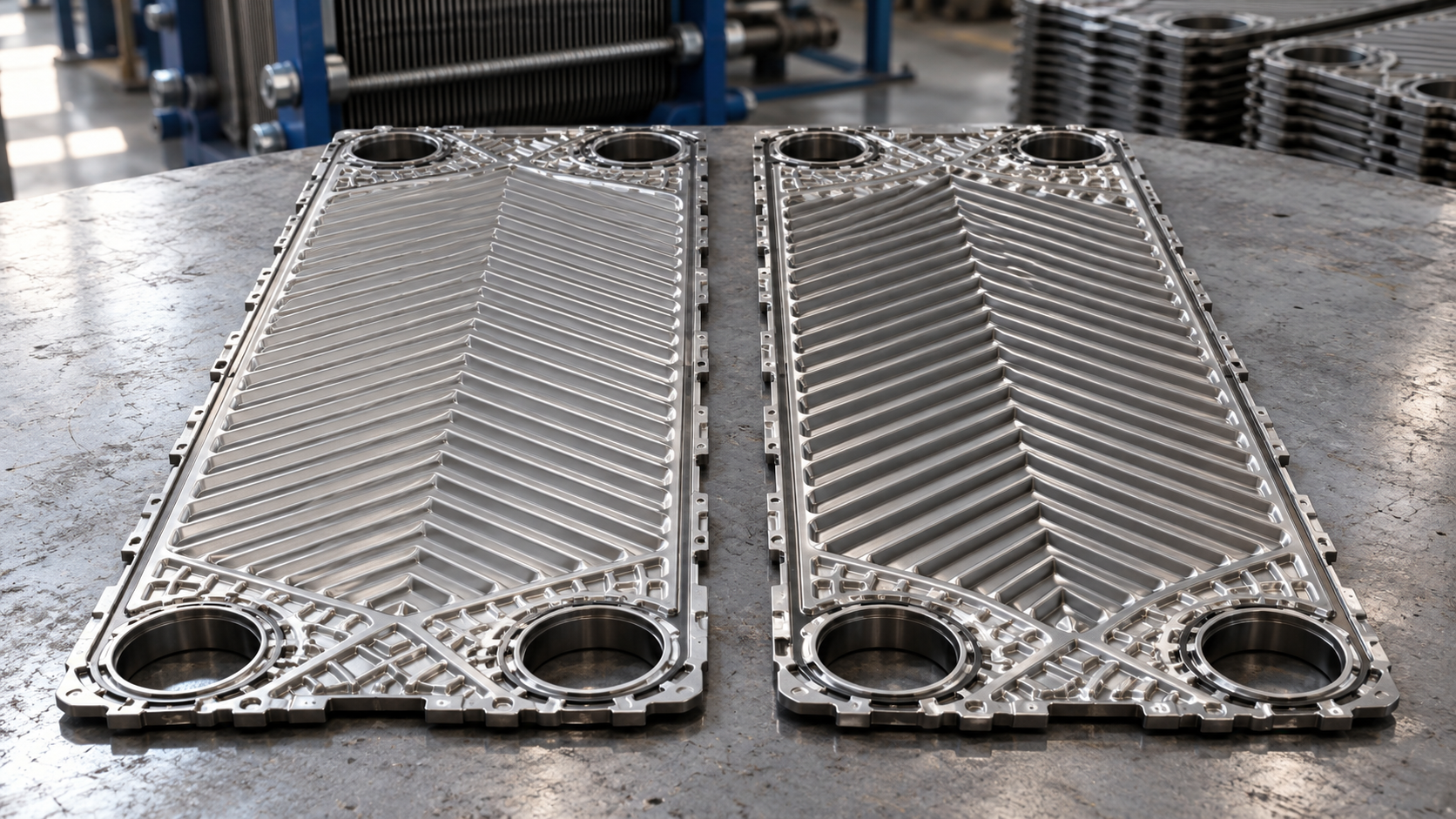
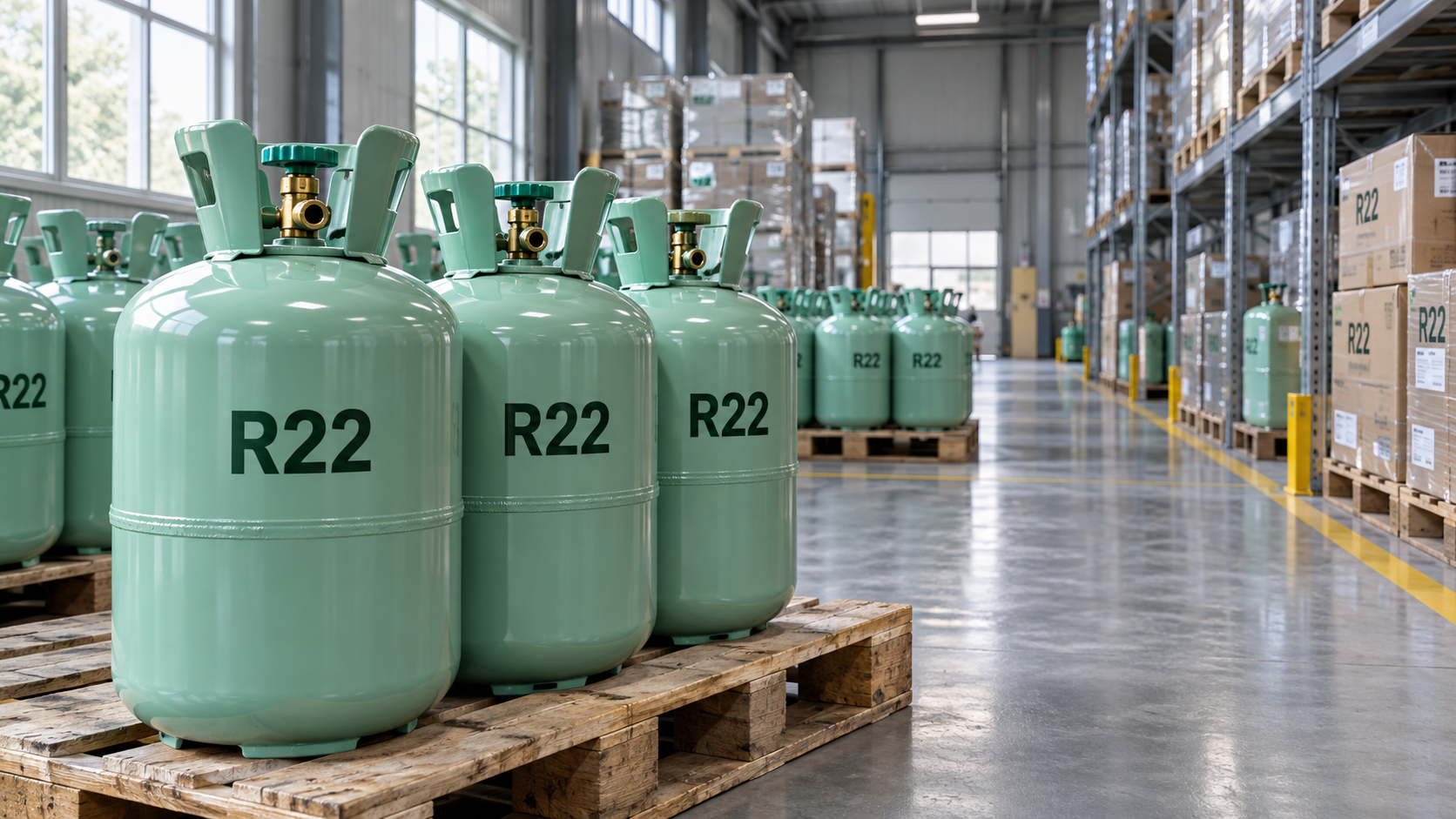
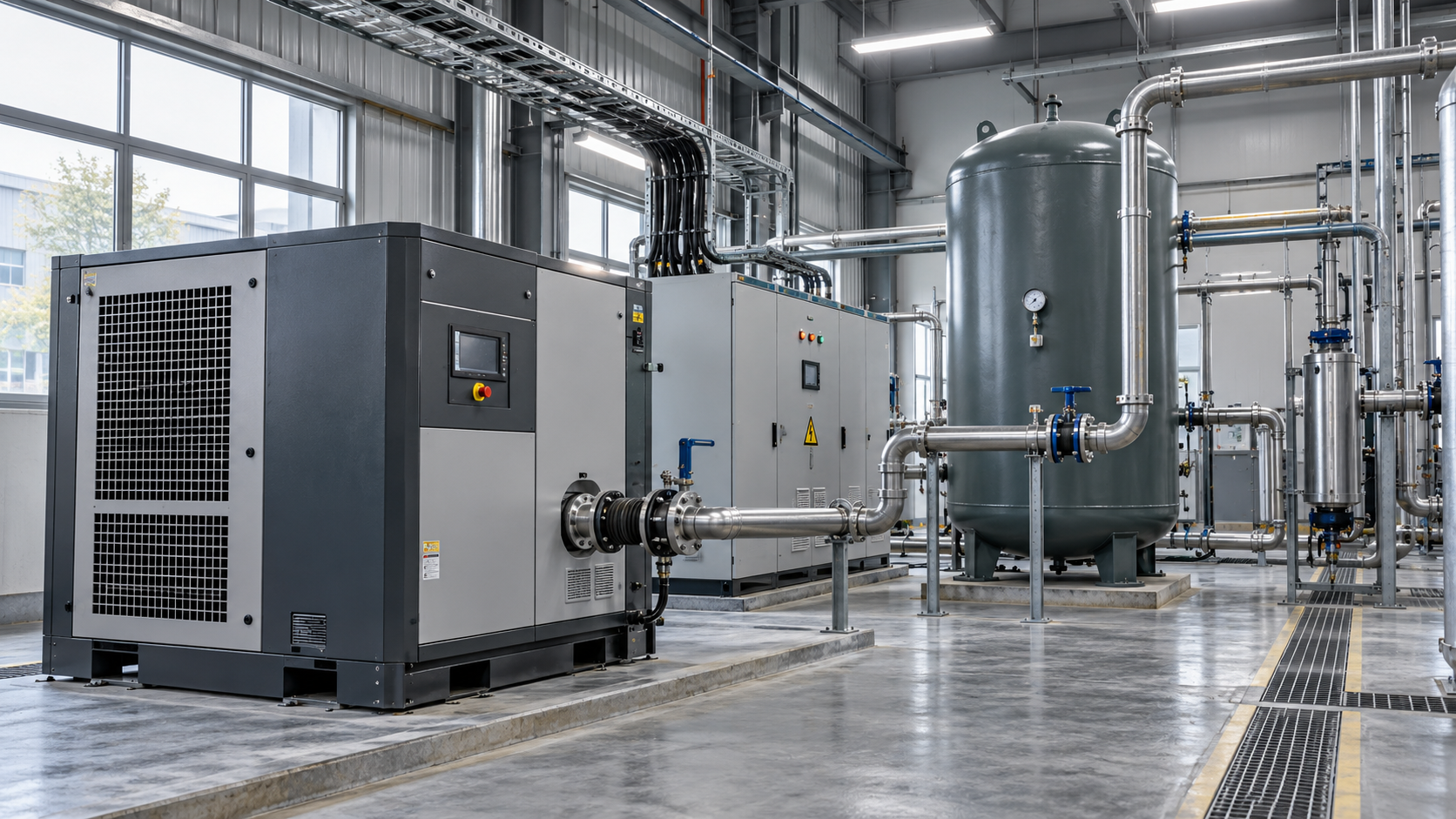
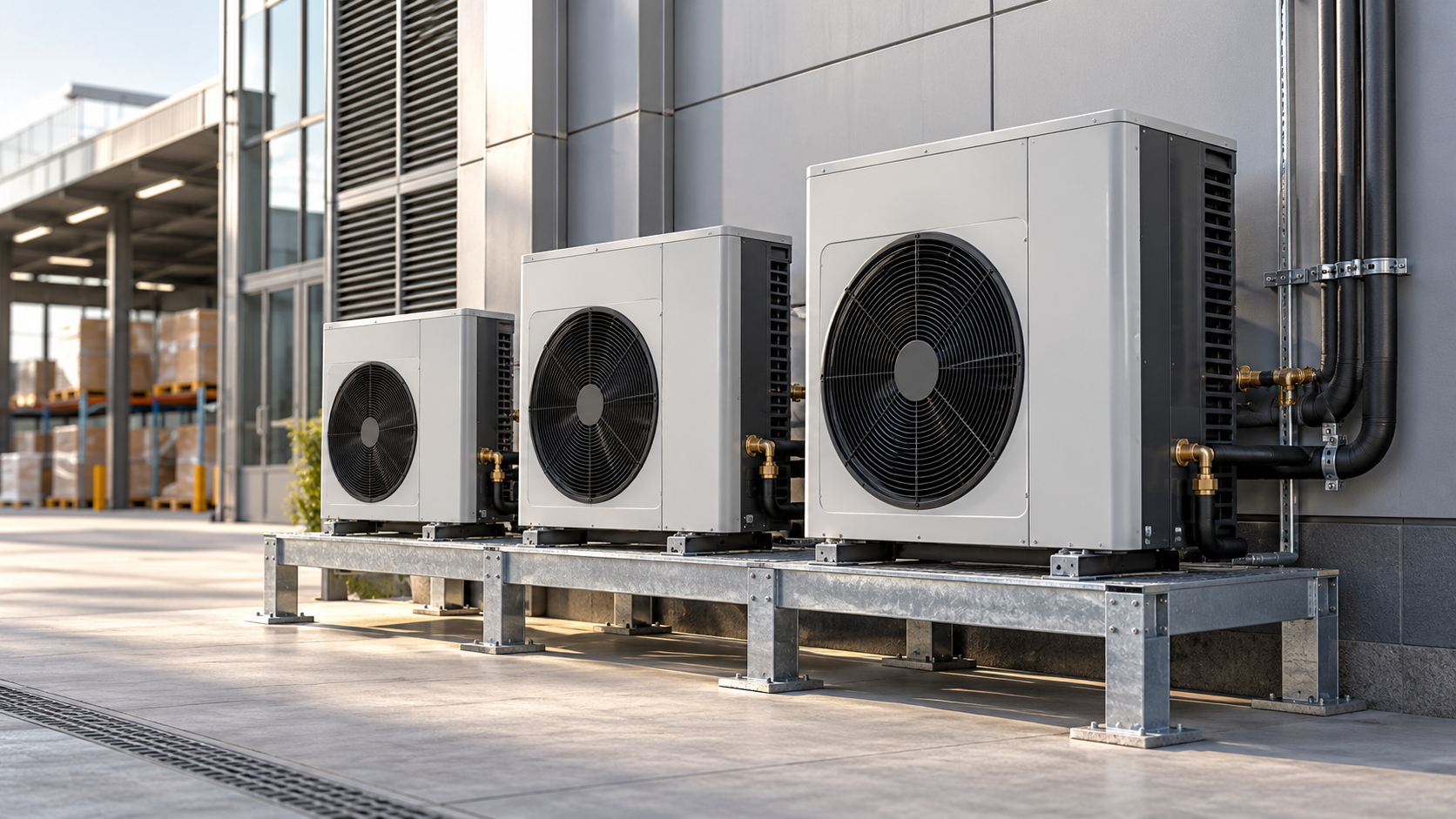
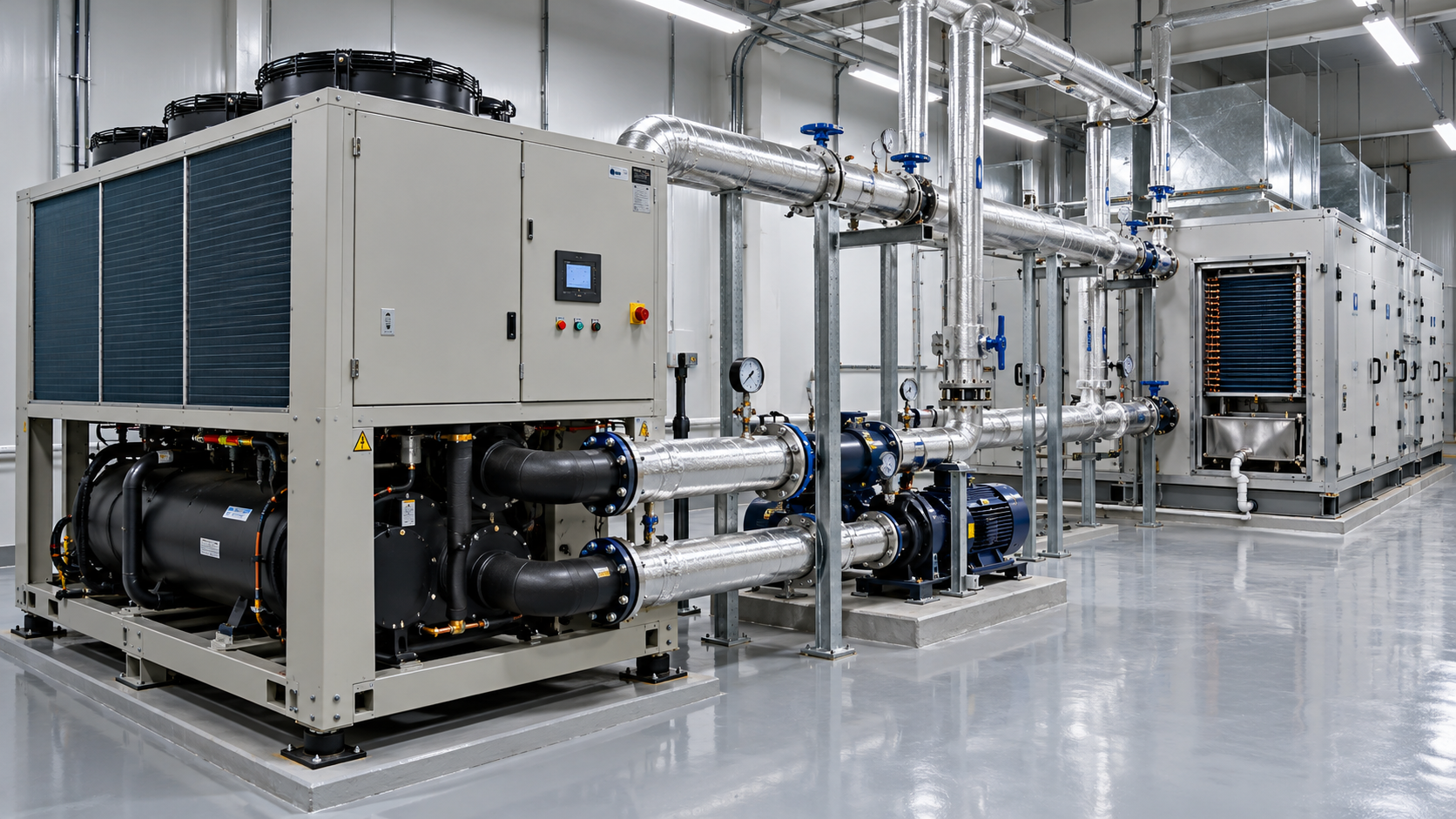
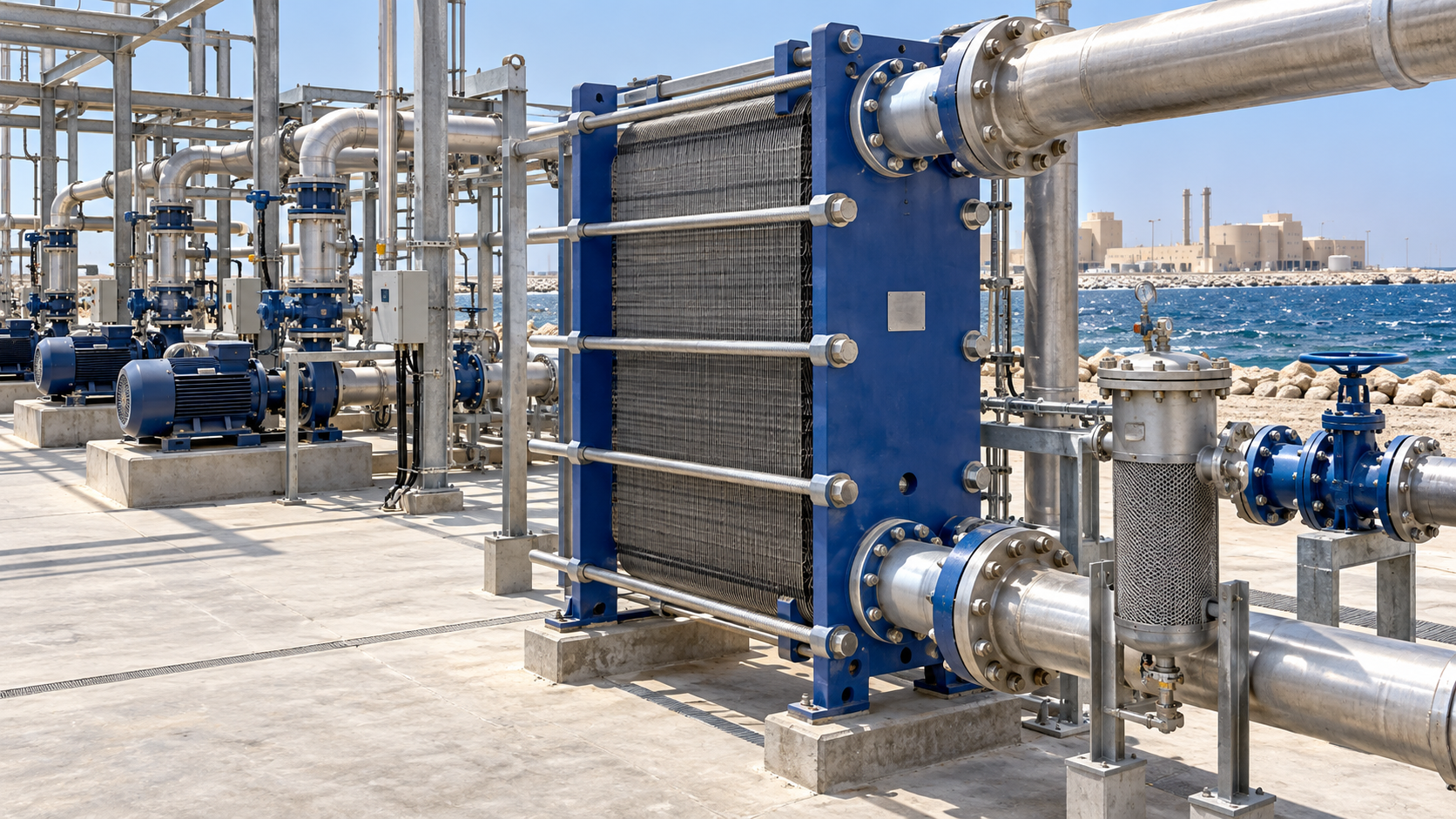
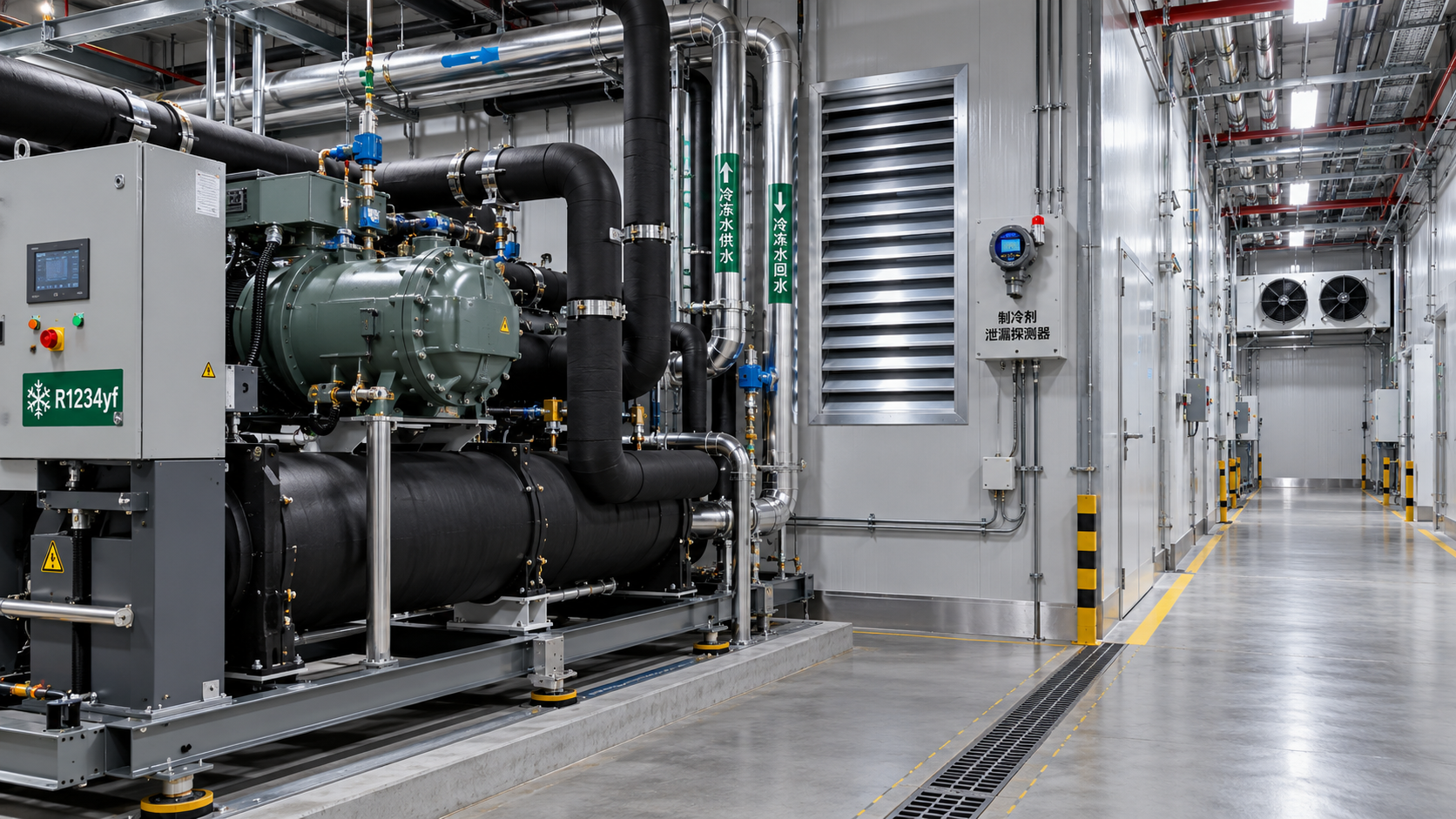
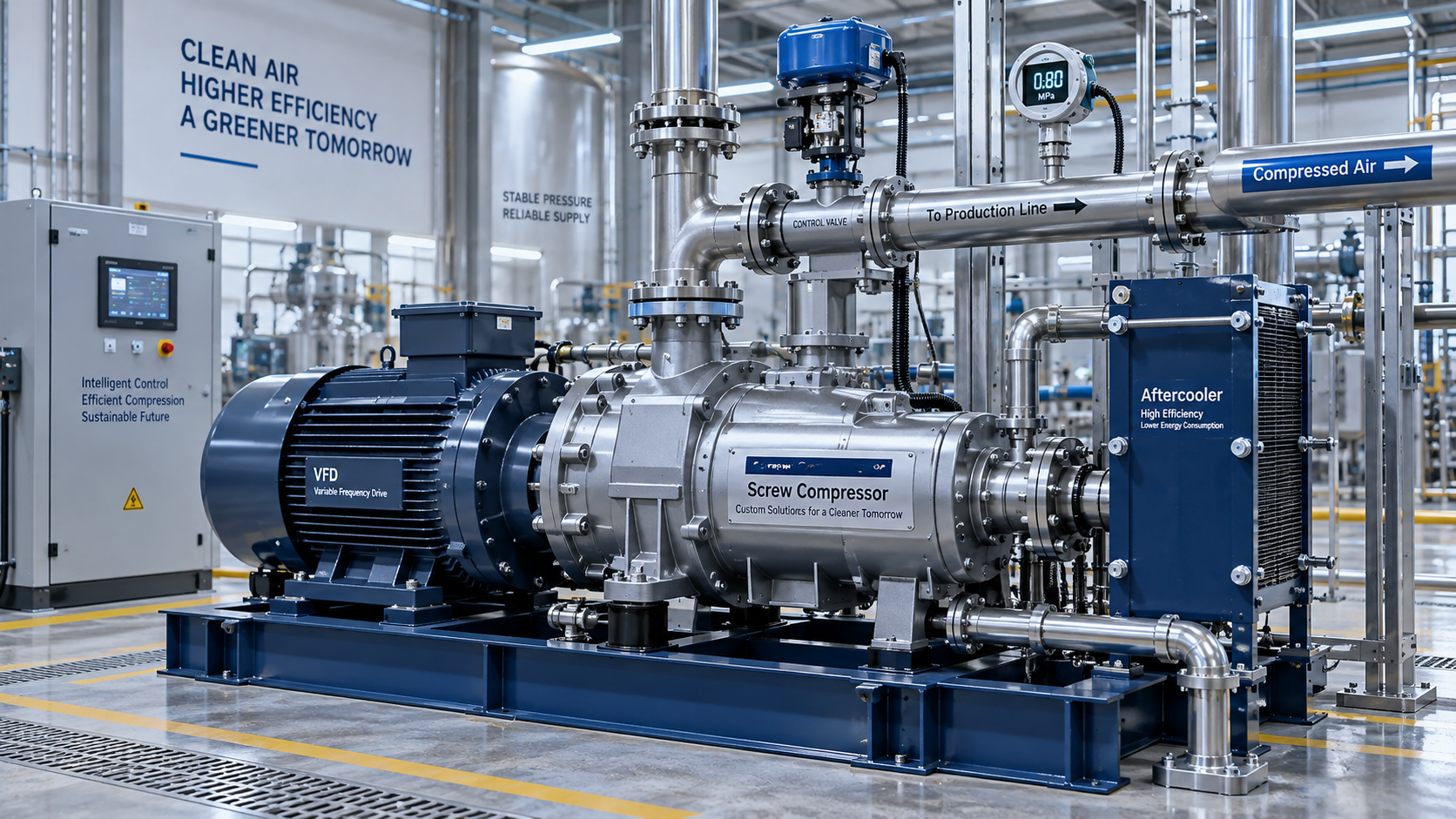
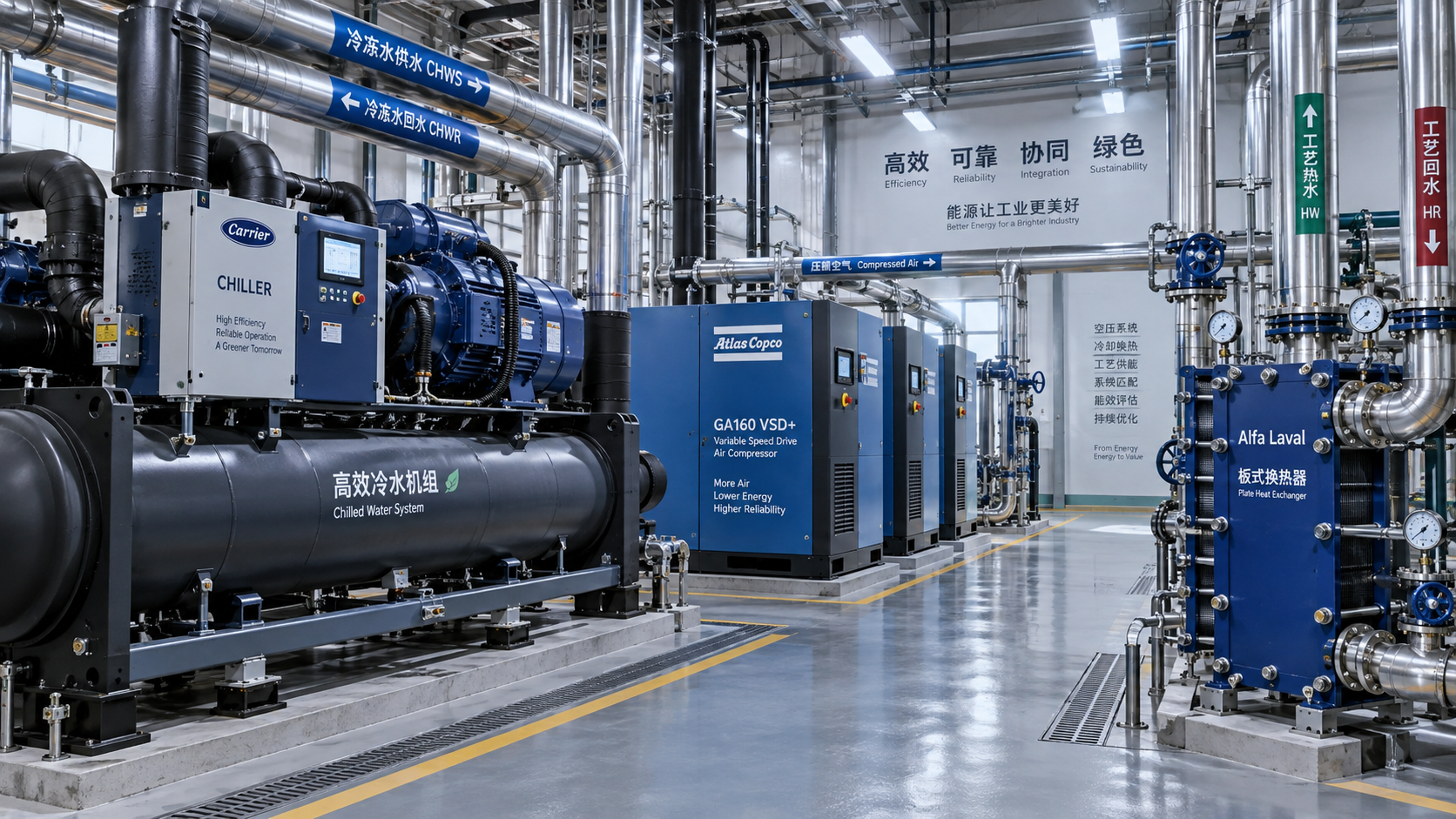
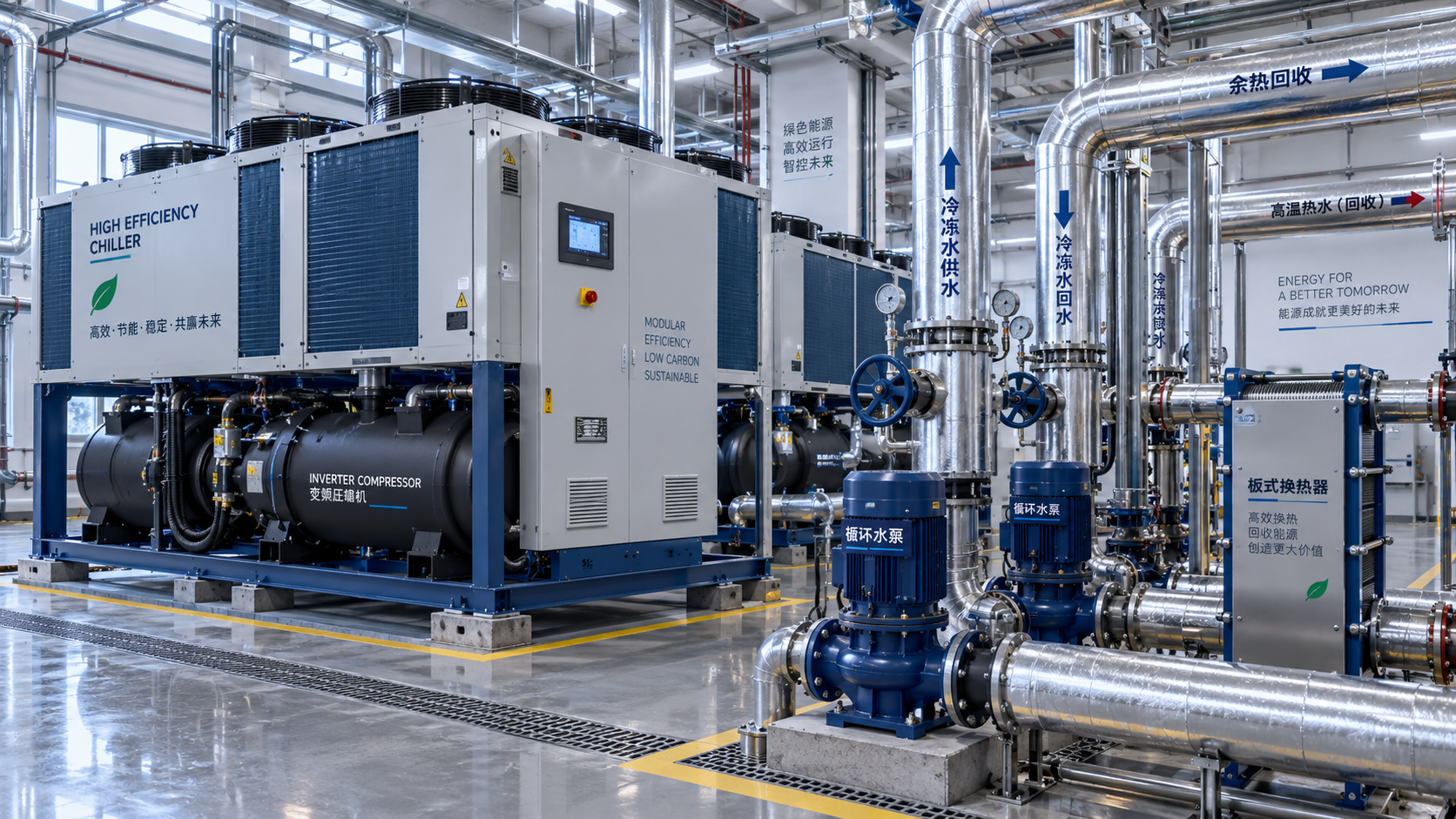
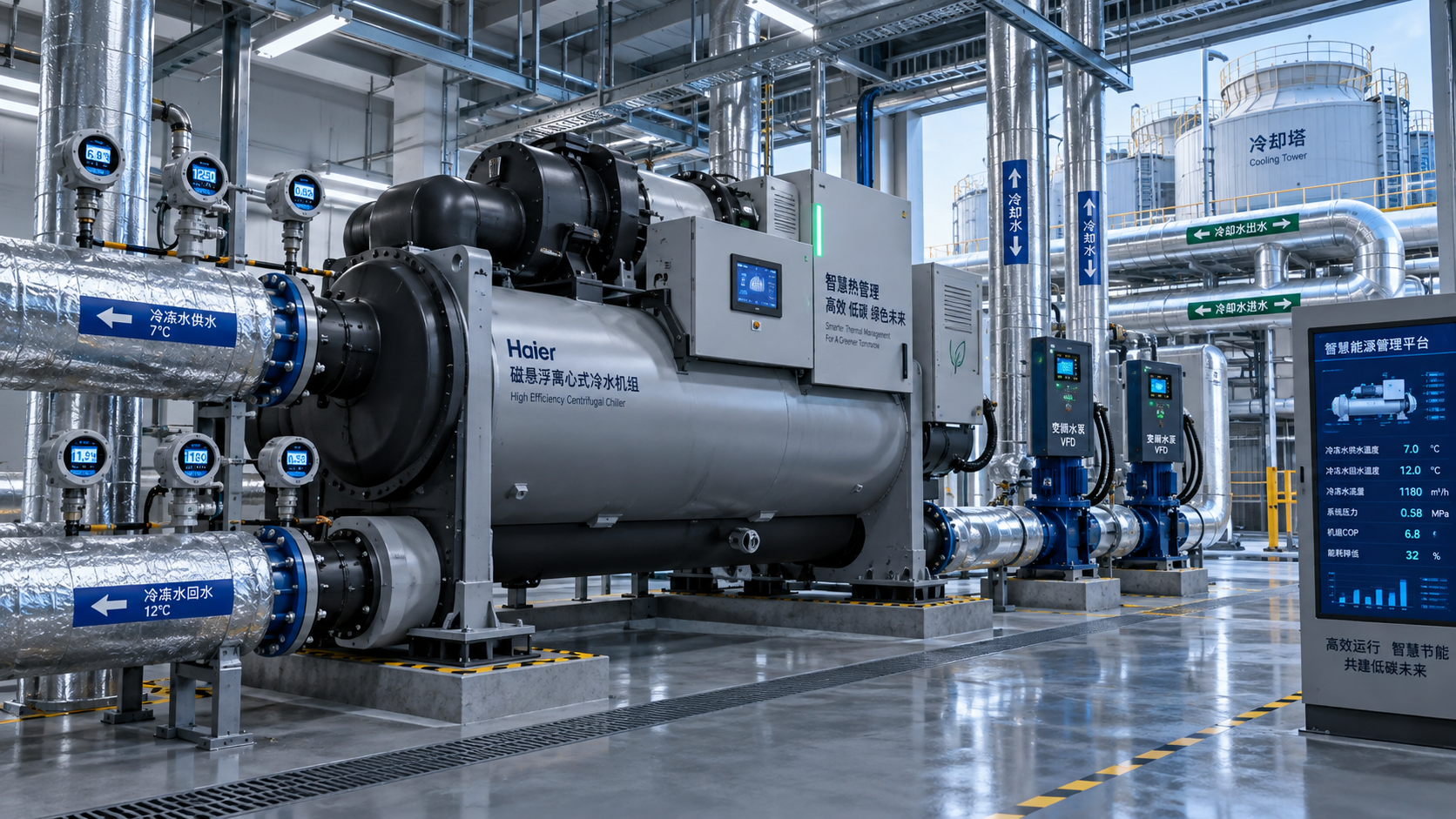
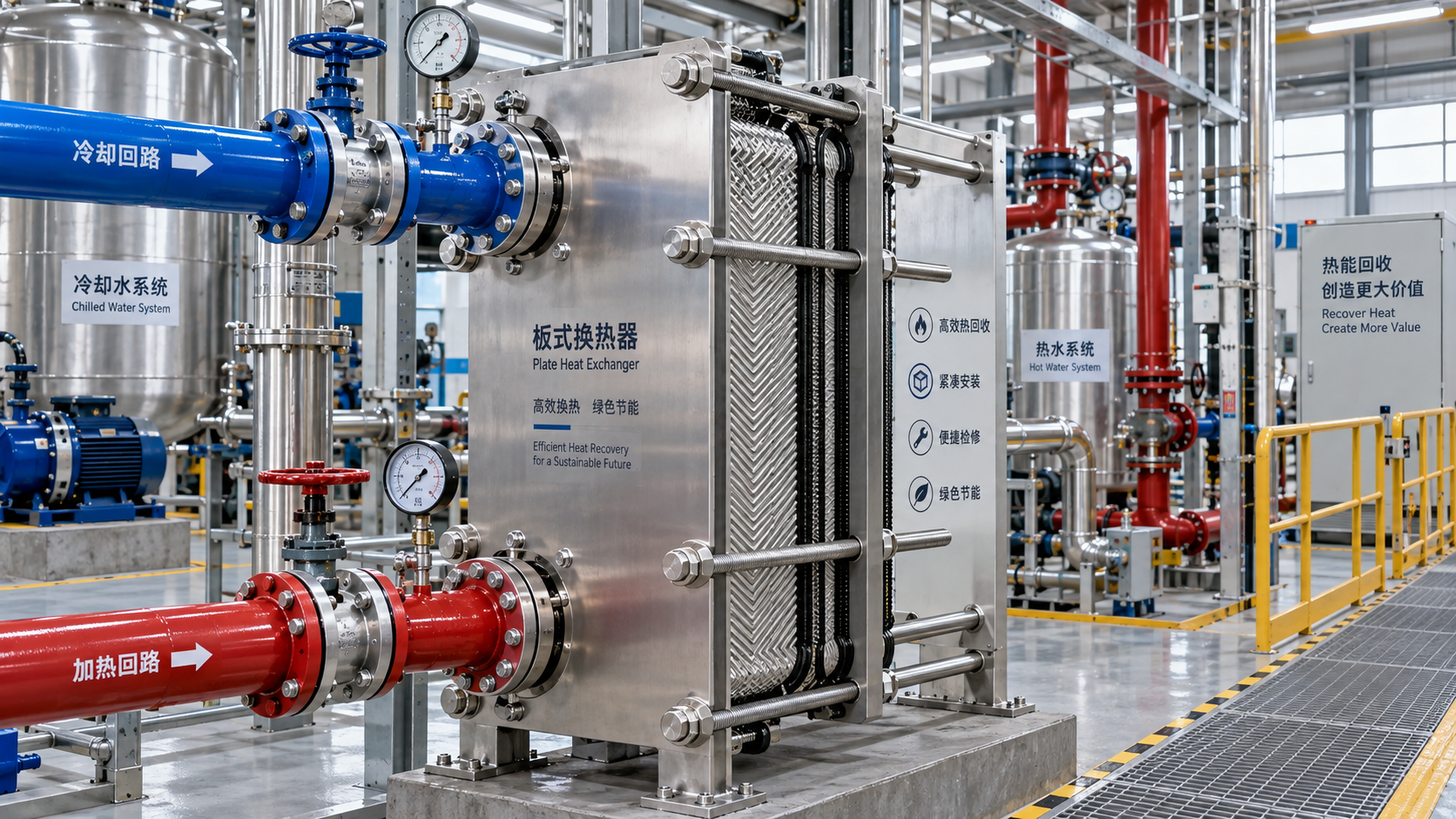
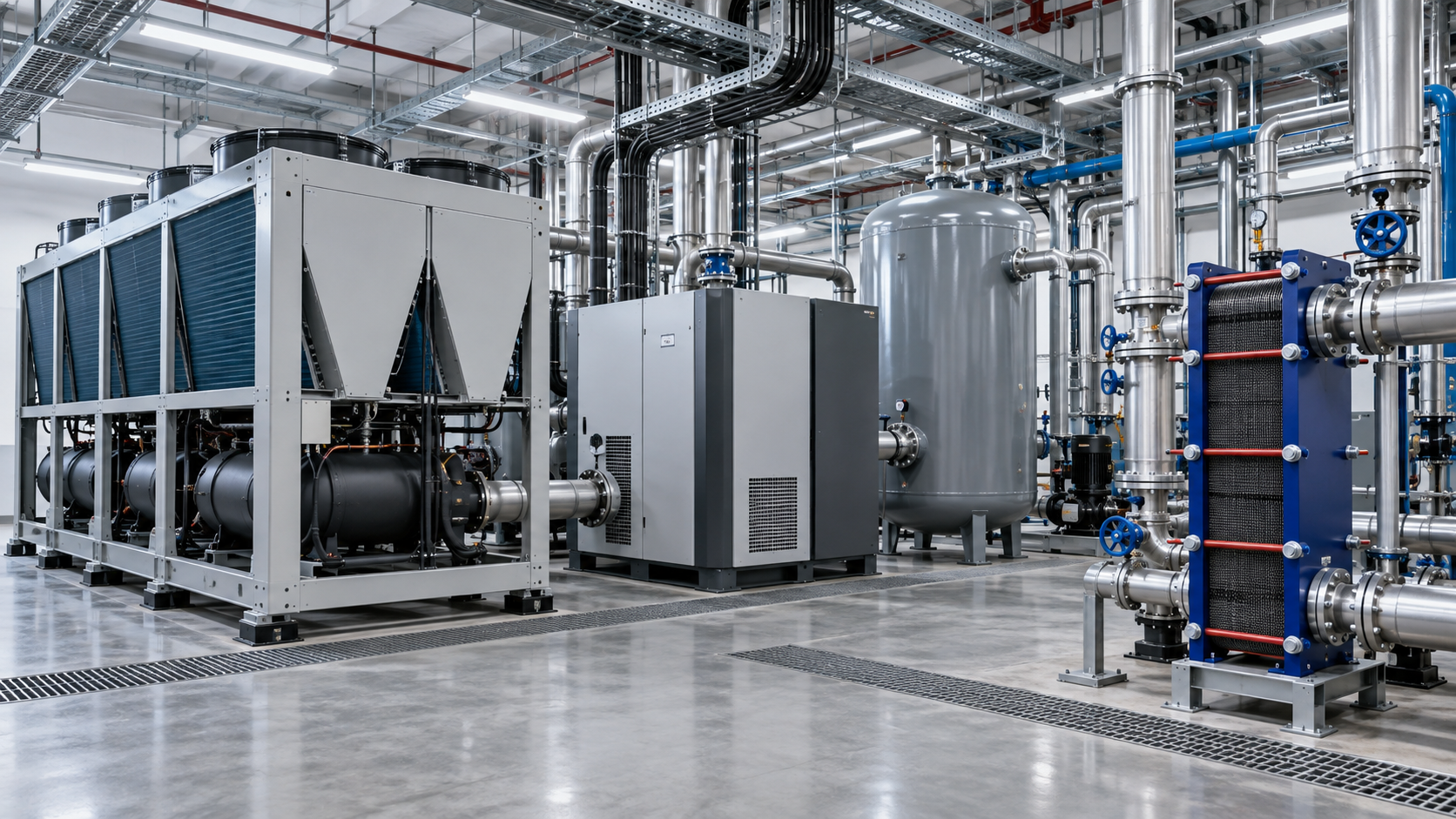
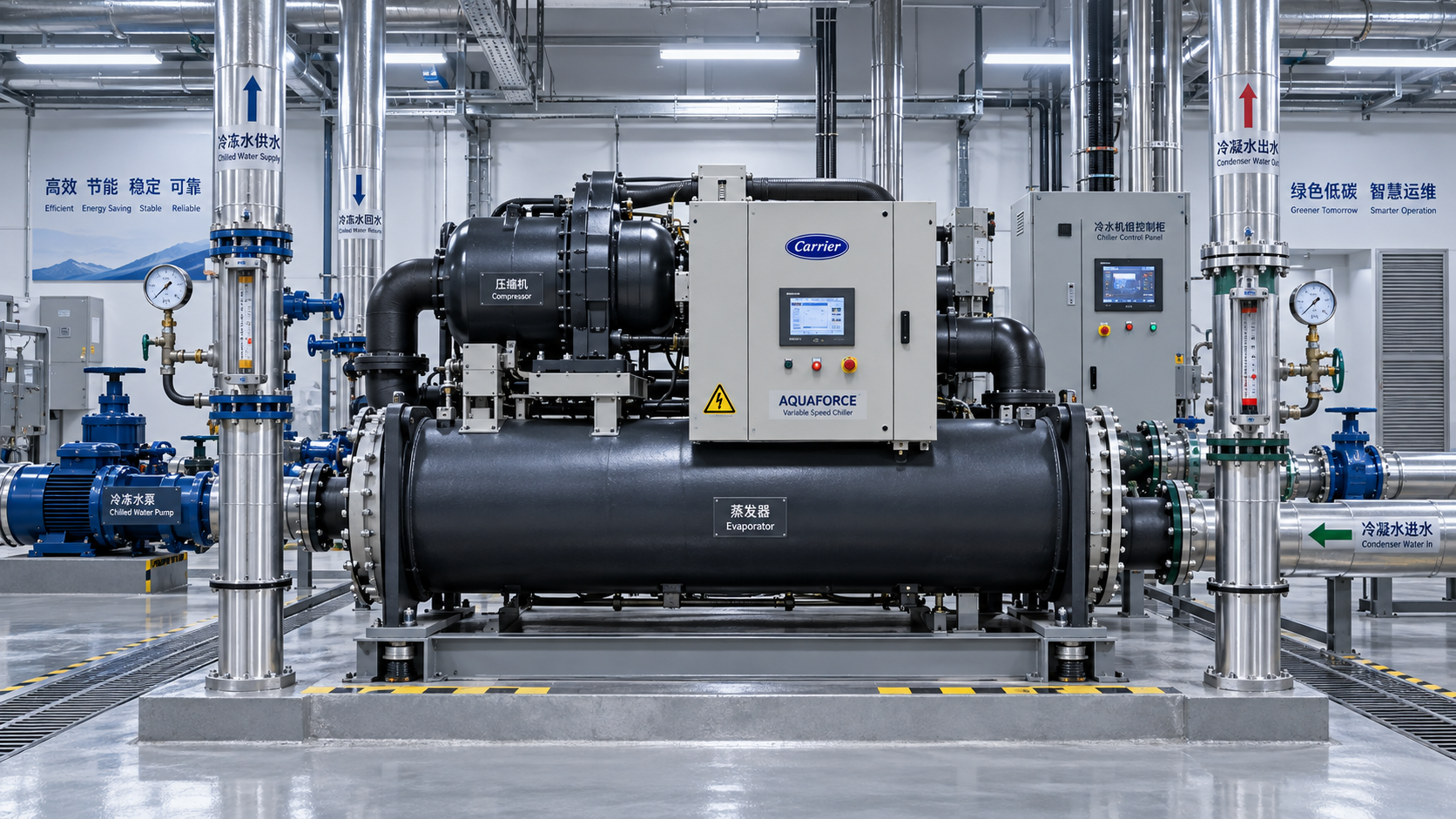
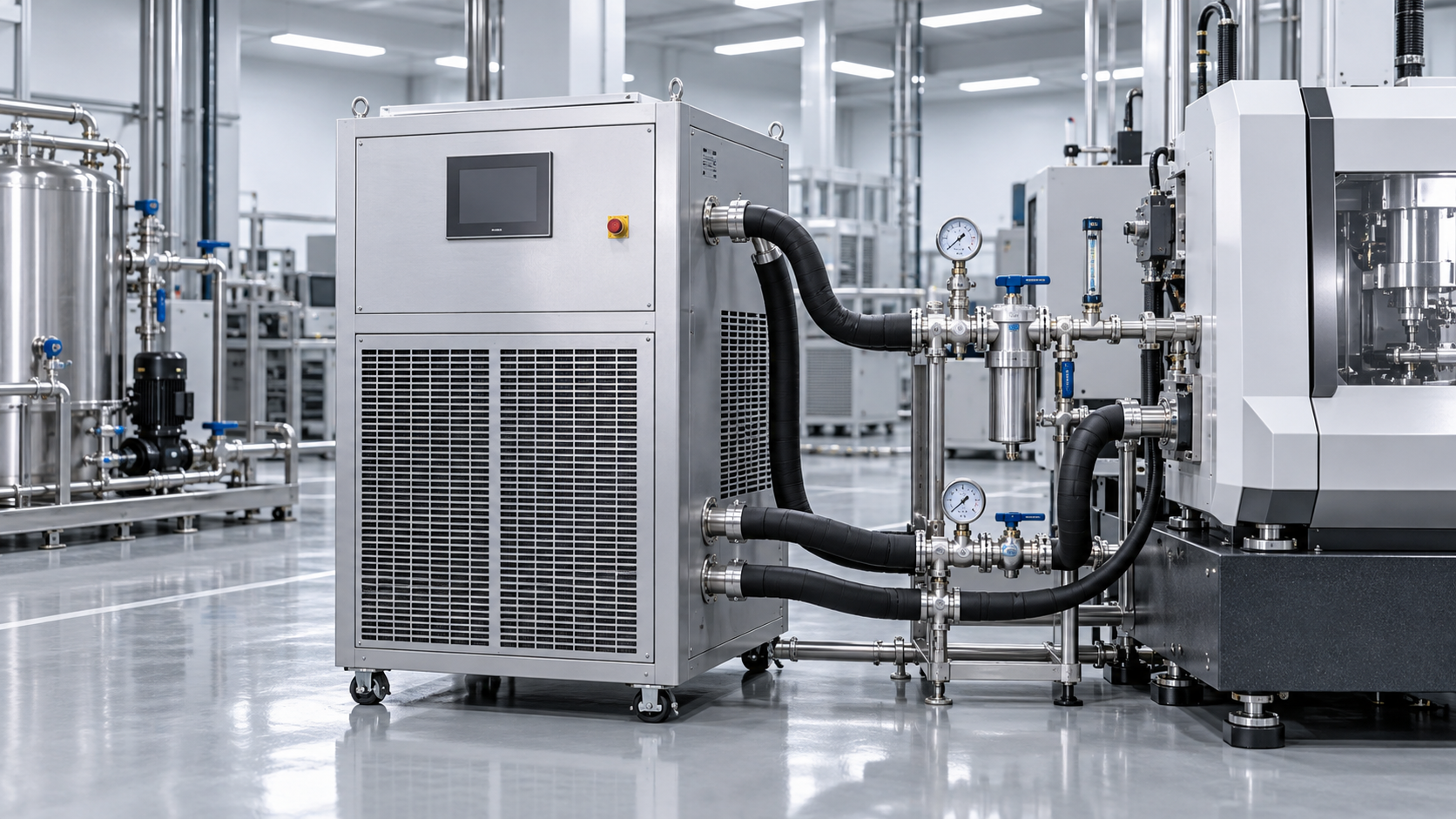
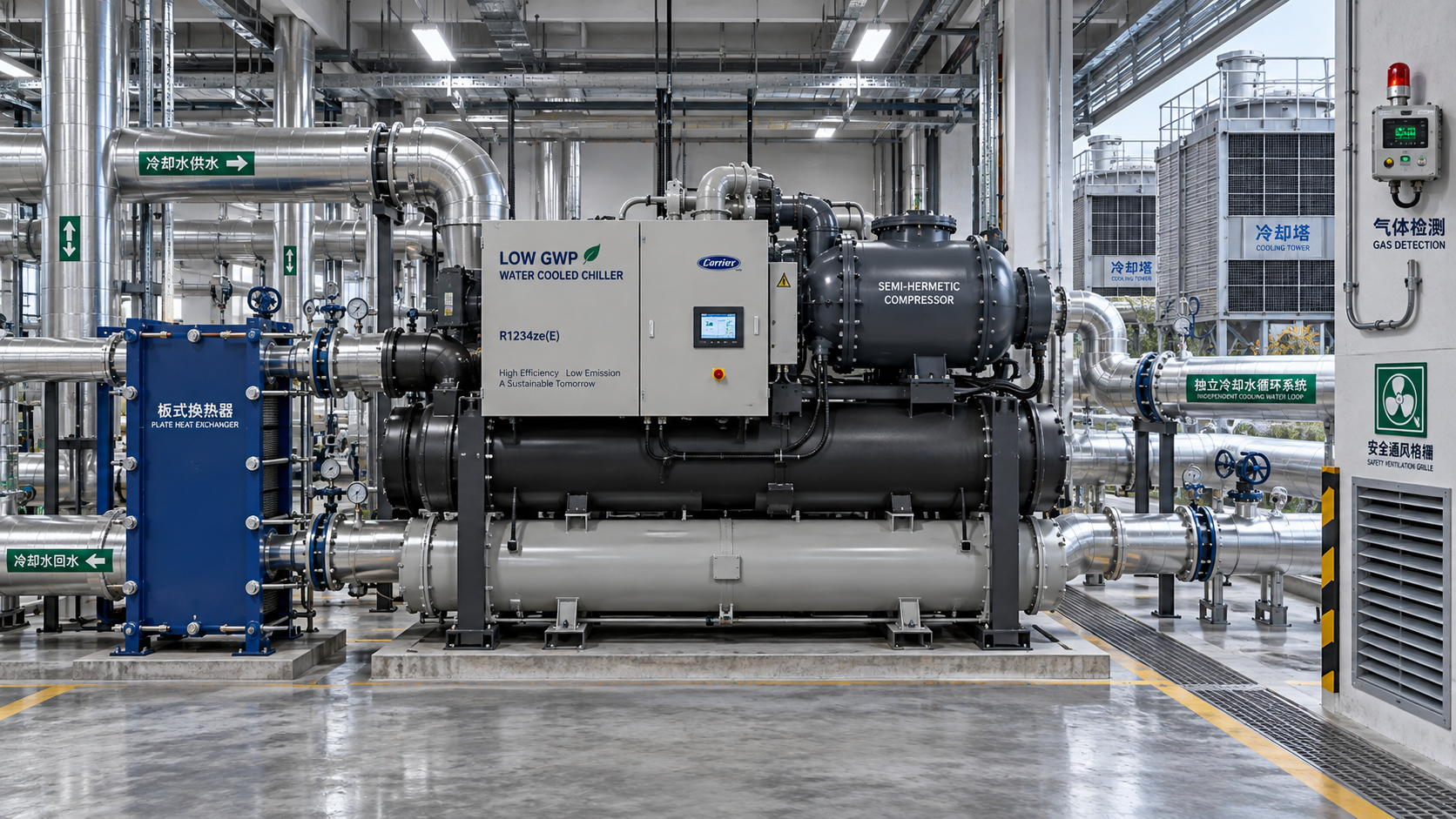
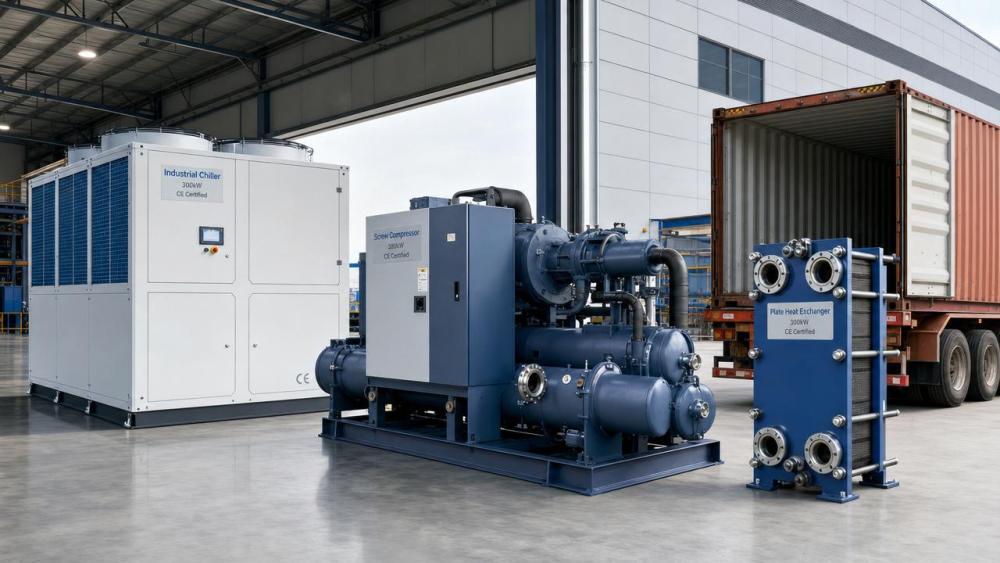
Starting 1 May 2026, China implements zero tariff treatment for imports originating from all 53 African states with formal diplomatic ties. The measure covers industrial cooling systems, heat exchange equipment, and compressed air systems—including condensing units, plate heat exchangers, screw compressors, and industrial chillers. This eliminates applicable customs duties for African importers acquiring such equipment from China, directly reducing compliance-related costs and lowering market entry requirements.
Impact Across the Value Chain
Export-Oriented Trading Companies
These firms face reduced price pressure in African tenders, as tariff removal improves competitiveness against non-Chinese suppliers. They must now reassess pricing models, contract terms, and Incoterms alignment—particularly regarding origin documentation and preferential tariff claim procedures under the new framework.
Raw Material and Component Procurement Firms
While not directly exporting finished equipment, these suppliers may experience increased demand for tariff-sensitive subassemblies (e.g., copper tubes, stainless-steel plates, control valves) destined for final assembly into zero-tariff-eligible products. Traceability of origin and harmonized classification of intermediate goods will require closer attention.
Equipment Manufacturers
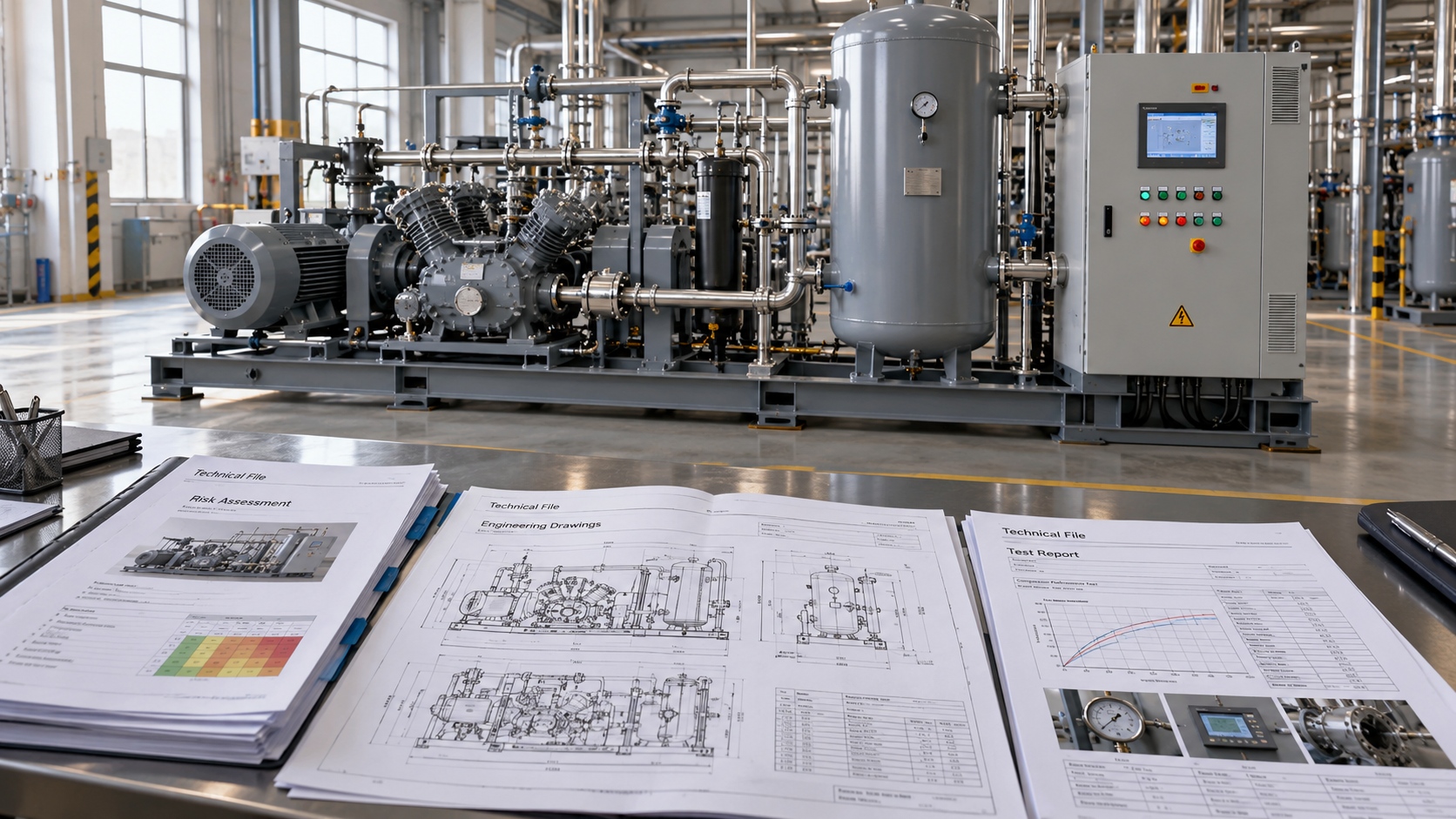
Manufacturers of industrial chillers, screw compressors, and plate heat exchangers gain enhanced eligibility for African infrastructure projects—especially those tied to cold chain expansion and power grid modernization. Production planning, certification readiness (e.g., CE, ISO 50001, IEC 60034), and technical documentation localization for African regulatory environments become higher-priority operational tasks.
Logistics and Trade Compliance Service Providers
Service providers must update tariff classification guidance, origin verification protocols, and preferential certificate-of-origin (Form A or successor format) processing workflows. Capacity building on African customs valuation rules and post-clearance audit expectations is advisable ahead of implementation.
Key Operational Priorities for Exporters
Confirm Product Eligibility and HS Code Alignment
Verify that specific equipment models—including condensing units and industrial chillers—fall within the tariff lines designated for zero-duty treatment. Cross-check Harmonized System (HS) codes against China’s official schedule and confirm consistency with African importing country classifications.
Strengthen Technical Documentation and Certification Readiness
African procurement entities increasingly require localized technical specifications, energy efficiency test reports (e.g., ISO 5149, AHRI Standard 550/590), and conformity assessment evidence. Preparing multilingual operation manuals, safety certifications, and EMC compliance records supports faster tender evaluation.
Align with African Infrastructure Procurement Timelines
Given concurrent acceleration in cold chain development and power capacity upgrades across multiple African markets, exporters should synchronize production lead times, shipping schedules, and spare parts provisioning with national infrastructure project milestones—notably those funded by multilateral development banks or regional initiatives.
Review After-Sales Support Capabilities
Tender documents in priority sectors increasingly mandate local service networks, warranty enforcement mechanisms, and traceable quality assurance systems. Exporters should assess their capacity to meet minimum response time SLAs, spare parts availability thresholds, and technician certification requirements in target countries.
Industry Perspective: Beyond Tariff Removal
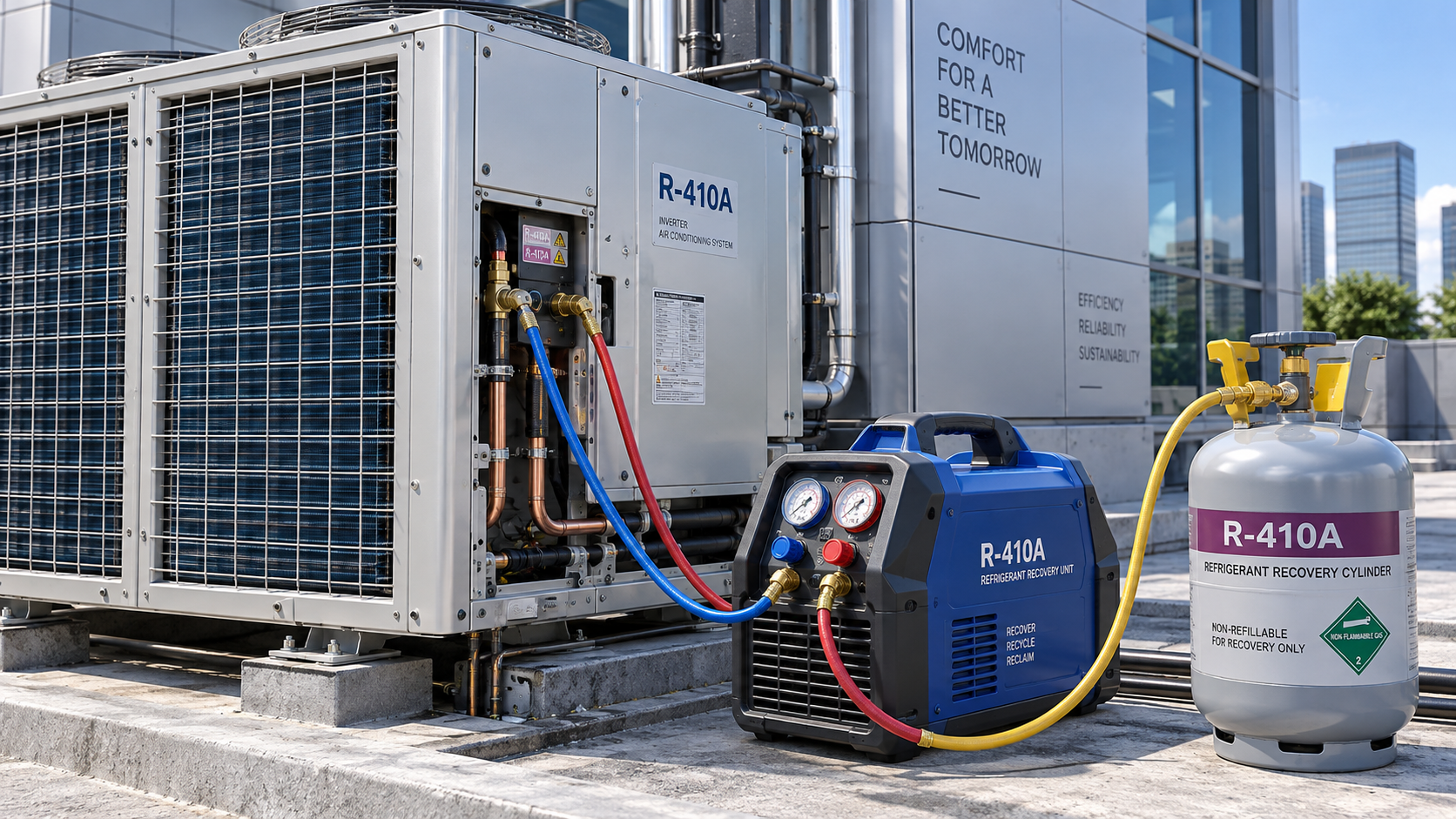
Analysis shows that while zero tariffs improve price competitiveness, they do not automatically lower non-tariff barriers—such as varying national standards for electrical safety, refrigerant handling (e.g., adherence to Kigali Amendment reporting), or local content requirements in public tenders. From an industry perspective, the policy shift more meaningfully accelerates demand visibility and justifies longer-term investment in African market development—provided manufacturers proactively address certification fragmentation and after-sales scalability. What deserves closer attention is how rapidly African customs authorities implement the preferential regime in practice, and whether origin verification processes introduce new administrative delays.
Strategic Implications for the Sector
This policy marks a structural inflection point—not merely a short-term cost advantage, but a catalyst for deeper integration of Chinese industrial equipment suppliers into African energy and food security infrastructure value chains. Its long-term significance lies less in immediate tariff savings and more in enabling sustained participation in multi-year public procurement cycles, contingent on consistent compliance performance and localized service delivery capability.
Source Information and Verification Notes
This article is based exclusively on the user-provided title, event date (2026-05-01), and summary description. Specific official source links were not provided in the input and should be verified continuously. Stakeholders are advised to monitor updates from China’s Ministry of Commerce (MOFCOM), the General Administration of Customs of China (GACC), and African Union–level trade facilitation instruments. Further observation is warranted regarding detailed implementation guidelines, certification acceptance criteria across individual African countries, and evolving tender requirements in key infrastructure sectors.
Ready when you are. Send us a message to get started.
Related News
- How corrugation angle affects heat transfer in plate heat exchangersAuthor :Thermodynamics Analyst

- R22 Prices Retreat as China's Refrigerant Market Faces Tight Quotas and Soft DemandAuthor :Cryogenic Systems Expert

- How to select industrial equipment for automation with existing PLCsAuthor :

- Carrier Plans $600 Million Manufacturing and Engineering Center in Fort WorthAuthor :

- How electricity prices shape industrial compressed air price trendsAuthor :

- Chemours Faces Investor Lawsuit Over Opteon Refrigerant Sales ForecastsAuthor :Cryogenic Systems Expert

- Choosing air filtration systems for heavy dust in the Middle EastAuthor :

- LG Expands R290 Monobloc Heat Pump Range with New 12–16 kW ModelsAuthor :Cryogenic Systems Expert

- How to size a chiller for pharmaceutical cleanroom temperature controlAuthor :Cryogenic Systems Expert

- Kentucky Regulators Approve $191 Million Cooling Tower at Mitchell Coal PlantAuthor :Thermodynamics Analyst

- How much does a fully installed compressed air monitoring system cost?Author :

- What documentation supports CE marking for industrial equipment?Author :

- When do plate heat exchangers suit Middle East seawater cooling?Author :Thermodynamics Analyst

- EU Issues Updated Guidance on Industrial Refrigeration Efficiency and F-gas AlternativesAuthor :Cryogenic Systems Expert

- How does base pressure affect film purity in vacuum deposition?Author :Vacuum Process Fellow

- Do U.S. refrigerant regulations require replacing R-410A systems?Author :Cryogenic Systems Expert

- When does variable gas flow justify a custom screw compressor system?Author :Pneumatic Power Engineer

- How local support affects vacuum system costs in Southeast AsiaAuthor :

- How worldwide industry category guides help compare market opportunitiesAuthor :

- How to verify food-grade purity in compressed air systemsAuthor :Pneumatic Power Engineer

- When high-pressure waste heat recovery boilers make economic senseAuthor :Thermal Energy Strategist

- How to size compressed air equipment for pneumatic toolsAuthor :Pneumatic Power Engineer

- How to size vacuum process equipment for the required pump-down timeAuthor :Vacuum Process Fellow

- What determines the price of pure air compression systems?Author :Pneumatic Power Engineer

- How steam generation efficiency shapes thermal power system designAuthor :Thermal Energy Strategist

- What drives sustainable thermal systems cost over their operating life?Author :

- Which vacuum specification best protects semiconductor process yield?Author :Vacuum Process Fellow

- When do smart thermal systems with sensors reduce chiller energy use?Author :Cryogenic Systems Expert

- When does gasketed plate heat exchanger technology suit your process?Author :Thermodynamics Analyst

- How to size oil-free compressors for instrumentation air demandAuthor :Pneumatic Power Engineer

- How Class 0 oil-free compressors protect product quality in food productionAuthor :Pneumatic Power Engineer

- Which industrial solution comparison criteria prevent project delays?Author :

- Chiller Optimization Checklist for Rising Energy Use and Unstable Cooling OutputAuthor :Cryogenic Systems Expert

- How to Specify a High-Precision Temperature Chiller for Tight-Tolerance ProcessesAuthor :Cryogenic Systems Expert

- Designing Energy-Efficient Industrial Cooling for Variable Process LoadsAuthor :Cryogenic Systems Expert

- Low-GWP Cooling Solutions for Process Plants: Comparing Safety, Efficiency, and CostAuthor :Cryogenic Systems Expert