



R32 Price Tops RMB 65,000/Ton as Chiller Export Costs Rise




The timing of this development is not specified in the source input, but the market signal is clear: the implementation of full-chain HFCs filing requirements under Huan Daqi [2026] No. 8, together with tighter global quotas, has pushed R32 pricing higher and is now affecting export cost calculations for Industrial Chillers. This deserves attention not only from refrigerant buyers and chiller manufacturers, but also from export teams, technical bid teams, and overseas customers evaluating refrigerant compliance, delivery terms, and alternative design options.
What has been confirmed so far
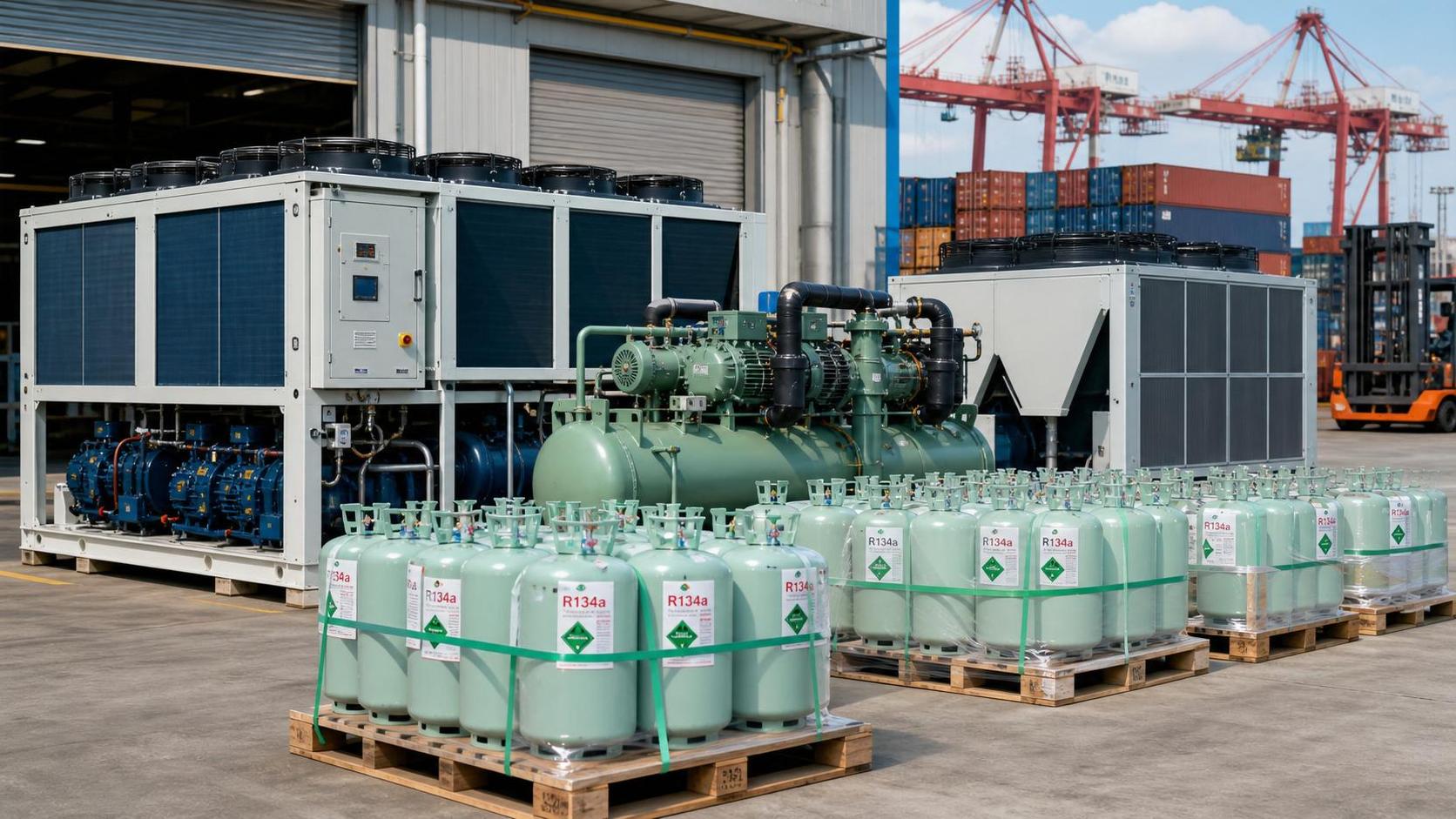
According to the provided information, R32 was quoted at RMB 65,200 per ton on June 21, with a week-on-week increase of 3.8%.
The price move is described as being driven by two confirmed factors in the input: the execution of full-chain HFCs filing requirements under Huan Daqi [2026] No. 8 and tighter global quotas.
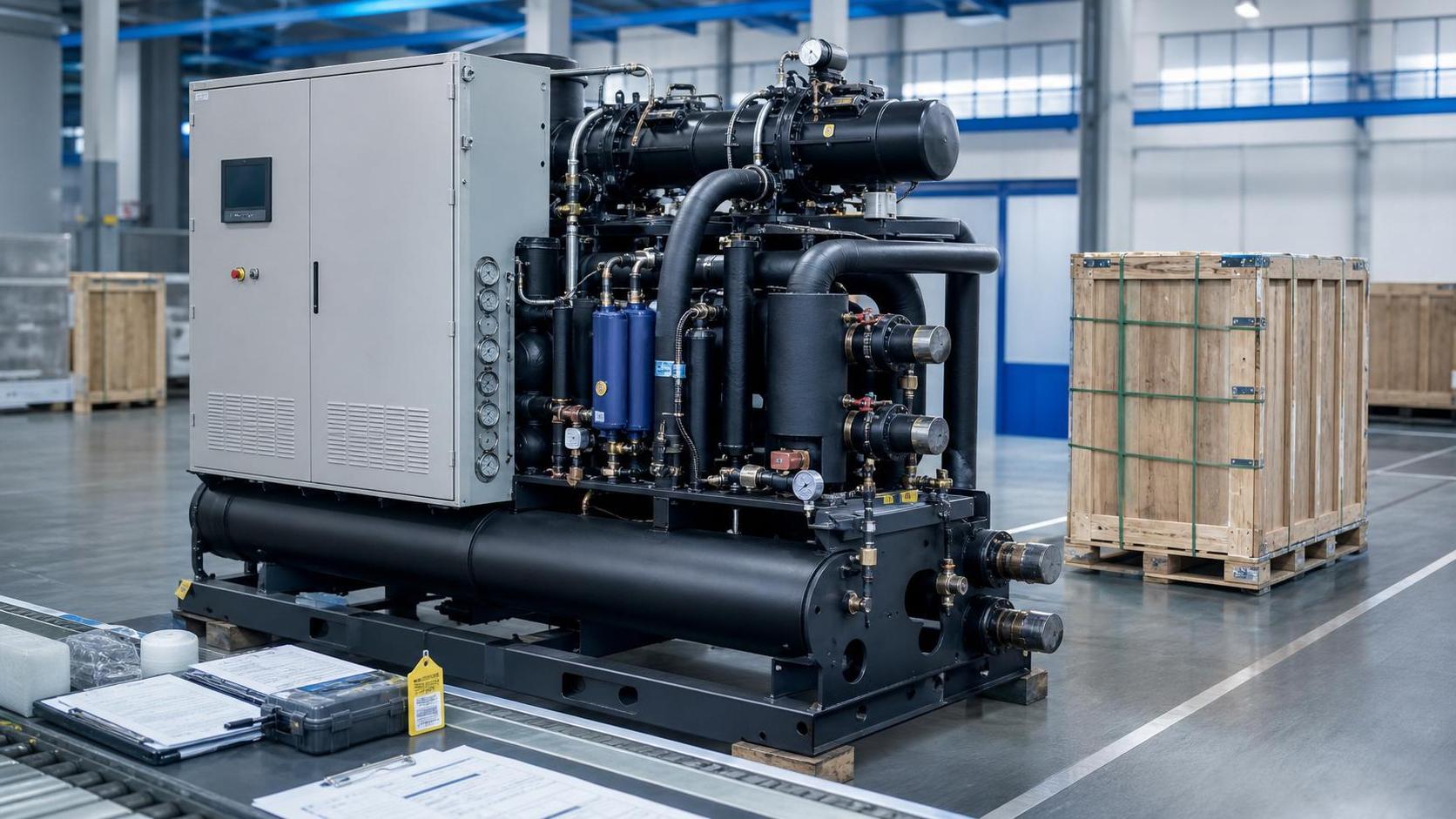
The same input states that the increase has been transmitted directly into complete-unit export costs for Industrial Chillers, with particularly visible pressure on air-cooled and water-cooled screw units using R32 refrigerant. It also confirms that recent inquiries from customers in Southeast Asia and the Middle East commonly request compatibility options and cost comparison tables for alternative refrigerants such as R290 or transcritical CO₂.
Where the pressure is likely to appear first
Export quotation and bid preparation
From an industry perspective, exporters and overseas sales teams are likely to feel the effect first in quotation management. When refrigerant cost volatility is passed through to complete units, pricing validity, bid assumptions, and technical-commercial alignment can become more sensitive, especially for projects centered on R32-based configurations.
What deserves closer attention is whether quotation packages, technical schedules, and commercial annexes clearly distinguish between the base refrigerant solution and any alternative refrigerant option requested by the buyer. This matters because the inquiry stage is already showing stronger demand for option-based comparison rather than a single refrigerant offer.
Manufacturing and procurement coordination
Manufacturers and raw-material procurement teams may be affected through cost planning and model selection. The confirmed information specifically points to air-cooled and water-cooled screw chillers using R32, which means procurement cycles, BOM review, and refrigerant-related sourcing assumptions may require closer monitoring.
Analysis shows that the practical issue is not only higher input cost, but also whether procurement and engineering teams can keep technical documentation consistent when customers ask for R290 or transcritical CO₂ alternatives alongside the original R32方案. For companies handling export projects, this can influence internal review speed, supplier coordination, and the completeness of delivery documentation.
Customer-side technical review and compliance screening
Buyers, EPC-style procurement teams, and channel partners may see this as more than a price issue. Observably, the request for alternative refrigerant compatibility and cost comparison tables suggests that some customers are already linking refrigerant choice to compliance review, long-term operating assumptions, and procurement decision-making.
In practical terms, this can affect technical evaluation sheets, tender clarifications, and project-side document requests. Companies involved in after-sales or technical support may also need to prepare for more pre-sale questions on refrigerant route selection, replacement feasibility, and model-specific documentation.
What companies should watch now
Recheck refrigerant-related document readiness
Analysis shows that companies supplying R32-based chillers should first review whether their quotation files, product specifications, technical datasheets, and comparison materials are ready for customer-side scrutiny. The input confirms rising customer requests for alternative refrigerant options, so incomplete document sets may slow down inquiries or create avoidable clarification rounds.
Track the execution wording, not only the price move
What deserves closer attention is the execution impact of full-chain HFCs filing requirements rather than treating the event only as a raw-material price increase. Since the input does not provide detailed enforcement language or implementation mechanics, it is more appropriate to monitor how official wording, market practice, and transaction requirements continue to align.
Prepare option-based export discussions
For export-facing businesses, it may be prudent to prepare side-by-side technical and cost communication for R32, R290, and transcritical CO₂ routes where customers request it. This should be understood as a response to current inquiry behavior described in the input, not as proof that a uniform market switch has already occurred.
Watch delivery, after-sales, and traceability exposure
Observably, once refrigerant selection becomes part of a broader compliance and procurement discussion, the downstream burden may extend beyond factory pricing. Companies may need to pay closer attention to delivery commitments, version control in technical files, and post-sale traceability of the refrigerant solution agreed at order stage, particularly for export projects with multiple approval steps.
Why this looks like an execution signal
Analysis shows that this development is more meaningful as an execution signal than as a standalone commodity price story. The confirmed facts tie price movement to the implementation of an HFCs filing framework and tighter global quotas, while buyer behavior is already shifting toward alternative refrigerant comparisons.
At the same time, it would be premature to treat this as a fully settled rule outcome across all markets or product lines. It is more appropriate to understand this as a concrete sign that regulatory execution, cost transmission, and customer-side specification review are beginning to interact more directly in the chiller export segment.
How to read the market change at this stage
From an industry perspective, the main significance of this development is that refrigerant compliance and refrigerant cost are no longer isolated issues for Industrial Chillers aimed at export. The current signal points to a closer link between HFC-related rule execution, complete-unit pricing, and customer requests for alternative technical pathways.
A cautious reading is still necessary. The input supports the view that the change has already affected pricing and inquiry behavior, but it does not yet establish a final market-wide outcome. At this stage, it is more appropriate to read the development as an active compliance-and-procurement signal that requires continued monitoring rather than a settled end-state.
Basis of this article and what still needs verification
This article is generated from the user-provided news title, event timing, and event summary. The timing of the event was not specified in the input, and no specific official source link was provided in the input for verification.
For developments of this kind, commonly relevant source types may include official notices, releases from regulatory authorities, customs or trade administration information, industry association updates, standard-setting documents, and reporting by authoritative media. Further verification is still needed on detailed policy wording, certification or compliance interpretation, tender document changes, market feedback, and how companies are implementing the requirements in practice.
Related News
- How to Compare Semiconductor Cooling Solutions by Heat Load and Uptime RiskAuthor :Cryogenic Systems Expert

- EU Label Deadline Hits China Chiller ExportsAuthor :Cryogenic Systems Expert

- How Smart Thermal Systems Improve Industrial Cooling EfficiencyAuthor :Cryogenic Systems Expert

- How to Choose Process Cooling Equipment for Stable Temperature ControlAuthor :Cryogenic Systems Expert

- EU Finalizes 2026 HFC Quota Cut for R-134a ChillersAuthor :Cryogenic Systems Expert

- EU Tightens HFC-134a Quotas for Industrial ChillersAuthor :Cryogenic Systems Expert

- REACH SVHC Update Pressures HFC-134a Chiller Supply ChainsAuthor :Cryogenic Systems Expert

- EU PFAS Coolant Ban Reshapes Chiller ExportsAuthor :Cryogenic Systems Expert

- EU REACH Restricts PFAS Cooling Media ImportsAuthor :Cryogenic Systems Expert

- EU Ecodesign Rule Takes Effect for Industrial ChillersAuthor :Cryogenic Systems Expert

- EU REACH Rule Takes Effect for PFAS in Industrial Cooling ExportsAuthor :Cryogenic Systems Expert

- Industrial Cooling for Plastic Processing: How to Size for Stable Cycle TimesAuthor :Cryogenic Systems Expert

- EU F-Gas Update Bars R404A/R507 in Commercial CoolingAuthor :Cryogenic Systems Expert

- DOE Raises Chiller Efficiency Standard From October 2026Author :Cryogenic Systems Expert

- India Mandates BIS Energy Certification for Industrial ChillersAuthor :Cryogenic Systems Expert

- Energy-Efficient Heat Exchange for Process Cooling: Cost vs PaybackAuthor :Cryogenic Systems Expert

- EPA R-134a Import Ban Takes Effect on July 13, 2026Author :Cryogenic Systems Expert

- India BIS Rule Takes Effect for Industrial ChillersAuthor :Cryogenic Systems Expert

- EPA Cuts R134a Import Quotas 20% From July 10Author :Cryogenic Systems Expert

- How to Compare Energy-Efficient Cooling Systems for Factory Expansion ProjectsAuthor :Cryogenic Systems Expert

- Chiller Price Index Rises 11.3% in Q2Author :Cryogenic Systems Expert

- Saudi SASO Tightens Chiller Import Compliance From July 10Author :Cryogenic Systems Expert

- Dubai Opens Fast-Track Chiller TendersAuthor :Cryogenic Systems Expert

- Japan Raises Chiller COP Floor to 6.2 From Sept. 1Author :Cryogenic Systems Expert
![]()
- Compact Thermal Management in Smart Devices: Common Failure RisksAuthor :Cryogenic Systems Expert

- Thermal Management for Batteries: Cooling Methods ComparedAuthor :Cryogenic Systems Expert

- How Compact Thermal Design Extends Smart Device UptimeAuthor :Cryogenic Systems Expert

- Shanghai-Rotterdam Reefer Rates Jump 37% in a WeekAuthor :Cryogenic Systems Expert

- Process Cooling Equipment Low Maintenance: What Cuts Downtime Over 5 Years?Author :Cryogenic Systems Expert

- Semiconductor Cooling Solutions: Which Design Works Best for High-Density Tools?Author :Cryogenic Systems Expert

- Semiconductor Thermal Management Systems: Preventing Yield Loss from Heat DriftAuthor :Cryogenic Systems Expert

- EPA Clears R-1234ze(E) for Industrial ChillersAuthor :Cryogenic Systems Expert
 for Industrial Chillers")
- DOE Raises Chiller IEER Floor to 12.8 From Oct. 2026Author :Cryogenic Systems Expert

- Singapore Refrigeration Show Adds Green Compliance HubAuthor :Cryogenic Systems Expert

- How Food Industry Temperature Control Systems Reduce Product LossAuthor :Cryogenic Systems Expert

- EU REACH Adds 12 SVHCs, Raising Chiller Compliance RiskAuthor :Cryogenic Systems Expert