



Semiconductor Thermal Management Systems: Preventing Yield Loss from Heat Drift




Why heat drift becomes a yield problem long before it looks like a maintenance issue
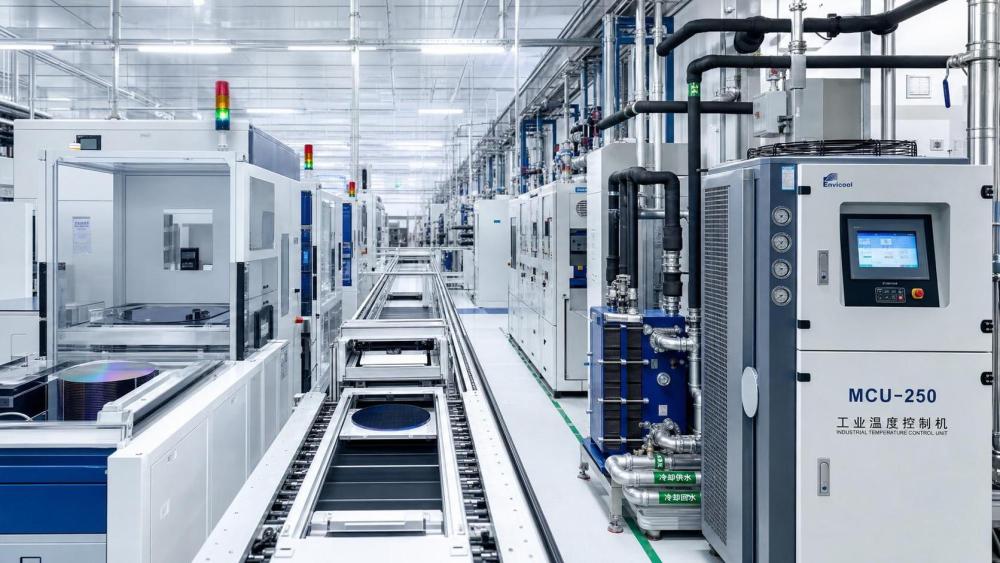
In semiconductor fabrication, thermal instability rarely stays isolated to one tool or one chamber.
A small temperature shift can alter film uniformity, etch rate, critical dimensions, and wafer stress at the same time.
That is why semiconductor thermal management systems matter beyond cooling duty alone.
They support process repeatability, equipment protection, contamination control, and stable throughput across tightly linked production steps.
The practical challenge is that fabs do not experience heat the same way in every area.
One line may struggle with rapid thermal cycling, while another faces slow ambient drift, utility fluctuation, or vacuum-related heat buildup.
For that reason, semiconductor thermal management systems should be judged by operating context, not by nameplate capacity alone.
This is also where GTC-Matrix brings useful perspective.
Its intelligence focus on industrial cooling, compressed air, vacuum processes, and heat exchange reflects the real dependencies inside advanced manufacturing.
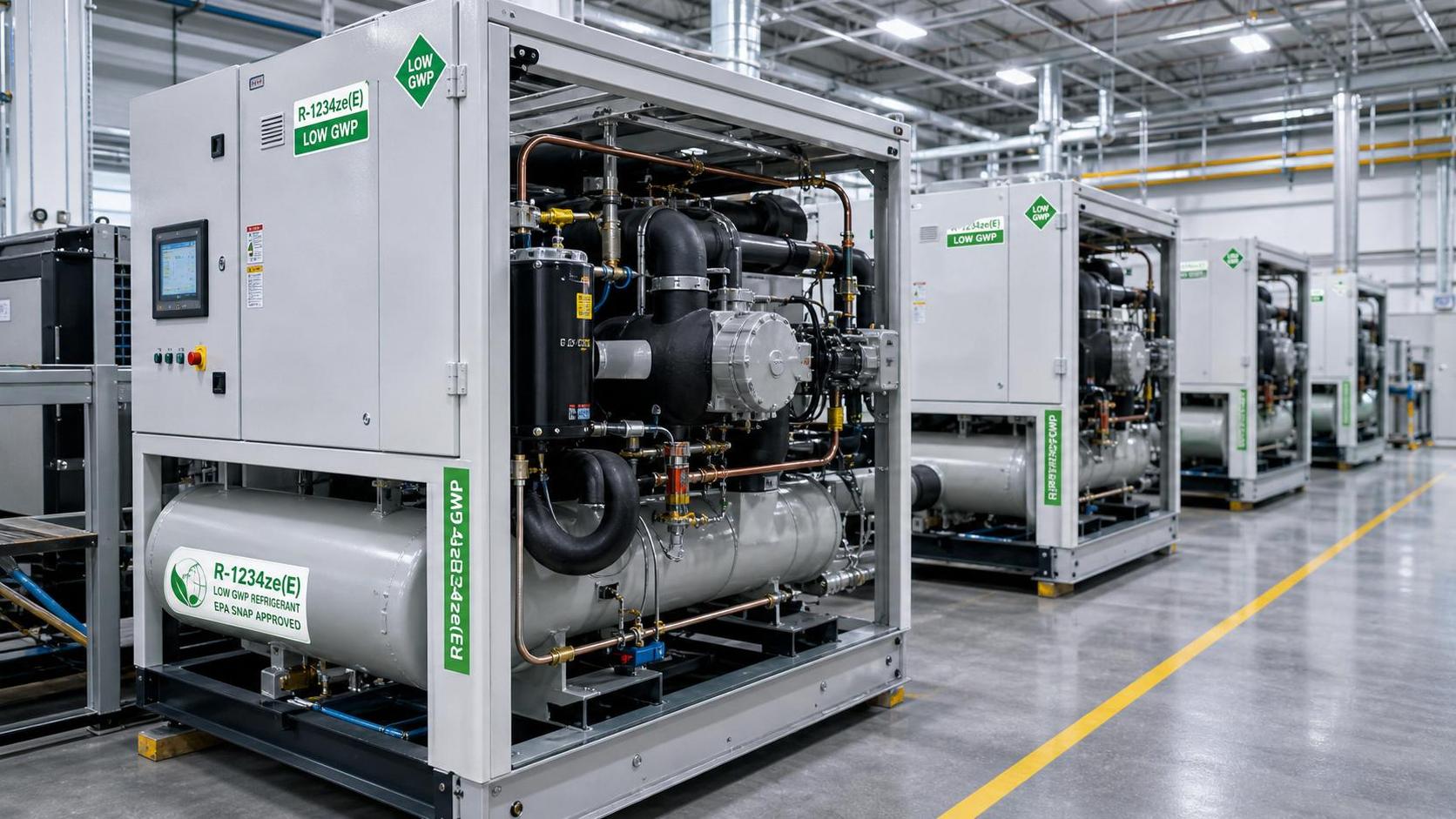
When energy costs, refrigerant policy, oil-free compression trends, and microchannel heat exchanger adoption change together, thermal strategy in semiconductor plants changes too.
Actual process zones create very different thermal control priorities
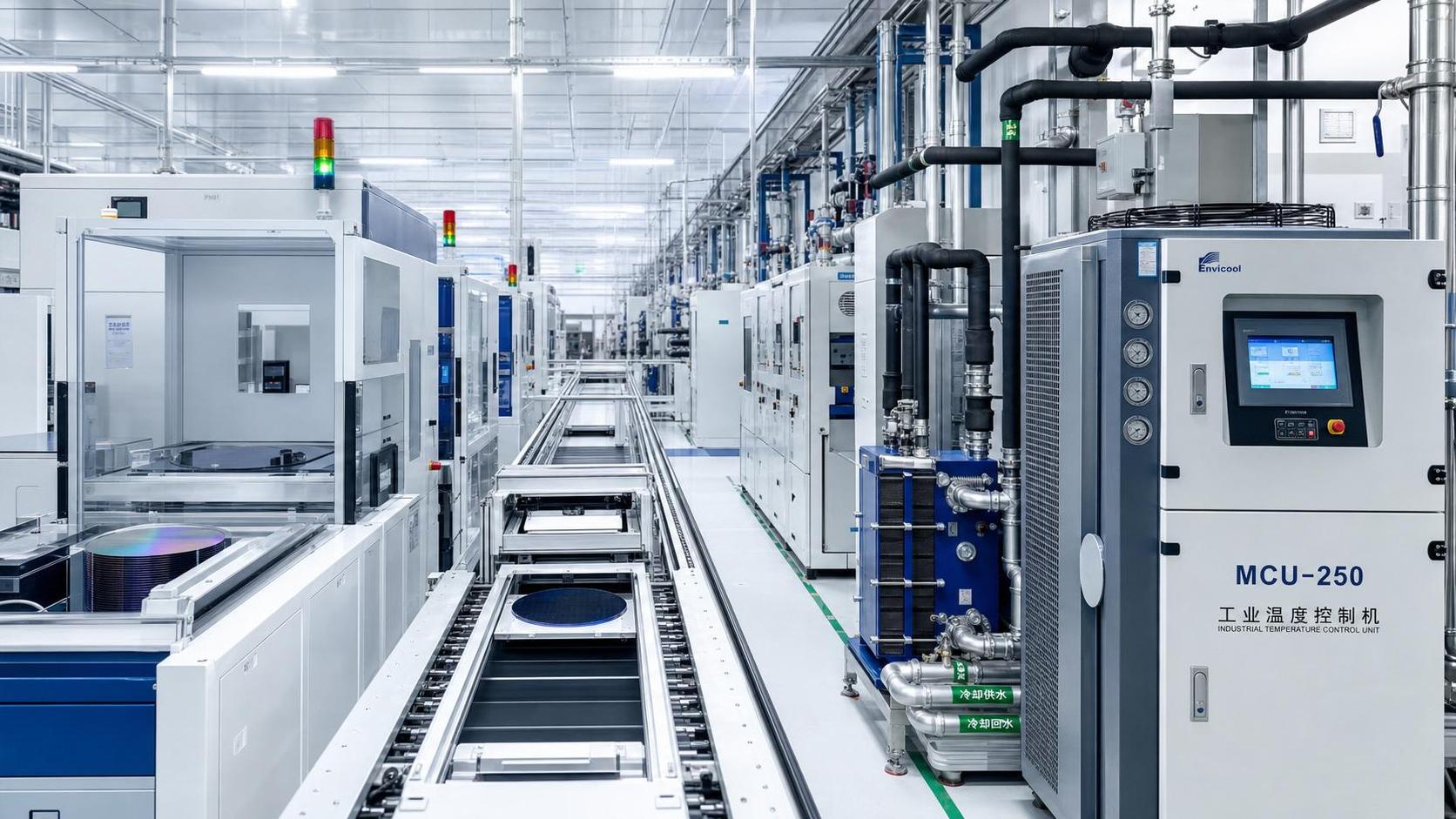
In deposition areas, the first concern is usually temperature uniformity over time, not just peak cooling performance.
Chemical vapor deposition and thin film steps react quickly to drift that looks minor in utility data.
When chamber walls, gas lines, and wafer stages do not recover predictably, thickness variation can appear before alarms do.
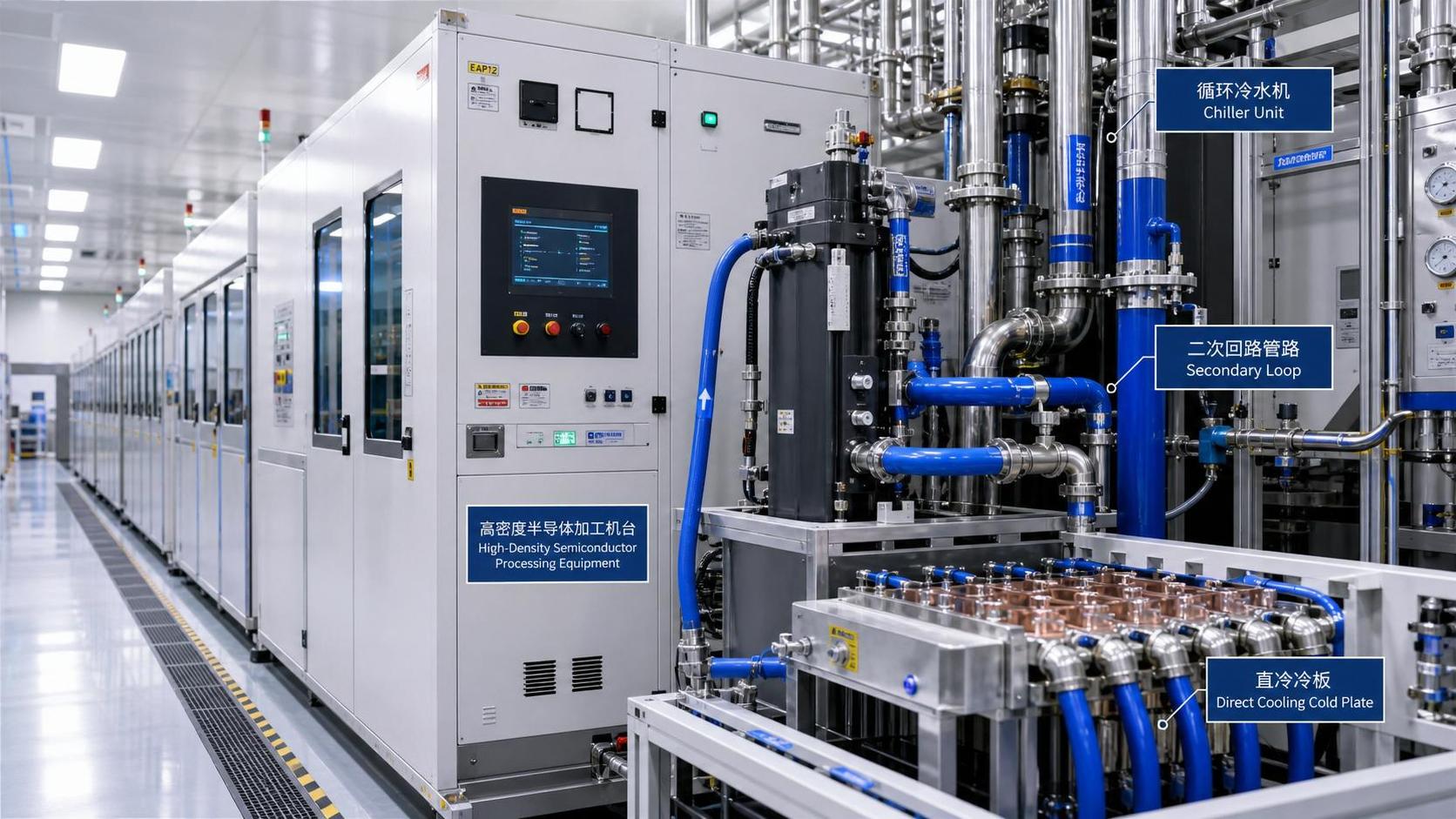
Here, semiconductor thermal management systems need tight response control, stable circulation, and low contamination risk from cooling media.
Etch tools create a different problem.
Plasma intensity, byproduct buildup, and chamber pressure interactions make thermal behavior more dynamic.
In this setting, heat removal must stay consistent during fluctuating loads, or profile control begins to wander lot by lot.
The better judgment point is not absolute setpoint accuracy alone, but how the system behaves under transient conditions.
Lithography is even less tolerant of hidden thermal movement.
Subtle changes in tool frame temperature, cleanroom airflow interaction, or coolant stability can affect overlay and focus performance.
Semiconductor thermal management systems serving these tools must prioritize precision, vibration control, and integration with environmental monitoring.
Test and packaging lines often look easier, but that assumption can be expensive.
Thermal cycling, localized heating, and compressed air quality can still influence bond integrity, electrical stability, and long-run equipment wear.
In these areas, broader utility coordination matters as much as the cooling loop itself.
Different operating conditions change how semiconductor thermal management systems should be evaluated
A useful comparison starts with where the thermal load comes from and how quickly it changes.
This is why similar tool categories can still need different semiconductor thermal management systems.
A fab expansion in a humid climate, for example, may prioritize condensation control and utility resilience.
A brownfield retrofit may care more about piping compatibility, floor space, and how quickly thermal loops recover after maintenance.
Where supporting utilities quietly decide thermal performance
In real operations, cooling performance often depends on systems outside the main process tool.
Compressed air quality, vacuum pump heat rejection, water chemistry, and exchanger fouling can all shift thermal behavior.
That broader view matches the GTC-Matrix approach to industrial thermodynamics.
Semiconductor thermal management systems should therefore be evaluated as part of a thermal ecosystem, not as isolated hardware.
Oil-free compression is one example.
Where instrument air purity affects valve behavior or pneumatic thermal controls, compressor technology can indirectly shape temperature consistency.
Microchannel heat exchangers are another example.
They may improve heat transfer and footprint efficiency, but their maintenance profile and fouling sensitivity must match site conditions.
Energy pricing also changes decisions.
A system that looks acceptable under low utility cost may become difficult to justify when chilled water demand, refrigerant compliance, and peak power charges rise together.
That is why commercial intelligence and thermal engineering need to be read together.
Common misjudgments that weaken semiconductor thermal management systems
One common mistake is choosing by cooling capacity alone.
Two systems with similar ratings can perform very differently under rapid load changes or tight contamination limits.
Another mistake is treating all semiconductor areas as thermally similar.
The acceptable drift range for a backend utility loop may be unacceptable in lithography or advanced deposition.
Lifecycle cost is often underestimated.
Maintenance access, filter replacement, exchanger cleaning, and control recalibration can outweigh small savings in initial procurement.
There is also a tendency to ignore future process changes.
As node requirements tighten, a thermal design that barely meets current tolerance can become a source of chronic yield pressure later.
- Check load variability, not just average thermal demand.
- Confirm compatibility with vacuum, compressed air, and clean utilities.
- Review drift history at lot, tool, and seasonal levels.
- Model maintenance downtime before finalizing system architecture.
A practical way to match semiconductor thermal management systems to the site
A more reliable approach starts with thermal mapping by process segment.
Separate high-precision tools from high-load utilities, then compare how each area reacts to drift, delay, and recovery time.
Next, review how the thermal loop interacts with support infrastructure.
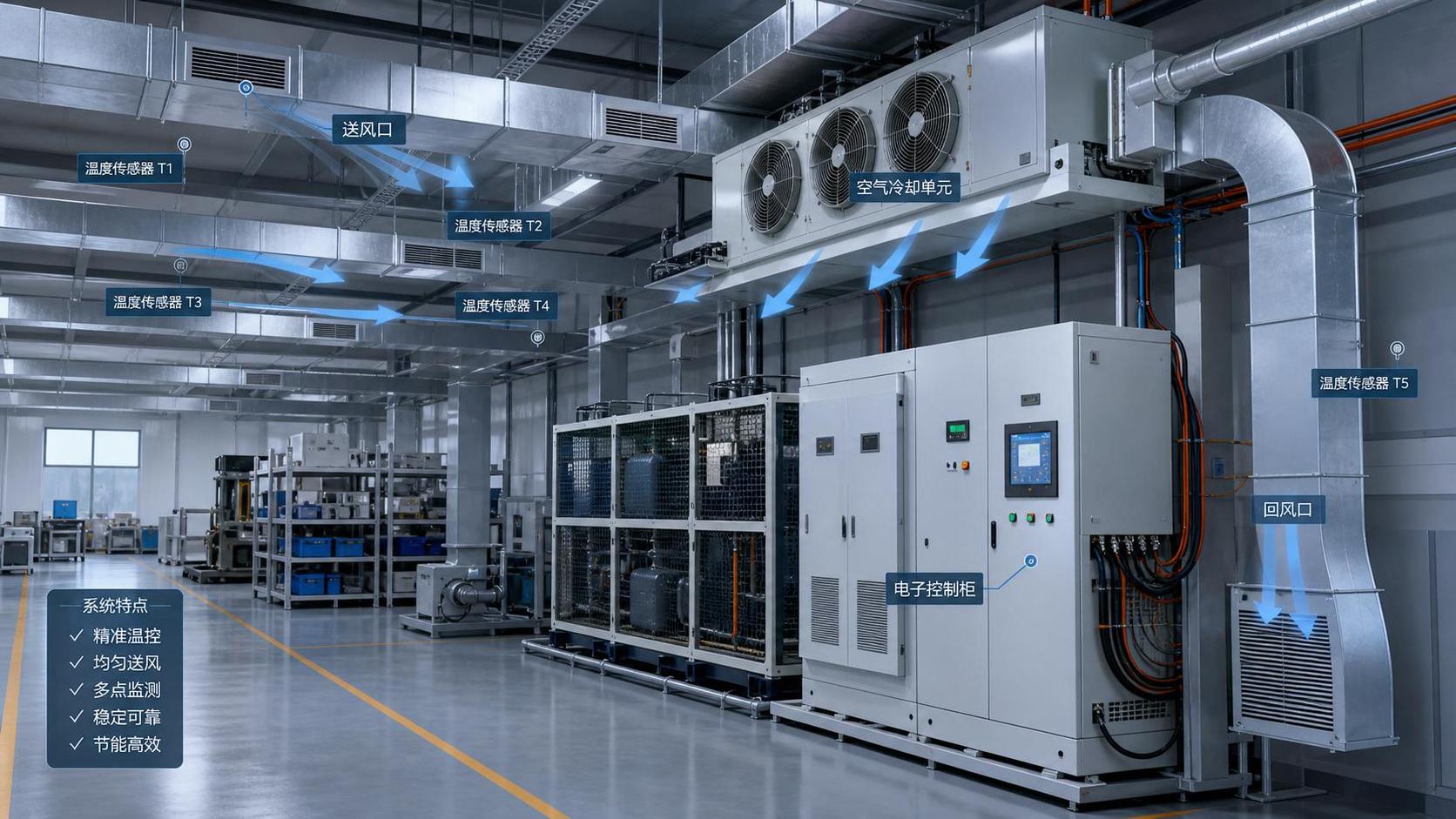
Look at exchanger design, compressor configuration, vacuum exhaust heat, control logic, and water treatment together.
It also helps to define acceptance around process impact.
Instead of asking only whether the setpoint is held, ask how quickly the tool returns to stable output after a disturbance.
For sites comparing upgrade paths, these checkpoints usually make the decision clearer:
- Define which process steps are most sensitive to short-term drift.
- Measure utility quality trends across seasons and production peaks.
- Compare control precision, redundancy, and maintenance burden together.
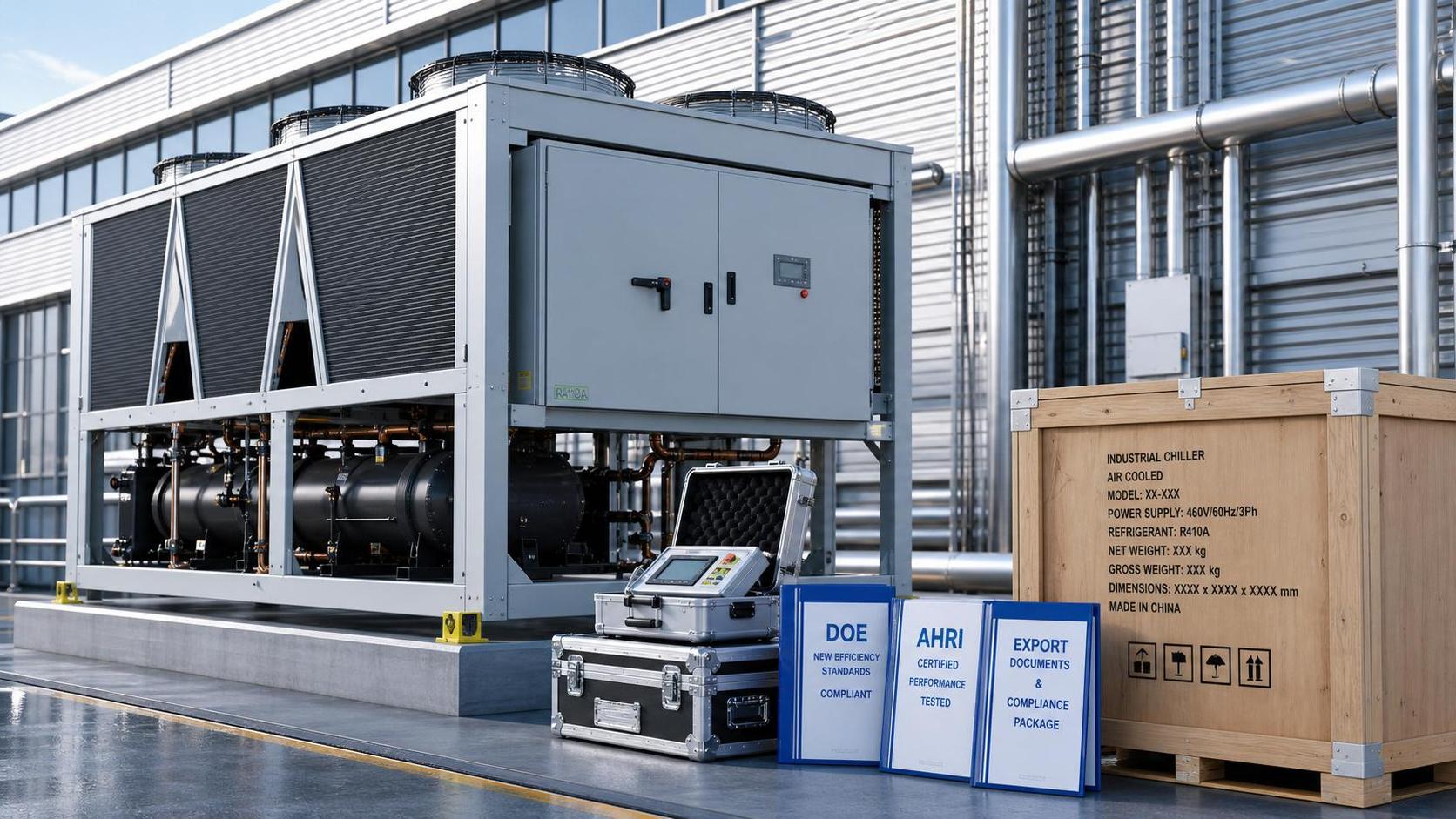
- Assess refrigerant, energy, and retrofit constraints before scaling.
Semiconductor thermal management systems deliver the most value when they are selected around process behavior, utility interaction, and long-term operating limits.
The next useful step is to document actual drift conditions, rank thermal sensitivity by tool group, and test system fit against maintenance, energy, and compliance realities.
That is usually where better yield protection starts.
- industrial cooling
- compressed air
- vacuum processes
- heat exchange
- oil-free compression
- microchannel heat exchangers
- thermal management
- heat transfer
- heat exchanger efficiency
- thermal management systems
- vacuum pumps
- heat exchangers
- semiconductor thermal management
- compressed air quality
- semiconductor thermal management systems
Related News
- How Smart Thermal Systems Improve Industrial Cooling EfficiencyAuthor :Cryogenic Systems Expert

- How to Choose Process Cooling Equipment for Stable Temperature ControlAuthor :Cryogenic Systems Expert

- EU Finalizes 2026 HFC Quota Cut for R-134a ChillersAuthor :Cryogenic Systems Expert

- EU Tightens HFC-134a Quotas for Industrial ChillersAuthor :Cryogenic Systems Expert

- REACH SVHC Update Pressures HFC-134a Chiller Supply ChainsAuthor :Cryogenic Systems Expert

- EU PFAS Coolant Ban Reshapes Chiller ExportsAuthor :Cryogenic Systems Expert

- EU REACH Restricts PFAS Cooling Media ImportsAuthor :Cryogenic Systems Expert

- EU Ecodesign Rule Takes Effect for Industrial ChillersAuthor :Cryogenic Systems Expert

- EU REACH Rule Takes Effect for PFAS in Industrial Cooling ExportsAuthor :Cryogenic Systems Expert

- Industrial Cooling for Plastic Processing: How to Size for Stable Cycle TimesAuthor :Cryogenic Systems Expert

- EU F-Gas Update Bars R404A/R507 in Commercial CoolingAuthor :Cryogenic Systems Expert

- DOE Raises Chiller Efficiency Standard From October 2026Author :Cryogenic Systems Expert

- India Mandates BIS Energy Certification for Industrial ChillersAuthor :Cryogenic Systems Expert

- Energy-Efficient Heat Exchange for Process Cooling: Cost vs PaybackAuthor :Cryogenic Systems Expert

- EPA R-134a Import Ban Takes Effect on July 13, 2026Author :Cryogenic Systems Expert

- India BIS Rule Takes Effect for Industrial ChillersAuthor :Cryogenic Systems Expert

- EPA Cuts R134a Import Quotas 20% From July 10Author :Cryogenic Systems Expert

- How to Compare Energy-Efficient Cooling Systems for Factory Expansion ProjectsAuthor :Cryogenic Systems Expert

- Chiller Price Index Rises 11.3% in Q2Author :Cryogenic Systems Expert

- Saudi SASO Tightens Chiller Import Compliance From July 10Author :Cryogenic Systems Expert

- Dubai Opens Fast-Track Chiller TendersAuthor :Cryogenic Systems Expert

- Japan Raises Chiller COP Floor to 6.2 From Sept. 1Author :Cryogenic Systems Expert
![]()
- Compact Thermal Management in Smart Devices: Common Failure RisksAuthor :Cryogenic Systems Expert

- Thermal Management for Batteries: Cooling Methods ComparedAuthor :Cryogenic Systems Expert

- How Compact Thermal Design Extends Smart Device UptimeAuthor :Cryogenic Systems Expert

- Shanghai-Rotterdam Reefer Rates Jump 37% in a WeekAuthor :Cryogenic Systems Expert

- Process Cooling Equipment Low Maintenance: What Cuts Downtime Over 5 Years?Author :Cryogenic Systems Expert

- Semiconductor Cooling Solutions: Which Design Works Best for High-Density Tools?Author :Cryogenic Systems Expert

- Semiconductor Thermal Management Systems: Preventing Yield Loss from Heat DriftAuthor :Cryogenic Systems Expert

- EPA Clears R-1234ze(E) for Industrial ChillersAuthor :Cryogenic Systems Expert
 for Industrial Chillers")
- DOE Raises Chiller IEER Floor to 12.8 From Oct. 2026Author :Cryogenic Systems Expert

- Singapore Refrigeration Show Adds Green Compliance HubAuthor :Cryogenic Systems Expert

- How Food Industry Temperature Control Systems Reduce Product LossAuthor :Cryogenic Systems Expert

- EU REACH Adds 12 SVHCs, Raising Chiller Compliance RiskAuthor :Cryogenic Systems Expert

- Precision Temperature Control Air Cooling: Key Setup Mistakes That Reduce StabilityAuthor :Cryogenic Systems Expert

- India BEE Eyes APF Labels for Imported ChillersAuthor :Cryogenic Systems Expert