Dubai Opens Fast-Track Chiller Tenders




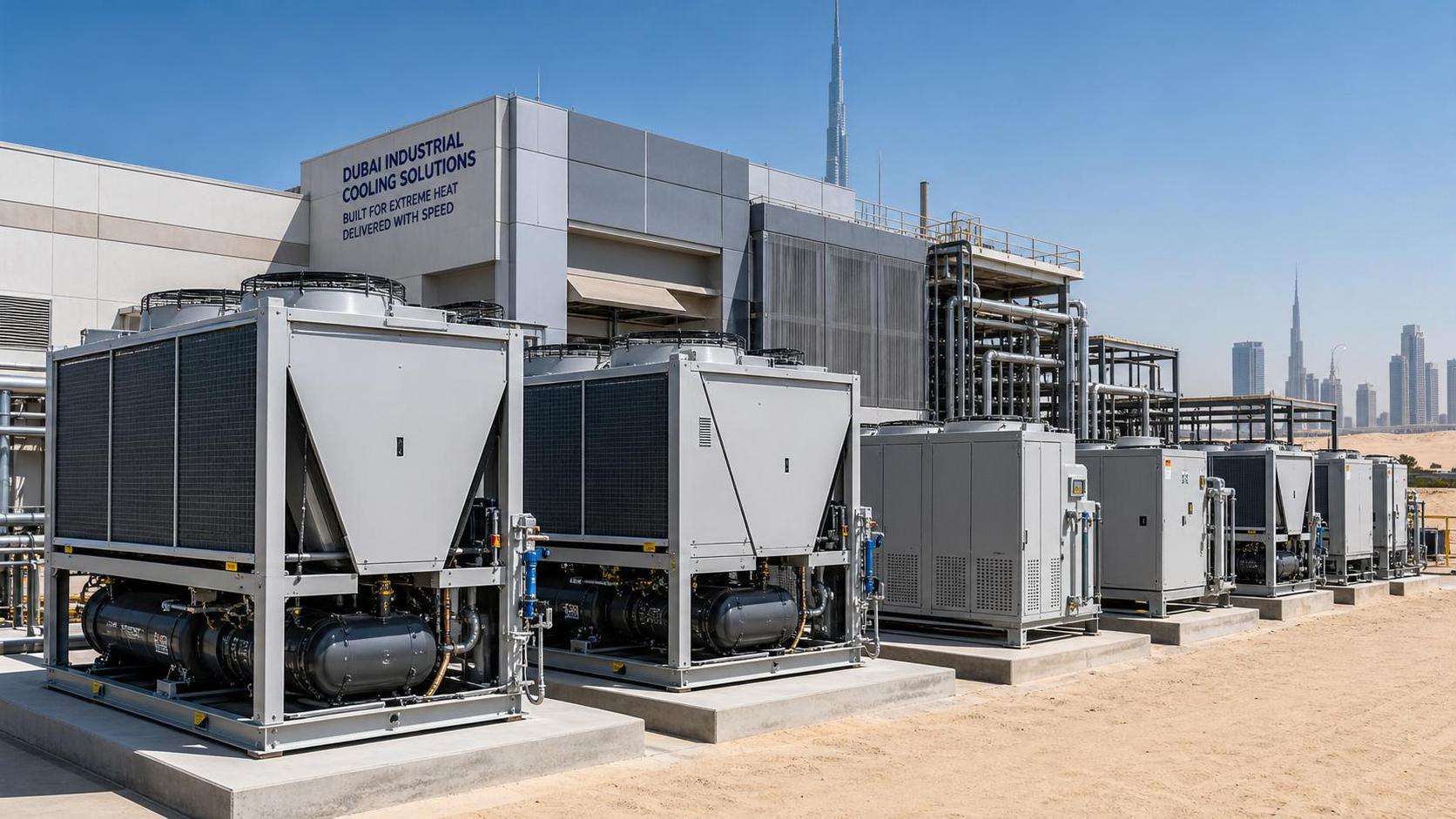
The timing of this development was not clearly specified in the source input, but the rule signal is clear: Dubai Electricity and Water Authority (DEWA) has moved industrial chiller procurement into an emergency channel shaped by extreme heat conditions in 2026. For manufacturers, exporters, certification teams, bid managers, and delivery planners, the key issue is not only rising demand, but a procurement framework that ties fast-track access to explicit performance thresholds, compressed delivery timing, and dual-standard technical documentation. That makes this item relevant as a market execution signal rather than a routine equipment demand update.
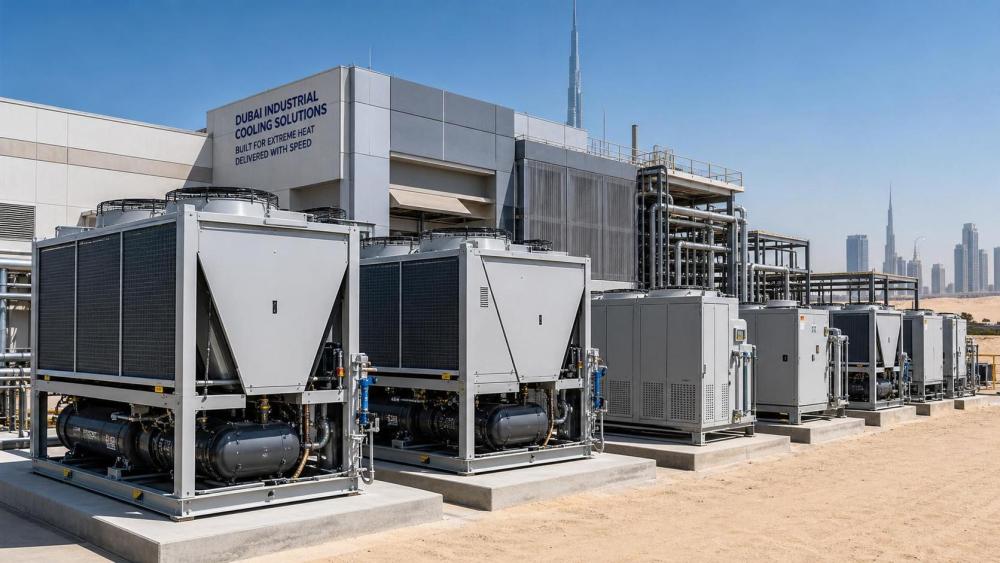
What DEWA Has Put Into Motion
According to the provided event summary, DEWA announced on July 6 the launch of a “Summer Emergency Procurement Portal” for industrial chiller units. The move was linked to abnormal high temperatures in 2026.
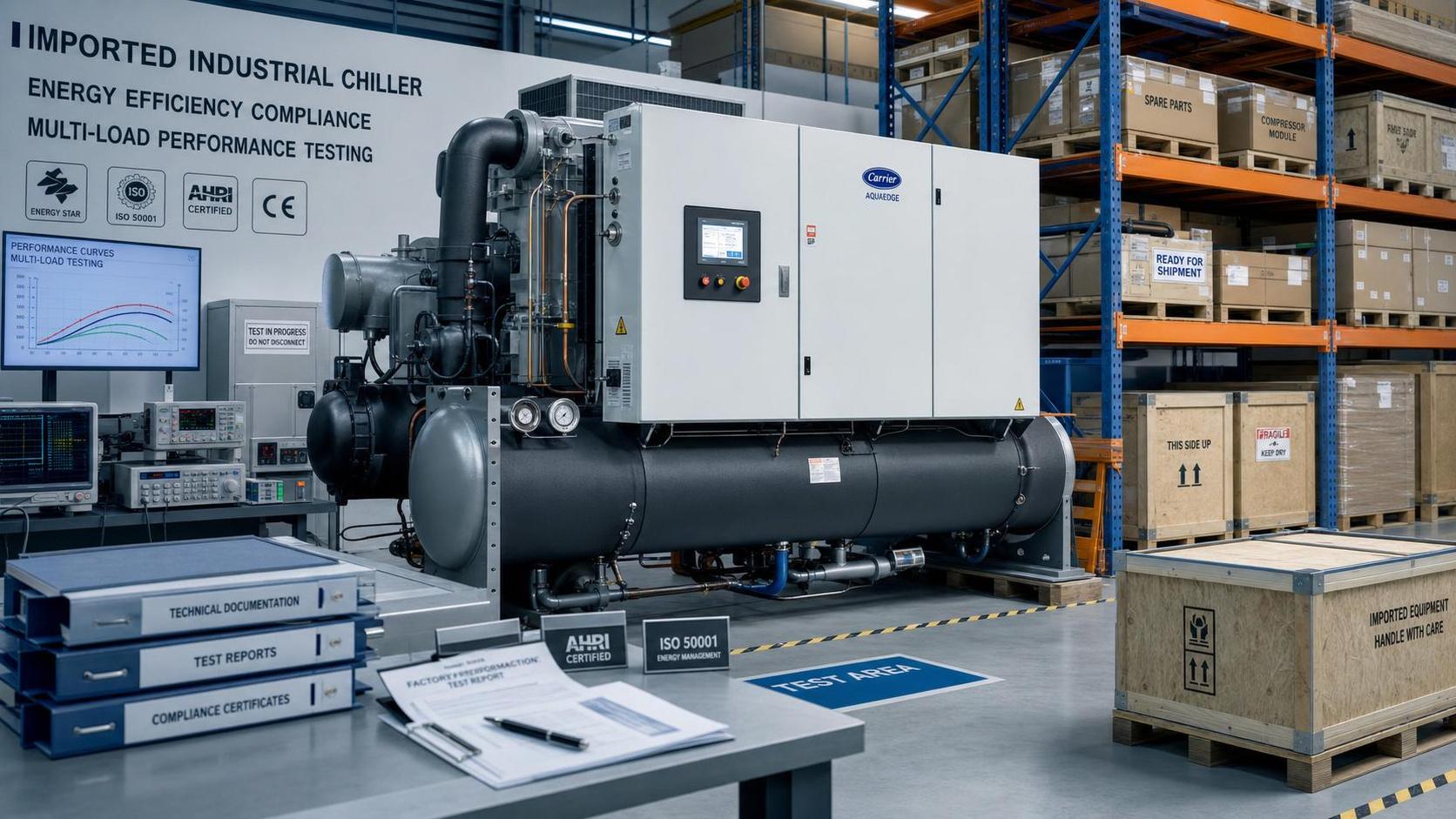
The fast-track tender is open to industrial-grade units that meet two stated technical conditions: COP of at least 6.0 and suitability for ambient temperatures up to 48C.
The delivery requirement was shortened to within eight weeks. The first batch of demand covers 120 medium and large units. The initial sourcing focus is directed toward suppliers from China, Germany, and South Korea.
The required technical documentation must include a dual compliance declaration covering both ASME Section VIII and EN 13445.
Where the Immediate Pressure May Appear
Bid-qualified manufacturers face a tighter technical gate
From an industry perspective, equipment makers most directly affected are those already active in industrial cooling or those seeking entry into emergency public-sector procurement. The impact is likely to center on bid qualification, specification alignment, and document readiness. The stated thresholds on COP and high-temperature operating capability mean suppliers will need to check whether existing models match the tender conditions without relying on later clarification.
What deserves closer attention is the dual-standard declaration requirement. Even where a manufacturer already works with one pressure vessel framework, the tender signal suggests that document packages must be structured for cross-standard review rather than single-market presentation.
Export and trade teams may face documentation and timing risk
For export-oriented suppliers, the pressure point is likely to move beyond pricing and into execution control. The eight-week delivery window can affect production scheduling, shipment planning, contract review, and internal approval cycles. Analysis shows that in a fast-track procurement setting, missing or inconsistent technical files may become as disruptive as manufacturing delay.
Trade-facing teams should therefore pay attention to how declarations, technical schedules, and tender responses are prepared, especially when a bid combines performance claims, operating temperature claims, and pressure-related compliance statements.
Certification and testing support providers may see demand shift toward pre-bid readiness
Certification-related firms and testing service providers may also be affected because the tender language places compliance evidence close to the front of the procurement process. Observably, this can shift client demand from post-award support to pre-bid document validation, standard mapping, and technical file review.
For these service providers, the relevant business change is less about volume alone and more about response speed, interpretation consistency, and the ability to support dual-standard documentation under compressed tender conditions.
Buyers and after-sales partners may need to watch serviceability as closely as specifications
Procurement-side participants and downstream service partners may also feel the effect if emergency purchases advance more quickly than ordinary project cycles. Analysis shows that when delivery windows are shortened, attention often shifts toward installation coordination, spare parts planning, and traceability of technical records. Even though the provided input does not describe those execution details, they remain practical areas to monitor as the procurement channel develops.
What Companies Should Watch Now
Check whether current models truly match the stated tender thresholds
Companies targeting this opportunity should first review whether their industrial chiller units meet the stated COP>=6.0 requirement and the 48C ambient operating condition in a way that can be clearly supported in bid documents. It is more appropriate to understand this as a documentation and verification issue as much as a product issue.
Review technical files for ASME Section VIII and EN 13445 alignment
The dual compliance declaration is one of the clearest practical signals in the input. Companies should closely examine whether existing technical dossiers, declarations, and supporting records can present conformity against both ASME Section VIII and EN 13445 in a consistent format. Where supporting materials exist only in fragmented form, bid response speed could be affected.
Reassess delivery planning against the eight-week timetable
Observably, the compressed delivery requirement may force firms to revisit production allocation, supplier coordination, and internal approval timing. The current input does not confirm how strictly this timetable will be enforced across all bid stages, so companies should treat it as an active execution condition that requires continued monitoring rather than as a completed market outcome.
Track official wording and tender document updates closely
Because the available information is limited to the stated announcement summary, companies should continue watching for any further official wording, technical clarifications, or procurement document updates. What deserves closer attention is whether the emergency channel keeps the current qualification language unchanged or develops a more detailed interpretation around testing, declarations, or submission format.
Why This Looks More Like an Execution Signal Than a Broad Policy Rewrite
Analysis shows that this development is best read as a targeted procurement and compliance signal tied to immediate operating conditions, rather than as proof of a wider regulatory overhaul across the entire industrial cooling market. The practical significance lies in how emergency demand has been translated into explicit tender entry conditions: energy performance, high-temperature suitability, faster delivery, and dual-standard documentation.
At the same time, it remains too early to treat the announcement alone as evidence of a fully settled long-term procurement rule set. Observably, the market will need to watch whether similar requirements appear repeatedly, whether technical interpretation becomes more detailed, and how suppliers respond under actual tender execution.
How This Update Is Best Understood
In summary, the DEWA emergency procurement channel matters because it connects climate-driven urgency with immediate procurement filters that can affect trade access, bid readiness, compliance presentation, and delivery planning. The most reasonable reading at this stage is that the market is seeing a concrete execution signal with real short-term implications for qualified suppliers, while the longer-term rule trajectory still requires observation through tender documents, compliance practice, and industry feedback.
Basis of This Article and What Still Needs Verification
This article was generated from the user-provided news title, event time field, and event summary. The specific official source link was not provided in the input, so the underlying announcement should continue to be verified against later official notices, regulatory releases, procurement postings, standard-related documents, industry association updates, and authoritative media reporting where available.
Further observation is still needed on detailed tender wording, compliance interpretation, documentation expectations, supplier qualification practice, market feedback, and actual execution by participating companies.
Related News
- How Smart Thermal Systems Improve Industrial Cooling EfficiencyAuthor :Cryogenic Systems Expert

- How to Choose Process Cooling Equipment for Stable Temperature ControlAuthor :Cryogenic Systems Expert

- EU Finalizes 2026 HFC Quota Cut for R-134a ChillersAuthor :Cryogenic Systems Expert

- EU Tightens HFC-134a Quotas for Industrial ChillersAuthor :Cryogenic Systems Expert

- REACH SVHC Update Pressures HFC-134a Chiller Supply ChainsAuthor :Cryogenic Systems Expert

- EU PFAS Coolant Ban Reshapes Chiller ExportsAuthor :Cryogenic Systems Expert

- EU REACH Restricts PFAS Cooling Media ImportsAuthor :Cryogenic Systems Expert

- EU Ecodesign Rule Takes Effect for Industrial ChillersAuthor :Cryogenic Systems Expert

- EU REACH Rule Takes Effect for PFAS in Industrial Cooling ExportsAuthor :Cryogenic Systems Expert

- Industrial Cooling for Plastic Processing: How to Size for Stable Cycle TimesAuthor :Cryogenic Systems Expert

- EU F-Gas Update Bars R404A/R507 in Commercial CoolingAuthor :Cryogenic Systems Expert

- DOE Raises Chiller Efficiency Standard From October 2026Author :Cryogenic Systems Expert

- India Mandates BIS Energy Certification for Industrial ChillersAuthor :Cryogenic Systems Expert

- Energy-Efficient Heat Exchange for Process Cooling: Cost vs PaybackAuthor :Cryogenic Systems Expert

- EPA R-134a Import Ban Takes Effect on July 13, 2026Author :Cryogenic Systems Expert

- India BIS Rule Takes Effect for Industrial ChillersAuthor :Cryogenic Systems Expert

- EPA Cuts R134a Import Quotas 20% From July 10Author :Cryogenic Systems Expert

- How to Compare Energy-Efficient Cooling Systems for Factory Expansion ProjectsAuthor :Cryogenic Systems Expert

- Chiller Price Index Rises 11.3% in Q2Author :Cryogenic Systems Expert

- Saudi SASO Tightens Chiller Import Compliance From July 10Author :Cryogenic Systems Expert

- Dubai Opens Fast-Track Chiller TendersAuthor :Cryogenic Systems Expert

- Japan Raises Chiller COP Floor to 6.2 From Sept. 1Author :Cryogenic Systems Expert
![]()
- Compact Thermal Management in Smart Devices: Common Failure RisksAuthor :Cryogenic Systems Expert

- Thermal Management for Batteries: Cooling Methods ComparedAuthor :Cryogenic Systems Expert

- How Compact Thermal Design Extends Smart Device UptimeAuthor :Cryogenic Systems Expert

- Shanghai-Rotterdam Reefer Rates Jump 37% in a WeekAuthor :Cryogenic Systems Expert

- Process Cooling Equipment Low Maintenance: What Cuts Downtime Over 5 Years?Author :Cryogenic Systems Expert

- Semiconductor Cooling Solutions: Which Design Works Best for High-Density Tools?Author :Cryogenic Systems Expert

- Semiconductor Thermal Management Systems: Preventing Yield Loss from Heat DriftAuthor :Cryogenic Systems Expert

- EPA Clears R-1234ze(E) for Industrial ChillersAuthor :Cryogenic Systems Expert
 for Industrial Chillers")
- DOE Raises Chiller IEER Floor to 12.8 From Oct. 2026Author :Cryogenic Systems Expert

- Singapore Refrigeration Show Adds Green Compliance HubAuthor :Cryogenic Systems Expert

- How Food Industry Temperature Control Systems Reduce Product LossAuthor :Cryogenic Systems Expert

- EU REACH Adds 12 SVHCs, Raising Chiller Compliance RiskAuthor :Cryogenic Systems Expert

- Precision Temperature Control Air Cooling: Key Setup Mistakes That Reduce StabilityAuthor :Cryogenic Systems Expert

- India BEE Eyes APF Labels for Imported ChillersAuthor :Cryogenic Systems Expert