EU Label Deadline Hits China Chiller Exports




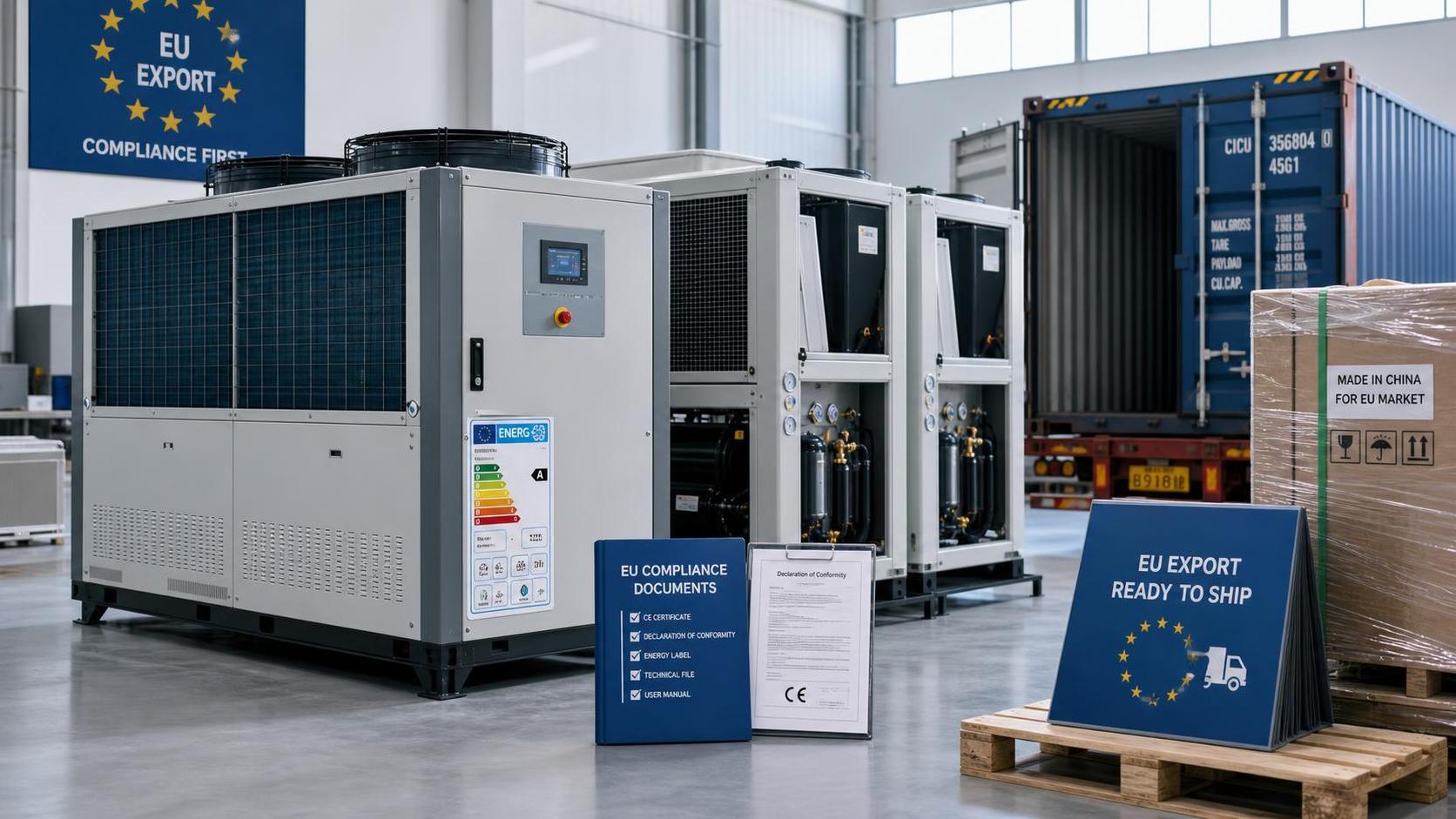
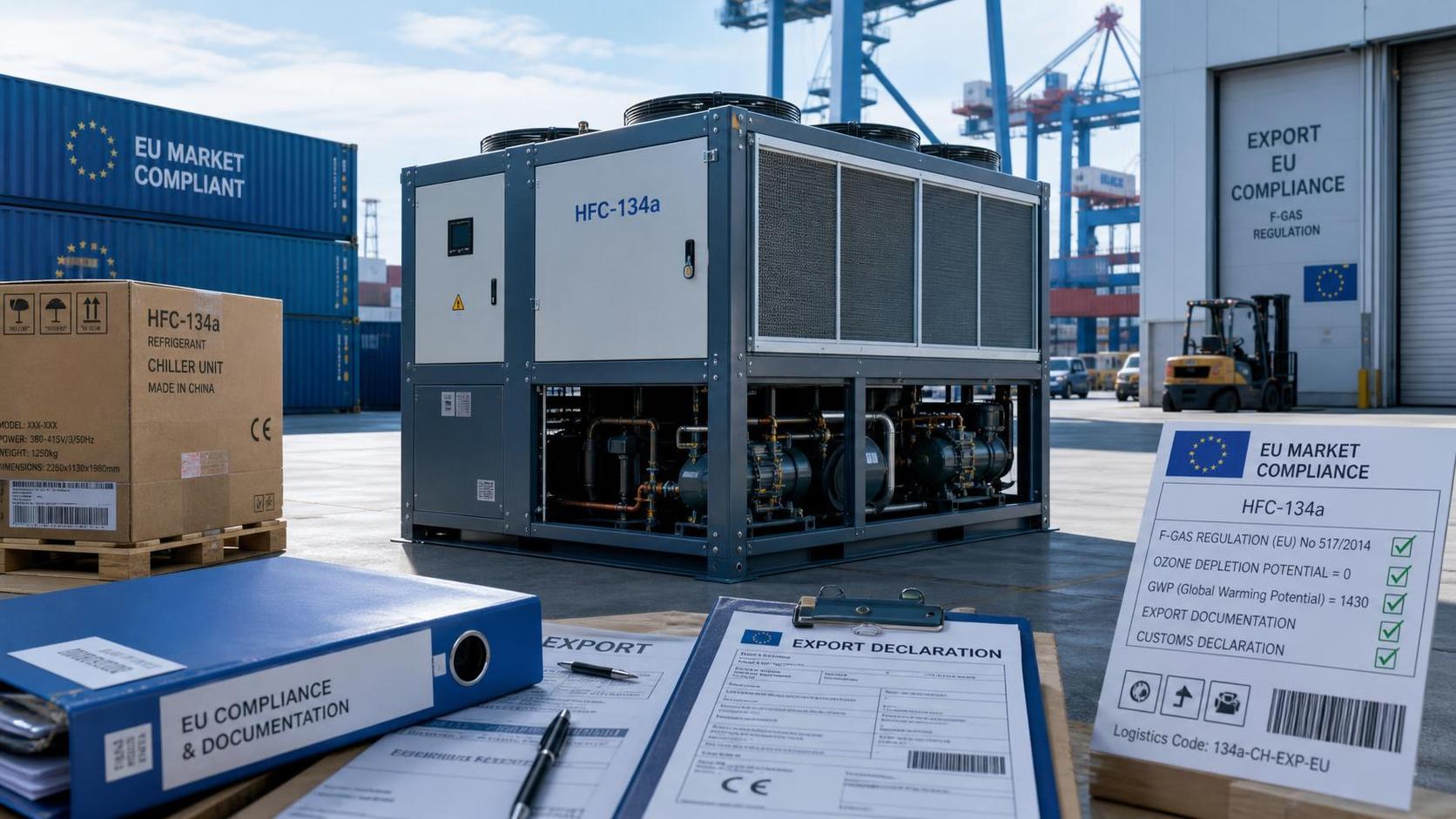
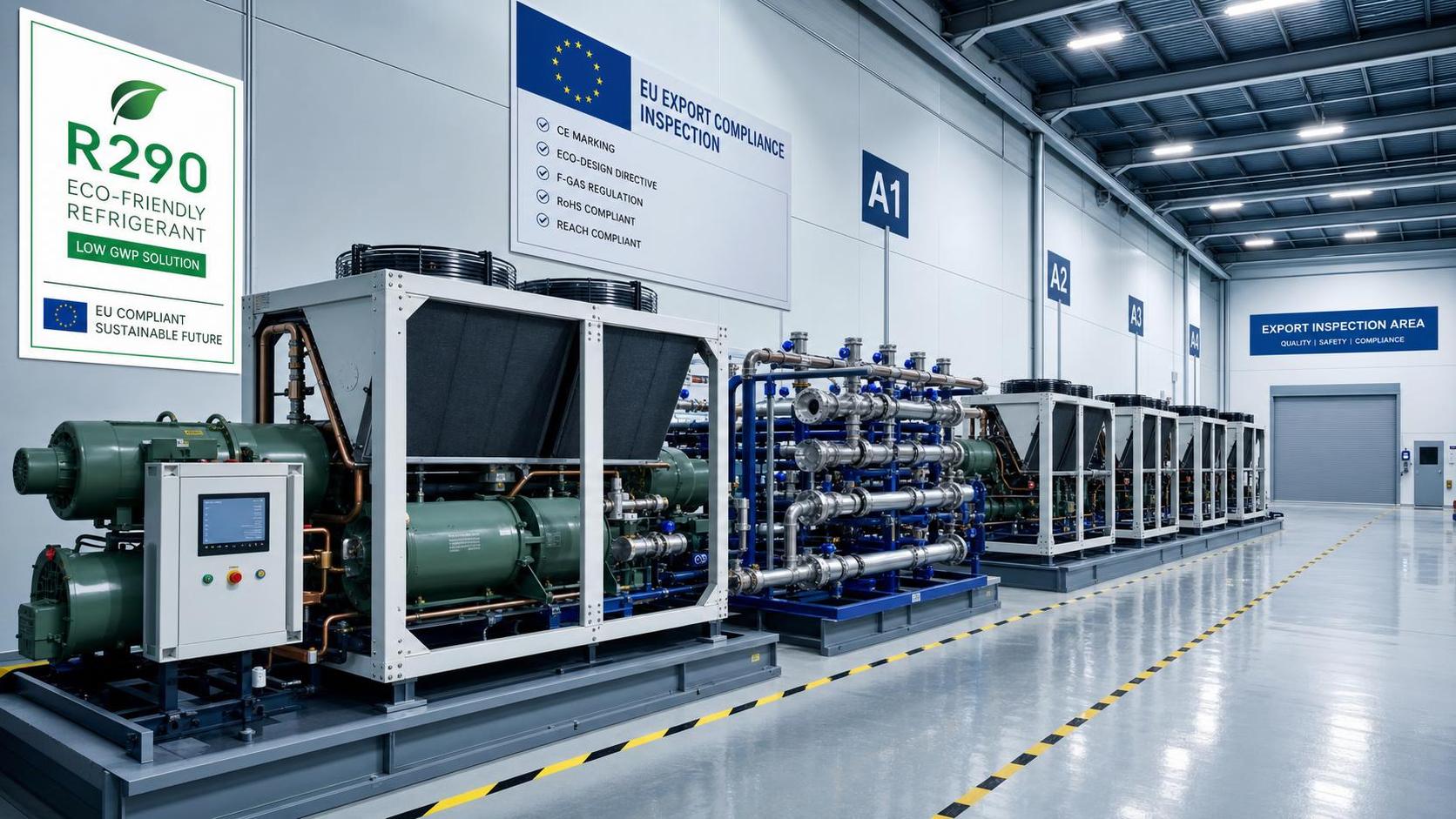
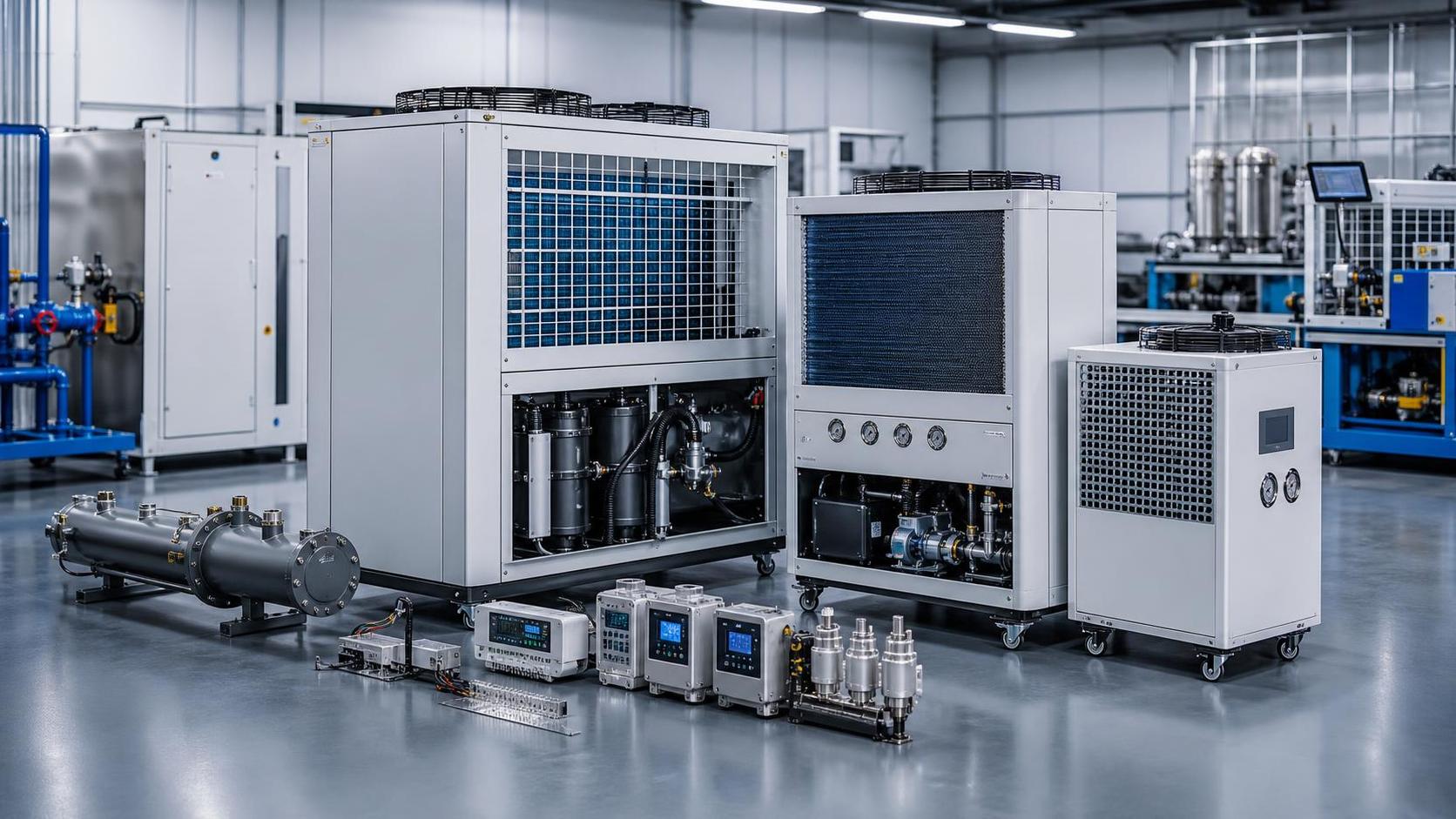
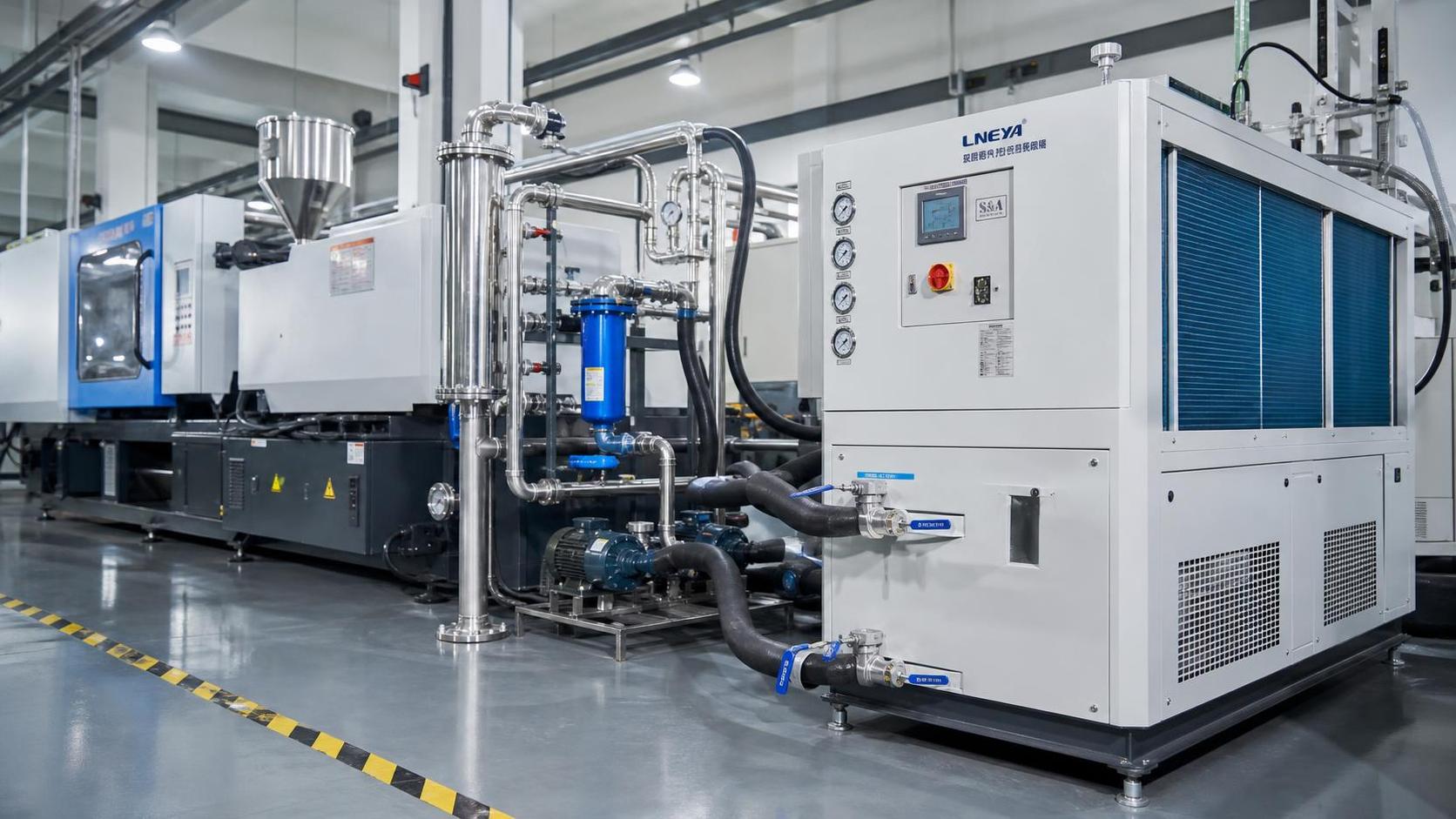
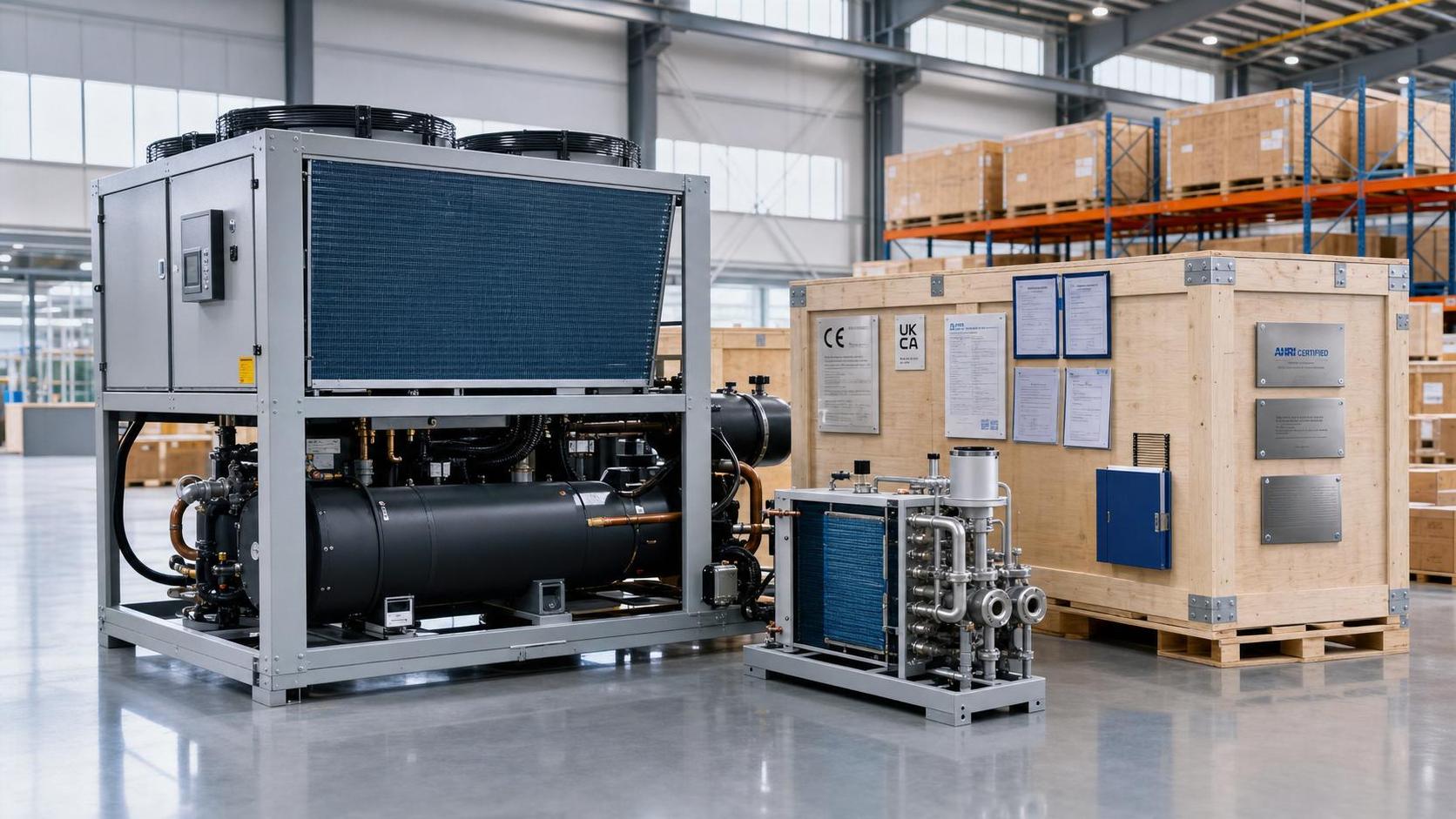
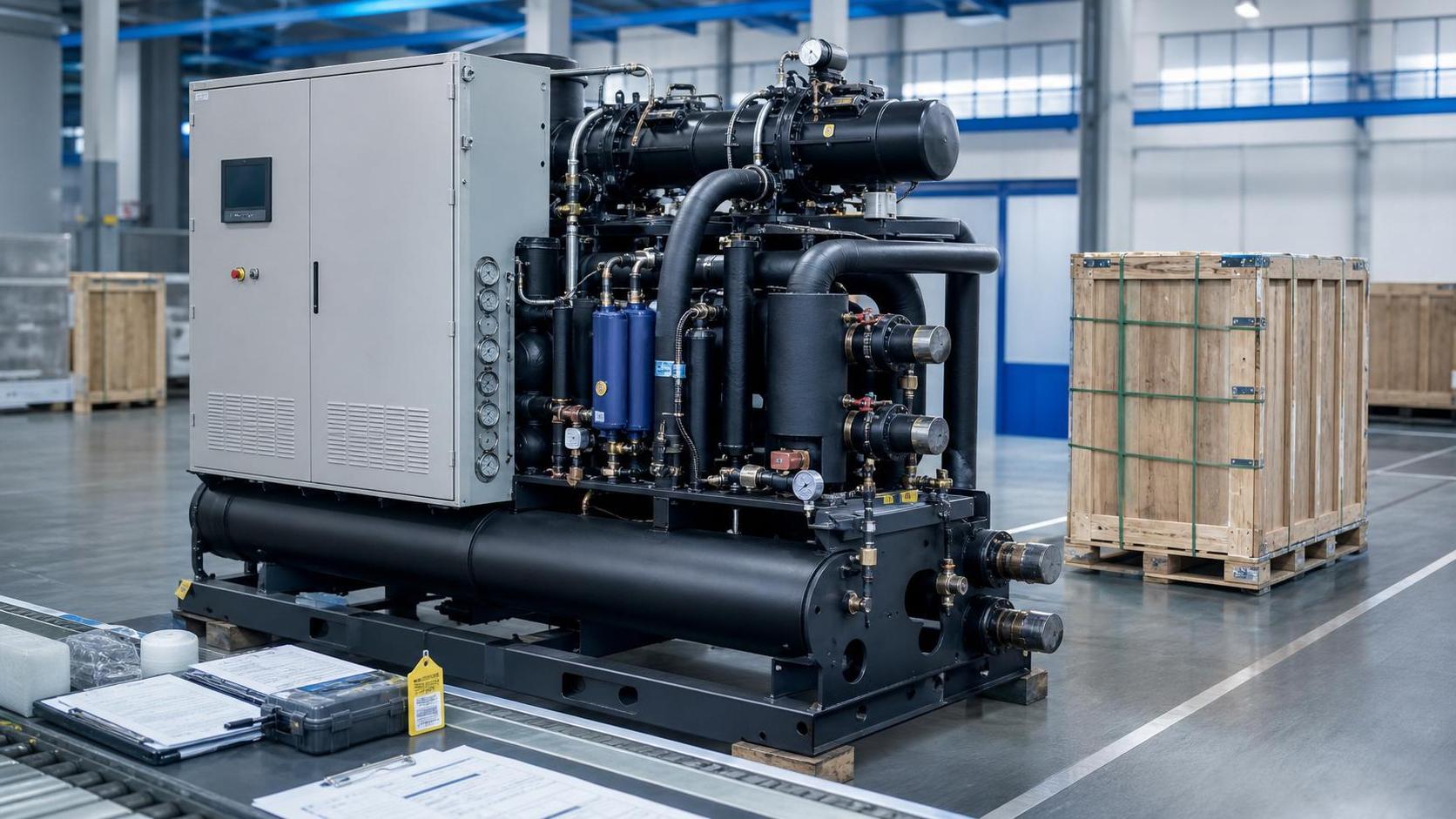
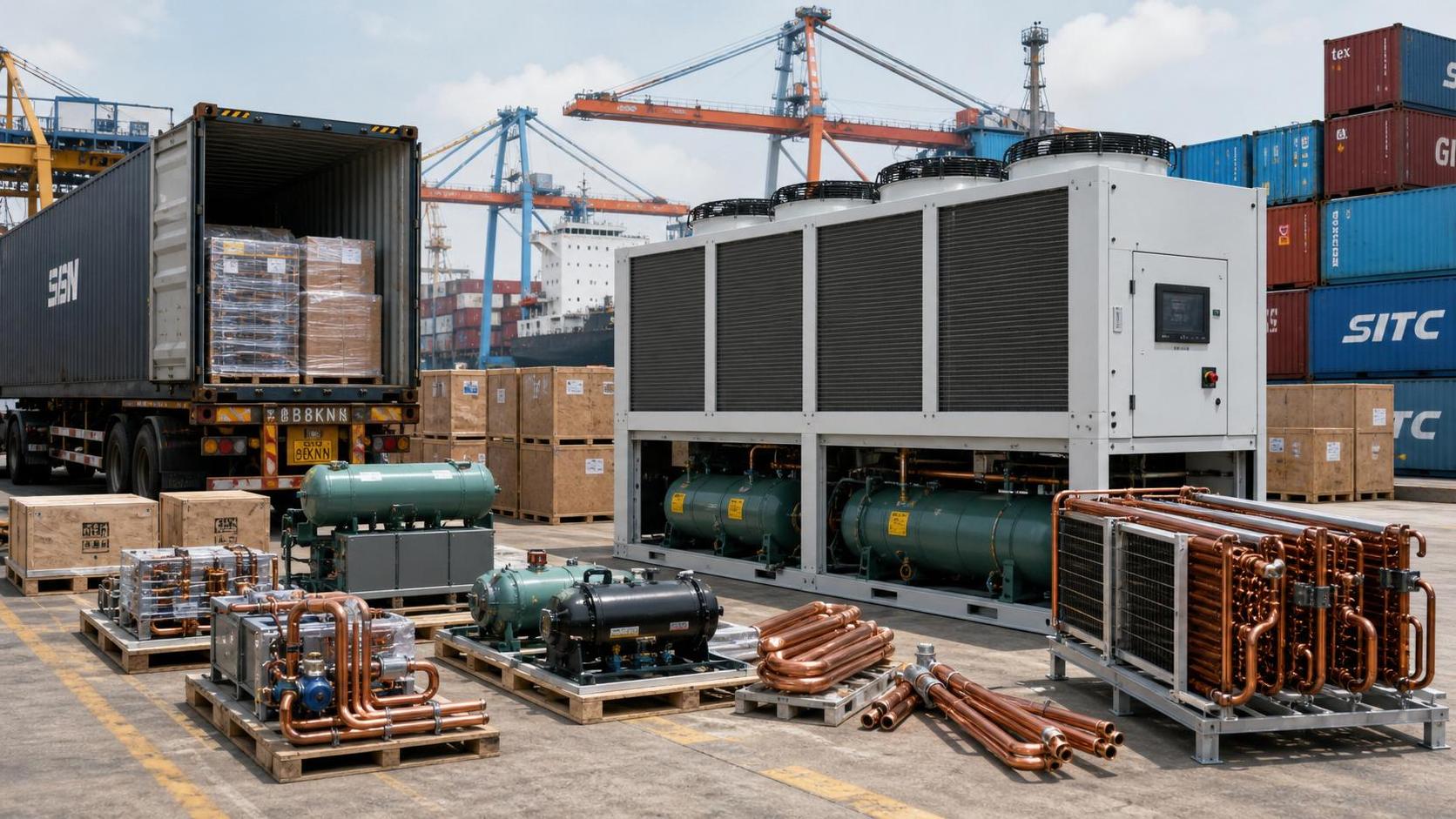
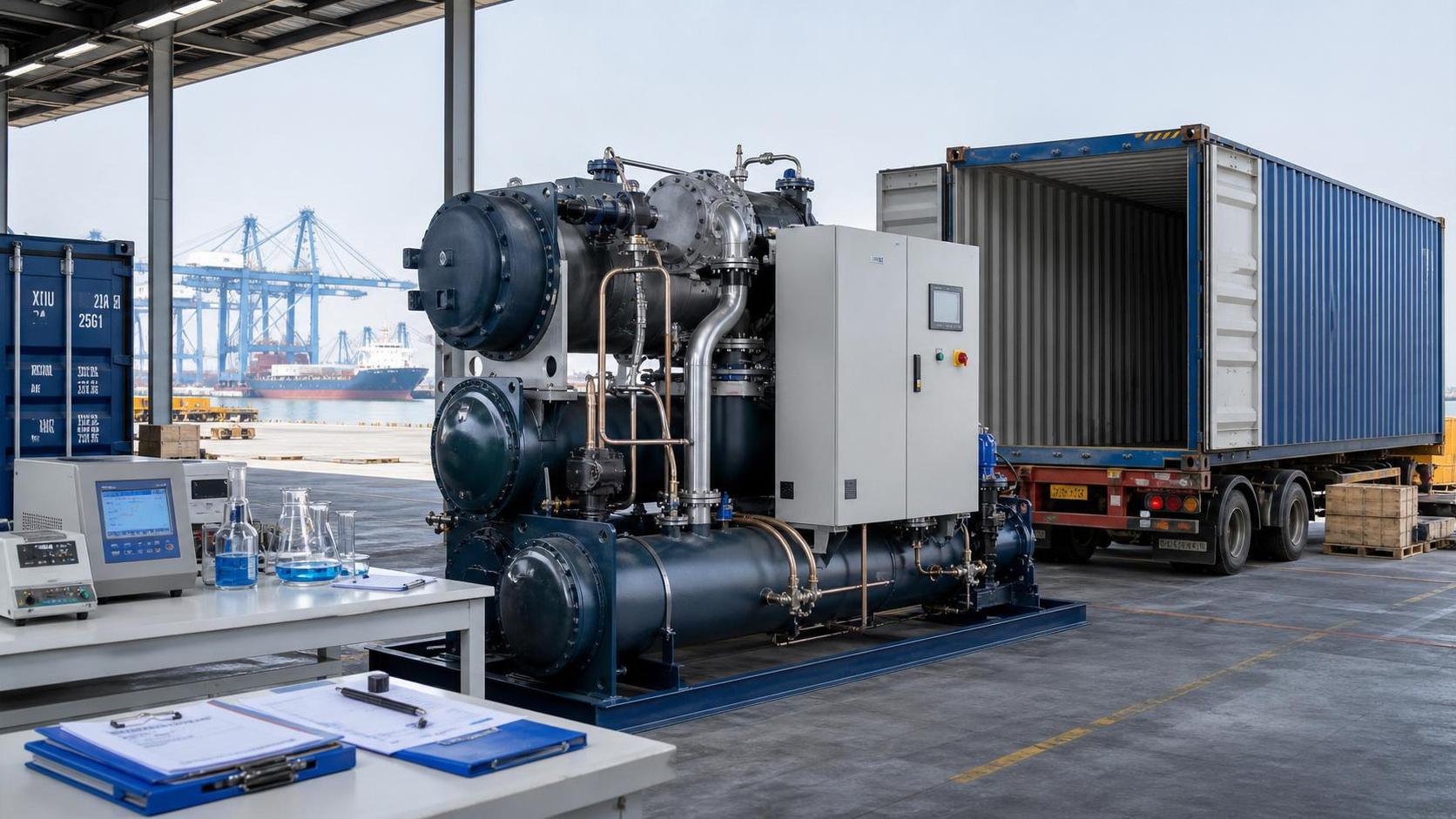
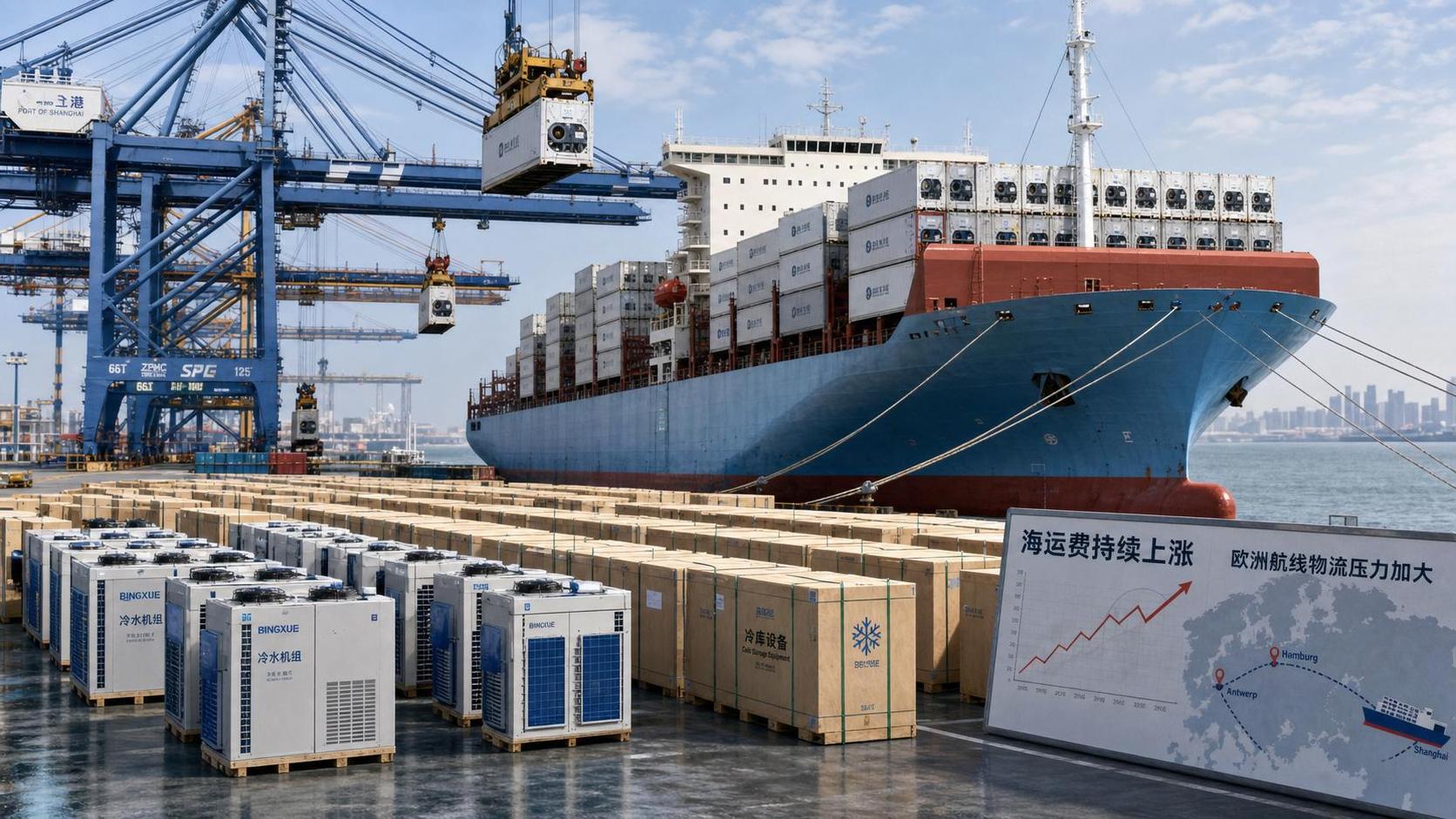
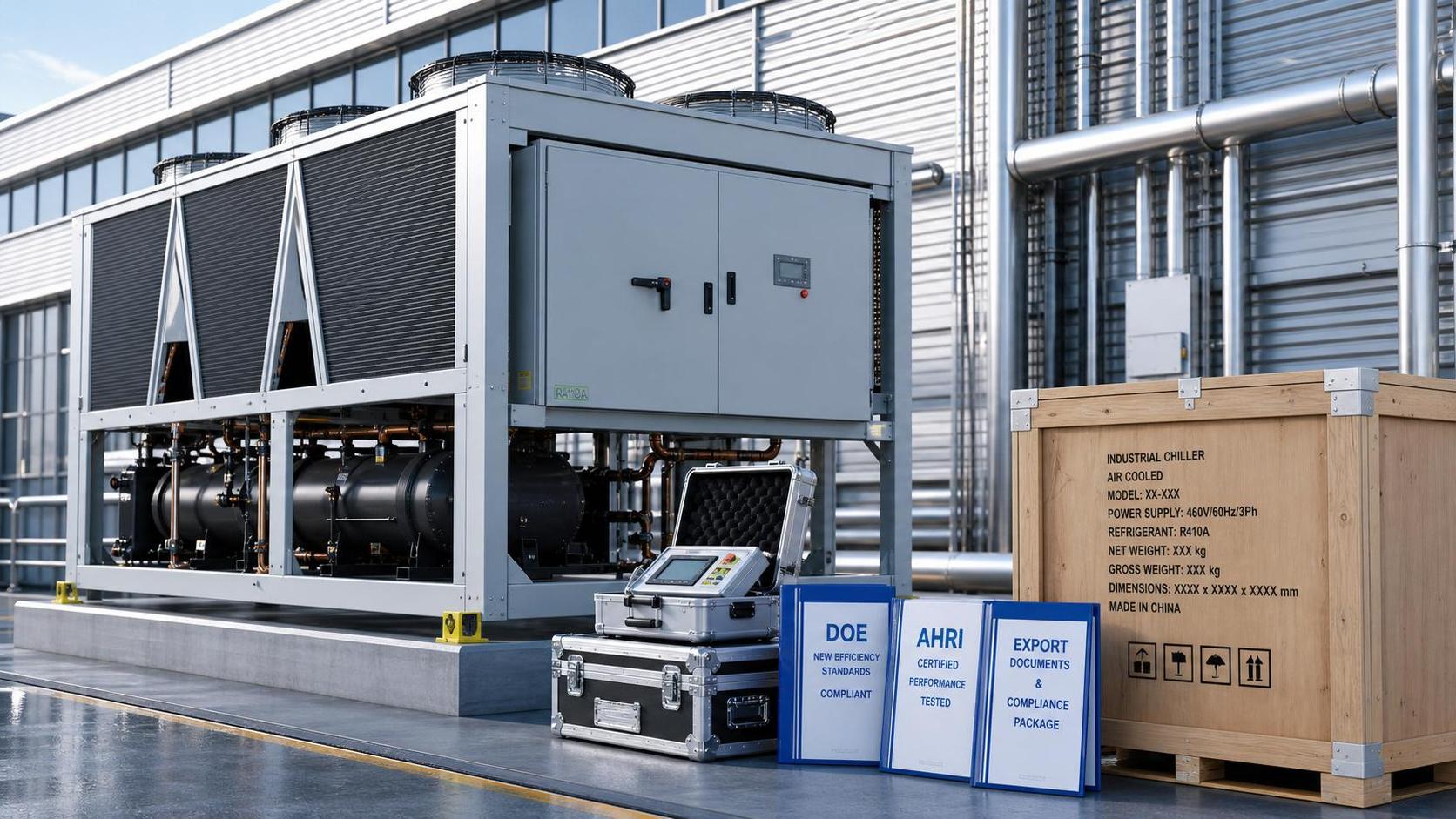
On August 1, 2026, the compliance window effectively closes for industrial chillers entering the EU from China. Following a European Commission notice issued on July 29, 2026, imported Industrial Chillers, including air-cooled and water-cooled units, must meet the revised ErP Directive (EU) 2019/2021 requirements and carry the new energy label. For exporters, testing bodies, customs document teams, distributors, and EU buyers, the issue is no longer abstract regulation but immediate shipment readiness, because non-compliant equipment may be refused entry or incur high port delay and rectification costs.
What the New EU Requirement Clearly Covers
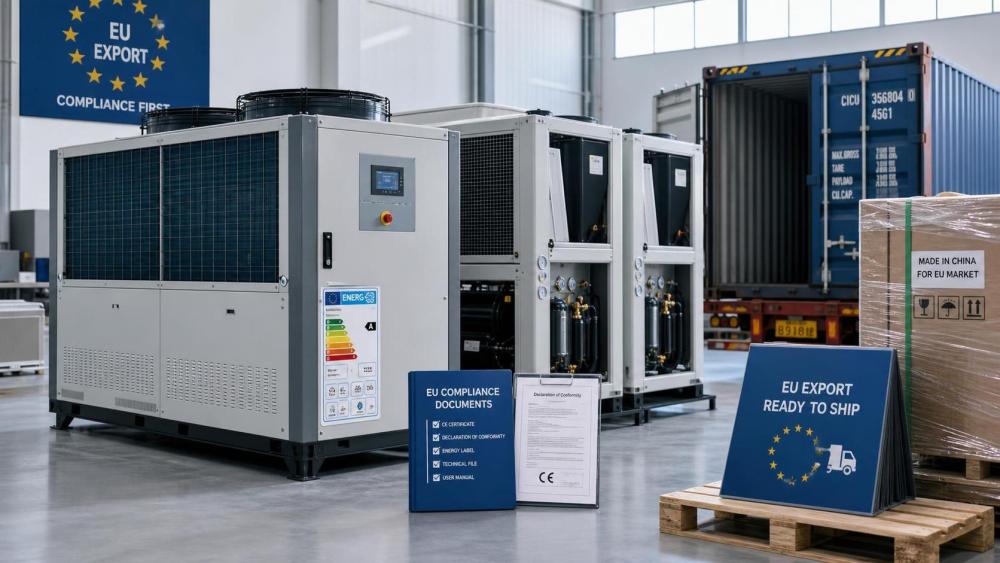
The confirmed notice states that from August 1, 2026, all Industrial Chillers imported into the EU must comply with the revised ErP Directive (EU) 2019/2021 requirements. The scope includes both air-cooled and water-cooled chillers. The requirement also makes the new energy label mandatory, including dual SEER/EER indicators and sound power level limits.
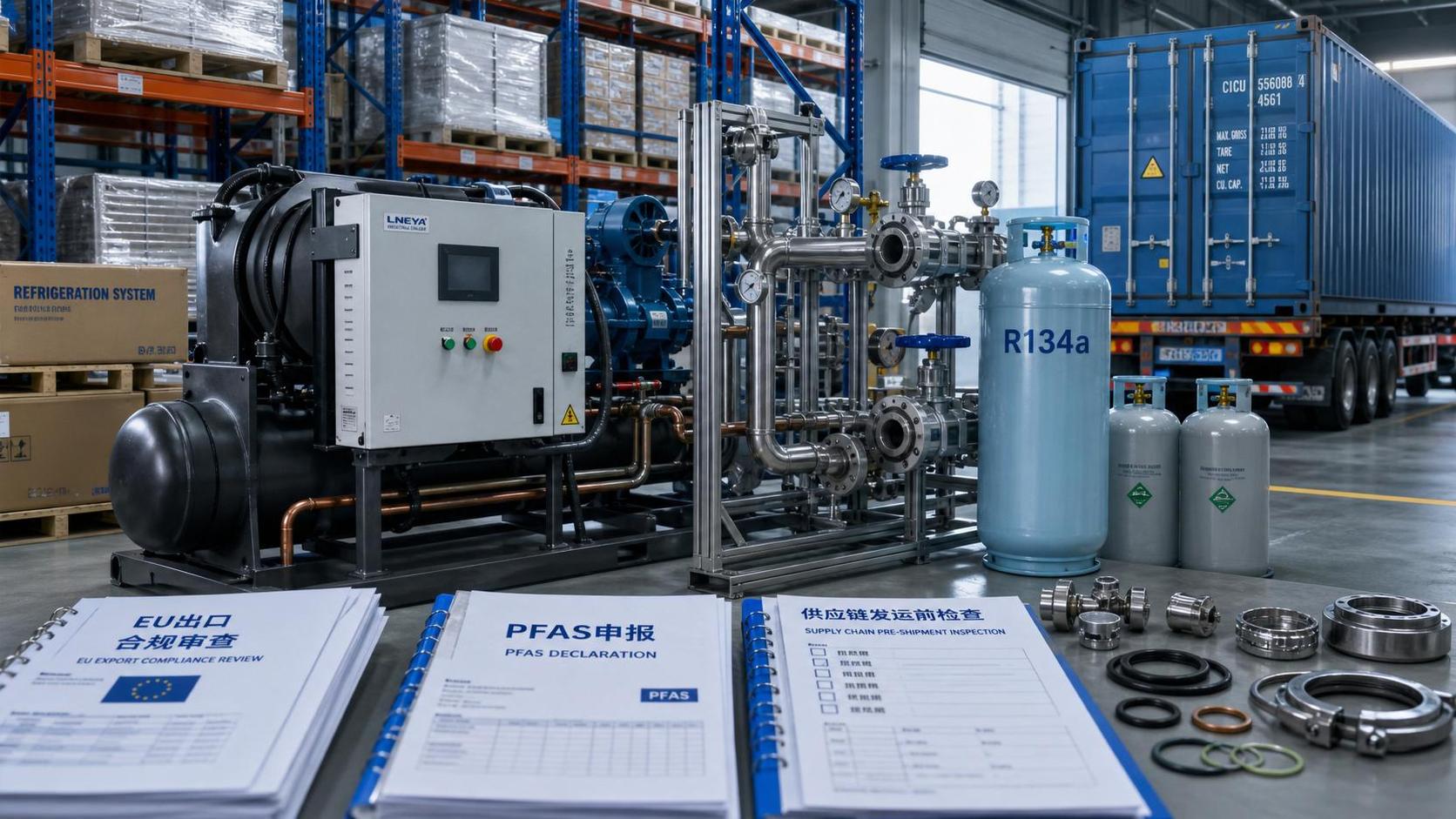
The notice directly affects product certification, updates to test reports, and preparation of customs clearance documents for Chinese exporters. It also states that equipment failing to comply may be denied entry into the EU or face substantial costs tied to port detention and corrective action.
Where the Immediate Pressure Falls
Export transactions are exposed first
Direct exporters are likely to feel the impact most immediately because the rule applies at the point goods enter the EU market. From an industry perspective, the main pressure points are whether a model already matches the revised compliance requirements, whether the latest label is correctly applied, and whether shipment documents are aligned with the new rule before customs review.
Manufacturing and compliance teams must move together
For manufacturers supplying the EU market, the issue is not limited to labeling. Analysis shows that factory-side compliance, certification status, and test report version control now have to stay synchronized. A mismatch between product status and document status could create commercial risk even before the equipment reaches the destination port.
Supply chain and customs service providers face documentation risk
Logistics providers, customs brokers, and other supply chain service parties may also be affected because clearance preparation depends on complete and consistent paperwork. What deserves closer attention is whether document packages reflect the revised ErP requirement and the new label format, since gaps at this stage could translate into delay costs for the shipper or consignee.
EU buyers and channel partners may tighten review steps
Buyers, importers, and distribution partners in the EU are also likely to adjust their review process. Observably, the new requirement creates a stronger need to verify compliance status before order confirmation, shipment release, or delivery acceptance, particularly where the commercial timeline is tight.
What Companies Should Check Now
Whether current models are matched to the revised rule
Companies involved in EU-bound chiller business should first verify which products fall within the stated scope of Industrial Chillers, including air-cooled and water-cooled units, and whether those models are already aligned with the revised ErP Directive (EU) 2019/2021 requirements.
Whether labels and reports are updated in the same cycle
A practical focus is the consistency between the new mandatory energy label and the supporting test reports or certification materials. The notice points directly to SEER/EER dual indicators and sound power level limits, so firms should pay close attention to whether the latest documentation corresponds to the label attached to the product.
Whether customs paperwork is ready before dispatch
Another operational issue is customs file readiness. Analysis shows that the cost risk described in the notice is tied not only to the product itself but also to document preparation. Exporters and service partners therefore need to review clearance files before shipment rather than after arrival.
Whether customer communication reflects the new timing
For companies already shipping to the EU, customer-side communication now becomes part of execution control. What deserves closer attention is how delivery schedules, acceptance terms, and compliance confirmations are handled where goods move close to or after the August 1, 2026 threshold.
Why This Looks Like an Immediate Compliance Trigger
Analysis shows that this update is better understood as an immediate compliance trigger rather than a distant policy signal. The key reason is timing: the Commission notice was issued on July 29, 2026, and the stated requirement applies from August 1, 2026. That leaves limited room between policy clarification and enforcement exposure for shipments already in process.
At the same time, it is more appropriate to understand this as both a short-term operational issue and a longer-term compliance signal. In the short term, the pressure centers on labeling, testing updates, and customs readiness. In the longer term, the notice suggests that exporters serving the EU market need tighter coordination between product compliance and export execution. Further observation is still necessary because the input provided does not include additional enforcement detail beyond the notice itself.
How the Market Should Read This Development
The immediate significance of this development is practical rather than symbolic. It points to a stricter threshold for EU-bound industrial chiller shipments from China, with compliance status, labeling accuracy, and document completeness becoming directly linked to delivery risk. A neutral reading is that the rule has already created a clear execution requirement, while the broader commercial effect still depends on how market participants adjust their internal checks and transaction processes.
Basis of This Article and What Still Needs Verification
This article is based on the user-provided news title, event date, and event summary concerning the EU compliance deadline for industrial chillers exported from China. For this type of development, relevant source categories typically include official notices, company disclosures, industry association updates, authoritative media coverage, and standard or regulatory documentation.
No specific official source link was provided in the input, so the exact source document link still needs to be continuously verified. Follow-up attention should remain on any further official wording, implementation clarification, document requirements, or related compliance interpretations that could affect export operations.
Related News
- EU Label Deadline Hits China Chiller ExportsAuthor :Cryogenic Systems Expert

- How Smart Thermal Systems Improve Industrial Cooling EfficiencyAuthor :Cryogenic Systems Expert

- How to Choose Process Cooling Equipment for Stable Temperature ControlAuthor :Cryogenic Systems Expert

- EU Finalizes 2026 HFC Quota Cut for R-134a ChillersAuthor :Cryogenic Systems Expert

- EU Tightens HFC-134a Quotas for Industrial ChillersAuthor :Cryogenic Systems Expert

- REACH SVHC Update Pressures HFC-134a Chiller Supply ChainsAuthor :Cryogenic Systems Expert

- EU PFAS Coolant Ban Reshapes Chiller ExportsAuthor :Cryogenic Systems Expert

- EU REACH Restricts PFAS Cooling Media ImportsAuthor :Cryogenic Systems Expert

- EU Ecodesign Rule Takes Effect for Industrial ChillersAuthor :Cryogenic Systems Expert

- EU REACH Rule Takes Effect for PFAS in Industrial Cooling ExportsAuthor :Cryogenic Systems Expert

- Industrial Cooling for Plastic Processing: How to Size for Stable Cycle TimesAuthor :Cryogenic Systems Expert

- EU F-Gas Update Bars R404A/R507 in Commercial CoolingAuthor :Cryogenic Systems Expert

- DOE Raises Chiller Efficiency Standard From October 2026Author :Cryogenic Systems Expert

- India Mandates BIS Energy Certification for Industrial ChillersAuthor :Cryogenic Systems Expert

- Energy-Efficient Heat Exchange for Process Cooling: Cost vs PaybackAuthor :Cryogenic Systems Expert

- EPA R-134a Import Ban Takes Effect on July 13, 2026Author :Cryogenic Systems Expert

- India BIS Rule Takes Effect for Industrial ChillersAuthor :Cryogenic Systems Expert

- EPA Cuts R134a Import Quotas 20% From July 10Author :Cryogenic Systems Expert

- How to Compare Energy-Efficient Cooling Systems for Factory Expansion ProjectsAuthor :Cryogenic Systems Expert

- Chiller Price Index Rises 11.3% in Q2Author :Cryogenic Systems Expert

- Saudi SASO Tightens Chiller Import Compliance From July 10Author :Cryogenic Systems Expert

- Dubai Opens Fast-Track Chiller TendersAuthor :Cryogenic Systems Expert

- Japan Raises Chiller COP Floor to 6.2 From Sept. 1Author :Cryogenic Systems Expert
![]()
- Compact Thermal Management in Smart Devices: Common Failure RisksAuthor :Cryogenic Systems Expert

- Thermal Management for Batteries: Cooling Methods ComparedAuthor :Cryogenic Systems Expert

- How Compact Thermal Design Extends Smart Device UptimeAuthor :Cryogenic Systems Expert

- Shanghai-Rotterdam Reefer Rates Jump 37% in a WeekAuthor :Cryogenic Systems Expert

- Process Cooling Equipment Low Maintenance: What Cuts Downtime Over 5 Years?Author :Cryogenic Systems Expert

- Semiconductor Cooling Solutions: Which Design Works Best for High-Density Tools?Author :Cryogenic Systems Expert

- Semiconductor Thermal Management Systems: Preventing Yield Loss from Heat DriftAuthor :Cryogenic Systems Expert

- EPA Clears R-1234ze(E) for Industrial ChillersAuthor :Cryogenic Systems Expert
 for Industrial Chillers")
- DOE Raises Chiller IEER Floor to 12.8 From Oct. 2026Author :Cryogenic Systems Expert

- Singapore Refrigeration Show Adds Green Compliance HubAuthor :Cryogenic Systems Expert

- How Food Industry Temperature Control Systems Reduce Product LossAuthor :Cryogenic Systems Expert

- EU REACH Adds 12 SVHCs, Raising Chiller Compliance RiskAuthor :Cryogenic Systems Expert

- Precision Temperature Control Air Cooling: Key Setup Mistakes That Reduce StabilityAuthor :Cryogenic Systems Expert