Process Cooling Equipment Low Maintenance: What Cuts Downtime Over 5 Years?




Why does process cooling equipment low maintenance matter so much over five years?
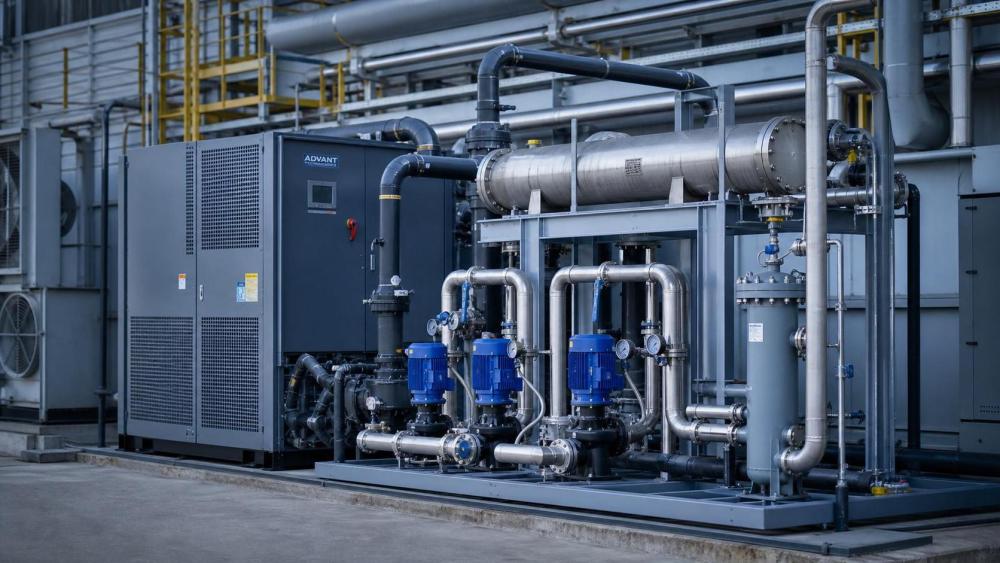
Process cooling rarely fails at a convenient time. When it stops, lines slow down, product quality drifts, and maintenance teams get pulled into urgent work.
That is why process cooling equipment low maintenance should be treated as a business decision, not only an engineering preference.
Over five years, the cost pattern becomes clear. Small service events, sensor faults, fouling, and pump wear often cost more than the initial price gap.
In practical terms, low-maintenance cooling equipment protects throughput. It also reduces spare parts uncertainty and makes shutdown planning more predictable.
GTC-Matrix tracks this closely across industrial cooling, compressed air, vacuum, and heat exchange sectors. The recurring lesson is simple: durable thermal design usually outperforms cheaper short-cycle decisions.
A better question is not just, “What unit is efficient today?” It is, “What keeps operating steadily with fewer interventions for the next five years?”
What actually reduces downtime in low-maintenance process cooling equipment?
Downtime usually comes from ordinary weaknesses, not dramatic breakdowns. The strongest systems are designed to avoid frequent minor failures.
Several design choices consistently cut service needs:
- Corrosion-resistant heat exchangers matched to local water quality.
- Variable-speed pumps and fans that avoid constant high-load cycling.
- Accessible filters, valves, and sensors for quick inspection.
- Control systems with clear alarms instead of generic fault codes.
- Stable refrigerant circuits with fewer leak-prone connection points.
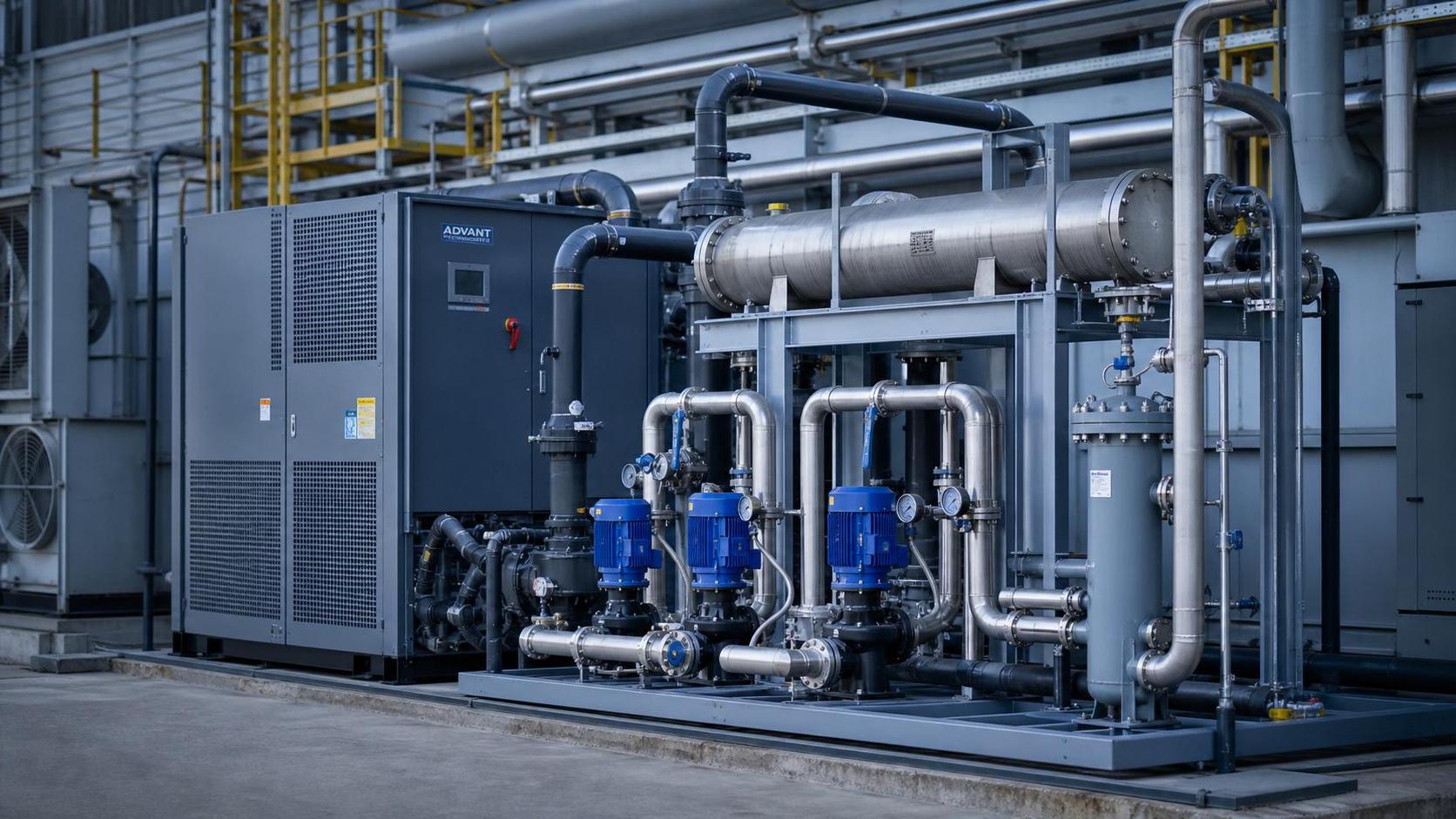
In many facilities, water-side issues create more disruption than compressor failure. Scale, debris, and inconsistent flow quietly damage reliability.
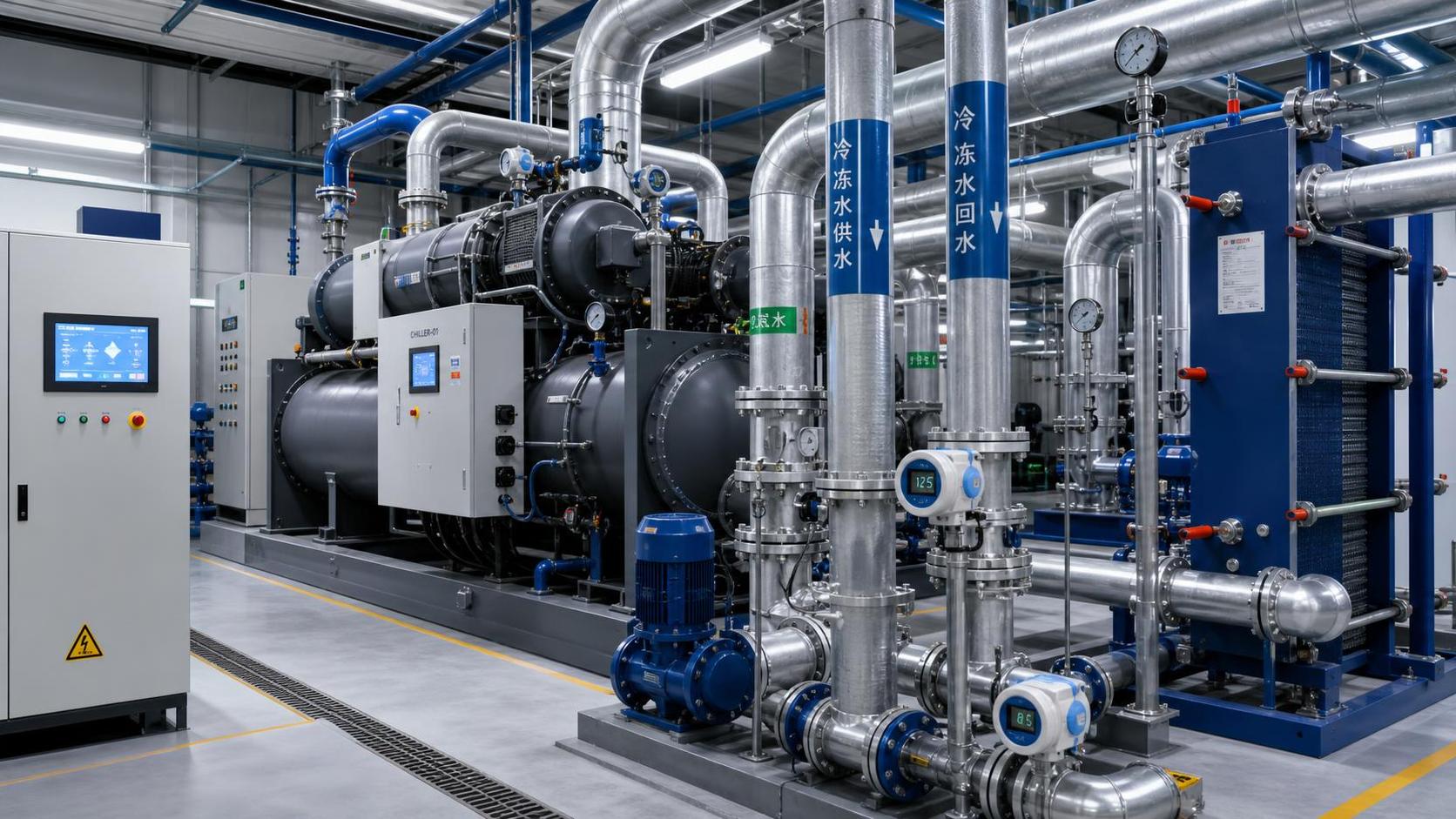
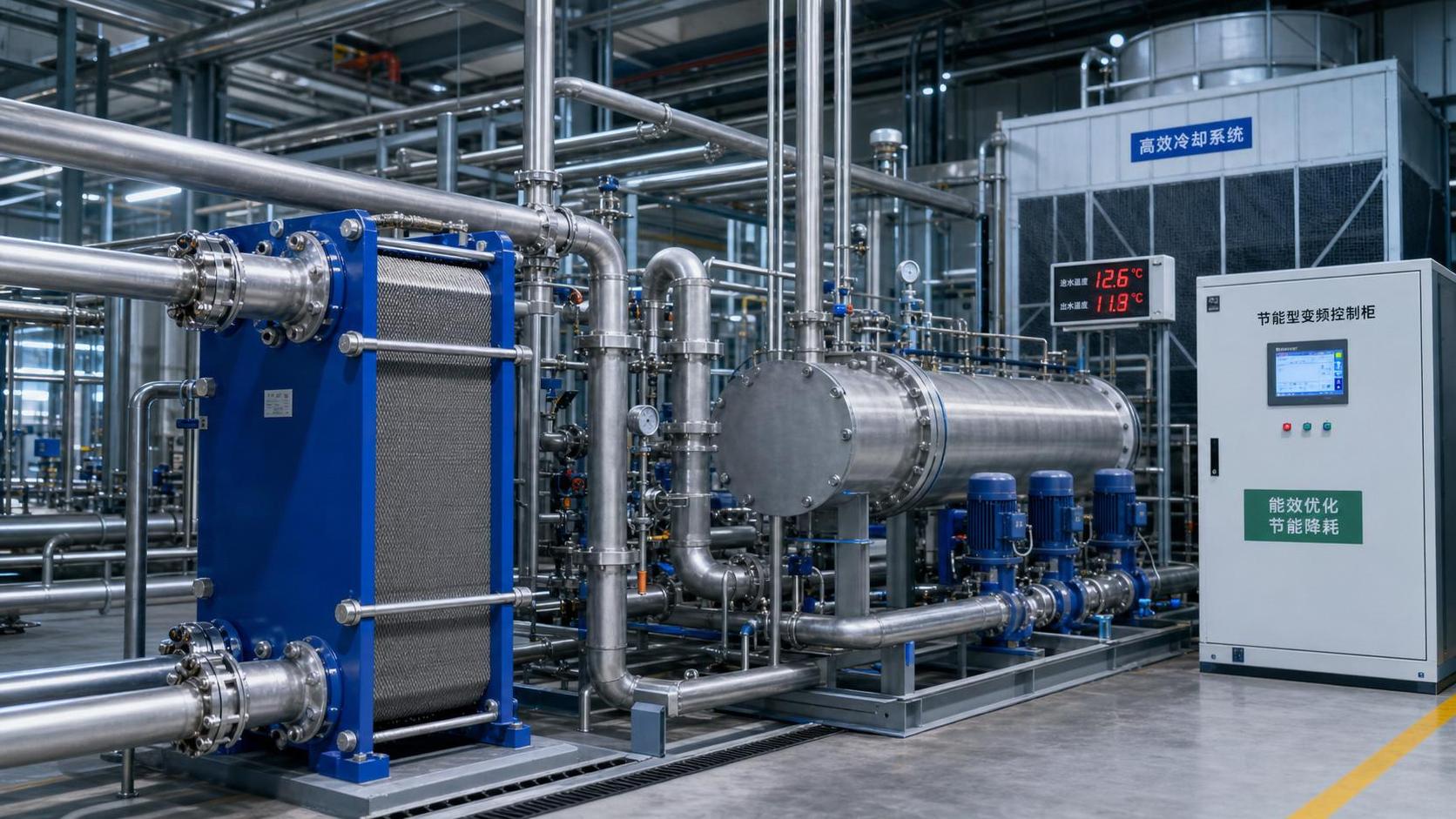
That is why process cooling equipment low maintenance depends heavily on fluid management. Side-stream filtration, water treatment, and proper pipe sizing are not optional details.
Another often-missed factor is operating range. Equipment that runs near its design limit every day will need attention sooner, even if nameplate efficiency looks attractive.
A modest capacity buffer, combined with accurate controls, usually brings better five-year uptime than aggressive downsizing.
Which components deserve the closest scrutiny before you compare prices?
The purchase stage is where long-term maintenance is either controlled or locked in. Some components deserve more attention because they drive repeat service costs.
The table below helps translate common questions into practical buying checks.
This is where process cooling equipment low maintenance becomes measurable. A vendor should be able to explain service intervals, likely wear points, and expected cleaning routines.
If those answers stay vague, the future maintenance burden is probably being transferred to the operator.
Is lower maintenance mostly about the machine, or about the whole system around it?
It is both, but system conditions often decide whether a good machine stays good. That distinction matters during selection.
For example, a well-built chiller can still suffer repeated faults if airflow is restricted, condenser water quality is unstable, or return temperatures fluctuate sharply.
In actual applications, three system questions usually reveal future maintenance risk:
- Is the heat load stable, seasonal, or highly variable by batch?
- Will the equipment run in dust, chemicals, high humidity, or outdoor exposure?
- Can supporting utilities keep clean flow, stable voltage, and routine monitoring?
This is also why cross-sector intelligence matters. GTC-Matrix often highlights how semiconductor, pharmaceutical, and food applications differ in contamination sensitivity, load profile, and uptime tolerance.
The same process cooling equipment low maintenance strategy will not look identical in each environment. Cleanroom cooling and heavy industrial cooling face very different service risks.
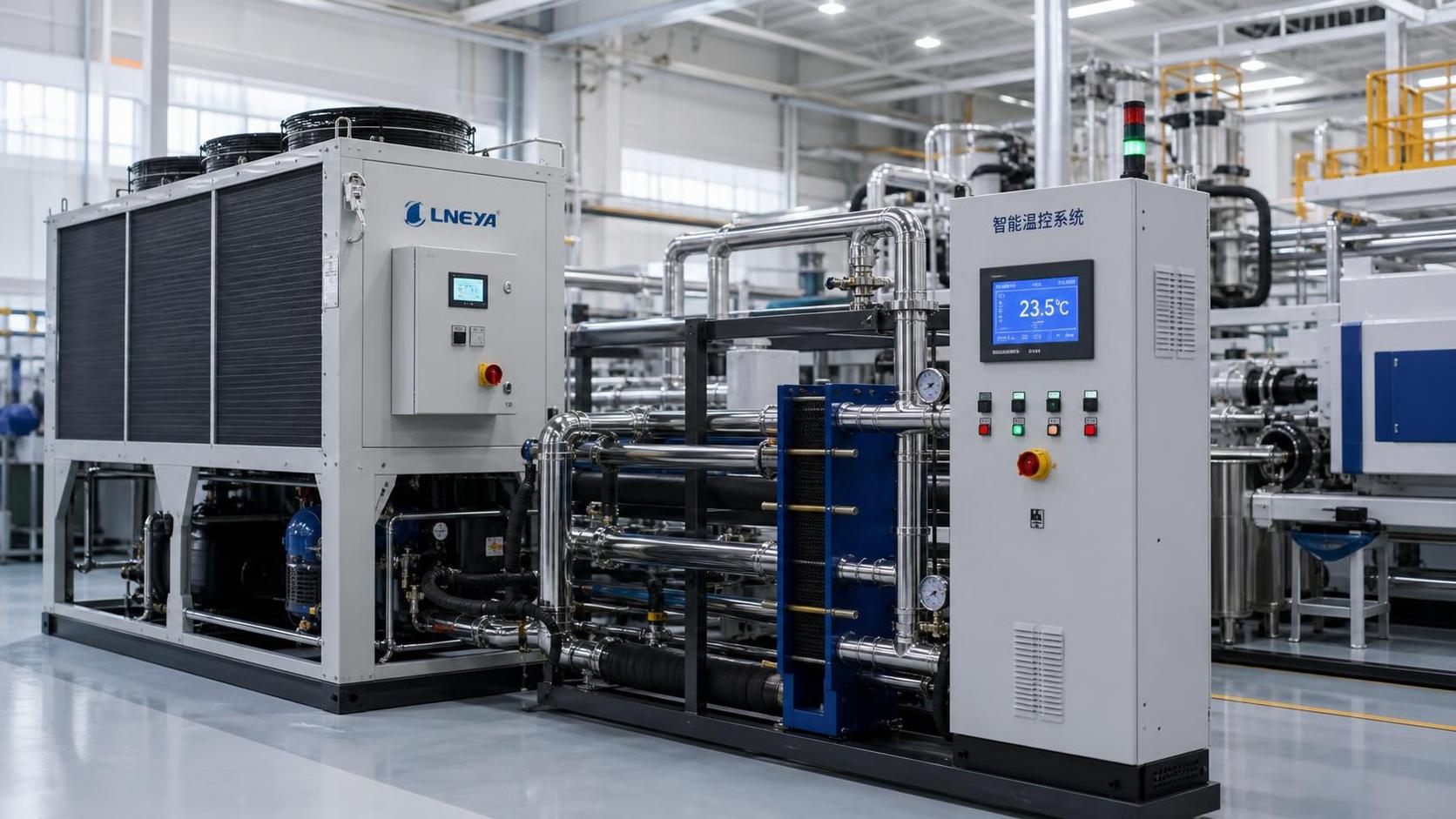
A stronger evaluation compares the equipment with the full thermal system, including pumps, controls, water treatment, and redundancy philosophy.
Where do buyers misjudge five-year cost when choosing process cooling equipment low maintenance?
The most common mistake is treating maintenance as labor only. In reality, downtime cost includes lost production time, unstable product quality, emergency parts, and unplanned contractor visits.
Another mistake is focusing on annual energy numbers while ignoring service frequency. Energy efficiency matters, but repeated stoppages quickly erase that benefit.
More subtle errors also appear:
- Choosing specialized parts with long lead times.
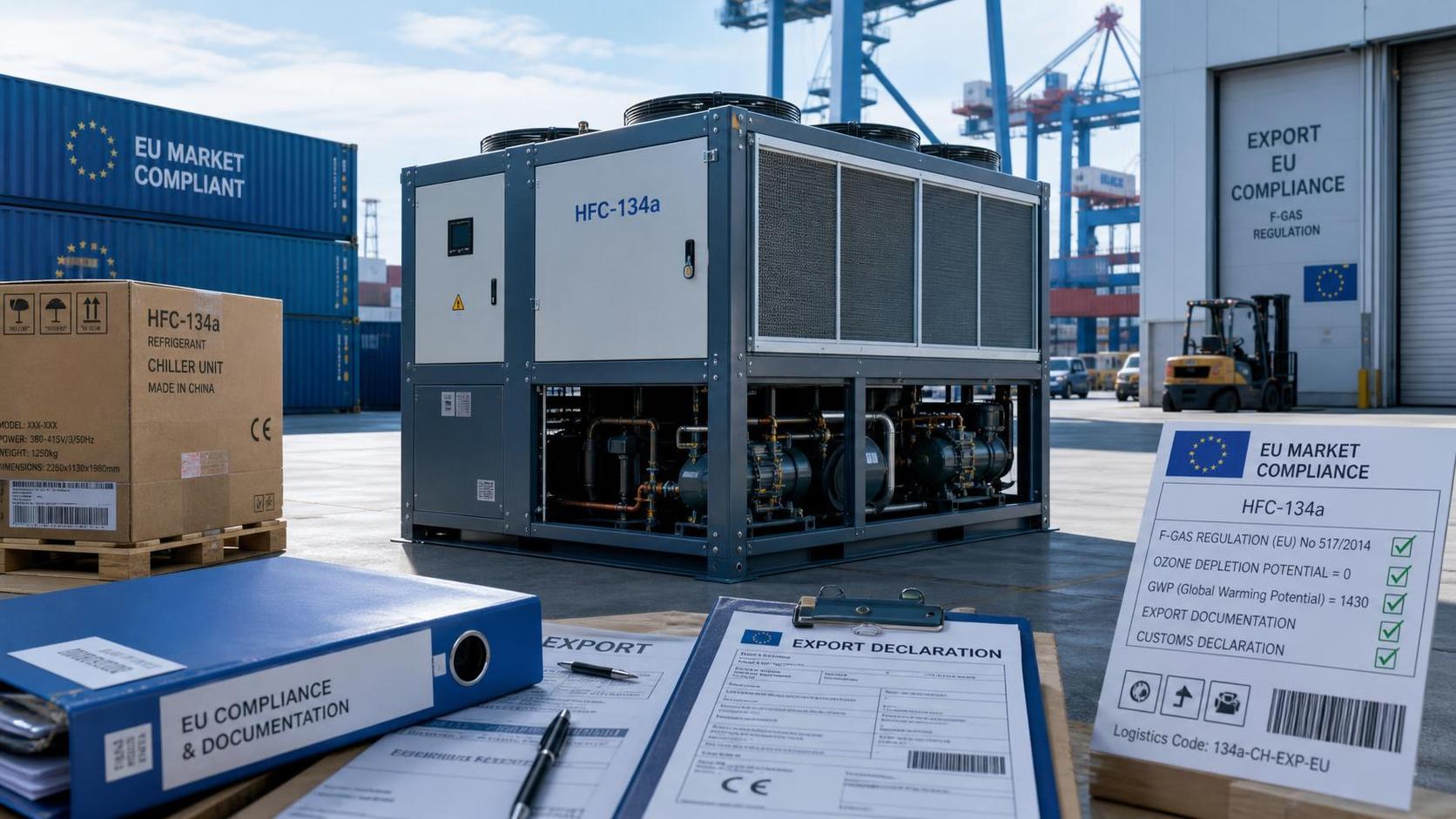
- Ignoring refrigerant policy exposure over the asset life.
- Underestimating cleaning downtime for fouling-prone exchangers.
- Buying controls that cannot integrate with plant monitoring systems.
Policy and market shifts matter more than they used to. Refrigerant quota changes, energy price volatility, and water-use pressures all influence long-term operating cost.
That broader view is one reason industrial teams use intelligence platforms like GTC-Matrix. Maintenance planning increasingly depends on technical data plus market and regulatory signals.
If the goal is process cooling equipment low maintenance, the best comparison model combines capital cost, expected service intervals, spare part availability, and realistic downtime exposure.
What should you ask before final selection, and what is the sensible next step?
By the final shortlist stage, the conversation should move away from brochure claims and toward operating evidence.
Useful questions include:
- What maintenance events are expected in years one, three, and five?
- Which parts are site-replaceable, and which require factory support?
- How does the system behave during partial load and rapid load swings?
- What water quality or ambient conditions will void performance assumptions?
- Can alarms, trends, and service data be exported into existing plant systems?
It also helps to request a five-year service scenario, not just a warranty sheet. That exposes hidden assumptions around filters, chemical cleaning, refrigerant checks, and wear components.
The strongest process cooling equipment low maintenance decisions usually come from a simple sequence: define the thermal duty, map the operating environment, compare maintainability, then test the service model.
Over five years, reliable cooling is less about buying the most advanced unit and more about choosing the design that stays understandable, supportable, and stable under real plant conditions.
A practical next move is to build a short evaluation sheet around uptime risk, service access, water-side protection, controls clarity, and parts availability. That turns process cooling equipment low maintenance from a vague goal into a defendable selection standard.
Related News
- How Smart Thermal Systems Improve Industrial Cooling EfficiencyAuthor :Cryogenic Systems Expert

- How to Choose Process Cooling Equipment for Stable Temperature ControlAuthor :Cryogenic Systems Expert

- EU Finalizes 2026 HFC Quota Cut for R-134a ChillersAuthor :Cryogenic Systems Expert

- EU Tightens HFC-134a Quotas for Industrial ChillersAuthor :Cryogenic Systems Expert

- REACH SVHC Update Pressures HFC-134a Chiller Supply ChainsAuthor :Cryogenic Systems Expert

- EU PFAS Coolant Ban Reshapes Chiller ExportsAuthor :Cryogenic Systems Expert

- EU REACH Restricts PFAS Cooling Media ImportsAuthor :Cryogenic Systems Expert

- EU Ecodesign Rule Takes Effect for Industrial ChillersAuthor :Cryogenic Systems Expert

- EU REACH Rule Takes Effect for PFAS in Industrial Cooling ExportsAuthor :Cryogenic Systems Expert

- Industrial Cooling for Plastic Processing: How to Size for Stable Cycle TimesAuthor :Cryogenic Systems Expert

- EU F-Gas Update Bars R404A/R507 in Commercial CoolingAuthor :Cryogenic Systems Expert

- DOE Raises Chiller Efficiency Standard From October 2026Author :Cryogenic Systems Expert

- India Mandates BIS Energy Certification for Industrial ChillersAuthor :Cryogenic Systems Expert

- Energy-Efficient Heat Exchange for Process Cooling: Cost vs PaybackAuthor :Cryogenic Systems Expert

- EPA R-134a Import Ban Takes Effect on July 13, 2026Author :Cryogenic Systems Expert

- India BIS Rule Takes Effect for Industrial ChillersAuthor :Cryogenic Systems Expert

- EPA Cuts R134a Import Quotas 20% From July 10Author :Cryogenic Systems Expert

- How to Compare Energy-Efficient Cooling Systems for Factory Expansion ProjectsAuthor :Cryogenic Systems Expert

- Chiller Price Index Rises 11.3% in Q2Author :Cryogenic Systems Expert

- Saudi SASO Tightens Chiller Import Compliance From July 10Author :Cryogenic Systems Expert

- Dubai Opens Fast-Track Chiller TendersAuthor :Cryogenic Systems Expert

- Japan Raises Chiller COP Floor to 6.2 From Sept. 1Author :Cryogenic Systems Expert
![]()
- Compact Thermal Management in Smart Devices: Common Failure RisksAuthor :Cryogenic Systems Expert

- Thermal Management for Batteries: Cooling Methods ComparedAuthor :Cryogenic Systems Expert

- How Compact Thermal Design Extends Smart Device UptimeAuthor :Cryogenic Systems Expert

- Shanghai-Rotterdam Reefer Rates Jump 37% in a WeekAuthor :Cryogenic Systems Expert

- Process Cooling Equipment Low Maintenance: What Cuts Downtime Over 5 Years?Author :Cryogenic Systems Expert

- Semiconductor Cooling Solutions: Which Design Works Best for High-Density Tools?Author :Cryogenic Systems Expert

- Semiconductor Thermal Management Systems: Preventing Yield Loss from Heat DriftAuthor :Cryogenic Systems Expert

- EPA Clears R-1234ze(E) for Industrial ChillersAuthor :Cryogenic Systems Expert
 for Industrial Chillers")
- DOE Raises Chiller IEER Floor to 12.8 From Oct. 2026Author :Cryogenic Systems Expert

- Singapore Refrigeration Show Adds Green Compliance HubAuthor :Cryogenic Systems Expert

- How Food Industry Temperature Control Systems Reduce Product LossAuthor :Cryogenic Systems Expert

- EU REACH Adds 12 SVHCs, Raising Chiller Compliance RiskAuthor :Cryogenic Systems Expert

- Precision Temperature Control Air Cooling: Key Setup Mistakes That Reduce StabilityAuthor :Cryogenic Systems Expert

- India BEE Eyes APF Labels for Imported ChillersAuthor :Cryogenic Systems Expert