How to Compare Energy-Efficient Cooling Systems for Factory Expansion Projects




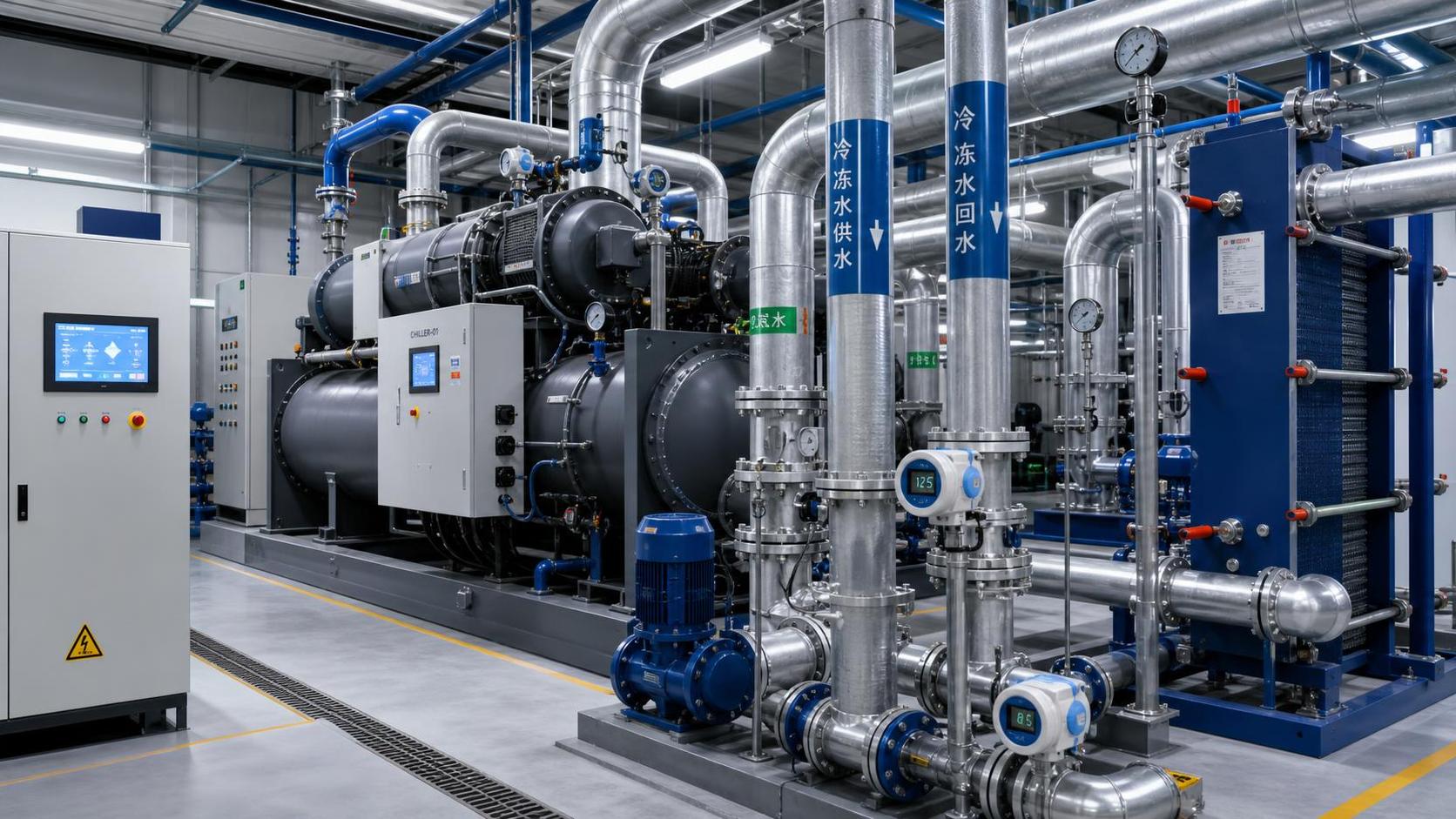
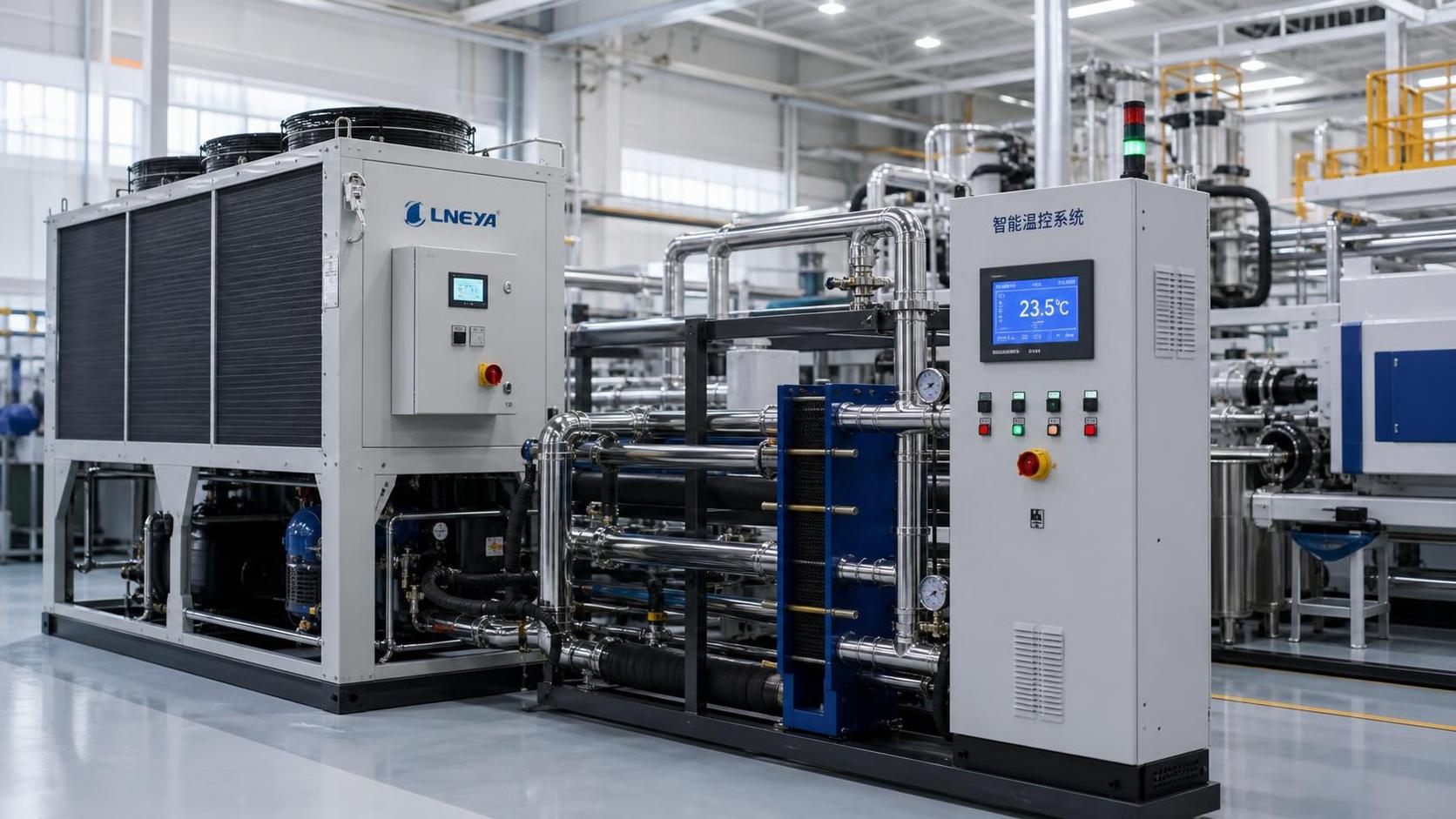
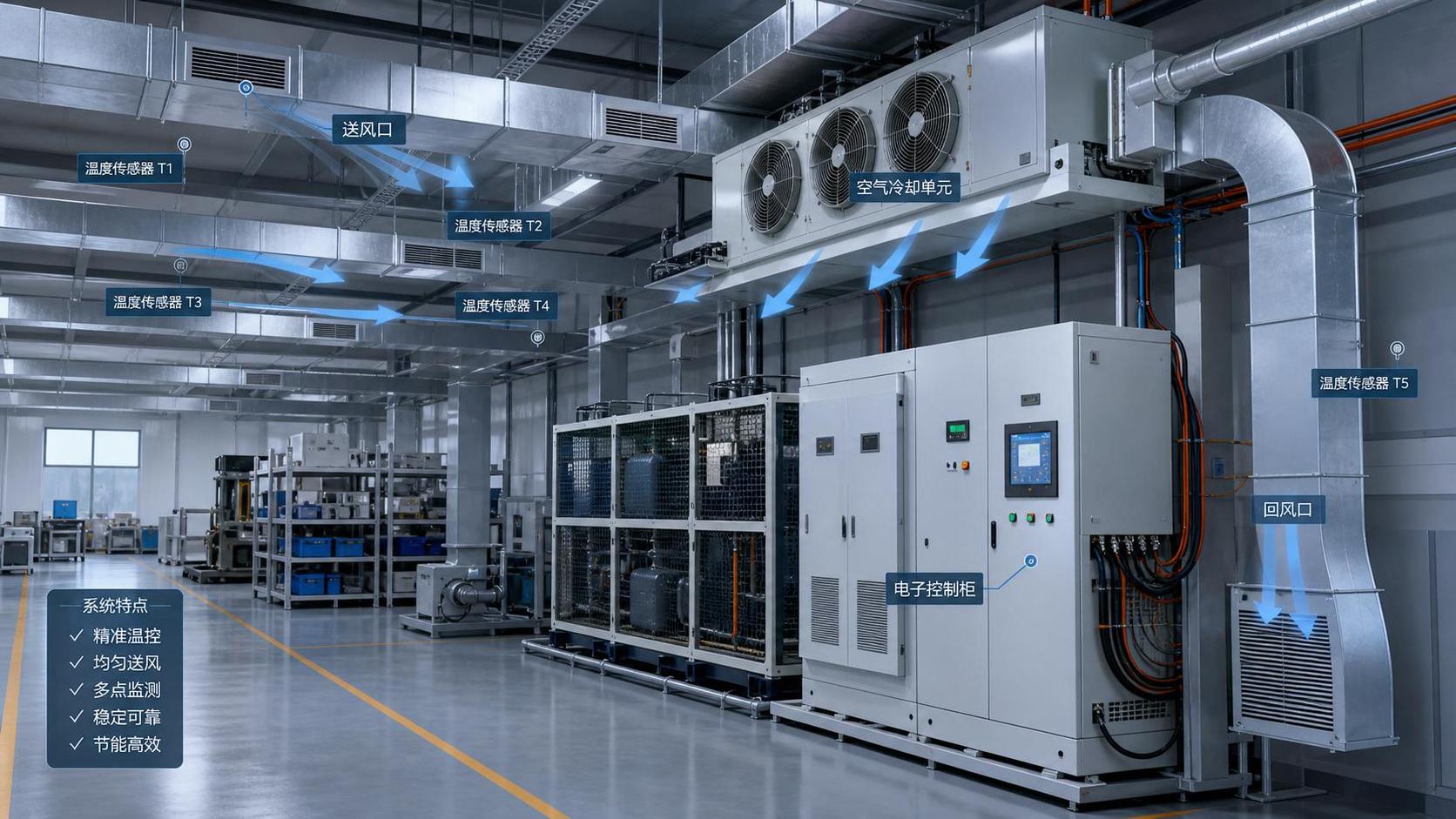
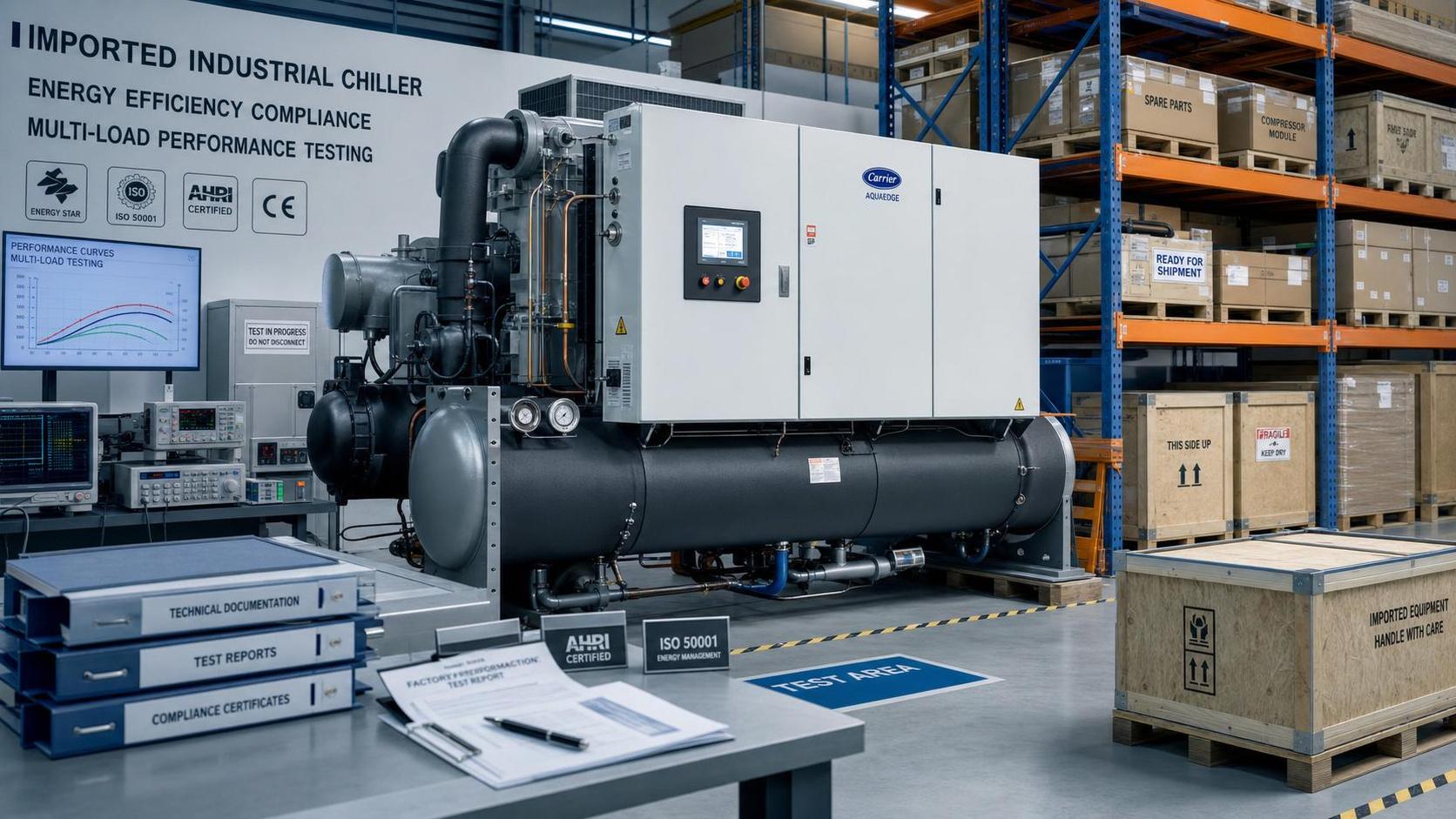
Choosing a cooling platform for a factory expansion is rarely a simple equipment decision. It affects utility demand, production stability, refrigerant compliance, maintenance planning, and future capacity. A strong energy-efficient cooling systems factory strategy compares performance under real operating conditions, not just brochure efficiency, so the expansion delivers lower lifecycle cost and fewer operational surprises.
Why cooling comparison has become more complex
Cooling loads are changing across general industry. Plants now mix automation, tighter thermal tolerances, and higher energy scrutiny. That shifts attention from unit price toward total system behavior.
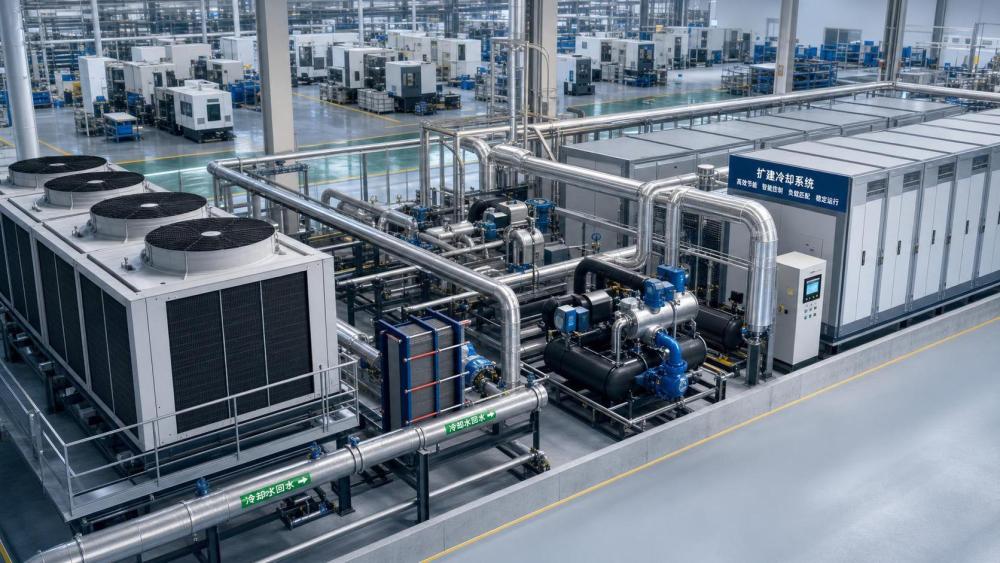
The pressure also comes from outside the plant. Electricity tariffs fluctuate. Water availability is less predictable. Refrigerant rules continue to tighten across regions and supply chains.
This is where market intelligence matters. GTC-Matrix tracks industrial cooling, compressed air, vacuum processes, and heat exchange technologies with a focus on thermodynamic performance and business risk.
Its Strategic Intelligence Center follows energy cost shifts, refrigerant policy changes, and equipment evolution such as oil-free compression and microchannel heat exchangers. That broader view helps frame a more realistic comparison.
What should be compared in an energy-efficient cooling systems factory review
At the basic level, the comparison should cover cooling output, power input, heat rejection method, control logic, maintenance profile, and integration with plant utilities.
But the useful question is more specific: which system matches the expansion load profile, process criticality, and local compliance path with the least long-term friction?
Common system types
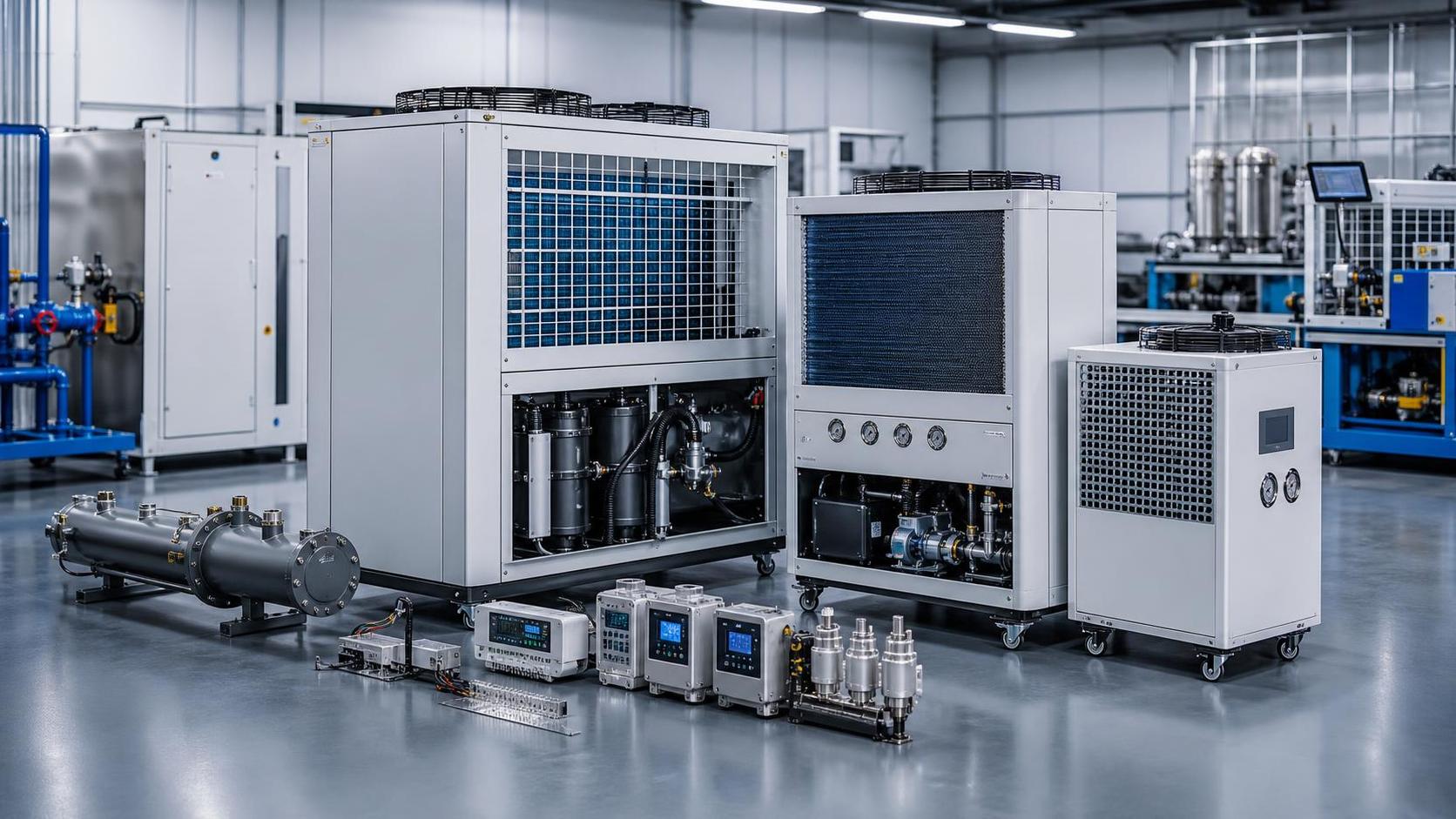
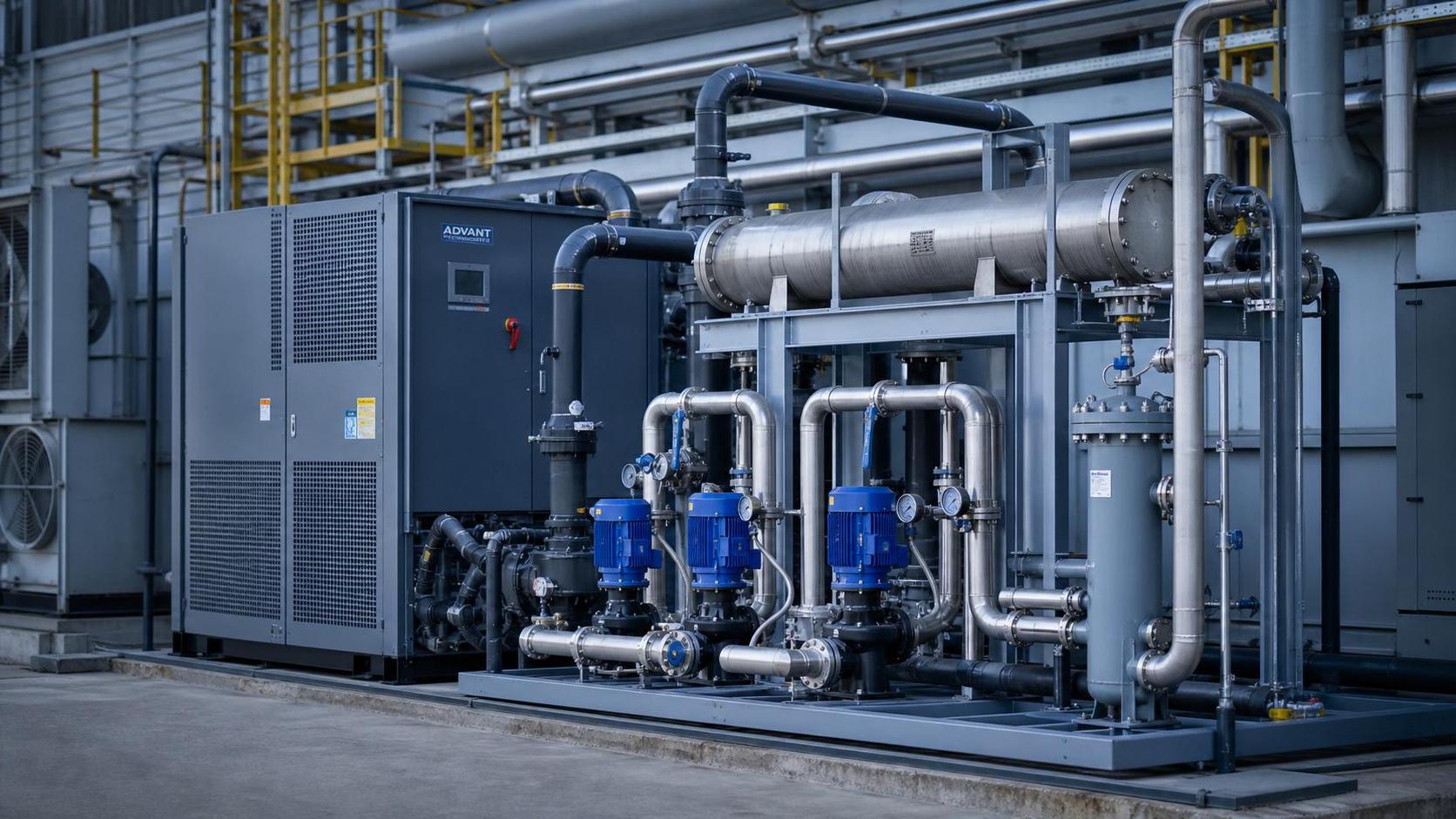
Many expansion projects compare air-cooled chillers, water-cooled chillers, evaporative systems, closed-loop process cooling, hybrid free-cooling designs, and modular packaged solutions.
Each option can be effective. The right choice depends on climate, load diversity, process sensitivity, floor space, utility pricing, and future build-out plans.
Look beyond nameplate efficiency
A headline efficiency number can mislead. Most industrial cooling systems do not run at a single design point for long periods.
In practice, the better energy-efficient cooling systems factory solution is the one that remains efficient through partial load, seasonal swings, and process variation.
Part-load behavior matters more than many assume
Expansion lines often ramp gradually. A system sized for final capacity may spend years operating below peak demand.
That makes variable-speed compressors, smart sequencing, and stable low-load control especially important. Without them, real energy use can drift far above the modeled case.
Auxiliary loads should be counted
Fans, pumps, water treatment, and control hardware all consume energy. These supporting loads are sometimes excluded from simplified vendor comparisons.
A complete energy-efficient cooling systems factory evaluation includes total system kilowatts per useful cooling output, not only compressor efficiency.
Lifecycle cost usually decides the better option
Capital cost still matters, but it should be seen as one layer of the decision. Energy, maintenance, downtime exposure, and refrigerant transition risk often outweigh the purchase price.
This is especially true in sites with continuous production, sensitive temperature windows, or expensive process interruptions.
A practical ownership checklist
- Estimate annual energy use under realistic hourly load patterns.
- Include water consumption and treatment, where relevant.
- Price planned maintenance by component and service interval.
- Assign a cost to expected downtime and restart complexity.
- Consider refrigerant availability and future retrofit exposure.
- Review spare parts lead times and regional support depth.
When these elements are modeled together, the cheapest bid often stops looking like the most economical route.
Compliance, sustainability, and technology direction
Cooling decisions now sit inside a larger decarbonization framework. The selected system may affect emissions reporting, environmental approvals, and customer-facing sustainability commitments.
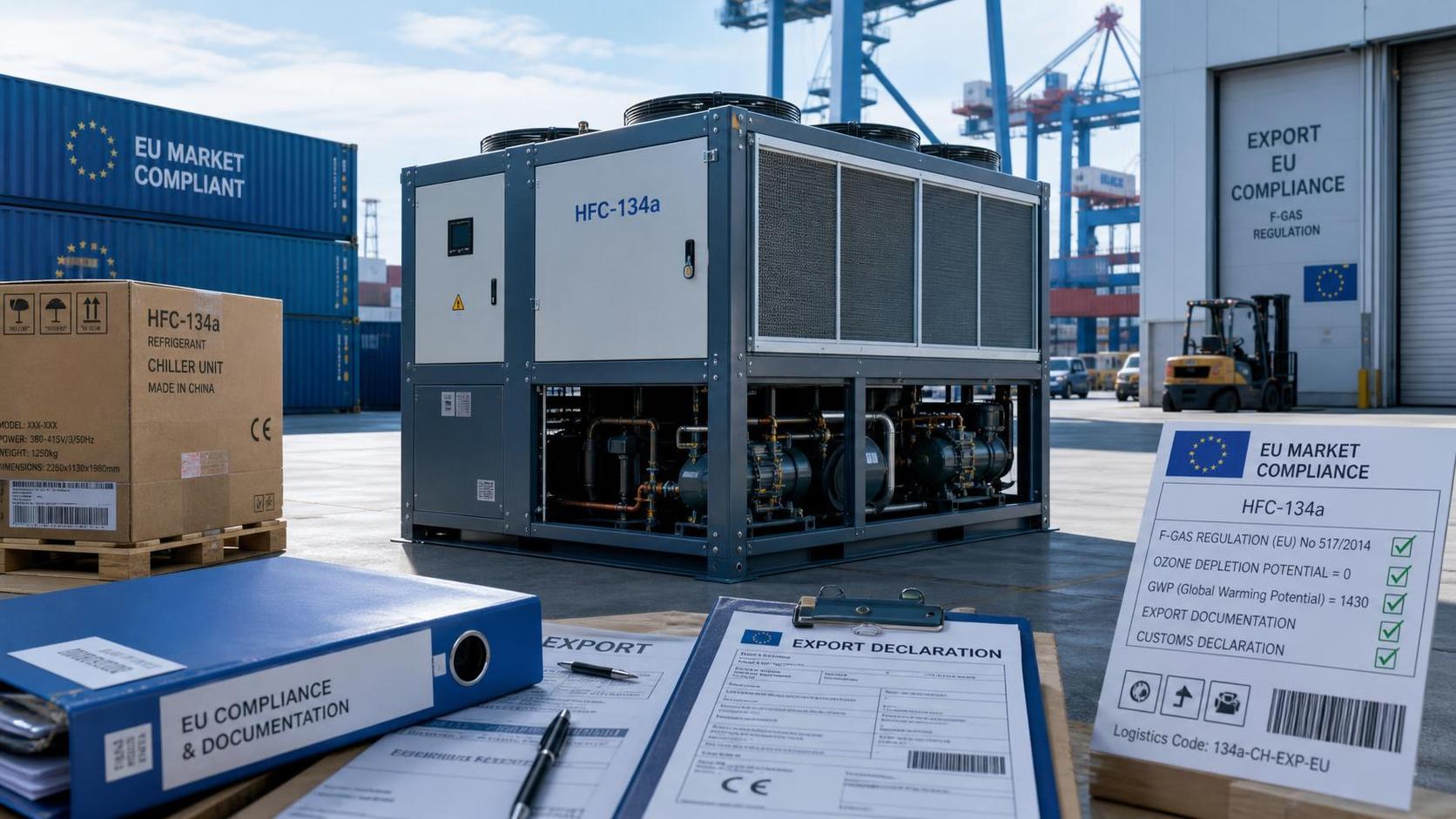
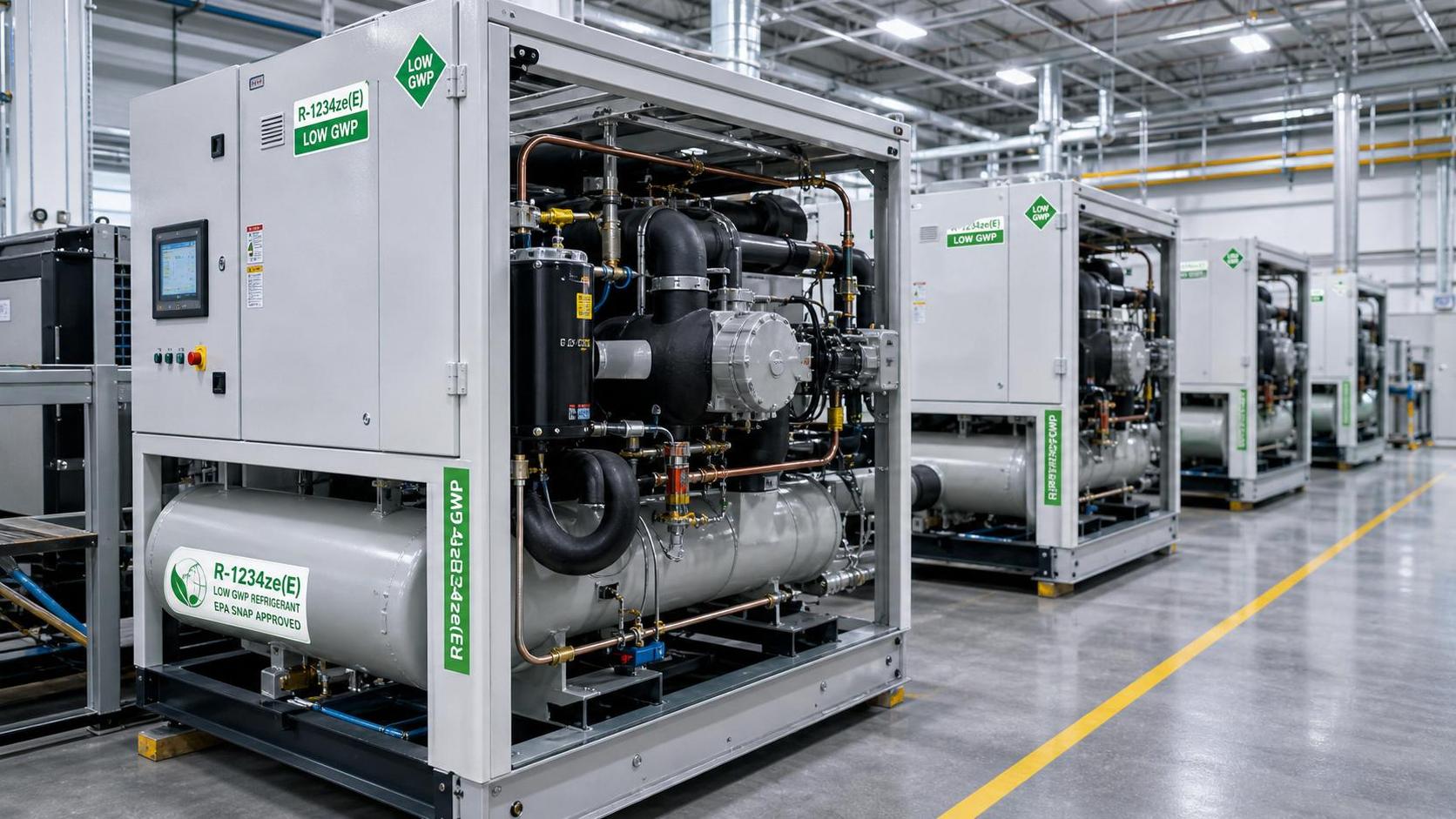
Refrigerant choice is central here. Low-GWP options are gaining traction, but suitability still depends on safety classification, ambient conditions, service capabilities, and site standards.
GTC-Matrix places value on this transition because policy and equipment evolution are moving together. The same trend appears in oil-free compression, advanced heat exchange surfaces, and cleaner thermal systems.
For a factory expansion, the better question is not only whether a system is compliant today. It is whether it remains serviceable and efficient over the next operating cycle.
Different plants require different comparison logic
Not every facility values the same attributes. A robust energy-efficient cooling systems factory comparison starts with the process, not the equipment catalog.
Typical decision patterns across industries
Commercial insight from these sectors often reveals similar patterns. Precision applications need thermal stability and clean utilities, while broader manufacturing may prioritize flexibility and operating cost.
How to structure a better comparison process
A sound review process begins with demand mapping. Separate base load, variable load, future load, and mission-critical zones before looking at equipment options.
Then build a short decision matrix. Keep it focused on measurable items, site constraints, and commercial risk rather than general claims.
Useful decision criteria
- Performance at design load and at common operating load bands.
- Response speed during production changes and ambient swings.
- Compatibility with compressed air, heat recovery, and plant controls.
- Footprint, noise, water needs, and installation complexity.
- Redundancy strategy and maintenance access without major shutdown.
- Supplier evidence from comparable industrial duty cycles.
That process creates a more defensible basis for selecting an energy-efficient cooling systems factory configuration that can support both startup and later expansion phases.
Where the next decision should go
The most reliable comparisons combine plant data, thermodynamic analysis, and market intelligence. That combination is stronger than relying on generic efficiency claims or single-point quotations.
A useful next step is to define the real operating envelope, compare at least two system architectures, and score them on energy, compliance, resilience, and expansion fit.
For any team assessing an energy-efficient cooling systems factory investment, the goal is not simply to buy efficient equipment. It is to build a cooling platform that stays efficient, serviceable, and aligned with industrial change over time.
Related News
- How Smart Thermal Systems Improve Industrial Cooling EfficiencyAuthor :Cryogenic Systems Expert

- How to Choose Process Cooling Equipment for Stable Temperature ControlAuthor :Cryogenic Systems Expert

- EU Finalizes 2026 HFC Quota Cut for R-134a ChillersAuthor :Cryogenic Systems Expert

- EU Tightens HFC-134a Quotas for Industrial ChillersAuthor :Cryogenic Systems Expert

- REACH SVHC Update Pressures HFC-134a Chiller Supply ChainsAuthor :Cryogenic Systems Expert

- EU PFAS Coolant Ban Reshapes Chiller ExportsAuthor :Cryogenic Systems Expert

- EU REACH Restricts PFAS Cooling Media ImportsAuthor :Cryogenic Systems Expert

- EU Ecodesign Rule Takes Effect for Industrial ChillersAuthor :Cryogenic Systems Expert

- EU REACH Rule Takes Effect for PFAS in Industrial Cooling ExportsAuthor :Cryogenic Systems Expert

- Industrial Cooling for Plastic Processing: How to Size for Stable Cycle TimesAuthor :Cryogenic Systems Expert

- EU F-Gas Update Bars R404A/R507 in Commercial CoolingAuthor :Cryogenic Systems Expert

- DOE Raises Chiller Efficiency Standard From October 2026Author :Cryogenic Systems Expert

- India Mandates BIS Energy Certification for Industrial ChillersAuthor :Cryogenic Systems Expert

- Energy-Efficient Heat Exchange for Process Cooling: Cost vs PaybackAuthor :Cryogenic Systems Expert

- EPA R-134a Import Ban Takes Effect on July 13, 2026Author :Cryogenic Systems Expert

- India BIS Rule Takes Effect for Industrial ChillersAuthor :Cryogenic Systems Expert

- EPA Cuts R134a Import Quotas 20% From July 10Author :Cryogenic Systems Expert

- How to Compare Energy-Efficient Cooling Systems for Factory Expansion ProjectsAuthor :Cryogenic Systems Expert

- Chiller Price Index Rises 11.3% in Q2Author :Cryogenic Systems Expert

- Saudi SASO Tightens Chiller Import Compliance From July 10Author :Cryogenic Systems Expert

- Dubai Opens Fast-Track Chiller TendersAuthor :Cryogenic Systems Expert

- Japan Raises Chiller COP Floor to 6.2 From Sept. 1Author :Cryogenic Systems Expert
![]()
- Compact Thermal Management in Smart Devices: Common Failure RisksAuthor :Cryogenic Systems Expert

- Thermal Management for Batteries: Cooling Methods ComparedAuthor :Cryogenic Systems Expert

- How Compact Thermal Design Extends Smart Device UptimeAuthor :Cryogenic Systems Expert

- Shanghai-Rotterdam Reefer Rates Jump 37% in a WeekAuthor :Cryogenic Systems Expert

- Process Cooling Equipment Low Maintenance: What Cuts Downtime Over 5 Years?Author :Cryogenic Systems Expert

- Semiconductor Cooling Solutions: Which Design Works Best for High-Density Tools?Author :Cryogenic Systems Expert

- Semiconductor Thermal Management Systems: Preventing Yield Loss from Heat DriftAuthor :Cryogenic Systems Expert

- EPA Clears R-1234ze(E) for Industrial ChillersAuthor :Cryogenic Systems Expert
 for Industrial Chillers")
- DOE Raises Chiller IEER Floor to 12.8 From Oct. 2026Author :Cryogenic Systems Expert

- Singapore Refrigeration Show Adds Green Compliance HubAuthor :Cryogenic Systems Expert

- How Food Industry Temperature Control Systems Reduce Product LossAuthor :Cryogenic Systems Expert

- EU REACH Adds 12 SVHCs, Raising Chiller Compliance RiskAuthor :Cryogenic Systems Expert

- Precision Temperature Control Air Cooling: Key Setup Mistakes That Reduce StabilityAuthor :Cryogenic Systems Expert

- India BEE Eyes APF Labels for Imported ChillersAuthor :Cryogenic Systems Expert