



EPA Cuts R134a Import Quotas 20% From July 10




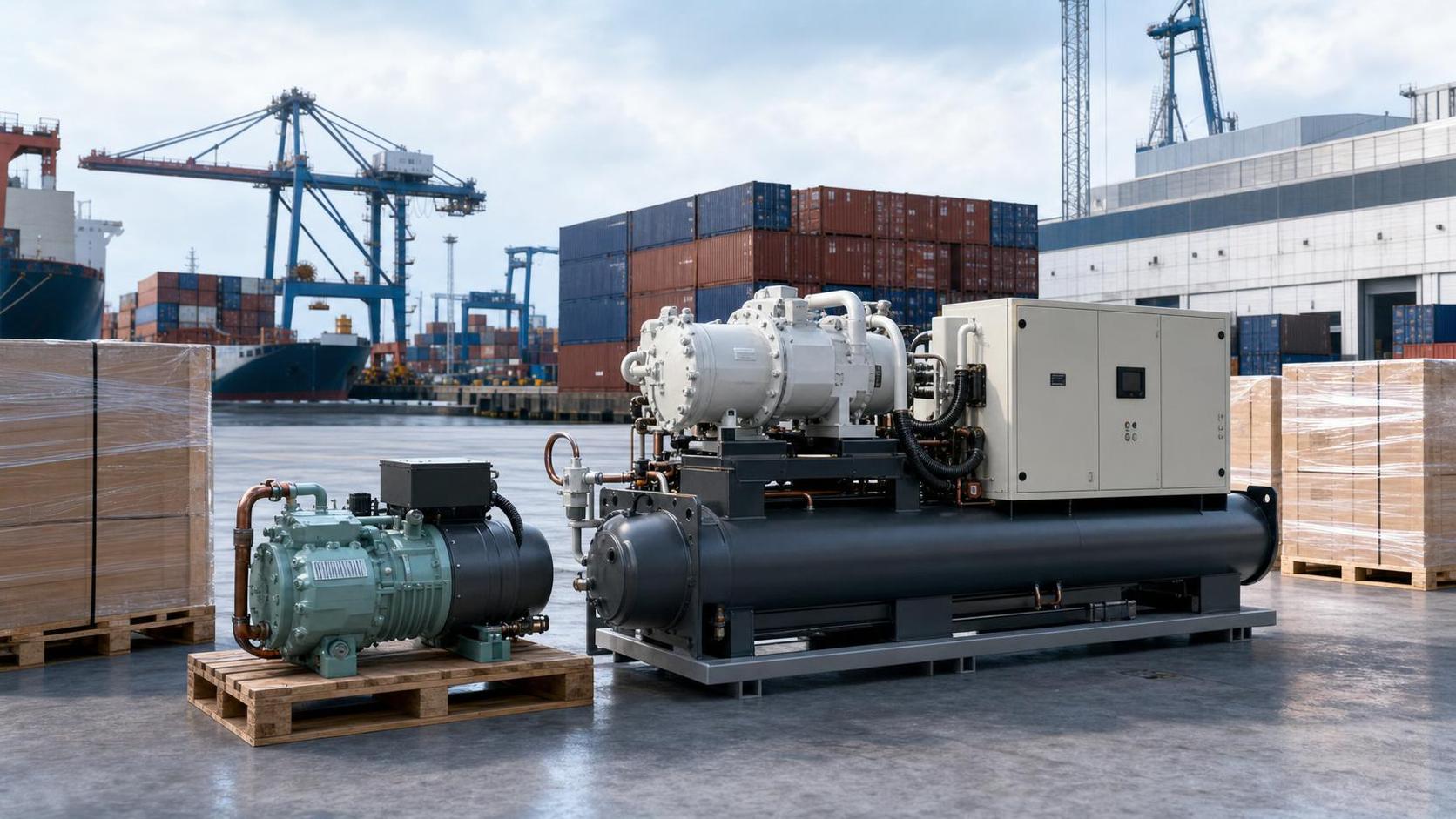
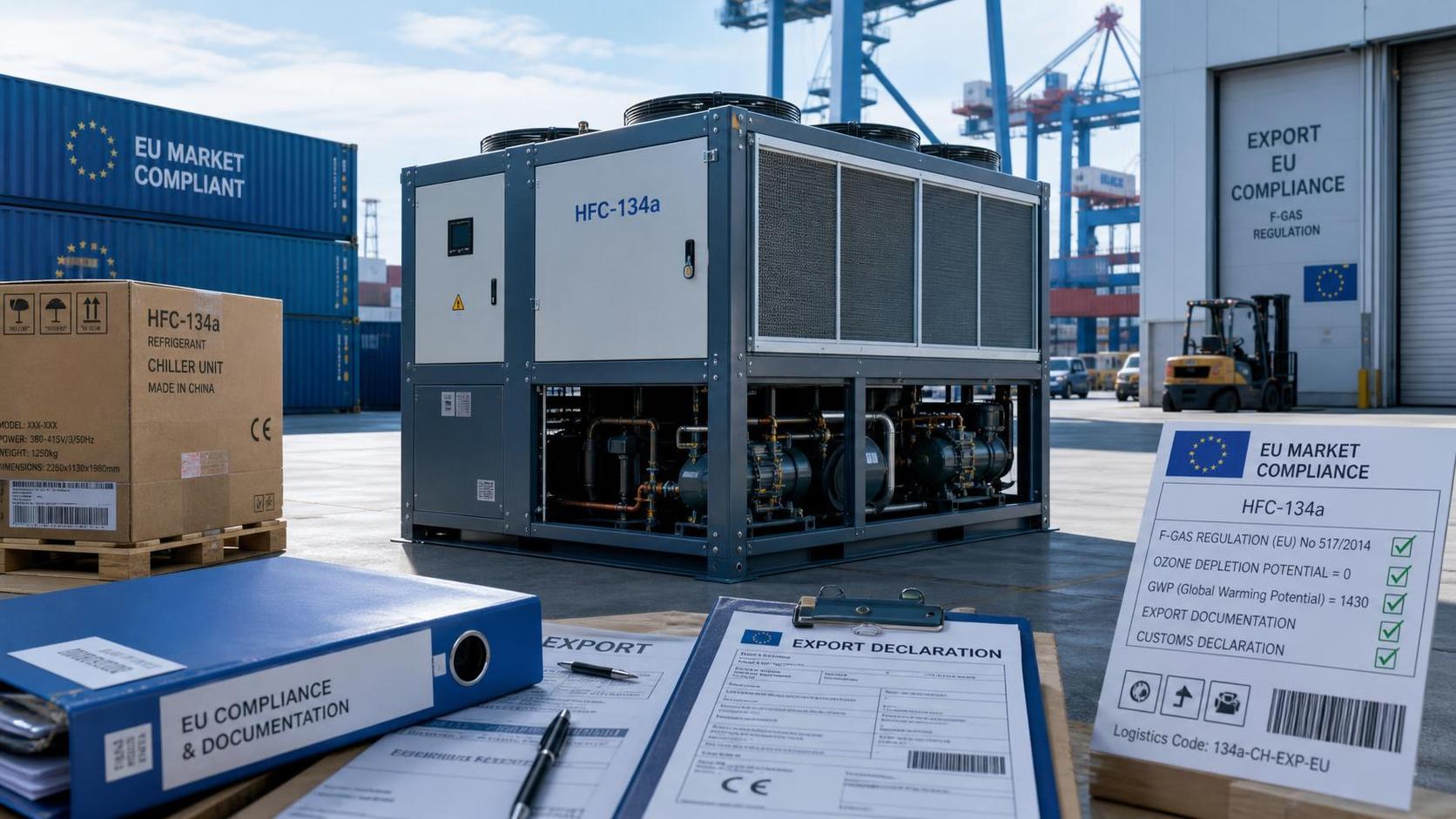
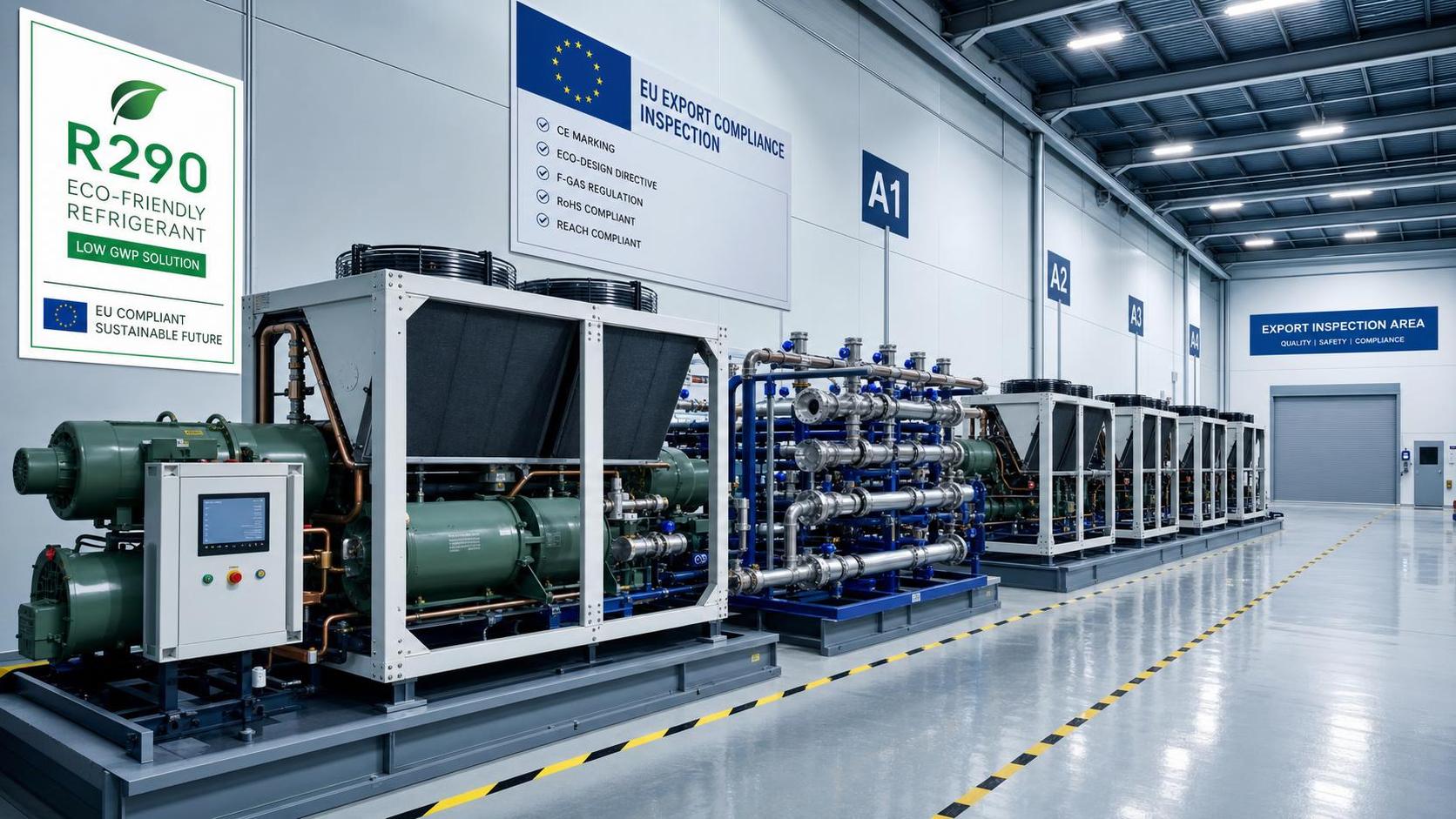
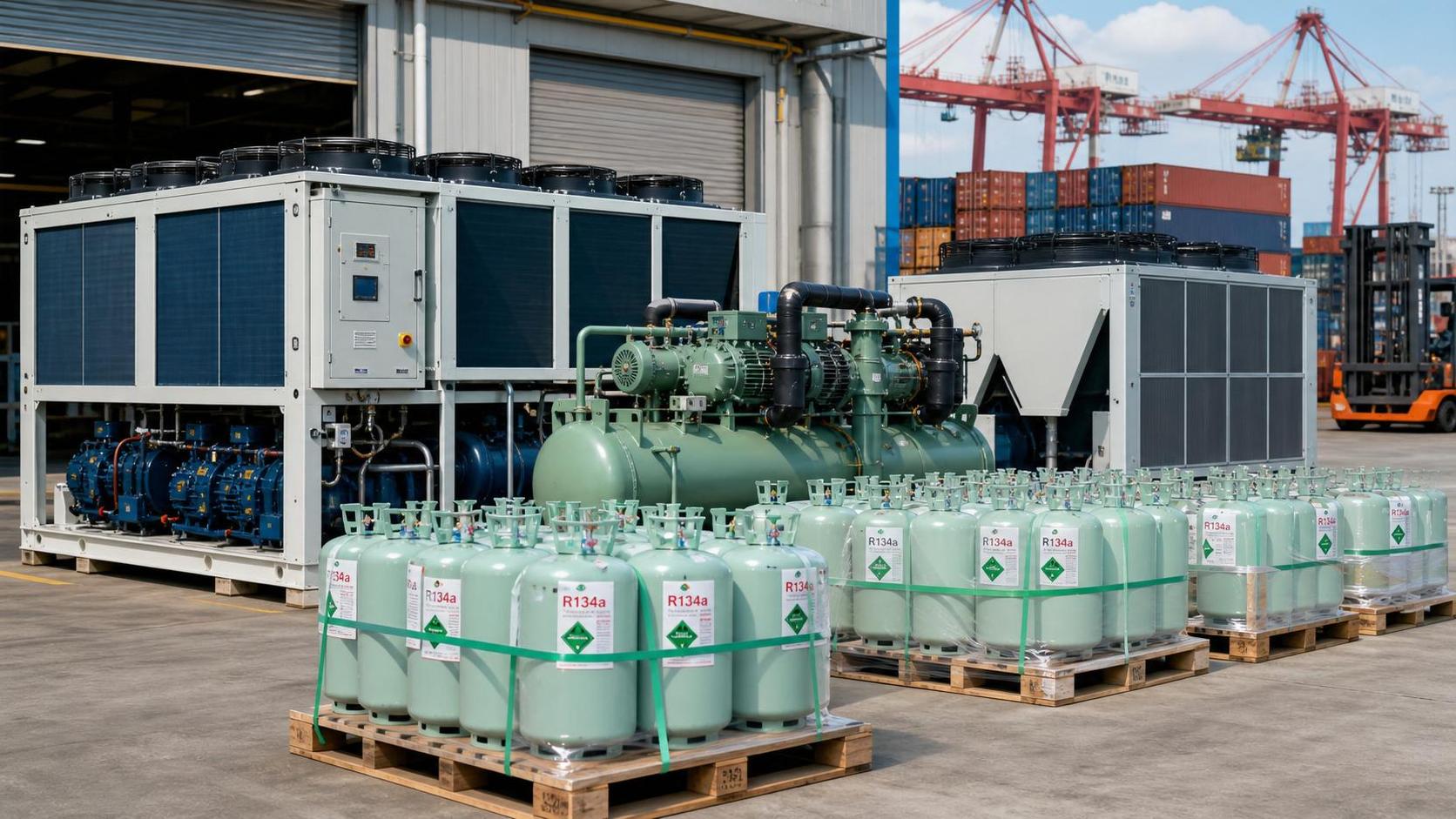
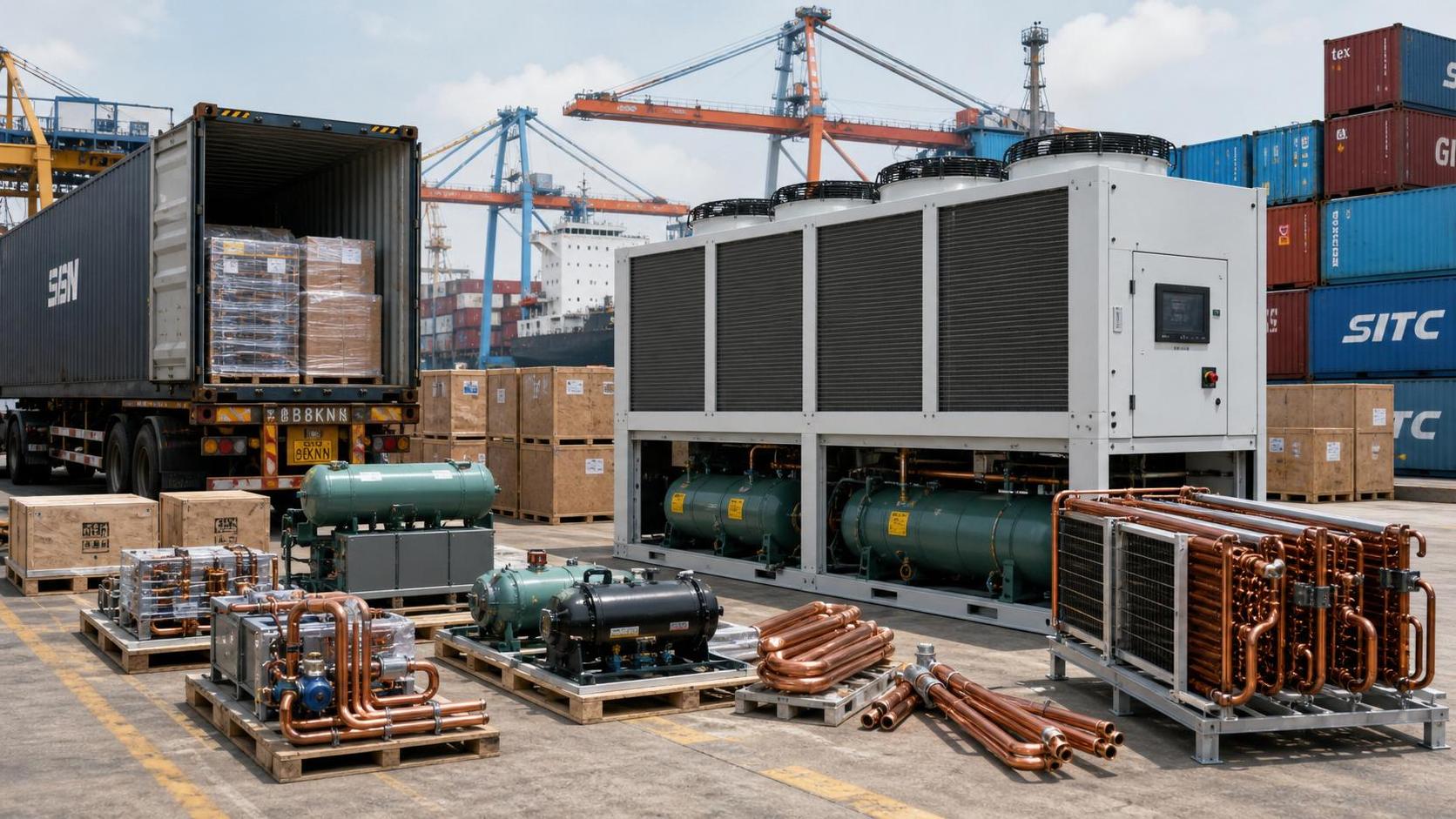
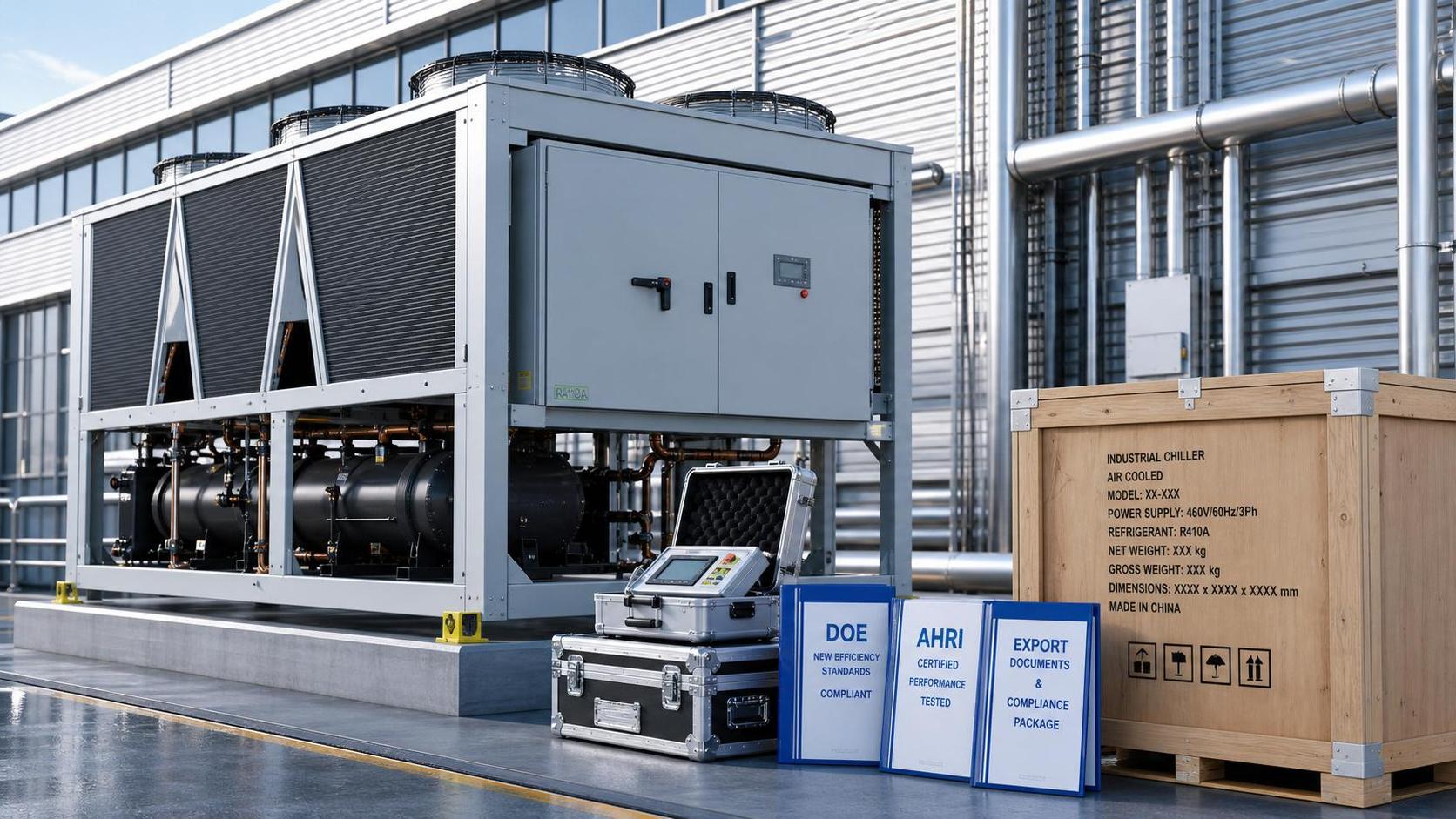
On July 10, 2026, the U.S. Environmental Protection Agency put a revised SNAP program rule into effect that reduces annual import quotas for R134a by 20% and adds a carbon intensity declaration requirement for all importers. For manufacturers and distributors tied to industrial chillers, condensing units, and compression refrigeration systems, this is not just a policy update but an immediate compliance issue that affects product entry, shipment planning, and replacement options in the U.S. market.
What the rule now requires
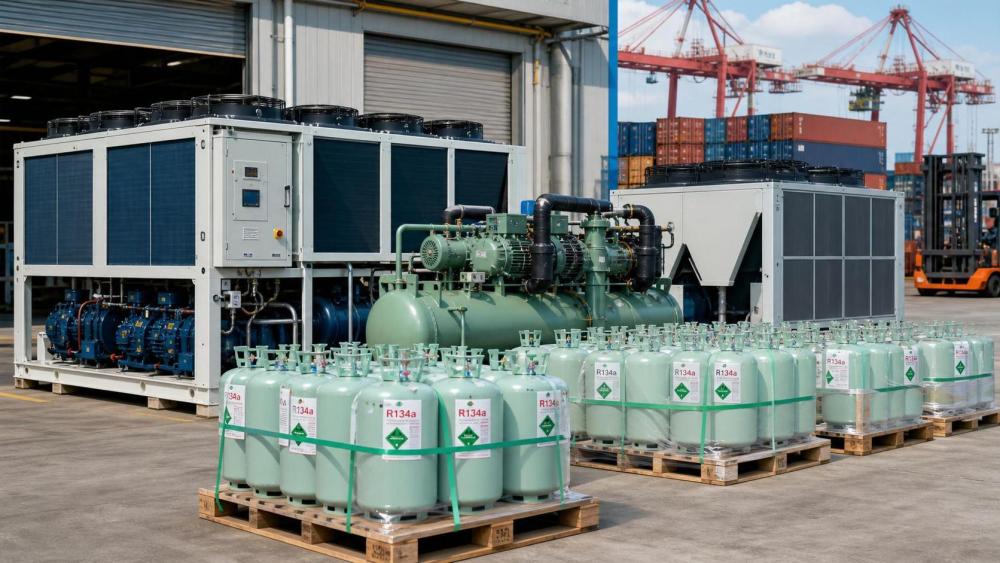
The confirmed change is twofold. First, the EPA has lowered the annual import quota for R134a by 20%, effective July 10, 2026. Second, all importers must submit a carbon intensity declaration. Based on the information provided, the policy directly affects export compliance pathways for manufacturers of industrial chillers, condensing units, and compression refrigeration systems.
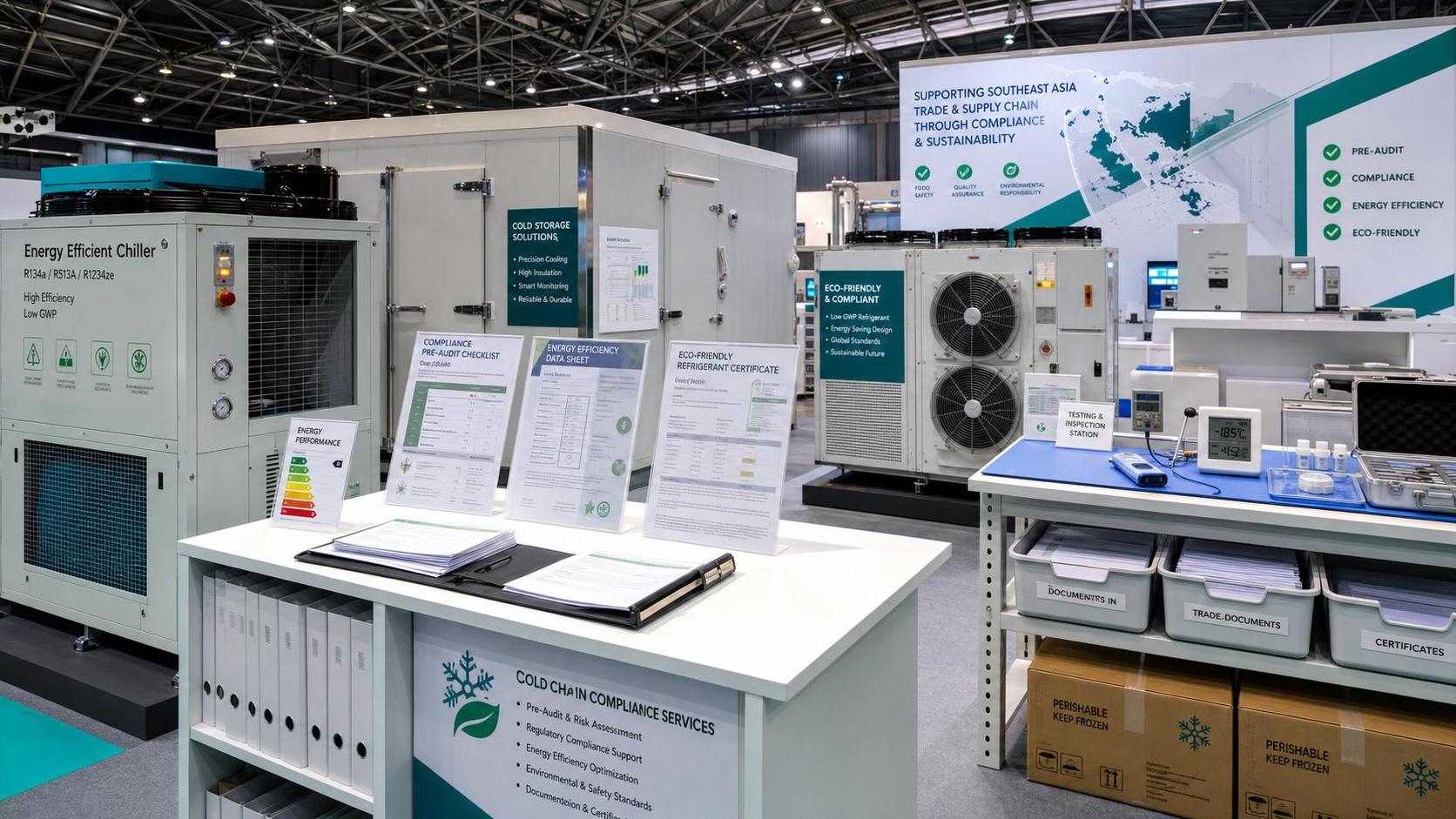
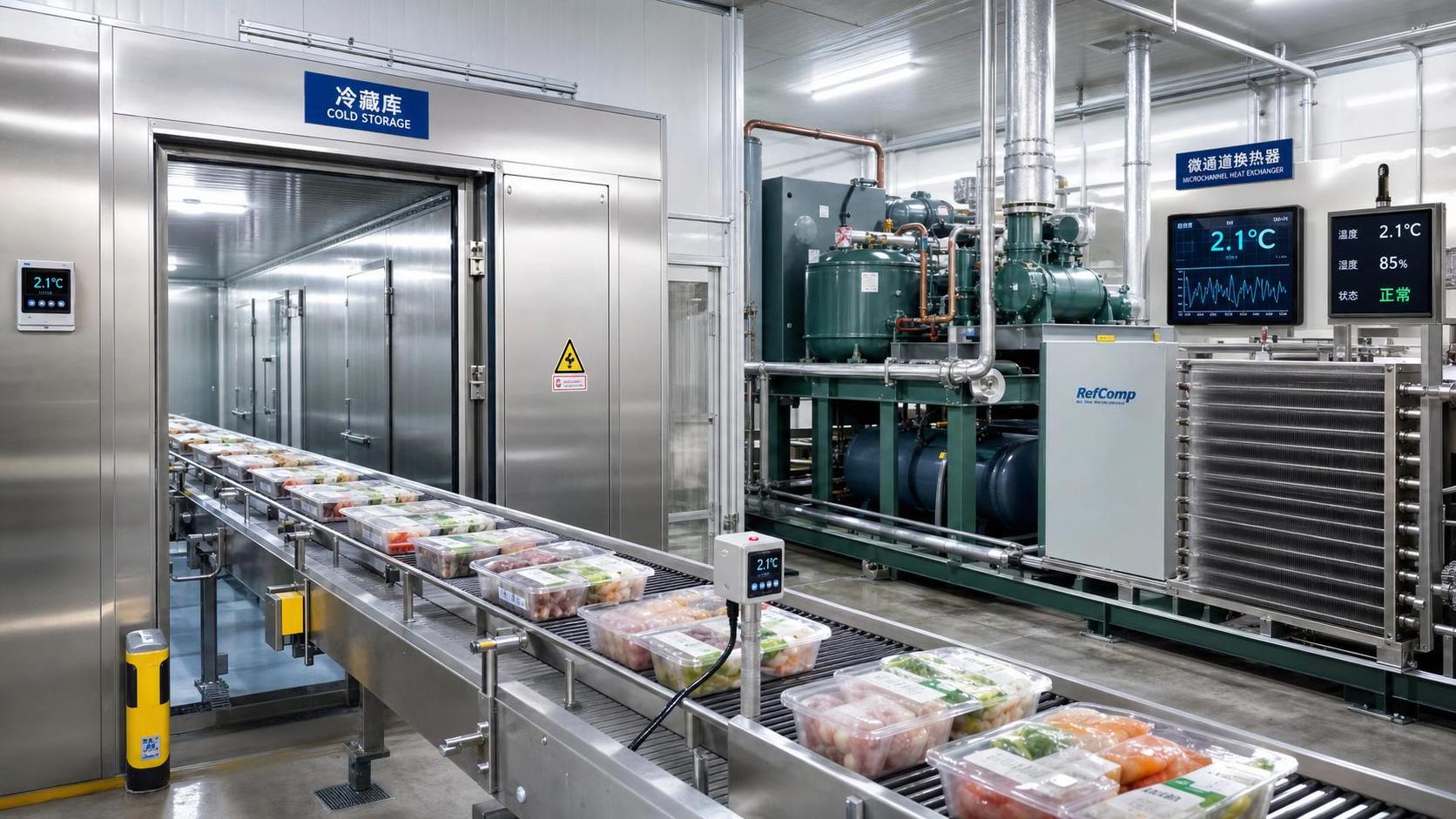
The same information also indicates that Chinese-made industrial chillers and cold storage equipment that rely on R134a charging face a higher threshold for access to the U.S. market. Overseas distributors are described as needing to immediately review inventory and alternative options.
Where pressure is likely to appear first
Export-facing equipment makers will face tighter entry conditions
From an industry perspective, manufacturers shipping R134a-charged equipment into the United States are likely to feel the impact first because the rule changes the compliance path tied to refrigerant imports. The pressure is likely to show up in model selection, product configuration, and documentation readiness for equipment that depends on R134a at the point of delivery.
Importers and distributors will need to reassess stock and product mix
Analysis shows that overseas distributors are in a more immediate operational position because they must evaluate existing inventory and consider substitutes. The practical issue is not only whether products can be supplied, but whether available stock, replenishment timing, and refrigerant-related paperwork remain aligned with the new requirement.
Cold storage and industrial refrigeration channels may see compliance become a sales issue
For channels serving cold storage projects and industrial refrigeration applications, the impact may extend beyond customs or import handling. What deserves closer attention is whether compliance status becomes a gating factor in customer decisions, especially where equipment is supplied with R134a charging and therefore tied more directly to market access conditions.
What companies should watch now
Track the operational meaning of the carbon intensity declaration
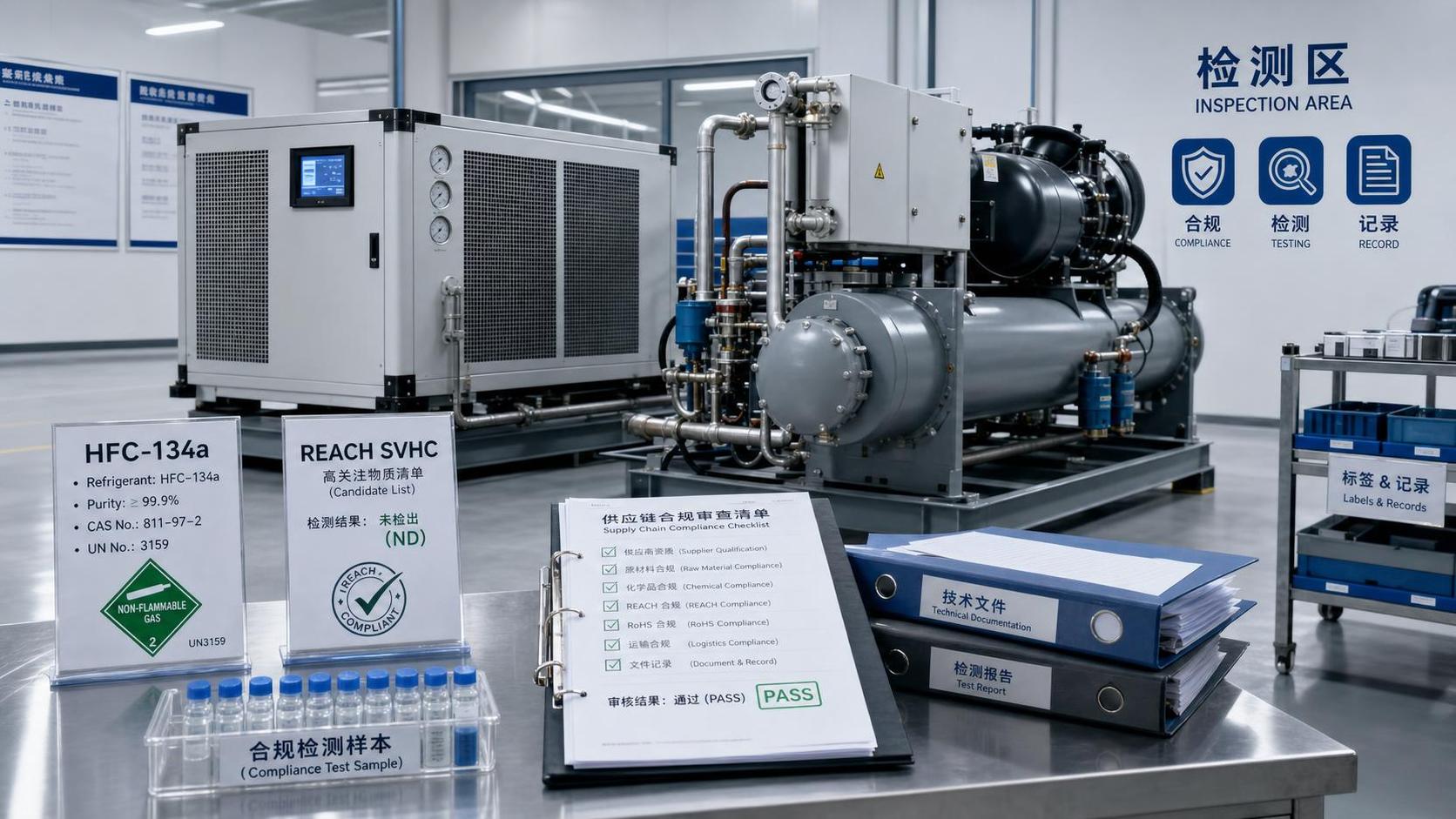
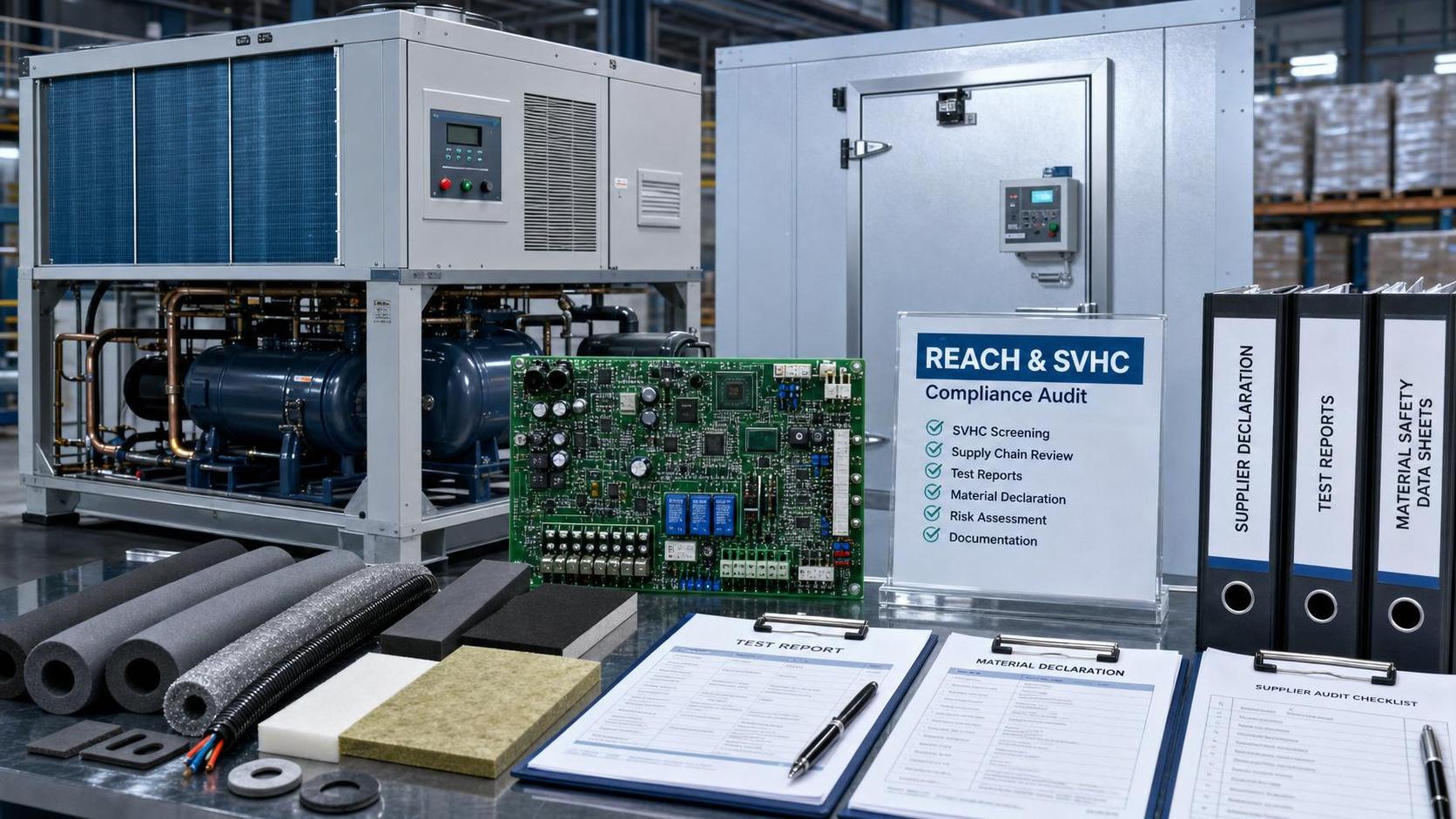
Companies should pay close attention to how the declaration requirement is handled in practice across import transactions and supporting documentation. The confirmed fact is that the declaration is required; the business question is how that requirement translates into day-to-day filing, supplier coordination, and shipment readiness.
Review product lines that depend on R134a charging
Manufacturers and distributors should identify which exported products are still dependent on R134a filling at delivery, especially in industrial chiller and cold storage categories mentioned in the provided information. This is the part of the portfolio most directly exposed to the new access threshold.
Separate policy signal from immediate deliverability risk
Observably, the rule is already in force, but the commercial effect may vary by inventory position and product structure. Companies should distinguish between a regulatory signal that affects future planning and a near-term deliverability issue that affects quotations, lead times, and customer commitments already in progress.
Prepare supplier and customer communication around compliance documents
What deserves closer attention is whether current suppliers, import partners, and downstream customers have a shared understanding of documentation needs, timing, and possible substitutions. In this kind of rule change, misalignment in paperwork and expectations can become as important as the physical product itself.
How this should be read at this stage
Analysis shows that this development is more than a short-lived trade notice because it changes both volume access through quota reduction and compliance expectations through the carbon intensity declaration. At the same time, it is still more appropriate to understand the situation as an active regulatory shift that requires continued monitoring, rather than as a fully settled market outcome with uniform effects across all suppliers and buyers.
For that reason, the update matters most as a near-term compliance event and a longer-term market signal. The immediate consequence is procedural and commercial pressure on R134a-dependent exports; the broader implication will depend on how companies adjust product strategy, inventory exposure, and documentation workflows.
Why this update matters beyond the headline
The core significance of this rule is that U.S. market access for certain refrigeration equipment is becoming more conditional where R134a remains central to product delivery. For businesses in industrial chillers, condensing units, compression refrigeration systems, and cold storage equipment, the issue is no longer limited to product demand or pricing, but also to whether a shipment can move through the required compliance path without delay or redesign.
At present, it is more appropriate to understand this news as a concrete operating change with broader strategic implications still developing. The short-term effect is already visible in compliance and inventory review; the longer-term industry meaning still deserves close observation.
Basis of this article and what still needs verification
This article is based on the user-provided news title, event date, and event summary. For this type of industry development, relevant source categories typically include official notices, company disclosures, trade association updates, authoritative media reporting, and standards-related documents.
A specific official source link was not provided in the input, so the exact wording and any subsequent clarifications should continue to be verified against official publication channels. Follow-up attention should focus on whether further EPA explanations, importer filing details, or implementation-related clarifications affect how the quota cut and carbon intensity declaration are applied in actual trade and delivery processes.
Related News
- How Smart Thermal Systems Improve Industrial Cooling EfficiencyAuthor :Cryogenic Systems Expert

- How to Choose Process Cooling Equipment for Stable Temperature ControlAuthor :Cryogenic Systems Expert

- EU Finalizes 2026 HFC Quota Cut for R-134a ChillersAuthor :Cryogenic Systems Expert

- EU Tightens HFC-134a Quotas for Industrial ChillersAuthor :Cryogenic Systems Expert

- REACH SVHC Update Pressures HFC-134a Chiller Supply ChainsAuthor :Cryogenic Systems Expert

- EU PFAS Coolant Ban Reshapes Chiller ExportsAuthor :Cryogenic Systems Expert

- EU REACH Restricts PFAS Cooling Media ImportsAuthor :Cryogenic Systems Expert

- EU Ecodesign Rule Takes Effect for Industrial ChillersAuthor :Cryogenic Systems Expert

- EU REACH Rule Takes Effect for PFAS in Industrial Cooling ExportsAuthor :Cryogenic Systems Expert

- Industrial Cooling for Plastic Processing: How to Size for Stable Cycle TimesAuthor :Cryogenic Systems Expert

- EU F-Gas Update Bars R404A/R507 in Commercial CoolingAuthor :Cryogenic Systems Expert

- DOE Raises Chiller Efficiency Standard From October 2026Author :Cryogenic Systems Expert

- India Mandates BIS Energy Certification for Industrial ChillersAuthor :Cryogenic Systems Expert

- Energy-Efficient Heat Exchange for Process Cooling: Cost vs PaybackAuthor :Cryogenic Systems Expert

- EPA R-134a Import Ban Takes Effect on July 13, 2026Author :Cryogenic Systems Expert

- India BIS Rule Takes Effect for Industrial ChillersAuthor :Cryogenic Systems Expert

- EPA Cuts R134a Import Quotas 20% From July 10Author :Cryogenic Systems Expert

- How to Compare Energy-Efficient Cooling Systems for Factory Expansion ProjectsAuthor :Cryogenic Systems Expert

- Chiller Price Index Rises 11.3% in Q2Author :Cryogenic Systems Expert

- Saudi SASO Tightens Chiller Import Compliance From July 10Author :Cryogenic Systems Expert

- Dubai Opens Fast-Track Chiller TendersAuthor :Cryogenic Systems Expert

- Japan Raises Chiller COP Floor to 6.2 From Sept. 1Author :Cryogenic Systems Expert
![]()
- Compact Thermal Management in Smart Devices: Common Failure RisksAuthor :Cryogenic Systems Expert

- Thermal Management for Batteries: Cooling Methods ComparedAuthor :Cryogenic Systems Expert

- How Compact Thermal Design Extends Smart Device UptimeAuthor :Cryogenic Systems Expert

- Shanghai-Rotterdam Reefer Rates Jump 37% in a WeekAuthor :Cryogenic Systems Expert

- Process Cooling Equipment Low Maintenance: What Cuts Downtime Over 5 Years?Author :Cryogenic Systems Expert

- Semiconductor Cooling Solutions: Which Design Works Best for High-Density Tools?Author :Cryogenic Systems Expert

- Semiconductor Thermal Management Systems: Preventing Yield Loss from Heat DriftAuthor :Cryogenic Systems Expert

- EPA Clears R-1234ze(E) for Industrial ChillersAuthor :Cryogenic Systems Expert
 for Industrial Chillers")
- DOE Raises Chiller IEER Floor to 12.8 From Oct. 2026Author :Cryogenic Systems Expert

- Singapore Refrigeration Show Adds Green Compliance HubAuthor :Cryogenic Systems Expert

- How Food Industry Temperature Control Systems Reduce Product LossAuthor :Cryogenic Systems Expert

- EU REACH Adds 12 SVHCs, Raising Chiller Compliance RiskAuthor :Cryogenic Systems Expert

- Precision Temperature Control Air Cooling: Key Setup Mistakes That Reduce StabilityAuthor :Cryogenic Systems Expert

- India BEE Eyes APF Labels for Imported ChillersAuthor :Cryogenic Systems Expert