Japan Raises Chiller COP Floor to 6.2 From Sept. 1




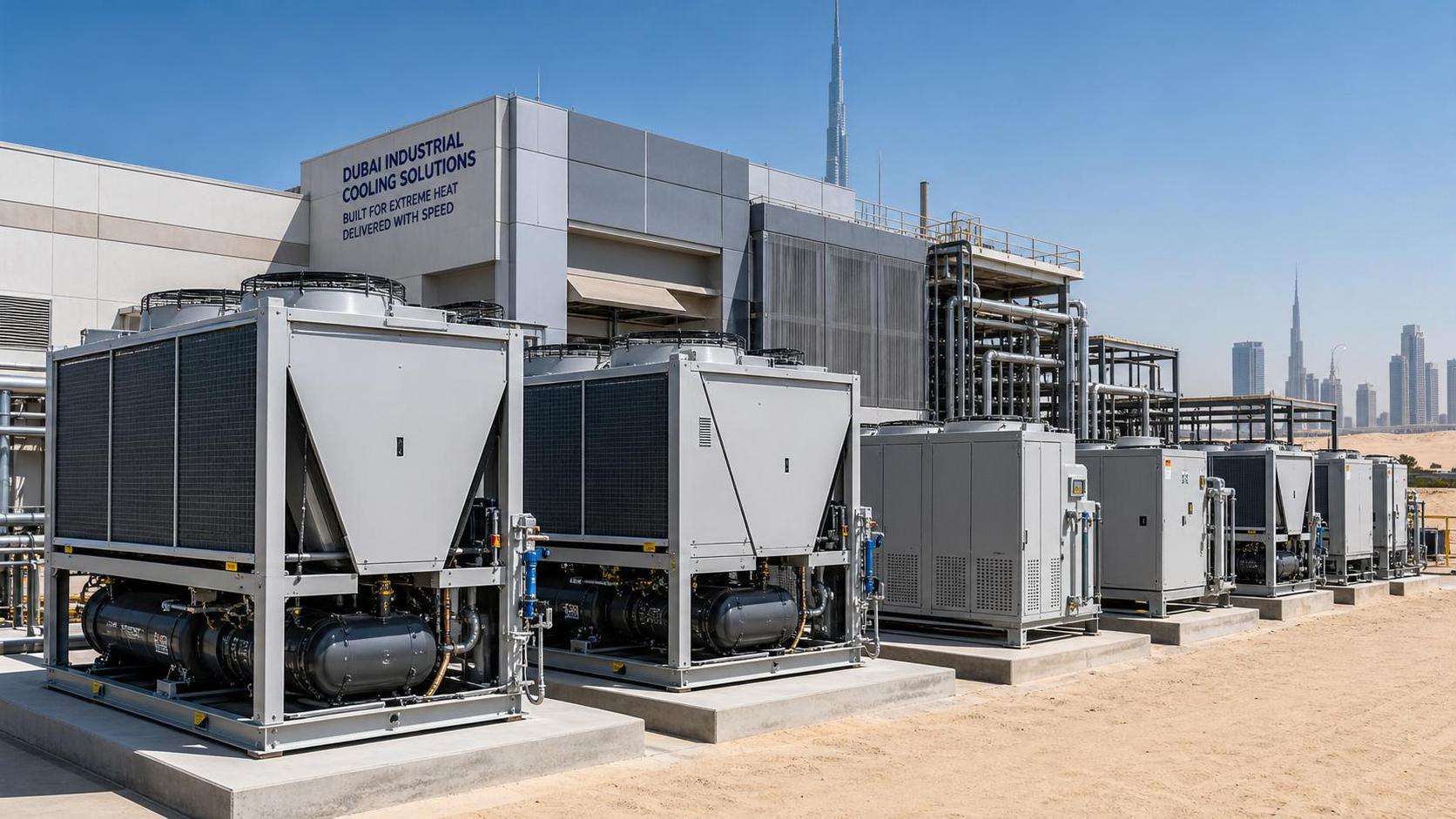
Japan’s Ministry of Economy, Trade and Industry (METI) is moving up the energy-efficiency baseline for large commercial and industrial chillers sold in the Japanese market. The change takes effect on September 1, 2026, and it matters not only to equipment manufacturers, OEM suppliers, and exporters, but also to procurement, compliance, testing, and delivery teams that handle projects involving air-cooled and water-cooled chillers above 100 kW. For the industry, the immediate issue is not just a higher COP threshold, but the need to align products, test records, and labeling processes with the updated rule set.

What METI Confirmed in the 2026 Rule Update
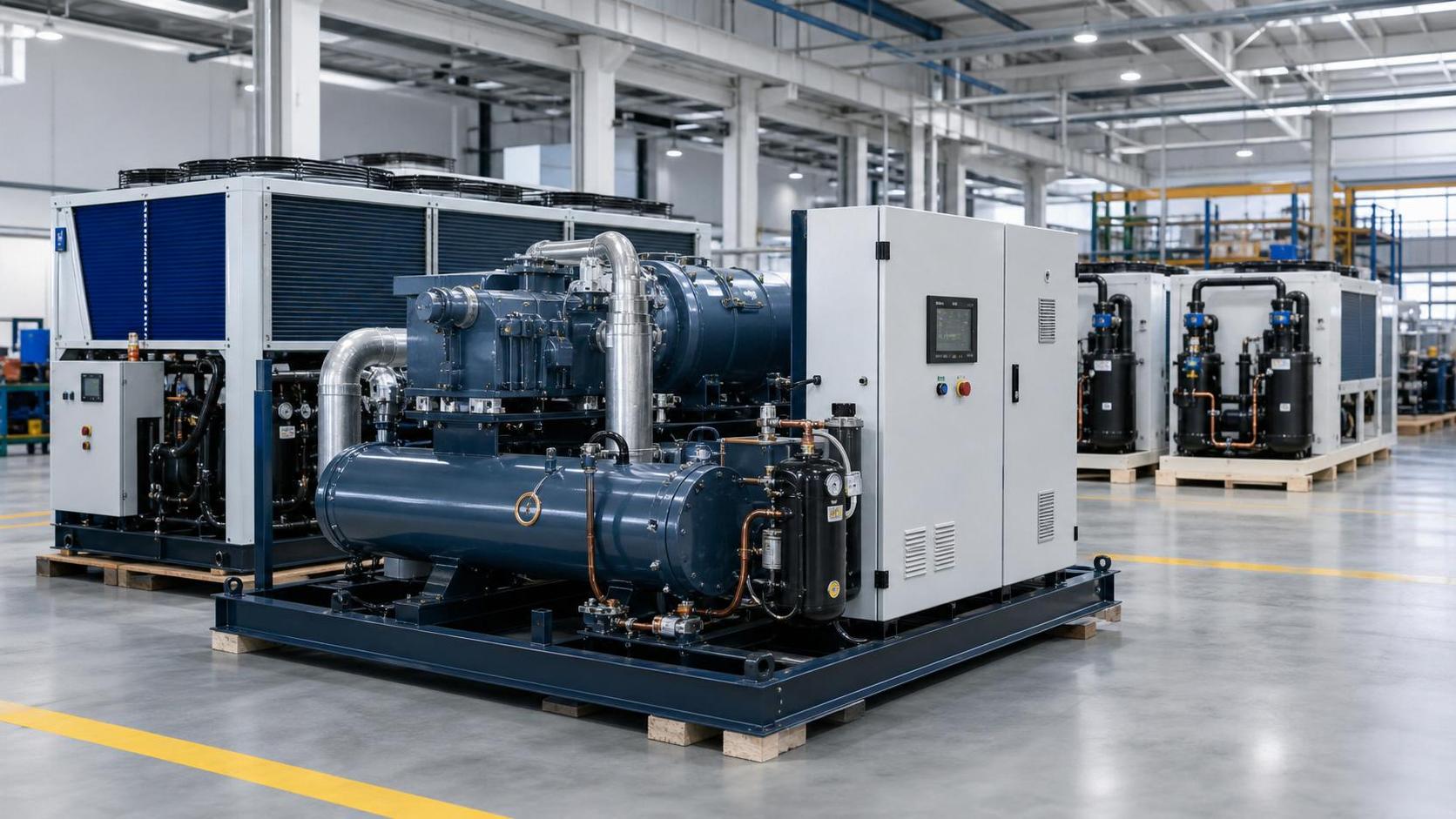
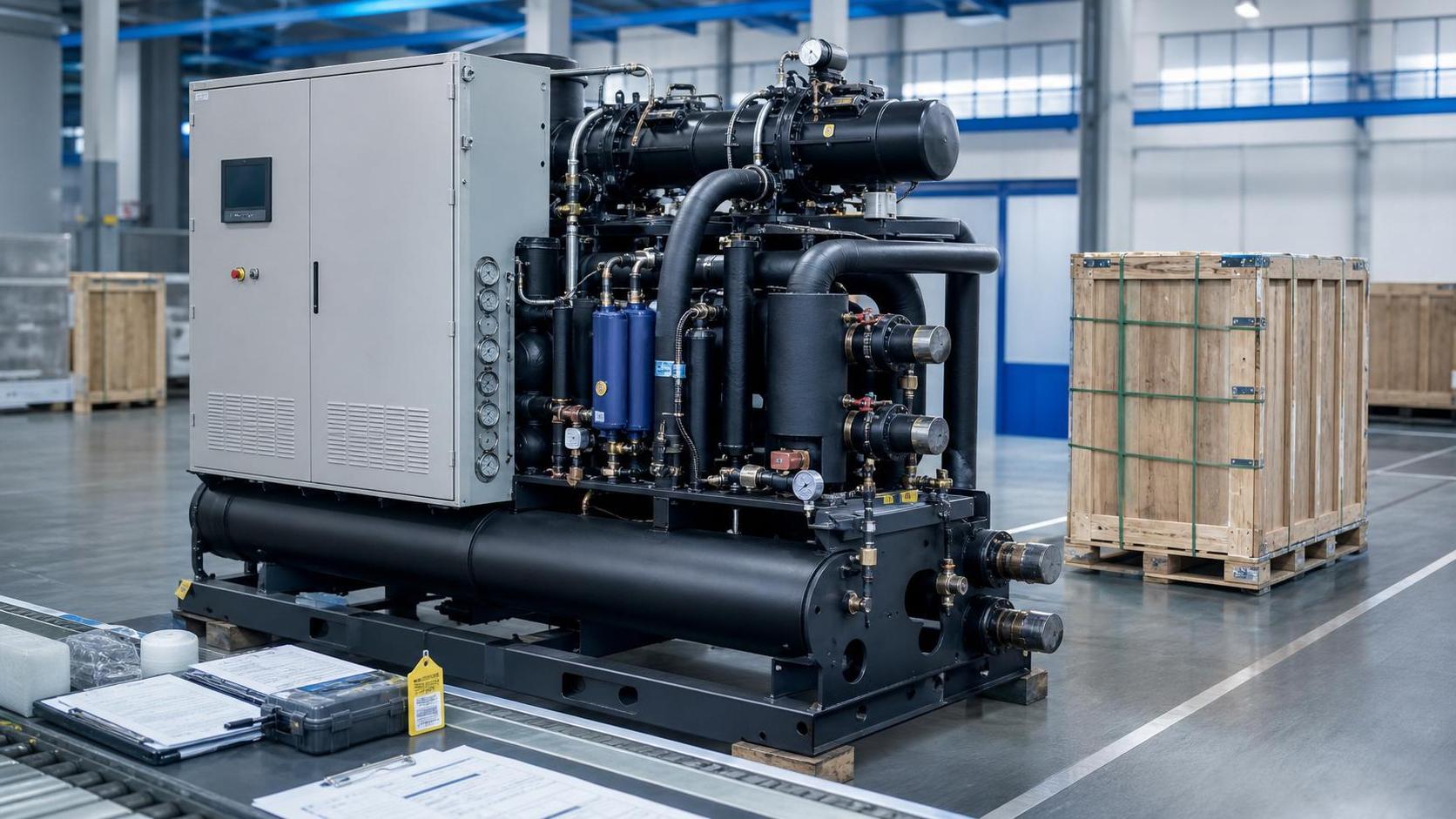
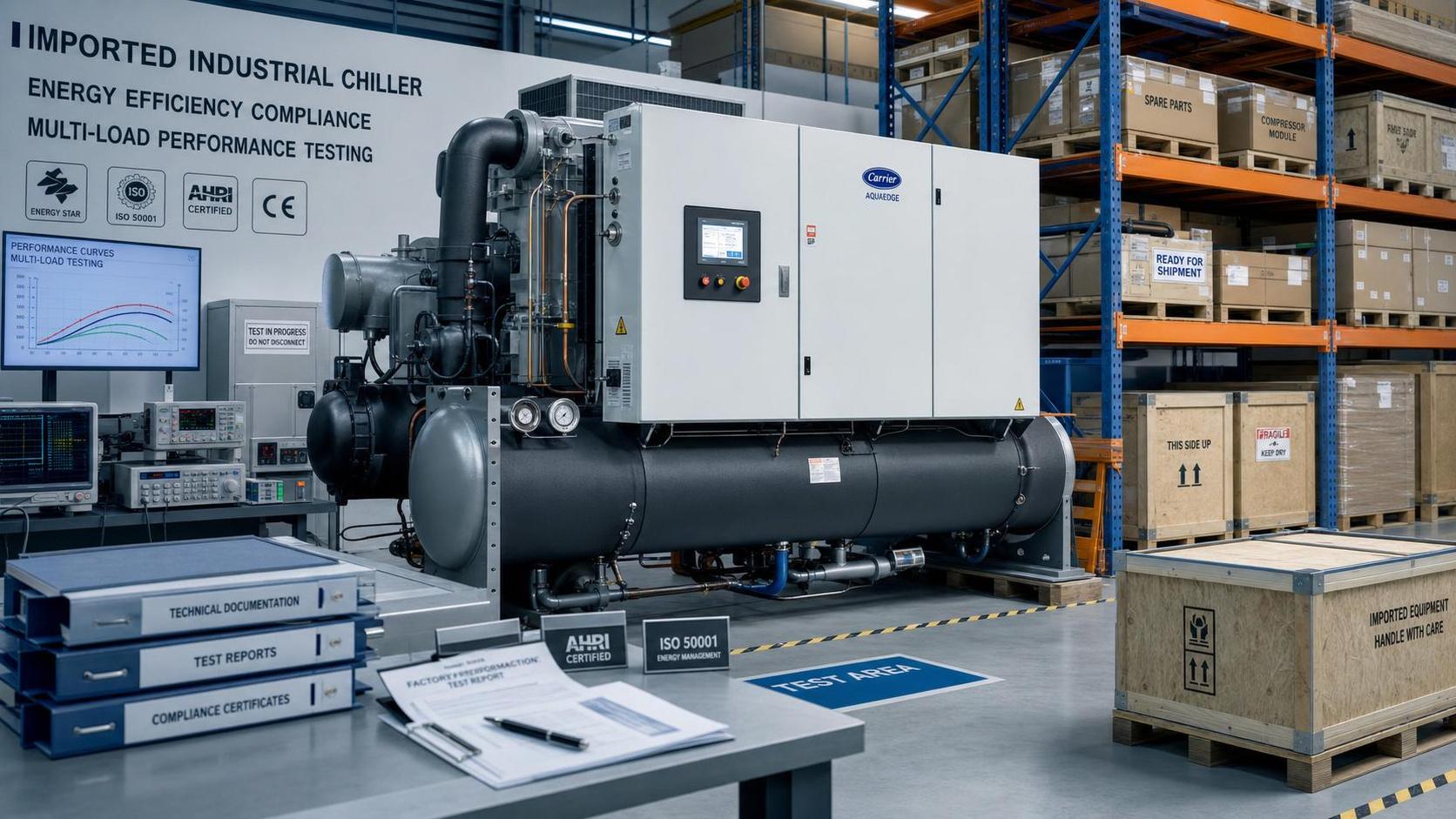
According to the information provided, METI released the 2026 detailed rules for implementation under Japan’s Energy Conservation Law on July 6, 2026. From September 1, 2026, the minimum coefficient of performance (COP) for air-cooled and water-cooled industrial chillers used in commercial and industrial applications, with cooling capacity above 100 kW, will rise from 5.8 to 6.2.
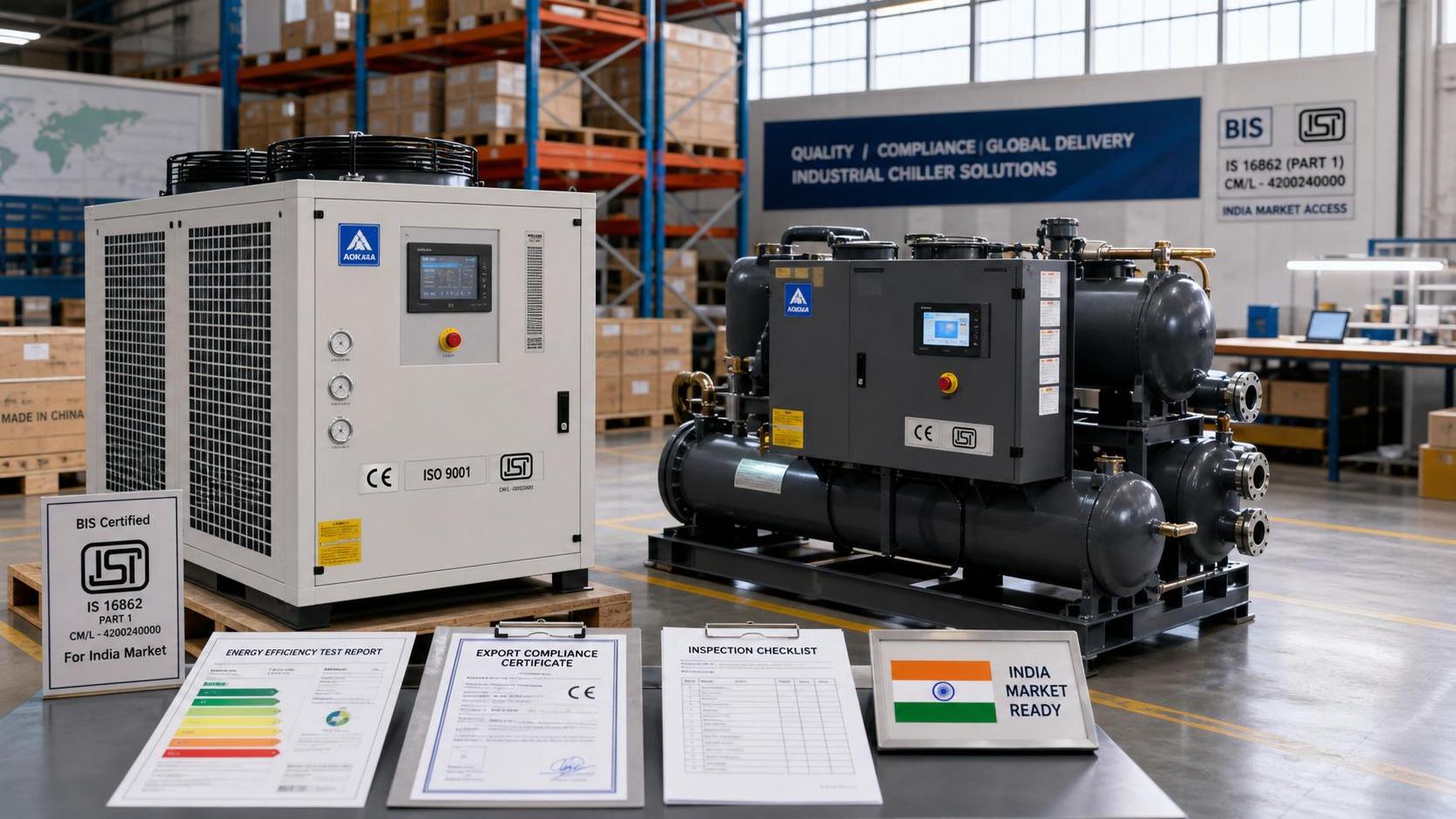
The new requirement applies to all relevant products sold in Japan, including OEM private-label products. For Chinese exporters, the update also means they must complete testing under the revised JIS B 8617:2025 standard and finish Energy Label registration in parallel.
Where the Operational Impact Is Likely to Appear
Manufacturers and OEM suppliers face a direct compliance threshold
From an industry perspective, the most immediate impact falls on manufacturers and OEM suppliers serving the Japanese market. The reason is straightforward: the new COP floor applies to products sold in Japan, including private-label supply. The main pressure points are product qualification, technical documentation, and whether existing model configurations can still be marketed after the effective date.
Exporters need to connect testing and market access
For export-oriented companies, especially those shipping from China to Japan, the change is not limited to product performance claims. Analysis shows that testing under JIS B 8617:2025 and Energy Label registration become part of the practical market-entry path. This can affect shipment readiness, documentation timing, and customer confirmation before delivery.
Procurement and project teams may need earlier specification checks
Buyers, sourcing teams, and project contractors may also be affected because the rule changes the baseline for eligible equipment in the Japanese market. What deserves closer attention is whether ongoing or upcoming purchases involve models above 100 kW that were previously evaluated against the older COP 5.8 threshold. In practice, this may shift attention toward specification review, supplier confirmation, and lead-time coordination.
Compliance and service partners become more involved in execution
Testing bodies, registration support providers, and other compliance-related service partners may see a more active role in the near term. Observably, the requirement links performance compliance with standard-based testing and labeling registration, which means execution risk may sit as much in process management as in equipment design itself.
What Companies Should Watch Now
Check which product lines fall within the scope
Companies should first identify whether their air-cooled or water-cooled chillers for commercial and industrial use exceed the 100 kW threshold and are intended for sale in Japan. This is the basic step for deciding whether the new COP 6.2 requirement applies immediately to active models or pending orders.
Separate technical compliance from paperwork completion
Analysis shows that meeting the efficiency threshold and completing market-facing compliance steps are related but not identical tasks. Even where product performance appears aligned, companies still need to confirm testing under JIS B 8617:2025 and the status of Energy Label registration. Treating these as separate workstreams may reduce avoidable delays.
Review OEM and private-label responsibilities carefully
Because the rule also covers OEM private-label products, companies involved in contract manufacturing or branded resale should review who is responsible for testing records, label registration, and supporting documents. This matters in practice because a gap in responsibility can turn into a shipment or acceptance issue.
Keep customer communication tied to the effective date
What deserves closer attention is the September 1, 2026 enforcement timing. Sales, account, and delivery teams may need to clarify with customers which units are intended for sale into Japan and how compliance timing aligns with contract execution, production scheduling, and acceptance requirements.
How This Update Is Best Understood
This section is an editorial observation. It is more appropriate to understand this as both an immediate compliance change and a policy signal. The immediate part is clear: the minimum COP threshold has been raised, and the scope includes all covered products sold in Japan, including OEM units. The signal is that efficiency compliance is being treated not only as a technical benchmark but also as a market-access condition tied to testing and labeling.
At the same time, this should not be overstated as a fully resolved industry outcome. Observably, the confirmed facts establish the new threshold and the related testing and registration requirement, but the practical effect on specific suppliers, order pipelines, and product portfolios will still depend on how individual companies are positioned against the new baseline.
Why the Market Will Keep Watching This
The industry significance of this development lies in its direct effect on qualification for the Japanese market. It is not just a routine policy notice for manufacturers; it also reaches export planning, OEM arrangements, compliance documentation, and buyer-side specification management. A neutral reading is that this is a concrete short-term rule change with broader long-term relevance as a signal of tighter efficiency expectations in regulated equipment categories.
For now, it is more appropriate to understand the update as an actionable compliance development rather than a basis for broader market conclusions. The next priority for companies is execution: confirming scope, validating test routes, and aligning label registration with sales and delivery plans.
Basis of This Article
This article is based on the user-provided news title, event date, and event summary concerning METI’s 2026 summer energy-efficiency instruction for commercial and industrial chillers. The specific official source link was not provided in the input, so further verification remains necessary.
For this type of industry update, commonly relevant source categories may include official government notices, company announcements, industry association releases, authoritative media coverage, and standards-related documents. Continued attention should be paid to any subsequent official wording, implementation clarifications, and compliance-related updates connected to JIS B 8617:2025 and Energy Label registration.
Related News
- How Smart Thermal Systems Improve Industrial Cooling EfficiencyAuthor :Cryogenic Systems Expert

- How to Choose Process Cooling Equipment for Stable Temperature ControlAuthor :Cryogenic Systems Expert

- EU Finalizes 2026 HFC Quota Cut for R-134a ChillersAuthor :Cryogenic Systems Expert

- EU Tightens HFC-134a Quotas for Industrial ChillersAuthor :Cryogenic Systems Expert

- REACH SVHC Update Pressures HFC-134a Chiller Supply ChainsAuthor :Cryogenic Systems Expert

- EU PFAS Coolant Ban Reshapes Chiller ExportsAuthor :Cryogenic Systems Expert

- EU REACH Restricts PFAS Cooling Media ImportsAuthor :Cryogenic Systems Expert

- EU Ecodesign Rule Takes Effect for Industrial ChillersAuthor :Cryogenic Systems Expert

- EU REACH Rule Takes Effect for PFAS in Industrial Cooling ExportsAuthor :Cryogenic Systems Expert

- Industrial Cooling for Plastic Processing: How to Size for Stable Cycle TimesAuthor :Cryogenic Systems Expert

- EU F-Gas Update Bars R404A/R507 in Commercial CoolingAuthor :Cryogenic Systems Expert

- DOE Raises Chiller Efficiency Standard From October 2026Author :Cryogenic Systems Expert

- India Mandates BIS Energy Certification for Industrial ChillersAuthor :Cryogenic Systems Expert

- Energy-Efficient Heat Exchange for Process Cooling: Cost vs PaybackAuthor :Cryogenic Systems Expert

- EPA R-134a Import Ban Takes Effect on July 13, 2026Author :Cryogenic Systems Expert

- India BIS Rule Takes Effect for Industrial ChillersAuthor :Cryogenic Systems Expert

- EPA Cuts R134a Import Quotas 20% From July 10Author :Cryogenic Systems Expert

- How to Compare Energy-Efficient Cooling Systems for Factory Expansion ProjectsAuthor :Cryogenic Systems Expert

- Chiller Price Index Rises 11.3% in Q2Author :Cryogenic Systems Expert

- Saudi SASO Tightens Chiller Import Compliance From July 10Author :Cryogenic Systems Expert

- Dubai Opens Fast-Track Chiller TendersAuthor :Cryogenic Systems Expert

- Japan Raises Chiller COP Floor to 6.2 From Sept. 1Author :Cryogenic Systems Expert
![]()
- Compact Thermal Management in Smart Devices: Common Failure RisksAuthor :Cryogenic Systems Expert

- Thermal Management for Batteries: Cooling Methods ComparedAuthor :Cryogenic Systems Expert

- How Compact Thermal Design Extends Smart Device UptimeAuthor :Cryogenic Systems Expert

- Shanghai-Rotterdam Reefer Rates Jump 37% in a WeekAuthor :Cryogenic Systems Expert

- Process Cooling Equipment Low Maintenance: What Cuts Downtime Over 5 Years?Author :Cryogenic Systems Expert

- Semiconductor Cooling Solutions: Which Design Works Best for High-Density Tools?Author :Cryogenic Systems Expert

- Semiconductor Thermal Management Systems: Preventing Yield Loss from Heat DriftAuthor :Cryogenic Systems Expert

- EPA Clears R-1234ze(E) for Industrial ChillersAuthor :Cryogenic Systems Expert
 for Industrial Chillers")
- DOE Raises Chiller IEER Floor to 12.8 From Oct. 2026Author :Cryogenic Systems Expert

- Singapore Refrigeration Show Adds Green Compliance HubAuthor :Cryogenic Systems Expert

- How Food Industry Temperature Control Systems Reduce Product LossAuthor :Cryogenic Systems Expert

- EU REACH Adds 12 SVHCs, Raising Chiller Compliance RiskAuthor :Cryogenic Systems Expert

- Precision Temperature Control Air Cooling: Key Setup Mistakes That Reduce StabilityAuthor :Cryogenic Systems Expert

- India BEE Eyes APF Labels for Imported ChillersAuthor :Cryogenic Systems Expert