



Chiller Price Index Rises 11.3% in Q2




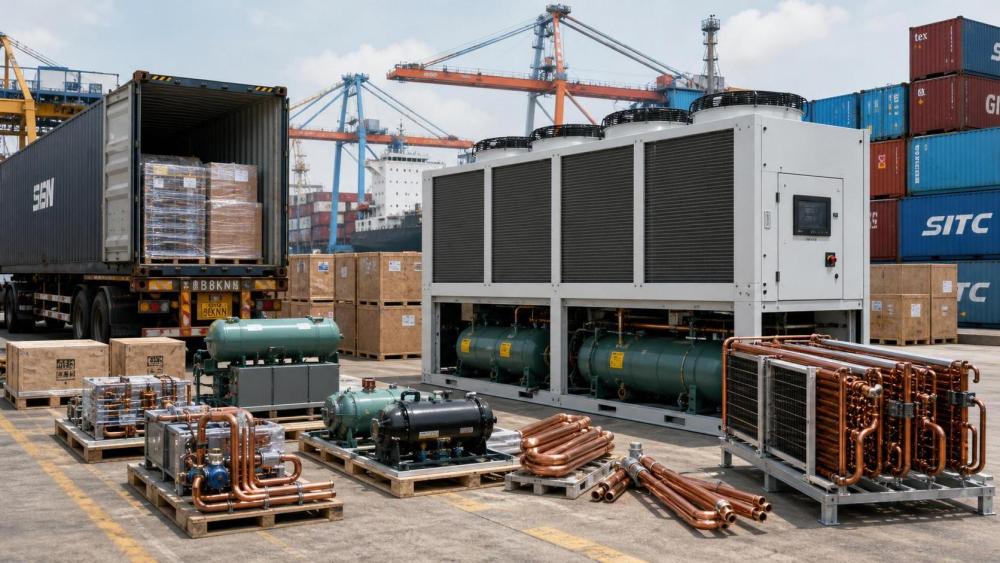
The timing of the underlying market shift is not specified in the provided information, but the latest index release points to a clear change in the commercial conditions surrounding industrial chiller trade. Based on the 2026 Q2 Industrial Chiller Price Index released on July 9, 2026 by the IEA together with Global Cooling Watch, the global FOB average price for industrial chillers rose 11.3% year on year, with copper costs and higher CAF charges on Asia-Europe shipping routes identified as the main drivers. For manufacturers, exporters, buyers, and supply-chain service providers, this matters not only as a pricing update but as a signal that procurement, delivery planning, and cross-border project execution may need to be adjusted.
What the latest index confirms
The published information states that the IEA and Global Cooling Watch released the 2026 Q2 Industrial Chiller Price Index on July 9, 2026.
According to that release, the global FOB average price of industrial chillers increased by 11.3% compared with the same period a year earlier.
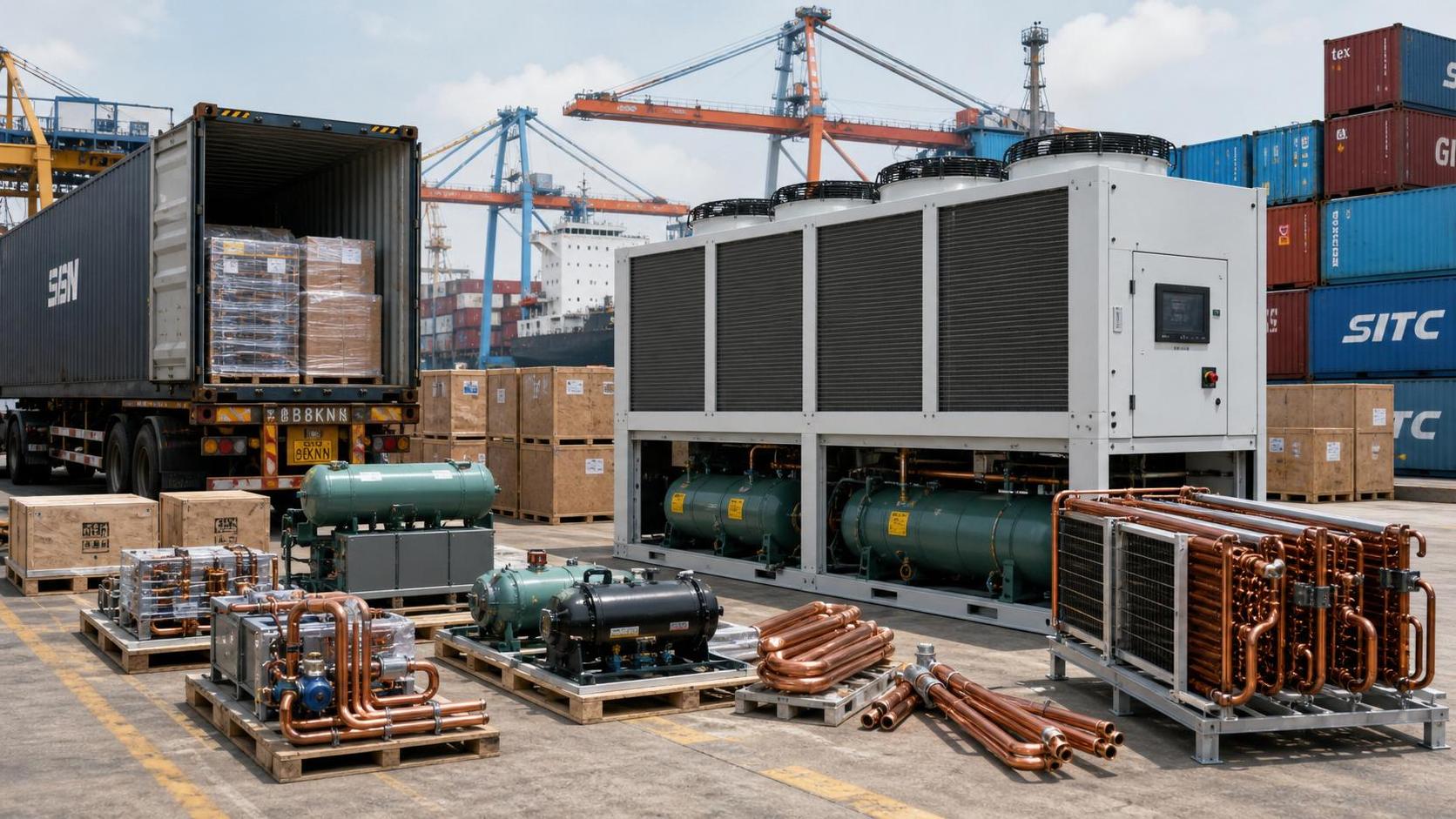
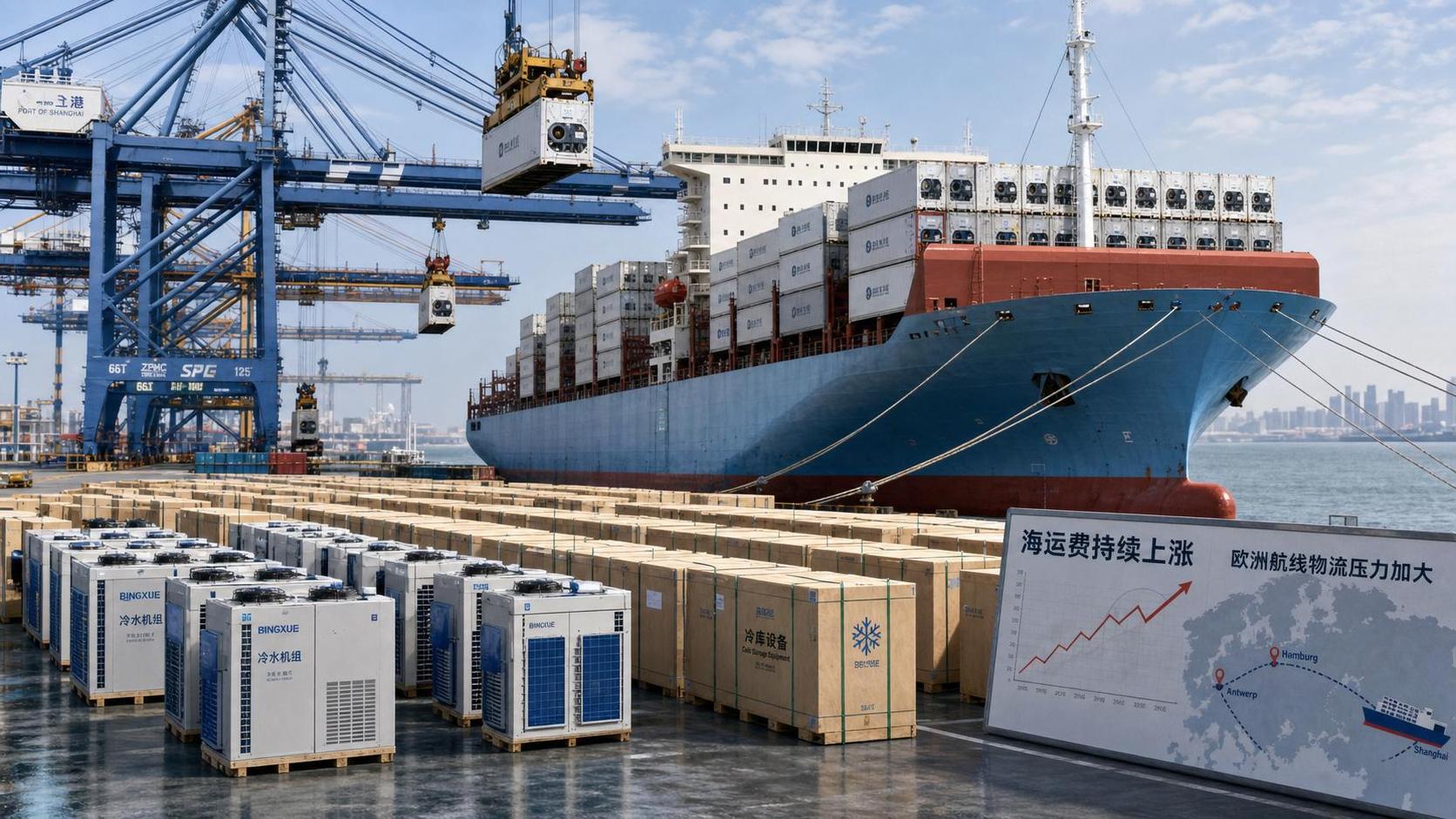
Within that increase, copper material costs contributed 5.2 percentage points, while higher CAF charges on Asia-Europe shipping routes contributed 3.8 percentage points.
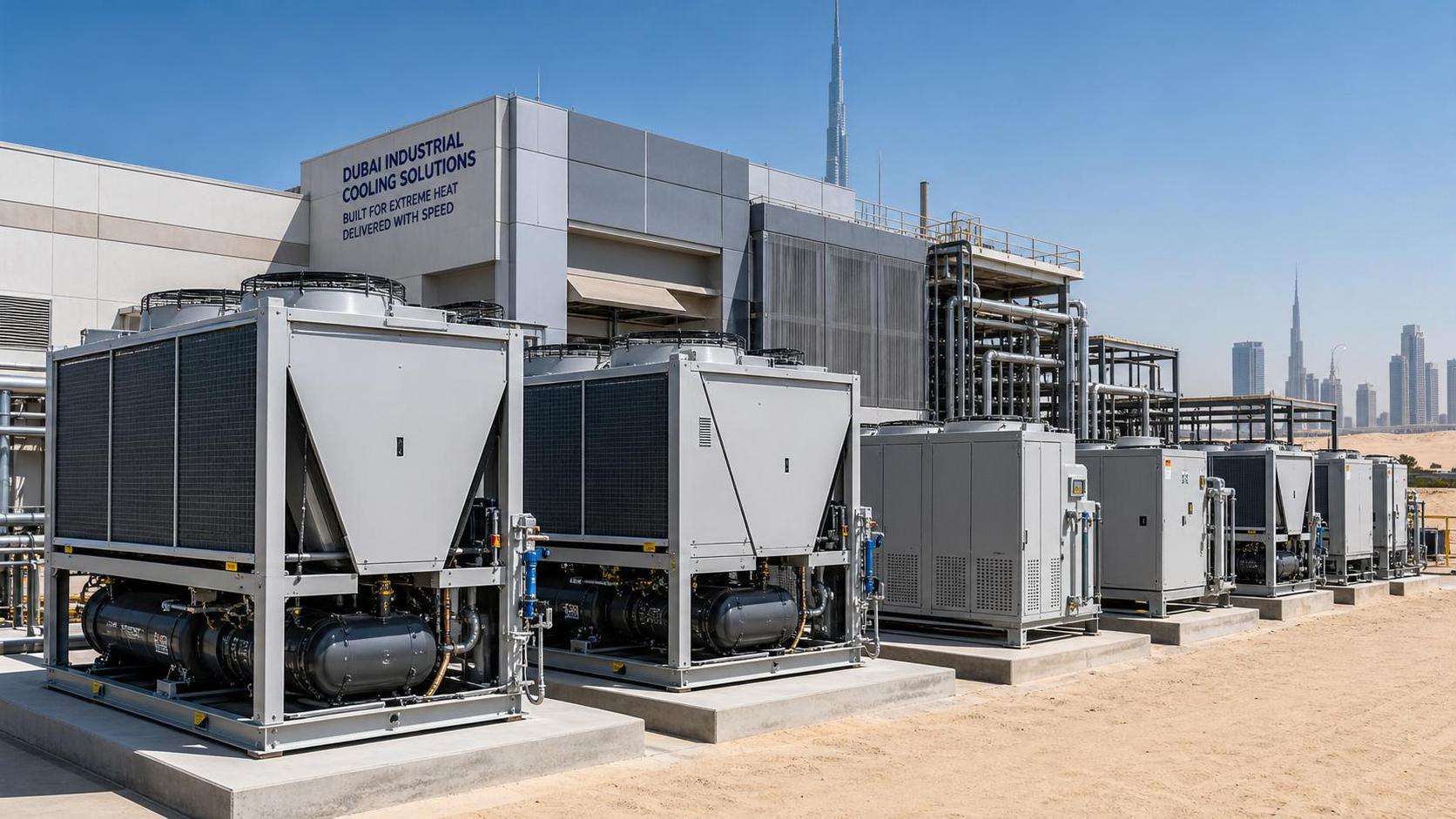
The same summary also indicates that this trend is pushing buyers in the Middle East and Latin America toward modular design and localized assembly cooperation models.
Why trade and execution teams are paying closer attention
Quoted prices are becoming harder to separate from logistics terms
From an industry perspective, exporters, trading companies, and procurement teams may be affected first because the index is framed around FOB pricing, while part of the increase is tied to freight-related charges. In practice, that means price discussions, quotation validity, and delivery cost assumptions may require closer review. What deserves closer attention is whether commercial documents, bid submissions, and customer communications clearly distinguish equipment value from shipping-related adjustments.
Raw-material exposure is moving into contract and sourcing decisions
Manufacturers and raw-material purchasing teams may face pressure because copper is identified as the single largest contributor within the reported increase. Analysis shows that this can affect sourcing schedules, component cost control, and the internal basis used for pricing approvals. Companies involved in fabrication or system integration should pay attention to how procurement records, supplier quotations, and technical cost assumptions are documented when responding to customers or tenders.
Localized assembly may affect compliance and handoff responsibilities
The reported shift toward modular design and localized assembly cooperation is also relevant for buyers, channel partners, after-sales providers, and supply-chain coordinators. Observably, when equipment is split between exported modules and local assembly, responsibilities around technical documentation, product configuration, inspection handoff, and post-delivery support can become more sensitive. Even without additional rule details in the provided information, businesses should expect closer scrutiny of document consistency and delivery scope definition.
Operational points companies should track now
Check whether technical files match modular delivery models
Analysis shows that firms moving toward modular configurations should review whether drawings, specifications, parts lists, and project documents remain aligned with the actual delivery model. This is especially relevant where exported equipment and local assembly work are divided across multiple parties.
Review tender language and quotation assumptions
What deserves closer attention is whether tender files, commercial offers, and contract annexes reflect the latest cost structure signaled by the index. Businesses should watch for wording that may leave copper-related pricing assumptions or freight surcharge treatment unclear.
Prepare for closer review of supplier and partner coordination
Observably, localized assembly cooperation may require tighter coordination between equipment suppliers, local partners, and service teams. Companies should pay attention to handoff records, quality traceability materials, and responsibility boundaries for delivery and installation, even though the provided information does not define a formal compliance framework for these arrangements.
Follow later official wording and market practice
Because the provided information reports an index outcome rather than a full regulatory text, companies should continue to monitor whether later official statements, procurement requirements, certification interpretations, or project documents begin to reflect this pricing and delivery shift more explicitly.
How this signal should be read at this stage
Analysis shows that this development is better understood as an execution signal within industrial chiller trade rather than as a standalone legal rule change already accompanied by a detailed enforcement mechanism. The important point is that the index links price movement to identifiable cost drivers and to a visible buyer response in project structuring. For the market, that creates a practical reference point for procurement behavior, bid evaluation, and supply-chain planning.
At the same time, it is more appropriate to understand this as a trend that still requires observation in its downstream effects. The provided information does not set out detailed compliance procedures, mandatory certification changes, or formal trade restrictions. That leaves room for variation in how market participants incorporate the signal into contracts, documentation, and delivery models.
What the market can reasonably conclude
The current takeaway is not simply that industrial chillers became more expensive in Q2, but that cost pressure tied to copper and shipping has begun to influence how cross-border projects may be structured. For companies active in export sales, sourcing, project delivery, and localized cooperation, the practical issue is whether existing documents and workflows are still suitable for a market where modularization and local assembly are receiving more attention.
From an industry perspective, this is best read as a concrete market development with potential implications for procurement discipline, delivery design, and commercial risk allocation. It does not yet support broad conclusions beyond the facts provided, but it does justify closer monitoring of how procurement files, technical requirements, and project execution practices evolve.
Basis of this article and what still needs verification
This article is generated from the user-provided news title, event time, and event summary. The specific official source link was not provided in the input and still needs to be verified on an ongoing basis.
For this type of development, commonly relevant source categories may include official releases, regulatory or trade authority notices, customs or trade administration information, industry association publications, standards organization documents, and reporting by authoritative media.
Further observation is still needed on later policy detail, certification interpretation, tender document changes, industry feedback, and how companies implement modular delivery or localized assembly arrangements in practice.
Related News
- How Smart Thermal Systems Improve Industrial Cooling EfficiencyAuthor :Cryogenic Systems Expert

- How to Choose Process Cooling Equipment for Stable Temperature ControlAuthor :Cryogenic Systems Expert

- EU Finalizes 2026 HFC Quota Cut for R-134a ChillersAuthor :Cryogenic Systems Expert

- EU Tightens HFC-134a Quotas for Industrial ChillersAuthor :Cryogenic Systems Expert

- REACH SVHC Update Pressures HFC-134a Chiller Supply ChainsAuthor :Cryogenic Systems Expert

- EU PFAS Coolant Ban Reshapes Chiller ExportsAuthor :Cryogenic Systems Expert

- EU REACH Restricts PFAS Cooling Media ImportsAuthor :Cryogenic Systems Expert

- EU Ecodesign Rule Takes Effect for Industrial ChillersAuthor :Cryogenic Systems Expert

- EU REACH Rule Takes Effect for PFAS in Industrial Cooling ExportsAuthor :Cryogenic Systems Expert

- Industrial Cooling for Plastic Processing: How to Size for Stable Cycle TimesAuthor :Cryogenic Systems Expert

- EU F-Gas Update Bars R404A/R507 in Commercial CoolingAuthor :Cryogenic Systems Expert

- DOE Raises Chiller Efficiency Standard From October 2026Author :Cryogenic Systems Expert

- India Mandates BIS Energy Certification for Industrial ChillersAuthor :Cryogenic Systems Expert

- Energy-Efficient Heat Exchange for Process Cooling: Cost vs PaybackAuthor :Cryogenic Systems Expert

- EPA R-134a Import Ban Takes Effect on July 13, 2026Author :Cryogenic Systems Expert

- India BIS Rule Takes Effect for Industrial ChillersAuthor :Cryogenic Systems Expert

- EPA Cuts R134a Import Quotas 20% From July 10Author :Cryogenic Systems Expert

- How to Compare Energy-Efficient Cooling Systems for Factory Expansion ProjectsAuthor :Cryogenic Systems Expert

- Chiller Price Index Rises 11.3% in Q2Author :Cryogenic Systems Expert

- Saudi SASO Tightens Chiller Import Compliance From July 10Author :Cryogenic Systems Expert

- Dubai Opens Fast-Track Chiller TendersAuthor :Cryogenic Systems Expert

- Japan Raises Chiller COP Floor to 6.2 From Sept. 1Author :Cryogenic Systems Expert
![]()
- Compact Thermal Management in Smart Devices: Common Failure RisksAuthor :Cryogenic Systems Expert

- Thermal Management for Batteries: Cooling Methods ComparedAuthor :Cryogenic Systems Expert

- How Compact Thermal Design Extends Smart Device UptimeAuthor :Cryogenic Systems Expert

- Shanghai-Rotterdam Reefer Rates Jump 37% in a WeekAuthor :Cryogenic Systems Expert

- Process Cooling Equipment Low Maintenance: What Cuts Downtime Over 5 Years?Author :Cryogenic Systems Expert

- Semiconductor Cooling Solutions: Which Design Works Best for High-Density Tools?Author :Cryogenic Systems Expert

- Semiconductor Thermal Management Systems: Preventing Yield Loss from Heat DriftAuthor :Cryogenic Systems Expert

- EPA Clears R-1234ze(E) for Industrial ChillersAuthor :Cryogenic Systems Expert
 for Industrial Chillers")
- DOE Raises Chiller IEER Floor to 12.8 From Oct. 2026Author :Cryogenic Systems Expert

- Singapore Refrigeration Show Adds Green Compliance HubAuthor :Cryogenic Systems Expert

- How Food Industry Temperature Control Systems Reduce Product LossAuthor :Cryogenic Systems Expert

- EU REACH Adds 12 SVHCs, Raising Chiller Compliance RiskAuthor :Cryogenic Systems Expert

- Precision Temperature Control Air Cooling: Key Setup Mistakes That Reduce StabilityAuthor :Cryogenic Systems Expert

- India BEE Eyes APF Labels for Imported ChillersAuthor :Cryogenic Systems Expert