Shanghai-Rotterdam Reefer Rates Jump 37% in a Week




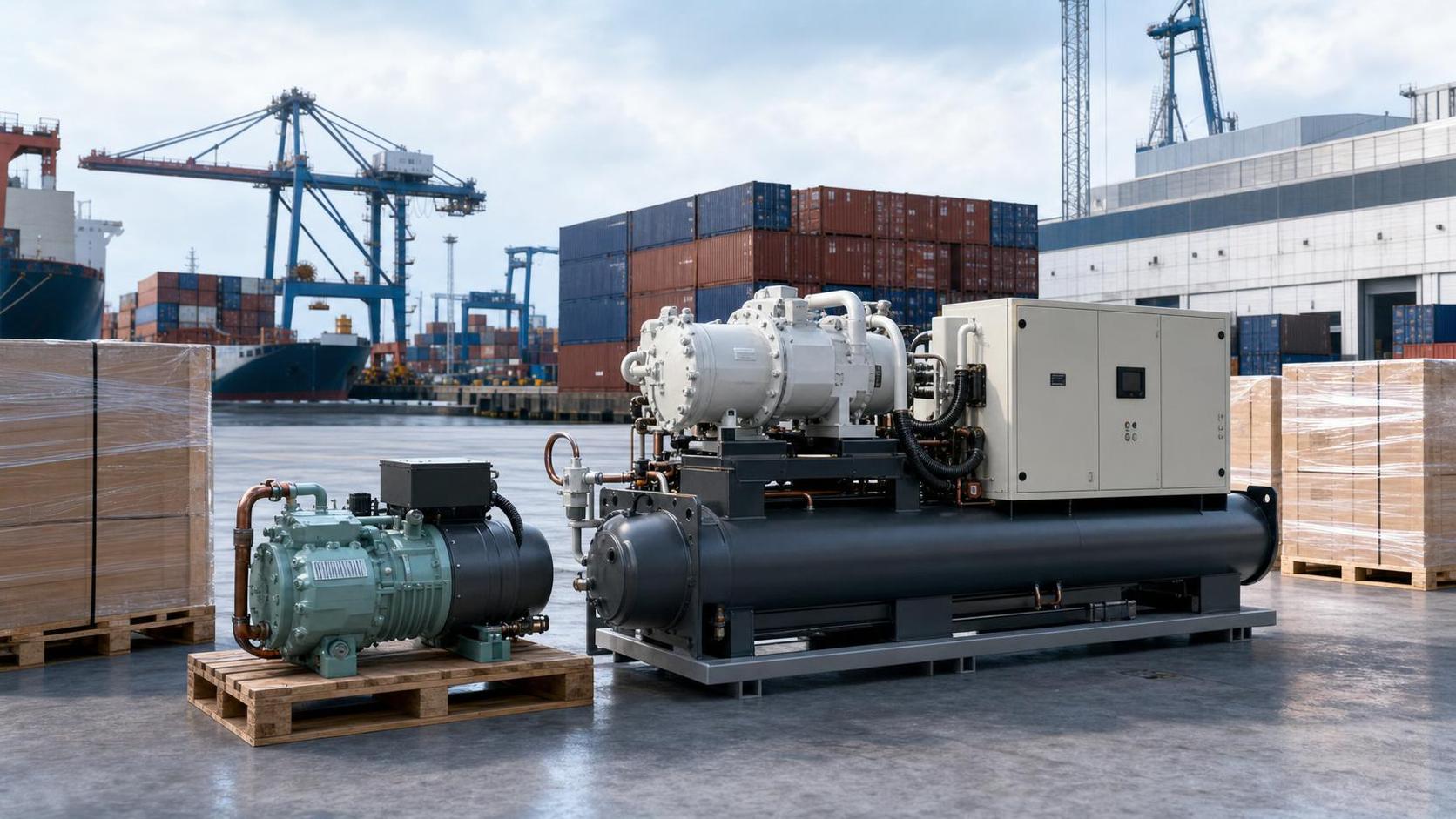
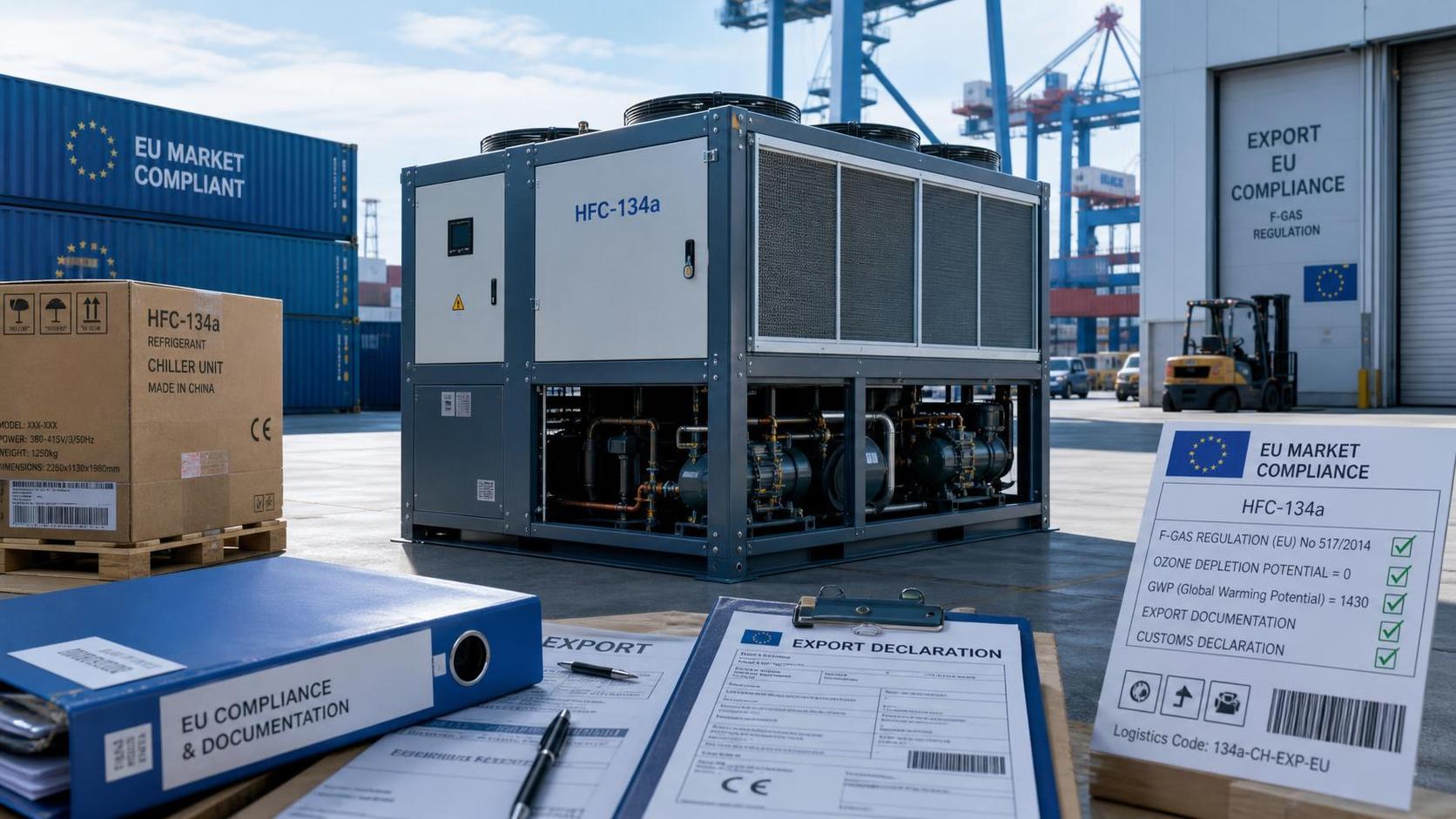
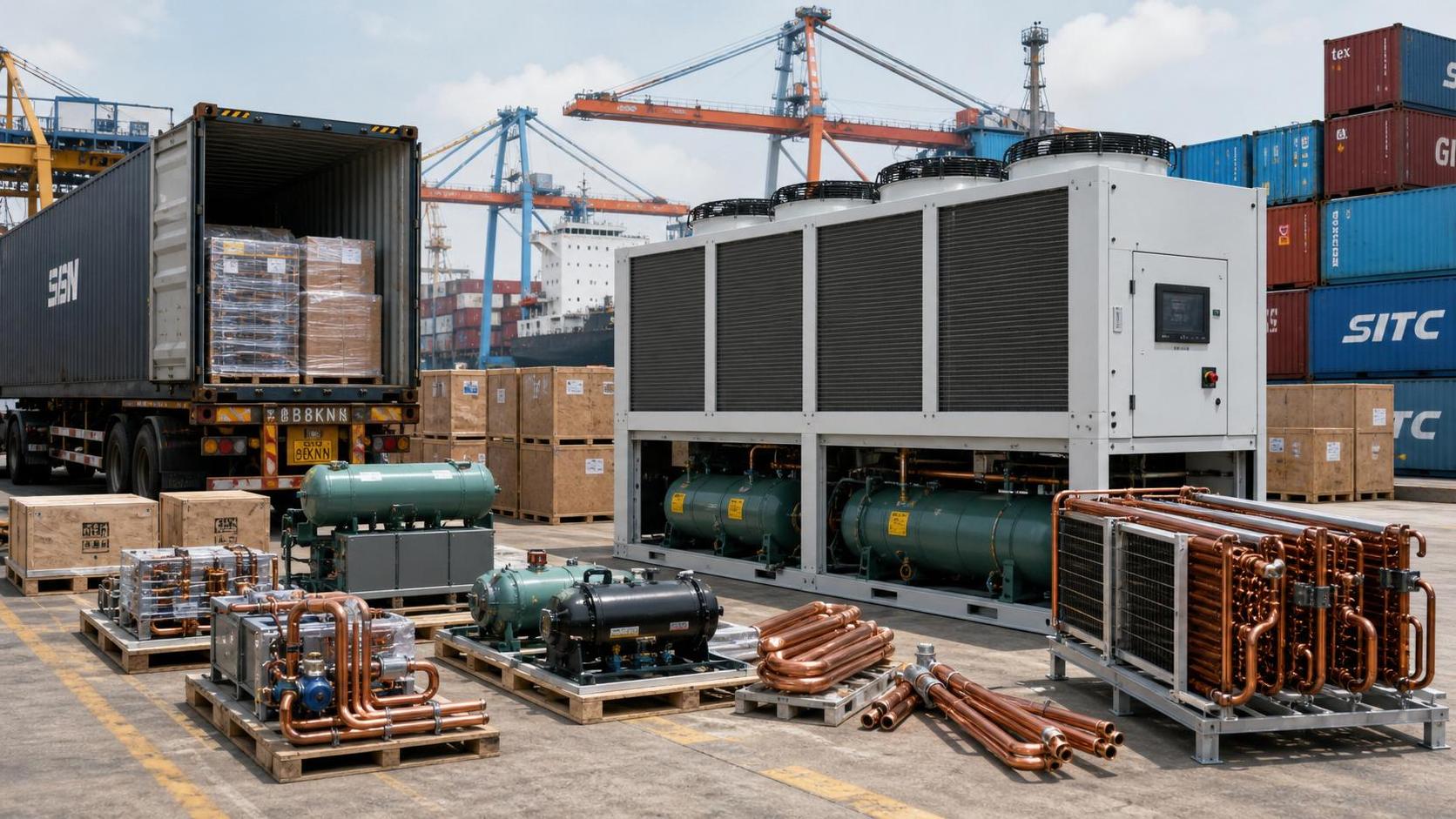
The timing of the underlying event is not clearly specified in the provided information, but the latest Drewry data dated July 5, 2026 shows a sharp week-on-week rise in Shanghai-to-Rotterdam reefer container freight. For exporters of Industrial Chillers, Cold Storage equipment, and other temperature-control systems, this is worth close attention because the move affects both logistics cost and delivery stability, while European distributors have already begun preparing inventory responses.
A sharp move on the Shanghai-Rotterdam reefer lane
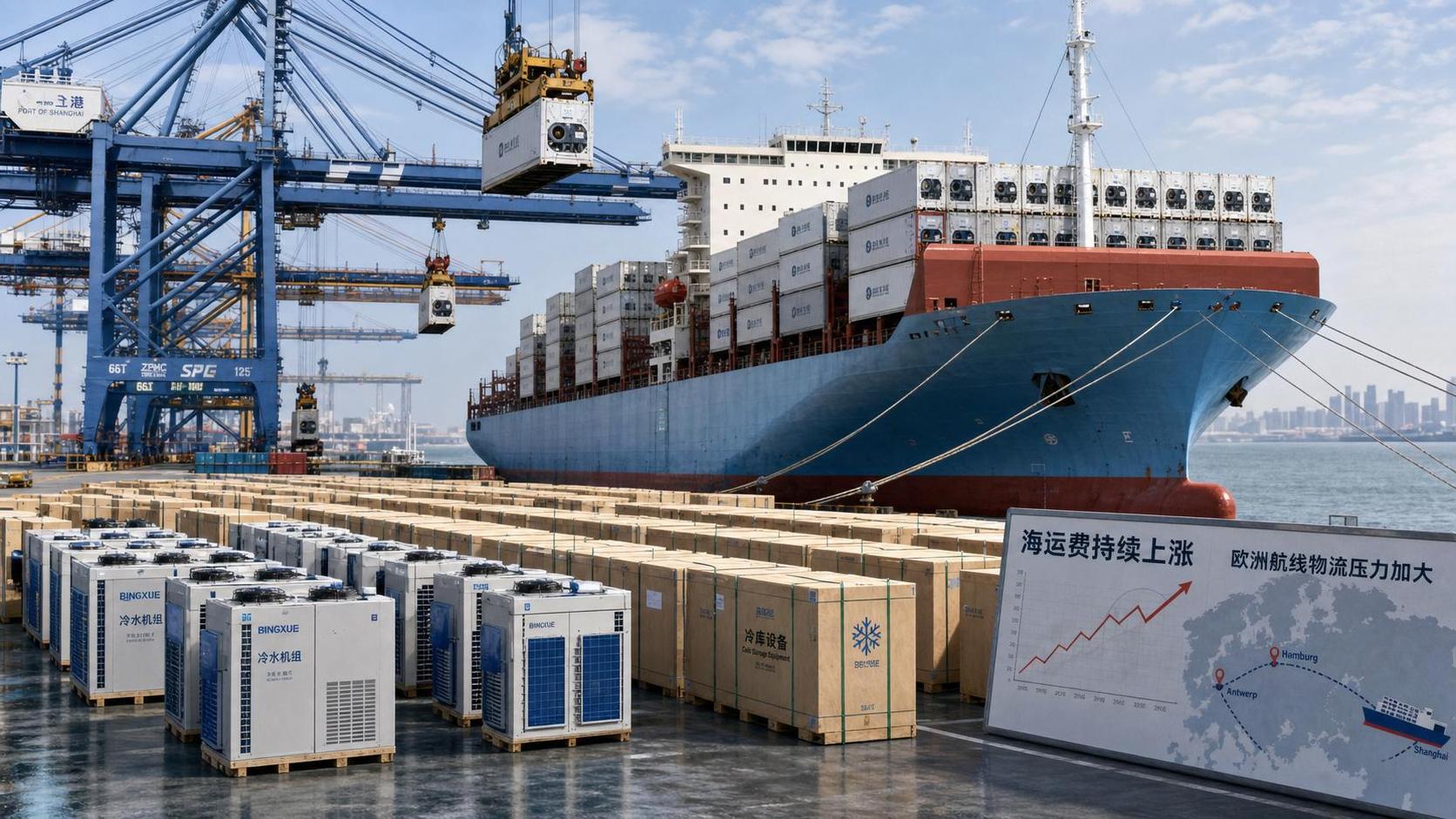
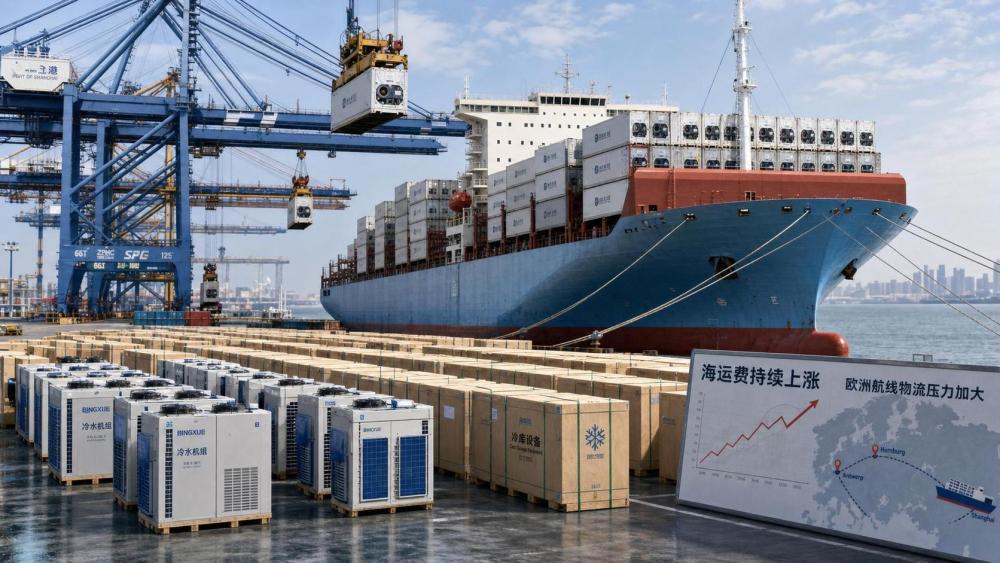
According to the provided information, Drewry's latest data on July 5, 2026 put the Shanghai to Rotterdam spot rate for a 40-foot reefer container at $12,850 per FEU. That represented a 37% increase from the previous week and marked the highest level since October 2025.
The stated drivers were the combination of Red Sea rerouting, port strikes in Europe, and peak summer cold-chain cargo demand. The same information indicates that this trend is directly affecting the export cost and delivery-time stability of Industrial Chillers, Cold Storage, and other temperature-control equipment. It also states that some European distributors have already started stockpiling preparations.
Where the pressure is likely to be felt first
Exporters facing immediate freight and delivery pressure
From an industry perspective, exporters shipping temperature-control equipment on this route may feel the impact first because freight is a direct part of landed cost and delivery planning. The main pressure points are transport budgeting, shipment scheduling, and customer-side delivery commitments. What deserves closer attention is whether elevated reefer rates begin to alter quotation timing or shipment batching decisions.
European distributors preparing for supply instability
Observably, the mention of stockpiling plans by some European distributors suggests concern not only about transport cost, but also about supply continuity. For channel operators and import-side buyers, the key issue is whether higher freight and route disruption make replenishment less predictable. The business impact may therefore show up in inventory planning, order timing, and communication with upstream suppliers.
Supply chain service providers under coordination pressure
For logistics coordinators and related service providers, the immediate issue is operational complexity rather than product demand itself. With rerouting, port disruptions, and seasonal cold-chain peaks occurring together, schedule reliability becomes a more sensitive point. What deserves closer attention is how shipment timing, booking arrangements, and delivery commitments are managed when freight volatility is unusually high.
What companies should watch in the coming weeks
Freight changes should be tracked alongside delivery commitments
Analysis shows that the freight increase is not only a cost issue. For exporters of Industrial Chillers and Cold Storage equipment, delivery promises made to distributors or end buyers may become harder to hold if route pressure persists. Companies should therefore watch freight movements and delivery commitments together rather than treating them as separate issues.
Customer communication may need to move earlier
Where delivery schedules are sensitive, earlier communication with European customers and distributors becomes more important. Based on the provided information, some distributors have already begun preparing inventory measures, which means shipment timing and stock expectations may become a more active part of commercial discussions.
Quotation and order planning deserve closer review
From an industry perspective, businesses exposed to this route may need to review how long quotations remain valid and how transport assumptions are reflected in orders. The main concern is not to predict a fixed outcome, but to reduce the mismatch between fast-changing freight conditions and contract execution.
Operational documents and handover timing should stay aligned
Where shipment windows become less stable, companies should pay closer attention to execution details such as booking coordination, handover timing, and supporting shipment documentation. Analysis shows that in a volatile freight environment, small execution gaps can have a larger effect on fulfillment rhythm than they would under normal conditions.
How this signal should be read for now
Analysis shows that this development is better understood as a strong short-term logistics signal rather than a settled long-term trend. The available facts confirm a sharp weekly increase, a route-specific pressure mix, and early inventory reactions from part of the European channel. They do not yet establish a final direction for freight normalization or a fixed long-term cost structure.
What deserves closer attention is the combination of three factors appearing at once: rerouting pressure, European port disruption, and seasonal cold-chain volume. That combination matters because it affects both pricing and scheduling, which is particularly relevant for equipment exports where delivery coordination can be commercially sensitive.
Why the market should keep this on watch
The industry significance of this update lies less in the headline freight number alone and more in what it signals for execution risk on a key Europe-bound lane. For temperature-control equipment exporters, import distributors, and logistics coordinators, the current situation is more appropriately understood as a live operational pressure point that may affect landed cost, lead-time visibility, and inventory behavior.
At this stage, a neutral reading is the most appropriate one: the freight spike is real and commercially relevant, but its longer-term meaning still requires continued observation. The most practical focus remains on cost pass-through, shipment timing, and delivery reliability.
Basis of this article and points still requiring verification
This article is based on the user-provided news title, event timing note, and event summary. The specific official source link was not provided in the input, so the underlying details still require ongoing verification against source materials as they become available.
For this type of industry update, commonly relevant source categories may include official announcements, company statements, industry association releases, authoritative media reporting, and standard-setting or transport-market documentation. The next points to watch are whether the freight move continues, whether delivery stability changes further on the Shanghai-Rotterdam route, and whether inventory responses from European distributors become more widespread.
Related News
- How Smart Thermal Systems Improve Industrial Cooling EfficiencyAuthor :Cryogenic Systems Expert

- How to Choose Process Cooling Equipment for Stable Temperature ControlAuthor :Cryogenic Systems Expert

- EU Finalizes 2026 HFC Quota Cut for R-134a ChillersAuthor :Cryogenic Systems Expert

- EU Tightens HFC-134a Quotas for Industrial ChillersAuthor :Cryogenic Systems Expert

- REACH SVHC Update Pressures HFC-134a Chiller Supply ChainsAuthor :Cryogenic Systems Expert

- EU PFAS Coolant Ban Reshapes Chiller ExportsAuthor :Cryogenic Systems Expert

- EU REACH Restricts PFAS Cooling Media ImportsAuthor :Cryogenic Systems Expert

- EU Ecodesign Rule Takes Effect for Industrial ChillersAuthor :Cryogenic Systems Expert

- EU REACH Rule Takes Effect for PFAS in Industrial Cooling ExportsAuthor :Cryogenic Systems Expert

- Industrial Cooling for Plastic Processing: How to Size for Stable Cycle TimesAuthor :Cryogenic Systems Expert

- EU F-Gas Update Bars R404A/R507 in Commercial CoolingAuthor :Cryogenic Systems Expert

- DOE Raises Chiller Efficiency Standard From October 2026Author :Cryogenic Systems Expert

- India Mandates BIS Energy Certification for Industrial ChillersAuthor :Cryogenic Systems Expert

- Energy-Efficient Heat Exchange for Process Cooling: Cost vs PaybackAuthor :Cryogenic Systems Expert

- EPA R-134a Import Ban Takes Effect on July 13, 2026Author :Cryogenic Systems Expert

- India BIS Rule Takes Effect for Industrial ChillersAuthor :Cryogenic Systems Expert

- EPA Cuts R134a Import Quotas 20% From July 10Author :Cryogenic Systems Expert

- How to Compare Energy-Efficient Cooling Systems for Factory Expansion ProjectsAuthor :Cryogenic Systems Expert

- Chiller Price Index Rises 11.3% in Q2Author :Cryogenic Systems Expert

- Saudi SASO Tightens Chiller Import Compliance From July 10Author :Cryogenic Systems Expert

- Dubai Opens Fast-Track Chiller TendersAuthor :Cryogenic Systems Expert

- Japan Raises Chiller COP Floor to 6.2 From Sept. 1Author :Cryogenic Systems Expert
![]()
- Compact Thermal Management in Smart Devices: Common Failure RisksAuthor :Cryogenic Systems Expert

- Thermal Management for Batteries: Cooling Methods ComparedAuthor :Cryogenic Systems Expert

- How Compact Thermal Design Extends Smart Device UptimeAuthor :Cryogenic Systems Expert

- Shanghai-Rotterdam Reefer Rates Jump 37% in a WeekAuthor :Cryogenic Systems Expert

- Process Cooling Equipment Low Maintenance: What Cuts Downtime Over 5 Years?Author :Cryogenic Systems Expert

- Semiconductor Cooling Solutions: Which Design Works Best for High-Density Tools?Author :Cryogenic Systems Expert

- Semiconductor Thermal Management Systems: Preventing Yield Loss from Heat DriftAuthor :Cryogenic Systems Expert

- EPA Clears R-1234ze(E) for Industrial ChillersAuthor :Cryogenic Systems Expert
 for Industrial Chillers")
- DOE Raises Chiller IEER Floor to 12.8 From Oct. 2026Author :Cryogenic Systems Expert

- Singapore Refrigeration Show Adds Green Compliance HubAuthor :Cryogenic Systems Expert

- How Food Industry Temperature Control Systems Reduce Product LossAuthor :Cryogenic Systems Expert

- EU REACH Adds 12 SVHCs, Raising Chiller Compliance RiskAuthor :Cryogenic Systems Expert

- Precision Temperature Control Air Cooling: Key Setup Mistakes That Reduce StabilityAuthor :Cryogenic Systems Expert

- India BEE Eyes APF Labels for Imported ChillersAuthor :Cryogenic Systems Expert