R32 Holds at RMB 63,000/Ton, Chiller Export Costs Rise 8%




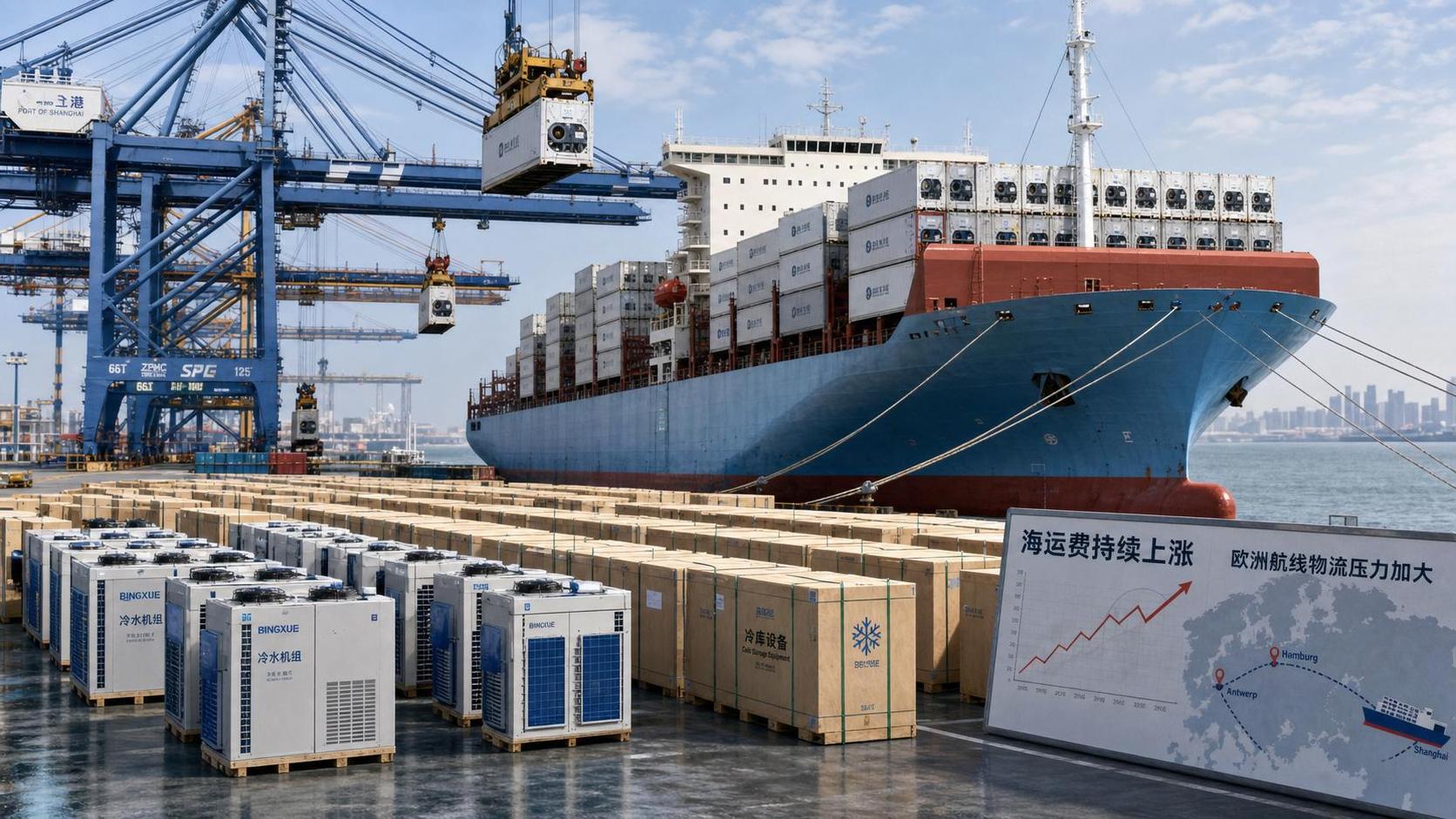
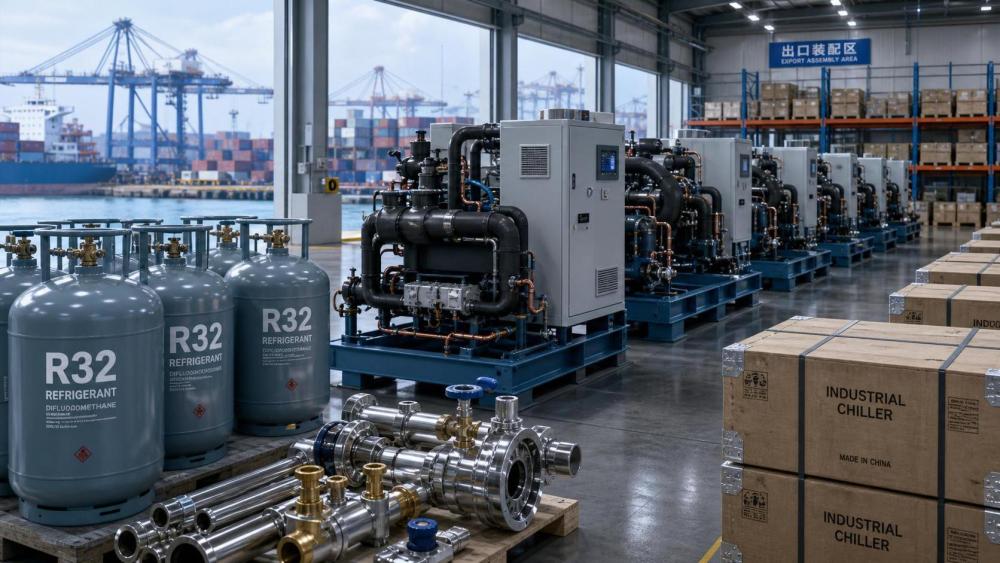
The timing of the event is not specified in the provided information, but the latest monitoring cited for June 20, 2026 shows that the ex-factory price of R32 has remained at RMB 63,000 per ton, up 21% from the same period in 2025. Combined with quota management and filing costs linked to Document No. 8 [2026], this has pushed the average manufacturing cost of exported industrial chiller units up by 8%. This is worth close attention for exporters, manufacturers, procurement teams, and overseas buyers, especially as customers in Southeast Asia and Latin America are showing greater price sensitivity and taking longer to negotiate.
What the latest figures confirm
According to monitoring data released by the China Fluorine Chemical Industry Association on June 20, 2026, the ex-factory average price of R32 stood at RMB 63,000 per ton.
The same data indicates that this level is 21% higher than in the corresponding period of 2025.
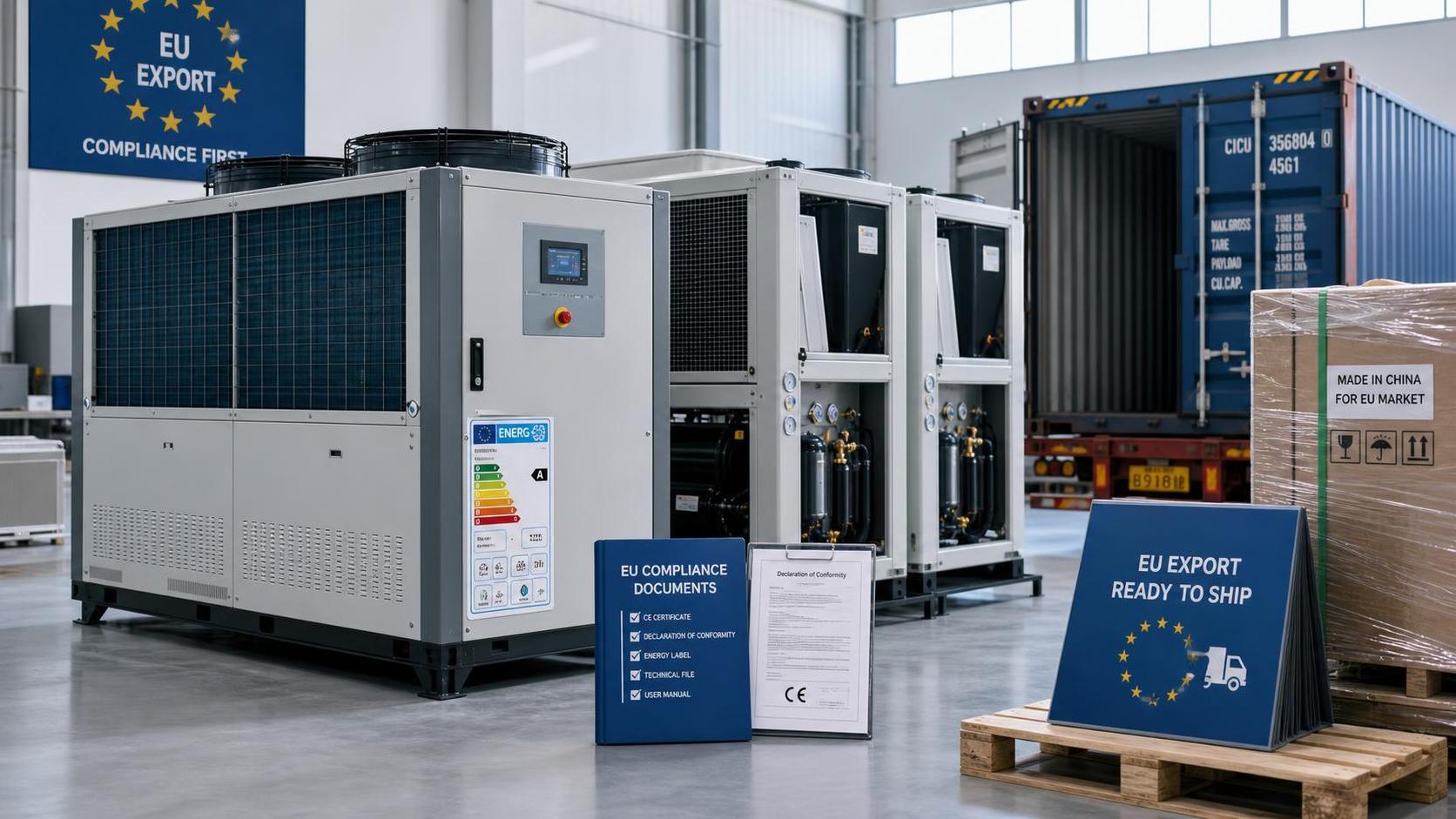
The provided information also states that, together with the quota management and filing costs associated with Document No. 8 [2026], the average manufacturing cost of complete industrial chiller units for export has increased by 8%.
Buyer feedback from Southeast Asia and Latin America shows that quotation sensitivity has increased noticeably, while the negotiation cycle has extended to 12 to 15 working days.
Where the pressure is appearing across the export chain
Export manufacturers are facing a tighter cost-to-quote balance
For industrial chiller manufacturers serving export markets, the direct issue is not only the higher R32 price itself, but also the added compliance-related cost burden referenced in the provided information. The impact is likely to show up most clearly in product pricing, margin control, quotation validity, and order confirmation timing.
From an industry perspective, what deserves closer attention is whether manufacturers can keep quotations stable long enough to support overseas deal conversion when input costs and compliance expenses are moving together.
Procurement teams need to watch both material and paperwork exposure
Companies responsible for refrigerant sourcing and export preparation may be affected through two linked channels: raw material cost and filing or quota-related execution cost. In practical terms, this means procurement is no longer only a price issue, but also a timing and documentation issue tied to shipment readiness.
Analysis shows that any delay in aligning purchasing decisions with compliance requirements could amplify delivery pressure even if the headline R32 price appears stable for the moment.
Overseas buyers are becoming more cautious on quoted prices
The feedback from Southeast Asia and Latin America suggests that buyers are reacting more carefully to offer levels. The most visible effect is a longer bargaining window of 12 to 15 working days, which may slow order closure and increase uncertainty around final deal pricing.
Observably, this matters not only for direct buyers but also for trading companies and channel partners that rely on predictable quotation cycles to move projects forward.
What companies should monitor now
Track whether cost stability is real or only temporary
Although the reported R32 price is currently holding at RMB 63,000 per ton, companies should distinguish between a stable quoted level and a fully settled cost environment. Analysis shows that the combination of refrigerant pricing and compliance-related cost still requires close follow-up rather than a one-time adjustment.
Review quotation terms for sensitive overseas markets
Given the reported increase in buyer price sensitivity in Southeast Asia and Latin America, exporters should pay close attention to quotation validity periods, room for negotiation, and internal approval speed. What deserves closer attention is whether longer negotiation cycles create gaps between initial costing and final contract terms.
Align documentation and shipment planning more tightly
The reference to quota management and filing costs means companies should focus on the difference between policy signal and operational execution. In practice, supply chain, export documentation, and order management teams need to ensure that compliance preparation does not become a separate bottleneck after pricing has already been agreed.
Prepare customer communication around cost changes
Where negotiations are stretching to 12 to 15 working days, customer-facing teams may need clearer explanations of what is driving the cost change. From an industry perspective, the key is not broad messaging, but whether companies can explain the link between refrigerant cost, export manufacturing cost, and quotation adjustments in a consistent way.
How this development is best understood
Analysis shows that this update should not be read as a standalone refrigerant price movement only. It points to a combined cost effect in which material pricing and compliance-related expenses are both shaping export economics for industrial chillers.
It is more appropriate to understand this as an active operating signal rather than a fully settled long-term trend. The reported extension in negotiation cycles suggests that the market is still digesting the cost increase, and that buyer response remains an important variable to watch.
Observably, the most important near-term question is not whether cost pressure exists, because the provided information already indicates that it does, but how consistently that pressure can be passed through into export quotations and confirmed orders.
Why the market will keep watching this closely
The immediate significance of this update lies in the interaction between upstream refrigerant pricing, export-side compliance cost, and downstream buyer behavior. For the industrial chiller segment, that combination can affect not just margins but also deal timing and commercial communication.
A neutral reading is that the current development is best treated as a meaningful short-term industry signal with possible longer-tail implications, rather than as a final conclusion about where costs or export demand will go next. Continued observation is necessary, especially around pricing acceptance and order conversion in sensitive overseas markets.
Basis of this article
This article is generated from the user-provided news title, event timing note, and event summary. The timing of the event itself was not specified in the input, and no direct official source link was provided in the input, so specific official links still need to be verified on an ongoing basis.
For this type of industry update, commonly relevant source categories may include official notices, company disclosures, industry association releases, authoritative media reporting, and standard-setting or regulatory documents. Further follow-up should focus on any updated official wording, implementation details related to quota and filing requirements, and continued buyer response in Southeast Asia and Latin America.
Related News
- How to Compare Semiconductor Cooling Solutions by Heat Load and Uptime RiskAuthor :Cryogenic Systems Expert

- EU Label Deadline Hits China Chiller ExportsAuthor :Cryogenic Systems Expert

- How Smart Thermal Systems Improve Industrial Cooling EfficiencyAuthor :Cryogenic Systems Expert

- How to Choose Process Cooling Equipment for Stable Temperature ControlAuthor :Cryogenic Systems Expert

- EU Finalizes 2026 HFC Quota Cut for R-134a ChillersAuthor :Cryogenic Systems Expert

- EU Tightens HFC-134a Quotas for Industrial ChillersAuthor :Cryogenic Systems Expert

- REACH SVHC Update Pressures HFC-134a Chiller Supply ChainsAuthor :Cryogenic Systems Expert

- EU PFAS Coolant Ban Reshapes Chiller ExportsAuthor :Cryogenic Systems Expert

- EU REACH Restricts PFAS Cooling Media ImportsAuthor :Cryogenic Systems Expert

- EU Ecodesign Rule Takes Effect for Industrial ChillersAuthor :Cryogenic Systems Expert

- EU REACH Rule Takes Effect for PFAS in Industrial Cooling ExportsAuthor :Cryogenic Systems Expert

- Industrial Cooling for Plastic Processing: How to Size for Stable Cycle TimesAuthor :Cryogenic Systems Expert

- EU F-Gas Update Bars R404A/R507 in Commercial CoolingAuthor :Cryogenic Systems Expert

- DOE Raises Chiller Efficiency Standard From October 2026Author :Cryogenic Systems Expert

- India Mandates BIS Energy Certification for Industrial ChillersAuthor :Cryogenic Systems Expert

- Energy-Efficient Heat Exchange for Process Cooling: Cost vs PaybackAuthor :Cryogenic Systems Expert

- EPA R-134a Import Ban Takes Effect on July 13, 2026Author :Cryogenic Systems Expert

- India BIS Rule Takes Effect for Industrial ChillersAuthor :Cryogenic Systems Expert

- EPA Cuts R134a Import Quotas 20% From July 10Author :Cryogenic Systems Expert

- How to Compare Energy-Efficient Cooling Systems for Factory Expansion ProjectsAuthor :Cryogenic Systems Expert

- Chiller Price Index Rises 11.3% in Q2Author :Cryogenic Systems Expert

- Saudi SASO Tightens Chiller Import Compliance From July 10Author :Cryogenic Systems Expert

- Dubai Opens Fast-Track Chiller TendersAuthor :Cryogenic Systems Expert

- Japan Raises Chiller COP Floor to 6.2 From Sept. 1Author :Cryogenic Systems Expert
![]()
- Compact Thermal Management in Smart Devices: Common Failure RisksAuthor :Cryogenic Systems Expert

- Thermal Management for Batteries: Cooling Methods ComparedAuthor :Cryogenic Systems Expert

- How Compact Thermal Design Extends Smart Device UptimeAuthor :Cryogenic Systems Expert

- Shanghai-Rotterdam Reefer Rates Jump 37% in a WeekAuthor :Cryogenic Systems Expert

- Process Cooling Equipment Low Maintenance: What Cuts Downtime Over 5 Years?Author :Cryogenic Systems Expert

- Semiconductor Cooling Solutions: Which Design Works Best for High-Density Tools?Author :Cryogenic Systems Expert

- Semiconductor Thermal Management Systems: Preventing Yield Loss from Heat DriftAuthor :Cryogenic Systems Expert

- EPA Clears R-1234ze(E) for Industrial ChillersAuthor :Cryogenic Systems Expert
 for Industrial Chillers")
- DOE Raises Chiller IEER Floor to 12.8 From Oct. 2026Author :Cryogenic Systems Expert

- Singapore Refrigeration Show Adds Green Compliance HubAuthor :Cryogenic Systems Expert

- How Food Industry Temperature Control Systems Reduce Product LossAuthor :Cryogenic Systems Expert

- EU REACH Adds 12 SVHCs, Raising Chiller Compliance RiskAuthor :Cryogenic Systems Expert