How Compact Thermal Design Extends Smart Device Uptime




Battery size still matters, but it no longer defines dependable uptime in smart devices. In dense electronics, thermal behavior now decides whether performance stays stable, sensors remain accurate, and components age slowly enough to support long operating cycles.
That is why smart device thermal management compact strategies have moved from enclosure detail to evaluation priority. As processors, radios, power modules, and edge AI workloads compress into smaller footprints, heat becomes a system-level constraint rather than a secondary mechanical issue.
Across industrial and cross-sector applications, compact thermal design is increasingly tied to uptime, service intervals, and total lifecycle efficiency. This is also where the wider thermal intelligence perspective of GTC-Matrix becomes useful, linking device-level design choices with broader developments in heat exchange, cooling efficiency, and energy-aware engineering.
Why compact thermal design now shapes uptime
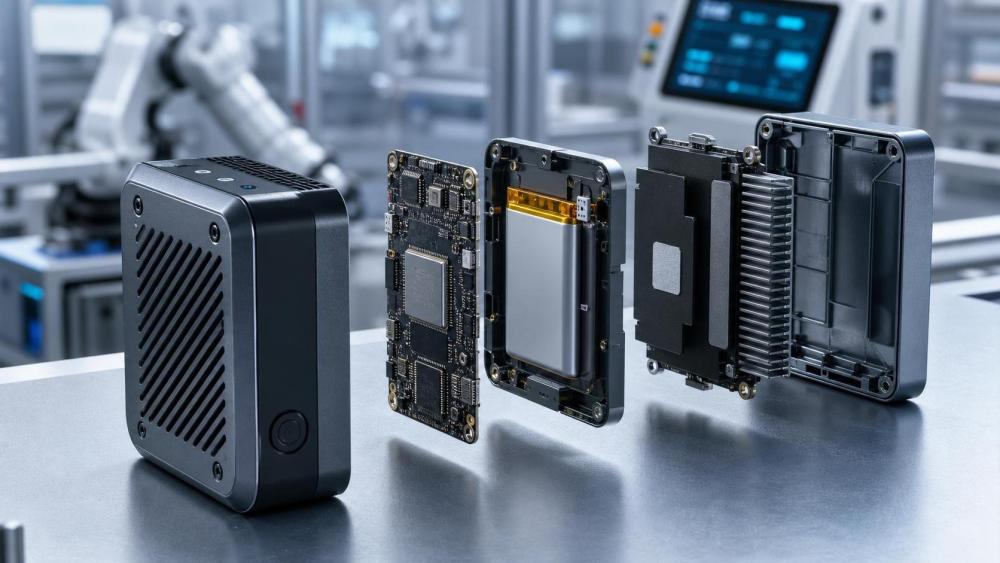
A smart device fails long before a battery reaches zero if heat pushes the platform into throttling, drift, or protective shutdown. Uptime therefore depends on how efficiently thermal loads move away from critical components under real operating conditions.
In practical terms, smart device thermal management compact means controlling temperature within limited space, mass, airflow, and power budgets. The goal is not simply lowering peak temperature. It is keeping performance inside a stable operating window for longer periods.
This matters because compact devices usually combine several heat sources. Application processors create bursts. Connectivity modules create recurring spikes. Charging circuits create sustained heating. Sensors may require thermal isolation even while adjacent parts need rapid heat spreading.
When that balance is poorly managed, several problems appear together. Clock speeds drop, wireless reliability weakens, batteries degrade faster, adhesives fatigue, and calibration offsets begin to accumulate. None of these issues look identical, but they often share the same thermal root.
What makes thermal density harder to manage
Miniaturization has reduced the passive tolerance that older devices once relied on. There is less internal air volume, less surface area for dissipation, and fewer layout options for separating hot and temperature-sensitive functions.
At the same time, workload profiles have changed. Edge inference, always-on sensing, 5G or Wi-Fi connectivity, and fast charging create overlapping duty cycles. Heat is no longer occasional. It is patterned, frequent, and harder to predict from a single benchmark.
Material choices also complicate the picture. Lightweight housings may satisfy portability goals yet restrict heat spreading. Sealed enclosures improve ingress protection but reduce convective paths. Slim industrial wearables and handheld terminals face both limits at once.
This is why smart device thermal management compact cannot be judged only by processor specifications or a one-time thermal simulation. It needs correlation between enclosure design, interface materials, workload mapping, environmental exposure, and long-duration reliability behavior.
How compact thermal design extends service life
The first gain is performance continuity. A well-managed thermal path delays throttling and shortens recovery time after peak loads. Devices spend more time delivering intended throughput instead of oscillating between full speed and protection mode.
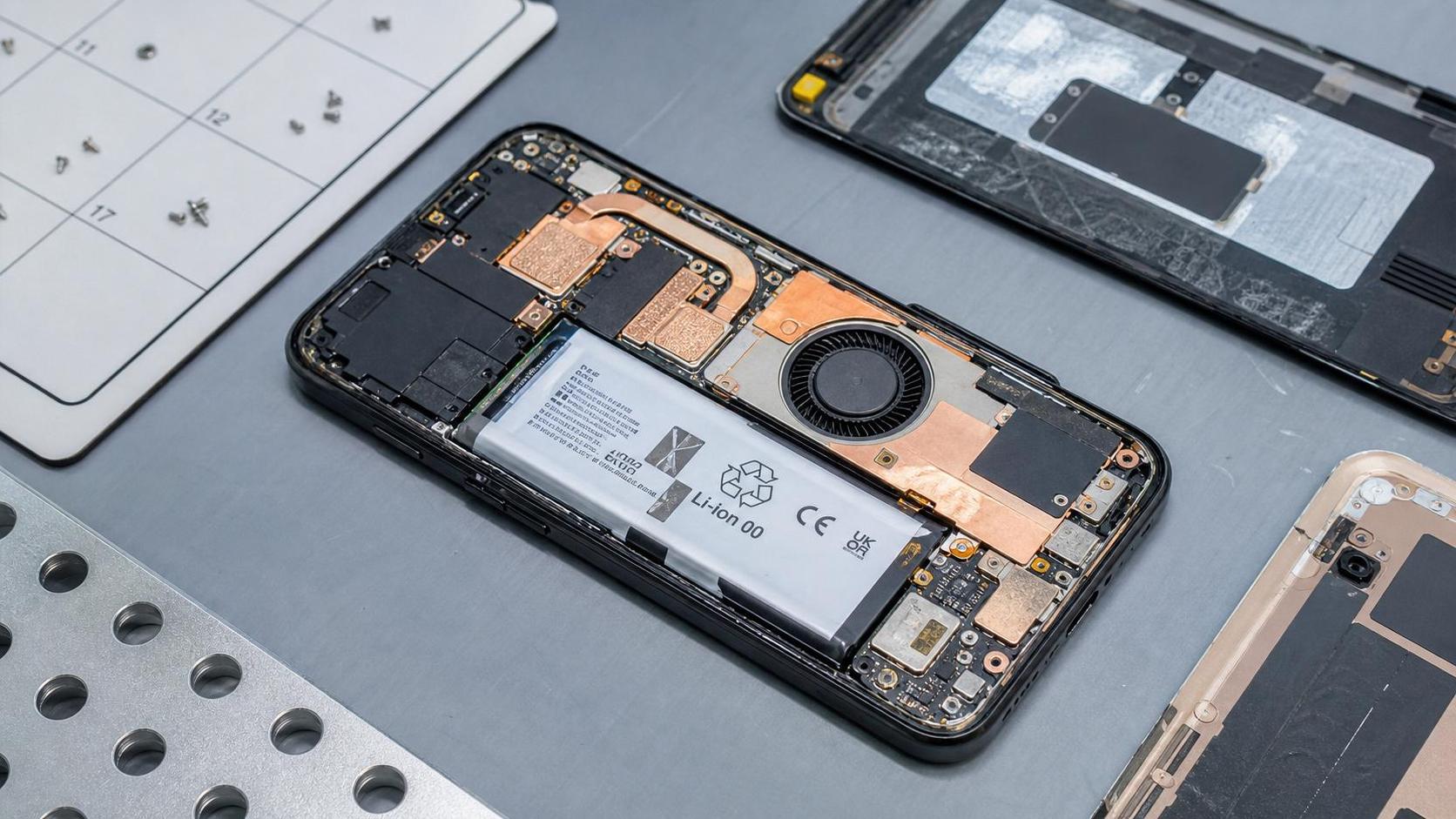
The second gain is battery health. Elevated temperature accelerates lithium-ion aging, raises internal resistance, and reduces effective cycle life. Lower average temperature often improves usable uptime more meaningfully than adding small amounts of battery capacity.
The third gain is signal and sensing stability. Thermal drift can distort readings in imaging modules, gas sensors, optical systems, and precision measurement electronics. Compact thermal design helps preserve data quality by controlling local hot spots and gradients.
Finally, lower thermal stress protects interfaces and mechanical integrity. Solder joints, flex circuits, bonded layers, and seals all respond to repeated temperature cycling. Reducing peak-to-peak fluctuation can materially improve field reliability.
The uptime effect is cumulative
No single temperature drop guarantees long uptime. What matters is cumulative improvement across many variables: slower battery wear, fewer resets, steadier wireless links, and less calibration drift over months of use.
That broader view aligns with the GTC-Matrix approach to thermal systems. Device teams increasingly benefit from the same logic used in larger heat exchange and energy conversion sectors: optimize the whole path, not one isolated component.
Where the issue appears across industries
Compact thermal risk is not limited to consumer electronics. It shows up wherever high functionality must fit inside constrained, mobile, or sealed hardware.
These scenarios explain why thermal design now belongs in early platform decisions. In pharmaceuticals, semiconductors, food systems, and adjacent sectors, compact smart hardware is increasingly part of critical operations rather than optional convenience.
What to examine in a real evaluation
A useful review starts with thermal path clarity. Heat should have a defined route from major sources to spreading layers, enclosure surfaces, or other dissipation structures. If that path depends on accidental air gaps, the design is fragile.
Workload realism is equally important. Short synthetic tests may miss long-tail heating from mixed operations. Smart device thermal management compact should be checked under charging, communication, sensing, and compute activity that mirrors actual duty cycles.
It also helps to compare average temperature and thermal gradient, not only peak numbers. A moderate maximum temperature can still hide local stress if one component repeatedly runs much hotter than nearby materials can tolerate.
- Check throttling thresholds against real application loads, not headline processor limits.
- Review enclosure materials for both thermal spread and mechanical constraints.
- Assess battery placement relative to charging circuits and high-current components.
- Verify sensor isolation where accuracy depends on local temperature stability.
- Look for evidence from cycle testing, not only steady-state charts.
More advanced evaluations may also include thermal interface aging, dust loading, orientation effects, and ambient temperature variation. These factors matter because uptime failures often emerge after months of exposure, not during clean lab demonstrations.
Design choices that usually deliver the most value
Not every compact device needs exotic cooling. Often the biggest gains come from disciplined architecture rather than complexity. Better component zoning, smarter power scheduling, and effective spreader integration can outperform expensive add-ons.
Several proven approaches tend to stand out:
- Separate short-burst heat sources from precision sensing areas.
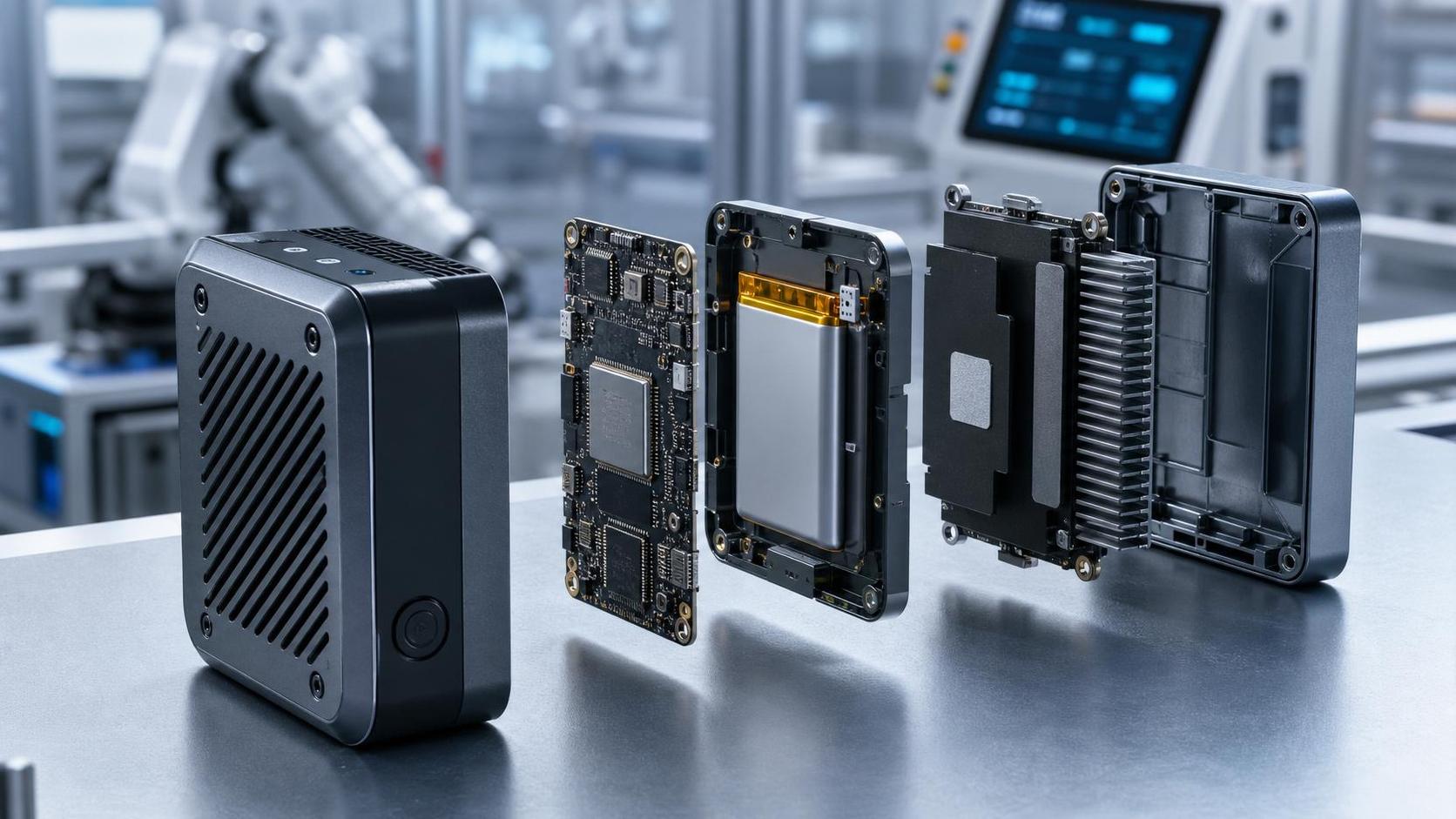
- Use graphite, vapor chambers, or metal frames where planar spreading is the bottleneck.
- Tune firmware to smooth power spikes instead of reacting after overheating begins.
- Match enclosure sealing strategy with realistic dissipation limits.
- Design charging behavior as part of the thermal system, not a separate electrical function.
The broader thermal sector offers useful analogies here. GTC-Matrix frequently tracks how microchannel heat exchangers, efficient compression technologies, and energy conversion optimization succeed through flow control, path efficiency, and reduced losses. Compact electronics follow the same logic at a smaller scale.
How to frame the next decision
A good next step is to treat smart device thermal management compact as a performance governance question. The central issue is not whether a device survives a benchmark, but whether it sustains useful output across realistic runtime, ambient conditions, and aging cycles.
That means comparing designs through a small set of stable criteria: thermal path quality, throttling behavior, battery temperature control, sensor stability, and evidence from repeated load cycling. These indicators usually reveal more than headline battery capacity or processor class alone.
For organizations tracking broader thermal technology trends, it also makes sense to connect device evaluation with external intelligence on cooling materials, heat exchange methods, and energy efficiency regulations. That wider context often clarifies which thermal choices will remain scalable and supportable.
Compact thermal design extends uptime because it protects the full operating envelope of a smart device. The most reliable judgment comes from viewing heat as a strategic performance variable, then testing each design choice against real workloads, real environments, and real service expectations.
Related News
- How Smart Thermal Systems Improve Industrial Cooling EfficiencyAuthor :Cryogenic Systems Expert

- How to Choose Process Cooling Equipment for Stable Temperature ControlAuthor :Cryogenic Systems Expert

- EU Finalizes 2026 HFC Quota Cut for R-134a ChillersAuthor :Cryogenic Systems Expert

- EU Tightens HFC-134a Quotas for Industrial ChillersAuthor :Cryogenic Systems Expert

- REACH SVHC Update Pressures HFC-134a Chiller Supply ChainsAuthor :Cryogenic Systems Expert

- EU PFAS Coolant Ban Reshapes Chiller ExportsAuthor :Cryogenic Systems Expert

- EU REACH Restricts PFAS Cooling Media ImportsAuthor :Cryogenic Systems Expert

- EU Ecodesign Rule Takes Effect for Industrial ChillersAuthor :Cryogenic Systems Expert

- EU REACH Rule Takes Effect for PFAS in Industrial Cooling ExportsAuthor :Cryogenic Systems Expert

- Industrial Cooling for Plastic Processing: How to Size for Stable Cycle TimesAuthor :Cryogenic Systems Expert

- EU F-Gas Update Bars R404A/R507 in Commercial CoolingAuthor :Cryogenic Systems Expert

- DOE Raises Chiller Efficiency Standard From October 2026Author :Cryogenic Systems Expert

- India Mandates BIS Energy Certification for Industrial ChillersAuthor :Cryogenic Systems Expert

- Energy-Efficient Heat Exchange for Process Cooling: Cost vs PaybackAuthor :Cryogenic Systems Expert

- EPA R-134a Import Ban Takes Effect on July 13, 2026Author :Cryogenic Systems Expert

- India BIS Rule Takes Effect for Industrial ChillersAuthor :Cryogenic Systems Expert

- EPA Cuts R134a Import Quotas 20% From July 10Author :Cryogenic Systems Expert

- How to Compare Energy-Efficient Cooling Systems for Factory Expansion ProjectsAuthor :Cryogenic Systems Expert

- Chiller Price Index Rises 11.3% in Q2Author :Cryogenic Systems Expert

- Saudi SASO Tightens Chiller Import Compliance From July 10Author :Cryogenic Systems Expert

- Dubai Opens Fast-Track Chiller TendersAuthor :Cryogenic Systems Expert

- Japan Raises Chiller COP Floor to 6.2 From Sept. 1Author :Cryogenic Systems Expert
![]()
- Compact Thermal Management in Smart Devices: Common Failure RisksAuthor :Cryogenic Systems Expert

- Thermal Management for Batteries: Cooling Methods ComparedAuthor :Cryogenic Systems Expert

- How Compact Thermal Design Extends Smart Device UptimeAuthor :Cryogenic Systems Expert

- Shanghai-Rotterdam Reefer Rates Jump 37% in a WeekAuthor :Cryogenic Systems Expert

- Process Cooling Equipment Low Maintenance: What Cuts Downtime Over 5 Years?Author :Cryogenic Systems Expert

- Semiconductor Cooling Solutions: Which Design Works Best for High-Density Tools?Author :Cryogenic Systems Expert

- Semiconductor Thermal Management Systems: Preventing Yield Loss from Heat DriftAuthor :Cryogenic Systems Expert

- EPA Clears R-1234ze(E) for Industrial ChillersAuthor :Cryogenic Systems Expert
 for Industrial Chillers")
- DOE Raises Chiller IEER Floor to 12.8 From Oct. 2026Author :Cryogenic Systems Expert

- Singapore Refrigeration Show Adds Green Compliance HubAuthor :Cryogenic Systems Expert

- How Food Industry Temperature Control Systems Reduce Product LossAuthor :Cryogenic Systems Expert

- EU REACH Adds 12 SVHCs, Raising Chiller Compliance RiskAuthor :Cryogenic Systems Expert

- Precision Temperature Control Air Cooling: Key Setup Mistakes That Reduce StabilityAuthor :Cryogenic Systems Expert

- India BEE Eyes APF Labels for Imported ChillersAuthor :Cryogenic Systems Expert