India BIS Rule Takes Effect for Industrial Chillers




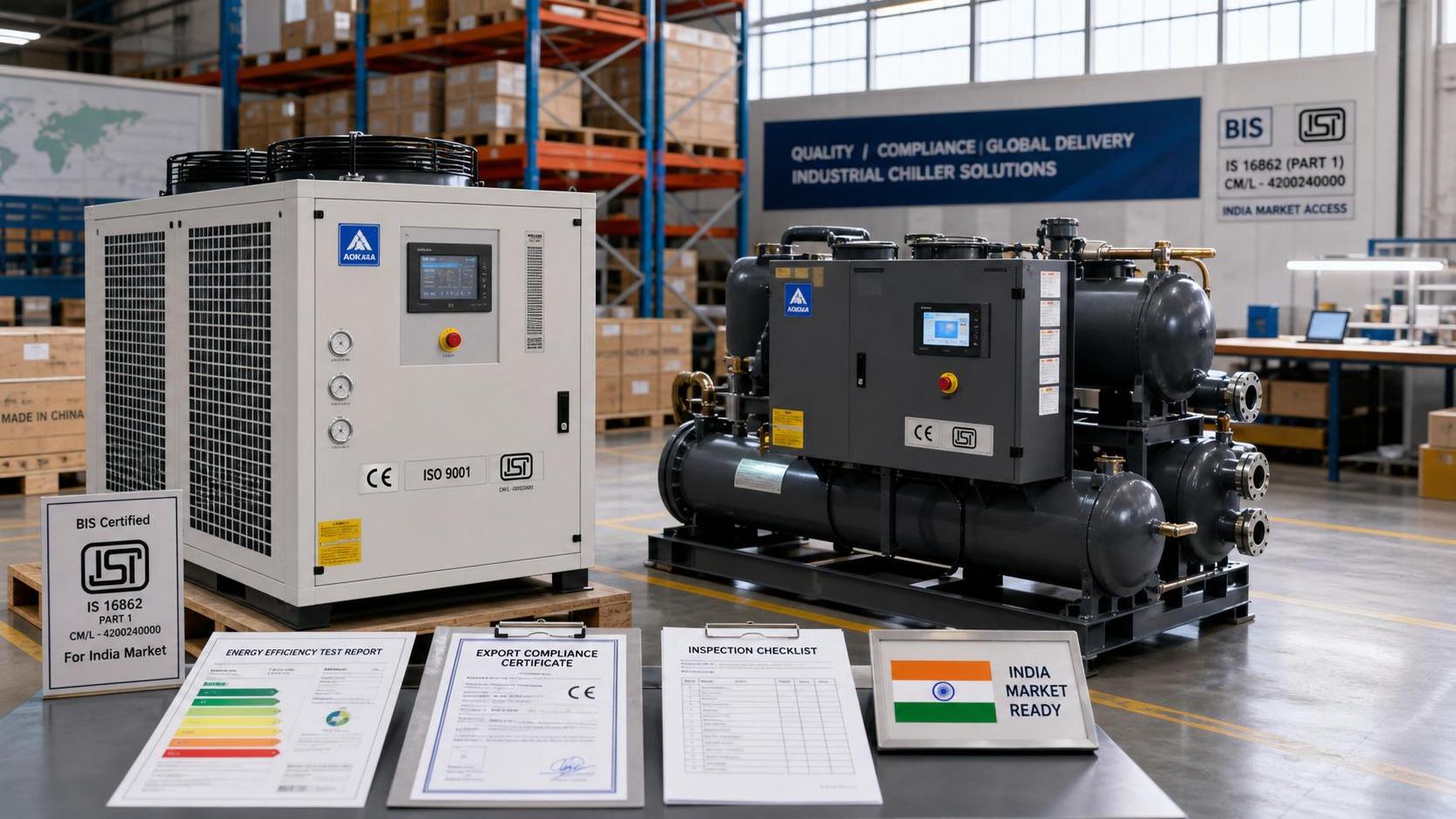
India’s revised BIS requirement for industrial chillers took effect on July 11, 2026, bringing product access, testing lead times, and compliance costs into sharper focus for manufacturers and exporters serving the Indian market. The change matters not only for local producers in India but also for overseas suppliers, especially Chinese exporters, because market entry now depends on meeting both an energy-efficiency threshold and a low-GWP refrigerant requirement, with non-compliant equipment facing customs rejection.
What the revised BIS requirement now mandates
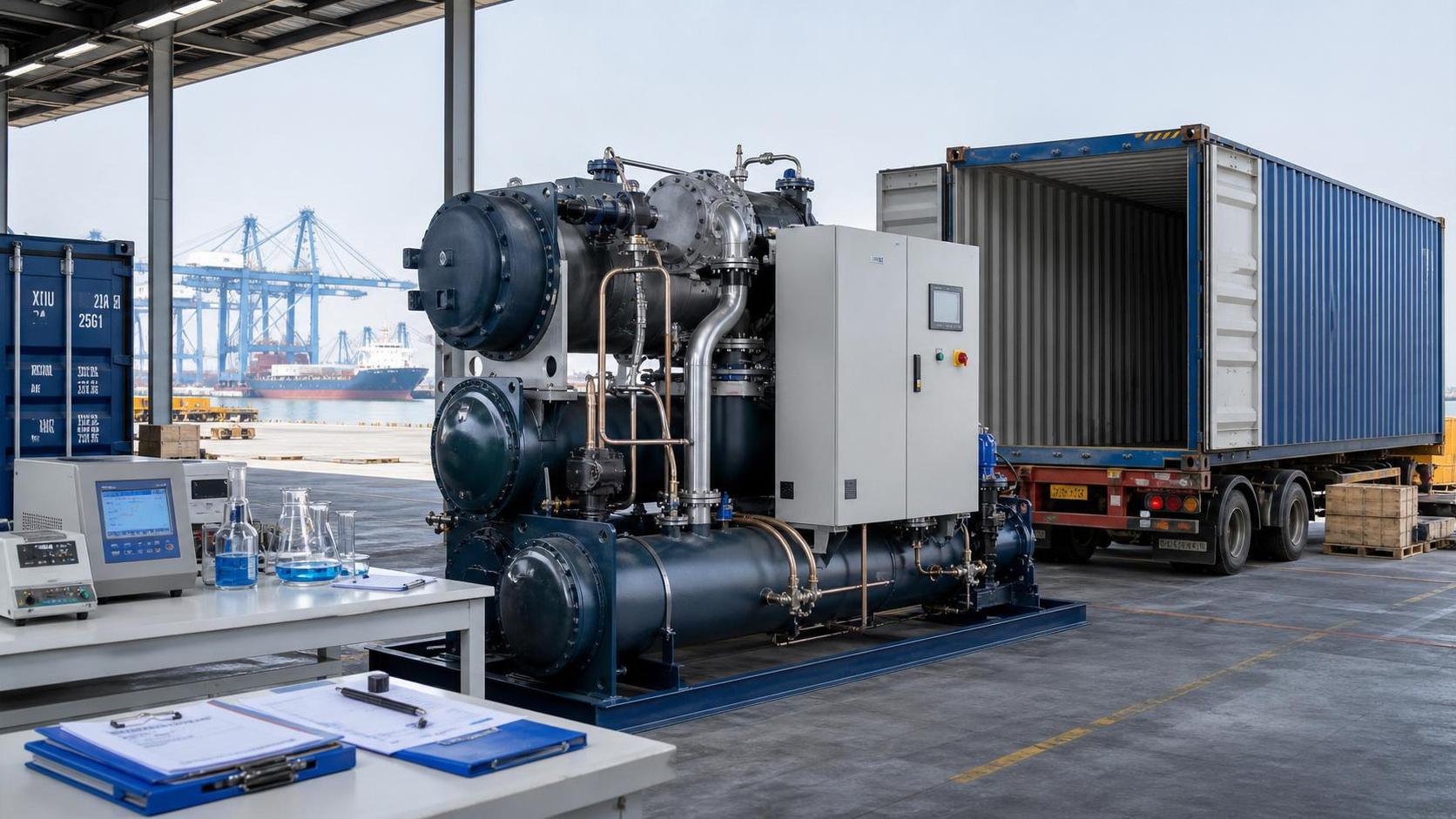
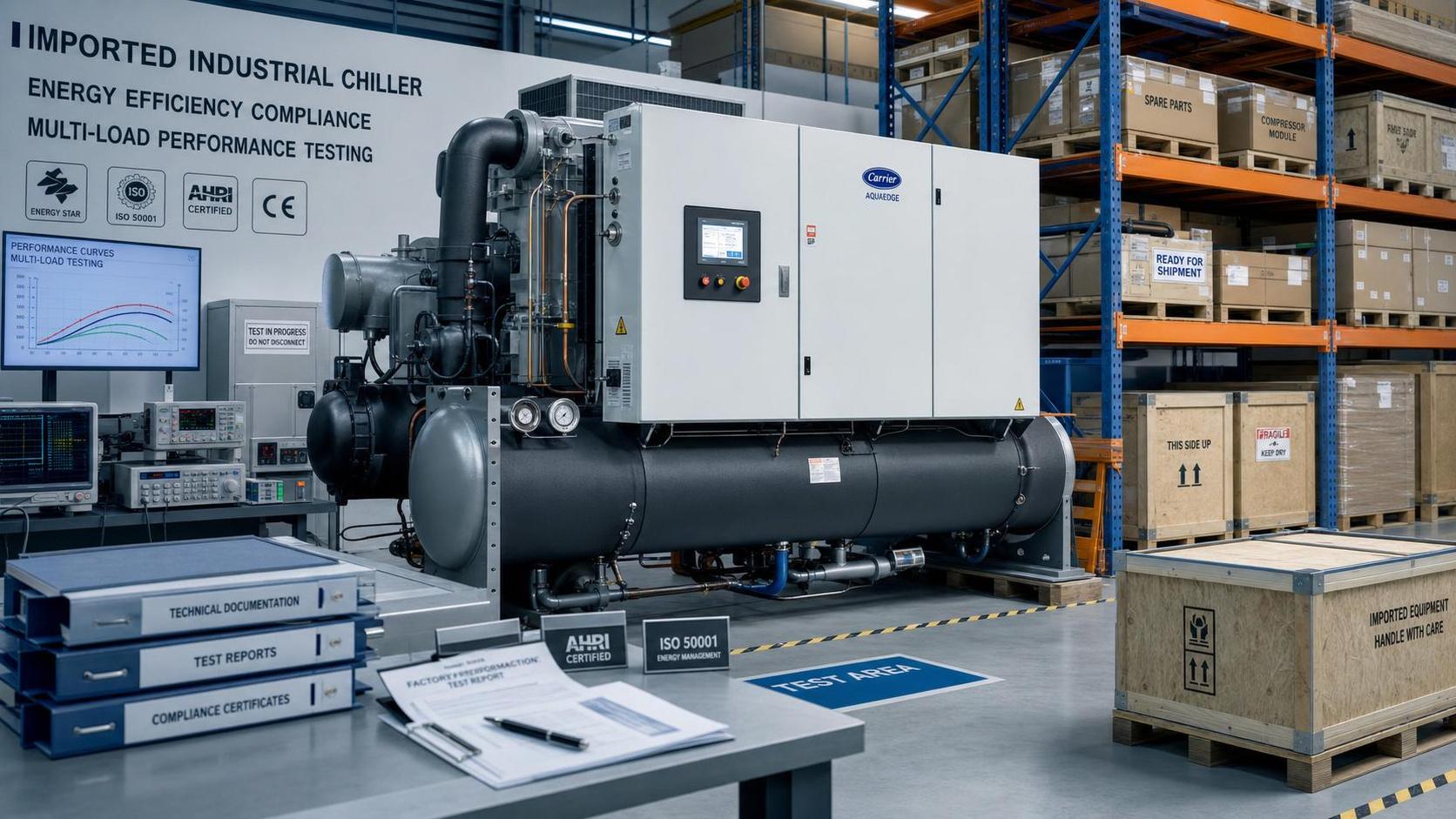
According to the provided information, the Bureau of Indian Standards (BIS) formally implemented the revised IS 13240:2026 on July 11, 2026. The rule applies to all imported and domestically produced industrial chillers.
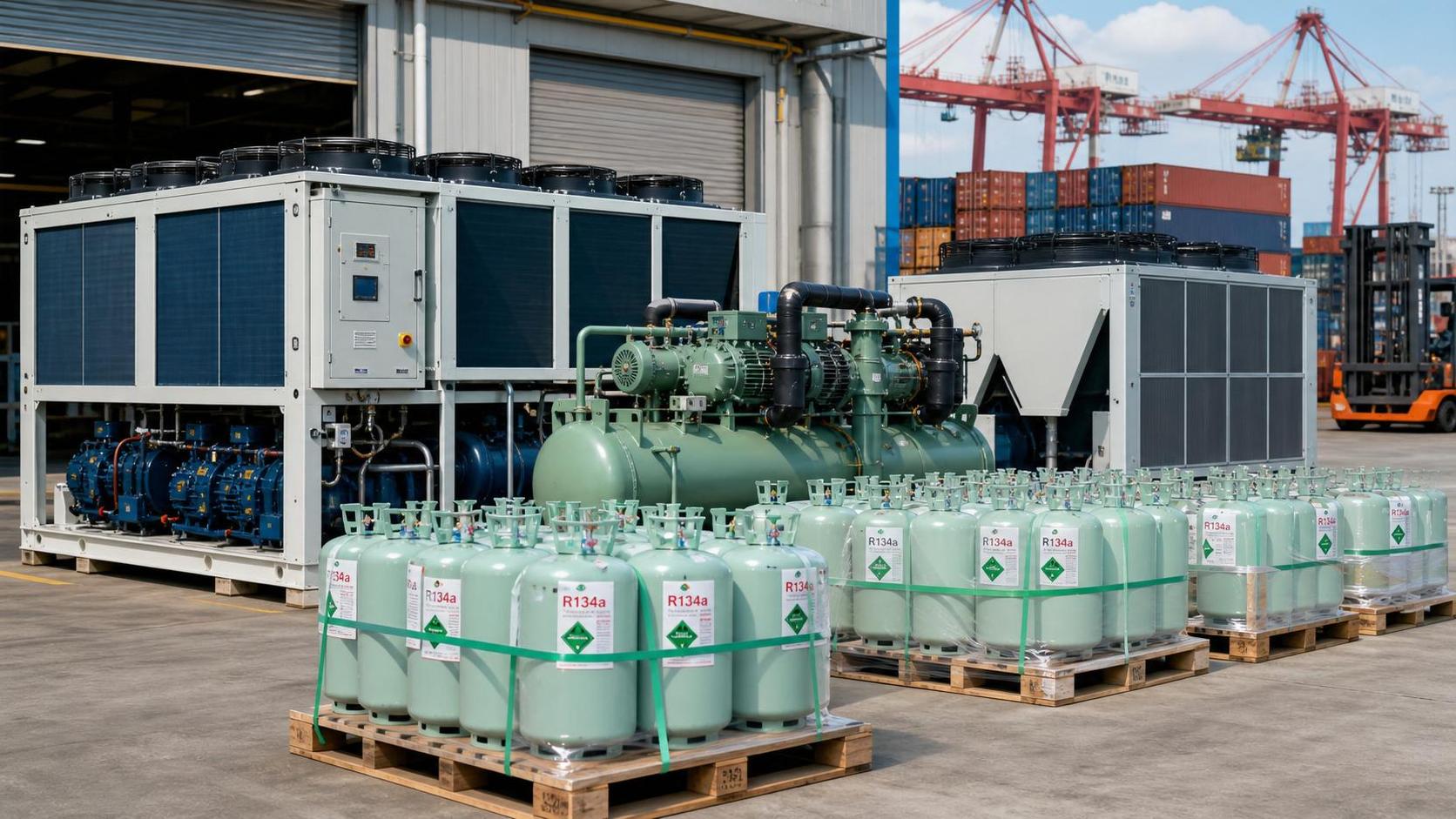
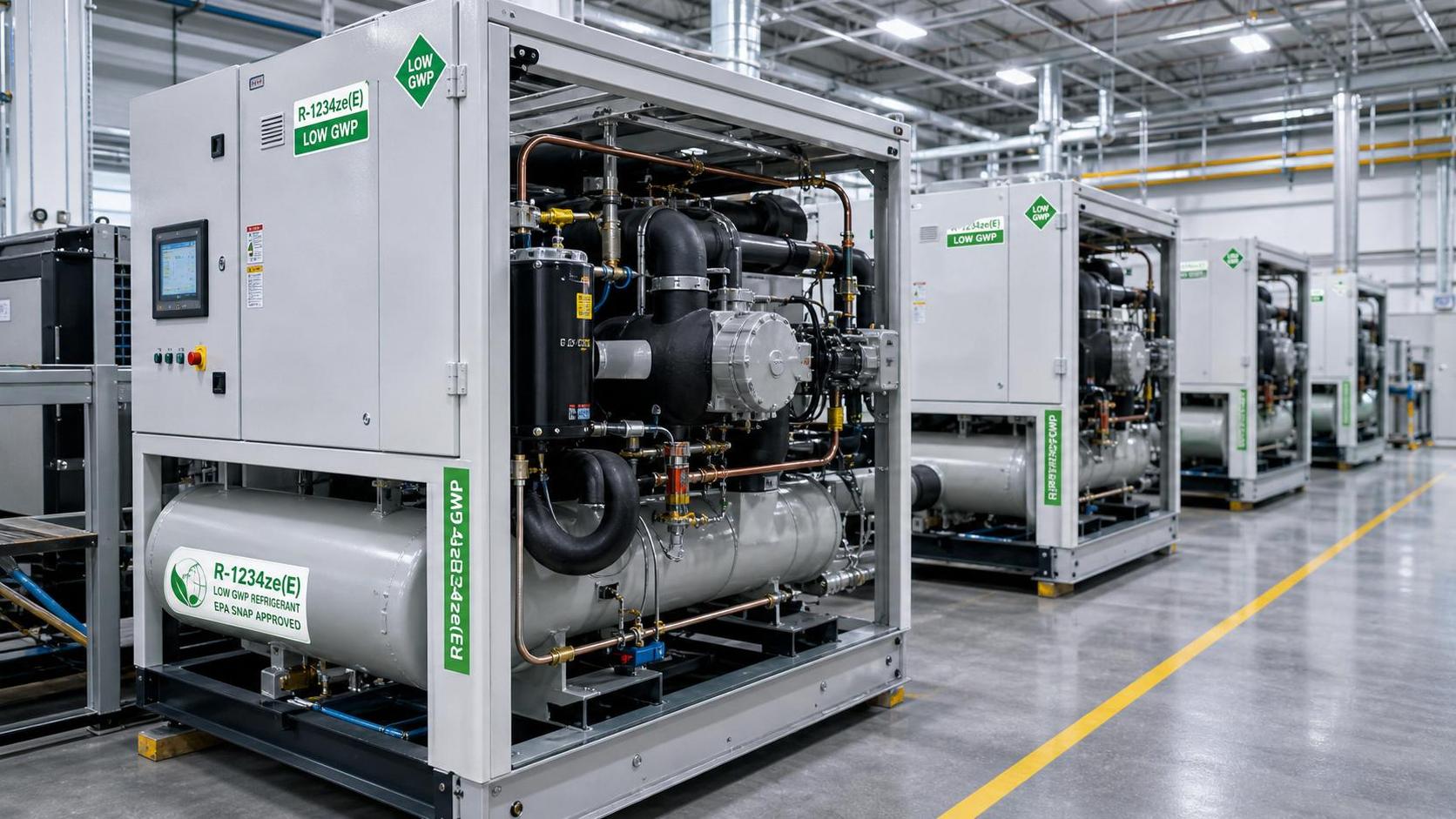
Under the new requirement, covered equipment must obtain Grade II energy-efficiency certification and must also demonstrate that the refrigerant used has a GWP value of 750 or below. Examples cited in the provided information include R1234ze and R515B.
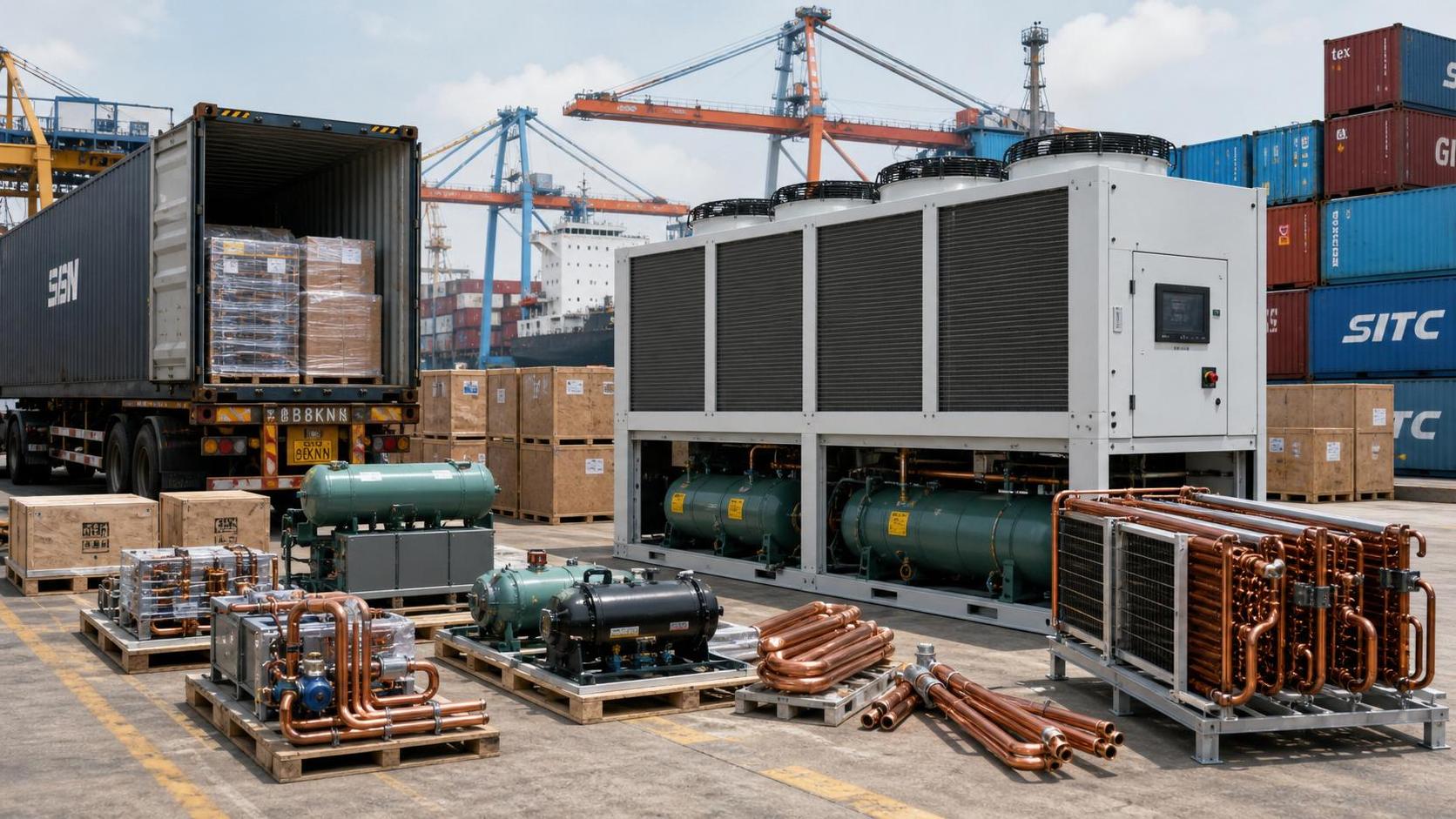
The same information states that the rule has a direct effect on product access for Chinese exporters, as well as on testing cycles and compliance costs. Equipment that has not obtained the required certification will be refused customs clearance.
Where the operational pressure is likely to appear
Export-oriented manufacturers face an immediate market-entry filter
From an industry perspective, manufacturers shipping industrial chillers to India are likely to feel the impact first because the new rule ties market access directly to certification status. The practical pressure point is no longer only product specification, but whether the unit can clear the required energy-efficiency and refrigerant compliance process before shipment and customs entry.
What deserves closer attention is the interaction between product design, test preparation, and shipment timing. For exporters, the relevant change is not abstract policy risk; it is whether a specific model can still be sold and delivered into India without interruption.
Supply chain and documentation teams will carry more compliance work
Analysis shows that the effect is likely to extend beyond engineering teams. Supply chain coordinators, compliance staff, and documentation personnel may all be affected because proof of refrigerant selection and certification readiness becomes more important in the order-to-delivery process.
The business impact is likely to show up in document preparation, model verification, and communication between factories, exporters, and import-side partners. Where a shipment involves uncertified equipment, the stated customs risk becomes a direct operational issue rather than a background compliance concern.
Importers and buyers in India may need tighter model screening
Observably, Indian buyers, distributors, and project-side procurement teams may also need to review model eligibility more carefully. If a chiller does not meet the BIS energy and refrigerant conditions, procurement decisions could be affected before purchase orders are finalized, because customs rejection would disrupt delivery and project planning.
For this group, the issue is less about redesign and more about confirming that the offered equipment is aligned with the revised standard and supported by the required certification pathway.
What companies should watch now
Separate confirmed rules from pending implementation details
The confirmed point is clear: as of July 11, 2026, industrial chillers covered by the revised BIS rule must satisfy both the Grade II energy-efficiency requirement and the GWP cap of 750 or below. Analysis shows that companies should distinguish this confirmed threshold from any later interpretation, procedural clarification, or supporting compliance guidance that may affect how documents and testing are handled in practice.
Review model portfolios against refrigerant selection
What deserves closer attention is whether current product models intended for India already use refrigerants that fit the stated GWP ceiling. For businesses with multiple configurations, the key issue is not only technical feasibility but also whether the exact sellable model for India can be consistently matched to compliant refrigerant specifications.
Reassess lead times around testing and shipment planning
The provided information explicitly points to an effect on testing cycles and compliance costs. From an operational perspective, companies should therefore pay close attention to the timing relationship between certification, production release, shipment booking, and customs clearance. Even where demand remains intact, delivery execution may be affected if compliance timing is treated too late in the process.
Strengthen customer and partner communication on clearance risk
Because uncertified equipment may be denied customs clearance, exporters, importers, and channel partners should pay close attention to how compliance status is communicated in quotations, order confirmation, and pre-shipment coordination. Analysis shows that this is especially relevant where model variants, refrigerant options, or project schedules leave little room for customs-related delays.
Why this looks bigger than a one-off procedural update
This section is an editorial observation rather than a statement of fact. It is more appropriate to understand this development as an immediate compliance change with longer-term signaling value. The rule does not merely add another paperwork checkpoint; it combines energy-efficiency compliance with a refrigerant threshold, which means market access is being framed through both performance and environmental criteria at the same time.
Observably, the near-term result is practical: exporters and manufacturers must deal with certification, timing, and cost. The longer-term question still requires continued monitoring, especially around how companies adapt product configurations and compliance workflows for the Indian market. Based on the provided information alone, it would be premature to draw broader market conclusions beyond that.
How this development is best understood at this stage
At this stage, the BIS revision should be read first as an active market-access requirement rather than as a distant policy signal. The immediate consequence is clear in the provided information: industrial chillers that do not meet the required certification conditions risk customs rejection in India.
At the same time, the broader industry meaning is best understood cautiously. Analysis shows that the most important issue for companies is not speculation about market outcomes, but practical control over compliant models, documentation, testing timelines, and delivery commitments. In that sense, this is both a short-term operational change and a regulatory signal worth continued attention.
Basis of this article and points for follow-up verification
This article is based on the user-provided news title, event date, and event summary concerning the BIS rule that took effect on July 11, 2026 for industrial chillers. It has been written as an industry news analysis article rather than a promotional text.
For this type of development, relevant source categories would typically include official announcements, standard-setting documents, company notices, industry association updates, and reporting by authoritative trade media. However, a specific official source link was not provided in the input, so the underlying official documentation and any subsequent explanatory notices still require continued verification.
For follow-up observation, the most relevant areas are any further official wording, implementation clarification, and practical compliance interpretation affecting certification, documentation, and customs handling for industrial chiller shipments into India.
Related News
- How Smart Thermal Systems Improve Industrial Cooling EfficiencyAuthor :Cryogenic Systems Expert

- How to Choose Process Cooling Equipment for Stable Temperature ControlAuthor :Cryogenic Systems Expert

- EU Finalizes 2026 HFC Quota Cut for R-134a ChillersAuthor :Cryogenic Systems Expert

- EU Tightens HFC-134a Quotas for Industrial ChillersAuthor :Cryogenic Systems Expert

- REACH SVHC Update Pressures HFC-134a Chiller Supply ChainsAuthor :Cryogenic Systems Expert

- EU PFAS Coolant Ban Reshapes Chiller ExportsAuthor :Cryogenic Systems Expert

- EU REACH Restricts PFAS Cooling Media ImportsAuthor :Cryogenic Systems Expert

- EU Ecodesign Rule Takes Effect for Industrial ChillersAuthor :Cryogenic Systems Expert

- EU REACH Rule Takes Effect for PFAS in Industrial Cooling ExportsAuthor :Cryogenic Systems Expert

- Industrial Cooling for Plastic Processing: How to Size for Stable Cycle TimesAuthor :Cryogenic Systems Expert

- EU F-Gas Update Bars R404A/R507 in Commercial CoolingAuthor :Cryogenic Systems Expert

- DOE Raises Chiller Efficiency Standard From October 2026Author :Cryogenic Systems Expert

- India Mandates BIS Energy Certification for Industrial ChillersAuthor :Cryogenic Systems Expert

- Energy-Efficient Heat Exchange for Process Cooling: Cost vs PaybackAuthor :Cryogenic Systems Expert

- EPA R-134a Import Ban Takes Effect on July 13, 2026Author :Cryogenic Systems Expert

- India BIS Rule Takes Effect for Industrial ChillersAuthor :Cryogenic Systems Expert

- EPA Cuts R134a Import Quotas 20% From July 10Author :Cryogenic Systems Expert

- How to Compare Energy-Efficient Cooling Systems for Factory Expansion ProjectsAuthor :Cryogenic Systems Expert

- Chiller Price Index Rises 11.3% in Q2Author :Cryogenic Systems Expert

- Saudi SASO Tightens Chiller Import Compliance From July 10Author :Cryogenic Systems Expert

- Dubai Opens Fast-Track Chiller TendersAuthor :Cryogenic Systems Expert

- Japan Raises Chiller COP Floor to 6.2 From Sept. 1Author :Cryogenic Systems Expert
![]()
- Compact Thermal Management in Smart Devices: Common Failure RisksAuthor :Cryogenic Systems Expert

- Thermal Management for Batteries: Cooling Methods ComparedAuthor :Cryogenic Systems Expert

- How Compact Thermal Design Extends Smart Device UptimeAuthor :Cryogenic Systems Expert

- Shanghai-Rotterdam Reefer Rates Jump 37% in a WeekAuthor :Cryogenic Systems Expert

- Process Cooling Equipment Low Maintenance: What Cuts Downtime Over 5 Years?Author :Cryogenic Systems Expert

- Semiconductor Cooling Solutions: Which Design Works Best for High-Density Tools?Author :Cryogenic Systems Expert

- Semiconductor Thermal Management Systems: Preventing Yield Loss from Heat DriftAuthor :Cryogenic Systems Expert

- EPA Clears R-1234ze(E) for Industrial ChillersAuthor :Cryogenic Systems Expert
 for Industrial Chillers")
- DOE Raises Chiller IEER Floor to 12.8 From Oct. 2026Author :Cryogenic Systems Expert

- Singapore Refrigeration Show Adds Green Compliance HubAuthor :Cryogenic Systems Expert

- How Food Industry Temperature Control Systems Reduce Product LossAuthor :Cryogenic Systems Expert

- EU REACH Adds 12 SVHCs, Raising Chiller Compliance RiskAuthor :Cryogenic Systems Expert

- Precision Temperature Control Air Cooling: Key Setup Mistakes That Reduce StabilityAuthor :Cryogenic Systems Expert

- India BEE Eyes APF Labels for Imported ChillersAuthor :Cryogenic Systems Expert