



Energy-Efficient Heat Exchange for Process Cooling: Cost vs Payback




Energy-Efficient Heat Exchange for Process Cooling: Cost vs Payback
For business leaders balancing capital discipline with sustainability targets, energy-efficient heat exchange for process cooling is no longer a technical upgrade alone. It is a strategic investment.
The real question is not simply purchase price. It is how fast efficiency gains, lower utility demand, and reduced operating risk convert into measurable payback.
In many plants, process cooling runs quietly in the background. Yet it often shapes energy intensity, uptime stability, and maintenance cost more than expected.
That is why energy-efficient heat exchange for process cooling deserves board-level attention. It affects both operational resilience and the economics of future capacity.
From recent market shifts, the clearer signal is this: higher electricity costs and tighter environmental standards are shortening tolerance for inefficient thermal systems.
This article breaks down the cost versus payback equation. The aim is to support practical cooling decisions with stronger financial and technical logic.
Why Energy-Efficient Heat Exchange for Process Cooling Matters More Now
Process cooling demand is rising across pharmaceuticals, food, chemicals, electronics, and precision manufacturing. Product quality now depends on narrower temperature control windows.
At the same time, many sites still rely on oversized or aging exchangers. These systems consume more power, foul faster, and create unstable thermal performance.
Energy-efficient heat exchange for process cooling changes that picture. Better thermal transfer reduces compressor lift, pump burden, and wasted energy across the cooling loop.
In practical terms, that can mean lower kWh per unit output, fewer production interruptions, and more predictable maintenance scheduling.
For capital planning, this also means the best option is not always the cheapest unit. The stronger choice often comes from total lifecycle value.
What Drives Upfront Cost
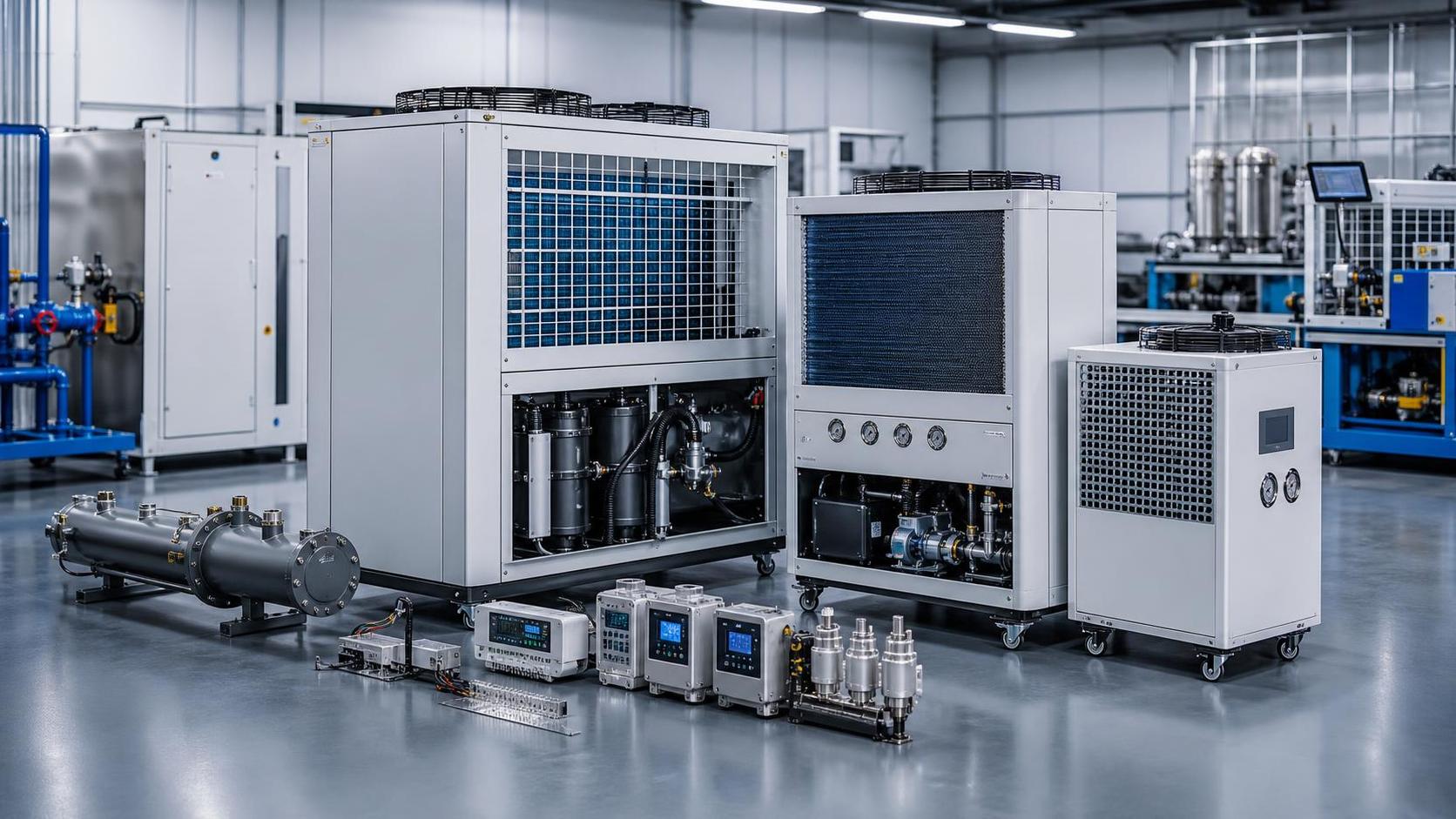
The initial cost of energy-efficient heat exchange for process cooling varies widely. Material choice, exchanger design, control integration, and installation constraints all matter.
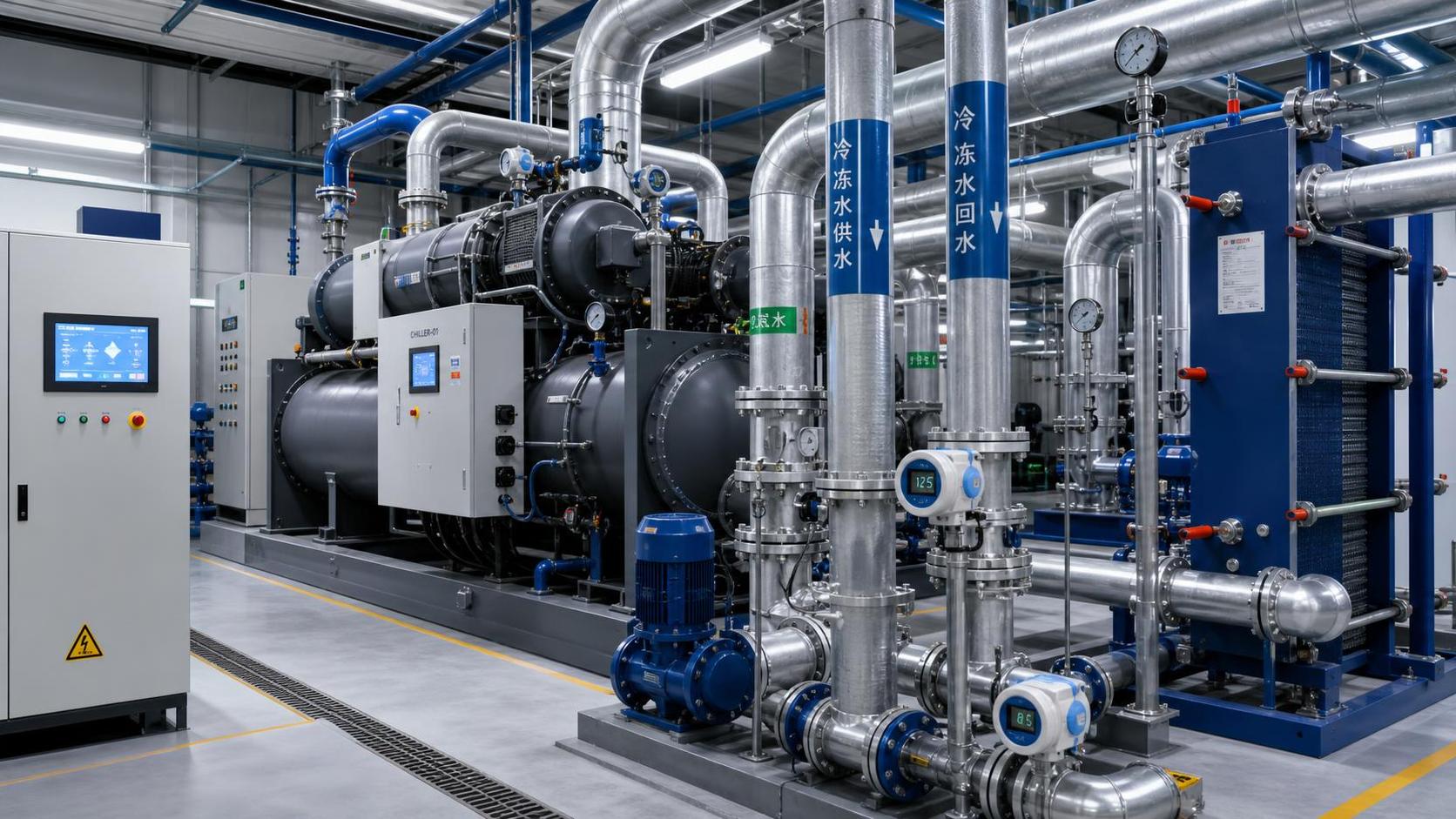
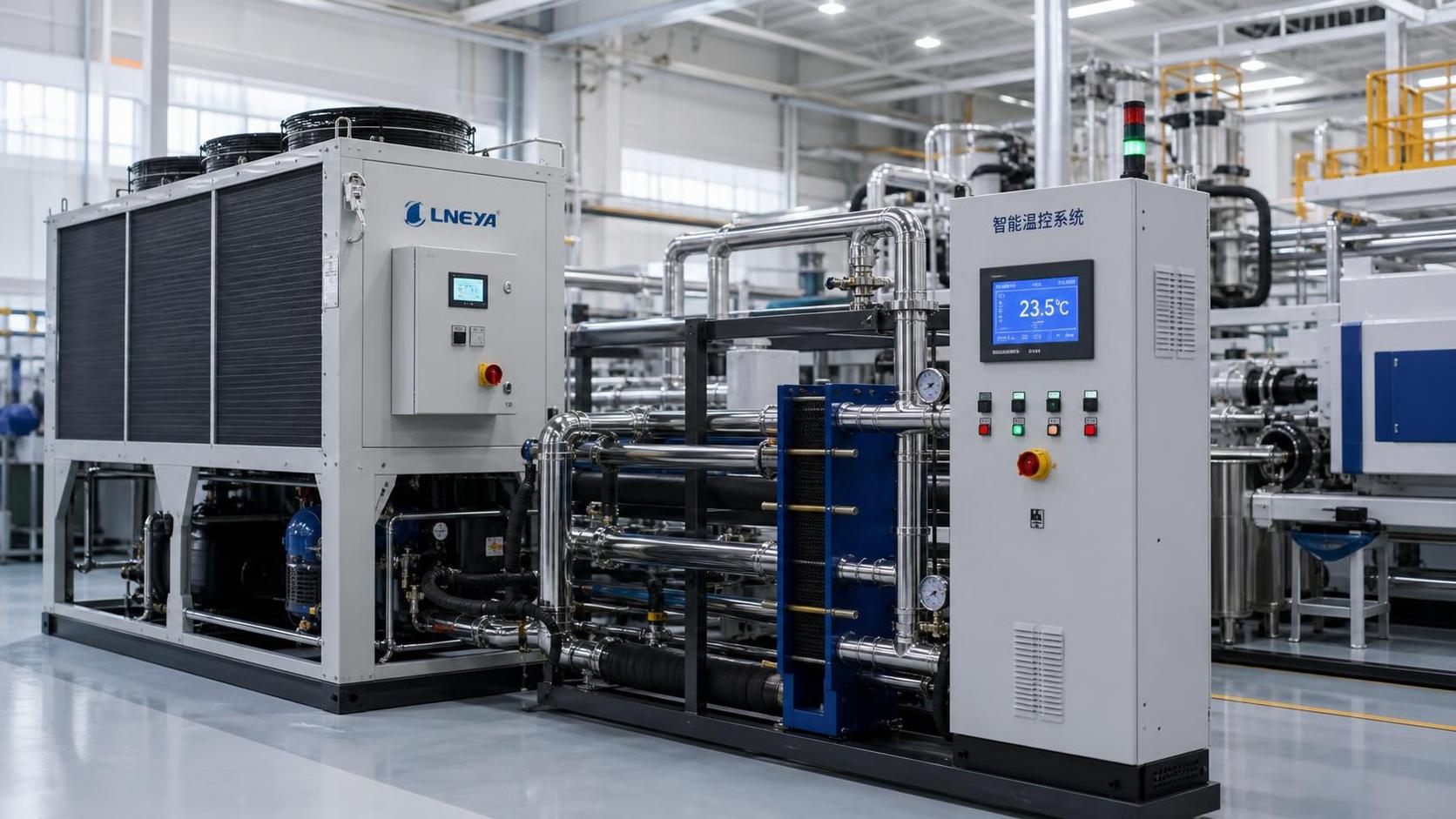
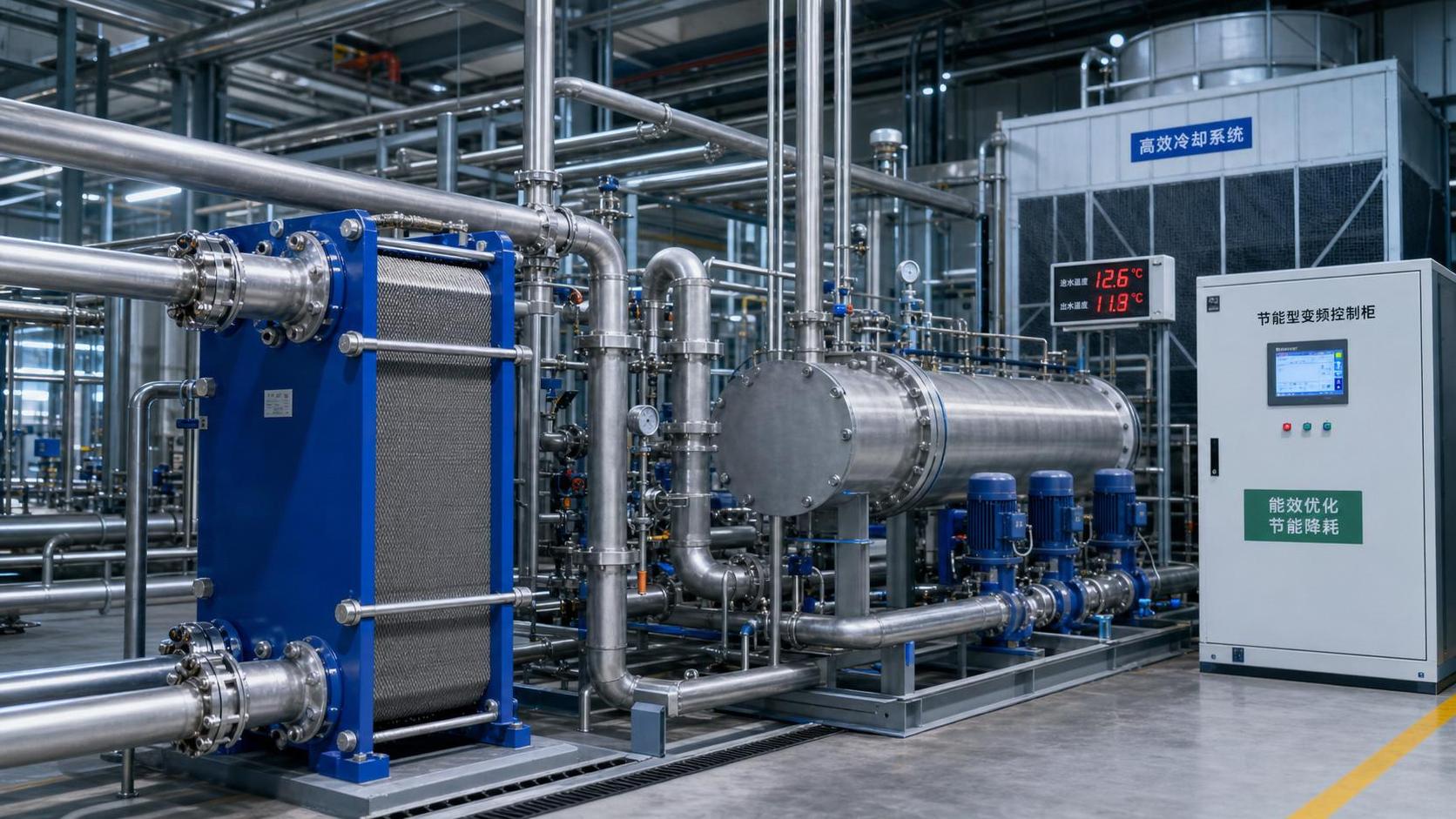
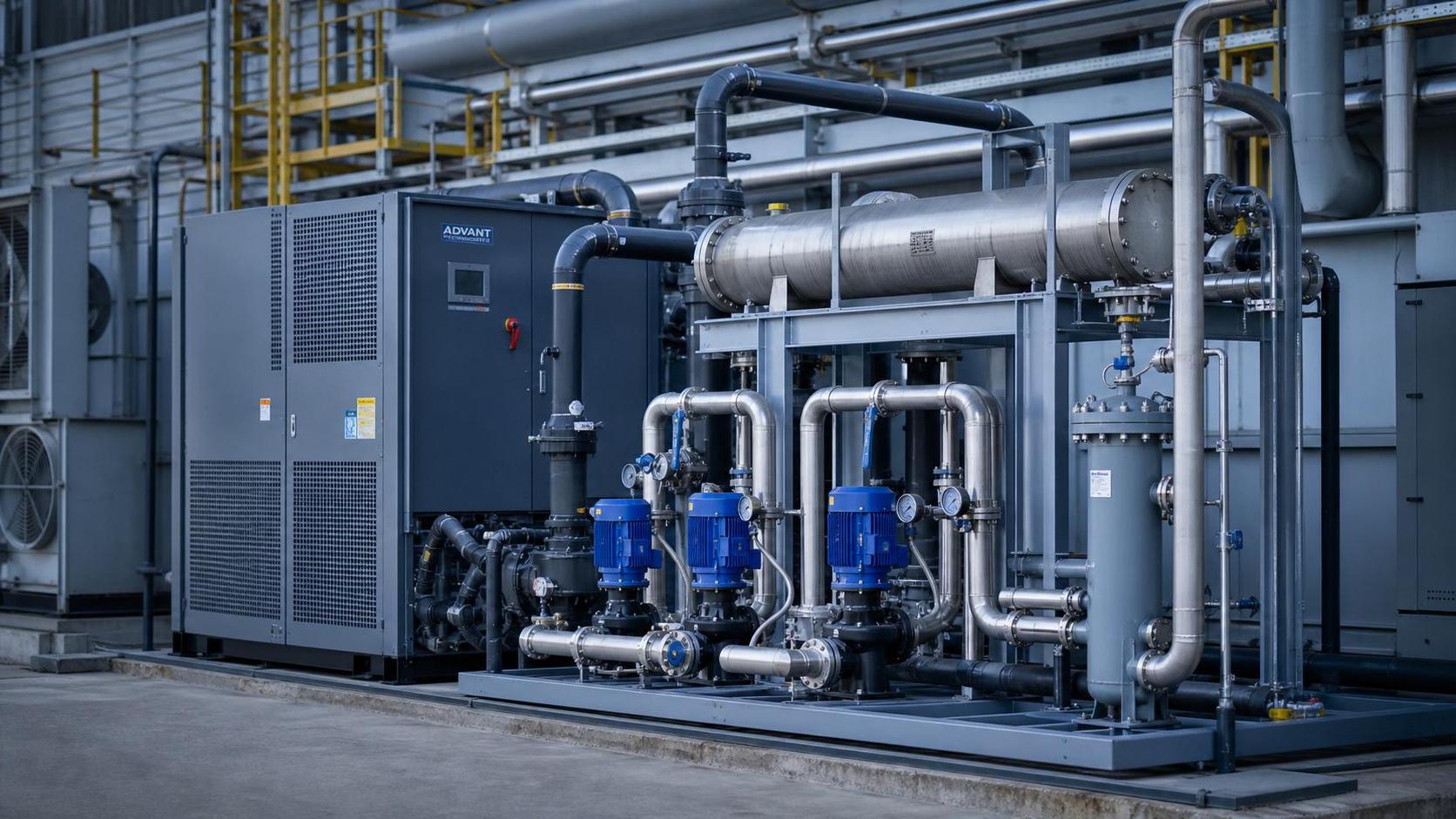
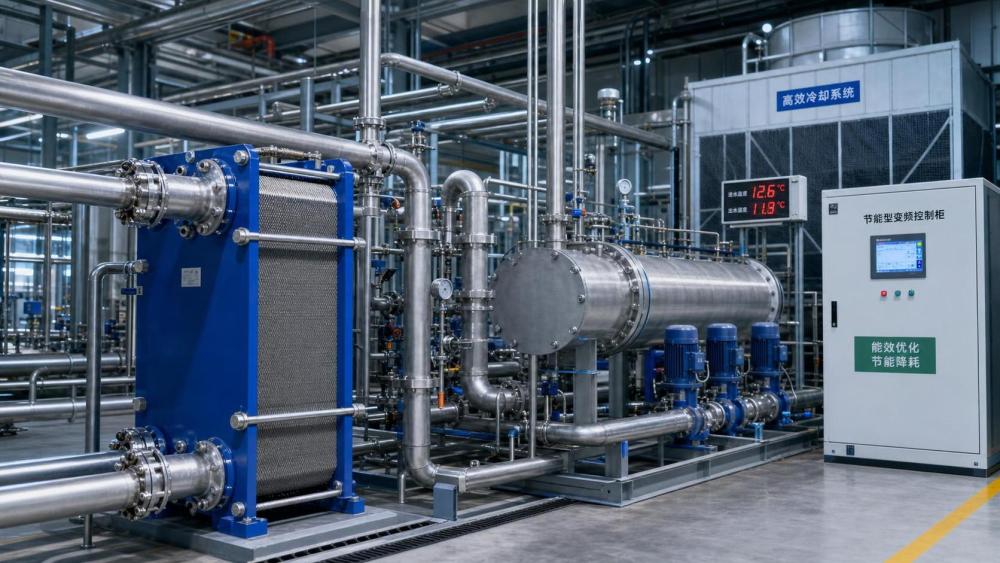
A plate heat exchanger may offer compactness and strong thermal performance. A shell-and-tube unit may better handle fouling, pressure, or difficult process fluids.
Microchannel and high-efficiency surface designs can improve heat transfer significantly. However, they may require higher specification standards or cleaner operating conditions.
Integration cost is another frequent surprise. Controls, piping changes, variable-speed drives, and commissioning often shape the real project budget.
Sites replacing a failed exchanger under time pressure usually pay more. Planned replacement during a shutdown window is typically less expensive and less disruptive.
- Core equipment cost
- Installation and pipework modifications
- Automation and monitoring upgrades
- Downtime during retrofit
- Water treatment or filtration improvements
These cost elements should be viewed together. A lower bid can become expensive later if it increases energy use or shortens service intervals.
Where Payback Really Comes From
Payback is often discussed too narrowly. Energy savings matter, but the full return from energy-efficient heat exchange for process cooling is broader.
The first source is lower electrical consumption. More effective heat transfer can reduce chiller load, compressor runtime, and pumping energy.
The second source is capacity gain. Efficient exchangers may support more throughput without expanding the entire cooling plant.
The third source is reliability. Stable cooling temperatures reduce scrap, off-spec batches, and thermal stress on sensitive equipment.
The fourth source is maintenance reduction. Better exchanger selection can limit fouling, reduce cleaning frequency, and extend asset life.
In actual operations, this means the payback window may be driven as much by avoided disruption as by utility savings alone.
Typical Payback Levers
- Reduced kWh consumption per cooling duty
- Lower peak demand charges
- Improved temperature consistency
- Higher process yield and less waste
- Less emergency maintenance
- Deferred expansion of chillers or utilities
How to Compare Options Without Oversimplifying
A sound comparison starts with operating reality, not brochure efficiency. Thermal duty, inlet conditions, fluid quality, fouling risk, and load variation must be mapped first.
Then compare energy-efficient heat exchange for process cooling options using the same baseline assumptions. Otherwise, the financial model becomes misleading.
Decision teams should ask how each design performs at partial load. Many systems spend more time there than at rated conditions.
It is also worth testing sensitivity to energy price changes. A project with a moderate return today may become highly attractive under future tariff pressure.
A disciplined model usually compares capital cost, annual savings, maintenance cost, and risk-adjusted production value. Simple ROI alone rarely tells the full story.
Common Mistakes That Distort Payback
One common mistake is focusing only on exchanger efficiency and ignoring the entire cooling system. Pumps, controls, chillers, and process loads interact continuously.
Another mistake is using ideal water quality assumptions. If fouling is likely, actual energy-efficient heat exchange for process cooling performance may drift quickly.
A third mistake is underpricing downtime. In high-value production, even a short interruption can outweigh months of utility savings.
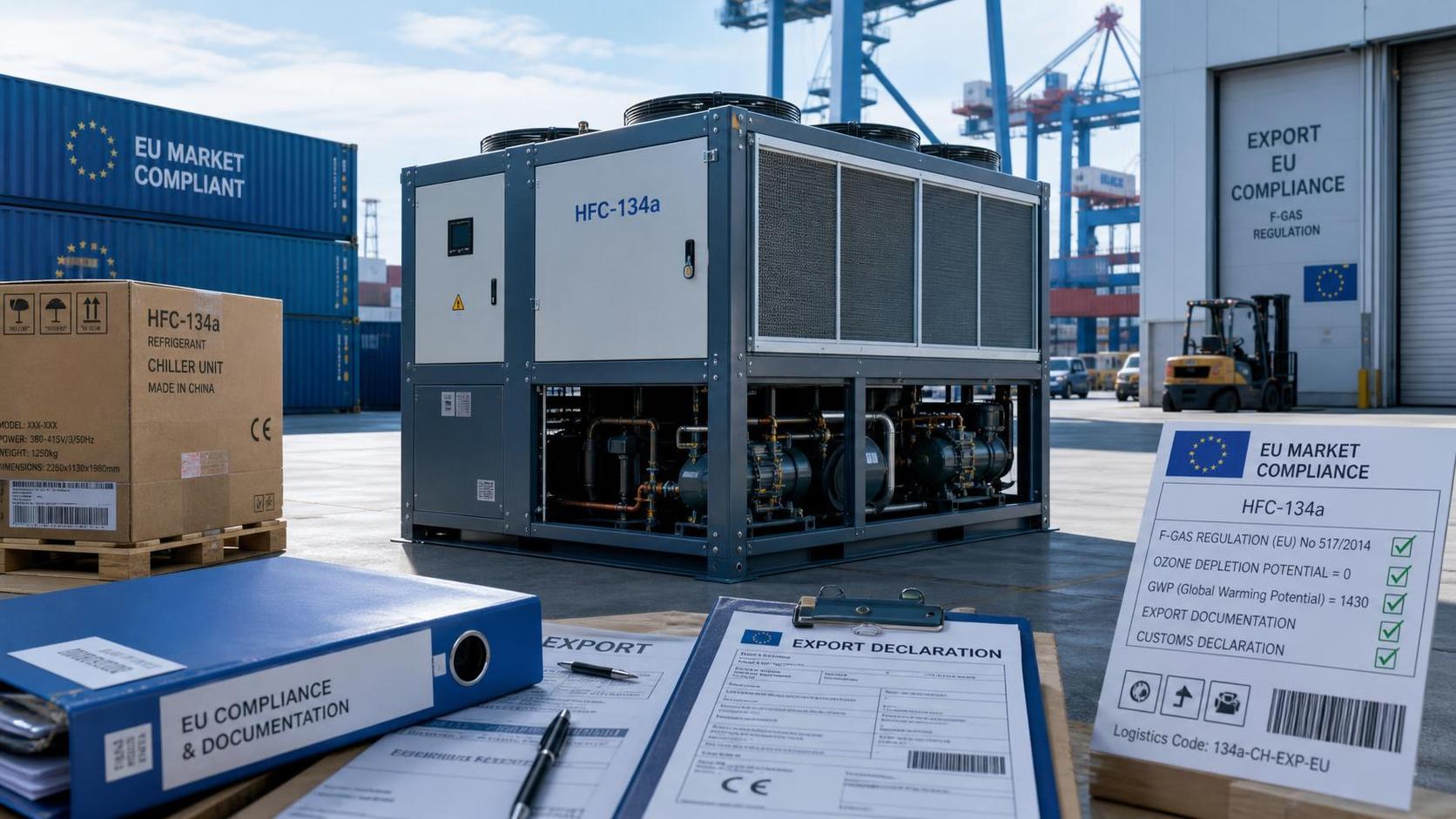
Some teams also ignore compliance trends. Refrigerant transitions, water constraints, and efficiency standards can change replacement timing and technology preference.
More broadly, low upfront cost can hide high operating drag. That pattern shows up often when specification discipline is weak.
Questions Worth Asking Suppliers
- What is the verified performance at partial load?
- How does the design respond to expected fouling conditions?
- What monitoring points are recommended for ongoing optimization?
- What cleaning interval assumptions support the payback estimate?
- Can the system support future production growth without major retrofit?
A Practical Decision Framework
A useful selection process for energy-efficient heat exchange for process cooling should stay simple, but not simplistic. Four steps are usually enough.
- Define thermal duty, load profile, fluid characteristics, and uptime requirements.
- Model at least three options with the same operating assumptions.
- Calculate total cost of ownership over a realistic asset horizon.
- Test sensitivity for electricity price, fouling rate, and production value.
This approach helps separate a good purchase from a good investment. It also creates clearer alignment between operations, engineering, procurement, and finance.
For many industrial sites, the strongest answer is not maximum efficiency at any price. It is the option with the best verified payback under real plant conditions.
That is where energy-efficient heat exchange for process cooling becomes a strategic asset. It supports lower cost, steadier output, and a more resilient operating model.
The next sensible move is a structured cooling audit. Once the thermal baseline is clear, cost versus payback becomes far easier to judge with confidence.
Related News
- How Smart Thermal Systems Improve Industrial Cooling EfficiencyAuthor :Cryogenic Systems Expert

- How to Choose Process Cooling Equipment for Stable Temperature ControlAuthor :Cryogenic Systems Expert

- EU Finalizes 2026 HFC Quota Cut for R-134a ChillersAuthor :Cryogenic Systems Expert

- EU Tightens HFC-134a Quotas for Industrial ChillersAuthor :Cryogenic Systems Expert

- REACH SVHC Update Pressures HFC-134a Chiller Supply ChainsAuthor :Cryogenic Systems Expert

- EU PFAS Coolant Ban Reshapes Chiller ExportsAuthor :Cryogenic Systems Expert

- EU REACH Restricts PFAS Cooling Media ImportsAuthor :Cryogenic Systems Expert

- EU Ecodesign Rule Takes Effect for Industrial ChillersAuthor :Cryogenic Systems Expert

- EU REACH Rule Takes Effect for PFAS in Industrial Cooling ExportsAuthor :Cryogenic Systems Expert

- Industrial Cooling for Plastic Processing: How to Size for Stable Cycle TimesAuthor :Cryogenic Systems Expert

- EU F-Gas Update Bars R404A/R507 in Commercial CoolingAuthor :Cryogenic Systems Expert

- DOE Raises Chiller Efficiency Standard From October 2026Author :Cryogenic Systems Expert

- India Mandates BIS Energy Certification for Industrial ChillersAuthor :Cryogenic Systems Expert

- Energy-Efficient Heat Exchange for Process Cooling: Cost vs PaybackAuthor :Cryogenic Systems Expert

- EPA R-134a Import Ban Takes Effect on July 13, 2026Author :Cryogenic Systems Expert

- India BIS Rule Takes Effect for Industrial ChillersAuthor :Cryogenic Systems Expert

- EPA Cuts R134a Import Quotas 20% From July 10Author :Cryogenic Systems Expert

- How to Compare Energy-Efficient Cooling Systems for Factory Expansion ProjectsAuthor :Cryogenic Systems Expert

- Chiller Price Index Rises 11.3% in Q2Author :Cryogenic Systems Expert

- Saudi SASO Tightens Chiller Import Compliance From July 10Author :Cryogenic Systems Expert

- Dubai Opens Fast-Track Chiller TendersAuthor :Cryogenic Systems Expert

- Japan Raises Chiller COP Floor to 6.2 From Sept. 1Author :Cryogenic Systems Expert
![]()
- Compact Thermal Management in Smart Devices: Common Failure RisksAuthor :Cryogenic Systems Expert

- Thermal Management for Batteries: Cooling Methods ComparedAuthor :Cryogenic Systems Expert

- How Compact Thermal Design Extends Smart Device UptimeAuthor :Cryogenic Systems Expert

- Shanghai-Rotterdam Reefer Rates Jump 37% in a WeekAuthor :Cryogenic Systems Expert

- Process Cooling Equipment Low Maintenance: What Cuts Downtime Over 5 Years?Author :Cryogenic Systems Expert

- Semiconductor Cooling Solutions: Which Design Works Best for High-Density Tools?Author :Cryogenic Systems Expert

- Semiconductor Thermal Management Systems: Preventing Yield Loss from Heat DriftAuthor :Cryogenic Systems Expert

- EPA Clears R-1234ze(E) for Industrial ChillersAuthor :Cryogenic Systems Expert
 for Industrial Chillers")
- DOE Raises Chiller IEER Floor to 12.8 From Oct. 2026Author :Cryogenic Systems Expert

- Singapore Refrigeration Show Adds Green Compliance HubAuthor :Cryogenic Systems Expert

- How Food Industry Temperature Control Systems Reduce Product LossAuthor :Cryogenic Systems Expert

- EU REACH Adds 12 SVHCs, Raising Chiller Compliance RiskAuthor :Cryogenic Systems Expert

- Precision Temperature Control Air Cooling: Key Setup Mistakes That Reduce StabilityAuthor :Cryogenic Systems Expert

- India BEE Eyes APF Labels for Imported ChillersAuthor :Cryogenic Systems Expert