



Industrial Cooling vs Chillers: Which Fit Is Better for Your Process?




Industrial Cooling vs Chillers: Which Fit Is Better for Your Process?
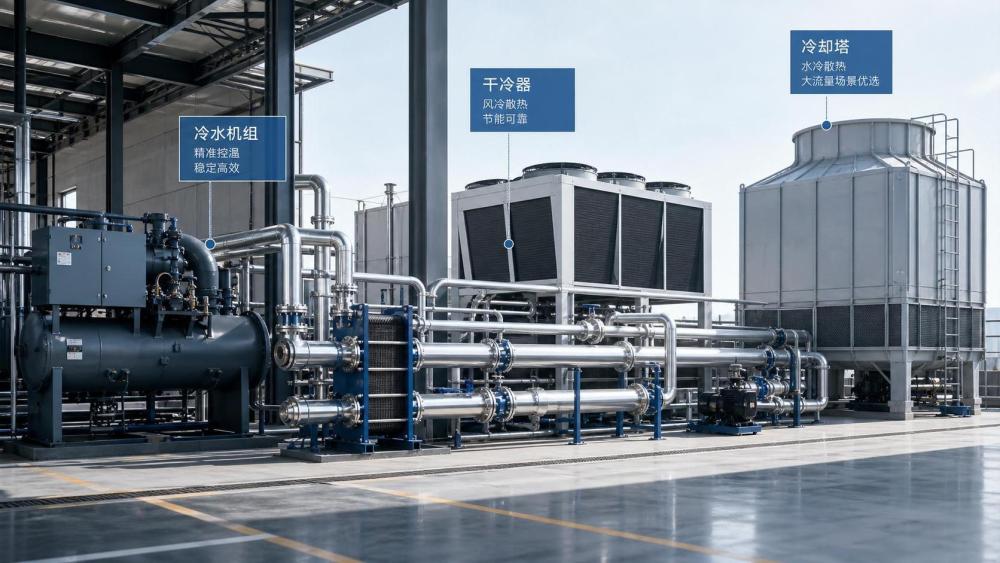
Choosing between industrial cooling systems and chillers can shape uptime, product quality, and total operating cost.
That choice becomes even more important when thermal loads change fast or process tolerances stay tight.
In practice, many teams use the term industrial cooling as a broad category.
Chillers sit inside that category, but they are not the only option.
Cooling towers, dry coolers, evaporative systems, and hybrid loops also belong in the industrial cooling discussion.
The right answer depends on load profile, water temperature target, ambient conditions, and control precision.
This guide breaks down how industrial cooling compares with chillers, where each fits best, and what to evaluate before buying.
Start With the Core Difference
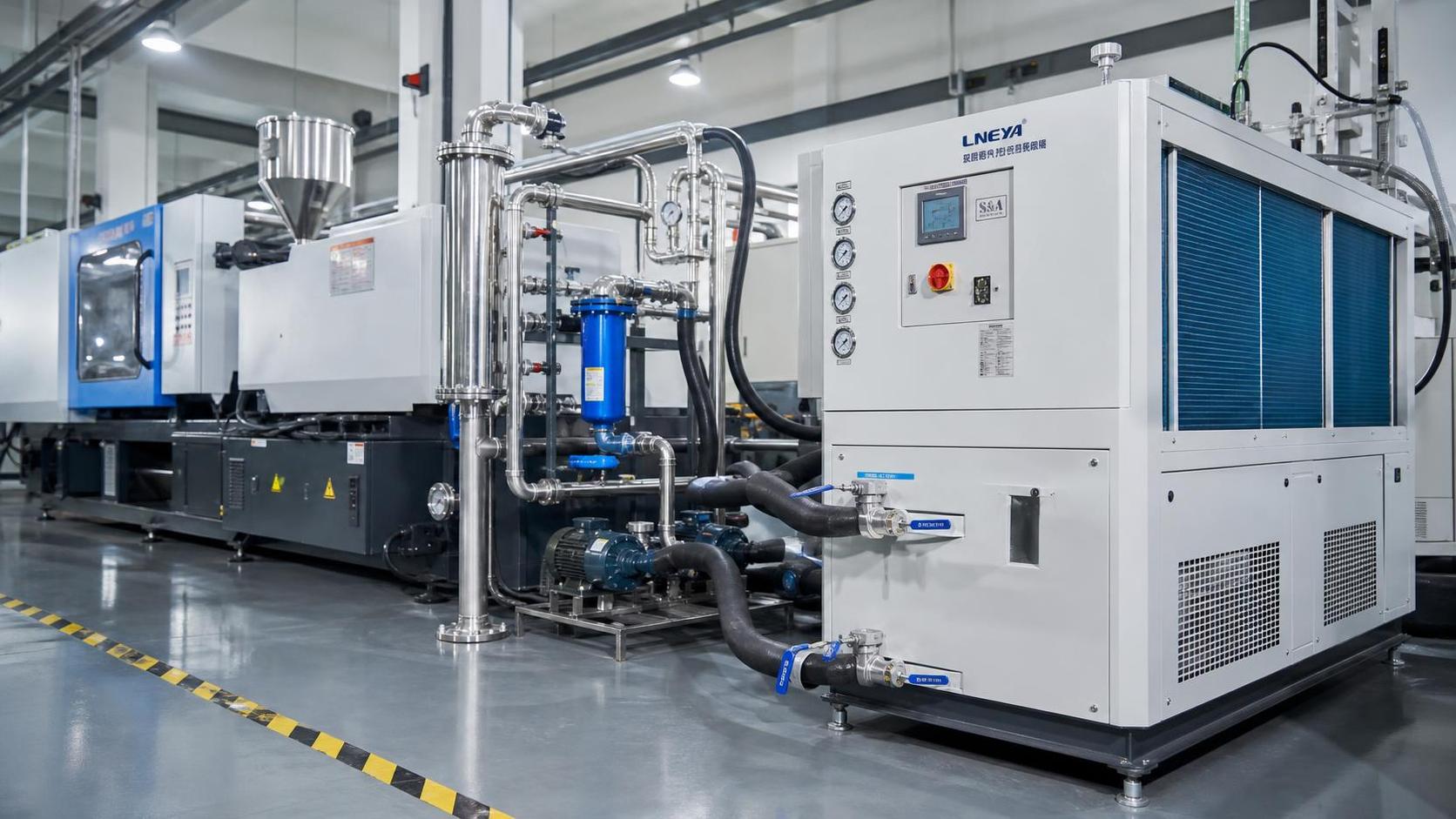
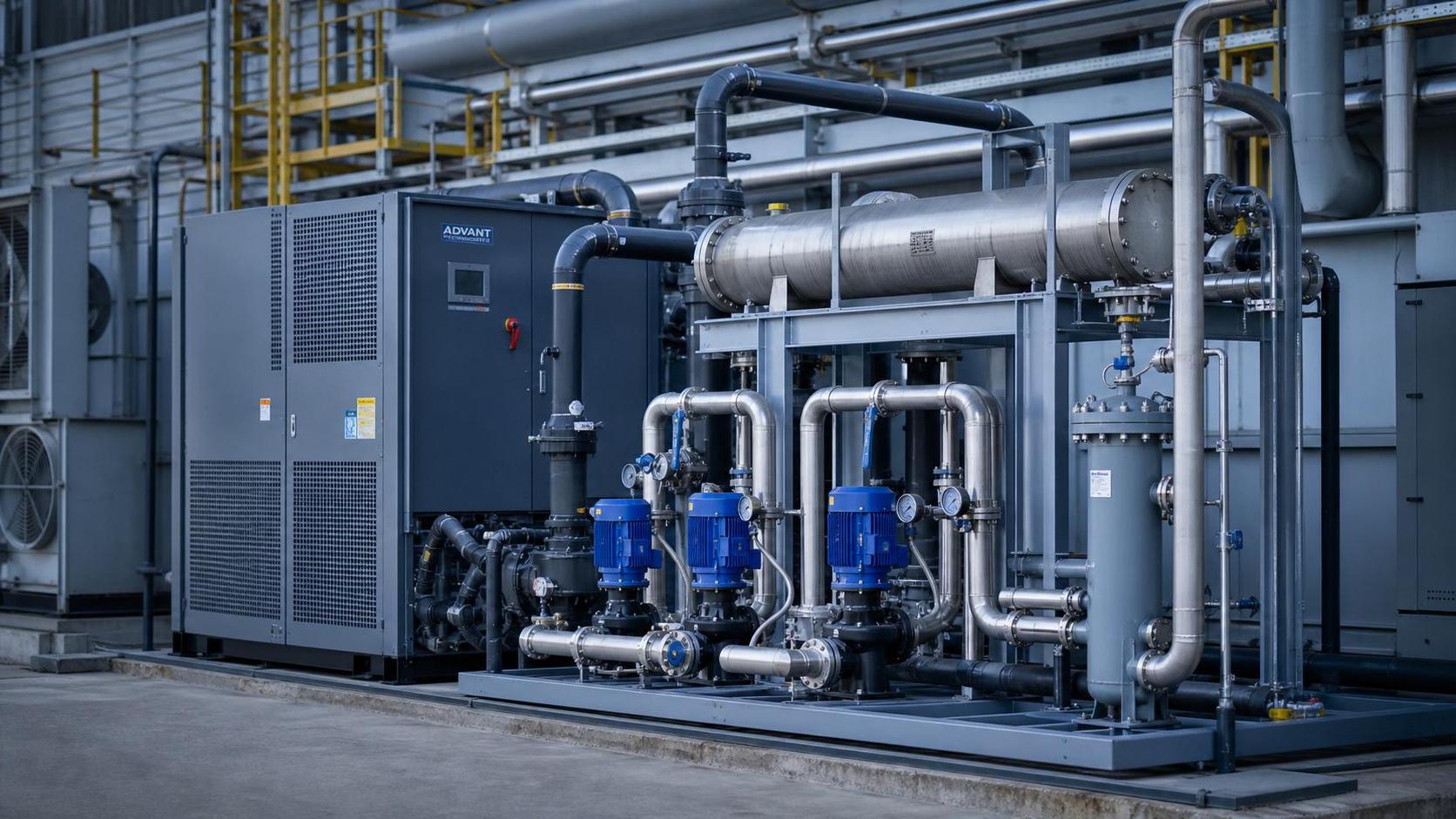
Industrial cooling describes the full set of technologies used to remove heat from equipment, products, or process media.
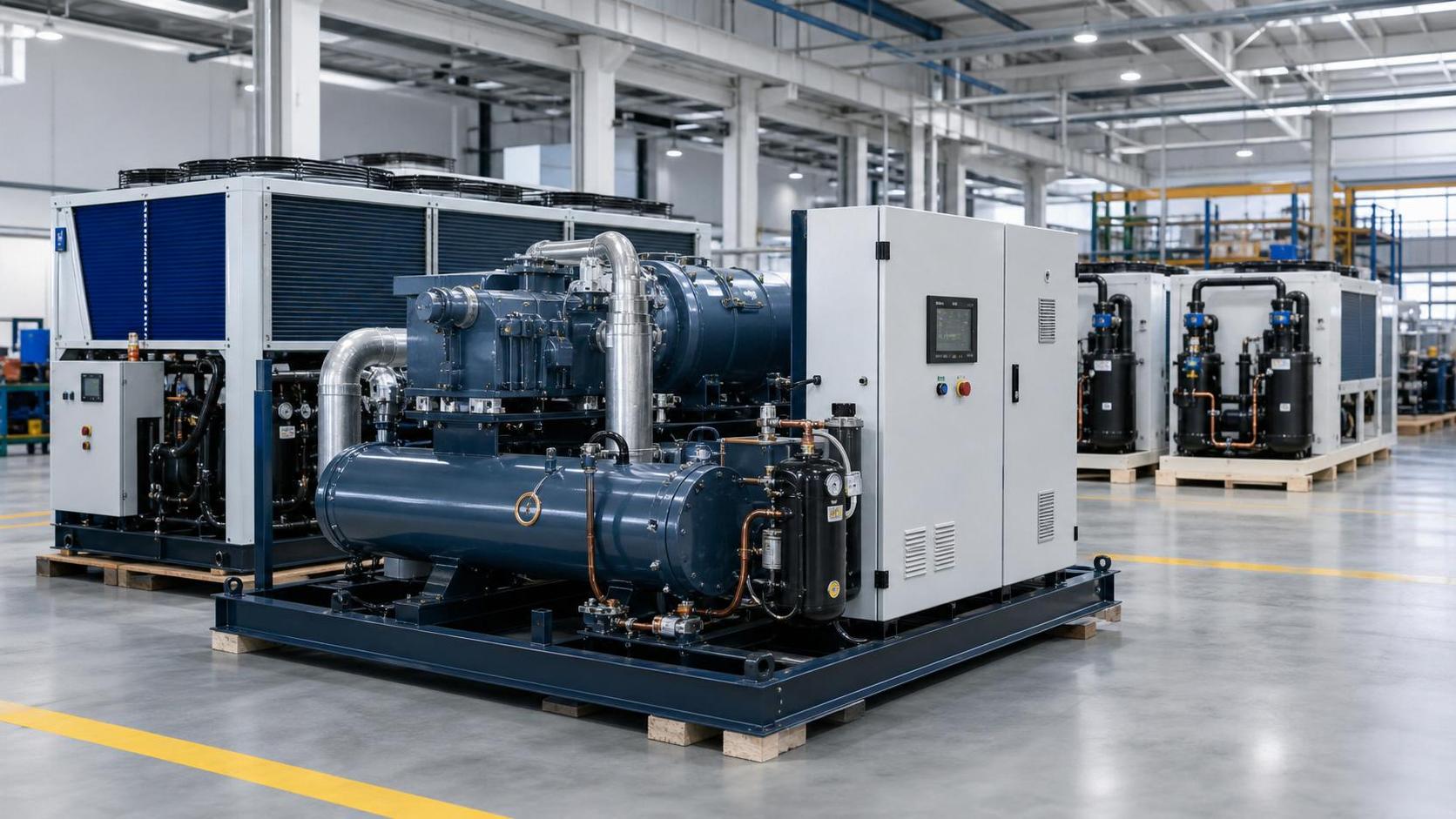
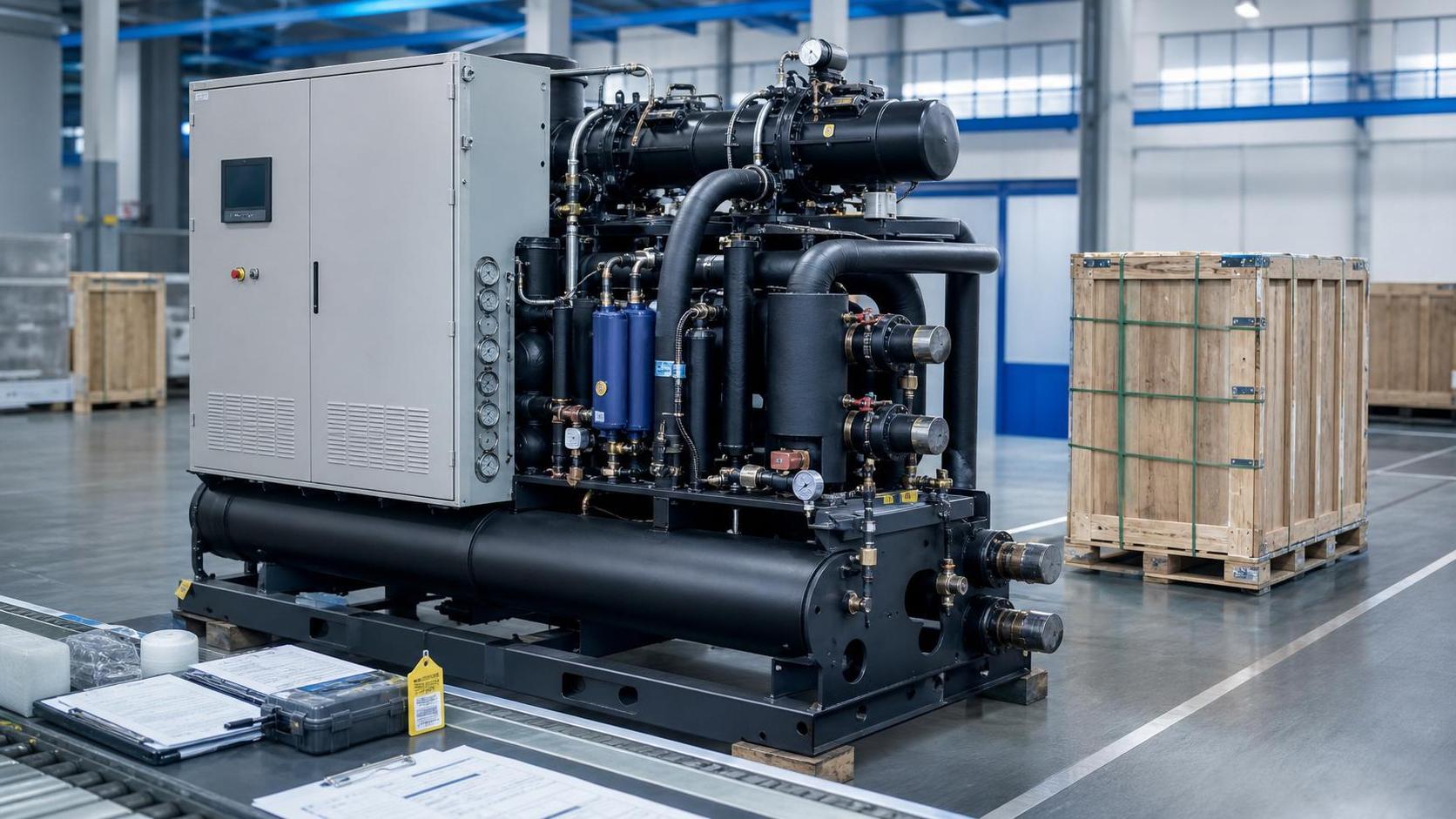
A chiller is one specific industrial cooling solution.
It uses a refrigeration cycle to deliver fluid at a controlled low temperature.
That distinction matters because not every process needs refrigeration-based cooling.
Some plants only need to reject heat to ambient air or cooling water.
Others need stable outlet temperatures regardless of weather, load swings, or production batch changes.
When that happens, chillers usually move to the front of the shortlist.
A simple working definition
- Industrial cooling: the broader thermal management strategy for a plant or process.
- Chiller: a dedicated unit delivering controlled chilled liquid, usually water or water-glycol.
- Open-loop cooling: often lower cost, but more exposed to ambient shifts and water quality issues.
- Closed-loop cooling: better protection, cleaner circulation, and easier process control.
When Industrial Cooling Systems Make More Sense
Industrial cooling does not always mean buying a chiller.
If your process can tolerate higher fluid temperatures, simpler systems may perform better financially.
A dry cooler or cooling tower can remove large heat loads with lower mechanical complexity.
This is common in metal processing, utility loops, compressors, and some power applications.
The strongest case appears when required outlet temperature stays close to ambient wet-bulb or dry-bulb conditions.
That means industrial cooling can meet the duty without the energy penalty of refrigeration.
Best-fit conditions
- Large continuous heat loads with modest temperature precision.
- Processes that can accept seasonal temperature drift.
- Facilities with strong water treatment and maintenance capability.
- Projects where first cost and simple expansion matter more than exact control.
Another practical advantage is scalability.
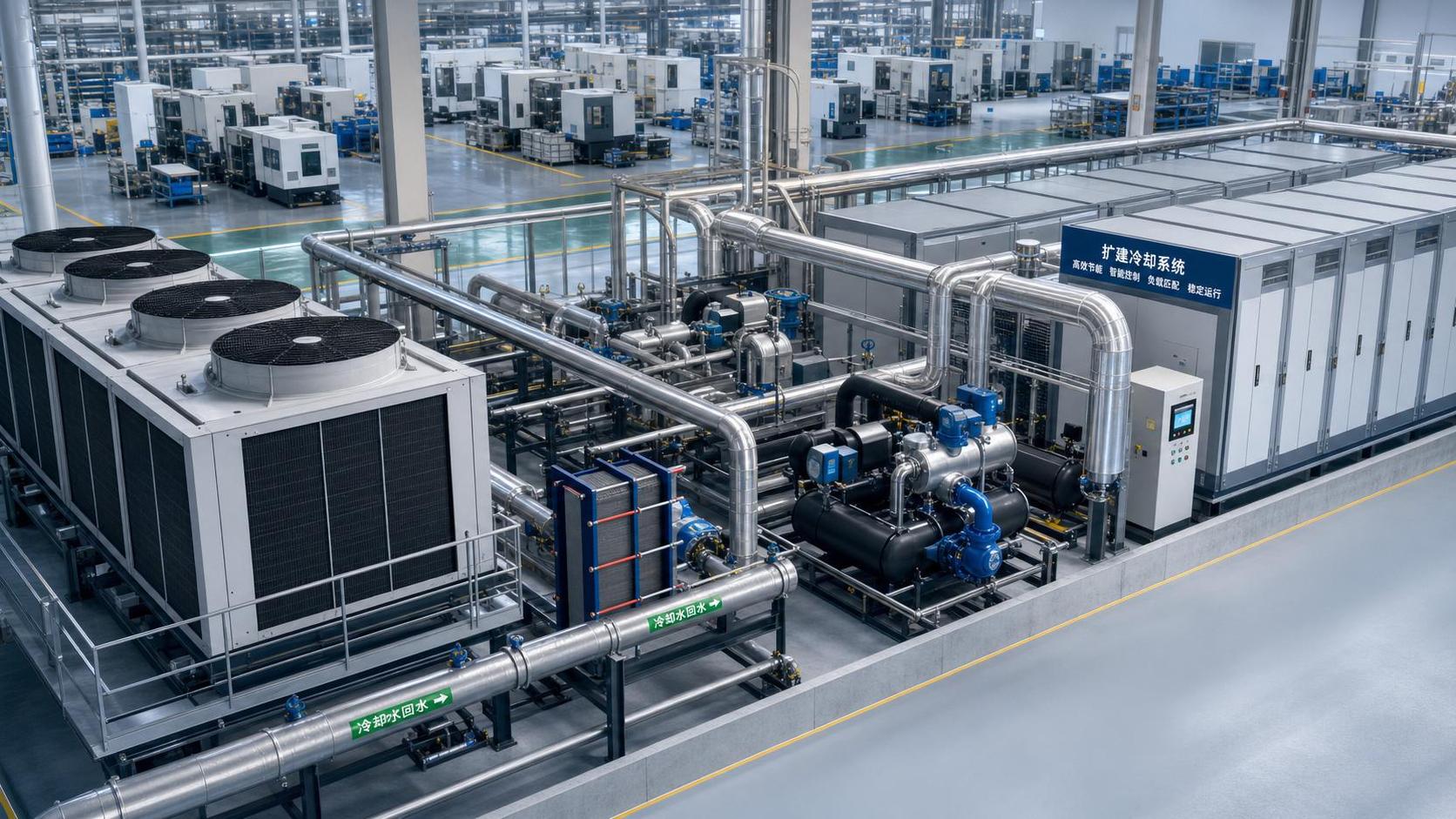
Broader industrial cooling setups often let plants add pumps, heat exchangers, or tower cells in stages.
That can be useful when production growth is uncertain.
When a Chiller Is the Better Choice
A chiller becomes the better fit when the process needs tight temperature control.
That is especially true in plastics, pharmaceuticals, semiconductors, food processing, and precision coating lines.
These operations often depend on repeatable cooling conditions, not just heat removal.
If water temperature drifts too much, cycle times, viscosity, dimensional stability, or product yield can suffer.
A chiller reduces that risk by decoupling process temperature from weather swings.
Typical reasons to choose a chiller
- The process needs chilled fluid below ambient conditions.
- Temperature stability directly affects quality or compliance.
- Load swings are sharp and frequent.
- The plant needs closed-loop cleanliness and lower contamination risk.
- Waste reduction matters more than minimum first cost.
More importantly, modern chillers offer stronger control integration.
Variable-speed compressors, smart controls, and remote monitoring improve part-load performance.
That can narrow the energy gap between a chiller and simpler industrial cooling methods.
Compare by Process Requirement, Not by Product Name
A better evaluation starts with process conditions, not supplier categories.
In real projects, the wrong cooling choice often comes from incomplete load definition.
Before comparing industrial cooling options, map these six variables clearly.
- Required supply temperature and allowable temperature deviation.
- Peak load, average load, and seasonal load shifts.
- Ambient air, cooling water, and installation conditions.
- Fluid quality, fouling risk, and contamination sensitivity.
- Expansion plans, redundancy needs, and maintenance resources.
- Energy price profile and operating hours.
These points quickly reveal whether industrial cooling should stay simple or move toward refrigeration.
They also help avoid oversizing, which remains one of the most expensive specification mistakes.
A Side-by-Side Decision View
This comparison shows why industrial cooling decisions should stay application-led.
The lower-cost option on paper may become the higher-cost option after scrap, downtime, or unstable output.
Watch the Hidden Cost Drivers
Energy matters, but it is not the only line item.
A smart industrial cooling review should include hidden operational costs.
- Water treatment, scale removal, and biological control.
- Production losses caused by unstable temperature.
- Maintenance labor, spare parts, and service availability.
- Refrigerant compliance, leak management, and future regulations.
- Pump energy, fan energy, and part-load efficiency.
From a lifecycle view, chillers often justify themselves when process variability is expensive.
On the other hand, industrial cooling without refrigeration can win when the process is robust and ambient conditions are favorable.
This is where total cost of ownership becomes more useful than equipment price alone.
A Practical Selection Path
If the decision still feels close, use a short screening sequence.
- Define the actual process temperature window, not the assumed one.
- Separate average load from peak load and transient spikes.
- Test whether ambient-based industrial cooling can meet summer conditions.
- Quantify the cost of one hour of unstable production.
- Compare closed-loop chiller options with hybrid industrial cooling designs.
- Review maintenance skills, site utilities, and future expansion needs.
In many cases, the answer is not strictly one or the other.
A hybrid industrial cooling setup may use free cooling during mild seasons and chillers during peak demand.
That approach can balance precision, resilience, and energy savings.
Final Takeaway
Industrial cooling is the bigger framework.
Chillers are the stronger tool when your process depends on precise, repeatable thermal control.
If the process can live with wider temperature variation, broader industrial cooling methods may deliver better economics.
The best decision comes from matching thermal reality, not labels, to the right system architecture.
Start with load, tolerance, ambient limits, and lifecycle cost.
Once those are clear, the right industrial cooling path usually becomes obvious and easier to defend internally.
Related News
- How to Compare Semiconductor Cooling Solutions by Heat Load and Uptime RiskAuthor :Cryogenic Systems Expert

- EU Label Deadline Hits China Chiller ExportsAuthor :Cryogenic Systems Expert

- How Smart Thermal Systems Improve Industrial Cooling EfficiencyAuthor :Cryogenic Systems Expert

- How to Choose Process Cooling Equipment for Stable Temperature ControlAuthor :Cryogenic Systems Expert

- EU Finalizes 2026 HFC Quota Cut for R-134a ChillersAuthor :Cryogenic Systems Expert

- EU Tightens HFC-134a Quotas for Industrial ChillersAuthor :Cryogenic Systems Expert

- REACH SVHC Update Pressures HFC-134a Chiller Supply ChainsAuthor :Cryogenic Systems Expert

- EU PFAS Coolant Ban Reshapes Chiller ExportsAuthor :Cryogenic Systems Expert

- EU REACH Restricts PFAS Cooling Media ImportsAuthor :Cryogenic Systems Expert

- EU Ecodesign Rule Takes Effect for Industrial ChillersAuthor :Cryogenic Systems Expert

- EU REACH Rule Takes Effect for PFAS in Industrial Cooling ExportsAuthor :Cryogenic Systems Expert

- Industrial Cooling for Plastic Processing: How to Size for Stable Cycle TimesAuthor :Cryogenic Systems Expert

- EU F-Gas Update Bars R404A/R507 in Commercial CoolingAuthor :Cryogenic Systems Expert

- DOE Raises Chiller Efficiency Standard From October 2026Author :Cryogenic Systems Expert

- India Mandates BIS Energy Certification for Industrial ChillersAuthor :Cryogenic Systems Expert

- Energy-Efficient Heat Exchange for Process Cooling: Cost vs PaybackAuthor :Cryogenic Systems Expert

- EPA R-134a Import Ban Takes Effect on July 13, 2026Author :Cryogenic Systems Expert

- India BIS Rule Takes Effect for Industrial ChillersAuthor :Cryogenic Systems Expert

- EPA Cuts R134a Import Quotas 20% From July 10Author :Cryogenic Systems Expert

- How to Compare Energy-Efficient Cooling Systems for Factory Expansion ProjectsAuthor :Cryogenic Systems Expert

- Chiller Price Index Rises 11.3% in Q2Author :Cryogenic Systems Expert

- Saudi SASO Tightens Chiller Import Compliance From July 10Author :Cryogenic Systems Expert

- Dubai Opens Fast-Track Chiller TendersAuthor :Cryogenic Systems Expert

- Japan Raises Chiller COP Floor to 6.2 From Sept. 1Author :Cryogenic Systems Expert
![]()
- Compact Thermal Management in Smart Devices: Common Failure RisksAuthor :Cryogenic Systems Expert

- Thermal Management for Batteries: Cooling Methods ComparedAuthor :Cryogenic Systems Expert

- How Compact Thermal Design Extends Smart Device UptimeAuthor :Cryogenic Systems Expert

- Shanghai-Rotterdam Reefer Rates Jump 37% in a WeekAuthor :Cryogenic Systems Expert

- Process Cooling Equipment Low Maintenance: What Cuts Downtime Over 5 Years?Author :Cryogenic Systems Expert

- Semiconductor Cooling Solutions: Which Design Works Best for High-Density Tools?Author :Cryogenic Systems Expert

- Semiconductor Thermal Management Systems: Preventing Yield Loss from Heat DriftAuthor :Cryogenic Systems Expert

- EPA Clears R-1234ze(E) for Industrial ChillersAuthor :Cryogenic Systems Expert
 for Industrial Chillers")
- DOE Raises Chiller IEER Floor to 12.8 From Oct. 2026Author :Cryogenic Systems Expert

- Singapore Refrigeration Show Adds Green Compliance HubAuthor :Cryogenic Systems Expert

- How Food Industry Temperature Control Systems Reduce Product LossAuthor :Cryogenic Systems Expert

- EU REACH Adds 12 SVHCs, Raising Chiller Compliance RiskAuthor :Cryogenic Systems Expert