



How to Choose Industrial Cooling Solutions for High-Load Facilities




Choosing industrial cooling solutions for high-load facilities is rarely a simple equipment comparison. It shapes energy use, uptime stability, maintenance exposure, and expansion flexibility across the whole operation.
In sectors with dense process heat, even a small mismatch in cooling capacity can trigger production losses, quality drift, or premature component wear. That is why selection now depends on both thermal performance and commercial judgment.
From the perspective of GTC-Matrix, the issue sits at the intersection of thermodynamics, power efficiency, and industrial risk control. Better decisions come from reading load patterns, technology trends, refrigerant changes, and lifecycle economics together.
Why high-load cooling decisions carry more weight
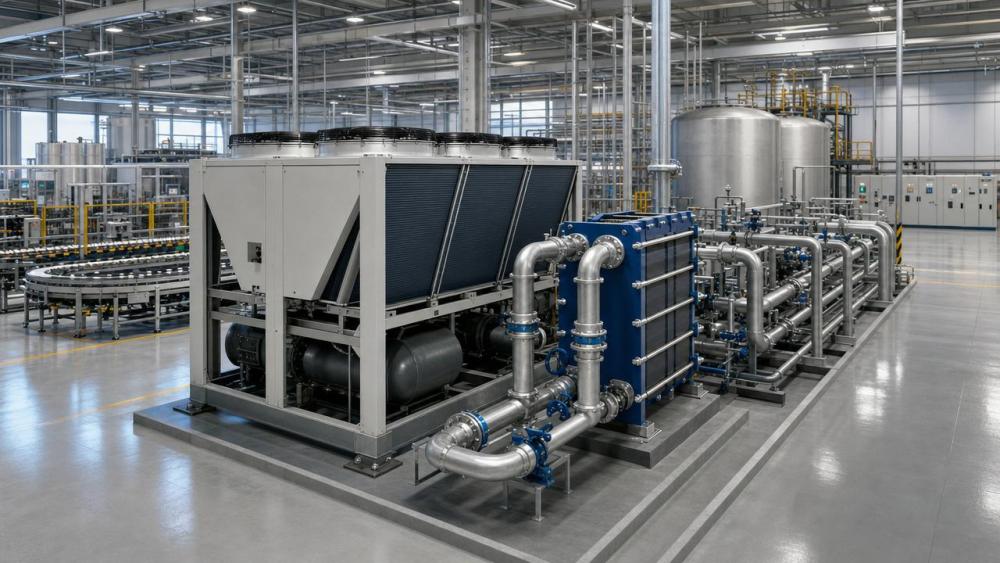
High-load facilities operate with little room for thermal instability. Heat generated by compressors, process lines, power electronics, reactors, cleanroom systems, or packaging lines can rise quickly and unevenly.
That makes industrial cooling solutions more than a utility purchase. They become part of production assurance, product consistency, and energy strategy.
This matters across a broad industrial base. Pharmaceutical plants need narrow temperature control. Semiconductor environments need stable cooling without contamination risk. Food processing needs reliable heat removal during continuous shifts.
The same pressure appears in metalworking, chemicals, logistics refrigeration, and battery manufacturing. Different processes create different heat profiles, but the selection challenge is similar: match cooling design to actual operational stress.
What industrial cooling solutions really include
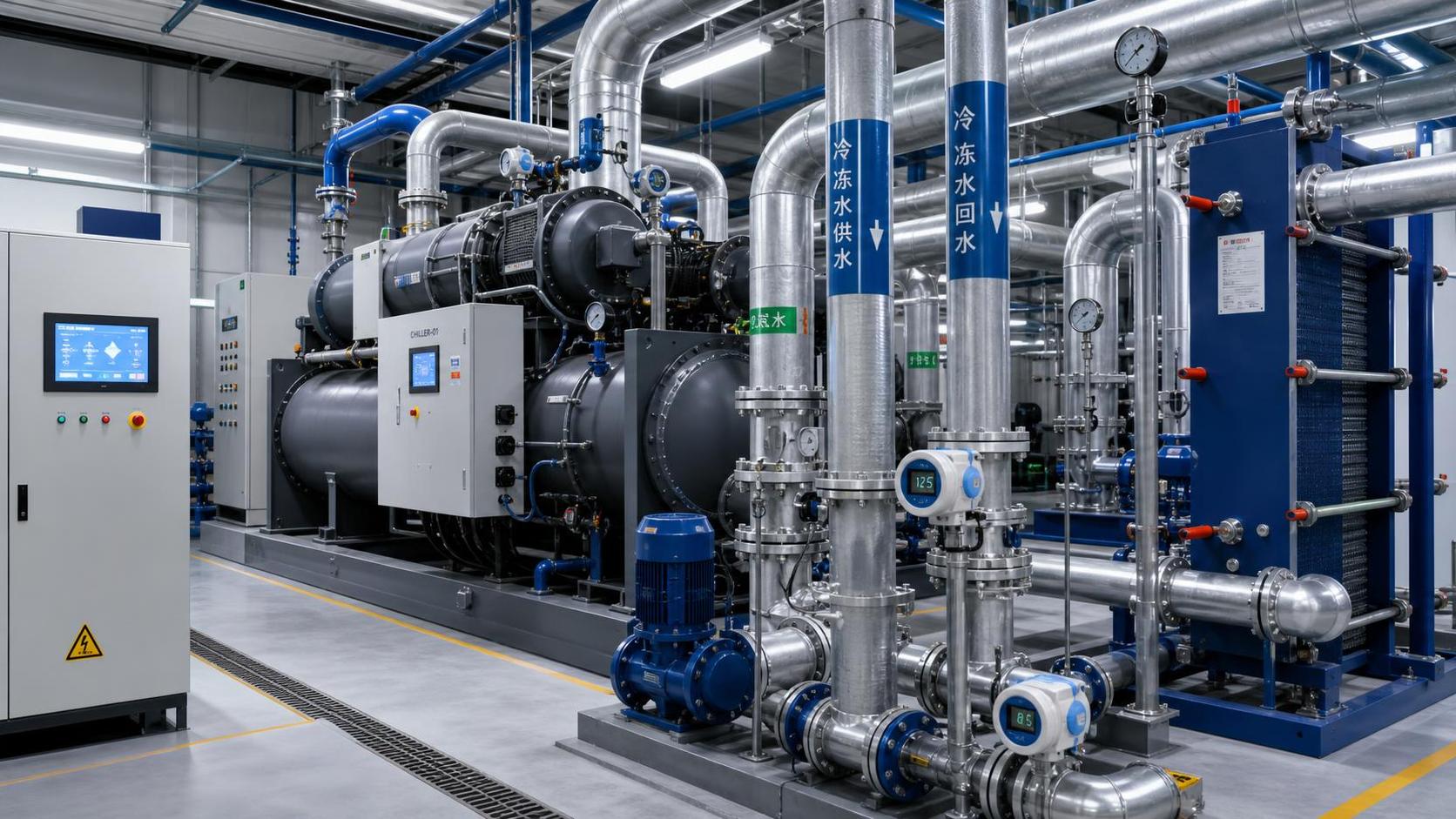
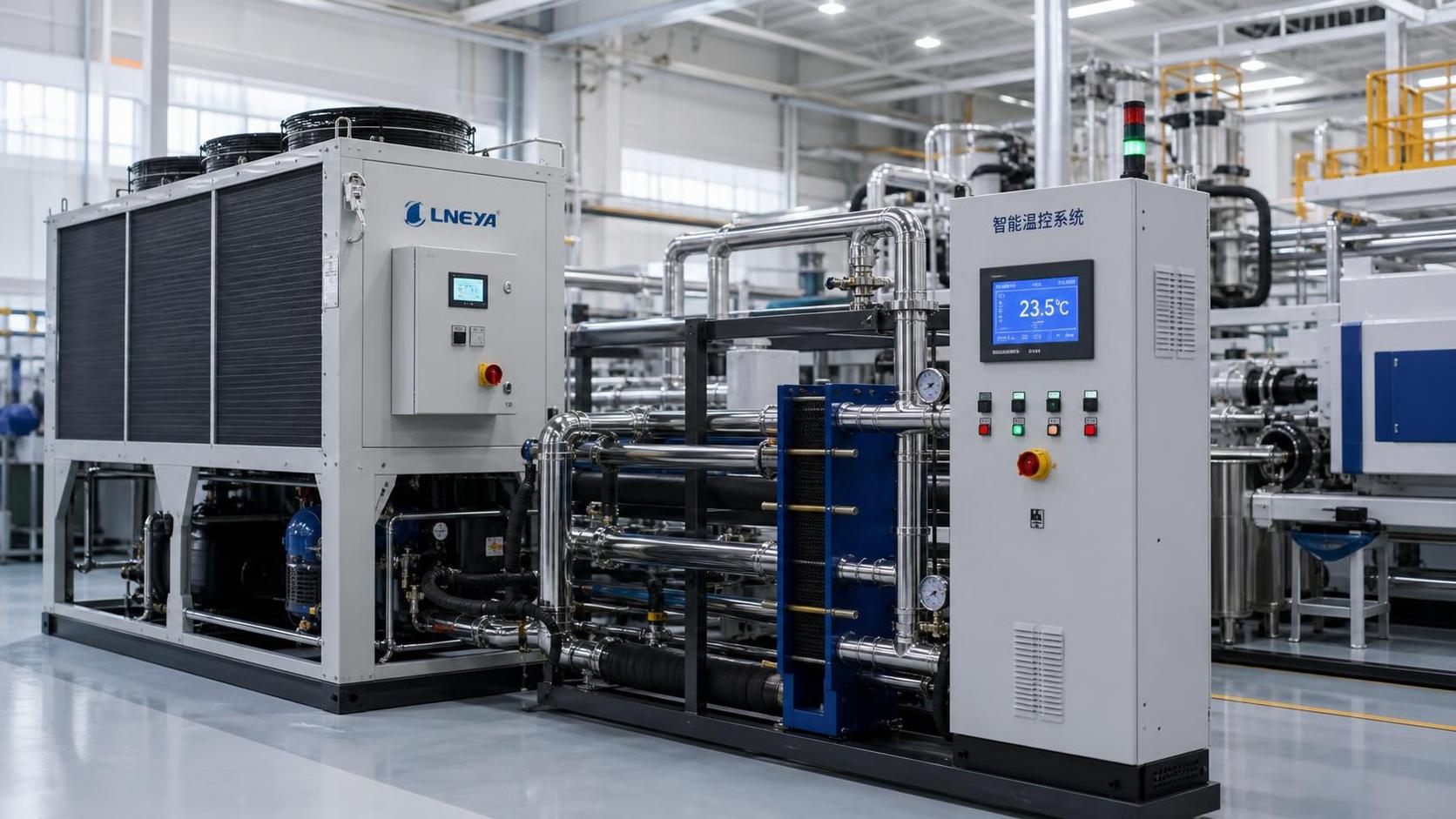
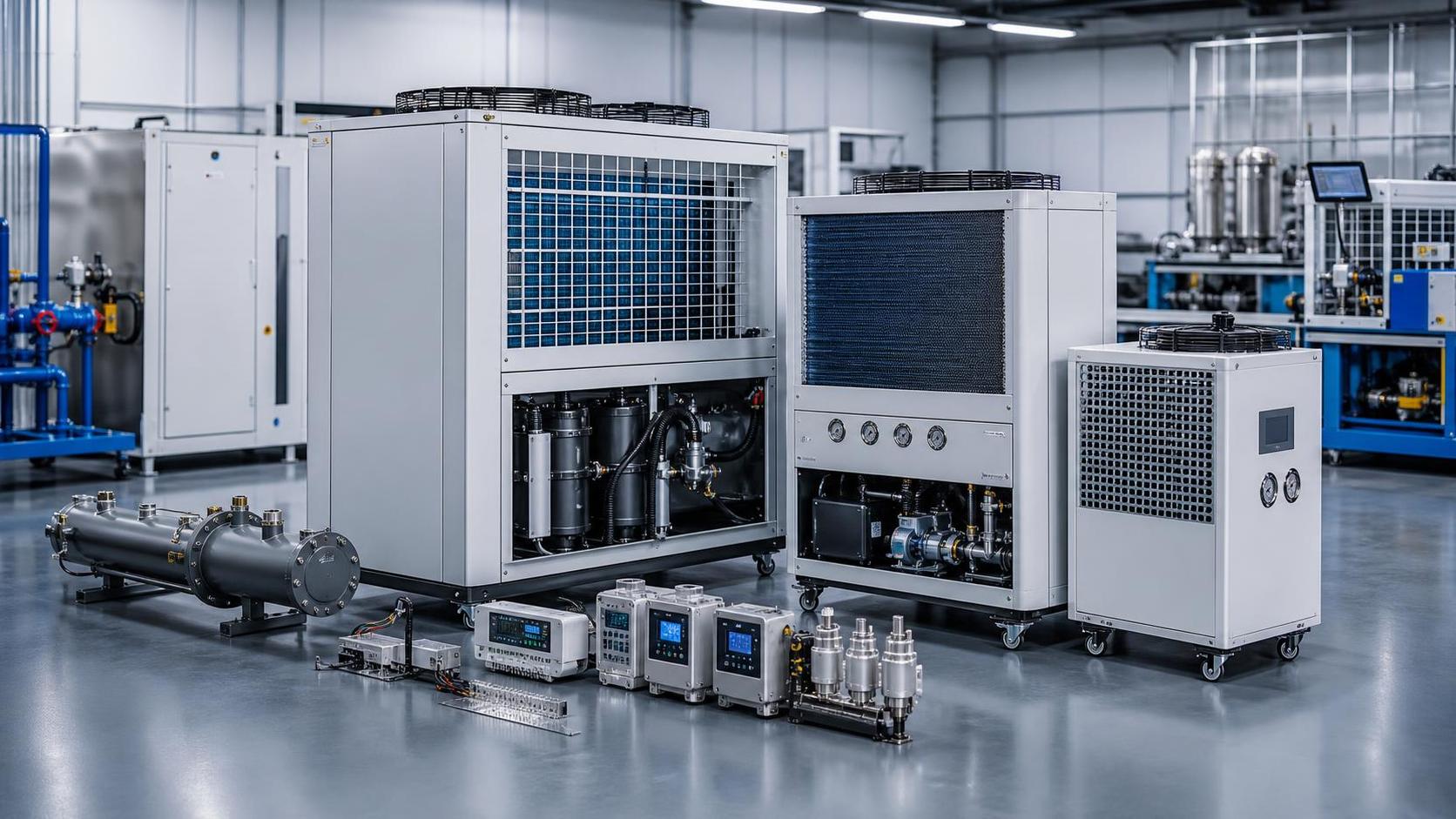
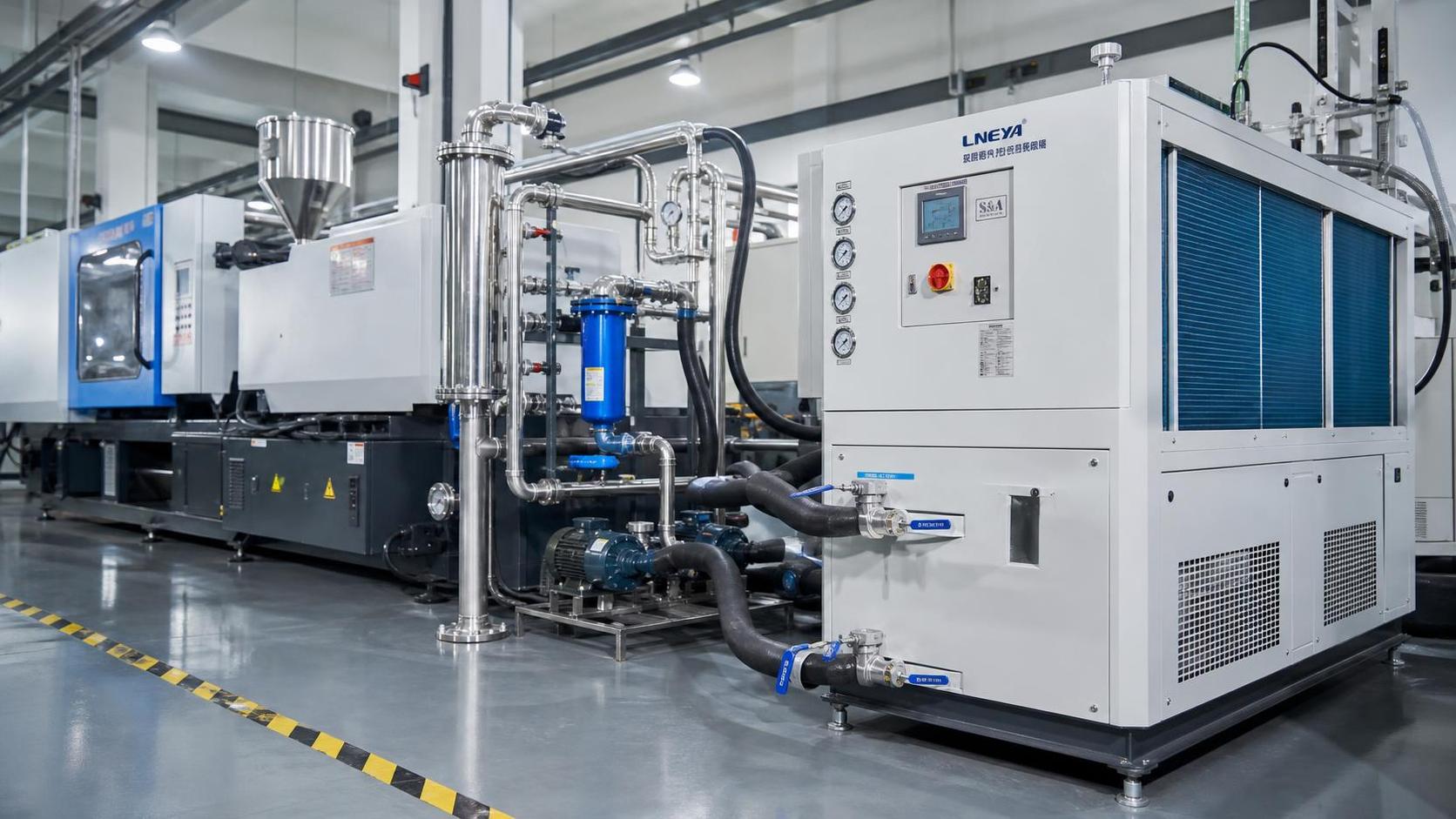
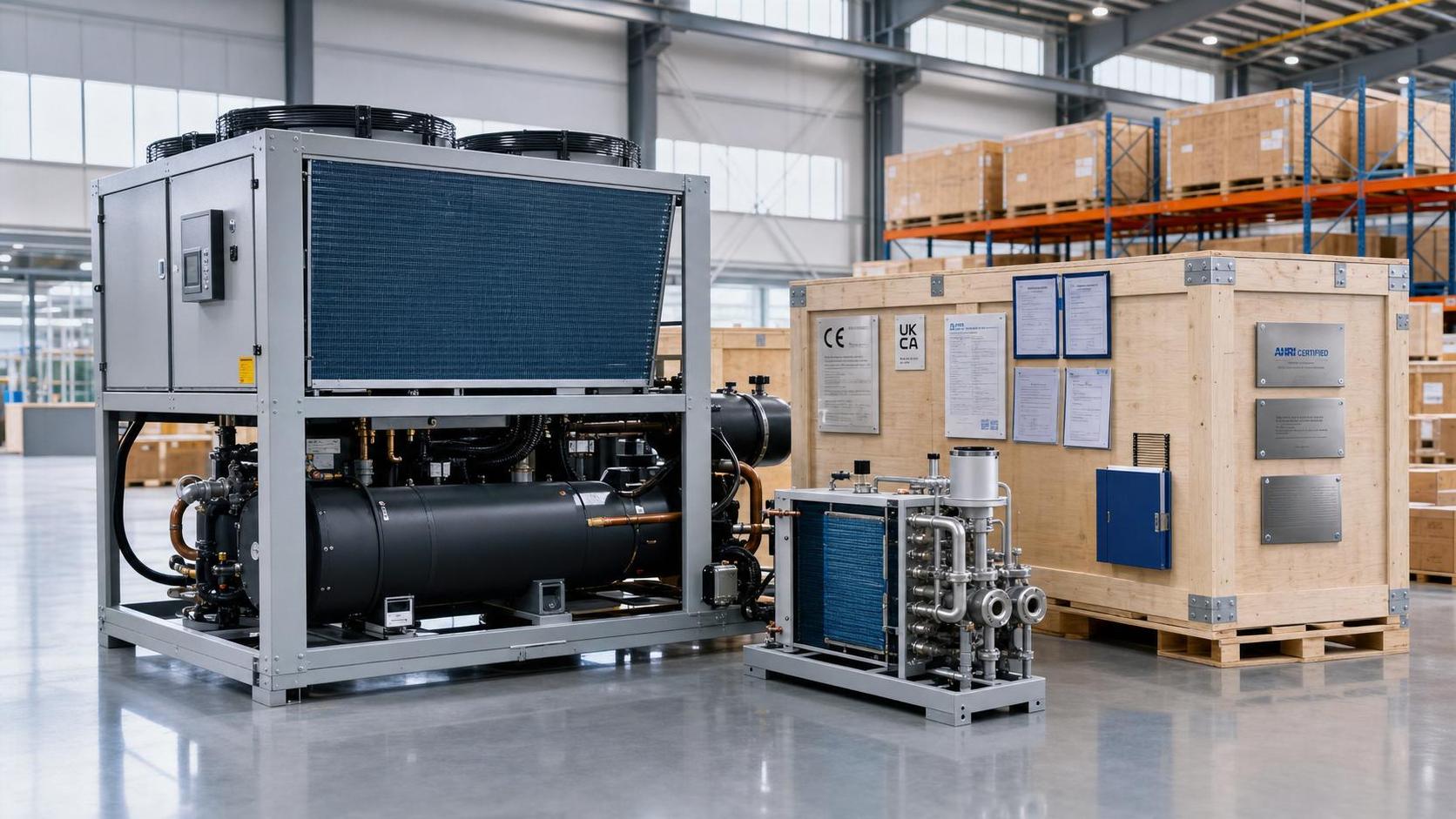
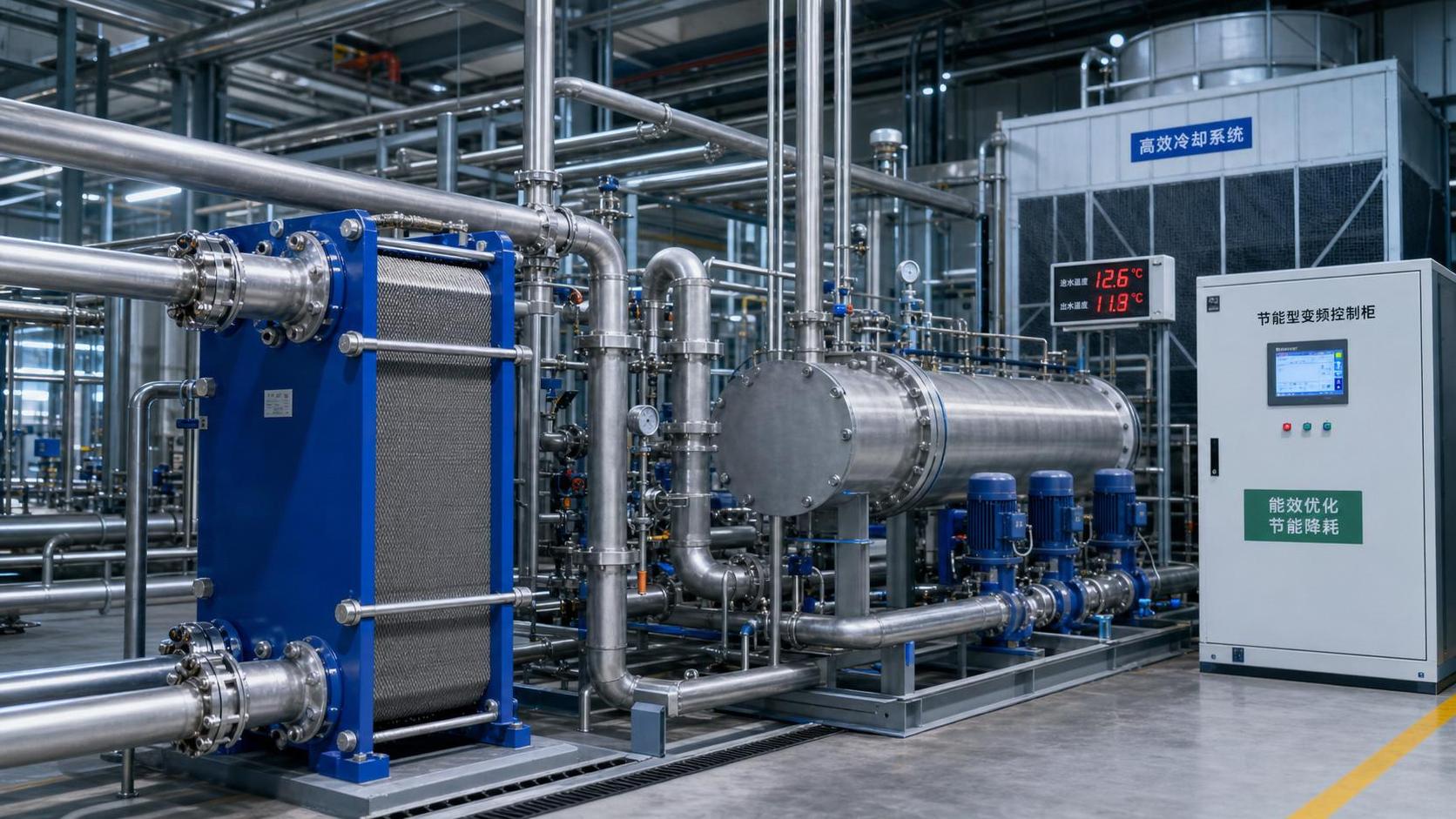
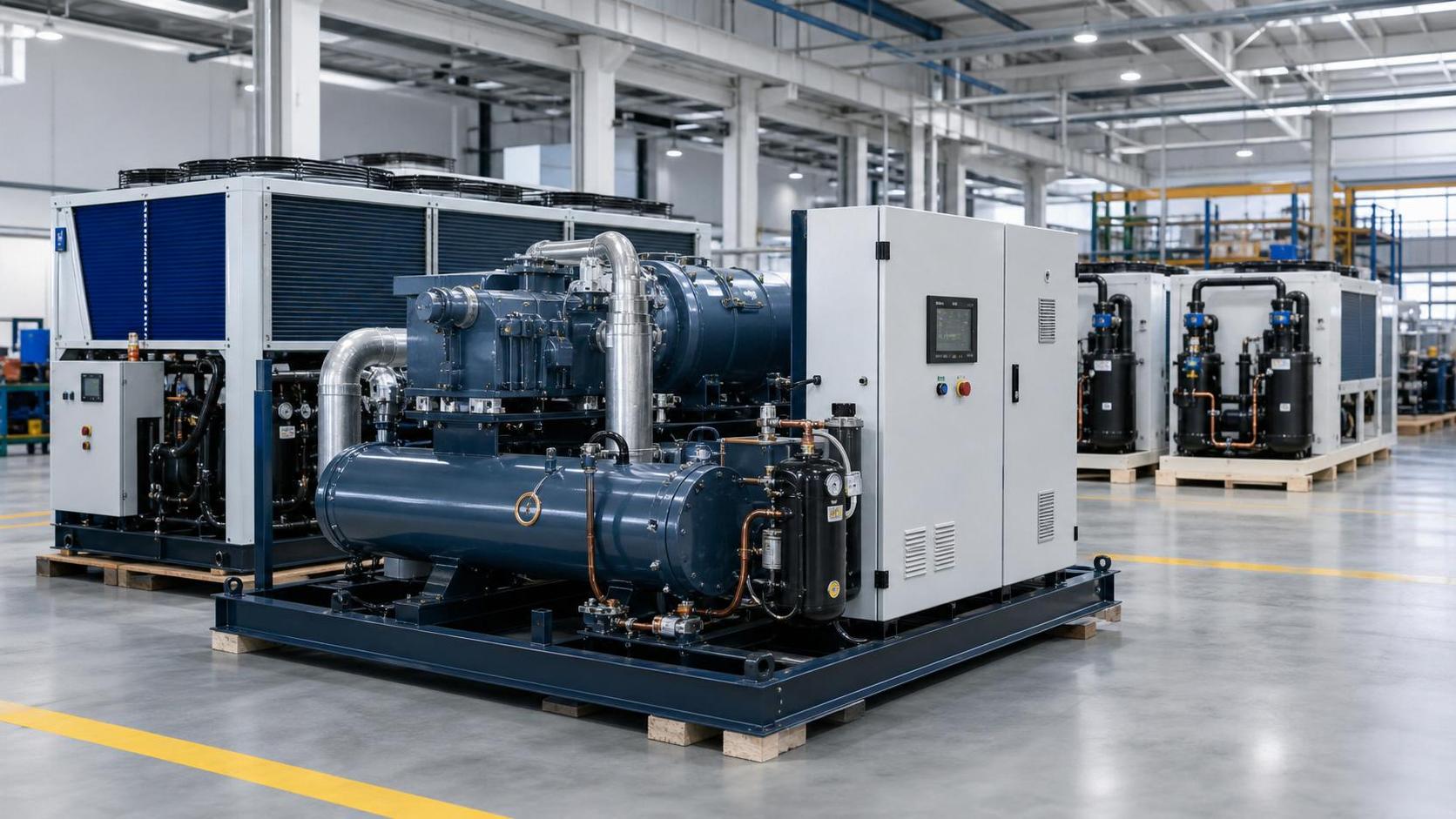
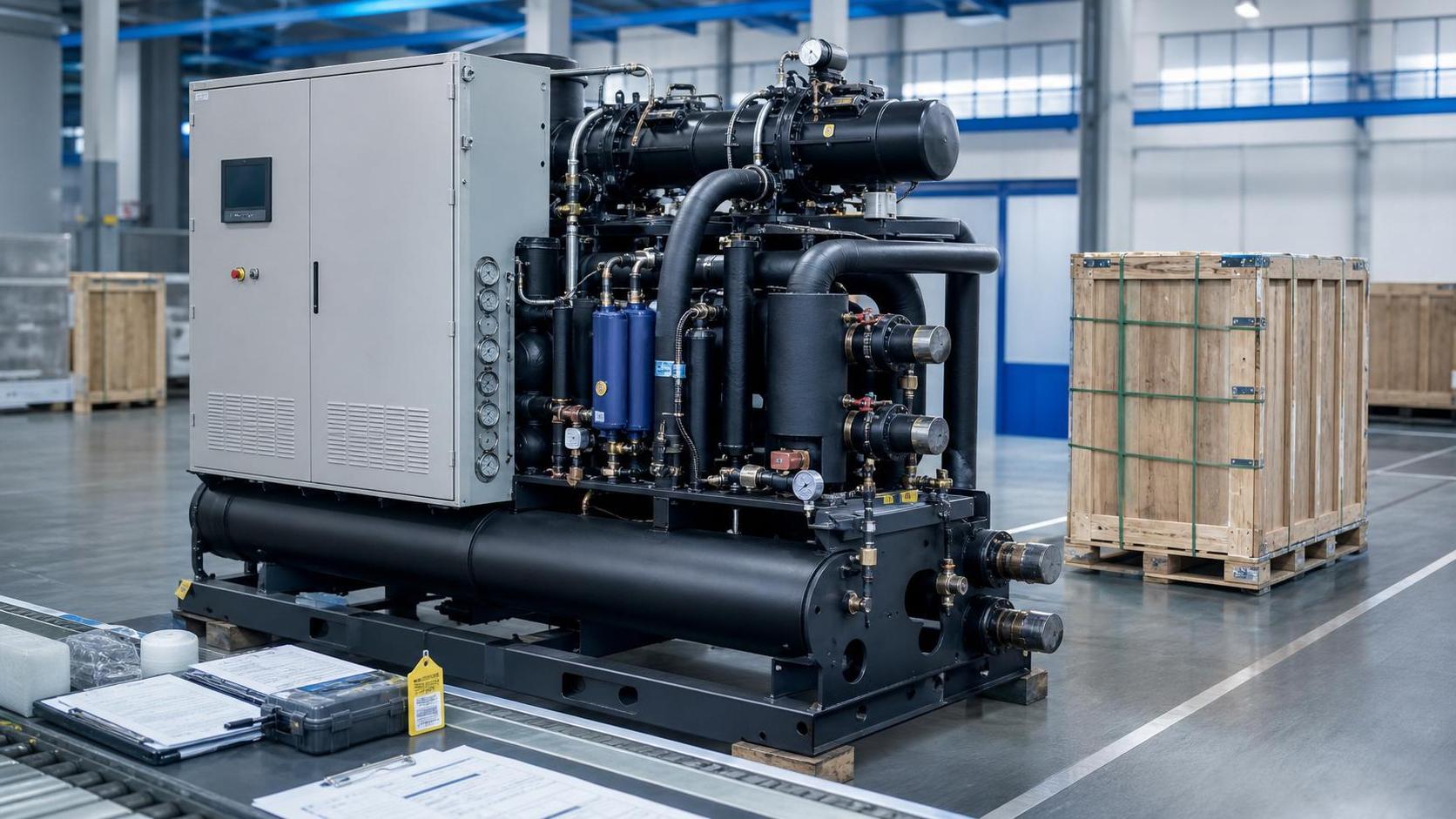
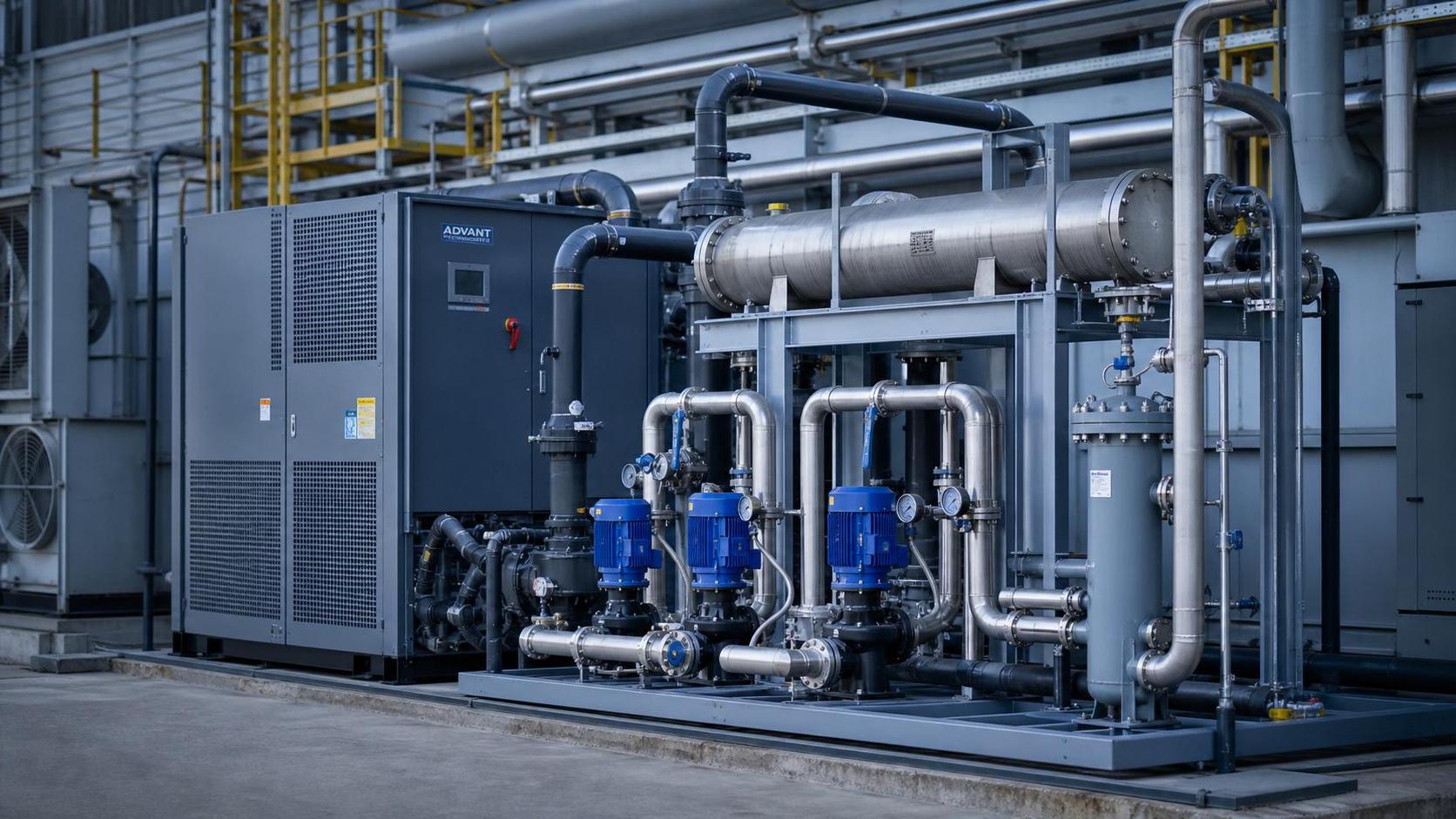
The term covers more than one machine type. It can include chillers, cooling towers, dry coolers, adiabatic systems, heat exchangers, pump skids, thermal storage, intelligent controls, and integrated heat recovery arrangements.
In practice, the right answer depends on temperature range, ambient conditions, water quality, process sensitivity, available footprint, and utility costs. A low purchase price rarely indicates the best long-term fit.
Some facilities need precision cooling with tight supply temperature control. Others need robust bulk heat rejection with easier maintenance. Many need a hybrid approach that balances peak performance with seasonal efficiency.
Common system paths
This is where technical intelligence becomes useful. GTC-Matrix tracks developments such as microchannel heat exchangers, oil-free compression, and changing refrigerant regulations because they influence future suitability, not only present performance.
Start with the load, not the catalog
The most reliable way to compare industrial cooling solutions is to build the thermal profile first. Nameplate capacity alone does not describe real facility demand.
A good evaluation looks at base load, peak load, load variability, seasonal shifts, and future process additions. It also checks whether heat loads are constant, cyclical, or linked to batch timing.
Facilities often oversize to avoid risk. That can solve one problem while creating another. Oversized systems may short cycle, lose efficiency, and add unnecessary capital cost.
Undersizing is even more dangerous. It can cause temperature excursions during hot periods, unstable process output, and emergency maintenance under full production pressure.
Key load questions worth answering early
- What is the actual hourly and seasonal heat load?
- How much redundancy is needed for critical lines?
- Which processes require the tightest temperature stability?
- Will expansion happen within two to five years?
- What utilities create the highest operating cost pressure?
Efficiency is no longer a secondary filter
Energy price volatility and decarbonization targets have changed the evaluation process. Industrial cooling solutions are now judged by seasonal efficiency, control logic, part-load behavior, and recoverable heat potential.
A system that performs well at full load but poorly at partial load may look attractive on paper and disappoint in daily operation. High-load facilities rarely run at one stable condition all year.
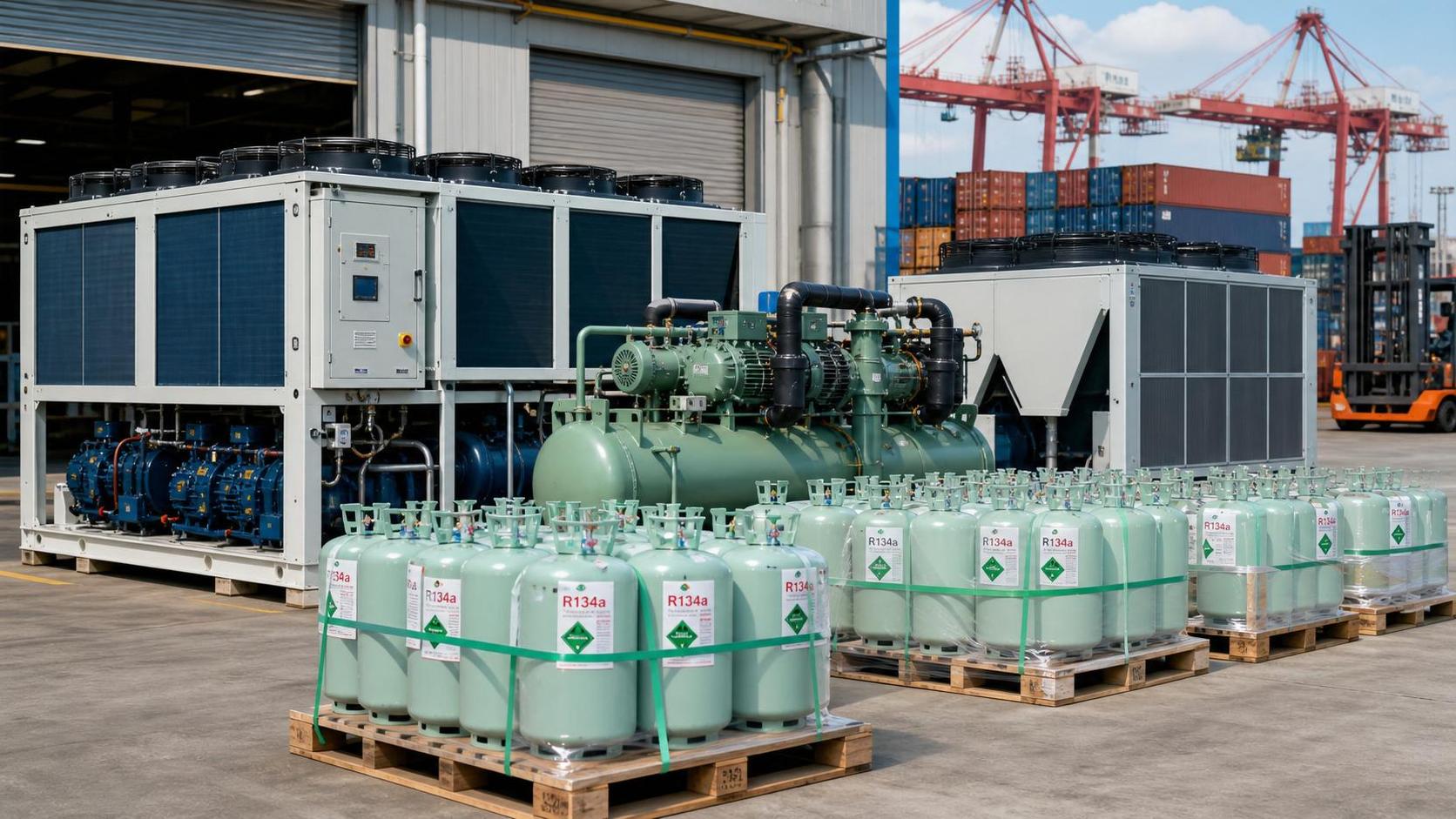
This is one reason market observers monitor low-GWP refrigerants, advanced controls, and integrated compression technologies closely. Regulations and energy tariffs can change the economic ranking of cooling technologies faster than expected.
Where process design allows it, heat recovery deserves attention as well. Reusing rejected heat for preheating, cleaning, or secondary utilities can improve overall plant efficiency beyond the cooling system itself.
Reliability depends on system architecture
When facilities assess industrial cooling solutions, reliability should be read as an architectural issue, not just an equipment promise. A strong machine inside a weak system still creates operational risk.
Attention usually goes to compressor brand or cooling capacity. Equally important are pump redundancy, control integration, heat exchanger fouling margin, maintenance access, and spare parts availability.
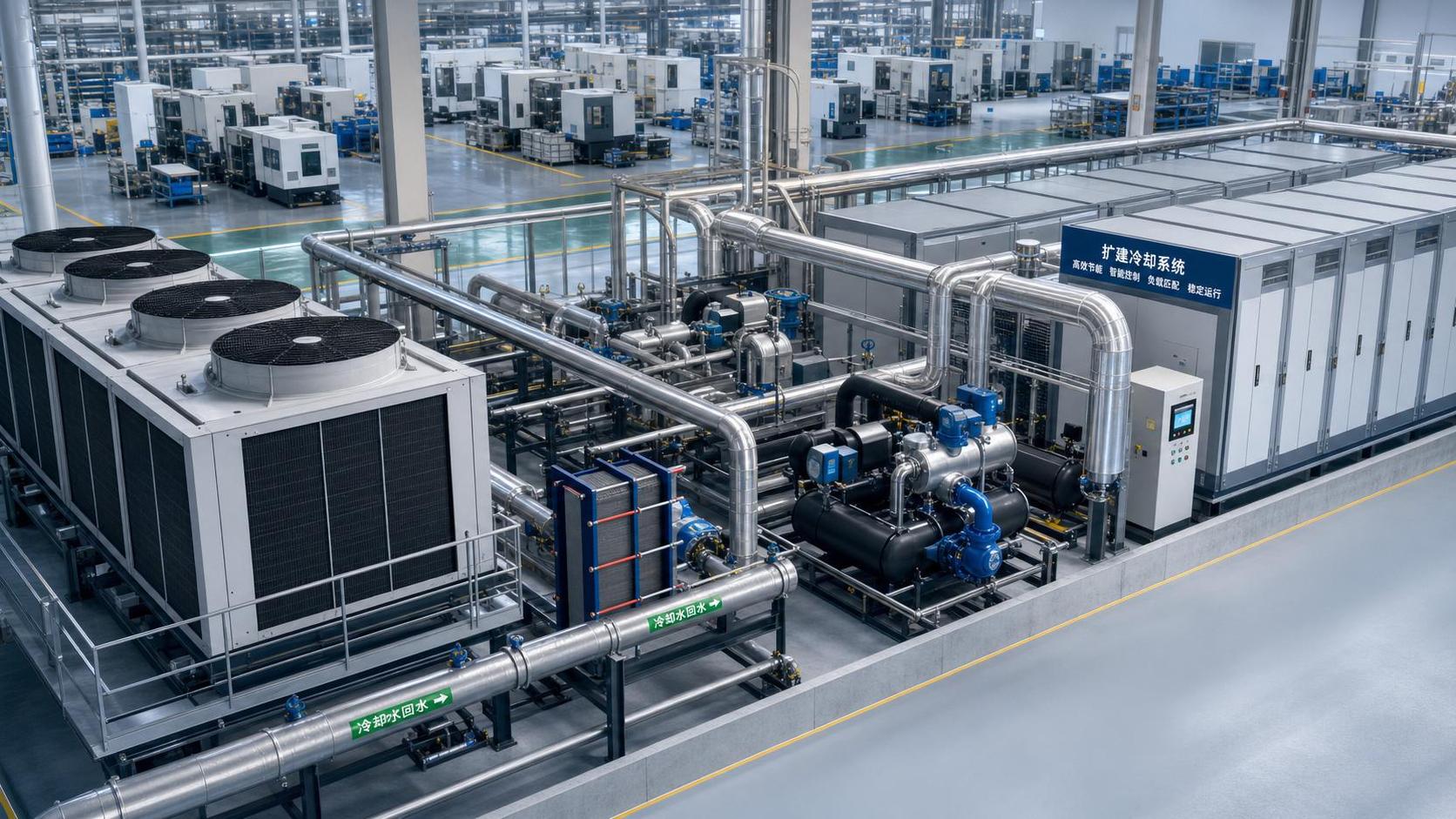
Sites with continuous operations often benefit from modular design. Multiple units can stage with demand, preserve part-load efficiency, and reduce the chance of total shutdown during maintenance or failure.
Water quality also has a direct reliability effect. Poor treatment can reduce heat transfer, increase pressure drop, and shorten component life. That can turn a good specification into a disappointing installation.
Signals of a stronger specification
- Redundancy aligned with process criticality
- Clear maintenance intervals and service access
- Control compatibility with plant monitoring systems
- Documented performance under realistic ambient conditions
- Material selection suited to local water and air quality
Compare lifecycle value, not just upfront cost
A lower bid can hide higher electricity use, water consumption, downtime exposure, or limited upgrade flexibility. That is why industrial cooling solutions should be compared through total cost of ownership.
A practical review usually includes capital cost, projected energy consumption, water costs, treatment requirements, maintenance labor, refrigerant compliance risk, and expected asset life.
Commercial timing matters too. If energy costs are rising or refrigerant quotas are tightening, a system with better efficiency or lower compliance uncertainty can become financially superior faster than expected.
This broader lens reflects the GTC-Matrix approach. Thermal systems should be judged in the context of the energy value chain, where efficiency, resilience, and resource circularity increasingly move together.
A practical decision framework for the next step
The strongest decisions usually come from a short, disciplined comparison model. It helps separate operational needs from attractive but less relevant features.
For many facilities, the next useful step is not immediate selection. It is a structured review of load data, process criticality, and cost assumptions, followed by a side-by-side comparison of two or three realistic industrial cooling solutions.
That approach creates a clearer basis for specification, vendor dialogue, and long-term planning. In high-load environments, the better cooling choice is usually the one that keeps thermal performance, energy logic, and operational resilience in balance.
Related News
- EU Label Deadline Hits China Chiller ExportsAuthor :Cryogenic Systems Expert

- How Smart Thermal Systems Improve Industrial Cooling EfficiencyAuthor :Cryogenic Systems Expert

- How to Choose Process Cooling Equipment for Stable Temperature ControlAuthor :Cryogenic Systems Expert

- EU Finalizes 2026 HFC Quota Cut for R-134a ChillersAuthor :Cryogenic Systems Expert

- EU Tightens HFC-134a Quotas for Industrial ChillersAuthor :Cryogenic Systems Expert

- REACH SVHC Update Pressures HFC-134a Chiller Supply ChainsAuthor :Cryogenic Systems Expert

- EU PFAS Coolant Ban Reshapes Chiller ExportsAuthor :Cryogenic Systems Expert

- EU REACH Restricts PFAS Cooling Media ImportsAuthor :Cryogenic Systems Expert

- EU Ecodesign Rule Takes Effect for Industrial ChillersAuthor :Cryogenic Systems Expert

- EU REACH Rule Takes Effect for PFAS in Industrial Cooling ExportsAuthor :Cryogenic Systems Expert

- Industrial Cooling for Plastic Processing: How to Size for Stable Cycle TimesAuthor :Cryogenic Systems Expert

- EU F-Gas Update Bars R404A/R507 in Commercial CoolingAuthor :Cryogenic Systems Expert

- DOE Raises Chiller Efficiency Standard From October 2026Author :Cryogenic Systems Expert

- India Mandates BIS Energy Certification for Industrial ChillersAuthor :Cryogenic Systems Expert

- Energy-Efficient Heat Exchange for Process Cooling: Cost vs PaybackAuthor :Cryogenic Systems Expert

- EPA R-134a Import Ban Takes Effect on July 13, 2026Author :Cryogenic Systems Expert

- India BIS Rule Takes Effect for Industrial ChillersAuthor :Cryogenic Systems Expert

- EPA Cuts R134a Import Quotas 20% From July 10Author :Cryogenic Systems Expert

- How to Compare Energy-Efficient Cooling Systems for Factory Expansion ProjectsAuthor :Cryogenic Systems Expert

- Chiller Price Index Rises 11.3% in Q2Author :Cryogenic Systems Expert

- Saudi SASO Tightens Chiller Import Compliance From July 10Author :Cryogenic Systems Expert

- Dubai Opens Fast-Track Chiller TendersAuthor :Cryogenic Systems Expert

- Japan Raises Chiller COP Floor to 6.2 From Sept. 1Author :Cryogenic Systems Expert
![]()
- Compact Thermal Management in Smart Devices: Common Failure RisksAuthor :Cryogenic Systems Expert

- Thermal Management for Batteries: Cooling Methods ComparedAuthor :Cryogenic Systems Expert

- How Compact Thermal Design Extends Smart Device UptimeAuthor :Cryogenic Systems Expert

- Shanghai-Rotterdam Reefer Rates Jump 37% in a WeekAuthor :Cryogenic Systems Expert

- Process Cooling Equipment Low Maintenance: What Cuts Downtime Over 5 Years?Author :Cryogenic Systems Expert

- Semiconductor Cooling Solutions: Which Design Works Best for High-Density Tools?Author :Cryogenic Systems Expert

- Semiconductor Thermal Management Systems: Preventing Yield Loss from Heat DriftAuthor :Cryogenic Systems Expert

- EPA Clears R-1234ze(E) for Industrial ChillersAuthor :Cryogenic Systems Expert
 for Industrial Chillers")
- DOE Raises Chiller IEER Floor to 12.8 From Oct. 2026Author :Cryogenic Systems Expert

- Singapore Refrigeration Show Adds Green Compliance HubAuthor :Cryogenic Systems Expert

- How Food Industry Temperature Control Systems Reduce Product LossAuthor :Cryogenic Systems Expert

- EU REACH Adds 12 SVHCs, Raising Chiller Compliance RiskAuthor :Cryogenic Systems Expert

- Precision Temperature Control Air Cooling: Key Setup Mistakes That Reduce StabilityAuthor :Cryogenic Systems Expert