Horgos Rail Exports Hit Record as Refrigerant Checks Tighten




In the second week of June 2026, industrial chiller exports through the Horgos gateway on the western China-Europe rail corridor reached a weekly high, but the stronger shipment volume was accompanied by stricter scrutiny of refrigerant charging compliance. For exporters of Cold Storage and Industrial Chillers, as well as procurement, documentation, and delivery teams, this development is worth close attention because it links shipment release not only to product movement, but also to how refrigerant charge data and traceable filling records are presented against EN 378-2:2025.
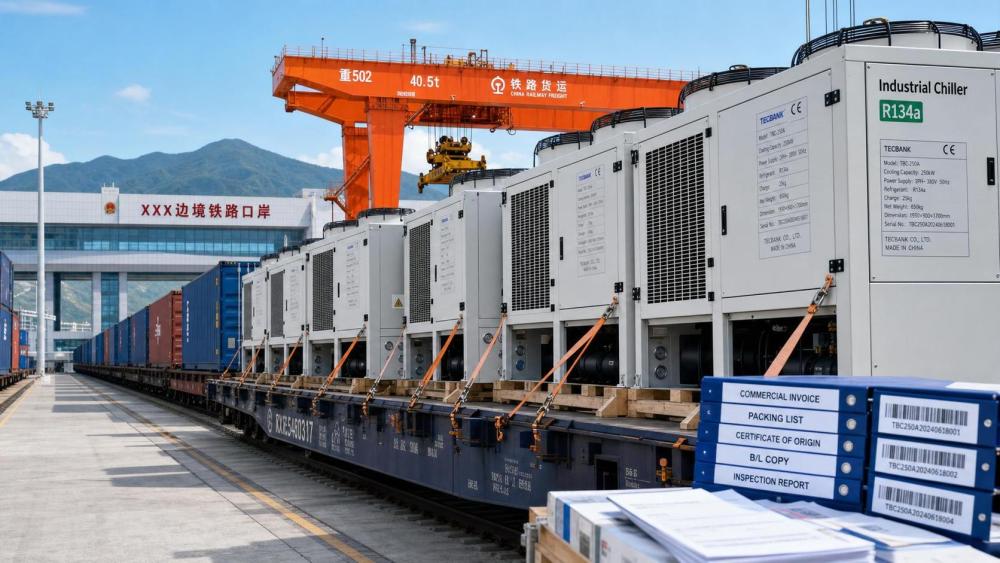
A record shipment week came with more visible compliance screening
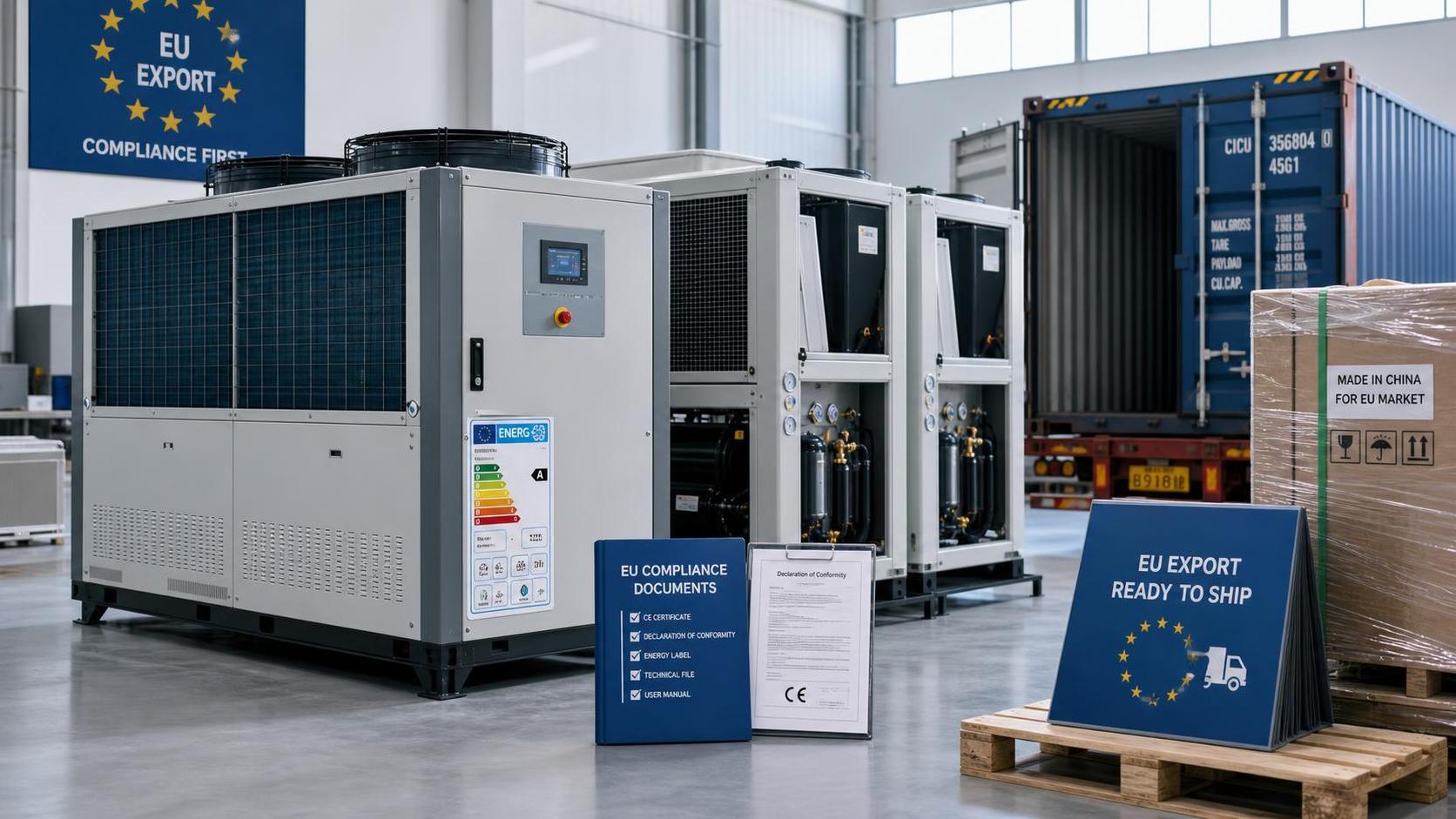
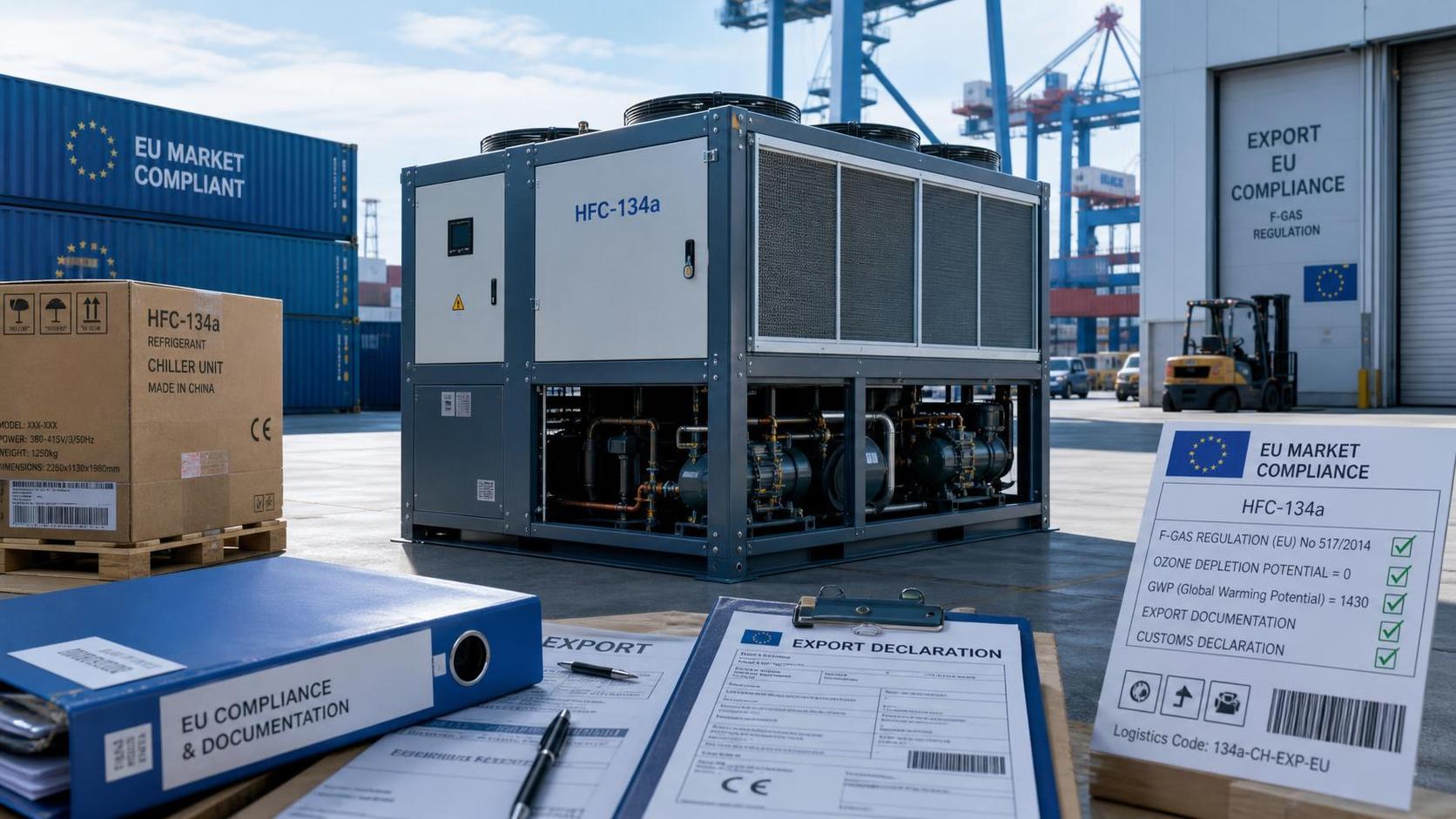
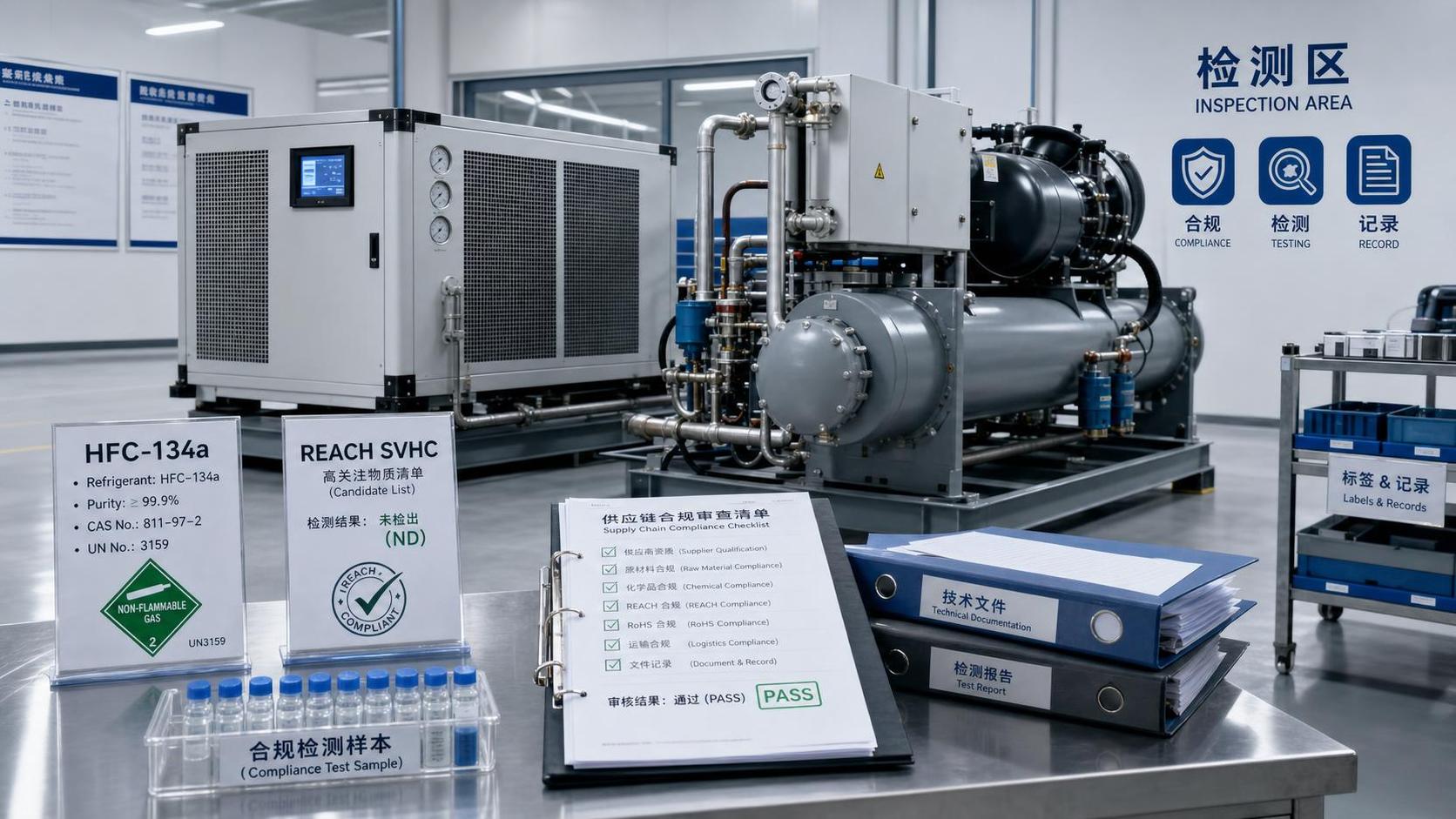
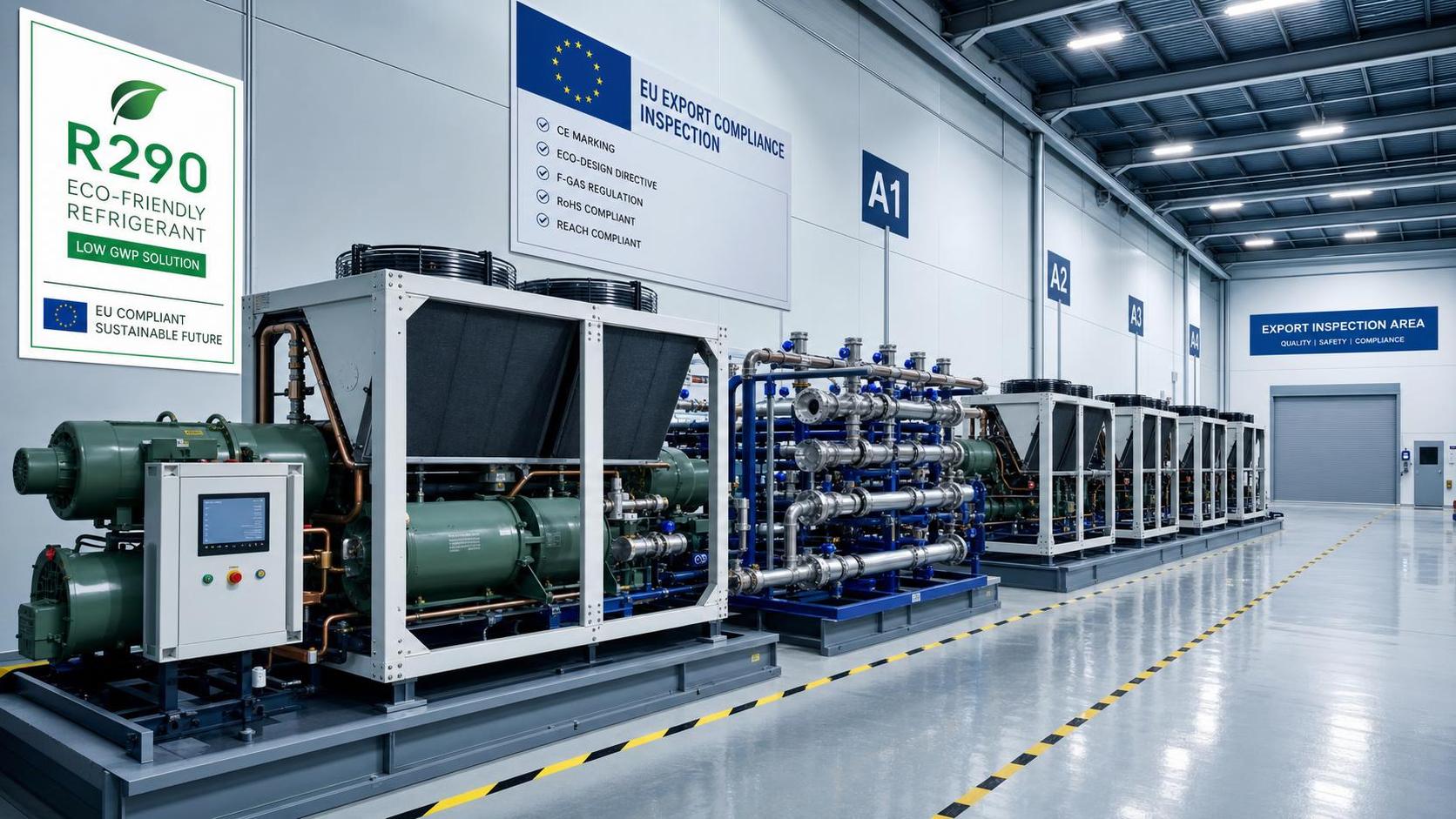
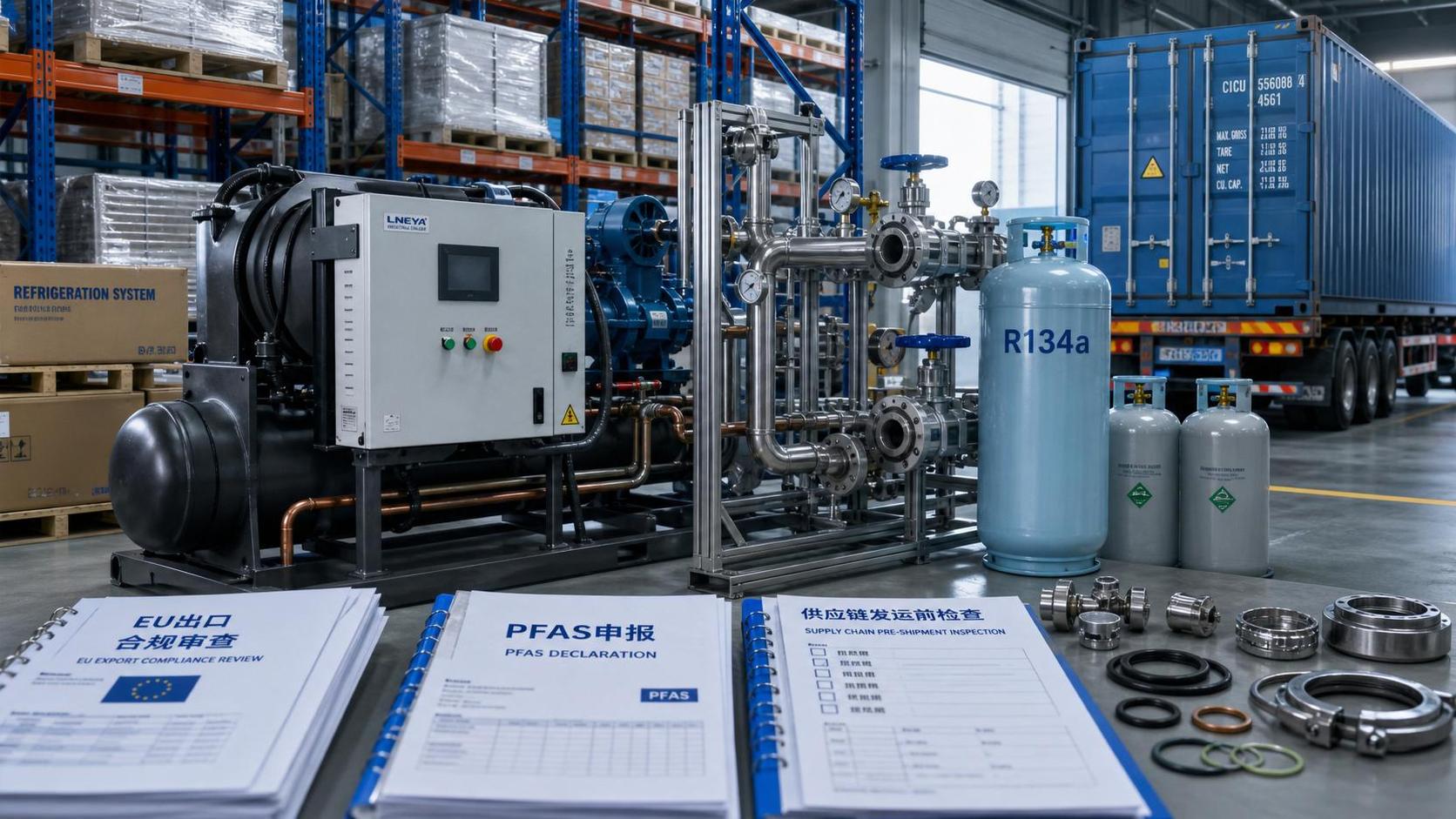
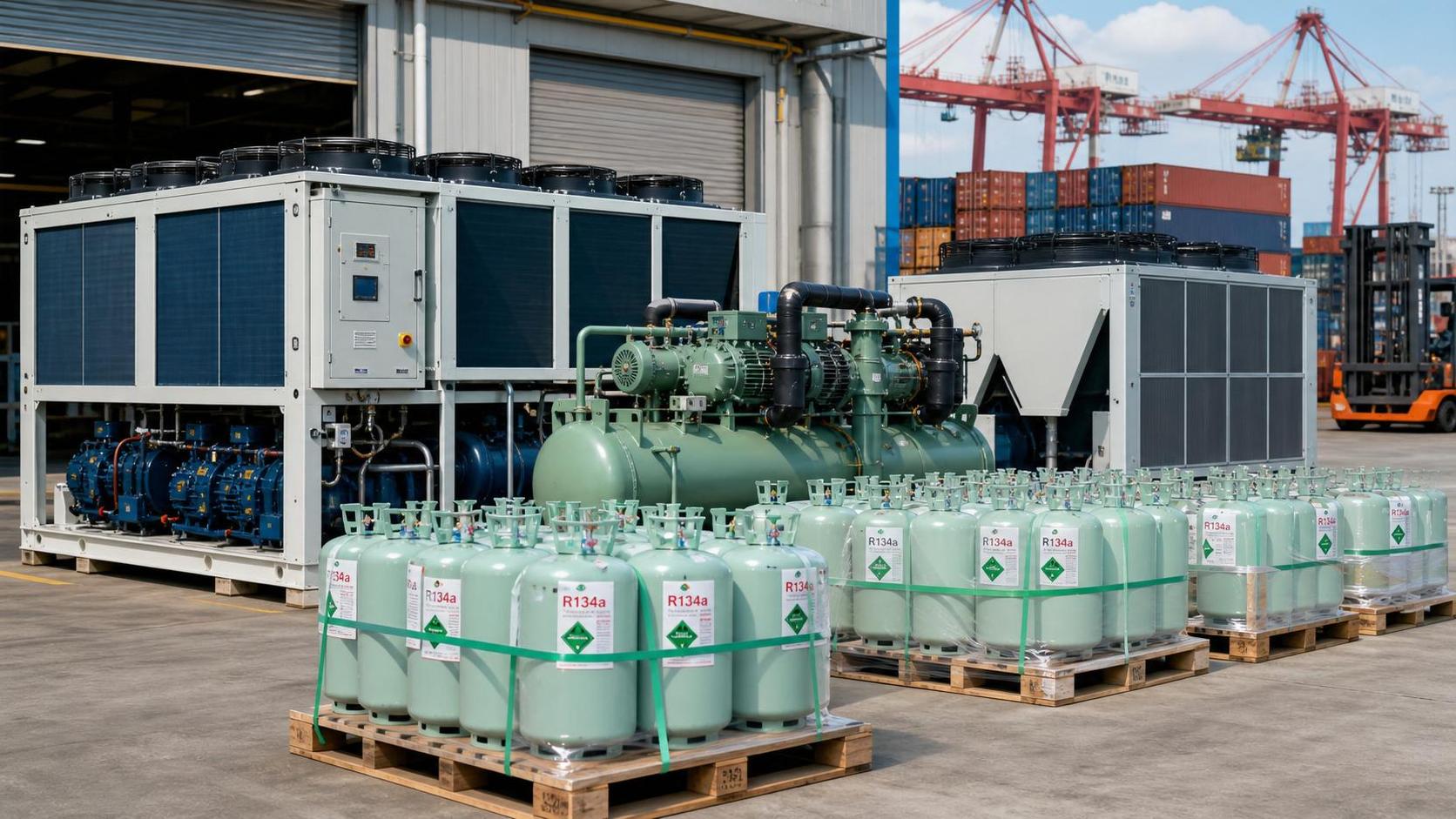
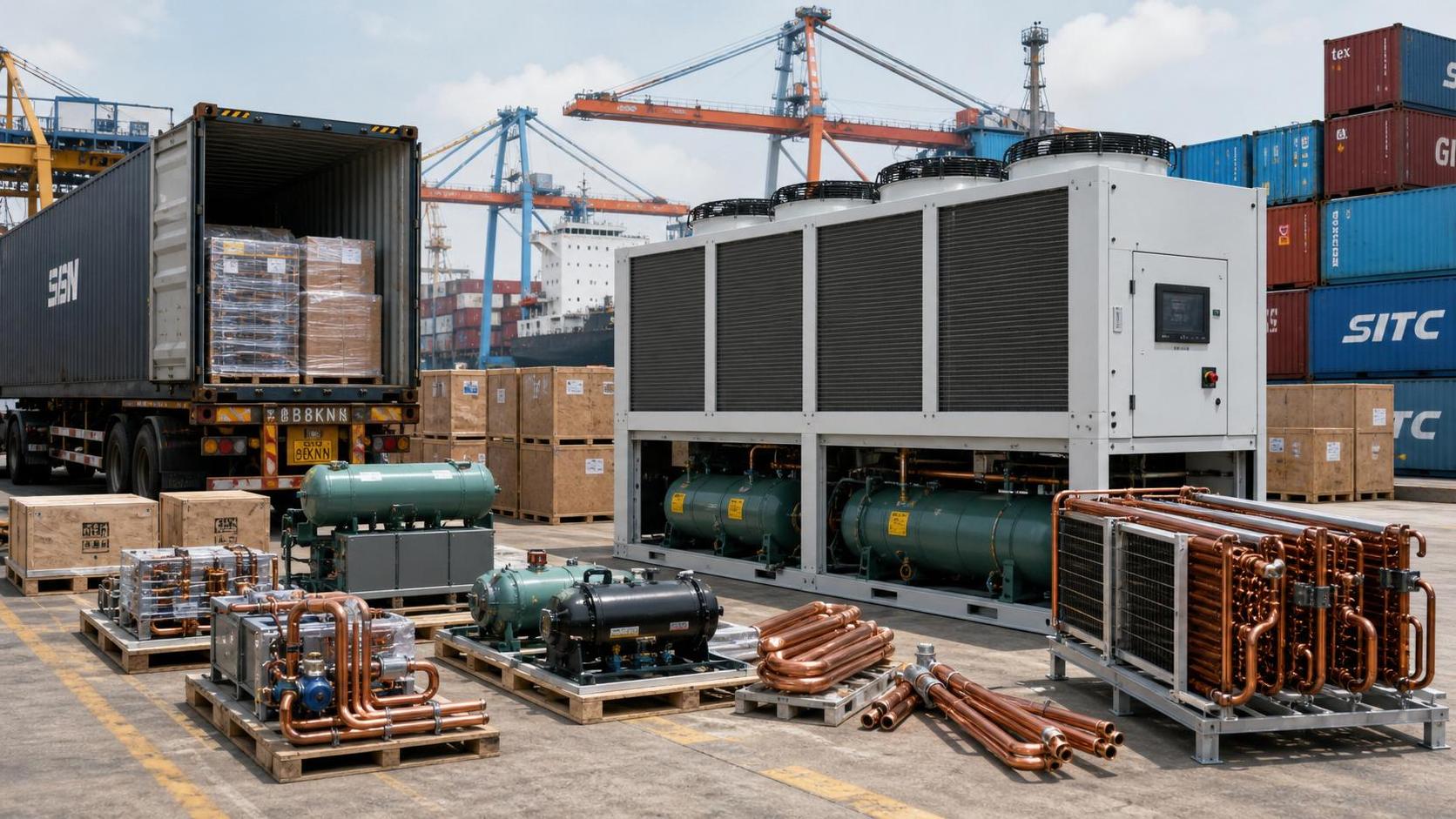
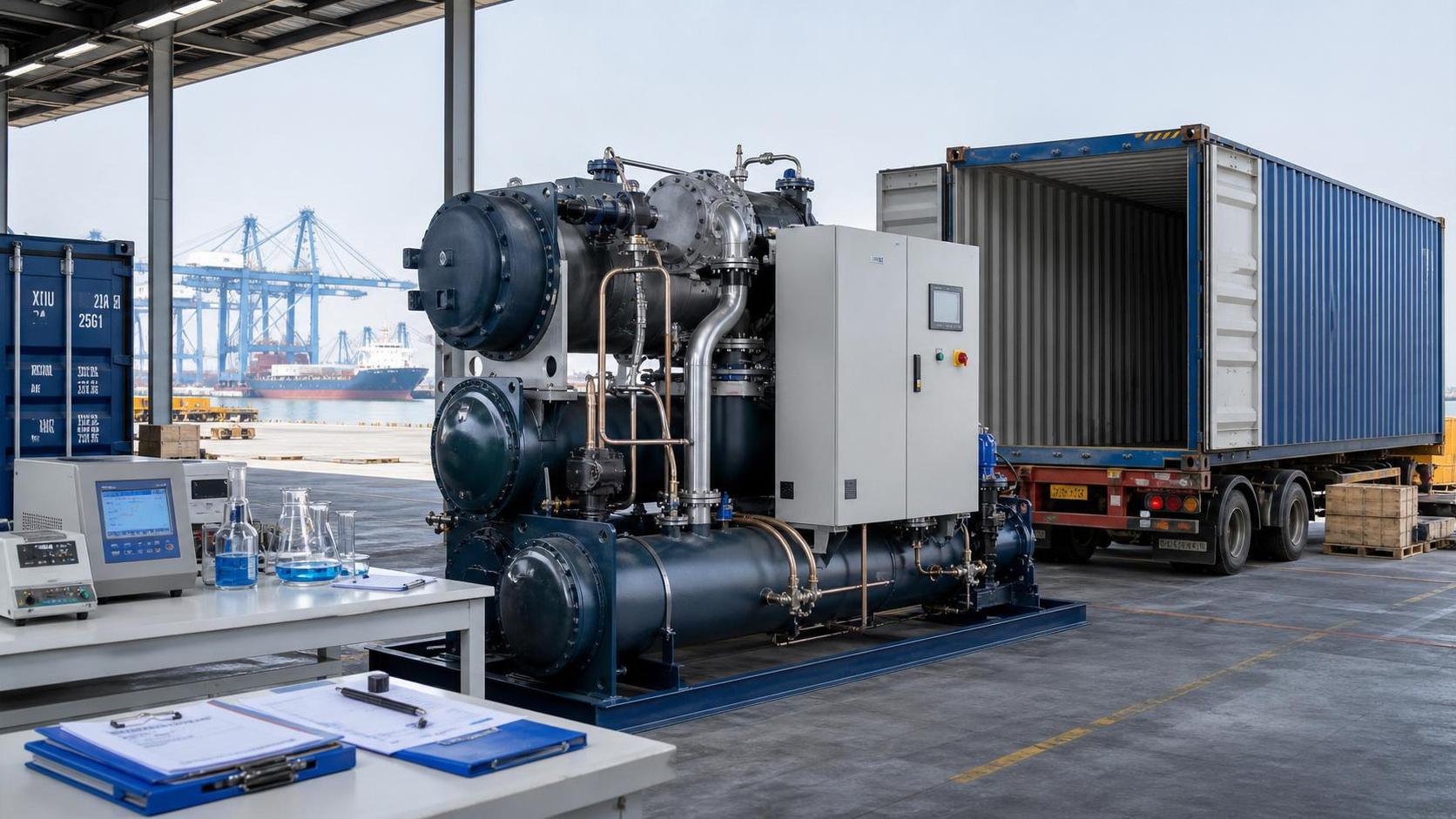
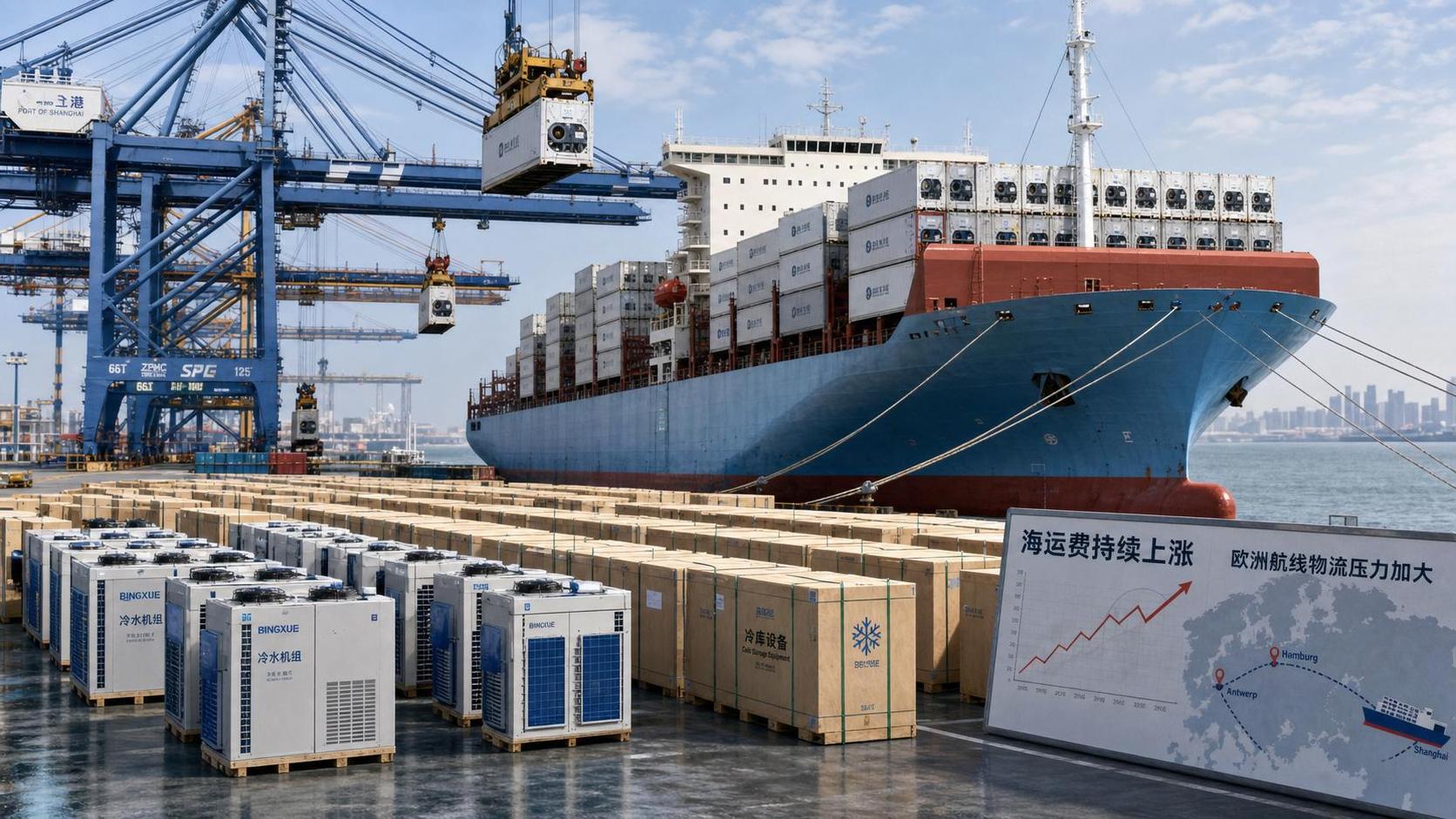
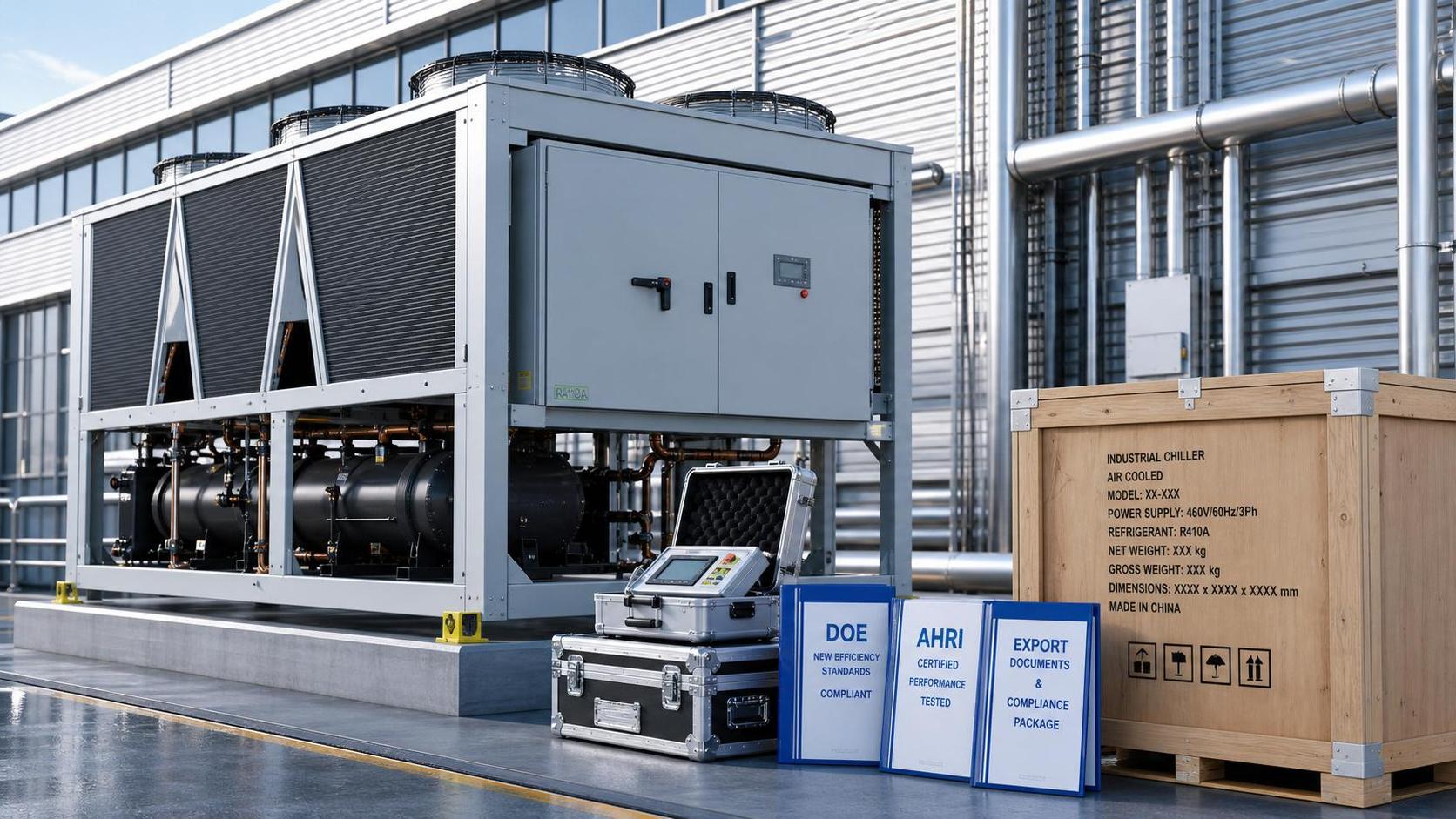
The event date provided is 2026-06-15, and the confirmed facts relate to the second week of June 2026. During that week, 1,287 industrial chiller units were exported through the Horgos border port, up 63% year on year and marking a record high for a single week. At the same time, customs spot checks showed that 32% of the equipment was temporarily held because the charge quantity of R134a or R449A was not labeled in line with EN 378-2:2025, or because traceable charging records were missing. The case highlights weaknesses in refrigerant compliance document management among exporting Cold Storage and Industrial Chillers companies.
Where the immediate pressure is likely to appear
Export release now depends more heavily on refrigerant documentation
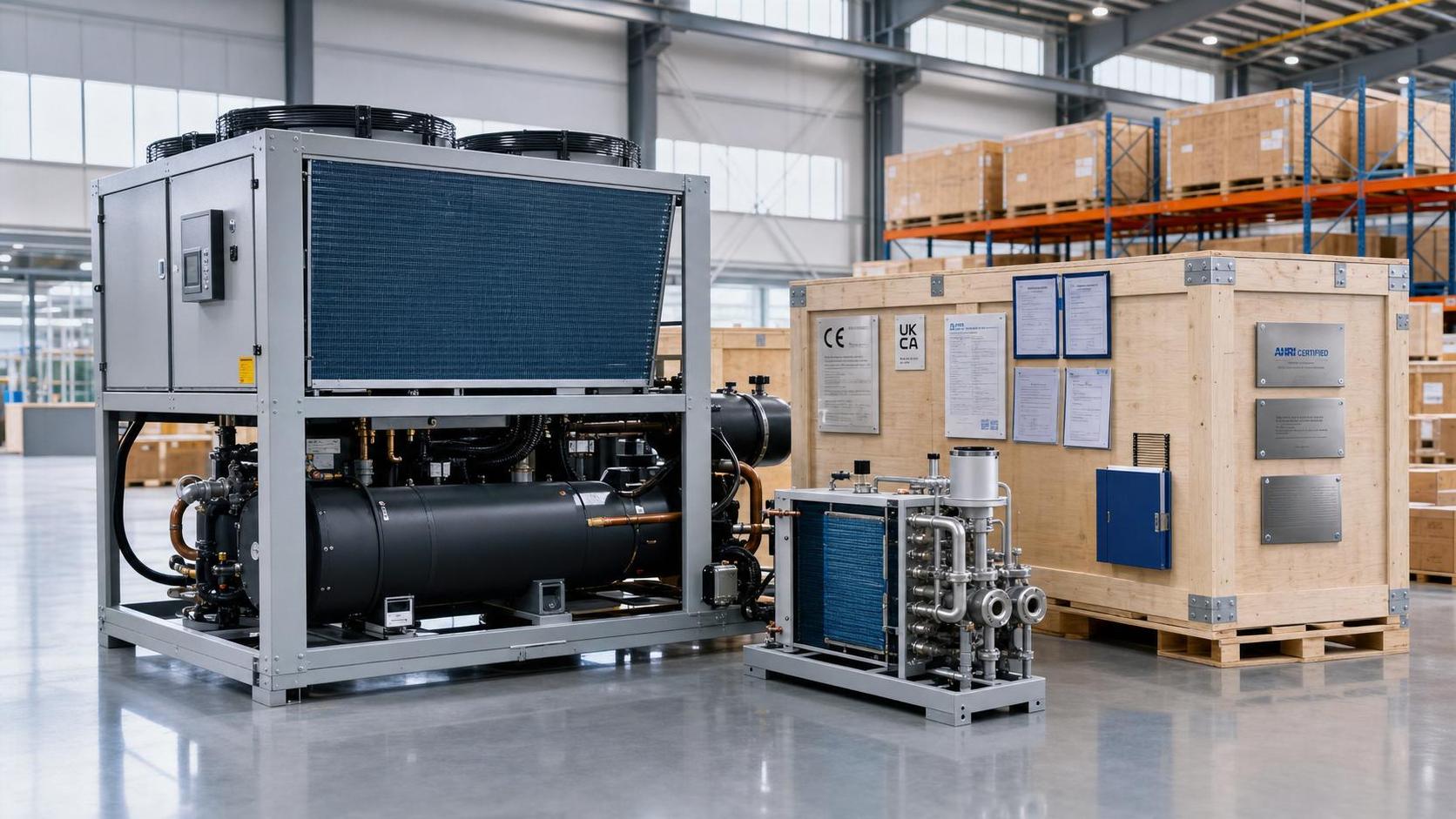
From an industry perspective, exporters are the first group likely to feel the impact because the issue described is directly tied to temporary release delays at the shipment stage. The operational pressure is likely to fall on labeling review, technical file preparation, charge record retention, and document consistency between factory output and export submission. What deserves closer attention is whether refrigerant-related records can be matched clearly to each shipped unit before dispatch.
Manufacturing and final assembly teams face tighter handoff requirements
Analysis shows that the manufacturing side may be affected not because new production facts were confirmed, but because the reported holds point to a handoff gap between charging activity and export-ready documentation. For producers of Cold Storage and Industrial Chillers, the sensitive points are likely to include how refrigerant charge quantities are marked, how records are archived, and whether compliance materials are ready at the time of delivery rather than compiled afterward.
Procurement and supply-chain coordination may need earlier checks
Observably, procurement and supply-chain service teams may need to watch for knock-on effects in dispatch timing, document completeness, and acceptance procedures. If shipment release becomes more dependent on traceable refrigerant records, then pre-shipment document checks, supplier qualification review, and delivery sequencing become more important in practice. This is especially relevant where procurement plans are closely tied to rail schedules and handover milestones.
Testing, certification, and after-sales interfaces may see more scrutiny
What deserves closer attention is that compliance questions are not limited to customs-facing paperwork. Certification-related service providers, inspection support teams, and after-sales functions may also need clearer access to charging data and equipment records, because missing traceability at export stage can later affect technical file consistency, handover confidence, and service verification.
Practical points companies should monitor now
Check how EN 378-2:2025 references appear in unit-level files
Analysis shows that companies involved in export delivery should review whether refrigerant charge labeling for R134a and R449A is presented in a way that is consistent, unit-specific, and easy to verify in shipment documents and technical files. The key issue indicated by the event is not general compliance language, but the usability and completeness of the records attached to actual exported equipment.
Strengthen traceable charging records before dispatch
From an industry perspective, the immediate operational focus should be on whether charging records are traceable and retrievable before goods reach the export gate. The event summary does not provide a formal enforcement workflow, so it is more appropriate to treat this as a warning signal that document readiness may now matter more at the point of inspection.
Review delivery planning where customs holds could affect lead times
Observably, companies should also assess whether export schedules, customer handover dates, and internal approval steps leave enough room for additional document review. Since part of the equipment was temporarily held, even without further confirmed rule details, delivery teams may need to prepare for timing risk linked to compliance file gaps rather than product volume alone.
Watch for changes in wording used in trade and technical documents
What deserves closer attention is whether future tenders, purchase specifications, packing files, or acceptance documents begin to reference refrigerant charge marking and traceability more explicitly. No such document change is confirmed in the input, but it is a practical area for companies to monitor if this inspection focus continues.
This looks more like an execution signal than a standalone shipment story
Analysis shows that the most meaningful aspect of this event is not only the record weekly export figure, but the fact that a large shipment week coincided with visible compliance holds tied to refrigerant labeling and traceable records. It is more appropriate to understand this as an execution signal: compliance expectations connected to EN 378-2:2025 appear to be gaining practical weight in export release. At the same time, the available facts are still limited, so the market should avoid treating this single event as proof of a fully defined new enforcement regime.
What this event currently suggests for the market
At this stage, the event is best understood as a concrete reminder that documentation quality can become a release-critical factor when export volumes rise. For Cold Storage and Industrial Chillers businesses, the practical takeaway is not to assume that product readiness alone is enough for smooth delivery. A neutral reading of the situation is that the market has seen a clear compliance signal, while the broader scope, consistency, and future execution of that signal still need continued observation.
Basis of this article and what still needs verification
This article is based on the user-provided news title, event date, and event summary. For developments of this kind, relevant source categories usually include official notices, regulatory releases, customs or trade authority information, industry association updates, standards organization documents, and reporting by authoritative trade media. A specific official source link was not provided in the input, so further verification remains necessary. Items that still require ongoing observation include detailed enforcement wording, certification interpretation, changes in tender or technical documentation, industry feedback, and how companies implement refrigerant traceability in actual export operations.
Related News
- EU Label Deadline Hits China Chiller ExportsAuthor :Cryogenic Systems Expert

- How Smart Thermal Systems Improve Industrial Cooling EfficiencyAuthor :Cryogenic Systems Expert

- How to Choose Process Cooling Equipment for Stable Temperature ControlAuthor :Cryogenic Systems Expert

- EU Finalizes 2026 HFC Quota Cut for R-134a ChillersAuthor :Cryogenic Systems Expert

- EU Tightens HFC-134a Quotas for Industrial ChillersAuthor :Cryogenic Systems Expert

- REACH SVHC Update Pressures HFC-134a Chiller Supply ChainsAuthor :Cryogenic Systems Expert

- EU PFAS Coolant Ban Reshapes Chiller ExportsAuthor :Cryogenic Systems Expert

- EU REACH Restricts PFAS Cooling Media ImportsAuthor :Cryogenic Systems Expert

- EU Ecodesign Rule Takes Effect for Industrial ChillersAuthor :Cryogenic Systems Expert

- EU REACH Rule Takes Effect for PFAS in Industrial Cooling ExportsAuthor :Cryogenic Systems Expert

- Industrial Cooling for Plastic Processing: How to Size for Stable Cycle TimesAuthor :Cryogenic Systems Expert

- EU F-Gas Update Bars R404A/R507 in Commercial CoolingAuthor :Cryogenic Systems Expert

- DOE Raises Chiller Efficiency Standard From October 2026Author :Cryogenic Systems Expert

- India Mandates BIS Energy Certification for Industrial ChillersAuthor :Cryogenic Systems Expert

- Energy-Efficient Heat Exchange for Process Cooling: Cost vs PaybackAuthor :Cryogenic Systems Expert

- EPA R-134a Import Ban Takes Effect on July 13, 2026Author :Cryogenic Systems Expert

- India BIS Rule Takes Effect for Industrial ChillersAuthor :Cryogenic Systems Expert

- EPA Cuts R134a Import Quotas 20% From July 10Author :Cryogenic Systems Expert

- How to Compare Energy-Efficient Cooling Systems for Factory Expansion ProjectsAuthor :Cryogenic Systems Expert

- Chiller Price Index Rises 11.3% in Q2Author :Cryogenic Systems Expert

- Saudi SASO Tightens Chiller Import Compliance From July 10Author :Cryogenic Systems Expert

- Dubai Opens Fast-Track Chiller TendersAuthor :Cryogenic Systems Expert

- Japan Raises Chiller COP Floor to 6.2 From Sept. 1Author :Cryogenic Systems Expert
![]()
- Compact Thermal Management in Smart Devices: Common Failure RisksAuthor :Cryogenic Systems Expert

- Thermal Management for Batteries: Cooling Methods ComparedAuthor :Cryogenic Systems Expert

- How Compact Thermal Design Extends Smart Device UptimeAuthor :Cryogenic Systems Expert

- Shanghai-Rotterdam Reefer Rates Jump 37% in a WeekAuthor :Cryogenic Systems Expert

- Process Cooling Equipment Low Maintenance: What Cuts Downtime Over 5 Years?Author :Cryogenic Systems Expert

- Semiconductor Cooling Solutions: Which Design Works Best for High-Density Tools?Author :Cryogenic Systems Expert

- Semiconductor Thermal Management Systems: Preventing Yield Loss from Heat DriftAuthor :Cryogenic Systems Expert

- EPA Clears R-1234ze(E) for Industrial ChillersAuthor :Cryogenic Systems Expert
 for Industrial Chillers")
- DOE Raises Chiller IEER Floor to 12.8 From Oct. 2026Author :Cryogenic Systems Expert

- Singapore Refrigeration Show Adds Green Compliance HubAuthor :Cryogenic Systems Expert

- How Food Industry Temperature Control Systems Reduce Product LossAuthor :Cryogenic Systems Expert

- EU REACH Adds 12 SVHCs, Raising Chiller Compliance RiskAuthor :Cryogenic Systems Expert

- Precision Temperature Control Air Cooling: Key Setup Mistakes That Reduce StabilityAuthor :Cryogenic Systems Expert