EPA Extends R410A Import Relief Into Q2 2027




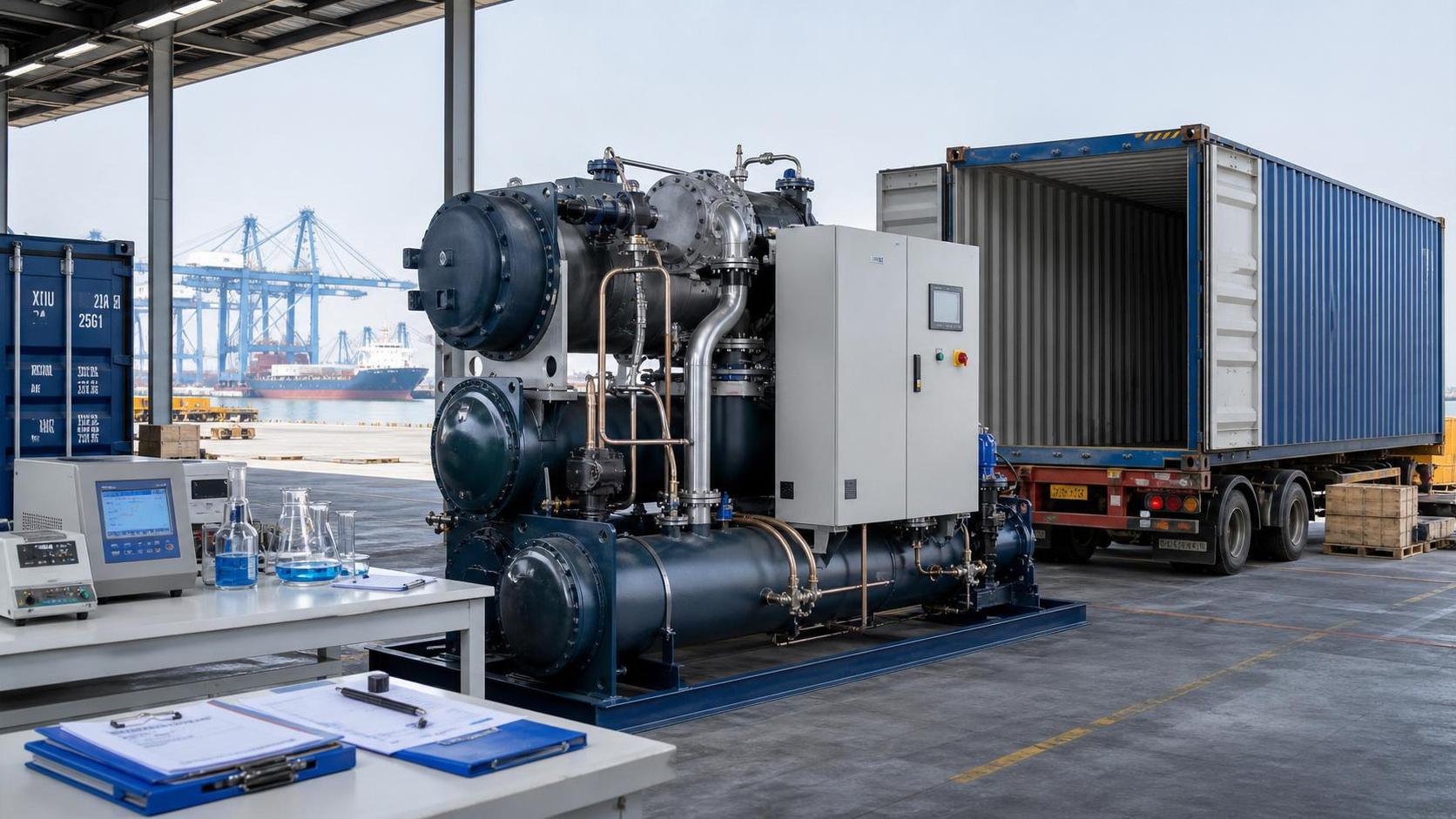
On June 18, 2026, the U.S. Environmental Protection Agency (EPA) announced a temporary exemption that lifts R410A import quota limits by 15% for the period from Q3 2026 through Q2 2027. The move is aimed at easing supply gaps affecting commercial heat pumps and VRF systems, and it is especially relevant for exporters, importers, supply-chain operators, and project-based buyers handling complete units or components originating in China, Mexico, and Vietnam. For the HVAC trade, the update matters not only because it opens a near-term shipment window, but also because it ties that window to traceability compliance through Form EPA-402.

What the EPA Announced
According to the provided information, the EPA said on June 18, 2026 that it would temporarily exempt R410A from existing import quota restrictions, allowing import volumes to rise by 15% between 2026 Q3 and 2027 Q2. The stated purpose is to address supply-chain shortages affecting commercial heat pump and multi-split system supply.
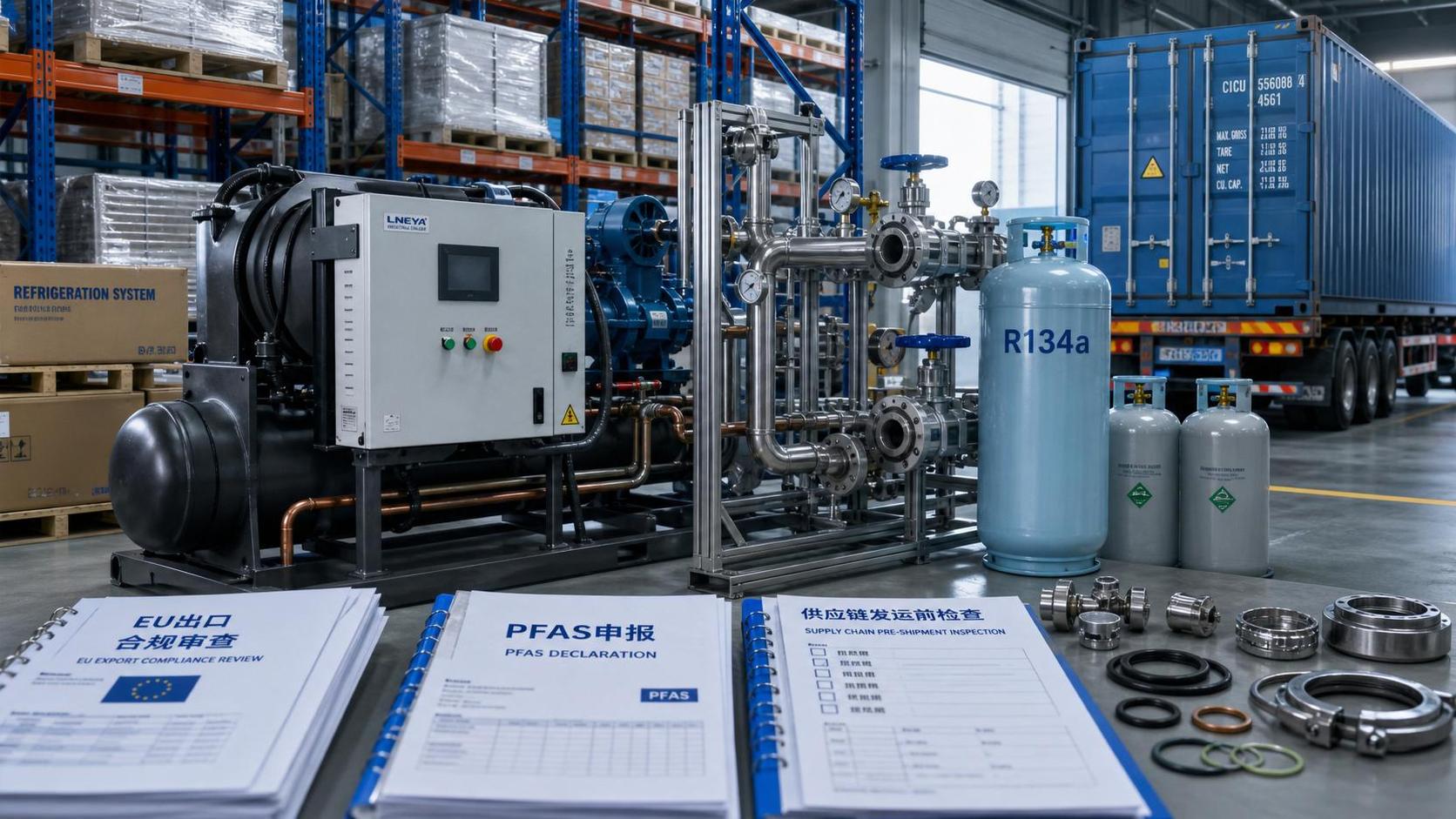
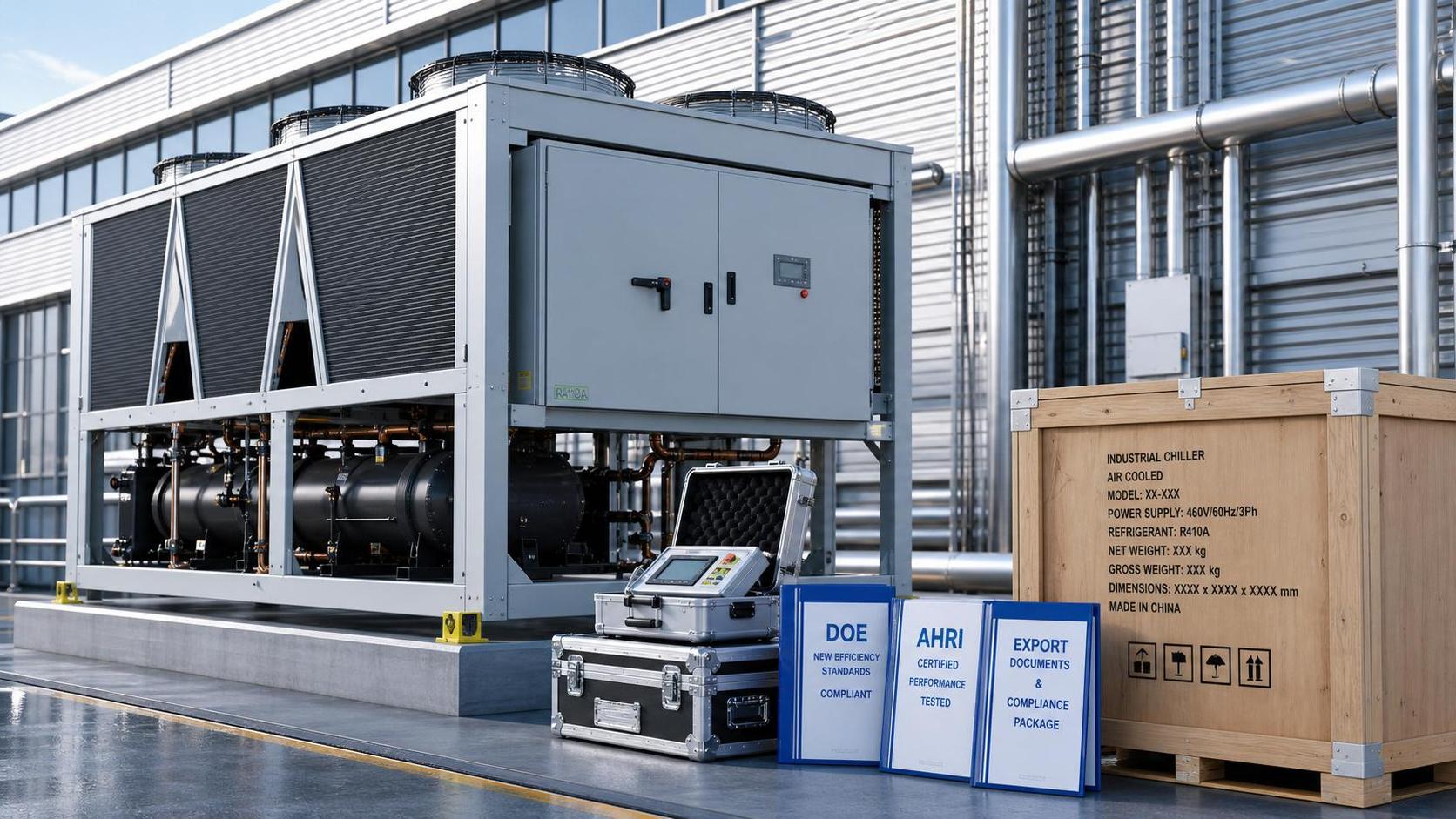
The exemption applies to complete equipment and parts originating in China, Mexico, and Vietnam. Imports under this arrangement must be accompanied by an HFCs import traceability declaration, identified as Form EPA-402.
The same information indicates that this creates a key buffer period for Chinese exporters of industrial chillers and VRF systems.
Where the Immediate Impact May Appear
Export-oriented HVAC suppliers gain a temporary scheduling window
From an industry perspective, manufacturers and trading companies shipping industrial chillers, VRF systems, or related assemblies may be affected first because the exemption directly changes the conditions under which covered products and parts can enter the U.S. market. The practical effect is likely to be felt in order timing, shipment planning, and customer discussions around delivery windows rather than in any confirmed long-term market shift.
Import and compliance teams face a documentation threshold
Importers and compliance service providers may see the most immediate operational pressure in paperwork and traceability review. The exemption does not remove compliance requirements; instead, it introduces a conditional opening tied to the HFCs import traceability declaration. What deserves closer attention is whether documentation readiness keeps pace with shipment opportunities.
Project buyers and channel partners may reassess supply continuity
Distributors, project procurement teams, and commercial end users may view the announcement through the lens of supply continuity for commercial heat pumps and multi-split systems. Analysis shows that the relevance here is less about broad demand expansion and more about whether supply gaps can be managed during the exemption period.
What Companies Should Watch Now
Track how the exemption is implemented in practice
Companies should distinguish between the policy signal and day-to-day execution. The exemption period and the 15% increase are clearly stated in the provided information, but actual business planning still depends on how import procedures, internal compliance checks, and shipment acceptance are handled in practice.
Review product and component coverage carefully
The provided information states that both complete units and parts from China, Mexico, and Vietnam are covered. Businesses should therefore focus on confirming which exported or imported product lines fall within that scope and where documentation responsibility sits across supplier, exporter, importer, and customs-related workflows.
Prepare Form EPA-402 support materials early
Because the exemption requires an HFCs import traceability declaration, suppliers and importers should pay close attention to document consistency, origin records, and communication with counterparties. Observably, the commercial value of the temporary window may depend as much on documentation readiness as on production capacity.
Align customer communication with the temporary nature of the measure
For sales teams and account managers, the key issue is expectation management. The announcement points to a buffer period through 2027 Q2, not a permanent rule change in the provided information. That makes delivery planning, quotation validity, and project scheduling areas that deserve careful coordination.
How This Development Is Best Understood
Analysis shows that this update is best read as a short-term operating adjustment rather than a confirmed long-term change in trade conditions. The EPA action addresses a supply-chain gap in commercial HVAC categories, but the information provided does not establish a broader structural policy shift beyond the temporary exemption window.
At the same time, it is more appropriate to understand this as a meaningful industry signal worth continued monitoring. The combination of quota relief and traceability requirements suggests that market access and compliance are moving together, which is why exporters and import-side partners should watch both shipment opportunity and documentation control in parallel.
Why the Market Is Watching This Closely
For the commercial air-conditioning supply chain, the significance of this development lies in timing and conditional access. It creates room for additional imports during a defined period, while also reinforcing the importance of traceable HFC-related documentation. For Chinese chiller and VRF exporters in particular, the update is best viewed as a temporary buffer that may support near-term business execution, not as a basis for assuming a settled long-term policy direction.
A neutral reading is that the announcement may ease immediate supply pressure in relevant product categories, but the industry still needs to follow subsequent official wording, implementation details, and any later adjustments after Q2 2027.
Basis of This Article and What Still Needs Verification
This article is based on the user-provided news title, event date, and event summary. The discussion above distinguishes confirmed facts from analysis and observation.
For this type of industry update, market participants typically also monitor official notices, company disclosures, industry association updates, authoritative media coverage, and relevant standards or regulatory documents. No specific official source link was provided in the input, so the exact underlying notice and any later explanatory materials still require ongoing verification.
Follow-up attention should remain on any additional EPA wording, implementation guidance related to Form EPA-402, and whether the temporary exemption period is later revised, narrowed, or allowed to expire as scheduled.
Related News
- How to Compare Semiconductor Cooling Solutions by Heat Load and Uptime RiskAuthor :Cryogenic Systems Expert

- EU Label Deadline Hits China Chiller ExportsAuthor :Cryogenic Systems Expert

- How Smart Thermal Systems Improve Industrial Cooling EfficiencyAuthor :Cryogenic Systems Expert

- How to Choose Process Cooling Equipment for Stable Temperature ControlAuthor :Cryogenic Systems Expert

- EU Finalizes 2026 HFC Quota Cut for R-134a ChillersAuthor :Cryogenic Systems Expert

- EU Tightens HFC-134a Quotas for Industrial ChillersAuthor :Cryogenic Systems Expert

- REACH SVHC Update Pressures HFC-134a Chiller Supply ChainsAuthor :Cryogenic Systems Expert

- EU PFAS Coolant Ban Reshapes Chiller ExportsAuthor :Cryogenic Systems Expert

- EU REACH Restricts PFAS Cooling Media ImportsAuthor :Cryogenic Systems Expert

- EU Ecodesign Rule Takes Effect for Industrial ChillersAuthor :Cryogenic Systems Expert

- EU REACH Rule Takes Effect for PFAS in Industrial Cooling ExportsAuthor :Cryogenic Systems Expert

- Industrial Cooling for Plastic Processing: How to Size for Stable Cycle TimesAuthor :Cryogenic Systems Expert

- EU F-Gas Update Bars R404A/R507 in Commercial CoolingAuthor :Cryogenic Systems Expert

- DOE Raises Chiller Efficiency Standard From October 2026Author :Cryogenic Systems Expert

- India Mandates BIS Energy Certification for Industrial ChillersAuthor :Cryogenic Systems Expert

- Energy-Efficient Heat Exchange for Process Cooling: Cost vs PaybackAuthor :Cryogenic Systems Expert

- EPA R-134a Import Ban Takes Effect on July 13, 2026Author :Cryogenic Systems Expert

- India BIS Rule Takes Effect for Industrial ChillersAuthor :Cryogenic Systems Expert

- EPA Cuts R134a Import Quotas 20% From July 10Author :Cryogenic Systems Expert

- How to Compare Energy-Efficient Cooling Systems for Factory Expansion ProjectsAuthor :Cryogenic Systems Expert

- Chiller Price Index Rises 11.3% in Q2Author :Cryogenic Systems Expert

- Saudi SASO Tightens Chiller Import Compliance From July 10Author :Cryogenic Systems Expert

- Dubai Opens Fast-Track Chiller TendersAuthor :Cryogenic Systems Expert

- Japan Raises Chiller COP Floor to 6.2 From Sept. 1Author :Cryogenic Systems Expert
![]()
- Compact Thermal Management in Smart Devices: Common Failure RisksAuthor :Cryogenic Systems Expert

- Thermal Management for Batteries: Cooling Methods ComparedAuthor :Cryogenic Systems Expert

- How Compact Thermal Design Extends Smart Device UptimeAuthor :Cryogenic Systems Expert

- Shanghai-Rotterdam Reefer Rates Jump 37% in a WeekAuthor :Cryogenic Systems Expert

- Process Cooling Equipment Low Maintenance: What Cuts Downtime Over 5 Years?Author :Cryogenic Systems Expert

- Semiconductor Cooling Solutions: Which Design Works Best for High-Density Tools?Author :Cryogenic Systems Expert

- Semiconductor Thermal Management Systems: Preventing Yield Loss from Heat DriftAuthor :Cryogenic Systems Expert

- EPA Clears R-1234ze(E) for Industrial ChillersAuthor :Cryogenic Systems Expert
 for Industrial Chillers")
- DOE Raises Chiller IEER Floor to 12.8 From Oct. 2026Author :Cryogenic Systems Expert

- Singapore Refrigeration Show Adds Green Compliance HubAuthor :Cryogenic Systems Expert

- How Food Industry Temperature Control Systems Reduce Product LossAuthor :Cryogenic Systems Expert

- EU REACH Adds 12 SVHCs, Raising Chiller Compliance RiskAuthor :Cryogenic Systems Expert